Samsung Galaxy Alpha Review: Samsung’s Design Reset

Samsung has long been one of the biggest forces in mobile. But for years, the company kept hearing the same complaints: its phones looked too familiar, and the materials rarely matched the premium price tags. The Galaxy Alpha was Samsung’s answer, and it pointed the company in a much better direction.
The review unit arrived in packaging that follows the design Samsung used around the launch of the Galaxy S5. It’s a simple rectangular box with the phone itself wrapped in the usual protective films. Underneath, you get the standard bundle: a microUSB cable for charging or connecting to a PC, the wall charger, earbuds with extra tips, and the usual paperwork. That’s it.
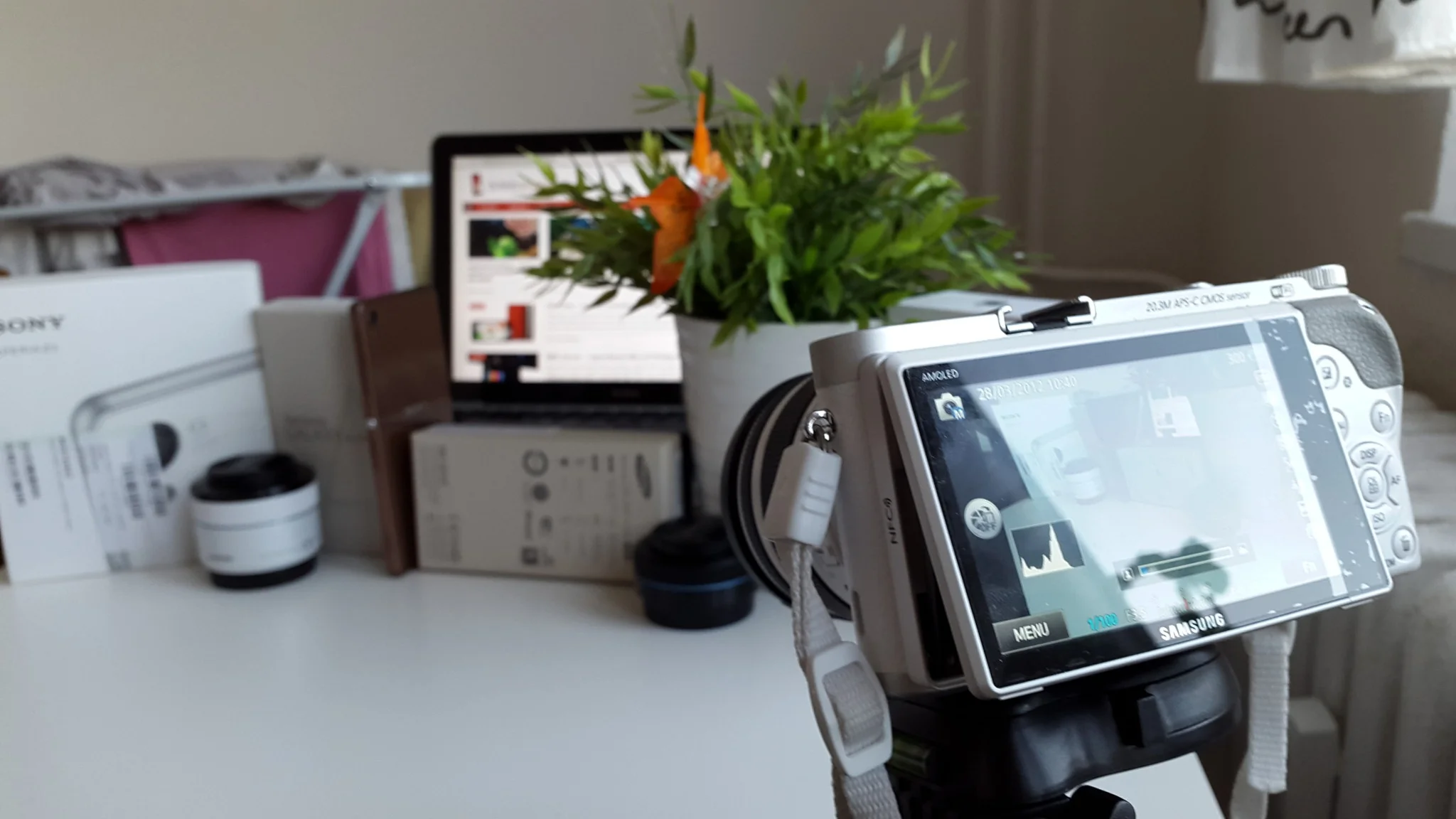
Video shot on a Samsung NX300
DESIGN
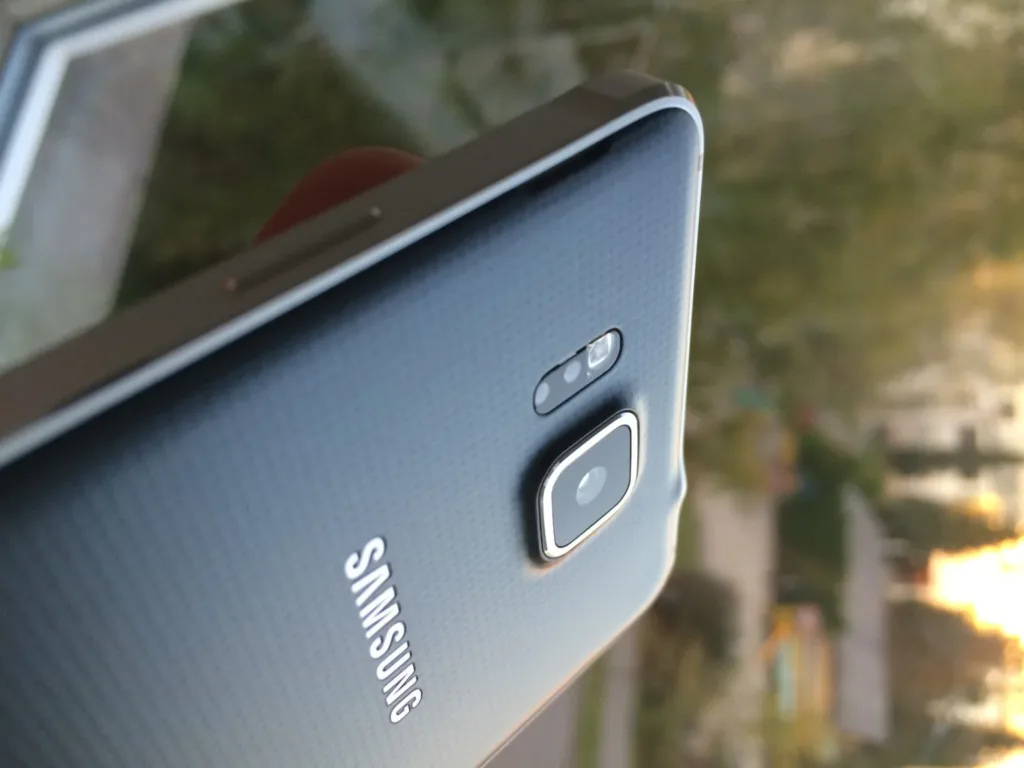
As I mentioned at the top, design is one of the Galaxy Alpha’s biggest wins. The phone looks elegant, helped by a mix of premium materials including metal, glass, and, yes, plastic. The back panel uses that plastic, and its texture is the same one Samsung used on the Galaxy S5.
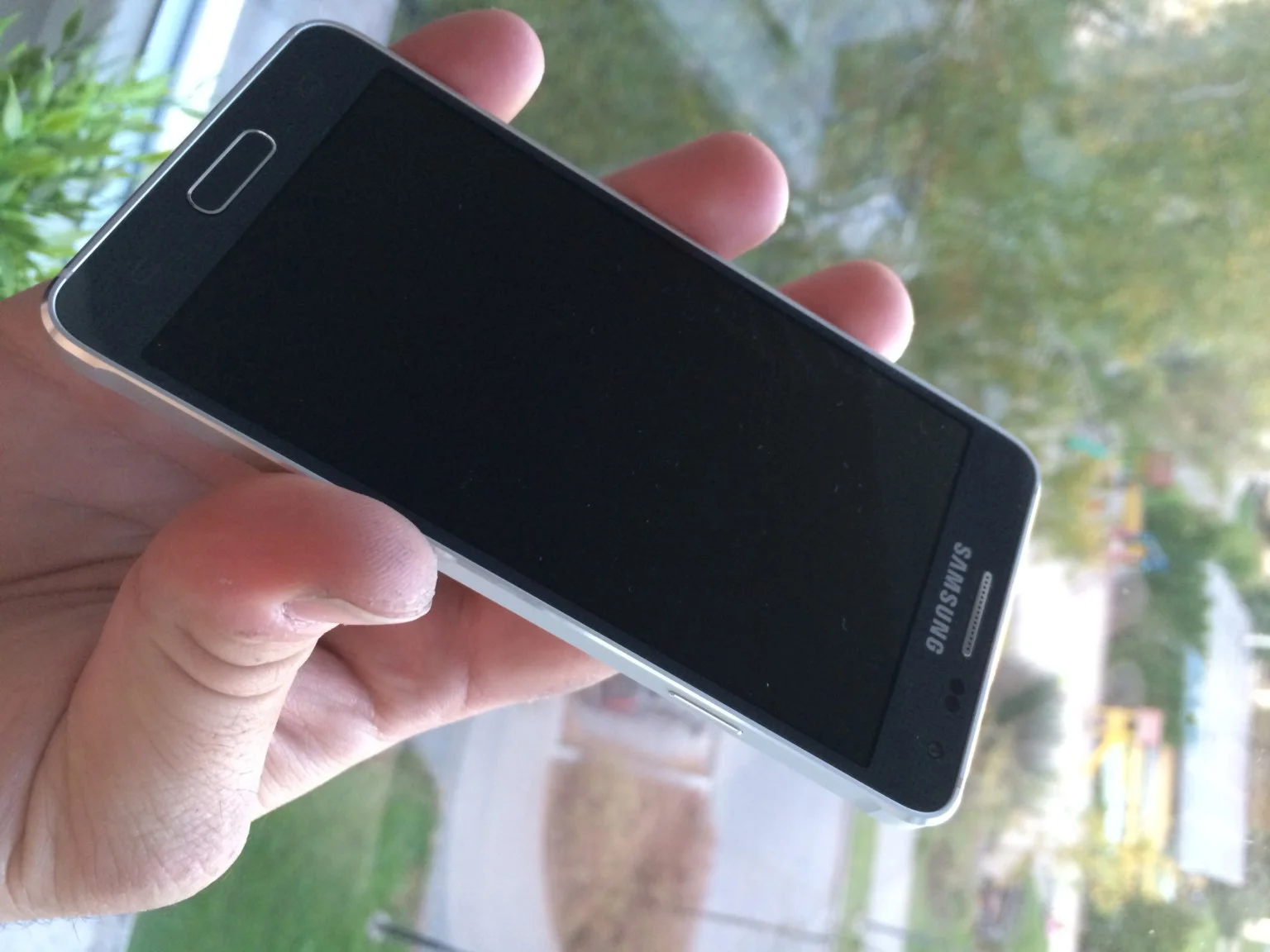
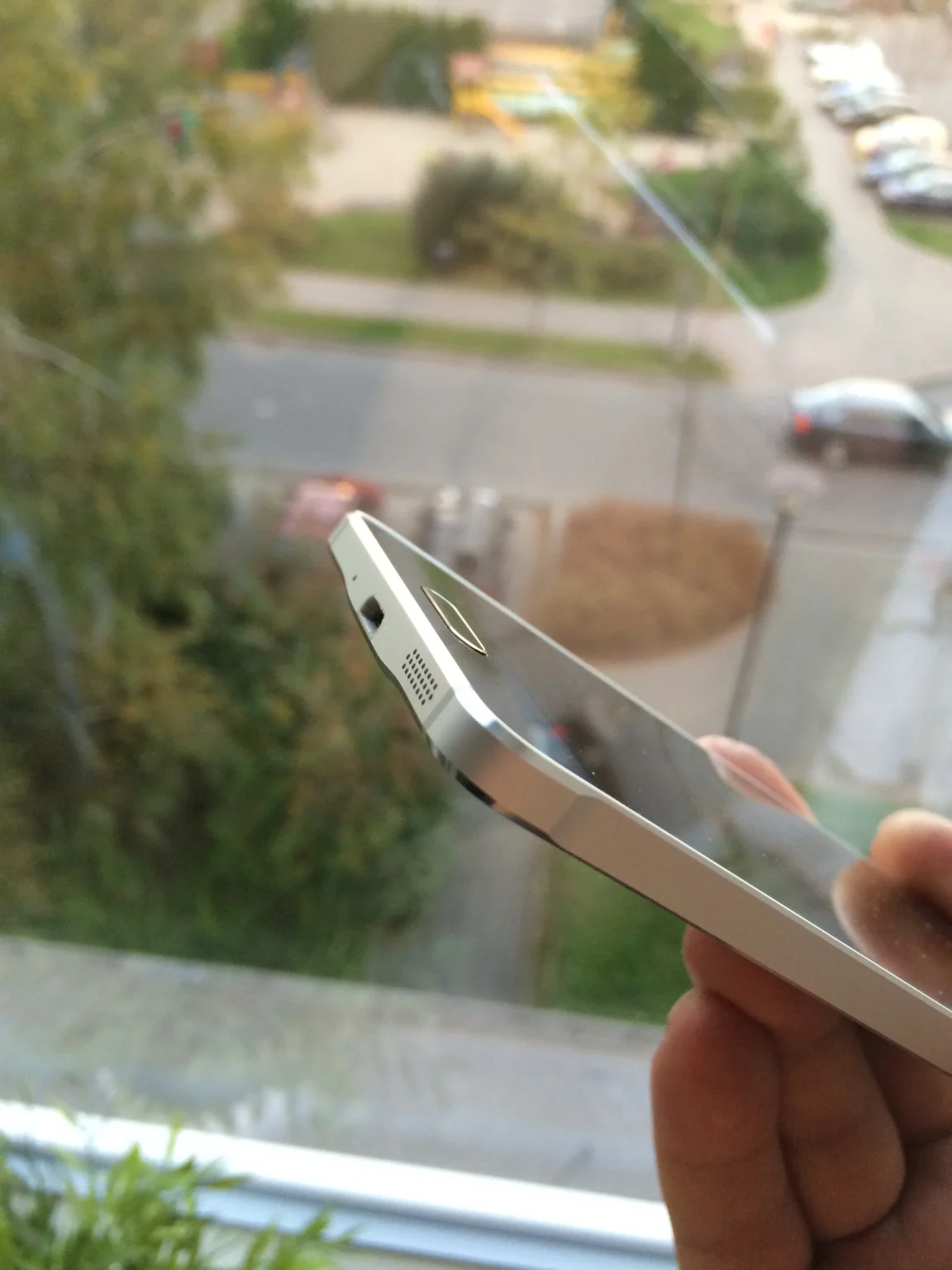
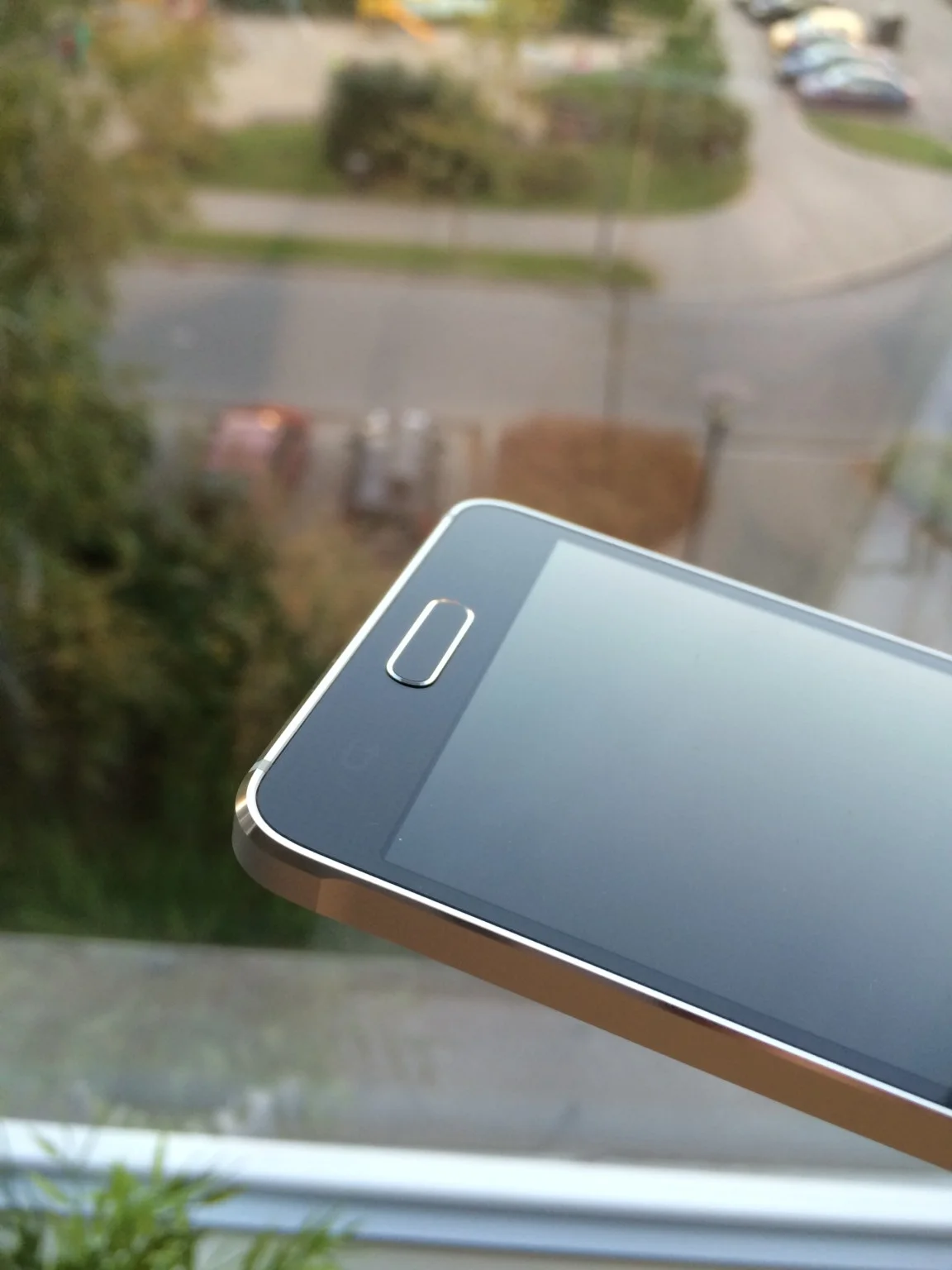
It works well in practice. Fingerprints don’t build up easily on the back, and the phone doesn’t feel slippery in your hand. The frame, as noted, is brushed metal, and it tapers slightly along the sides. That improves grip and gives the Alpha a more distinctive shape. The front is covered in glass.
The Galaxy Alpha breaks from Samsung’s older design habits in a real way, and it feels like a turning point. If anything, it showed the company exactly where to go next.
BUILD
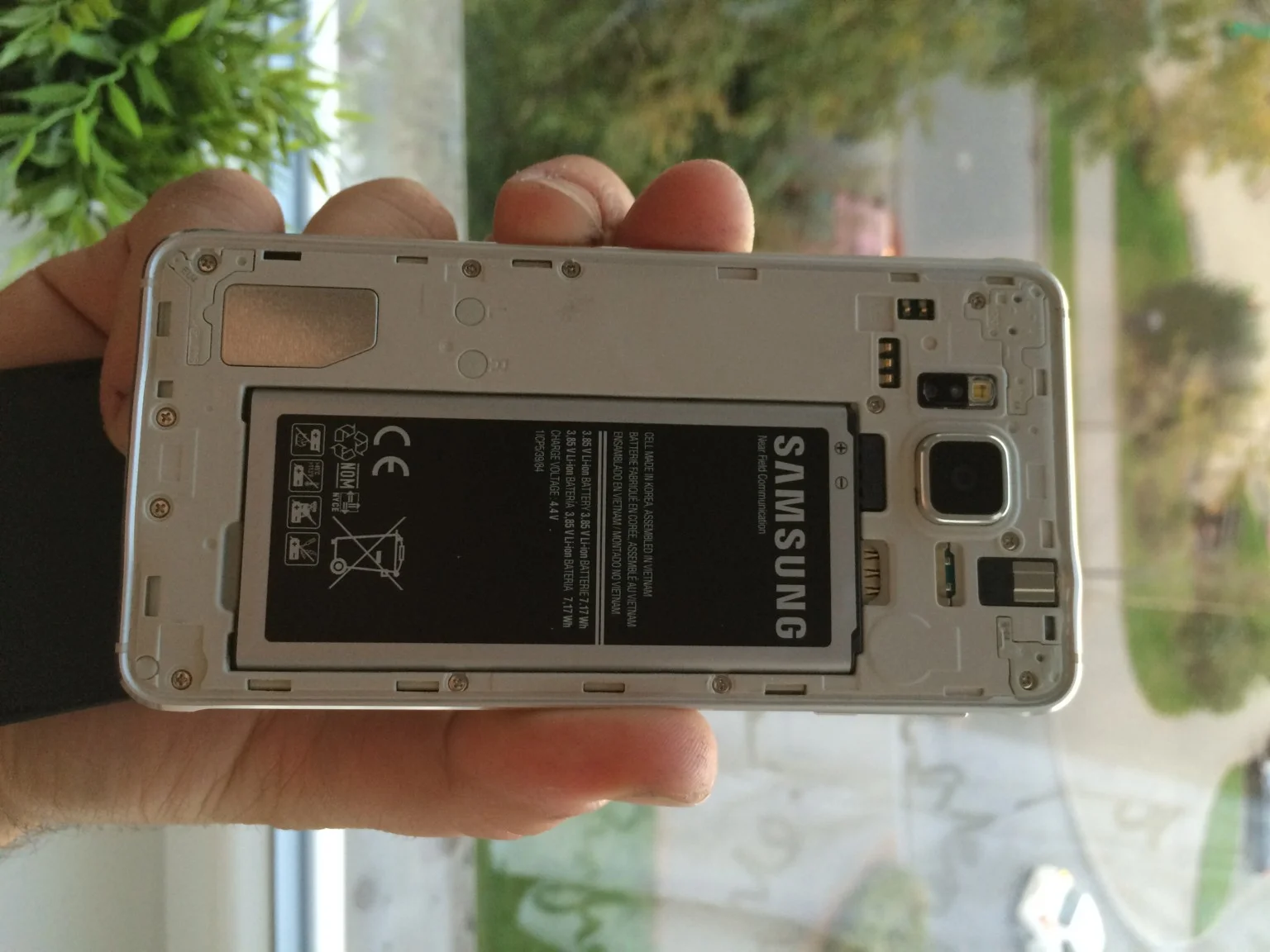
The Galaxy Alpha has a removable construction, so getting inside is easy, and the battery can be replaced by the user. Its dimensions are 132.4 x 65.5 mm. Thickness comes in at a very slim 6.7 mm, and the weight is an even more impressive 115 g.
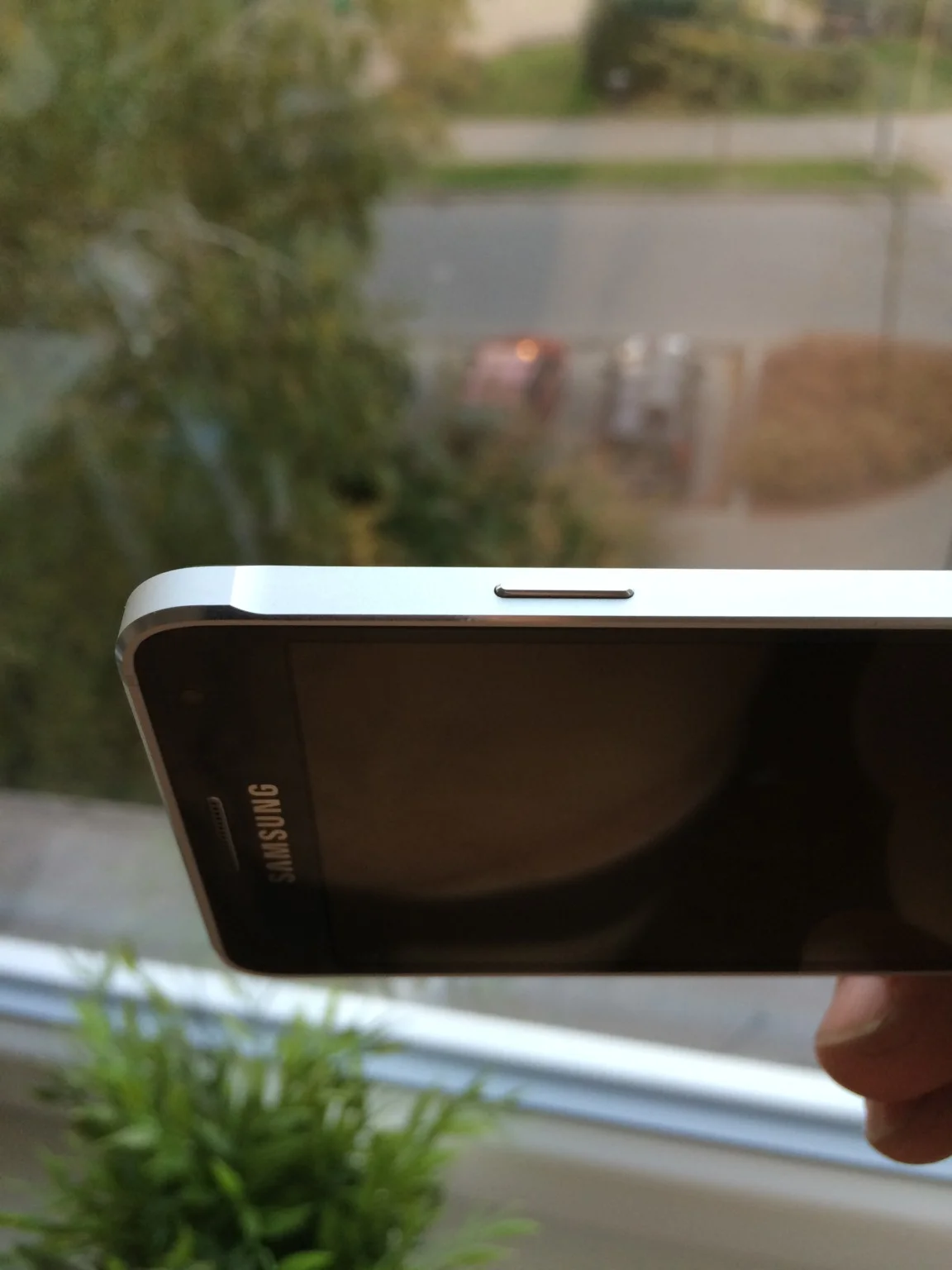
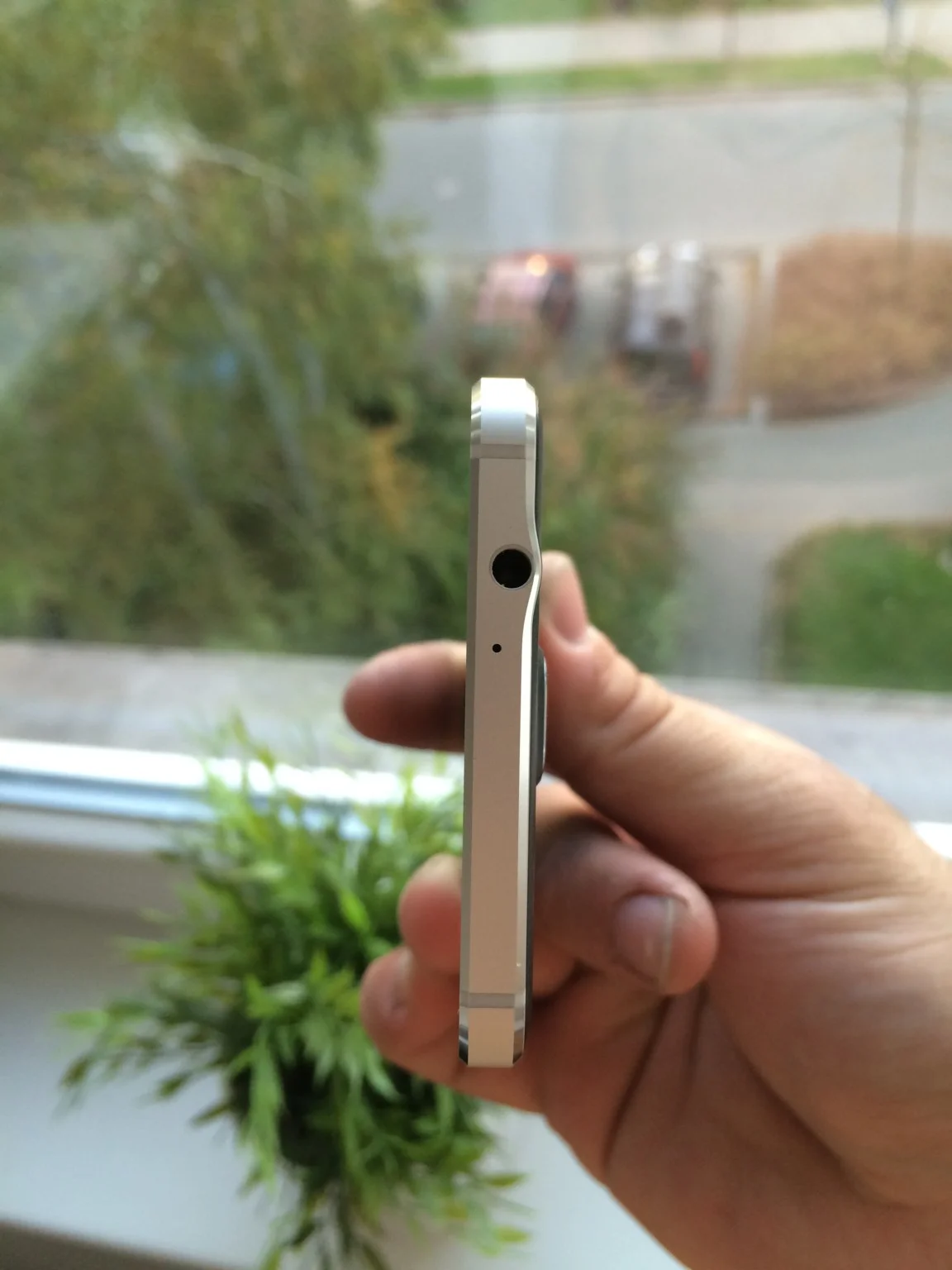
On the right edge, near the top, you’ll find the volume buttons. They’re metal too, and they look different from the controls on earlier Samsung phones. On the left edge there’s an easy-to-reach button for locking the display or powering the phone on and off. Up top, on the right side, sits the 3.5 mm headphone jack, with a secondary microphone next to it for noise reduction during calls, video recording, and similar tasks.
The bottom edge houses a loudspeaker on the left. It’s loud enough, though I still would have preferred stereo speakers, or at least a second speaker. In the middle is the microUSB port, and to the right sits the primary microphone.
One more detail: the metal frame is broken up at the top and bottom by two thin plastic antenna lines for better signal reception. They look clean and don’t get in the way of the phone’s upscale design.
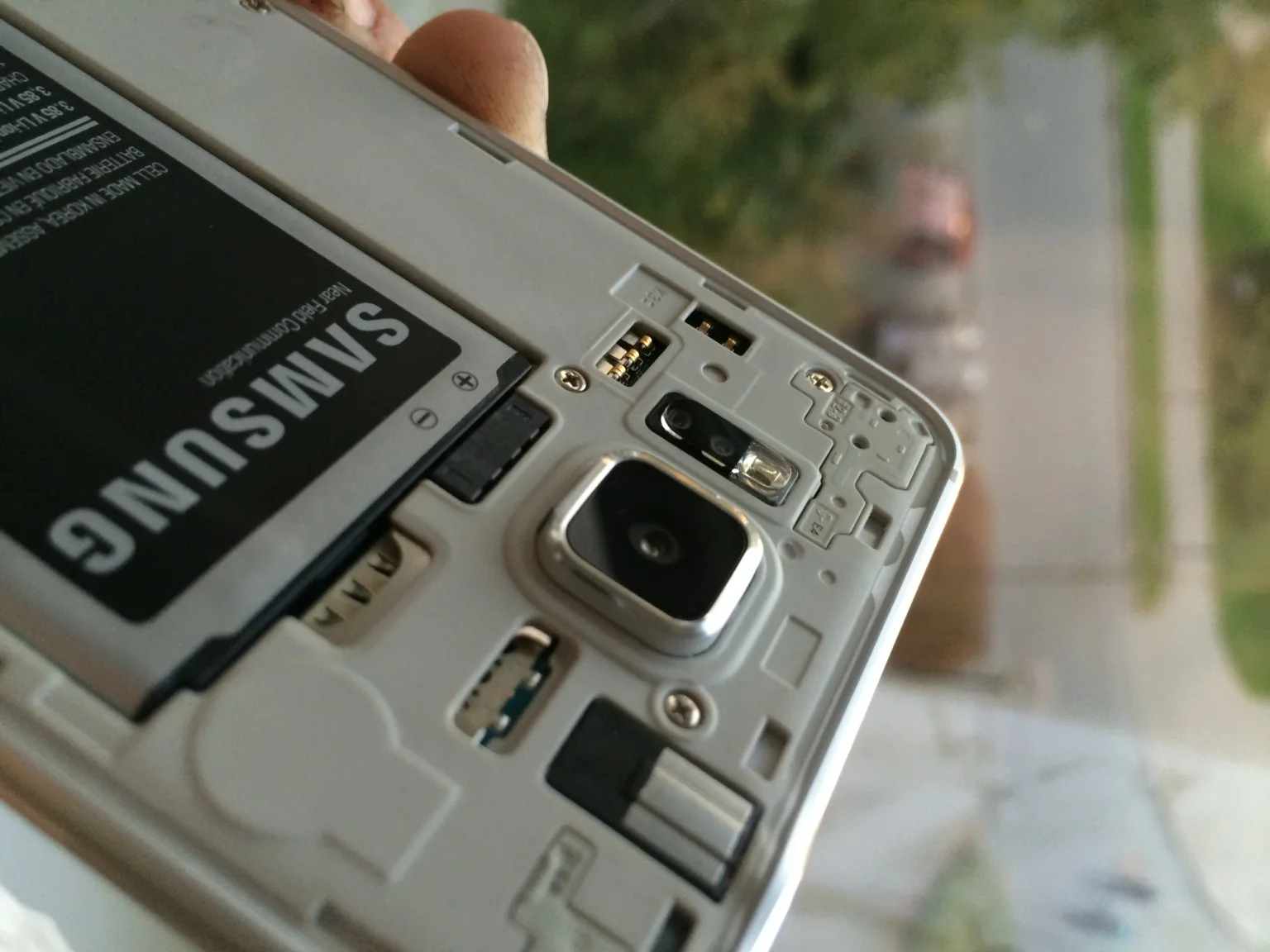
On the back, centered near the top, there’s a 12 MP camera with an LED flash. Beneath it is a heart-rate sensor intended for use with the S Health app. I had issues with that sensor almost immediately. To get a reading, you need to stay still for several seconds, without moving or talking.
That makes the feature feel pretty pointless in day-to-day use. It comes off more like a marketing add-on than something genuinely useful, and the sensor clearly needed more work. Remove the back cover and you’ll find the SIM slot, but there’s no microSD card slot here. That means the 32GB of internal storage can’t be expanded. You’ll also find the removable battery, as mentioned earlier.
A quick look at the back cover also tells you something else: the Galaxy Alpha doesn’t offer dust or water resistance, which is a shame.
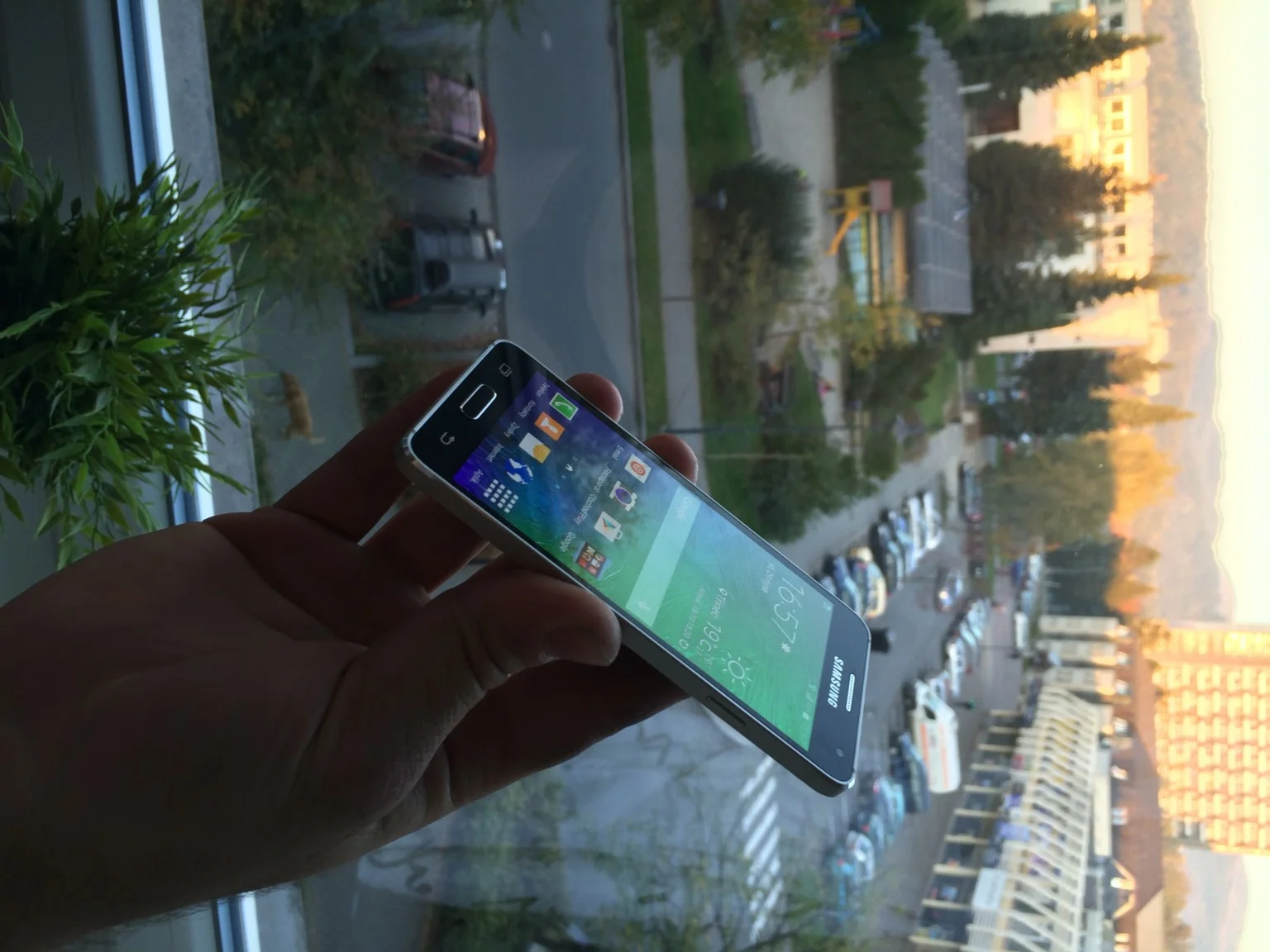
On the front, at the top left, there’s a 2.1 MP front-facing camera that’s perfectly usable for Skype, Viber, and similar video calls. Closer to the center is the usual pair of sensors: a proximity sensor for turning off the screen during calls, and an ambient light sensor for automatic brightness adjustment.
That light sensor works reliably. In the middle is the earpiece grille. Below these elements, taking up most of the front, is a 4.7-inch display with what is only an HD resolution, 720 x 1080 pixels. As you’d expect from Samsung, it’s a Super AMOLED panel, and pixel density comes in at 312 ppi.
Below the display is the familiar trio of controls: a physical center button with a built-in fingerprint sensor, plus two backlit capacitive keys on the left and right. One catch with the fingerprint reader: you unlock it by swiping your finger across the sensor, not just resting your finger on it. Even at the time, that felt like a compromise.
HARDWARE
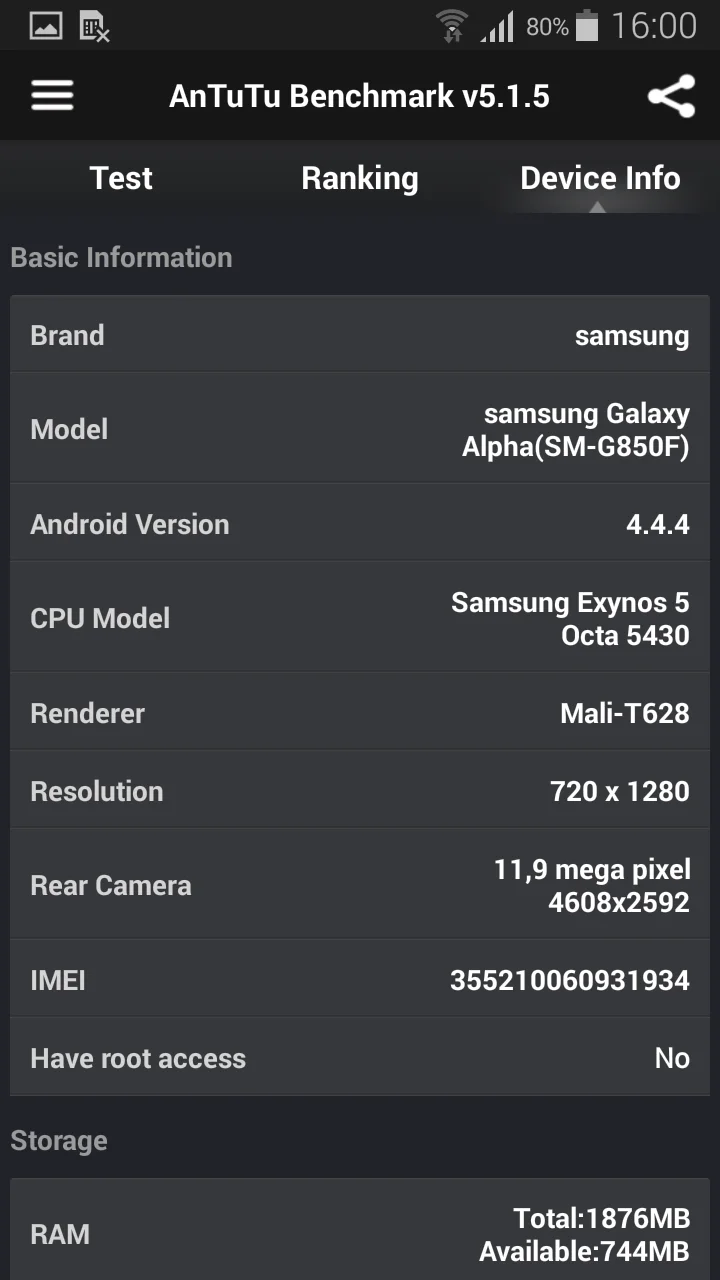
Samsung Galaxy Alpha packs Samsung’s 8-core Exynos 5 Octa 5430, built from two quad-core clusters: Cortex-A15 clocked at 1.8 GHz and Cortex-A7 at 1.3 GHz. That setup is paired with 2 GB of RAM and Mali-T628 MP6 graphics. On paper, this is a pretty loaded smartphone, and that holds up in actual use. I played all kinds of games on it, including the most demanding titles, and I didn’t run into stutters or slowdowns.
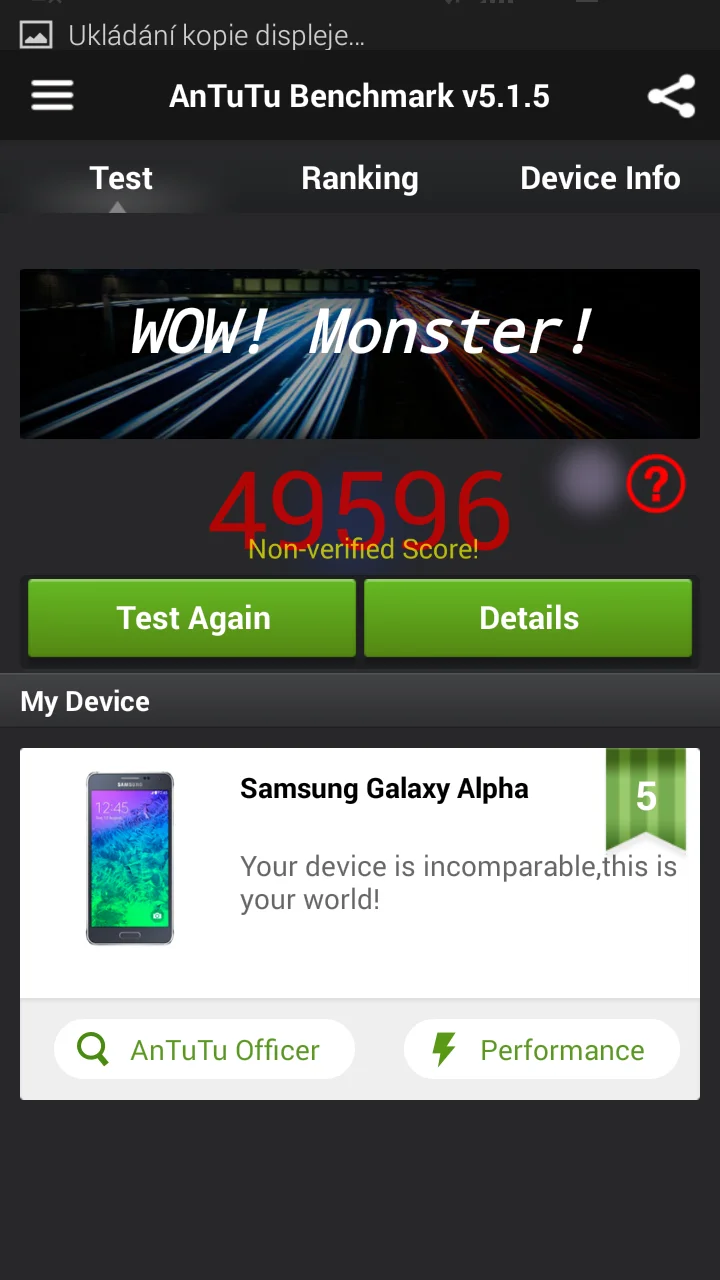
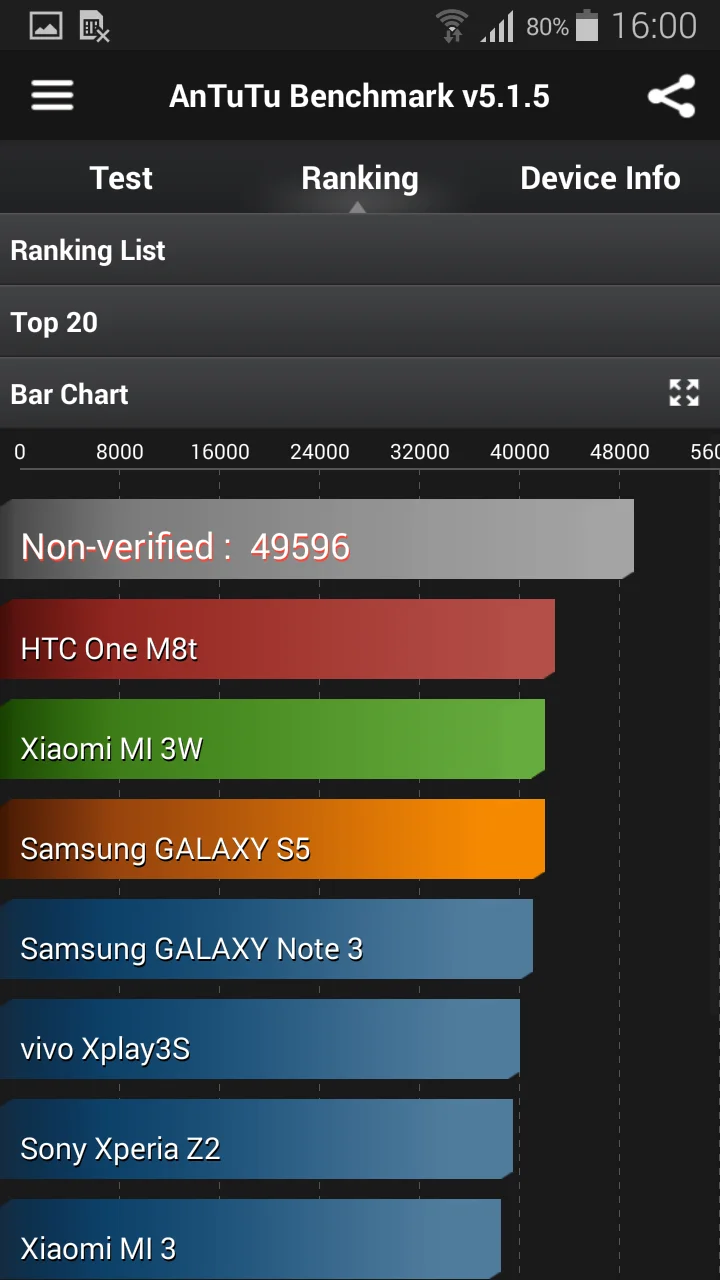
The same was true during heavier system use, where I again didn’t find even a moment of hesitation. Performance deserves real praise here. In the AnTuTu benchmark, the phone scored just under 50,000 points and landed high up the charts. Even demanding users should have plenty of headroom. Inside, you’ll also find Wi‑Fi, GPS, a gyroscope, LTE, and the usual connectivity options. Unfortunately, NFC is missing.
SOFTWARE
Samsung Galaxy Alpha runs Android 4.4.4 KitKat. For many people, there’s good news here: an upgrade to Android 5 Lollipop was planned. Exactly when, though, remained unclear. Let’s take a closer look at the software. The lock screen consists of a wallpaper, a time and date indicator at the top, and below that, depending on your settings, items like step count, weather, and other information. Everything can be customized in the system settings. In the lower corner, there’s also a shortcut button for quickly launching the camera app. You unlock the device with a swipe anywhere on the display.
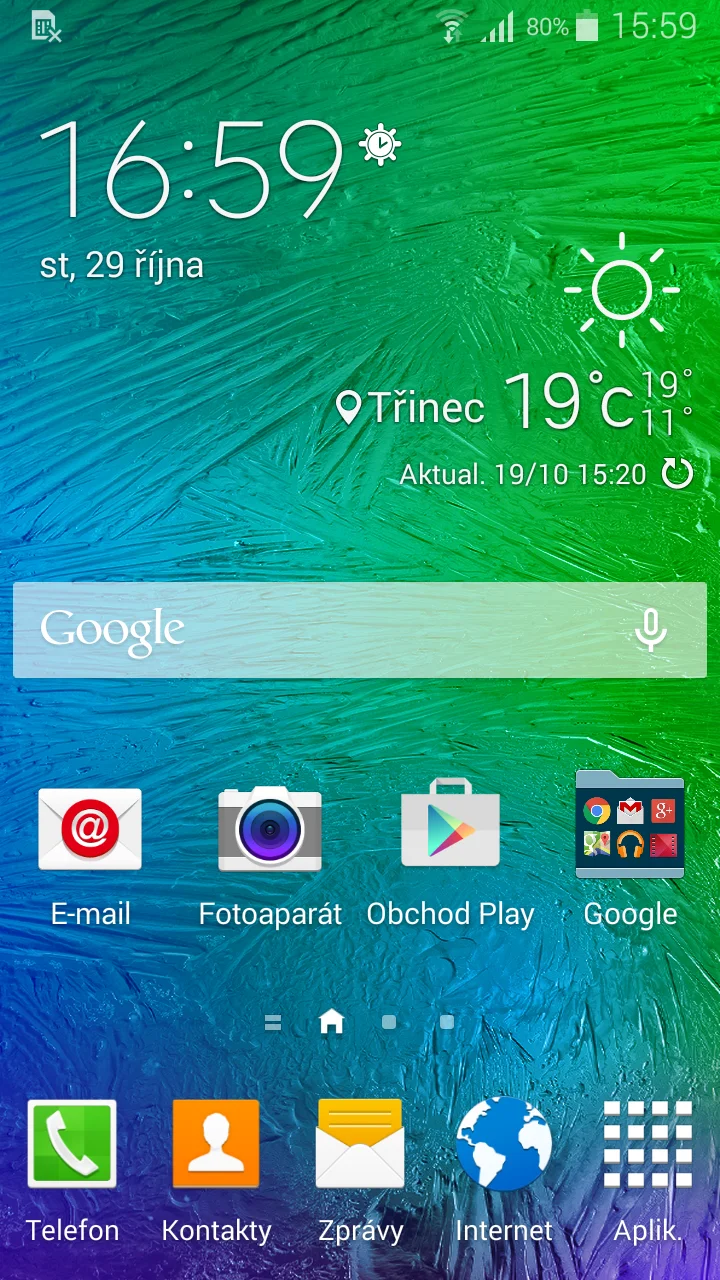

The home screen is made up of the familiar Android panels we’ve known for years. You can add or remove them as you like, then place app shortcuts, widgets, and other items on each one. If you swipe all the way to the far left, you’ll reach the My Magazine panel, which integrates Flipboard. Here, you can choose the sources that will feed article cards into a magazine-style layout. It works very well.

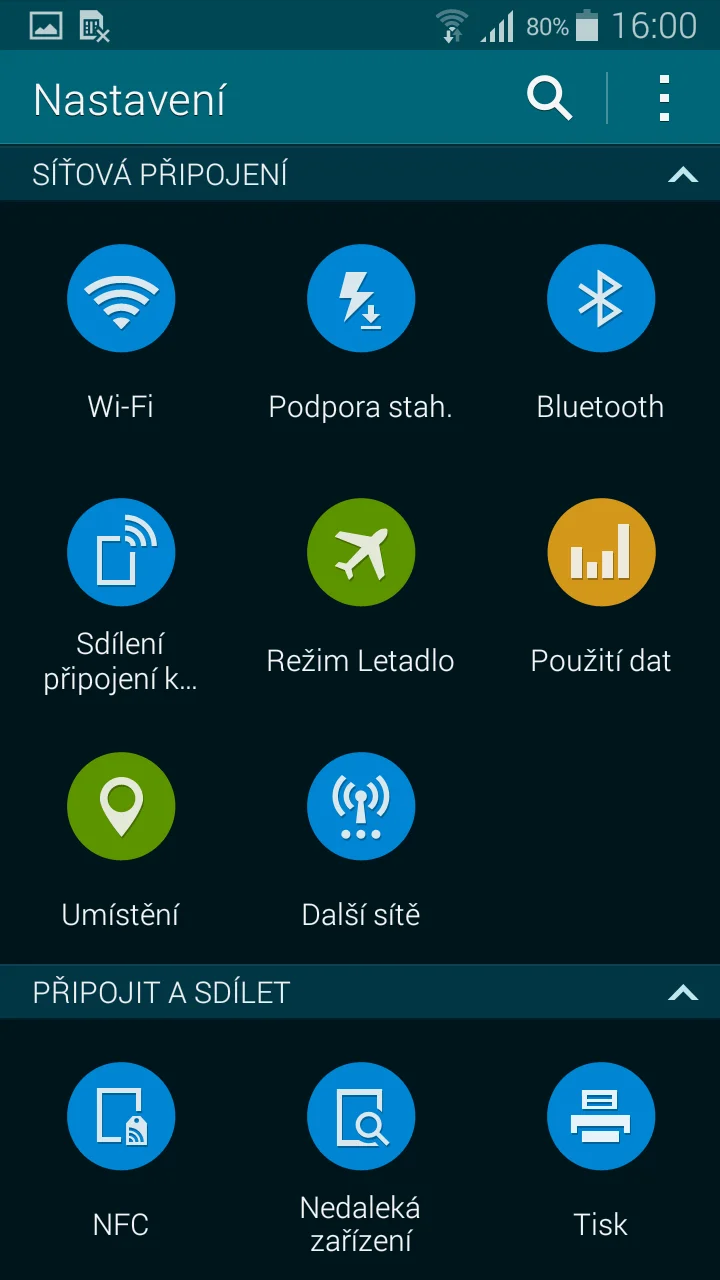
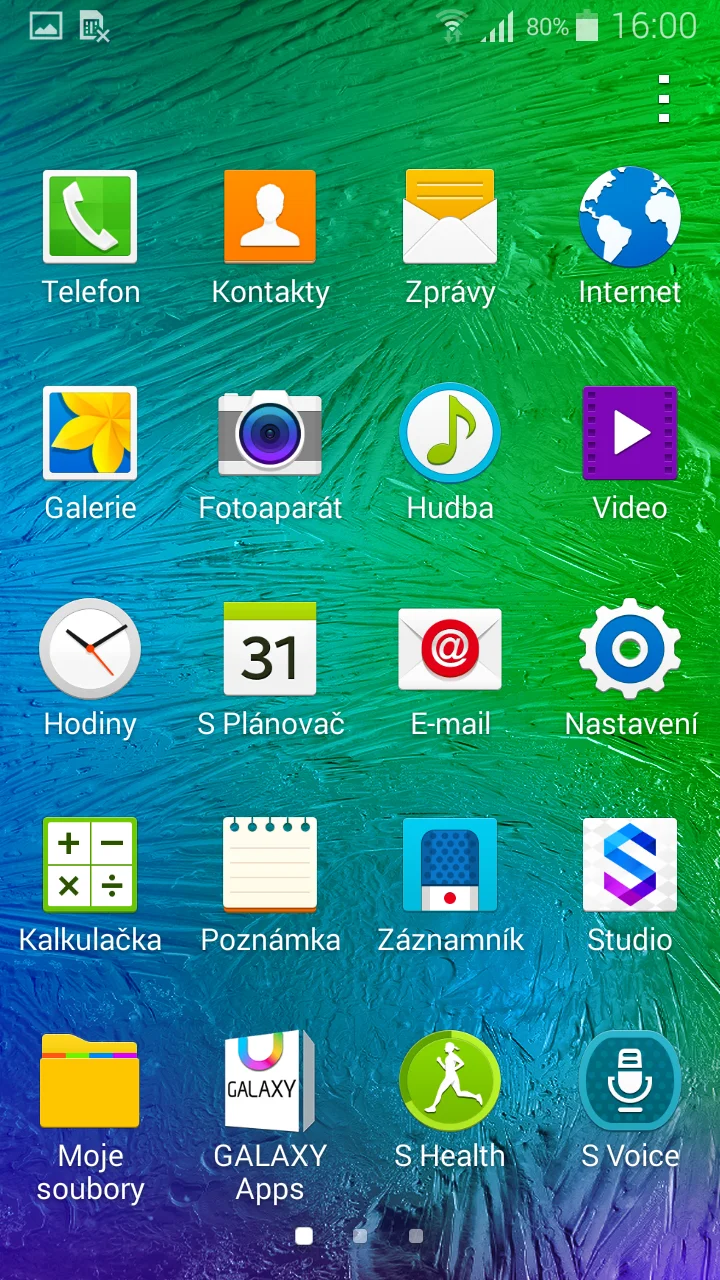
The app drawer is made up of standard application icons and now has a cleaner, more minimalist design. The old app/widget tabs at the top are gone. To get to widgets, you swipe to the right. The notification shade appears with the usual downward swipe from the top bar, and here you’ll find the time and date, plus an icon for quick access to settings and another for jumping to the quick toggles. Below those are the quick switches themselves, which let you turn individual features on or off with a single tap.
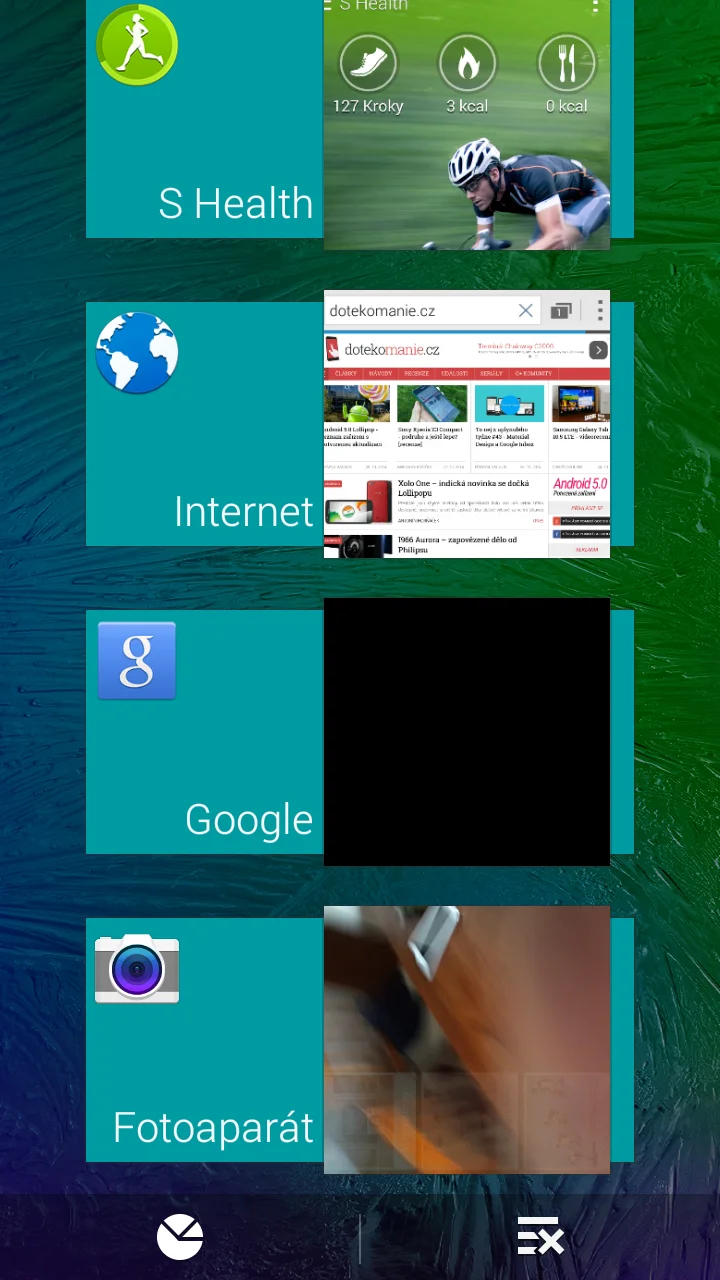
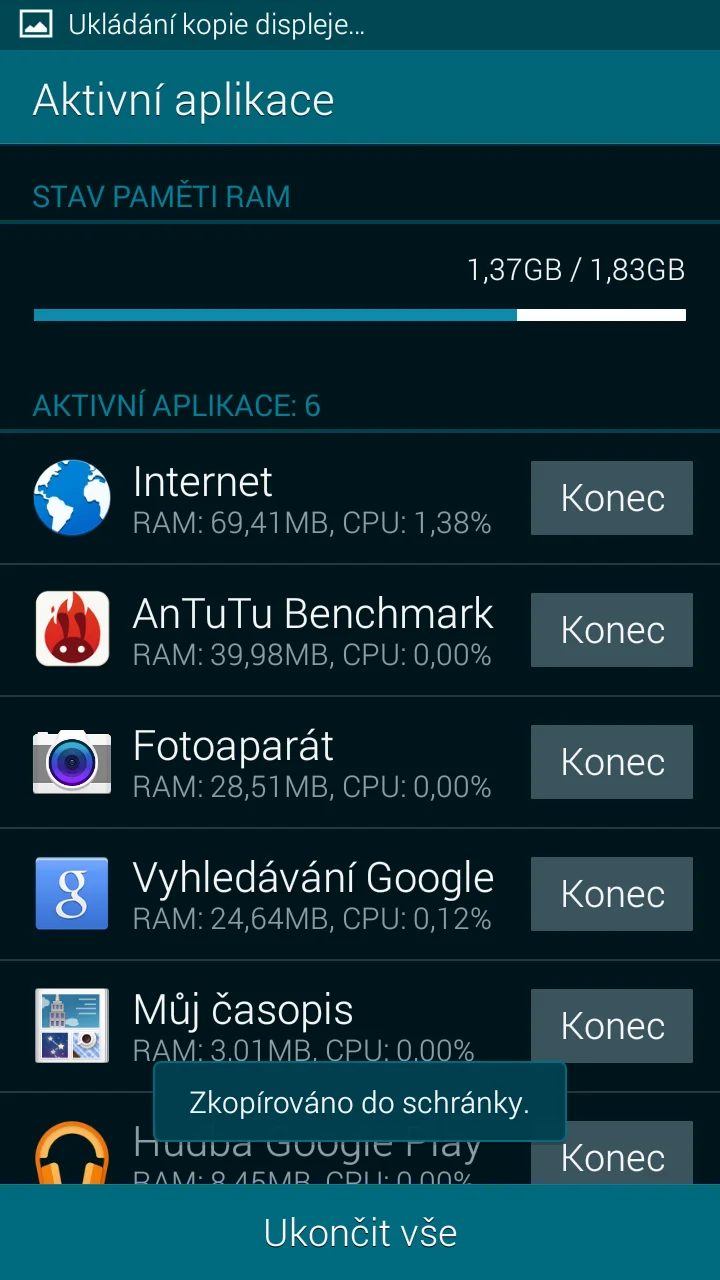
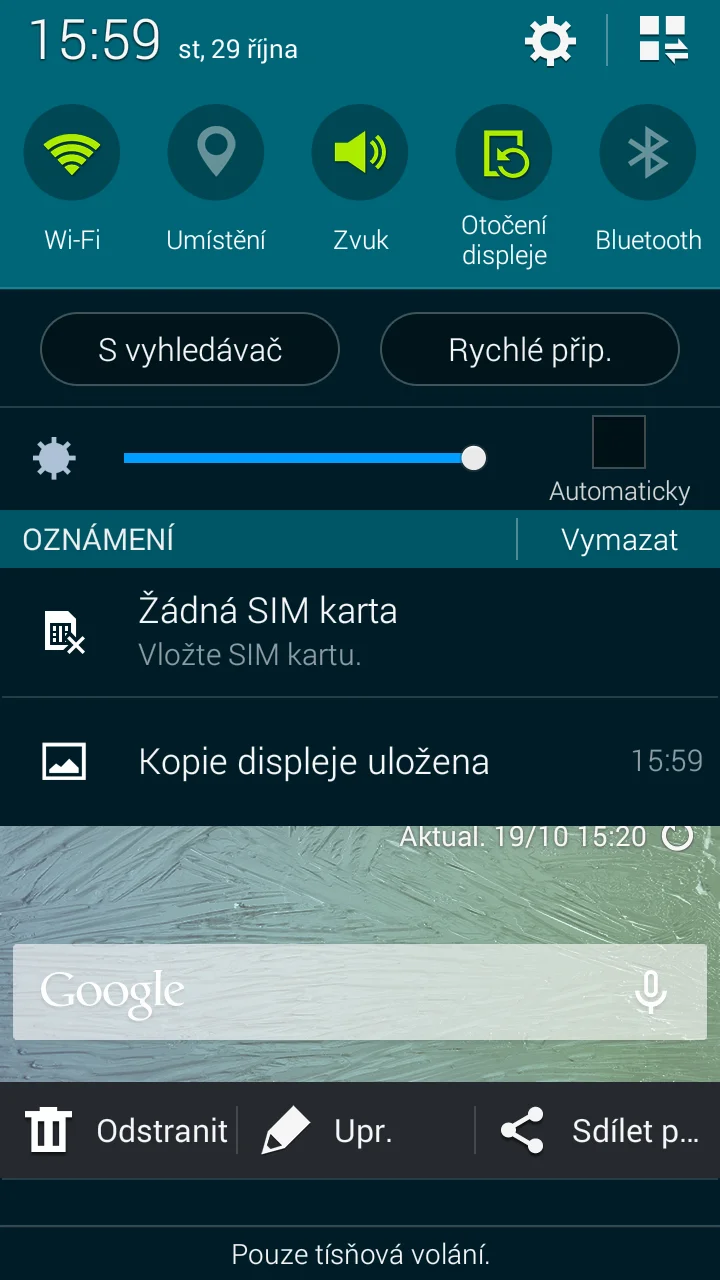
You can reorganize the toggles, edit them, and swipe through them as needed. Below them is a shortcut to S Finder, followed by a manual brightness slider. Under that come the notifications themselves. This notification panel is also customizable, so you don’t have to keep features enabled here if they’re just taking up space.
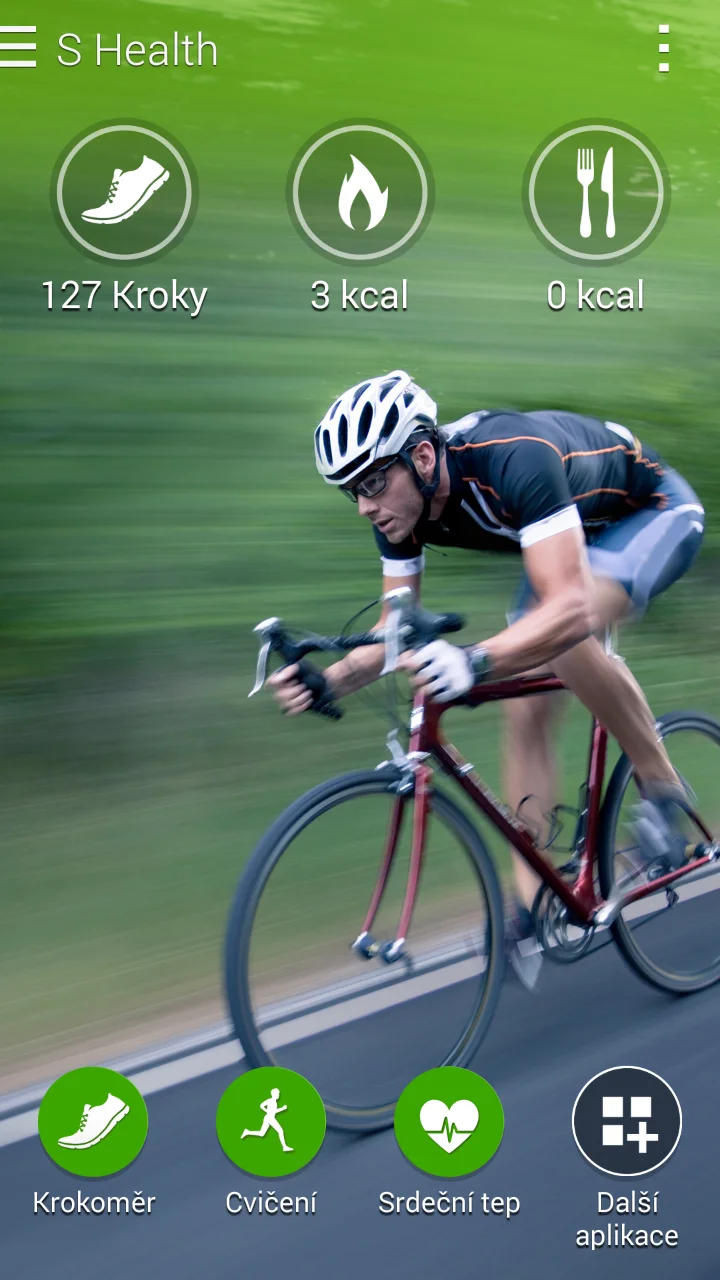
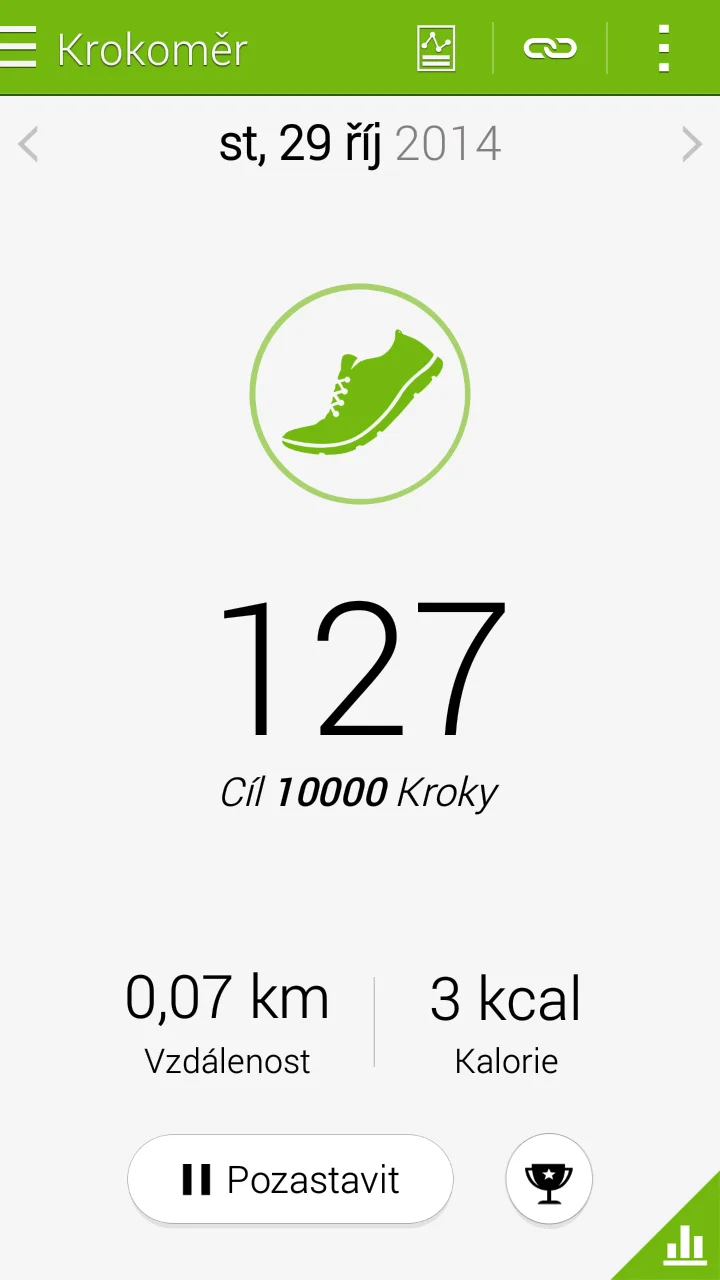
The system is fairly quick and easy to navigate. By today’s standards, I’d even say it’s a bit too colorful, but it also offers plenty of features, such as dual-window support, which lets you run two apps side by side, and the S Health app, which sports fans and wearable owners will appreciate. That said, as is typical for TouchWiz, it occasionally hesitates or slows down a little. Still, I rate the software positively overall: it’s very user-friendly, and I don’t have any major complaints about it.
DISPLAY
Samsung equipped the Galaxy Alpha with a 4.7-inch Super AMOLED display with HD resolution, specifically 720 x 1280 pixels. You can comfortably reach across the entire panel with one hand, which still feels like a big win today. The display is sharp enough, though I’ve gotten a bit spoiled and would have liked to see an even finer panel. Maybe in the next generation. Pixel density comes in at 312 ppi, and I’d argue most users won’t have any issue with visible pixel structure.
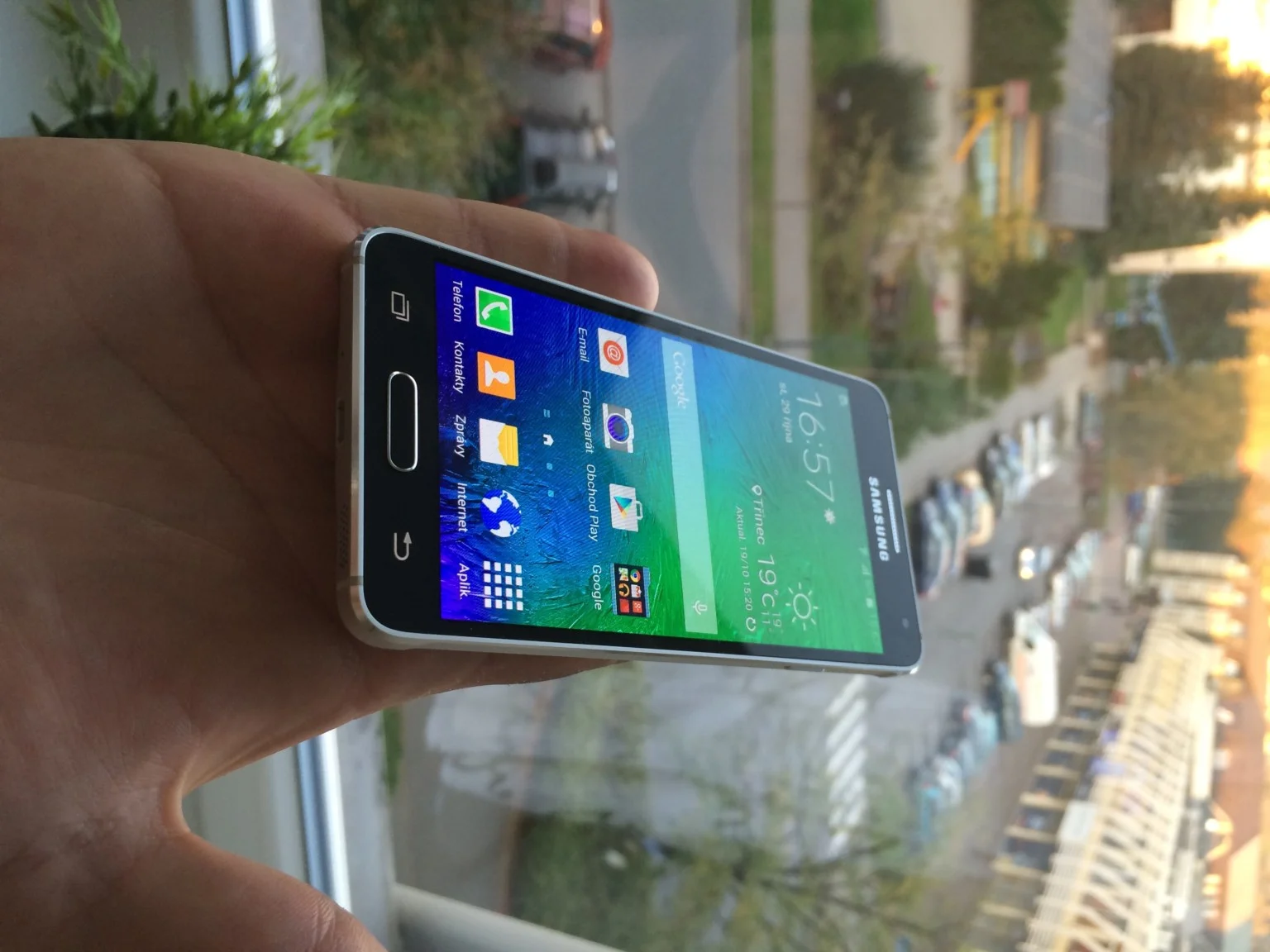
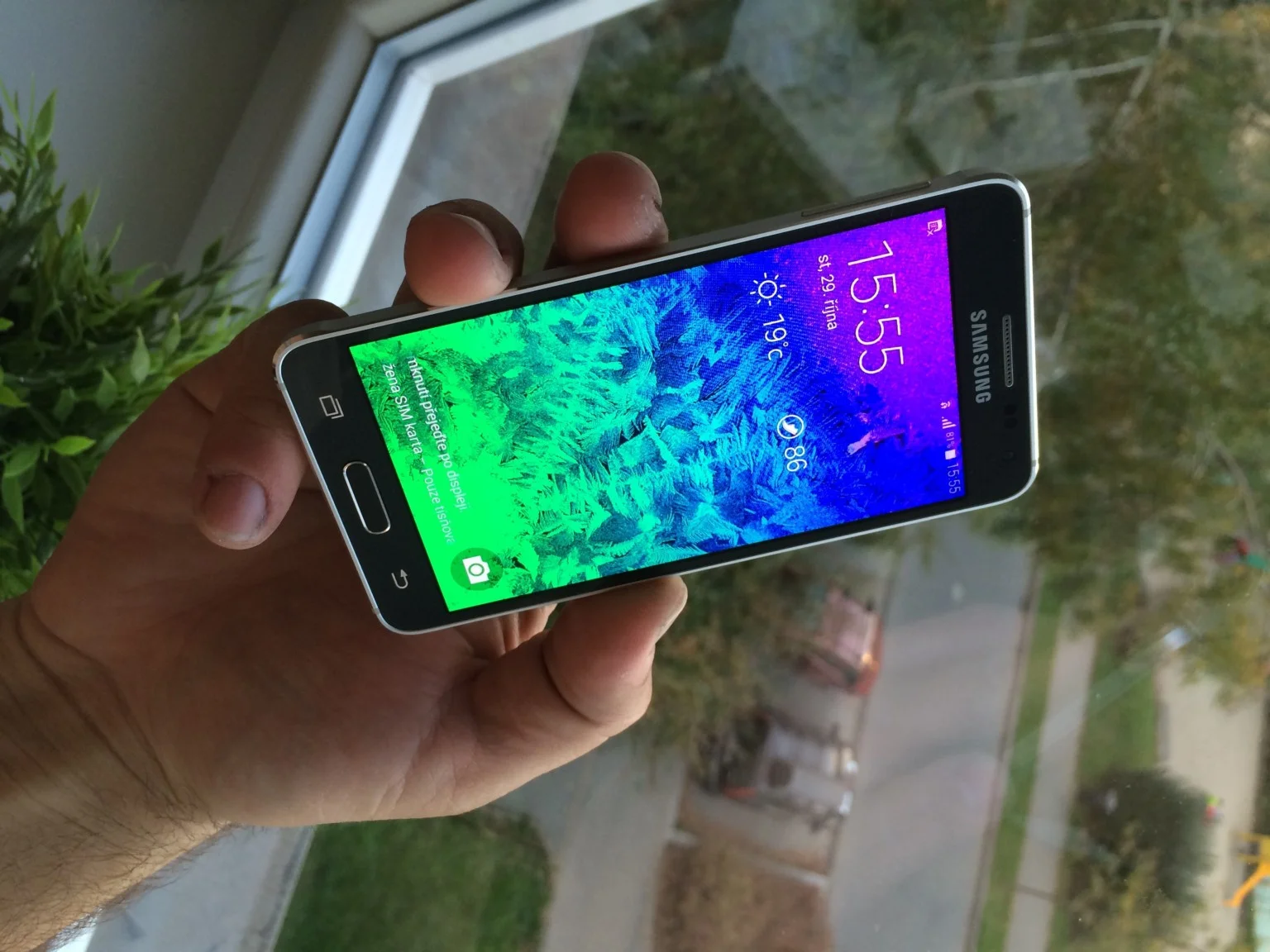

The display itself sits under Corning protective glass, specifically fourth-generation Gorilla Glass. Viewing angles are excellent, and so are the colors. If Samsung’s punchier color tuning isn’t your thing, you can tweak it in settings. The weak spot, as usual for panels like this, is sunlight visibility, and that’s poor here too. Still, the screen deserves praise overall.
BATTERY
This well-designed Samsung smartphone packs a removable 1,860 mAh battery. The number tells the story right away: it’s small, and battery life reflects that. In everyday use, you’re looking at about a day at best.
A lot depends on how you use it, especially brightness settings. Samsung did include its familiar Ultra Power Saving Mode, which can absolutely bail you out in a pinch, but the battery capacity really should have been larger. On the other hand, because the battery is removable and compact, it’s easy enough to carry a spare and swap it in when needed. Battery life is a clear downside.
CAMERA
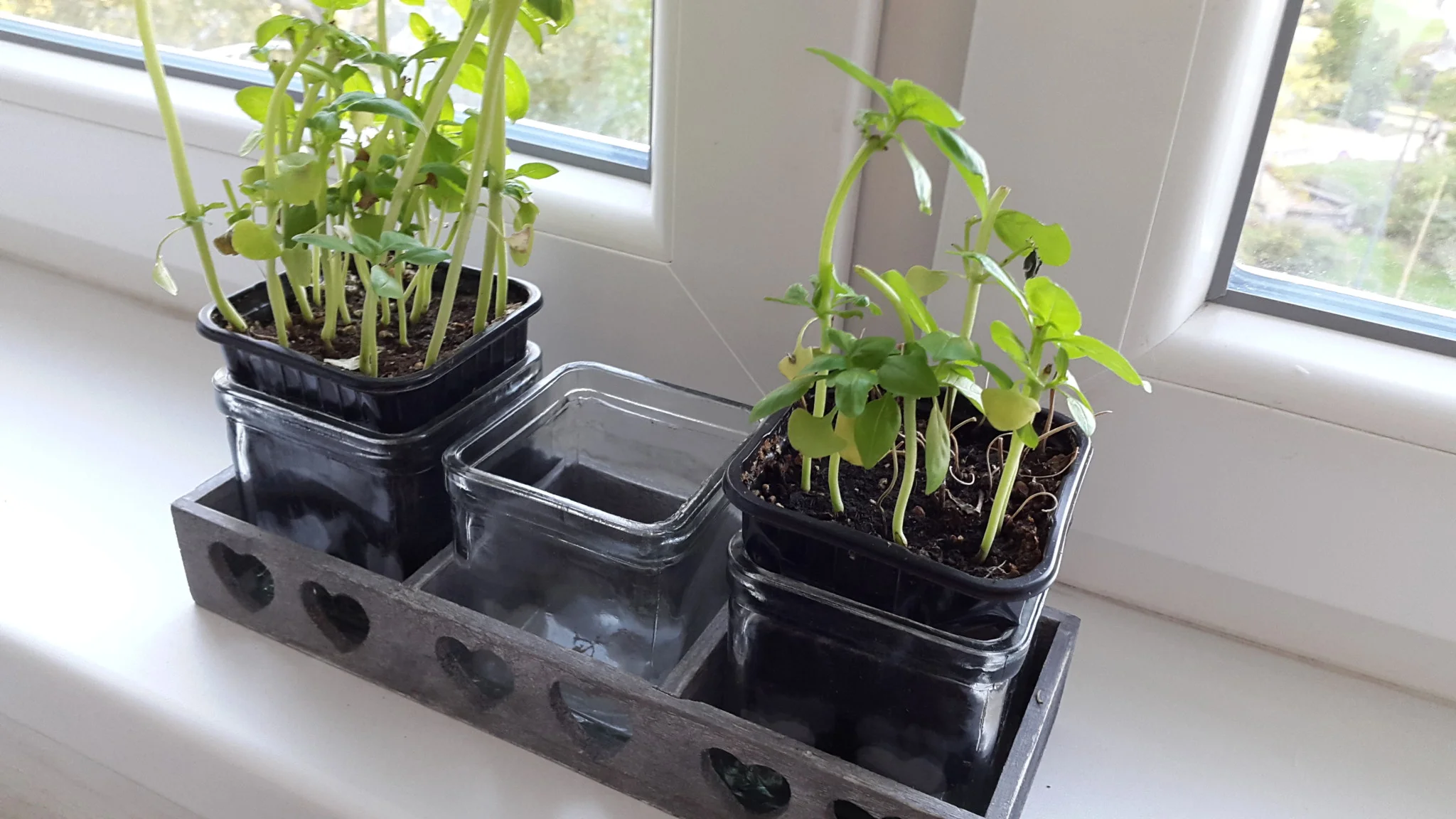
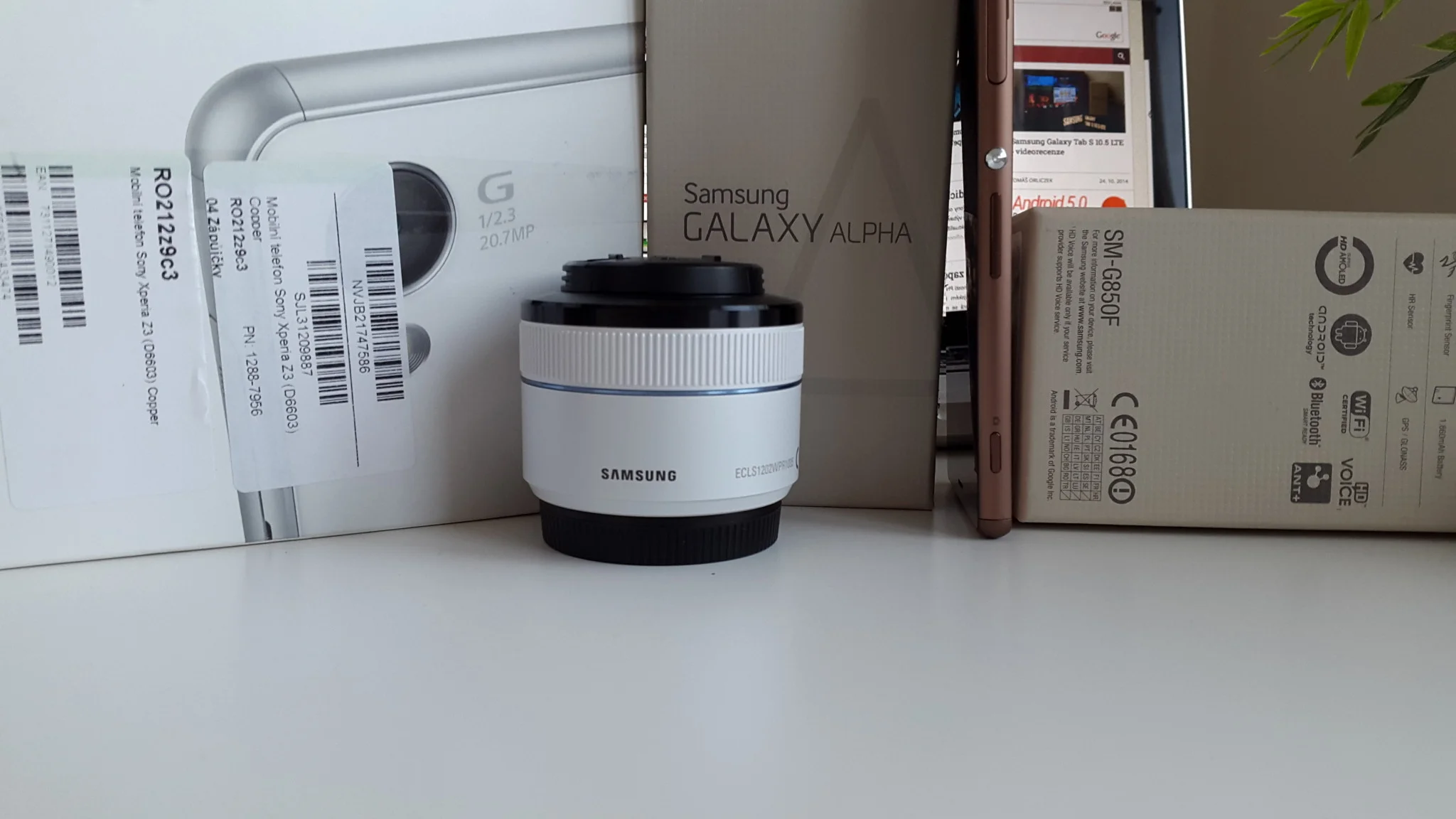
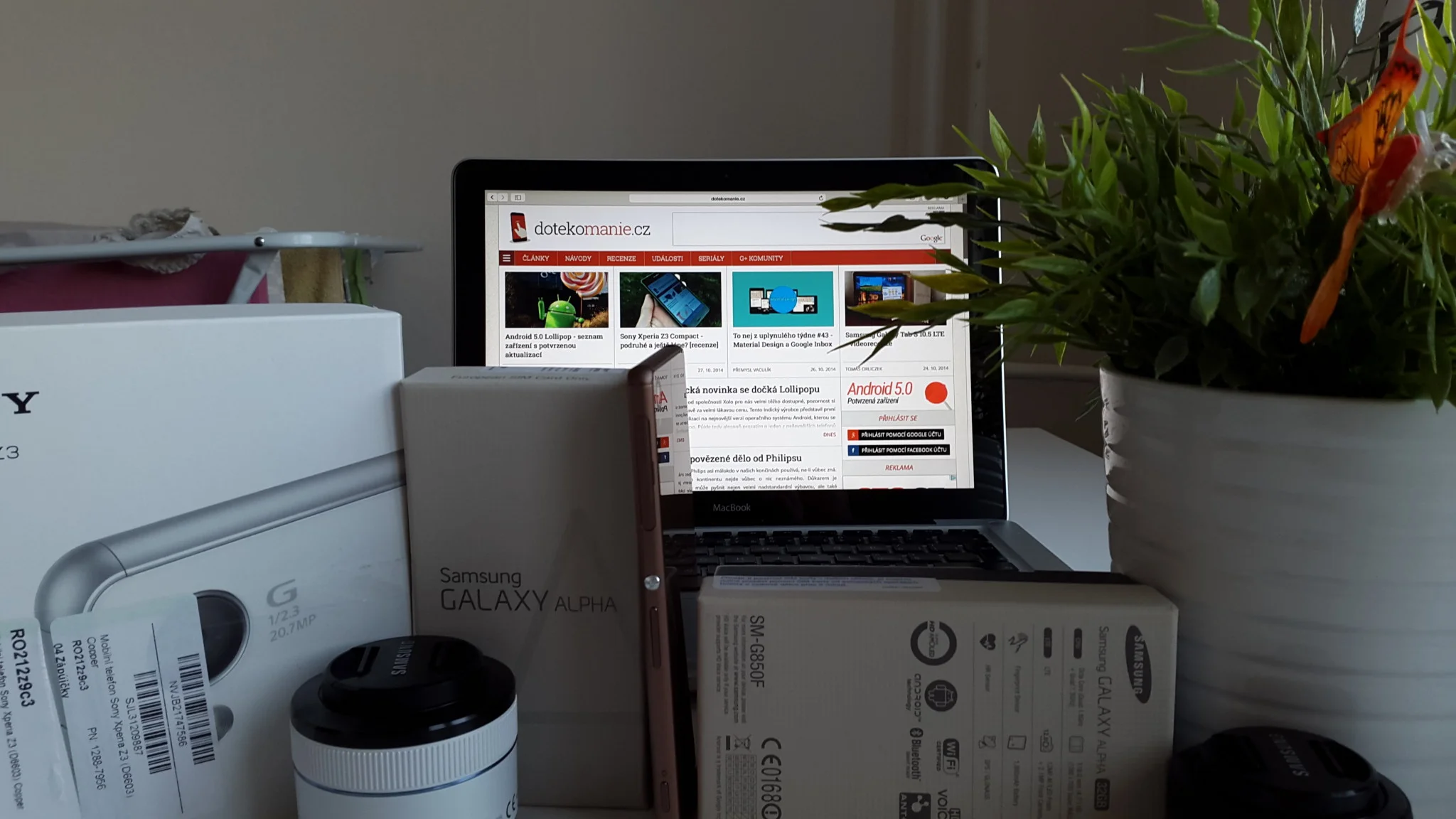
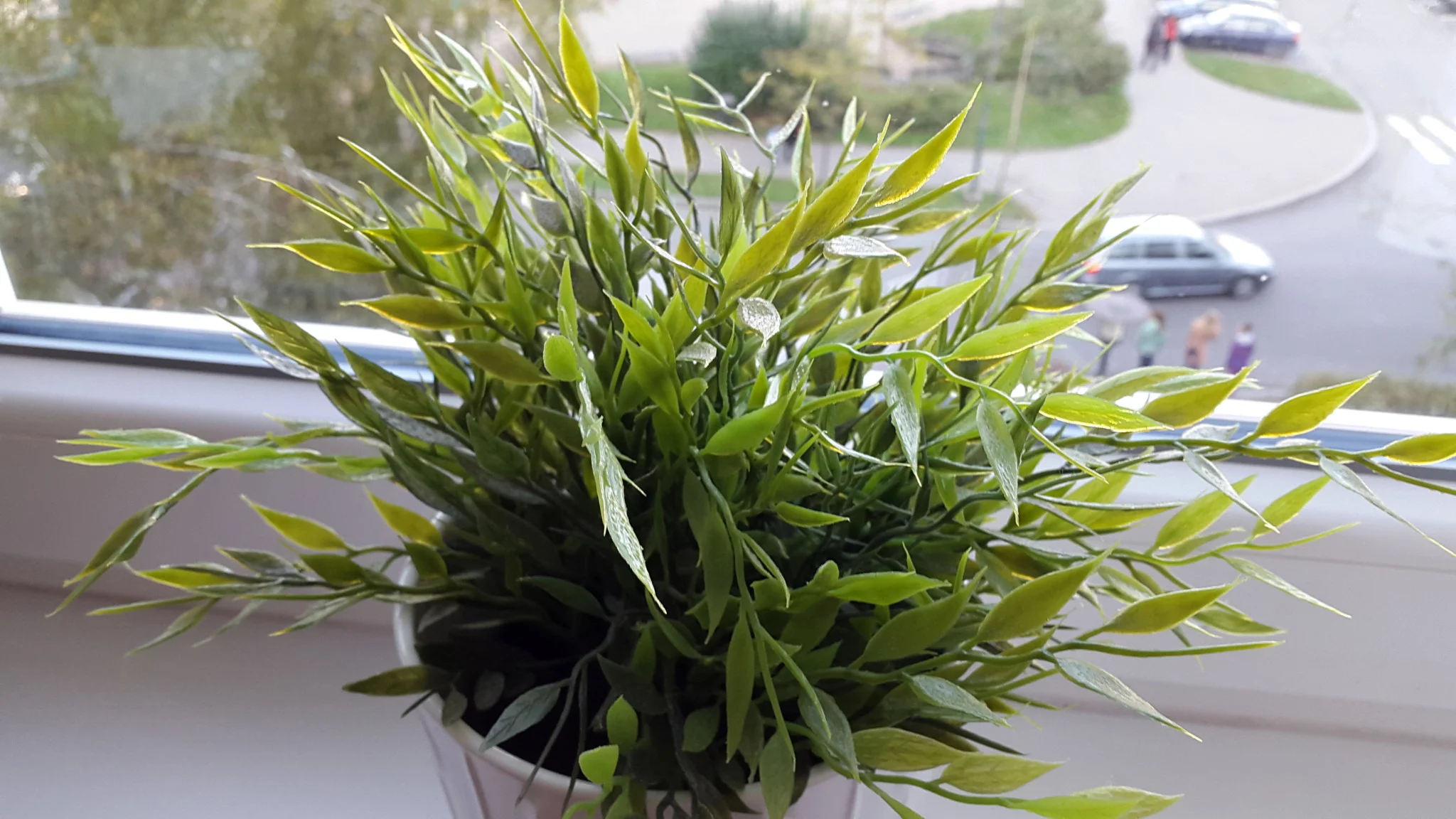
The Samsung Galaxy Alpha features a 12MP camera with an LED assist light in place of a traditional flash. It can also record video in up to 4K. The resulting photos are very good, though at Samsung, that almost feels standard by this point. Sharpness is excellent, depth of field is strong, and colors look realistic. One caveat: I’d recommend checking your shots on a PC rather than on the phone’s display, which, as mentioned earlier, is a bit oversaturated.
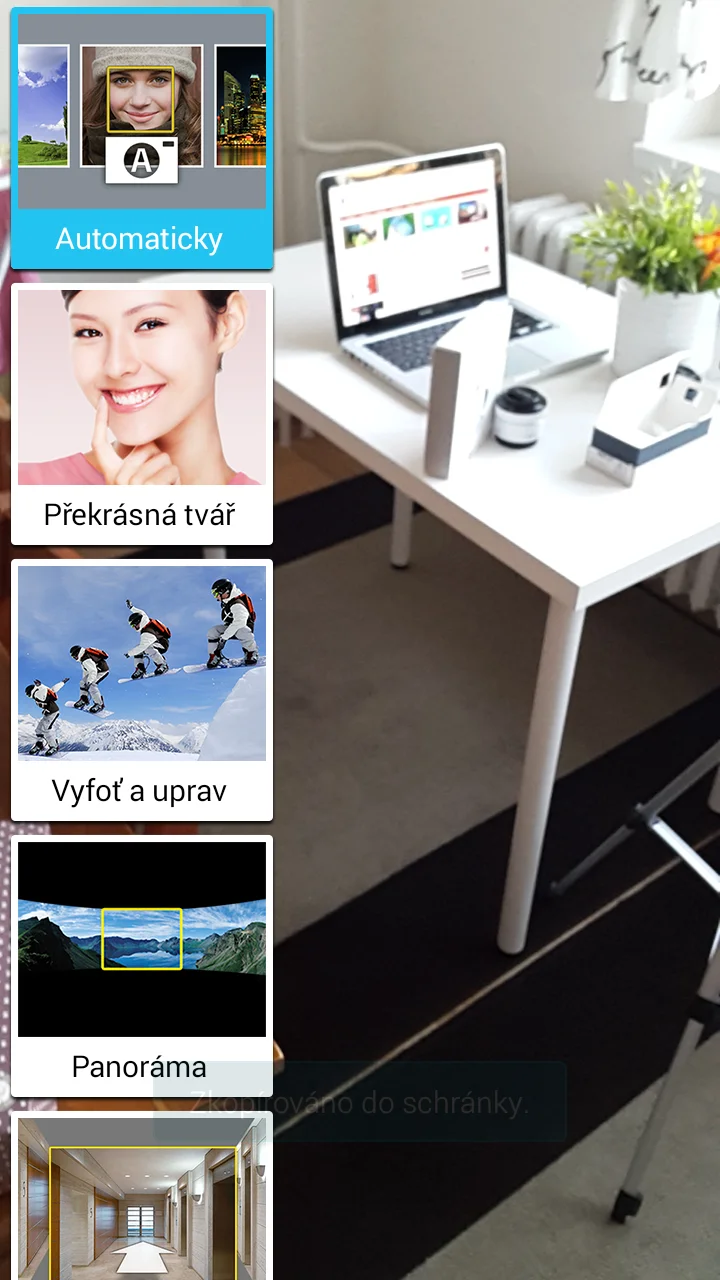
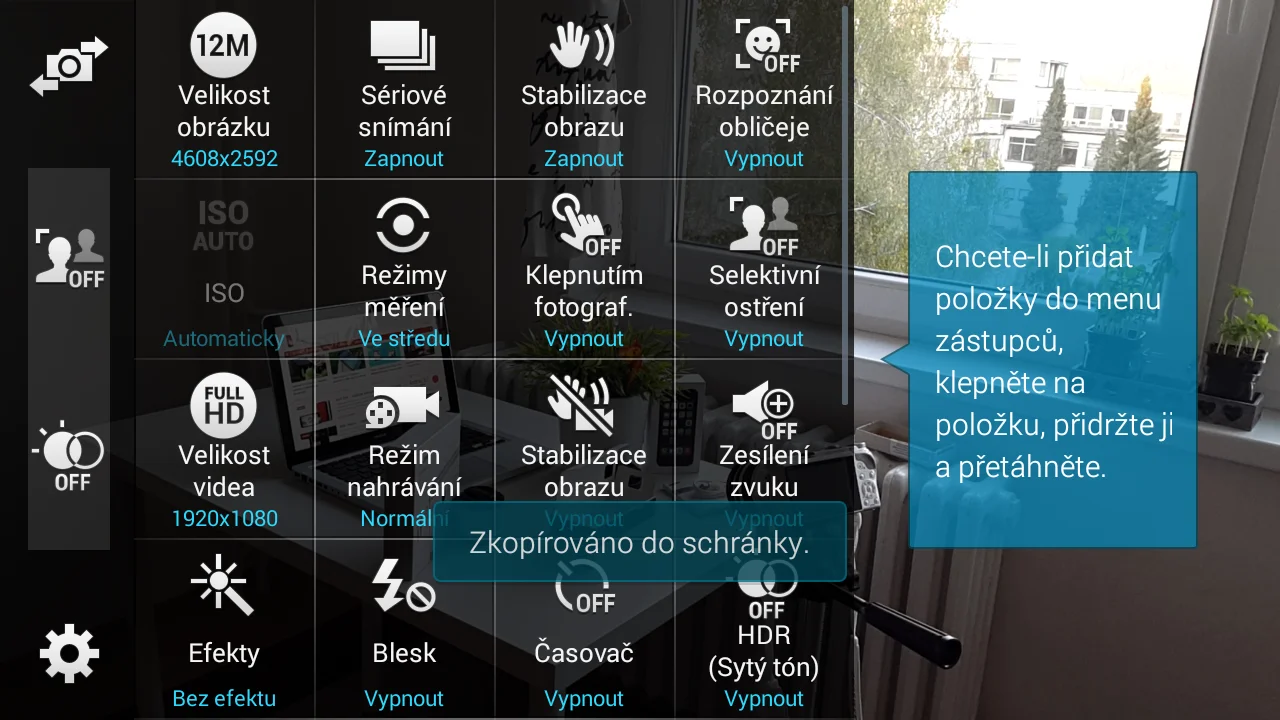
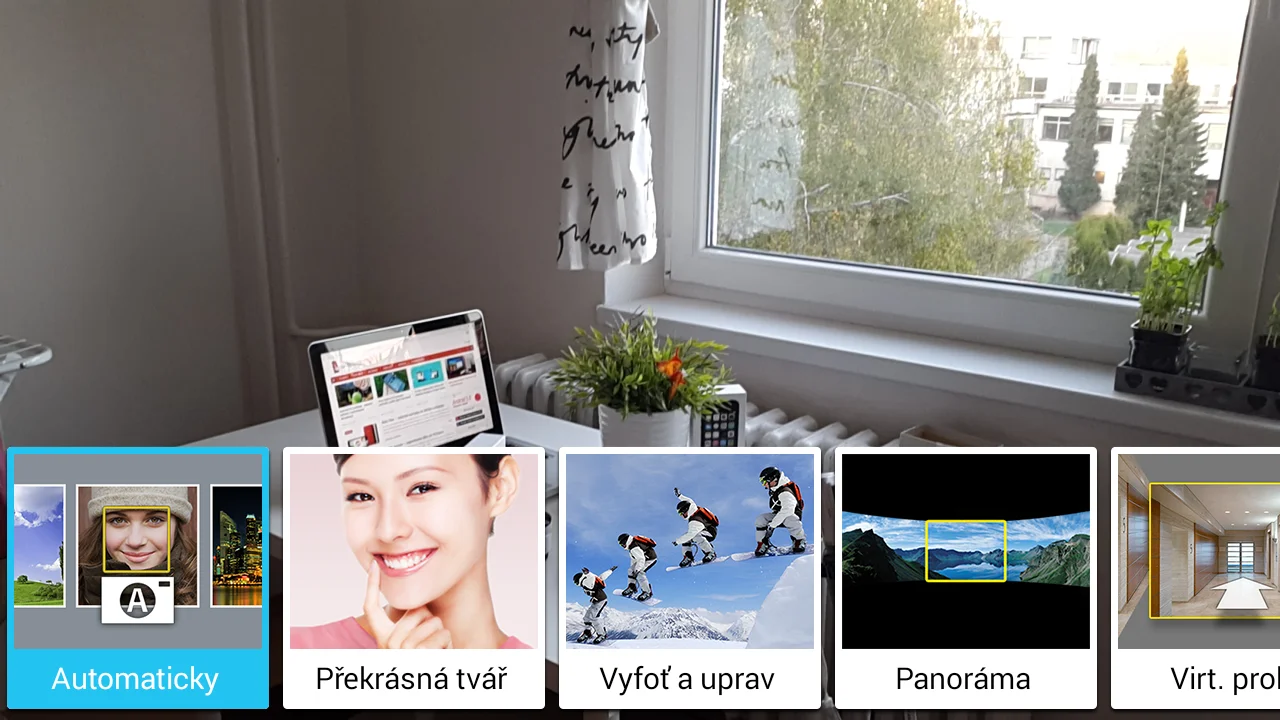
And one more thing worth calling out: noise levels stay impressively low in poor lighting. The camera interface is well thought out and doesn’t differ much from what you get on the flagship Galaxy S5. You get a long list of options, from ISO settings and white balance to face detection and geotagging. Anyone who likes to spend time dialing in a shot will have plenty to work with here. All told, this is a very strong camera package, and I’d put it just behind the Note 4 and Galaxy S5 in Samsung’s lineup. Nicely done.
SAMPLE PHOTOS





VERDICT
So where does that leave the Samsung Galaxy Alpha? Put simply, it’s a very well-executed device, one that feels like Samsung testing out a new design direction we’d later expect to see in its flagship lineup. What holds it back is positioning. Samsung never quite made clear what category this phone was supposed to own.
In terms of performance, it belongs in the top tier. The display, though, feels like a step back by a few years. Price is another sticking point, since it sits only slightly below Samsung’s flagship models, which makes the buying decision a lot harder for anyone comparing the two.
Personally, I’d give the Samsung Galaxy Alpha a 9 out of 10 for its excellent design, even better materials, outstandingly compact size, and strong performance. Samsung deserves credit here, and this phone makes a strong case for the company’s sharper, slimmer hardware direction.

We’d like to thank Alza.cz for providing the Samsung Galaxy Alpha for this review, where it is available to buy.