Xiaomi Redmi 2 Review: Budget Phone, Better Than Expected
Xiaomi has been one of the fastest-rising names in consumer tech, building a reputation on affordable devices that punch above their class. The Redmi 2 fits that formula squarely. It’s a lower-midrange phone on paper, but in day-to-day use, it feels more ambitious than the spec sheet suggests.
What’s in the box
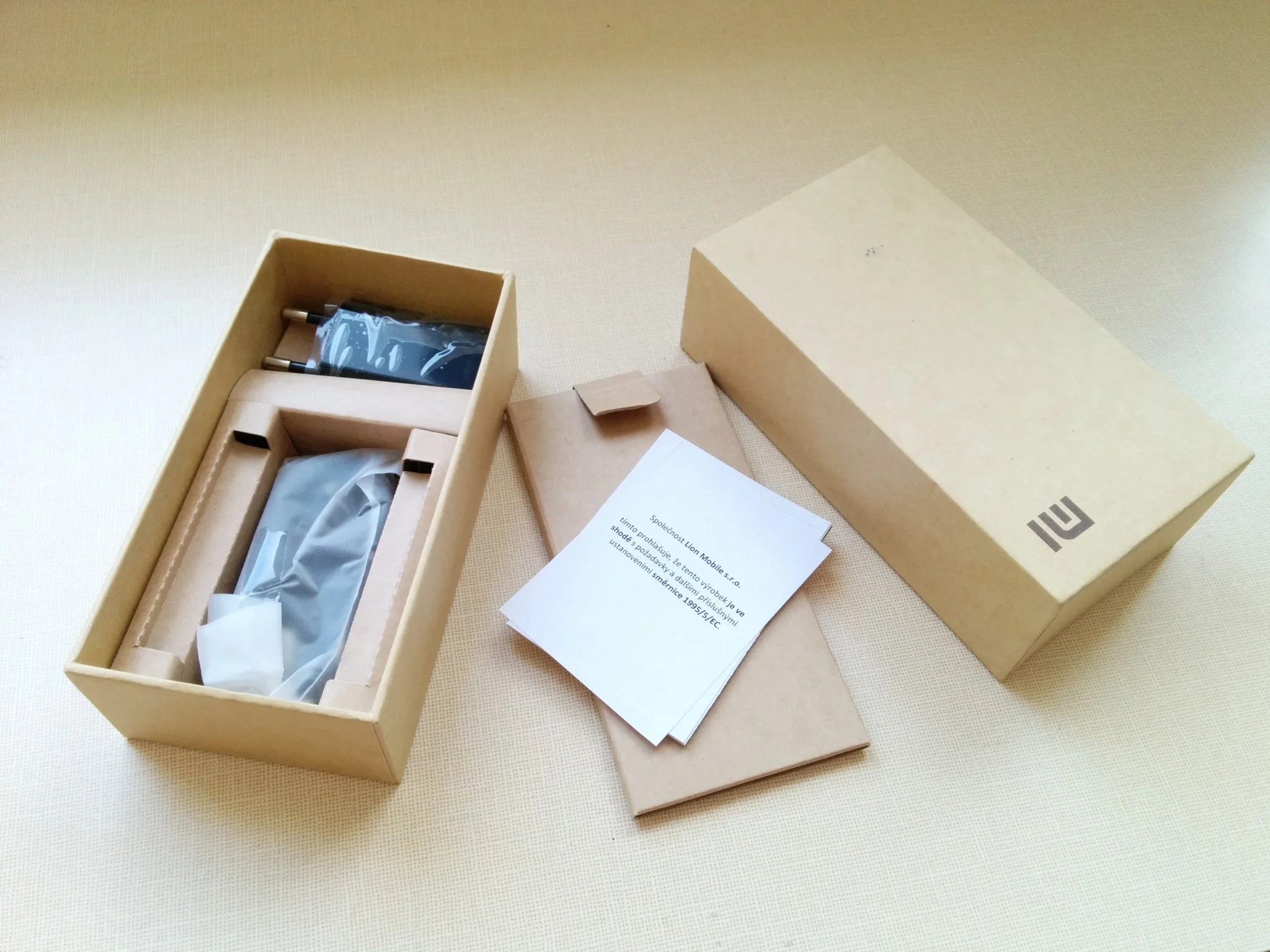
As usual for Xiaomi, the packaging is understated: a small brown box with barely any branding beyond the company logo and shipping labels. It works. Minimal packaging can look cheap, but here it feels deliberate.
Open it up and you’ll find the phone on top, with manuals tucked underneath and, on our review unit, a bright orange removable battery. The rest of the bundle is basic: a USB cable and a wall charger.
Design and build
Xiaomi has long made it clear that it wants to challenge bigger phone makers, and the Redmi 2 is another example of that approach. This is still a lower-midrange device, but it doesn’t look or feel careless.
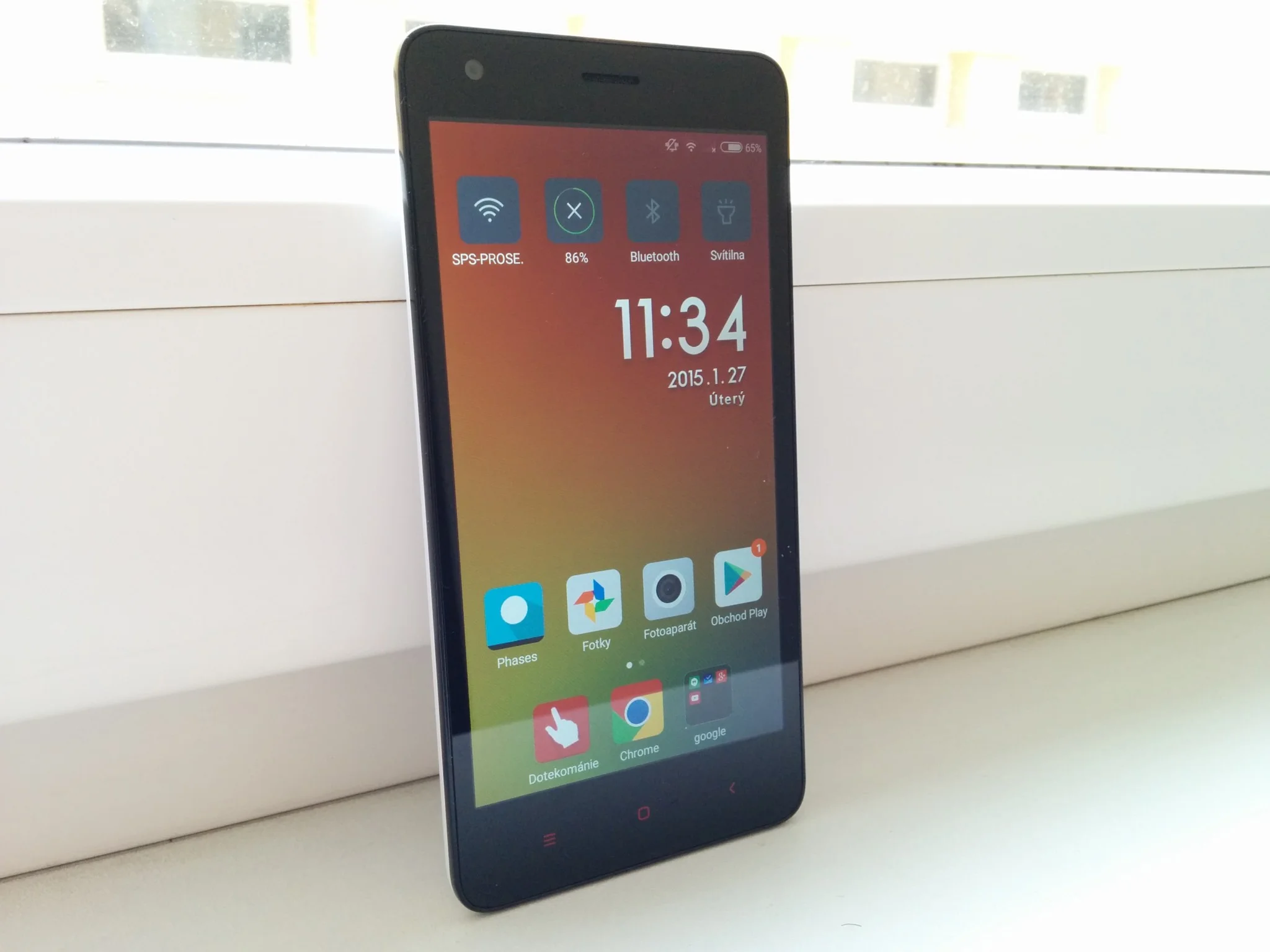
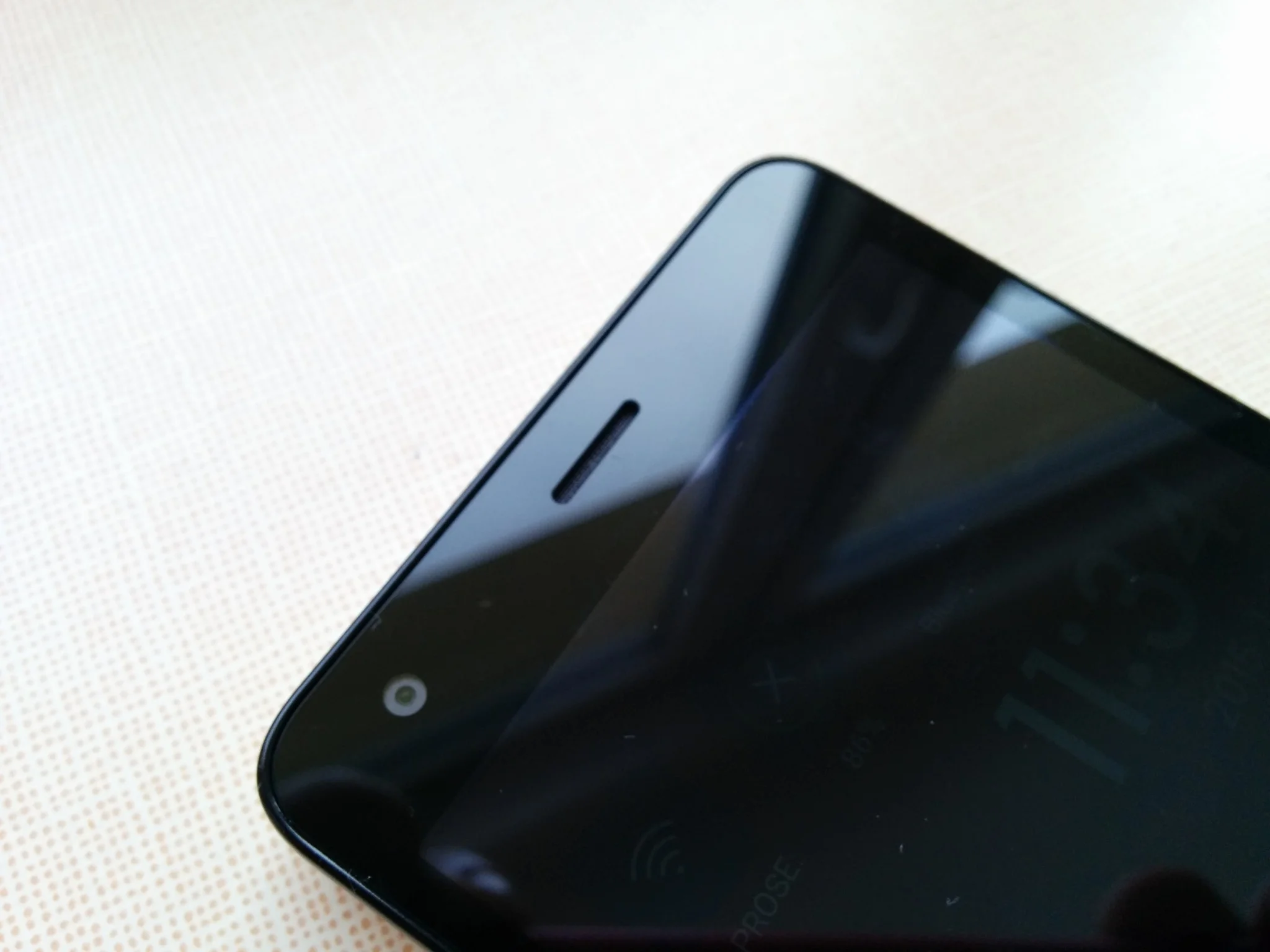
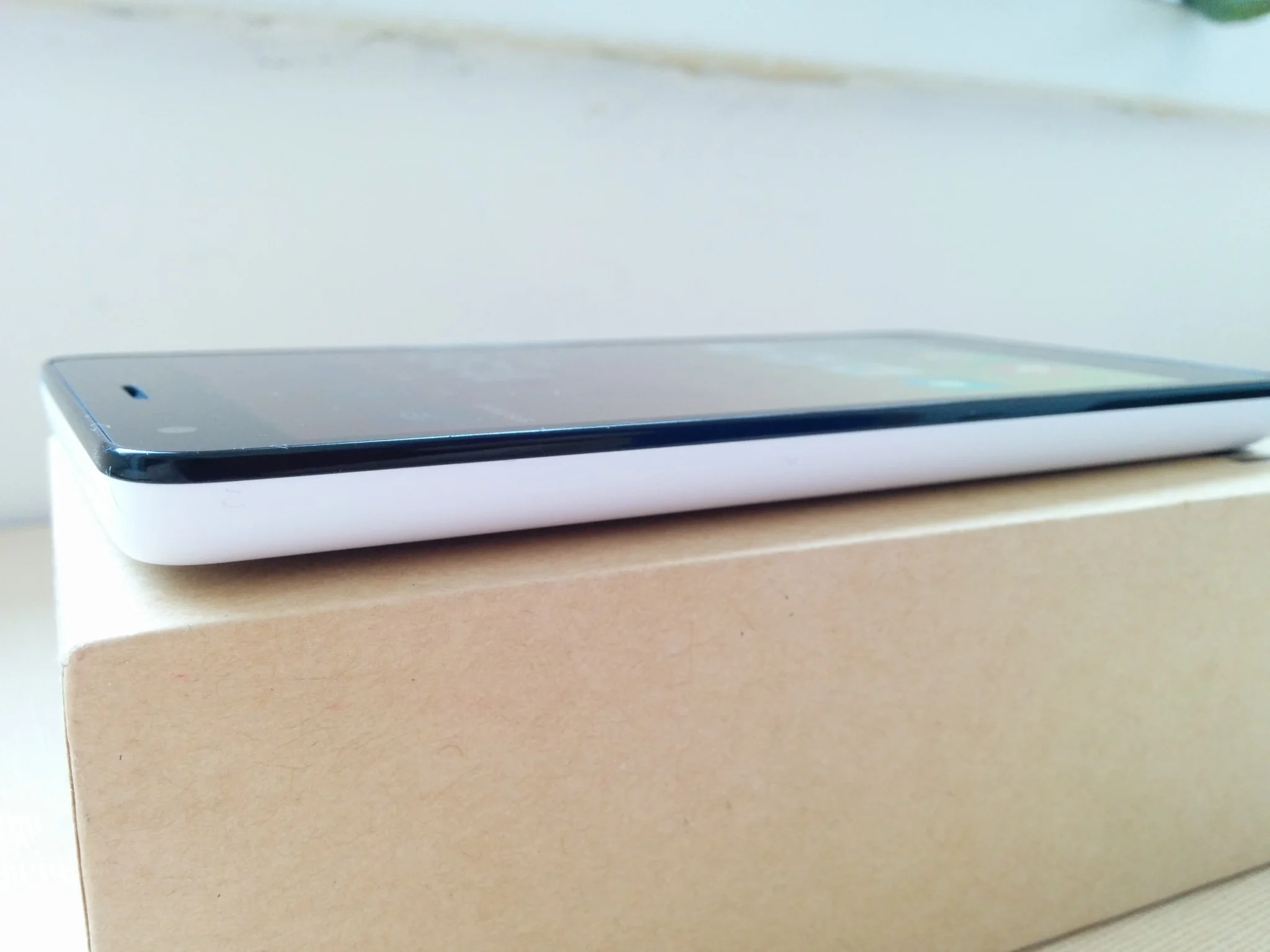
The design is clean. Very clean. The front is dominated by a 4.7-inch IPS display with HD resolution and 320 PPI, with no logo cluttering up the face of the phone. Above the screen sit a small earpiece and a 2 MP front-facing camera on the left.
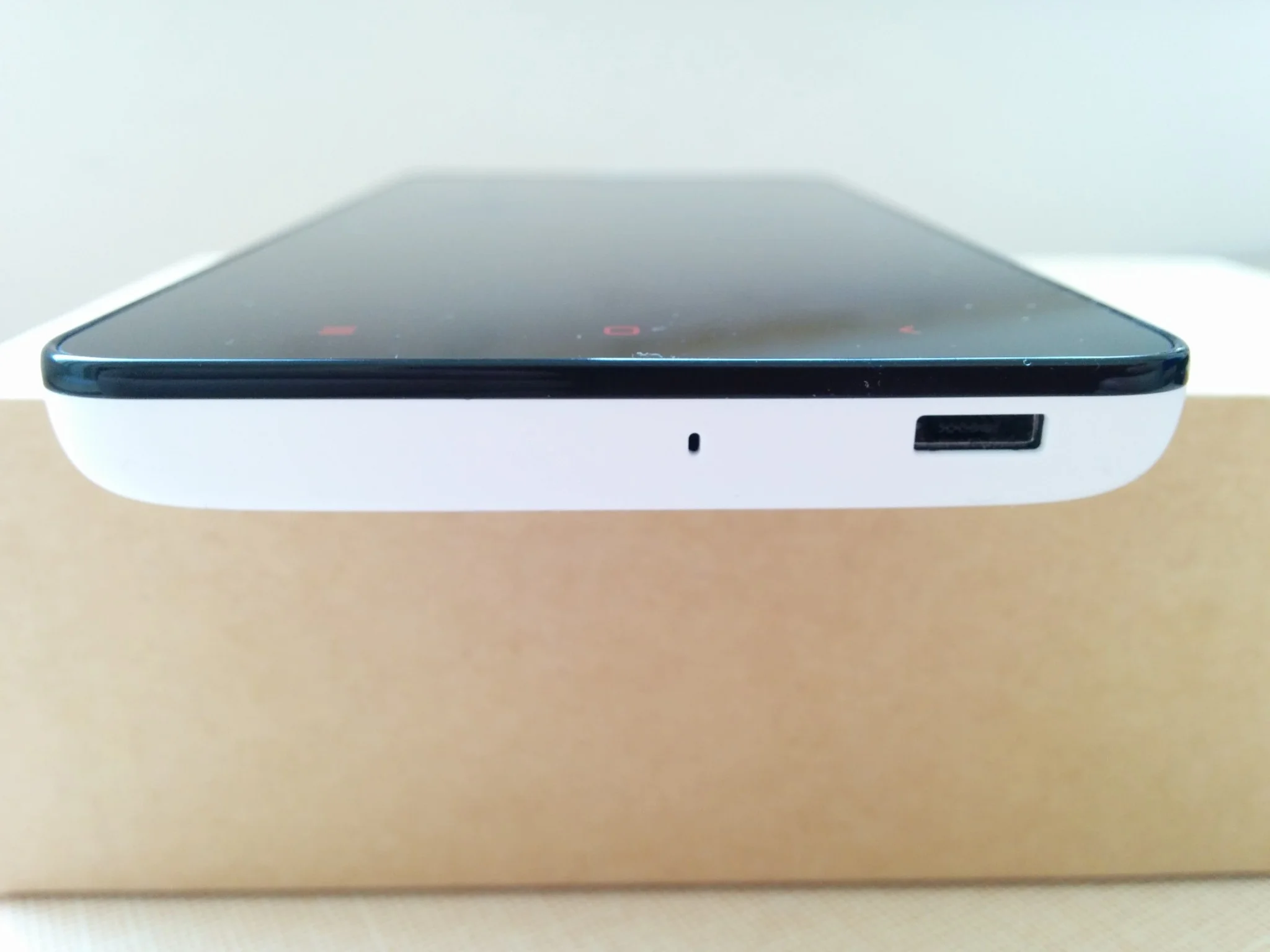
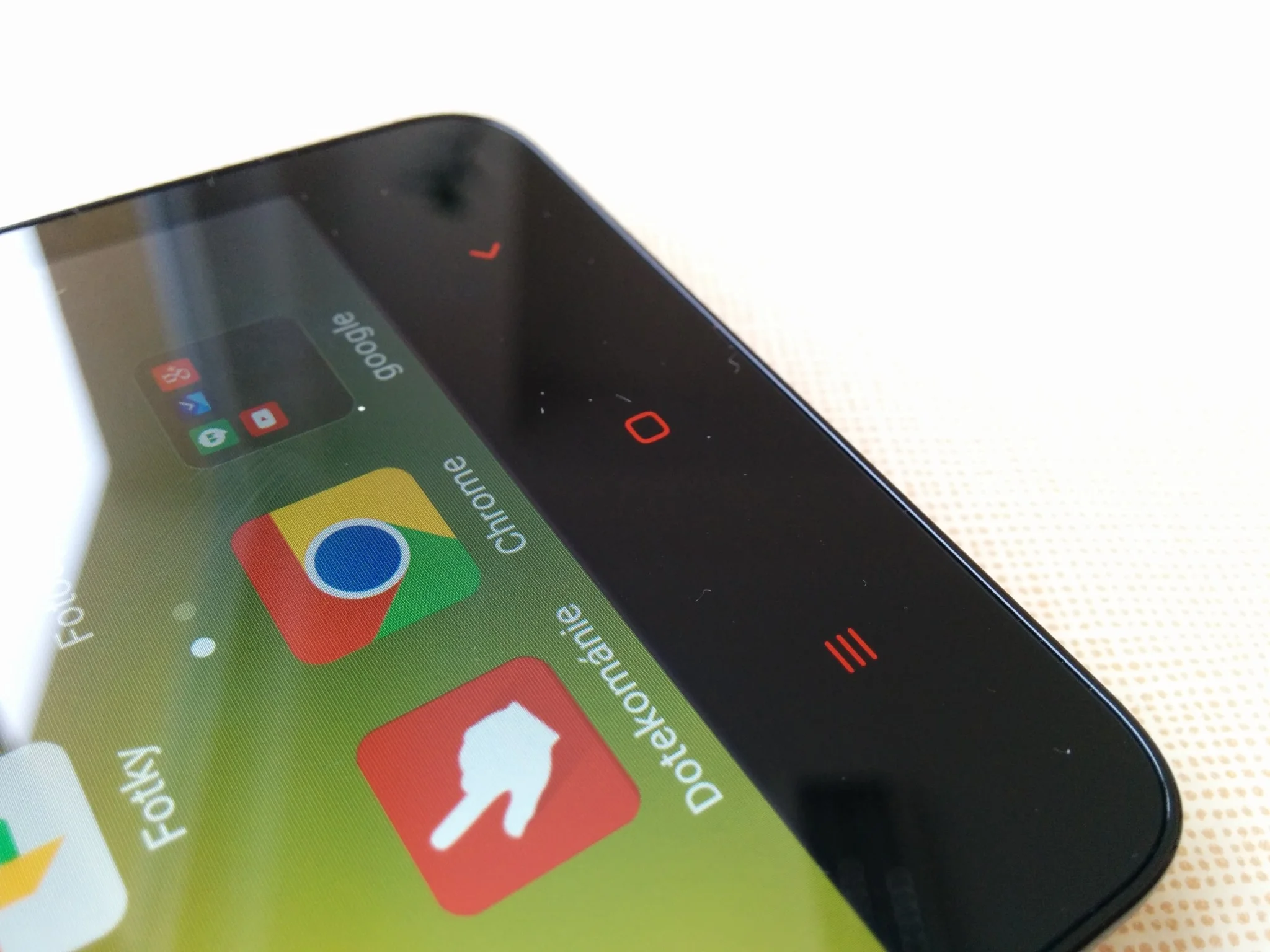
Below the display are red capacitive buttons, an unusual touch, though they aren’t backlit. At first glance, I thought the phone was missing a notification LED entirely. It turns out Xiaomi hid it neatly beneath the home button. It’s easy to see in use, and alerts are hard to miss.
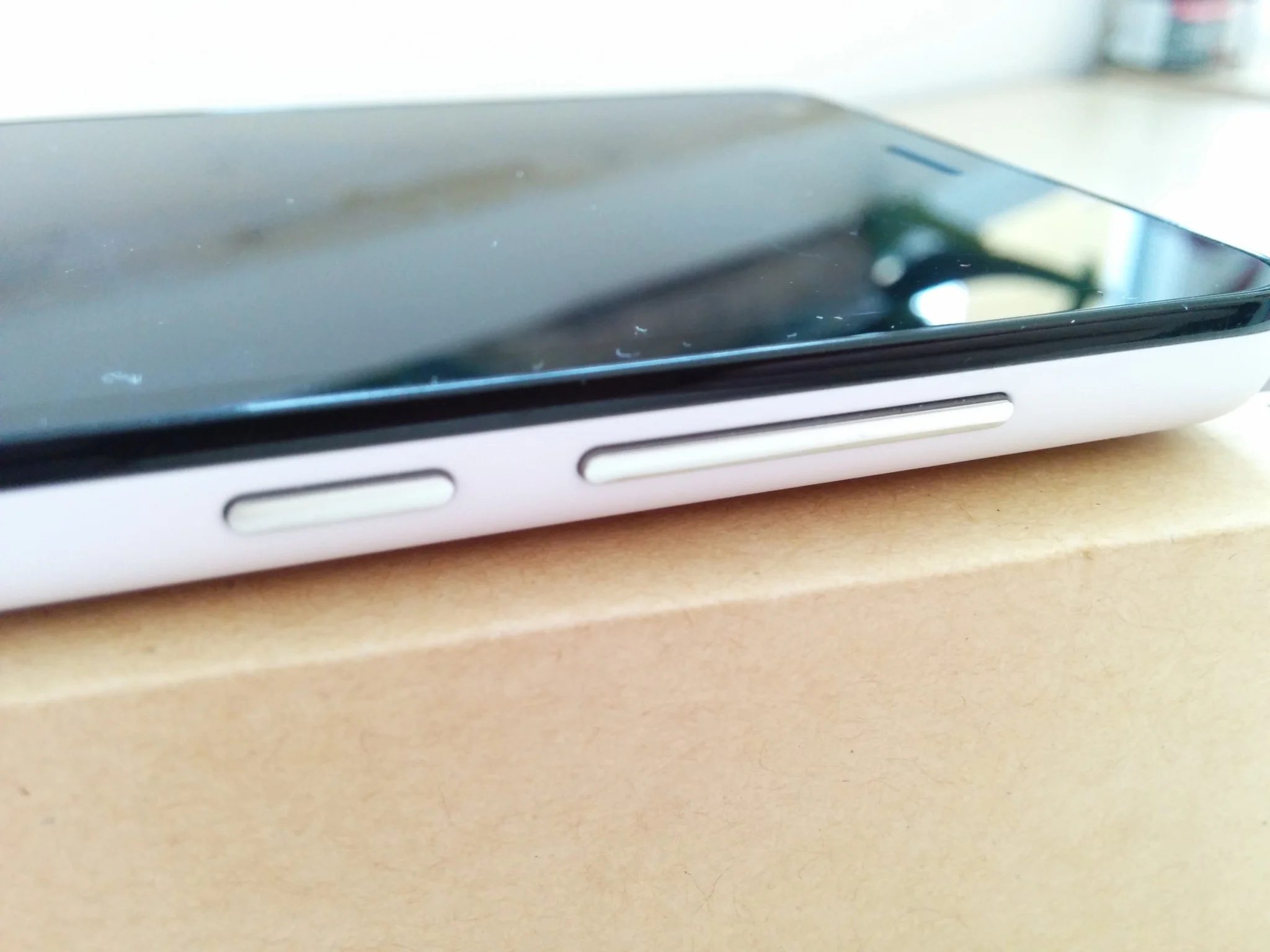
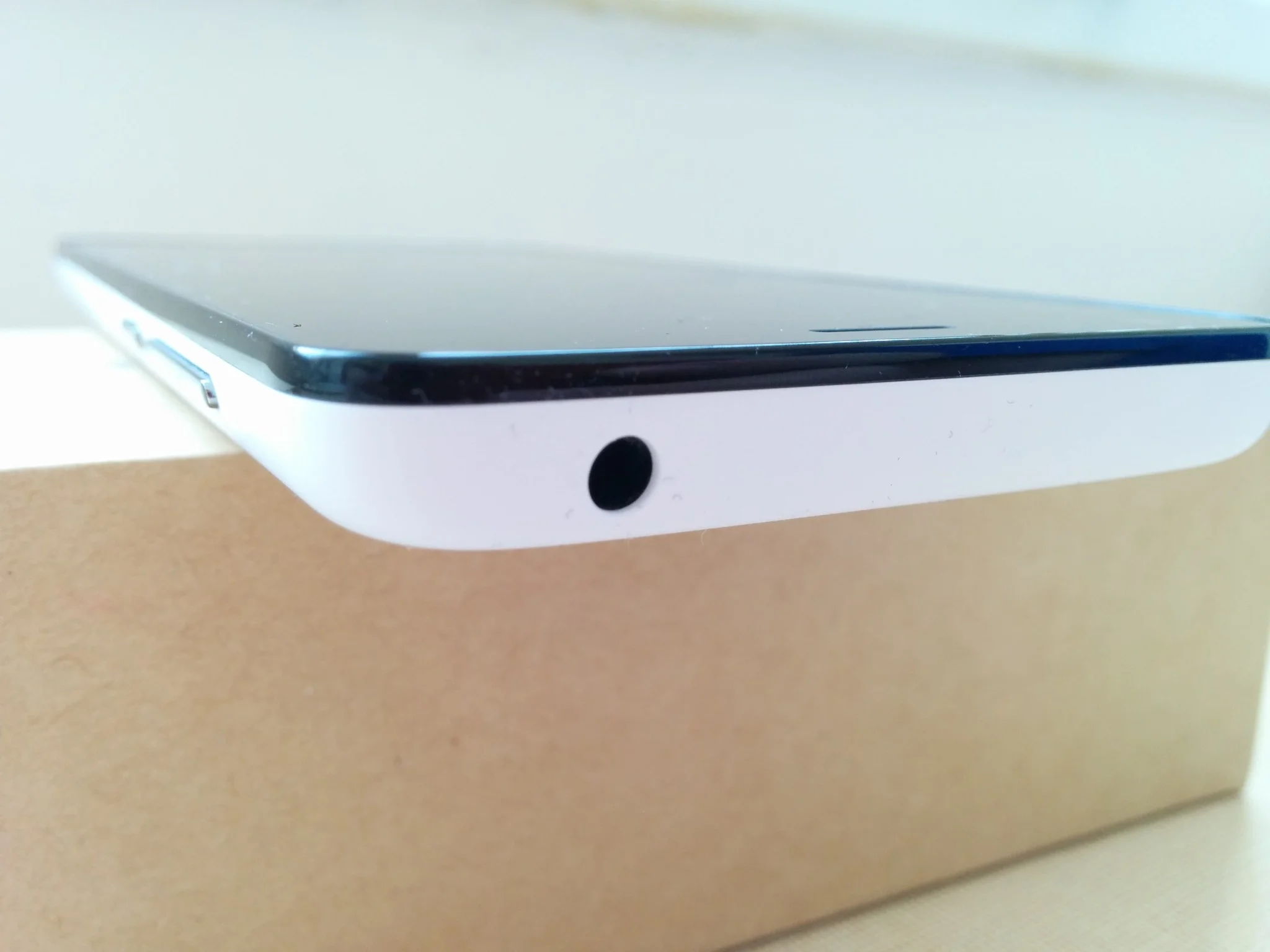
On the right side, you get the volume rocker and power button. Unfortunately, they sit too close together, and their sensitivity makes accidental presses common. Up top there’s a 3.5mm headphone jack; on the bottom, a USB port and microphone. That’s it for the frame.
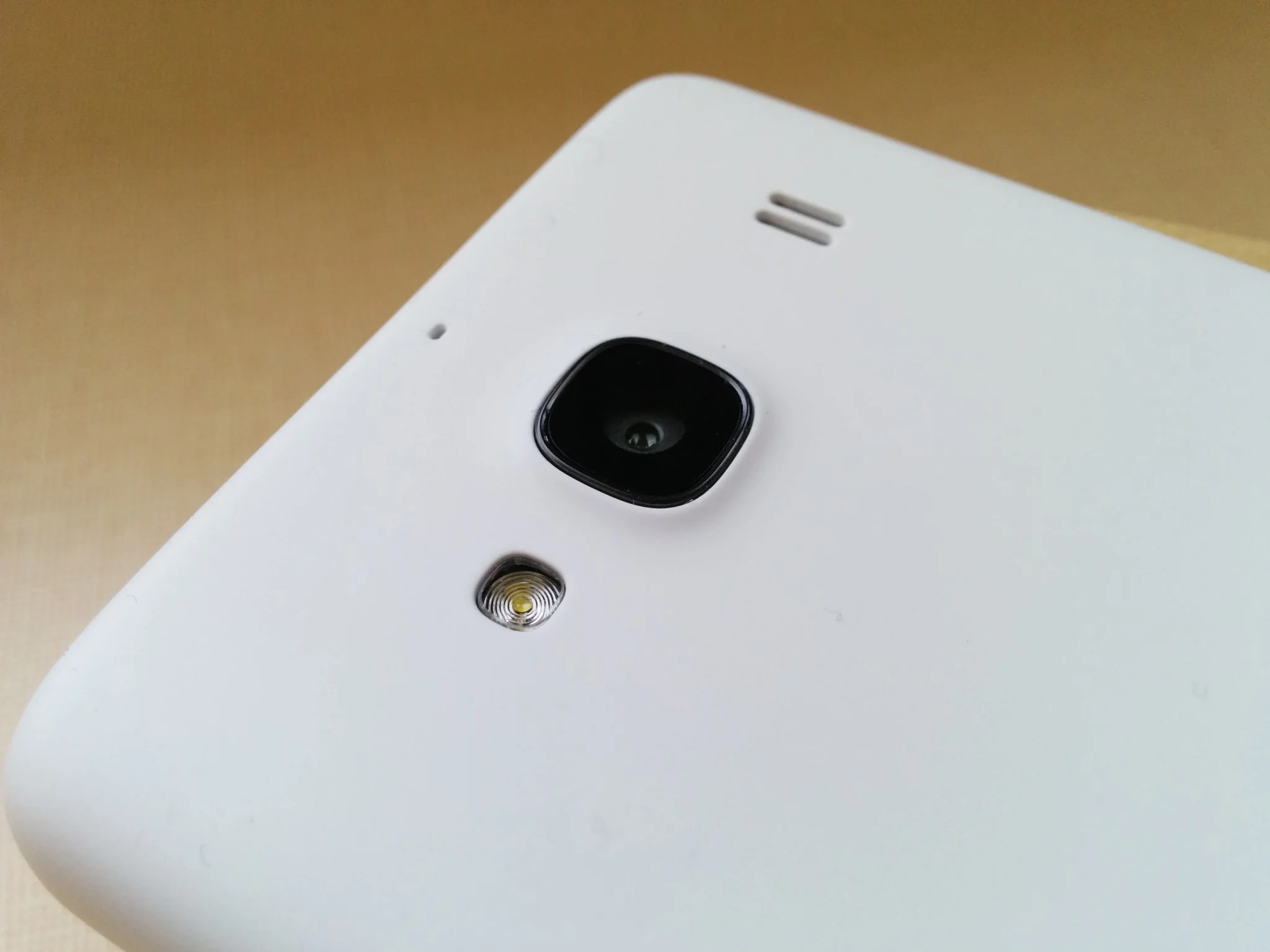
The back is just as restrained. At the top sits the main 7.7 MP camera, with an LED flash on the left and speaker on the right. Near the bottom, there’s only the Xiaomi logo. The rear cover is plastic with no special texture or finish. Aside from the slightly raised camera lens, the back panel is completely flat.
Hardware
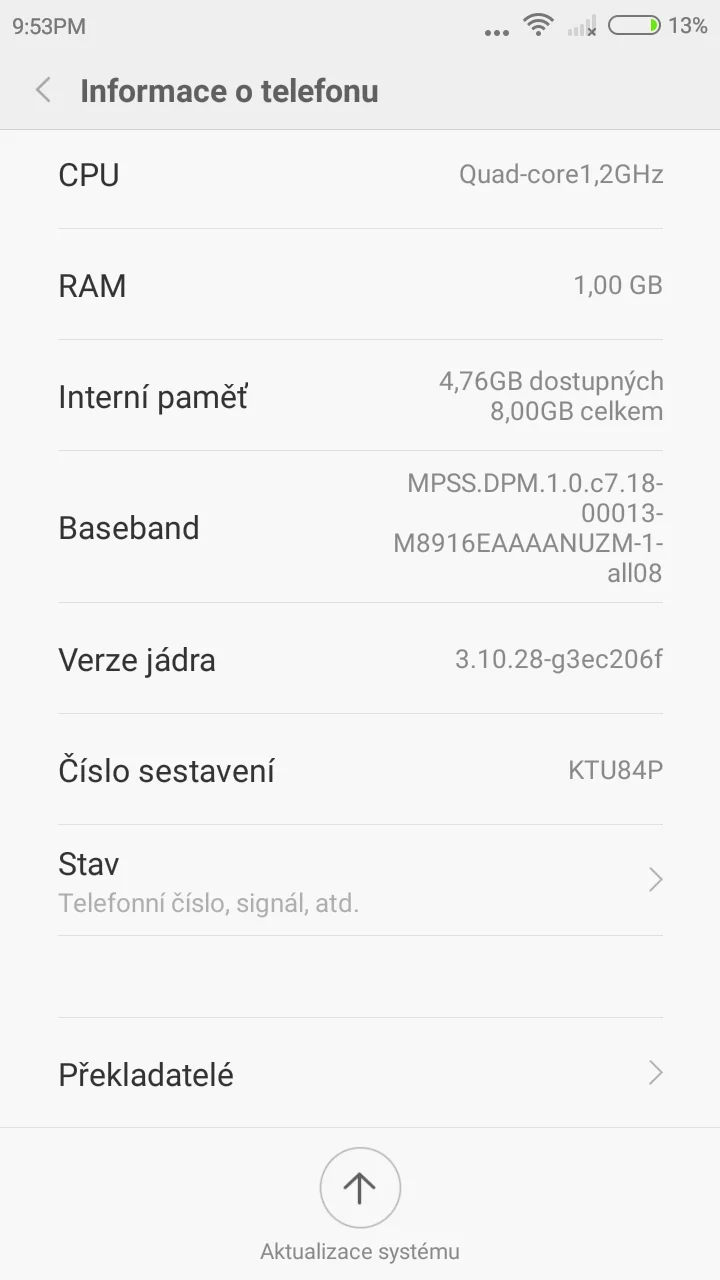
You don’t usually expect much from a phone in this part of the market. The Redmi 2 pushes back on that assumption. It runs on Qualcomm’s Snapdragon 410 clocked at 1.2 GHz, paired with an Adreno 306 GPU, and in regular use I didn’t run into any obvious stutter or slowdown.
There is a catch. If you plan to play more demanding games, the 1 GB of RAM becomes a real limitation, leaving only about 25 to 40 percent of memory free in those scenarios. The good news is that a newer Redmi 2 variant is set to ship with double the RAM, which should make a meaningful difference for buyers considering this model.
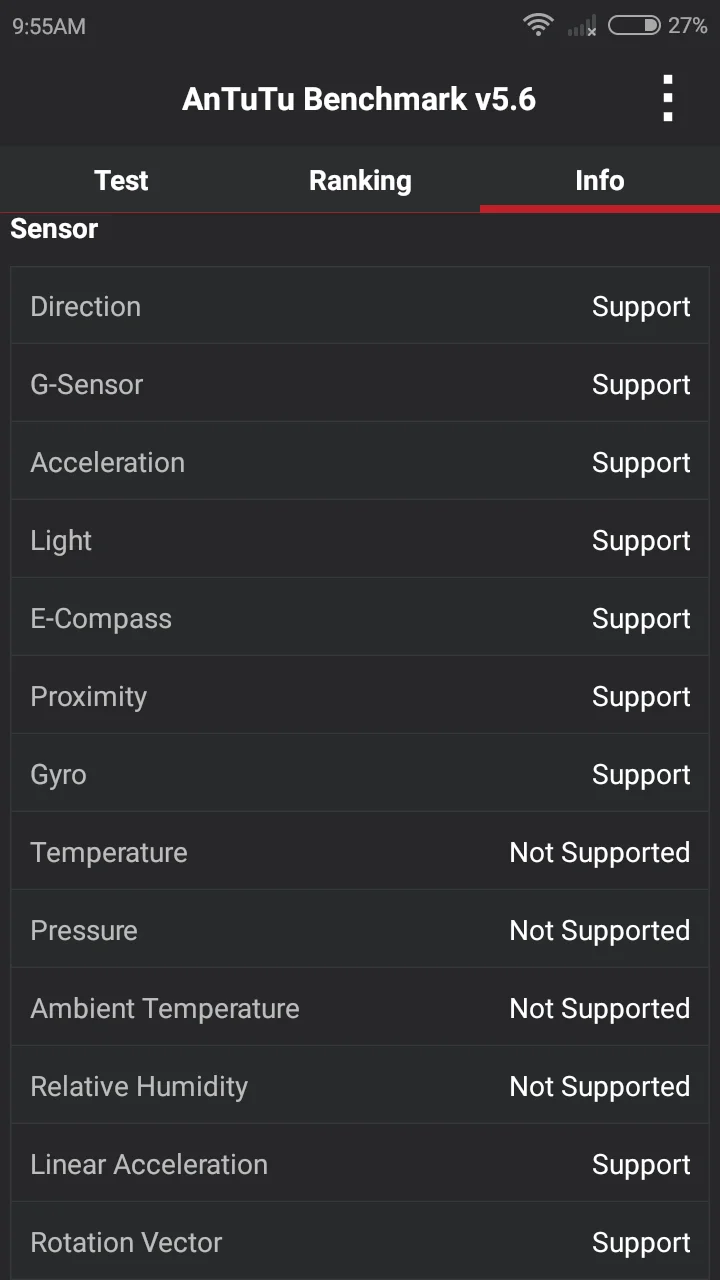
The phone includes 8 GB of internal storage, with a 16 GB version also available. Storage can be expanded via microSD up to 32 GB. Sensor support is surprisingly broad, and the battery, while modest at 2200mAh, delivers very solid endurance. More on that would normally deserve its own section, but even at a glance, battery life is one of the phone’s stronger points.
All of this fits into a light chassis measuring 134 x 67.2 x 9.4 mm and weighing just 133 grams. Without the battery installed, the phone feels almost unnervingly light.
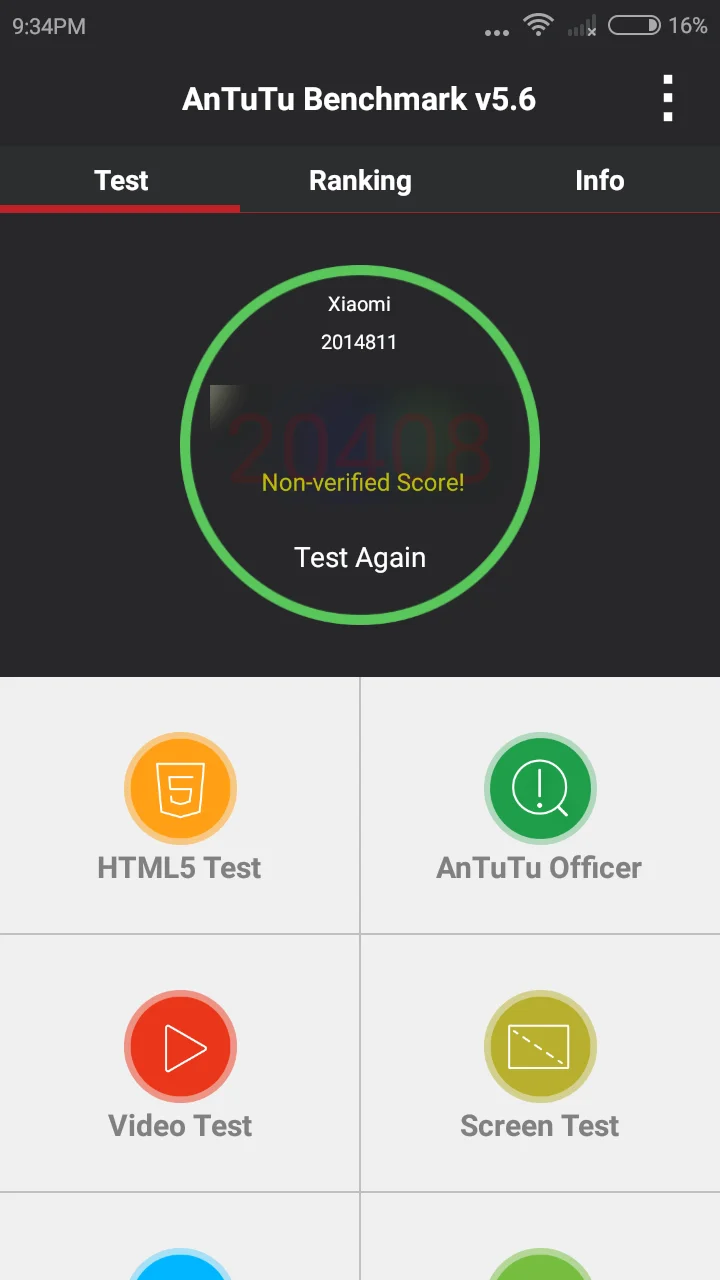
The Redmi 2 also includes a 7.7 MP rear camera and 2 MP front camera. They don’t do much to stand out and produce average image quality overall. LTE support, on the other hand, is a big plus here, and it works exactly as it should. Xiaomi also includes dual-SIM support, which adds welcome flexibility. In AnTuTu, the device posted an expected score of 20,408 points.
Specifications
- Display: 4.7-inch IPS, HD resolution (720 x 1280 pixels), 320 PPI
- Operating system: Android 4.4.4 KitKat with MIUI 6
- SIM: micro SIM, dual-slot
- Dimensions: 134 x 67.2 x 9.4 mm
- Weight: 133 grams
- SoC: Snapdragon 410, 1.2 GHz
- Memory: 8GB ROM with microSD card slot (up to 32 GB), 1 GB RAM
- Camera: 7.7 MP rear, 2 MP front, LED flash, video recording up to 1080p
- Battery: 2200 mAh capacity
- Other features: Bluetooth 4.0, accelerometer, Wi-Fi 802.11 b/g/n, FM radio, electronic compass, ambient light sensor, motion sensor, GPS, GSM/3G/LTE support
Audio
With previous devices I’ve tested, audio was usually a weak spot. This time, though, I had a chance to compare the Xiaomi Redmi 2 against the ASUS ZenFone 5 and the Nexus 5. The test was simple: we played the exact same YouTube video on all three phones. Comparing the ZenFone 5 and Nexus 5, the Nexus came out slightly ahead, but only by a small margin. Against the Redmi 2, though, both phones were outclassed. Its rear speaker is incredibly loud and, quite literally, drowns out both rivals with ease.
System & MIUI 6
Now to another big part of the review: MIUI 6, running on top of Android 4.4.4. I was genuinely impressed by how extensively Xiaomi’s developers reworked Android’s look and feel. I’m not exactly a die-hard fan of the design language MIUI draws from, but I have to admit it looks polished. The animations, gestures, and feature set MIUI 6 brings to the table are close to flawless.
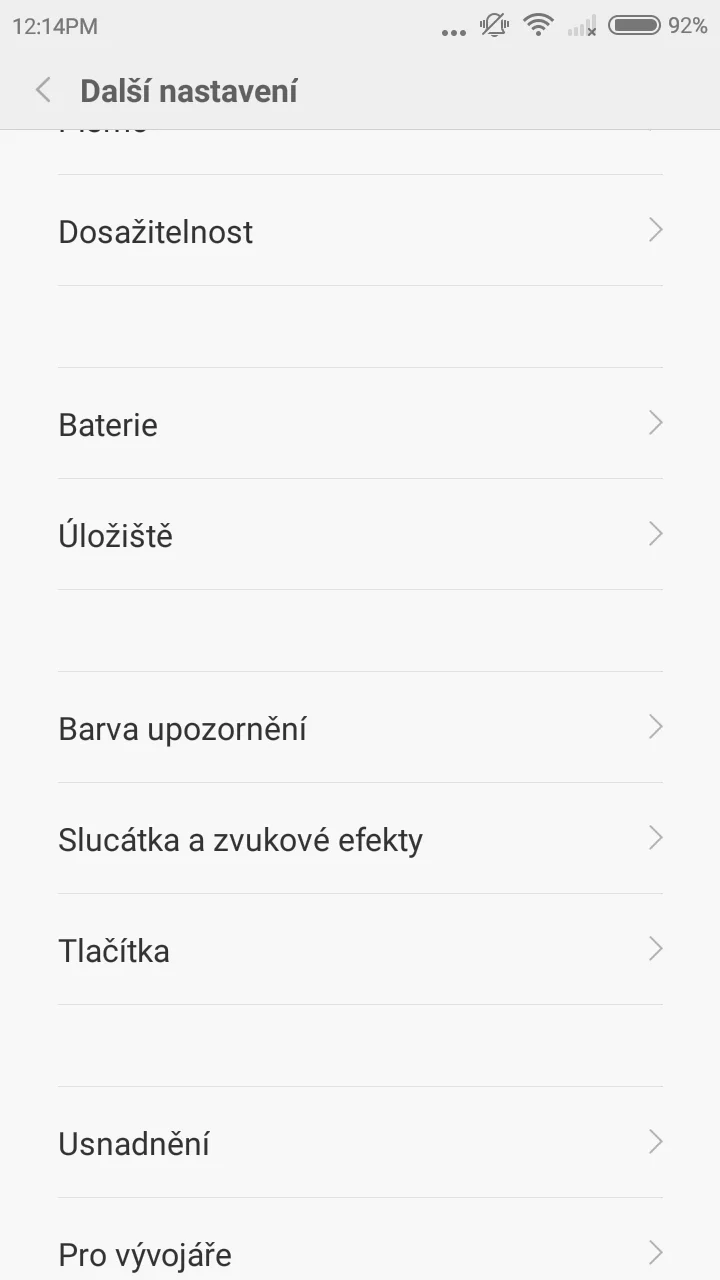
I’m not going to break down the entire system here; the screenshots below do a lot of that work. Still, a few things stood out. First, the main notification shade looks excellent and packs in just about everything you might want at a glance, including free RAM, music controls, and a long row of quick-action icons. Then there’s the settings menu. It offers a huge amount of customization, although the tradeoff is that many of the more useful options are presented as their own dedicated tools and apps.
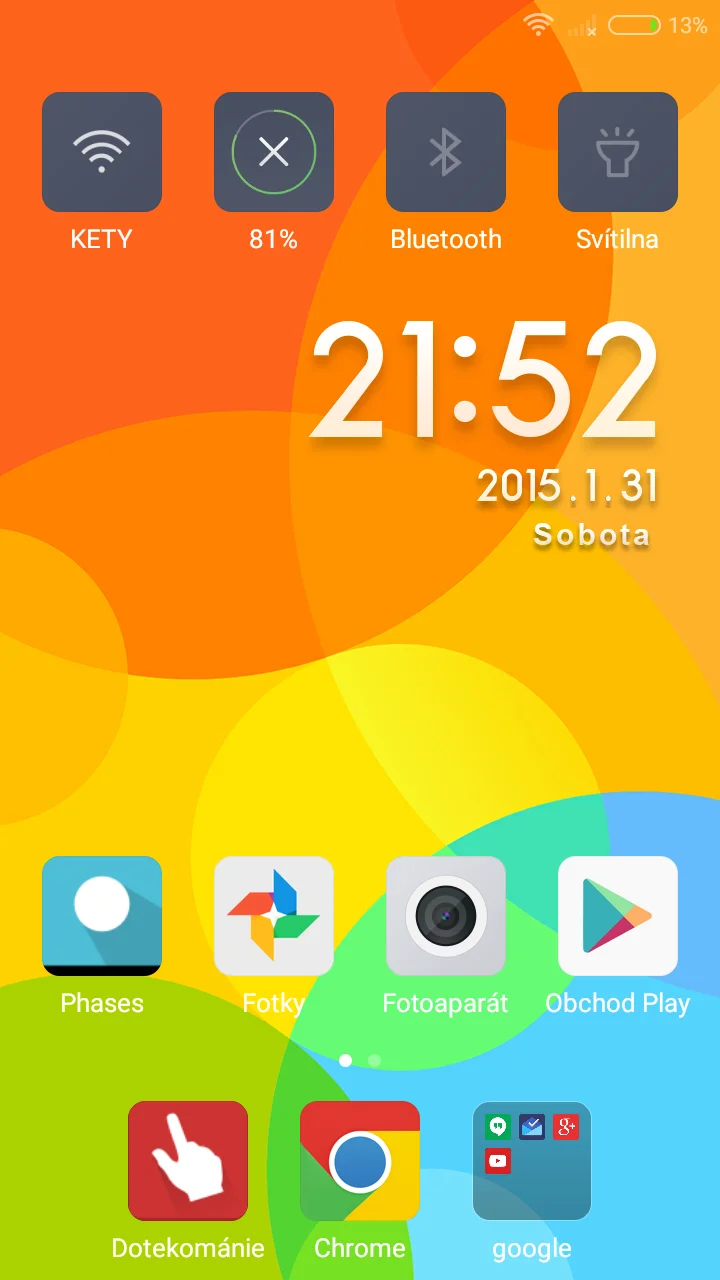
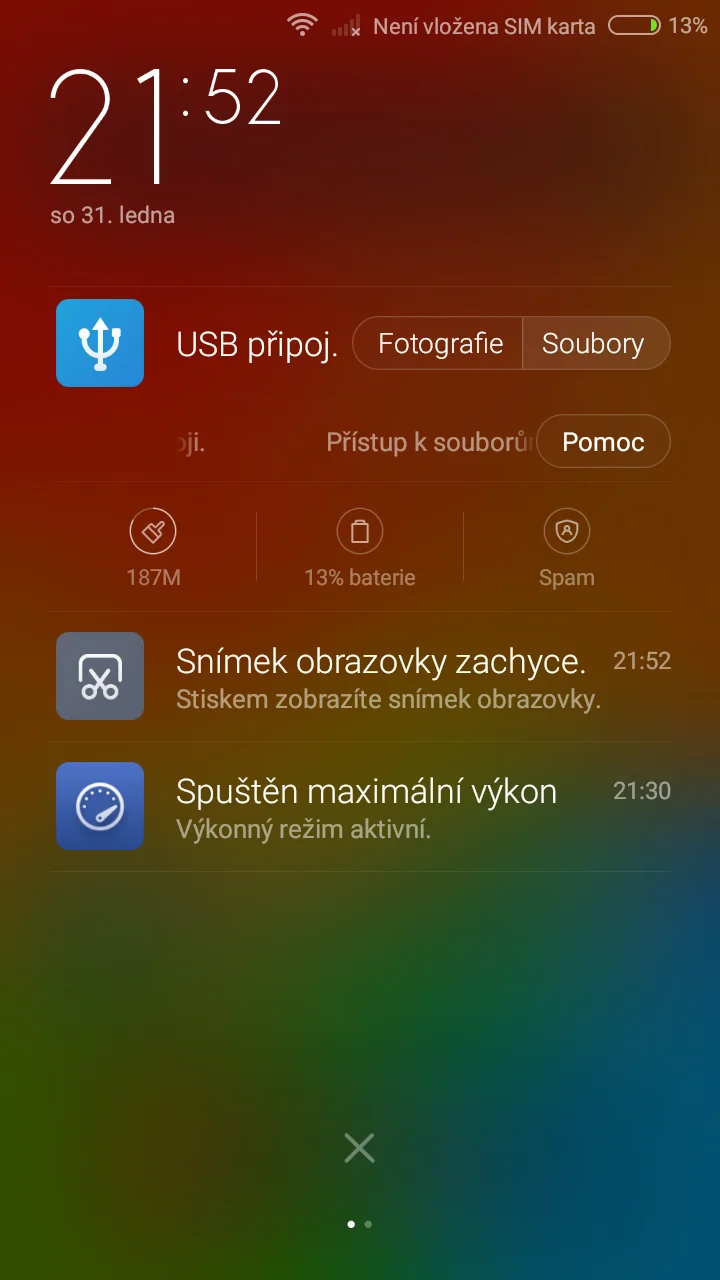
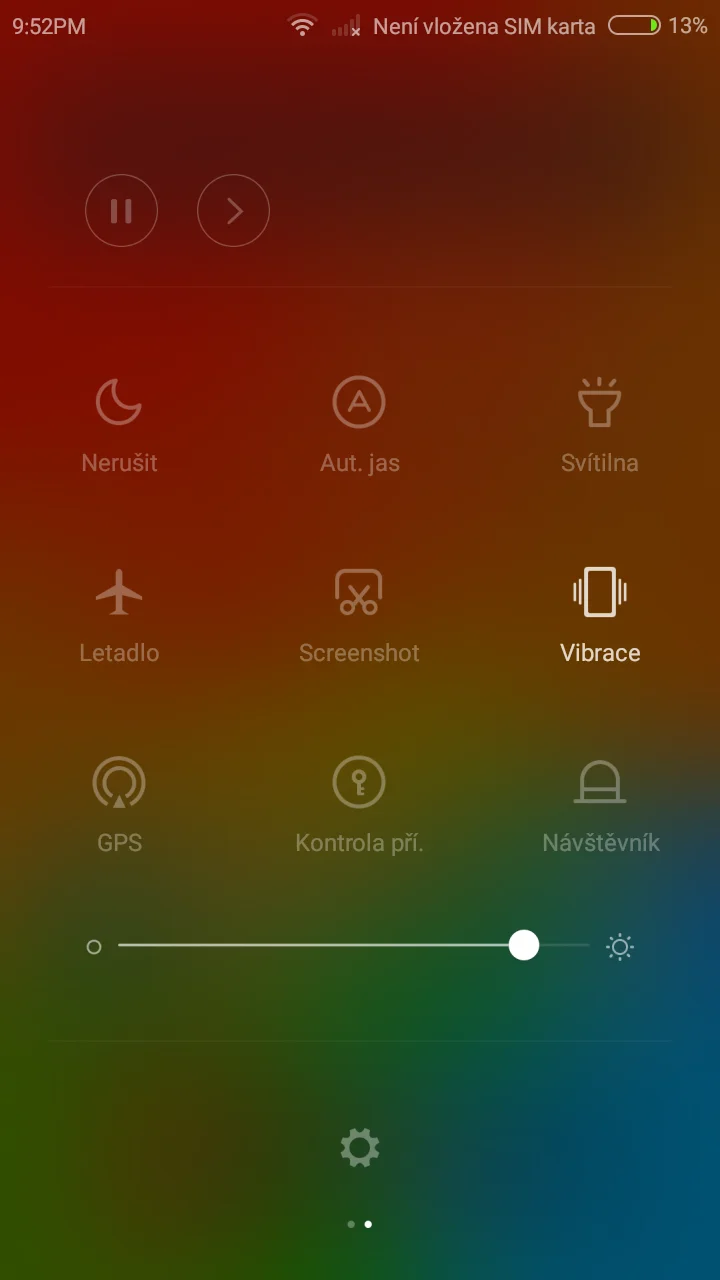
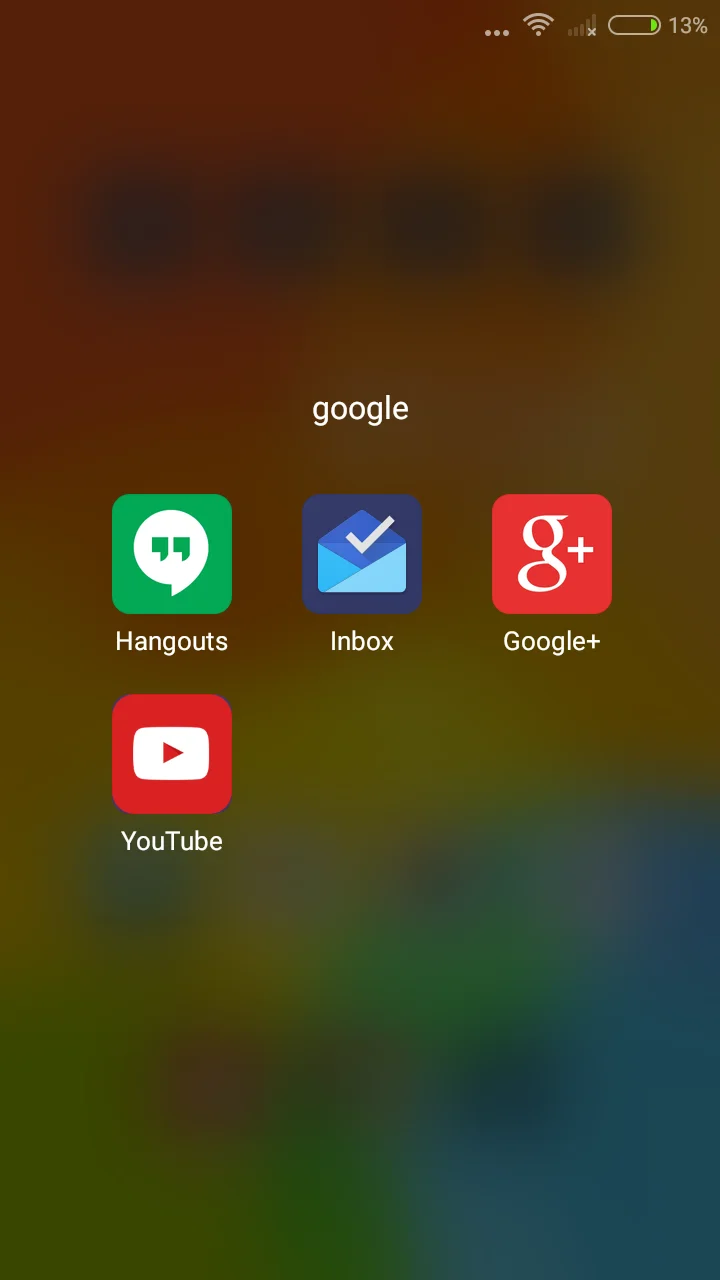
There’s a lot here, maybe even more than you’d expect. As I mentioned, the animations and gestures are smooth throughout. I didn’t run into any stuttering or system hiccups. For example, if you want to tweak the home screen, you just pinch inward with two fingers and a smaller customization menu appears. From there, you can change the wallpaper, adjust the transition animation between home screens, or jump straight to the widget list.
If you want to dig deeper into MIUI, you can also visit its Czech community, where there’s plenty more information. And if you run into any issues, it’s a useful place to get help and advice.
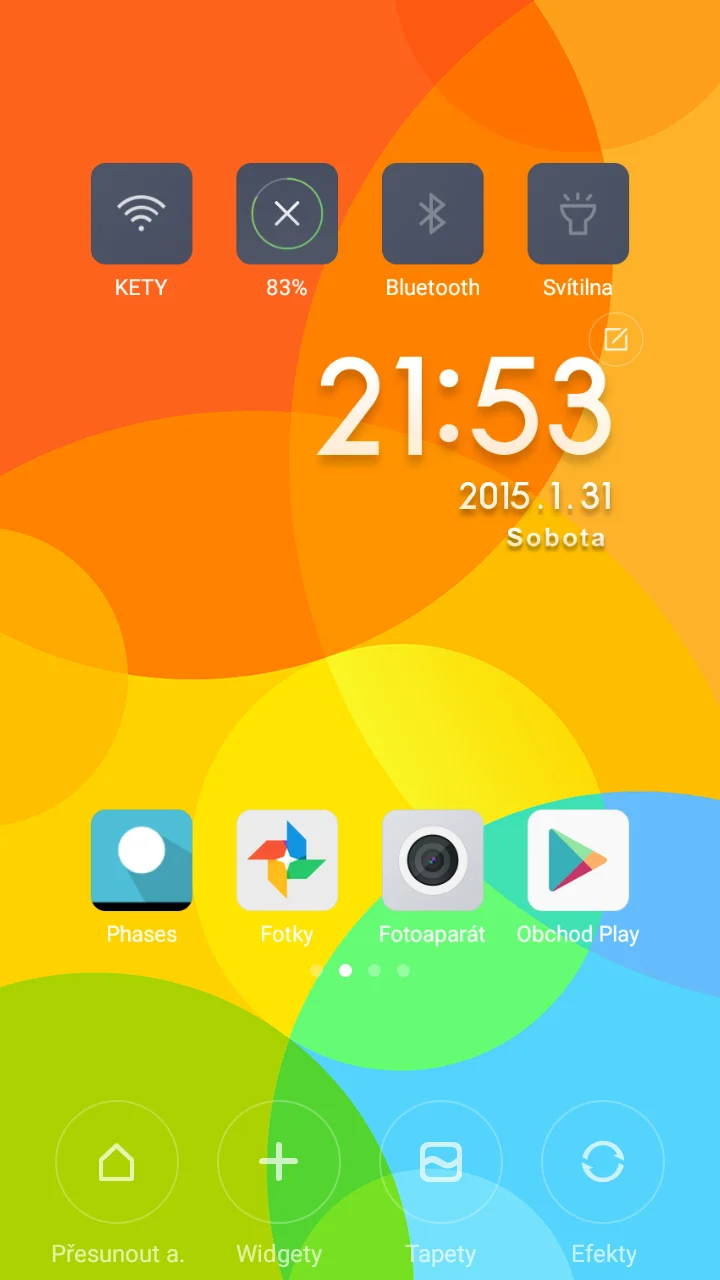
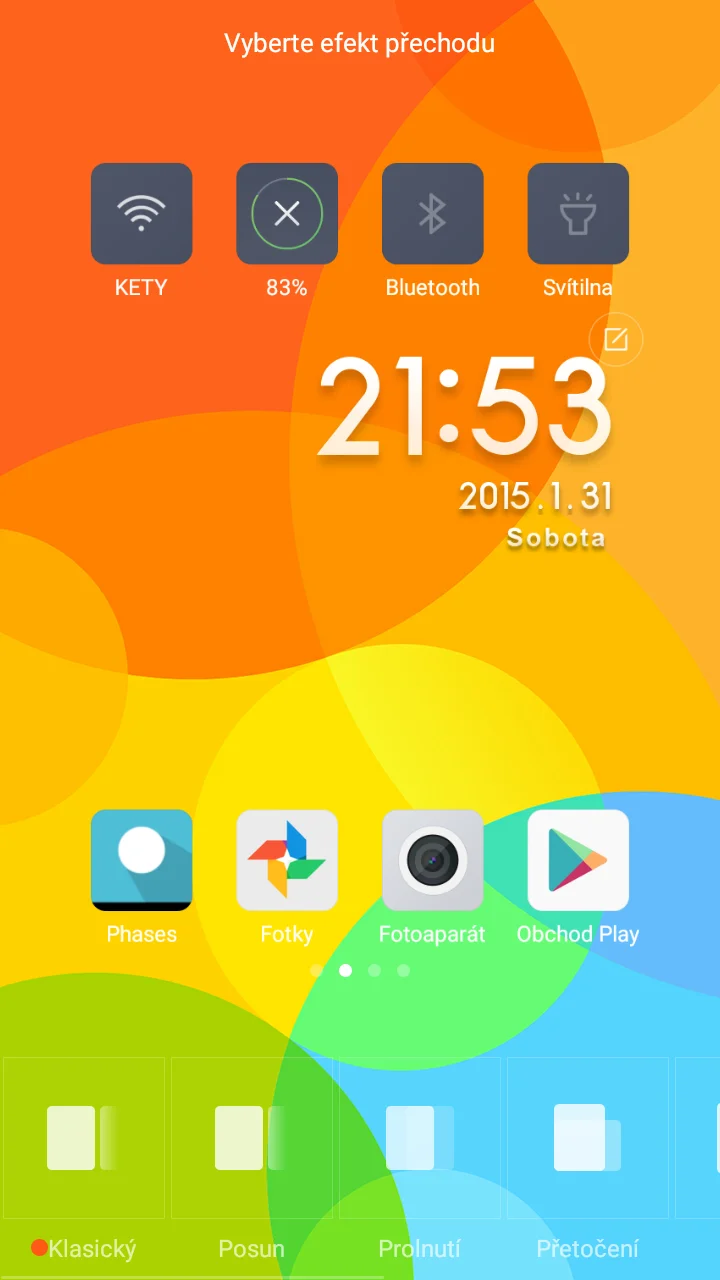
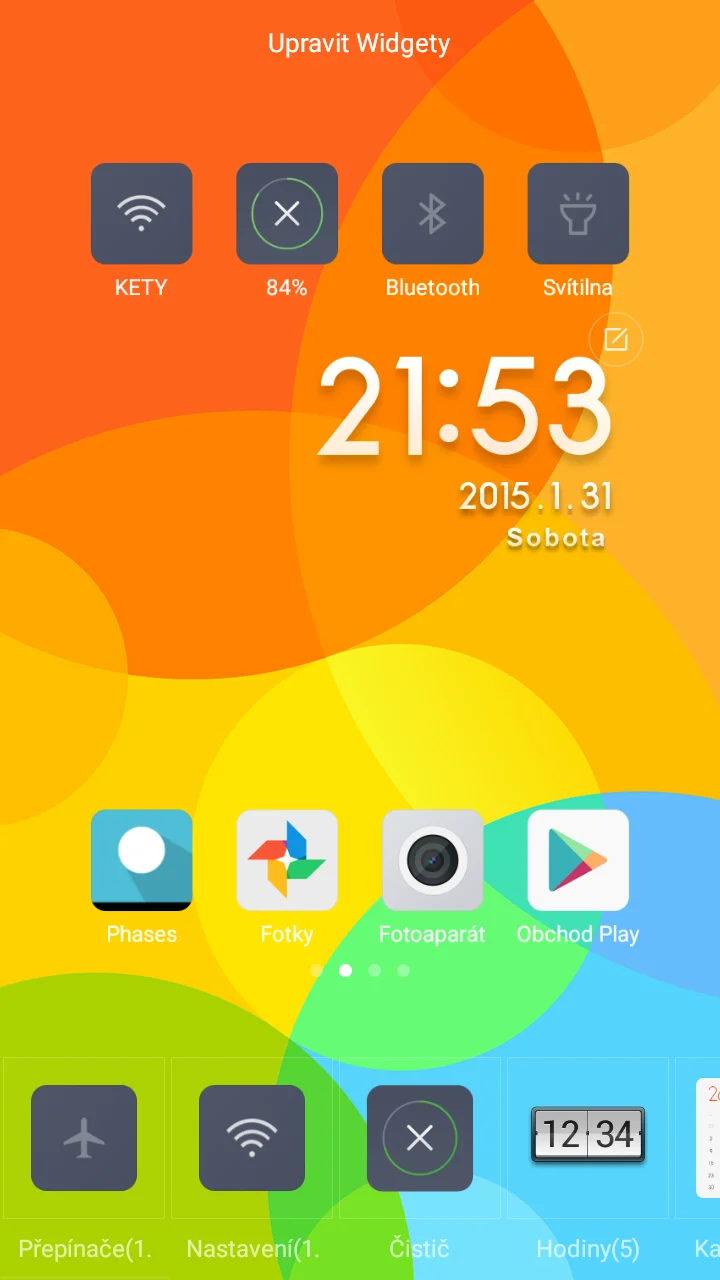
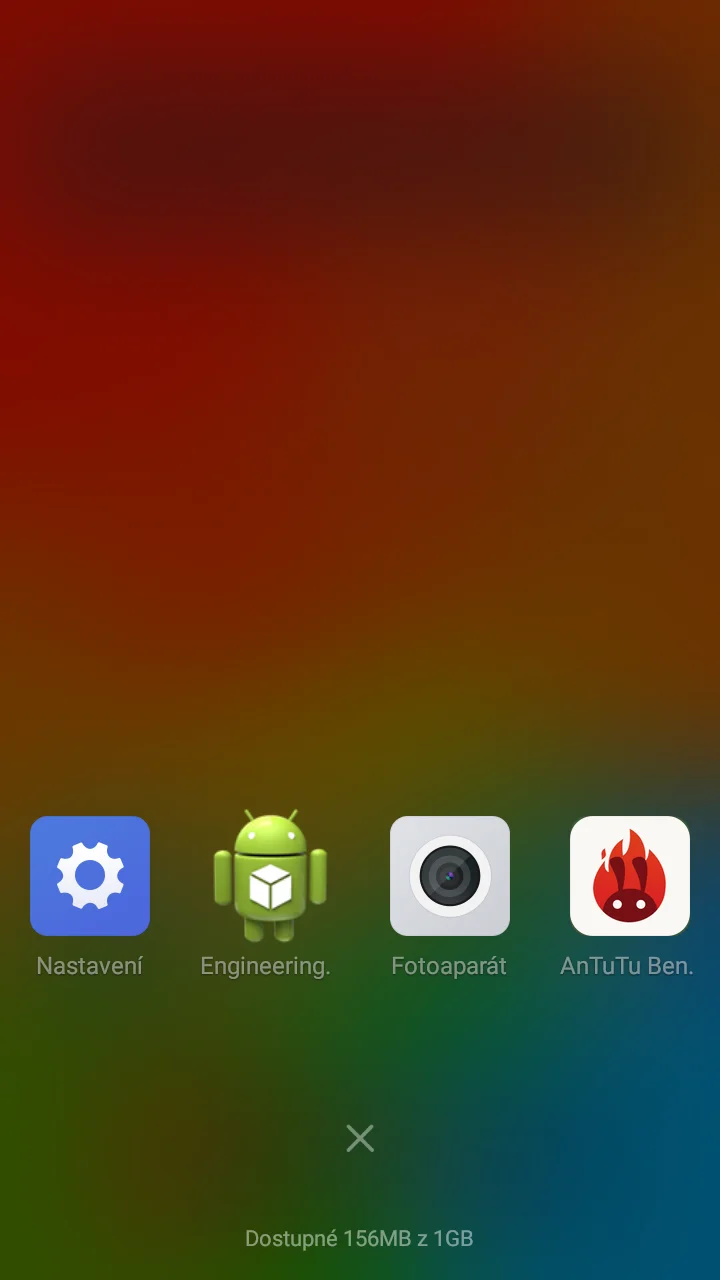
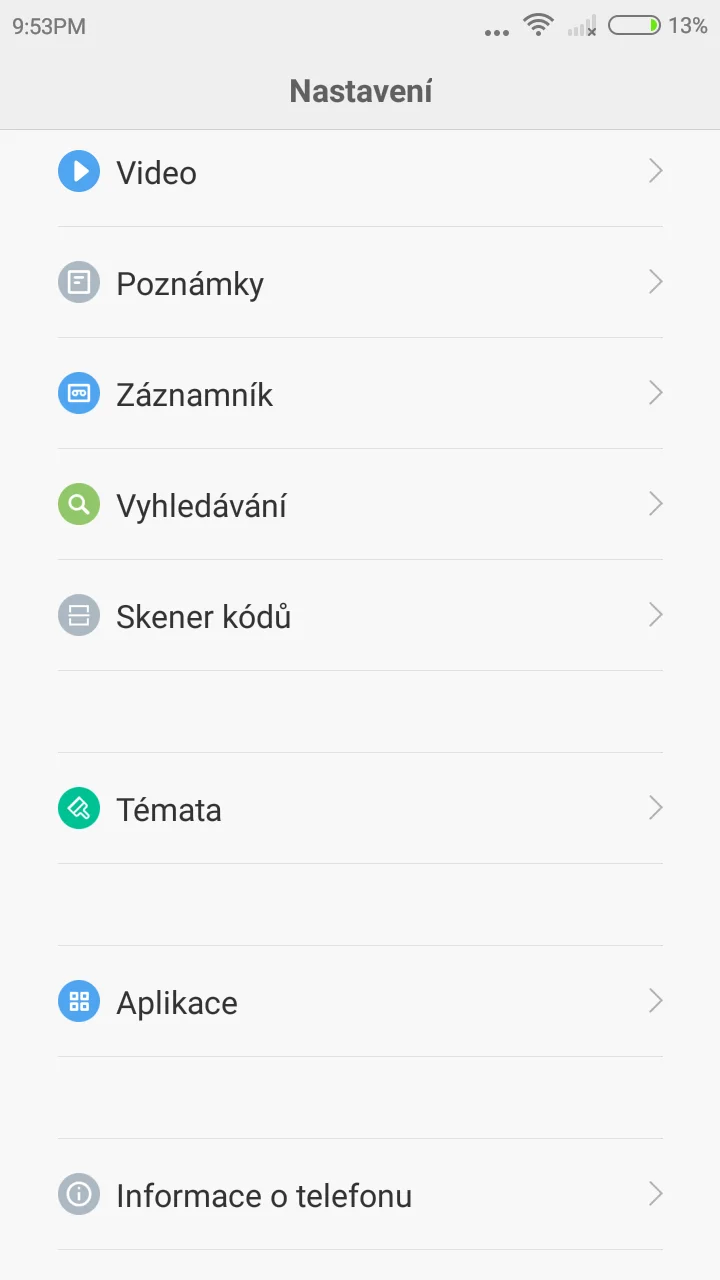
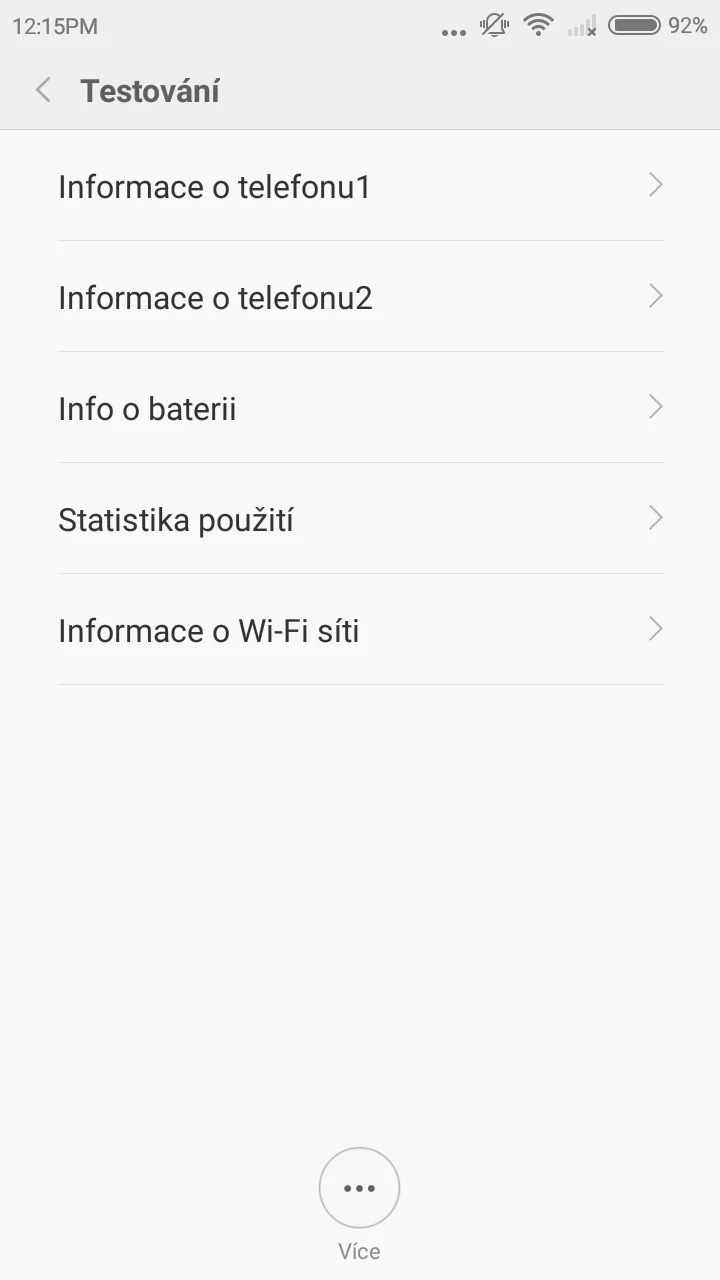
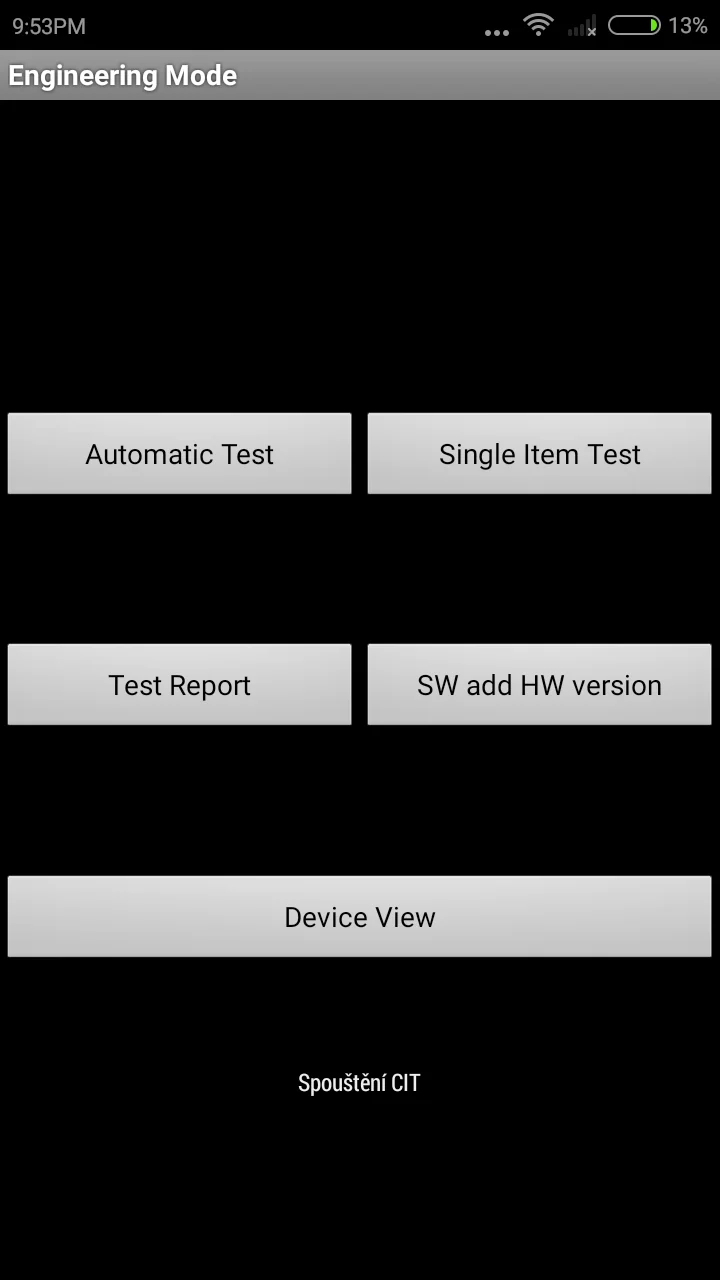
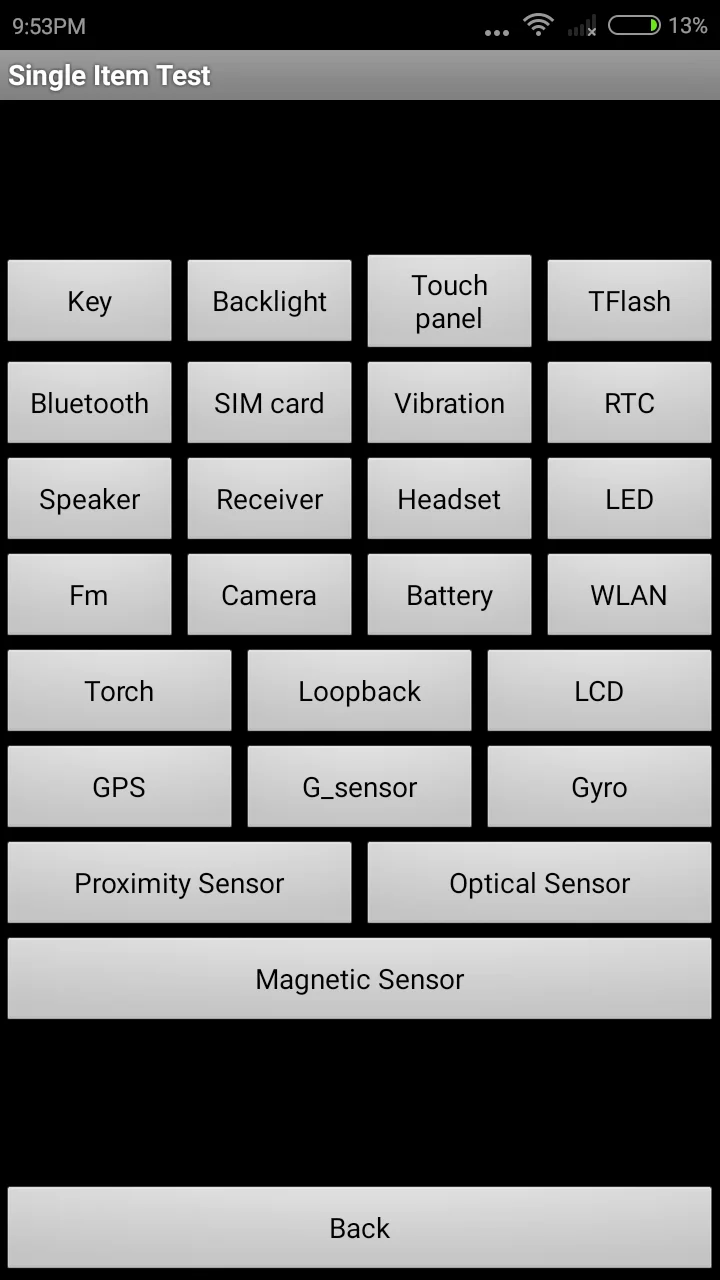
For the last UI-related point, I want to highlight some of the options buried in settings. This includes access to the phone’s “special” settings and MIUI-specific menus. For instance, you can tap through the About phone section into the CIT information screen (the fifth image below), or lock a specific SIM to certain network types. I was able to set the SIM in slot 1 so the device would connect only to LTE or only to 3G networks.
Camera
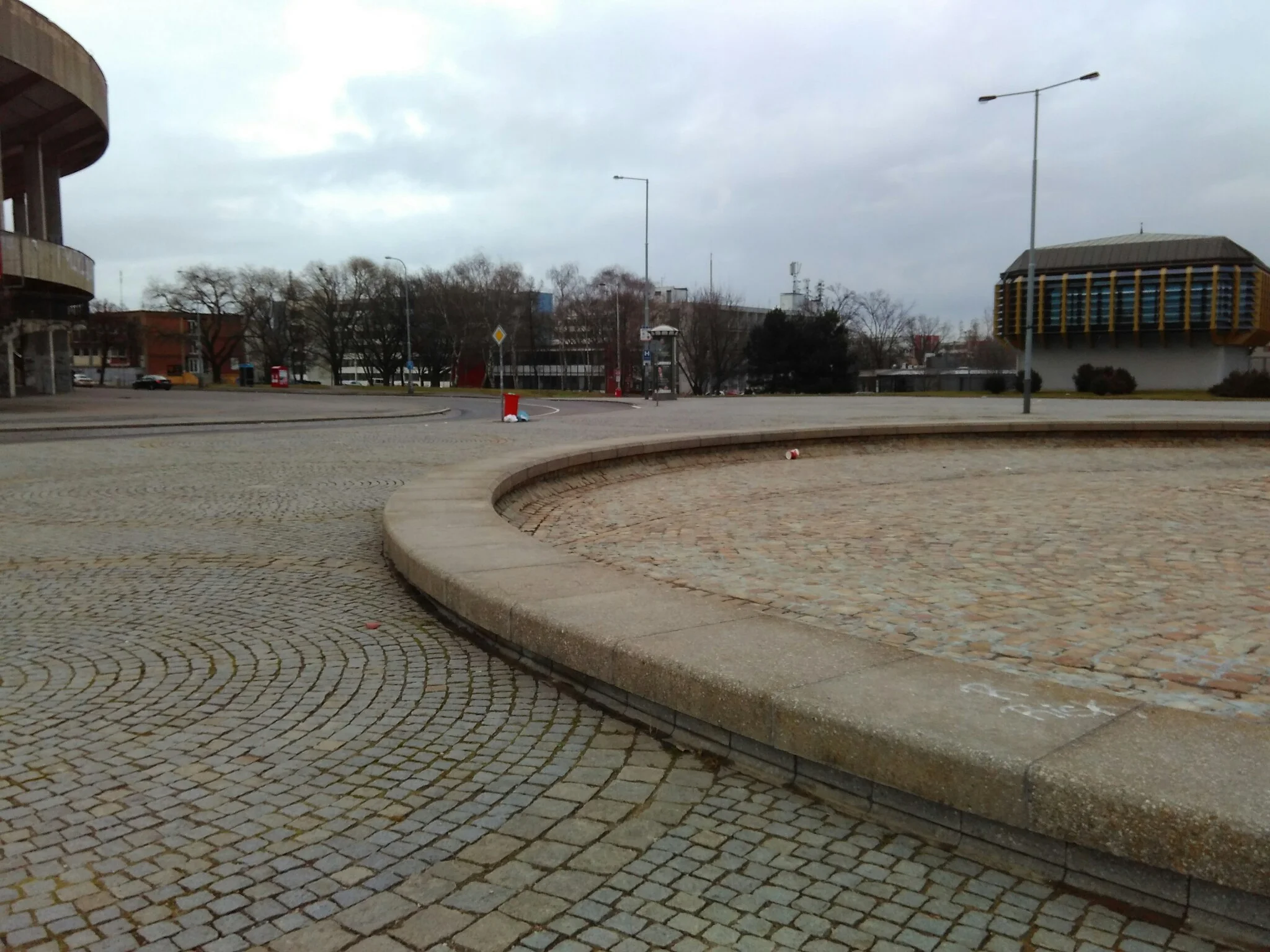
After everything else packed into this device, I wasn’t expecting much from the camera. The default app does include a healthy set of features, including fisheye and HDR. Still, with so much hardware squeezed into the phone, there clearly wasn’t much room left for the camera itself, so average image quality is about what you should expect. Night shots are weak too, with plenty of visible noise.






Battery
As mentioned earlier, the battery capacity is small, so expecting much from it would be a stretch. Even so, the phone comfortably lasted a full day, and I was still plugging it in at night with more than 10 percent left. That was with some gaming, reading news and articles, and the usual time spent bouncing around social networks. Honestly, the battery life surprised me. When I stuck to basic tasks, I had no trouble stretching it to as much as three days without charging.
Even though the device runs Android 4.4.4 with the MIUI 6 skin on top, the battery hardly seemed bothered by it. That leaves a couple of possible explanations. Either Xiaomi is using some kind of miracle battery tech, or its system and software optimization is simply first-rate.
Conclusion
Judging the Redmi 2 isn’t easy. I prefer getting better photos from a phone, but this device also offers a huge amount of system customization, and that matters a lot to me too. LTE support is a real plus, and the overall build and design quality are very solid. This is the first device I’d call truly all-around. Almost any user could find something to like here. At the same time, the phone doesn’t embarrass itself with its hardware or its look, and there still aren’t many devices you can say that about.