Xiaomi Mi Note Review: A Real Stunner
Xiaomi has already built a deep device lineup, and plenty of its products have made serious noise in the market. In my experience, though, the company’s phones often came with compromises that were easier to forgive because of the low price. More recently, Xiaomi introduced its new flagship pair, the Mi Note and Mi Note Pro.
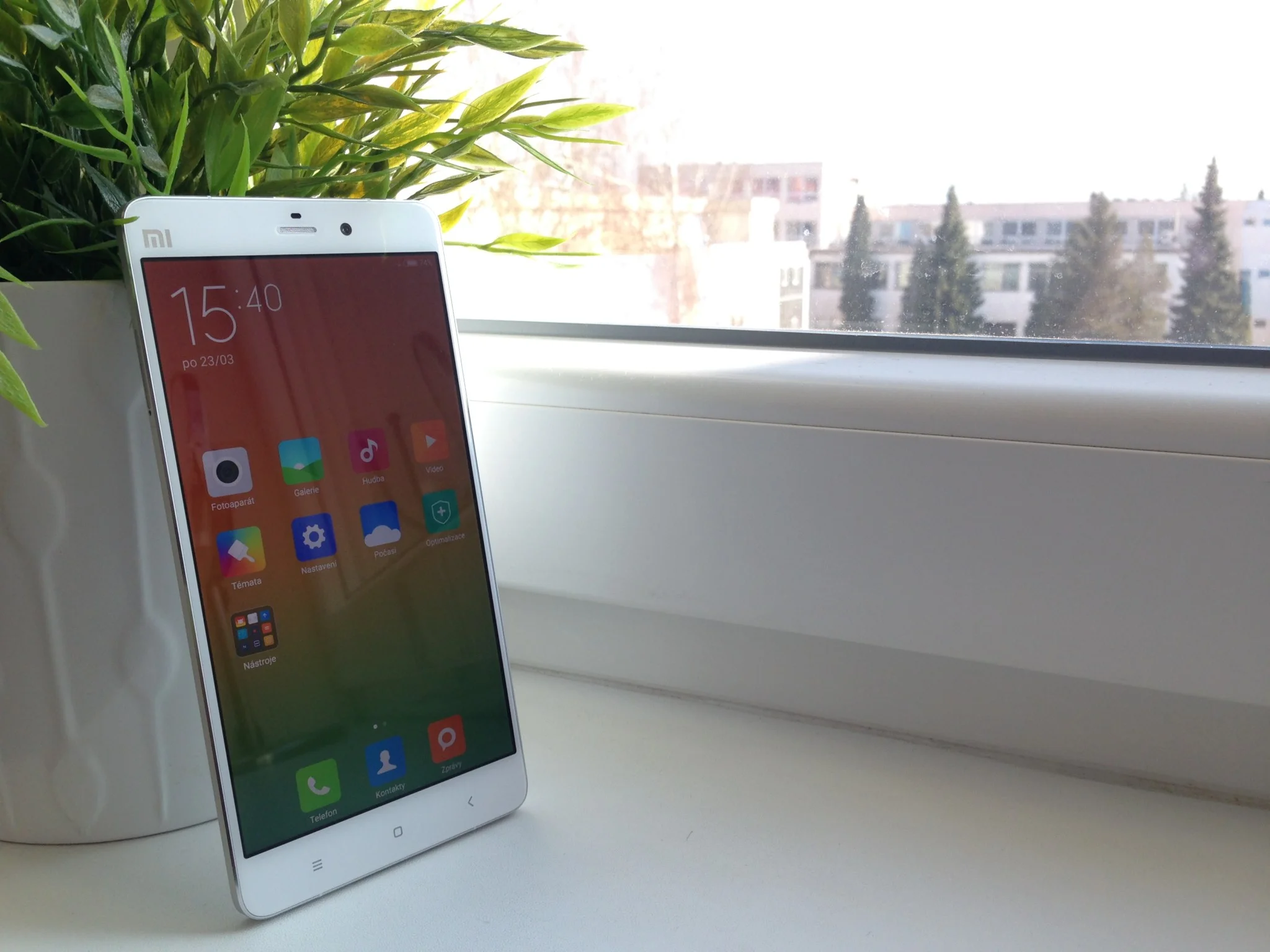
I had the chance to review the first of those two phones, the Mi Note. Here’s how it holds up. The review unit arrived in packaging that hasn’t changed at all: a natural cardboard box with a subtle Xiaomi logo. Inside, you get the phone itself and, underneath it, the basics: a microUSB cable for charging or PC connection, a wall charger, and printed documentation. That’s it. For a flagship, I would have liked to see at least a pair of earphones included, especially since Xiaomi already sells some very good ones.

DESIGN
The design, though, is a completely different story from the sparse retail package. There are no visible compromises here, and Xiaomi deserves real credit for the fit, finish, and overall execution. The first time you pick it up, it gives off the kind of premium impression that phones like the iPhone 4 were once known for. It feels polished, expensive, and unusually refined.
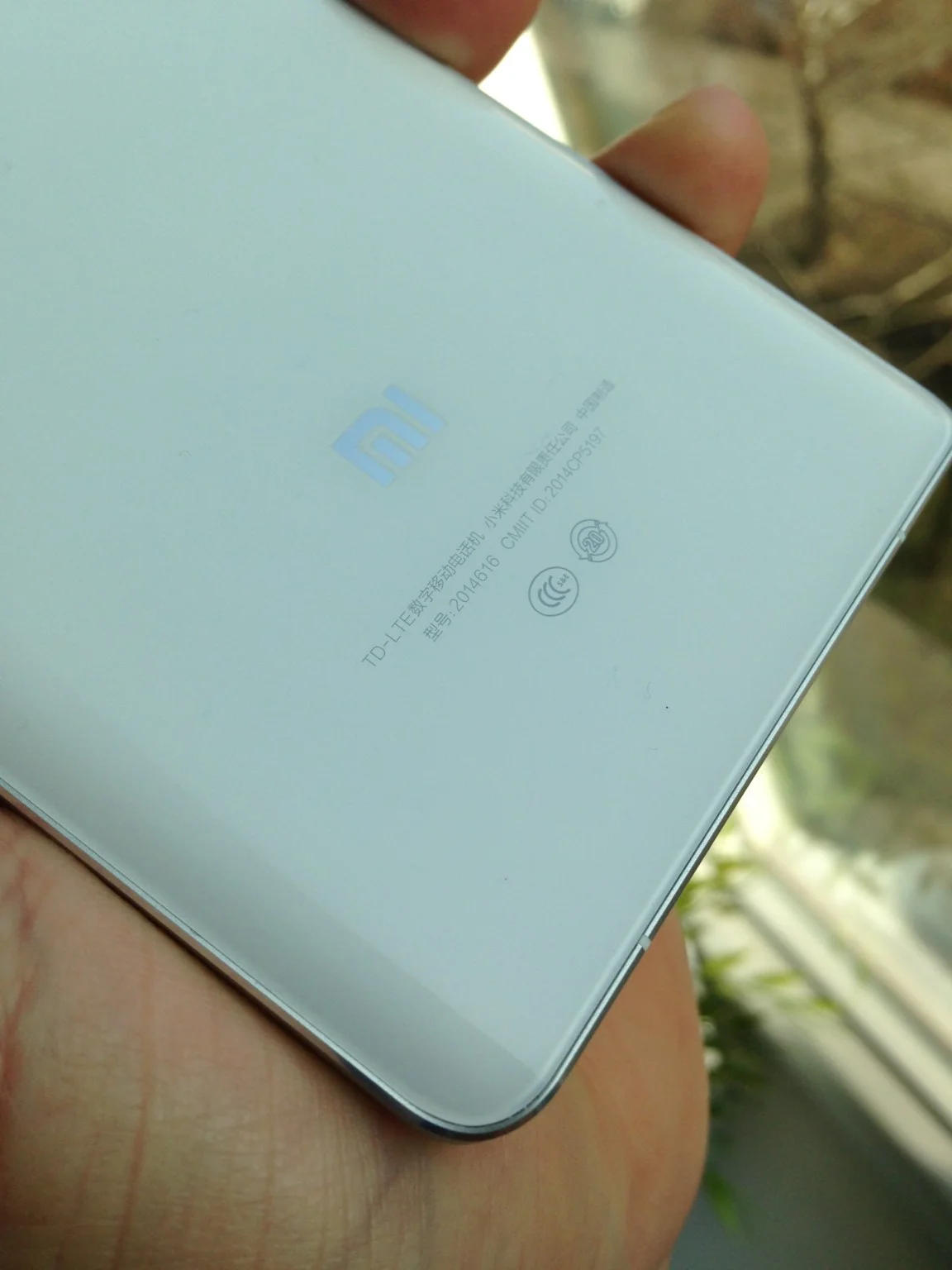
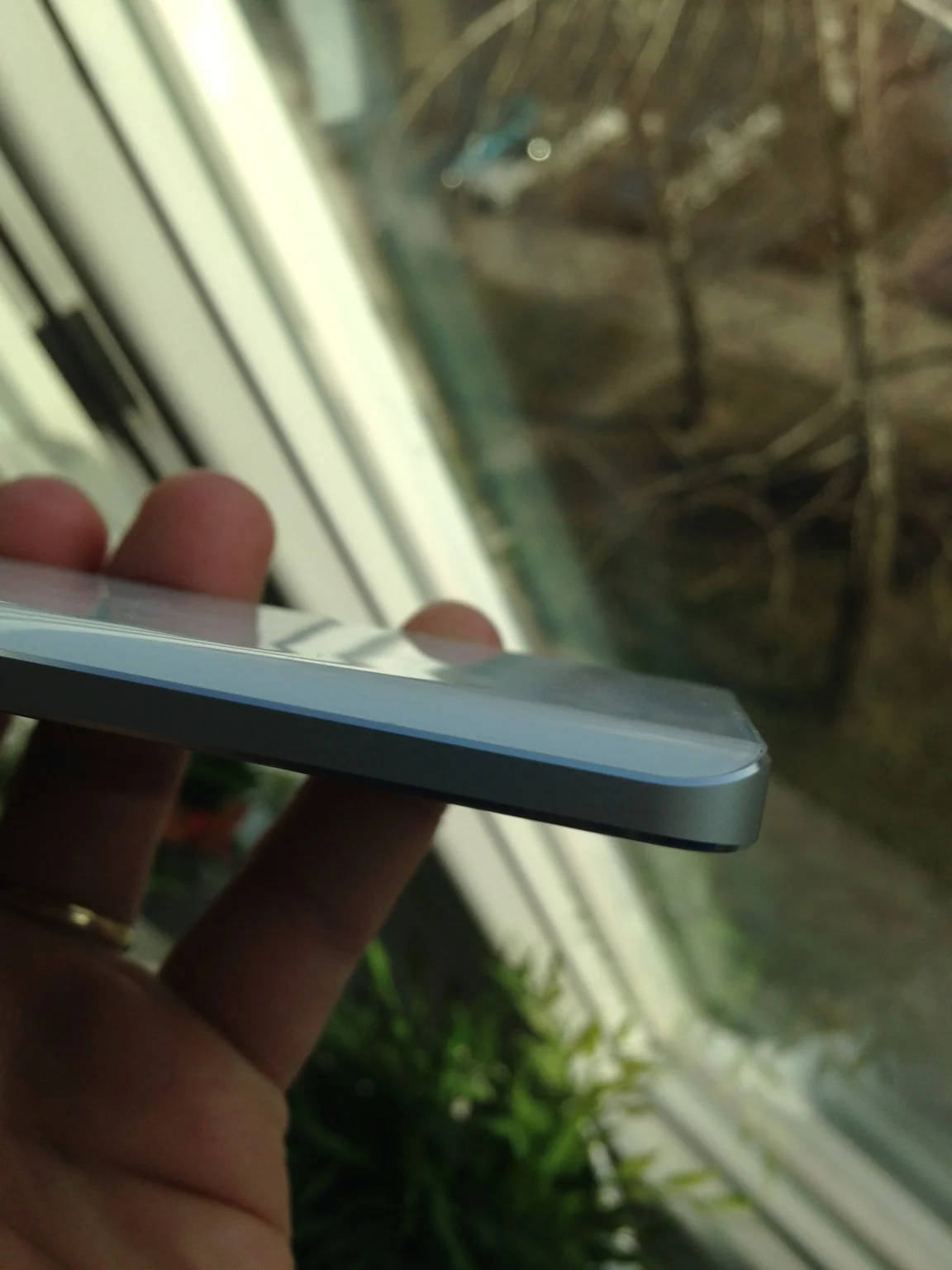
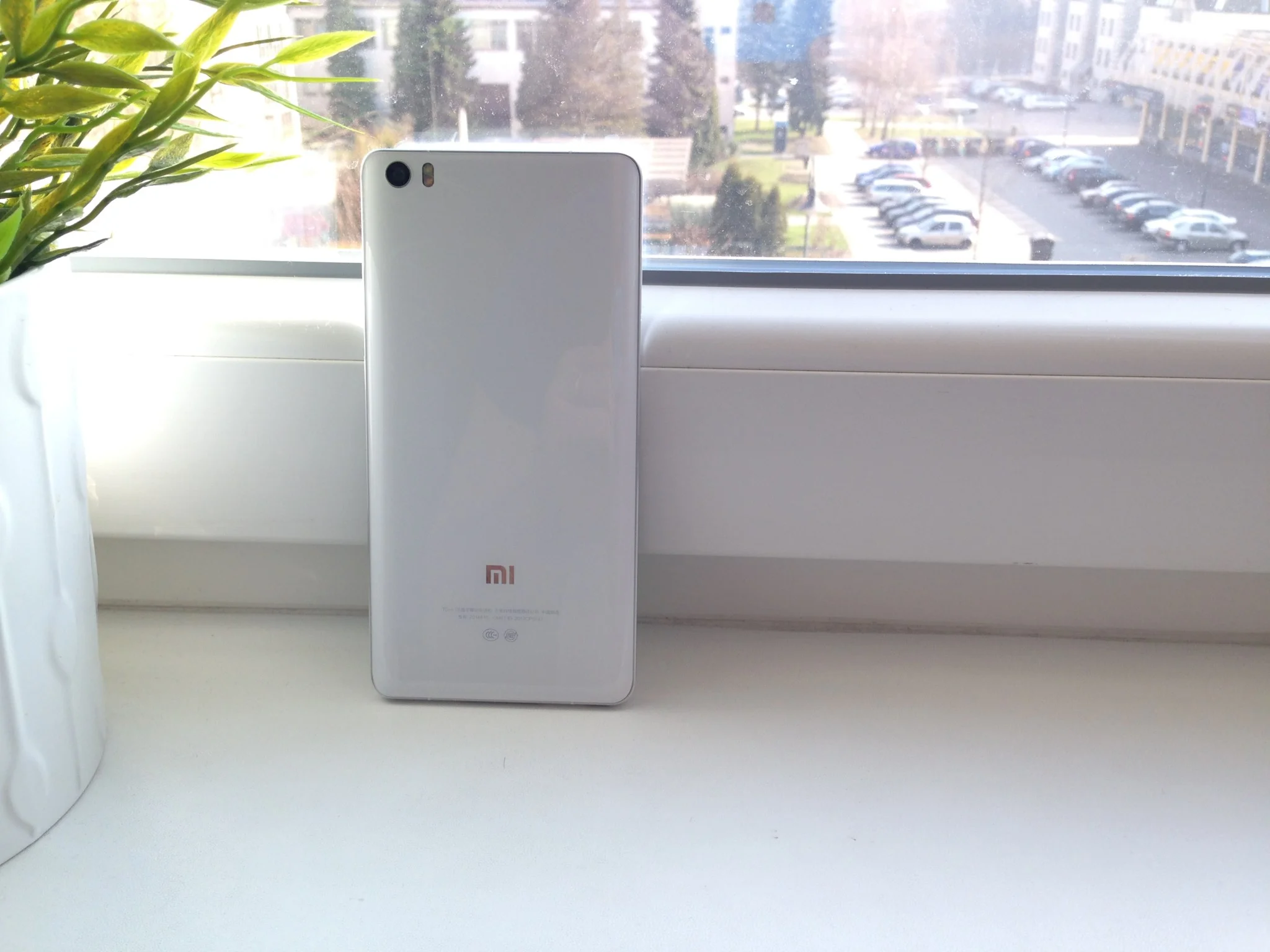
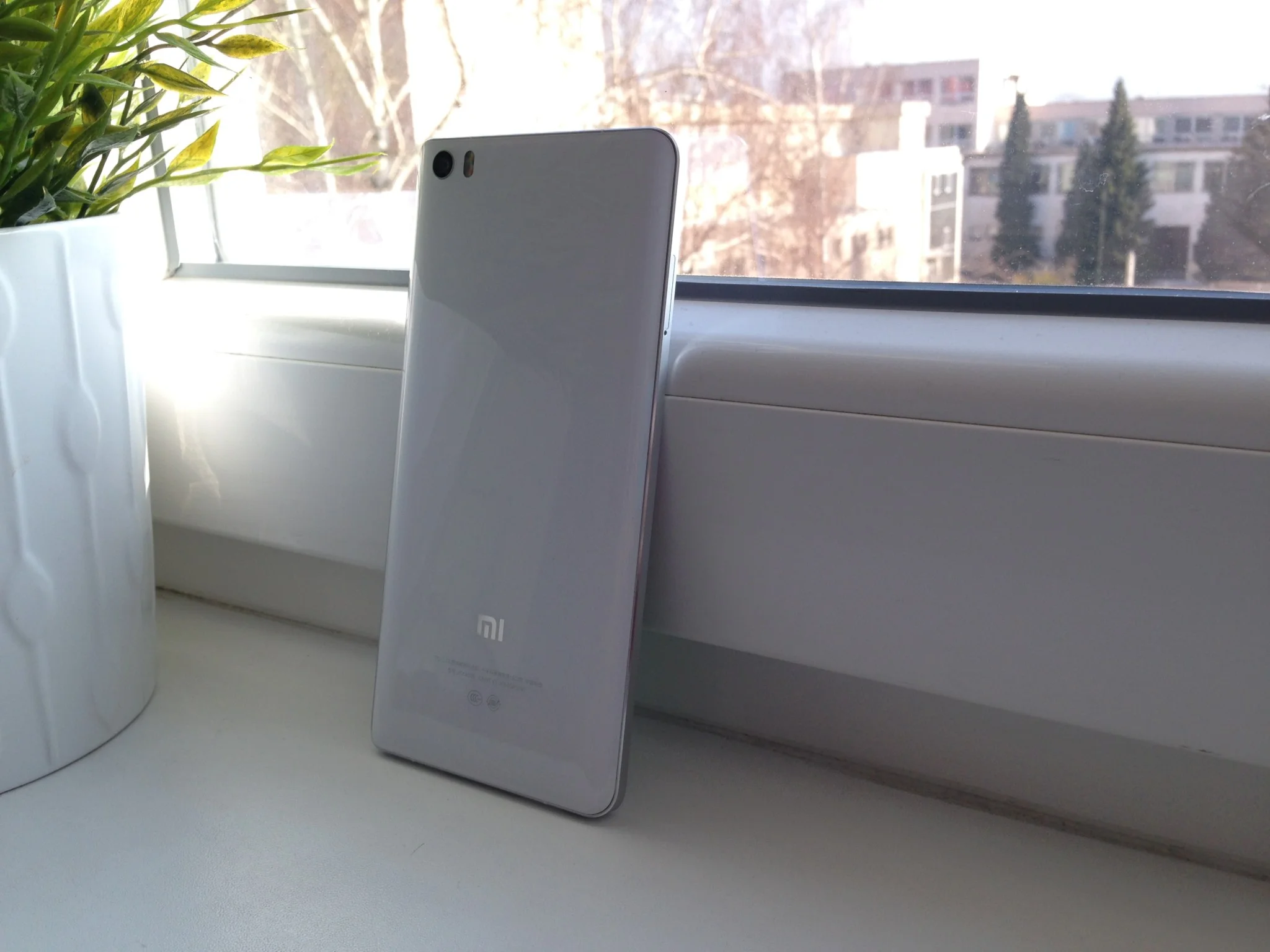
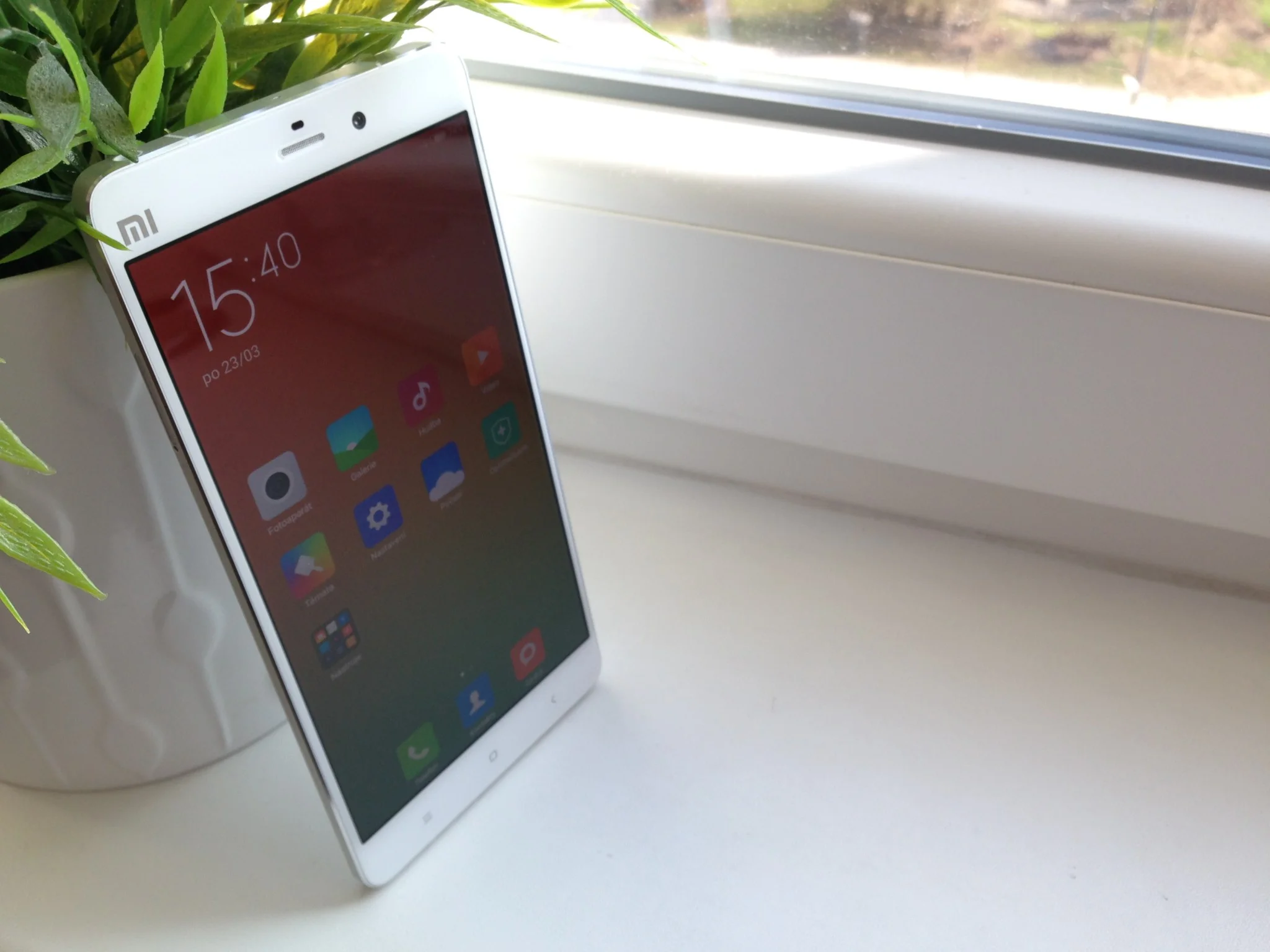
The Xiaomi Mi Note uses glass on both the front and back, framed by a slim metal band around the sides. The rear panel curves at the edges, and that shape helps the phone sit comfortably in the hand. The glass over the display is also slightly curved along the sides, so swipes feel smooth and natural. Put simply, the Mi Note gets high marks for design. At the time, it felt like a phone with very few real rivals in pure industrial design, including devices from Apple and other top-tier brands.
BUILD
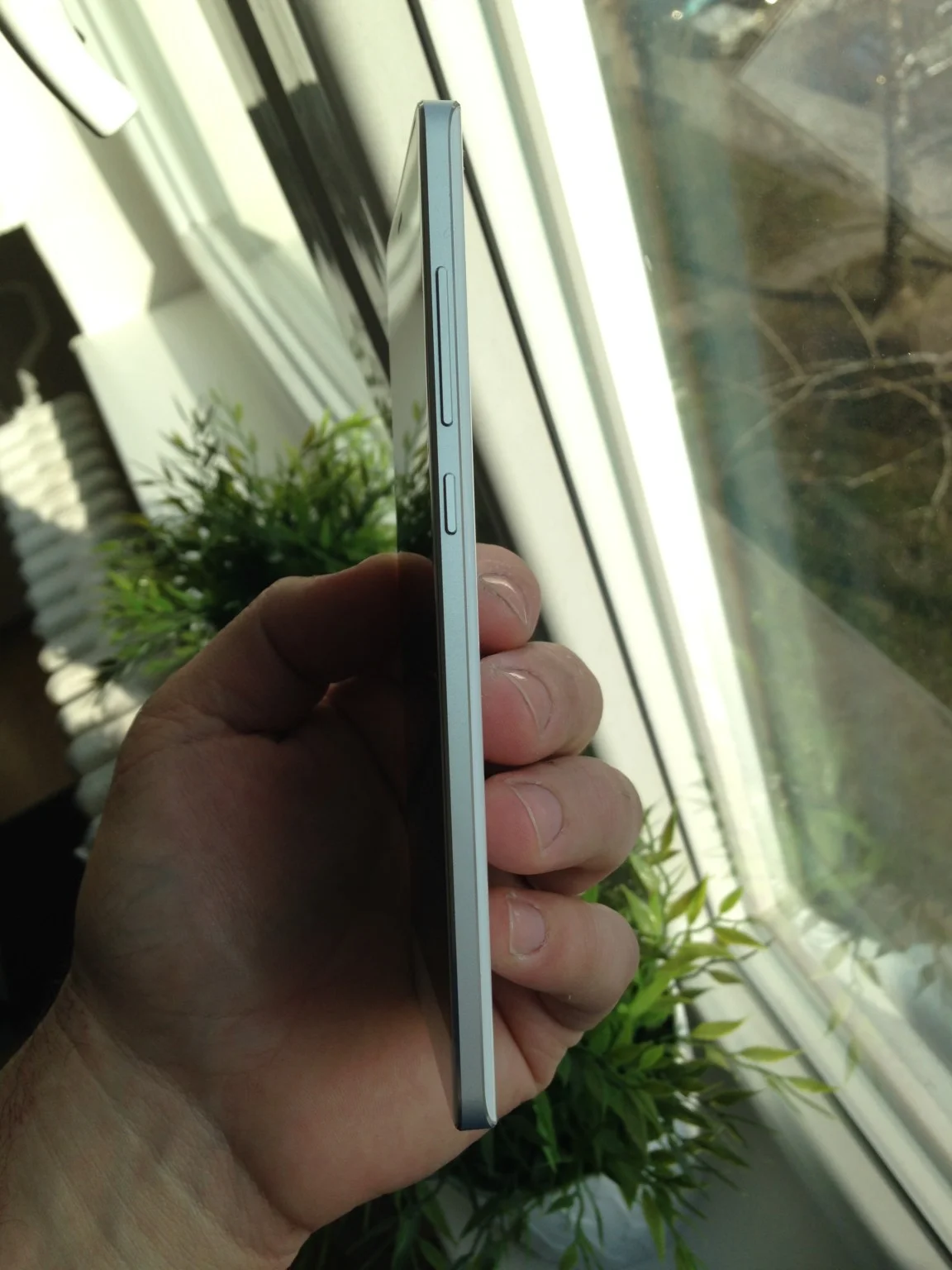
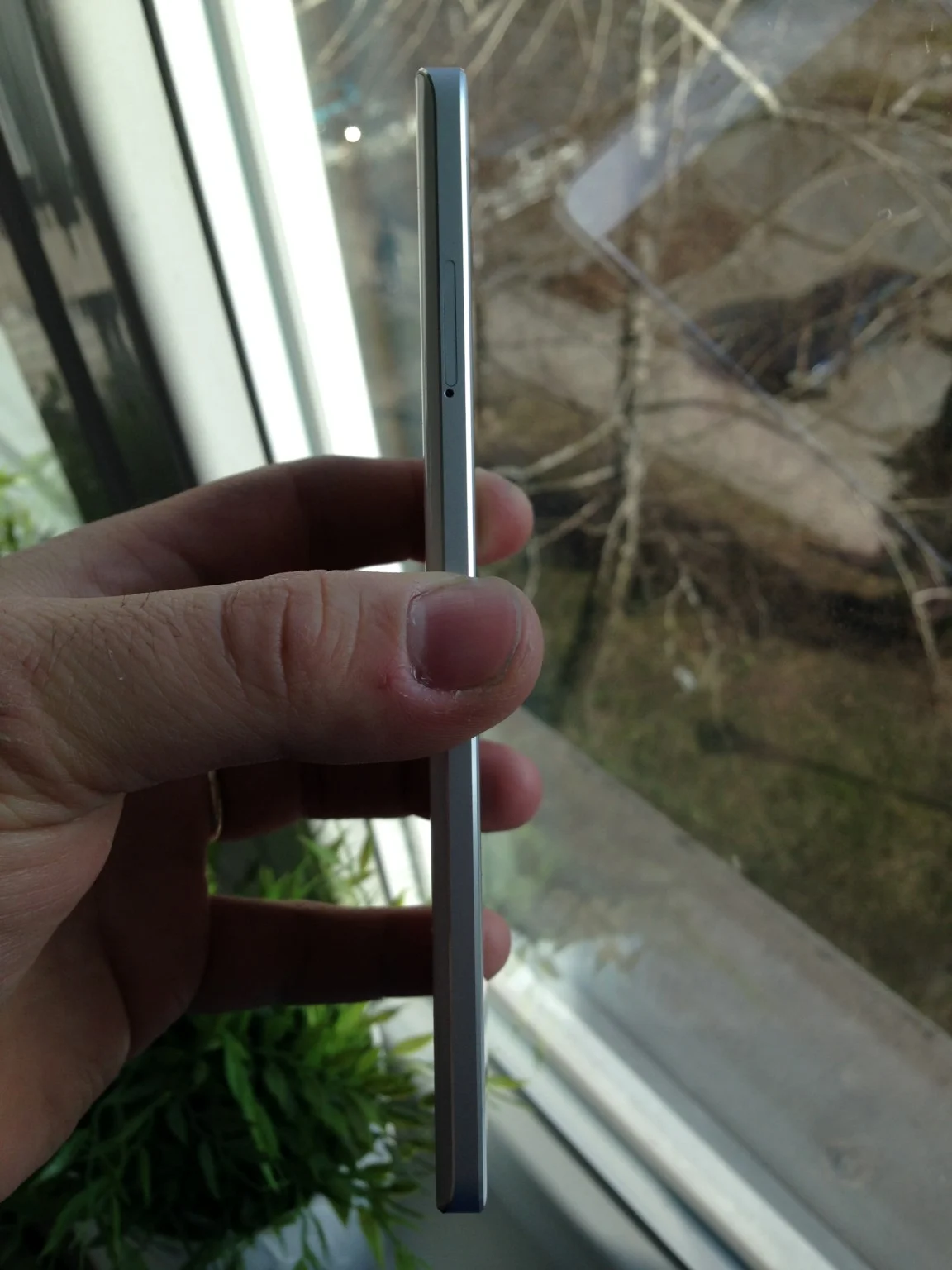
The phone uses a unibody construction, which means the battery is not user-replaceable. On the left side, there’s a nanoSIM slot, another sign of the industry’s steady shift toward smaller SIM cards. On the right, you’ll find a metal volume rocker near the top and, below it, a matching metal button for locking the screen or powering the device on and off.
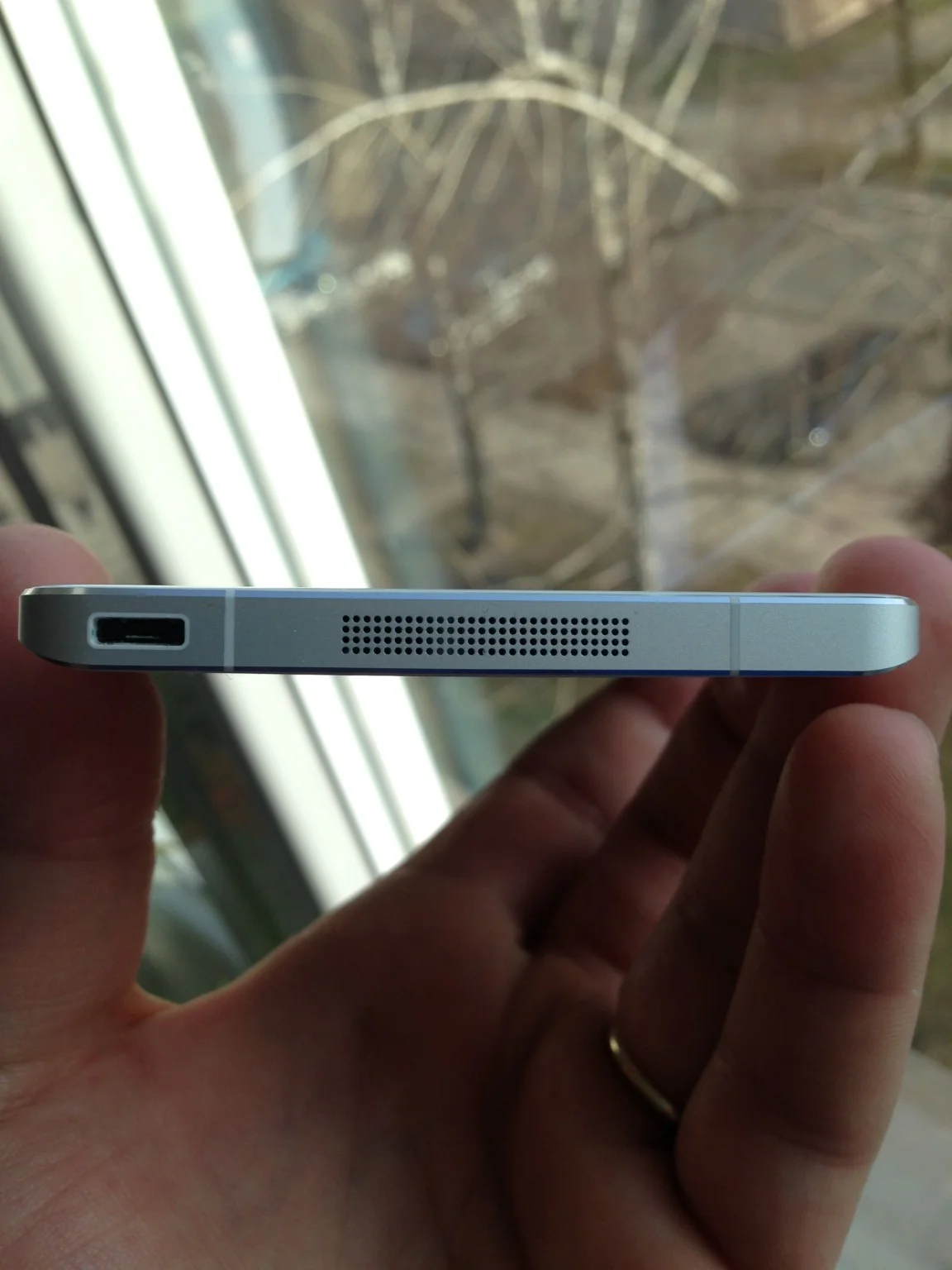
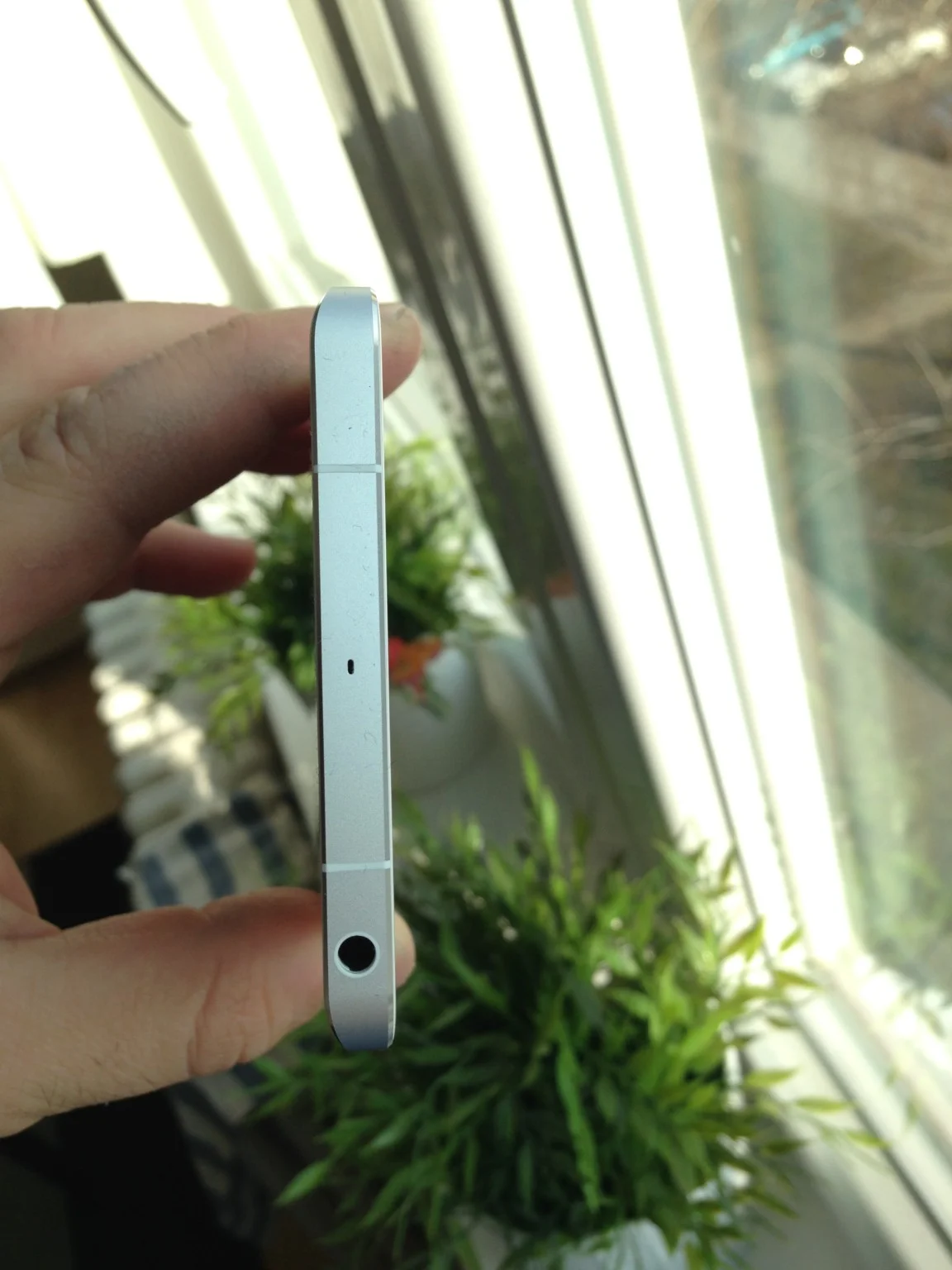
Along the bottom edge, there’s a microUSB port on the left and a loudspeaker in the center. It isn’t stereo, which is a little disappointing, but the output itself is strong enough to satisfy. Up top, there’s a standard 3.5mm headphone jack on the left and an infrared port on the opposite side.
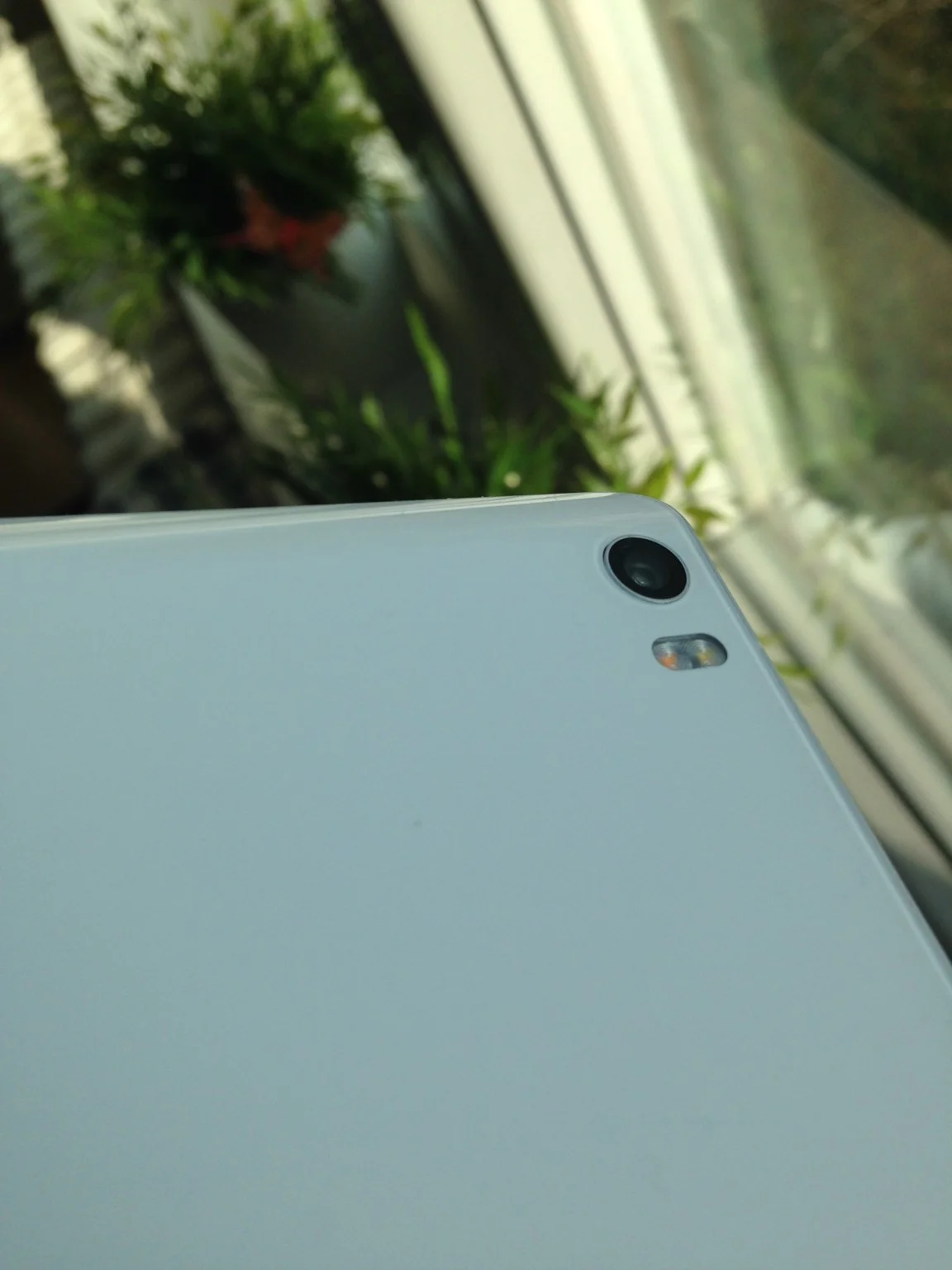
I’m glad the IR blaster is here. On the glossy glass back, in the upper-left corner, sits the 13MP camera alongside a subtle dual-LED flash. Lower down, there’s only the Xiaomi logo. On the front, the Xiaomi logo is placed at the upper left, while the earpiece sits in the middle with the proximity sensor above it to turn off the display during calls. On the right side is the 4MP front-facing camera. Below those elements is a 5.7-inch Full HD IPS LCD display. Under the screen, Xiaomi includes three backlit capacitive navigation buttons. That covers the hardware layout.
HARDWARE
The Xiaomi Mi Note is a performance beast. Inside this flagship is a quad-core Qualcomm Snapdragon 801 clocked at 2.5 GHz, paired with 3 GB of RAM and Adreno 330 graphics. Performance is more than strong enough across the board, whether you’re moving through the interface, pushing heavy multitasking loads, or playing demanding games like Asphalt 8: Airborne.
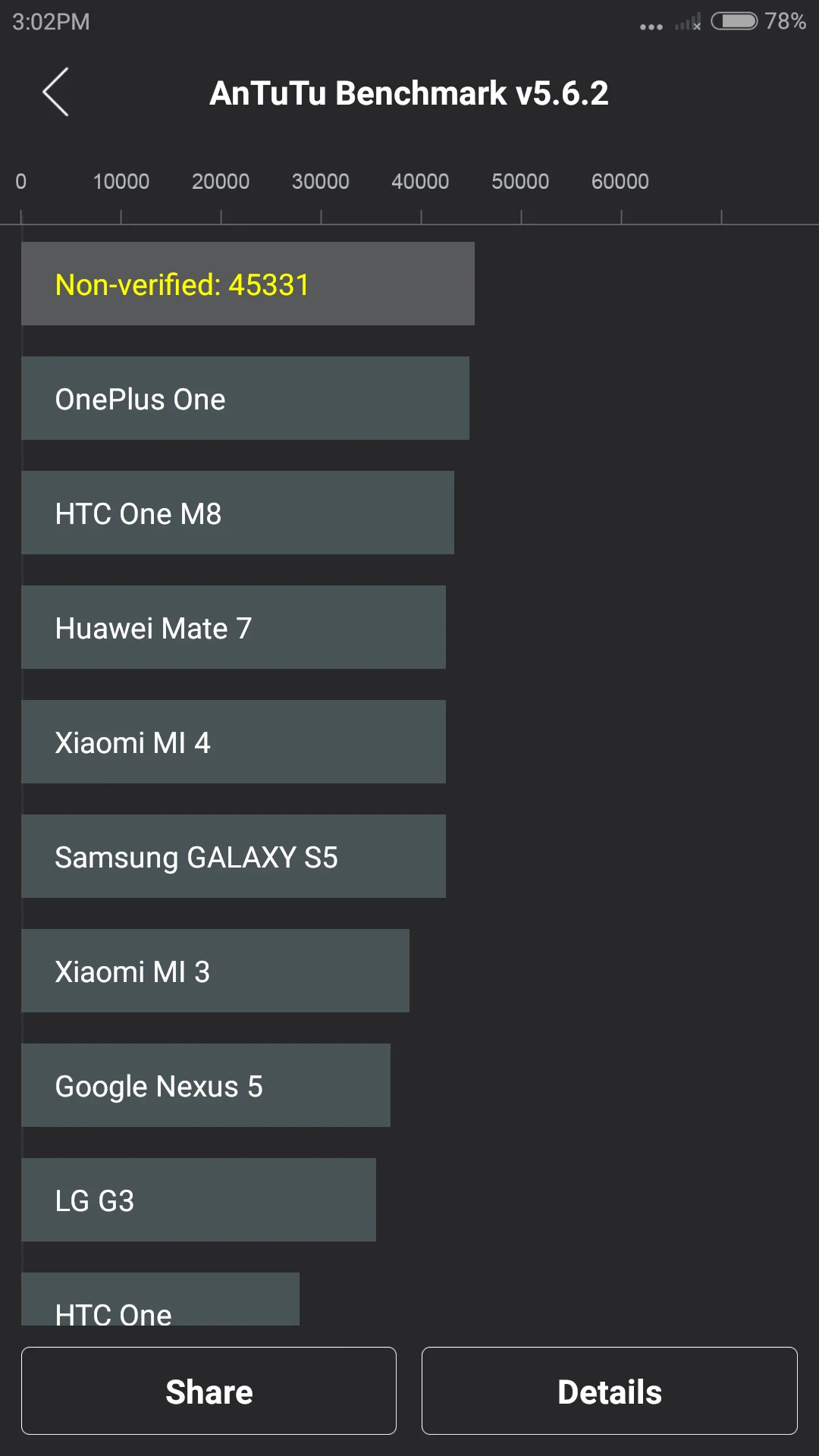
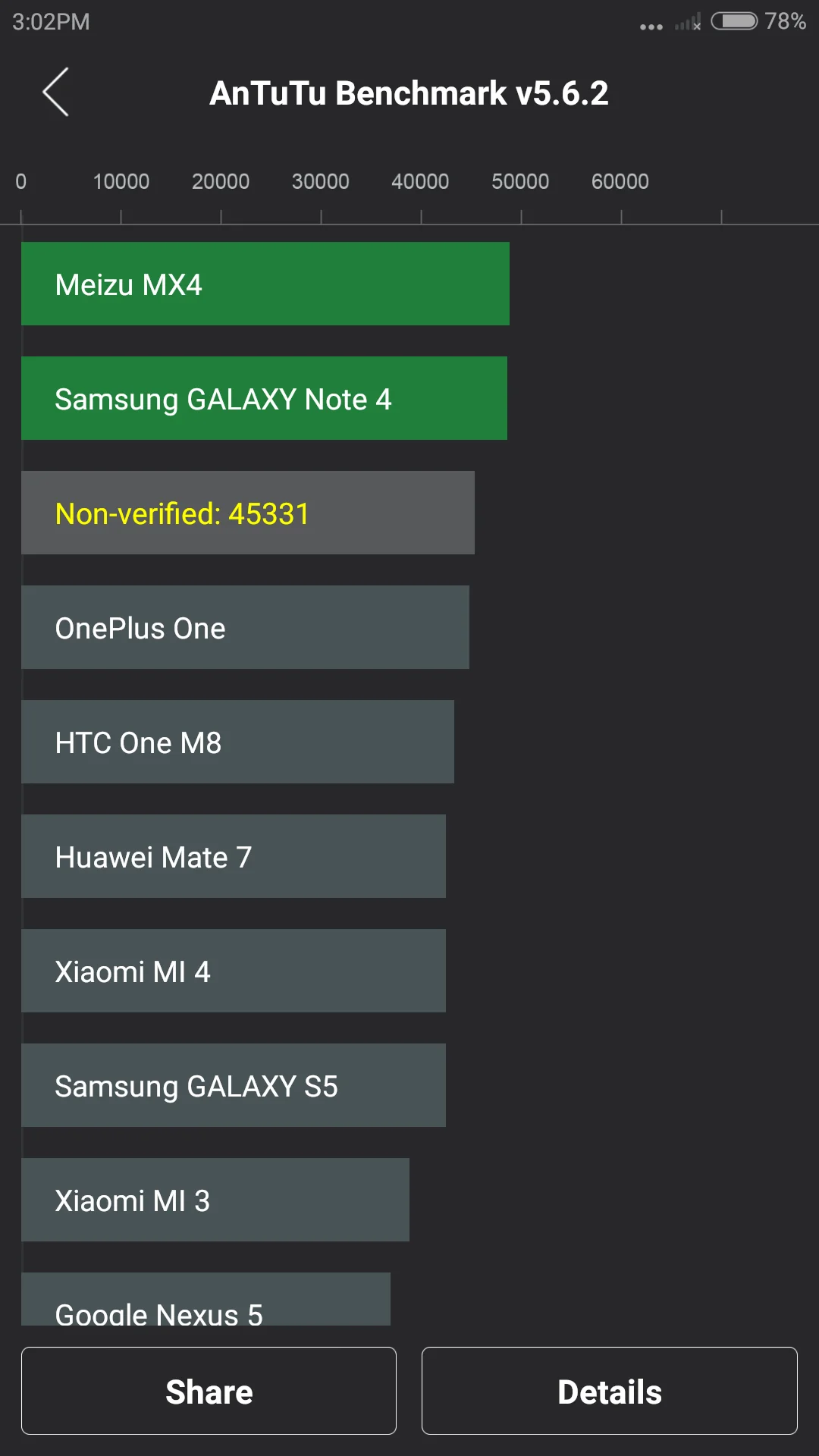
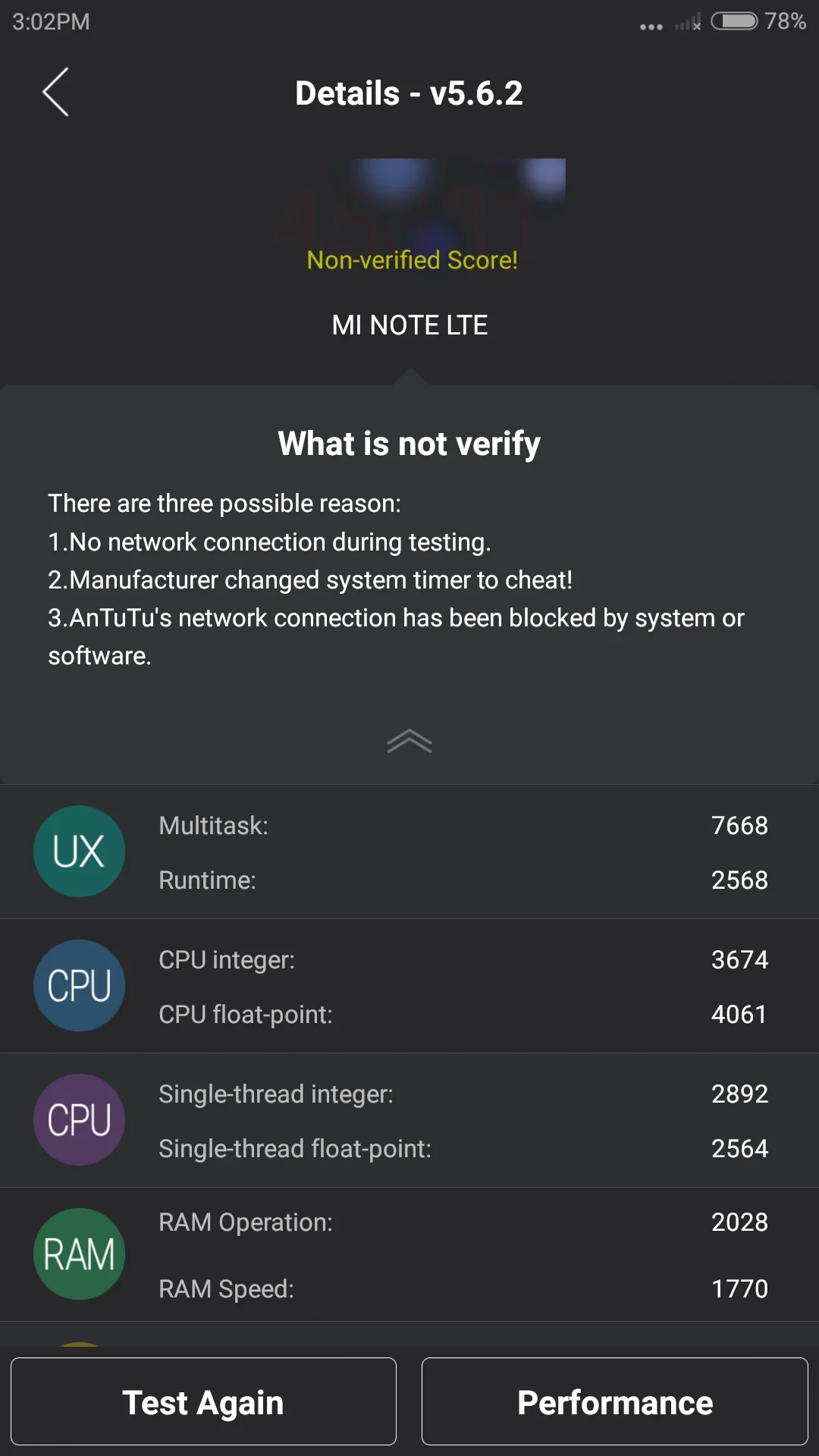
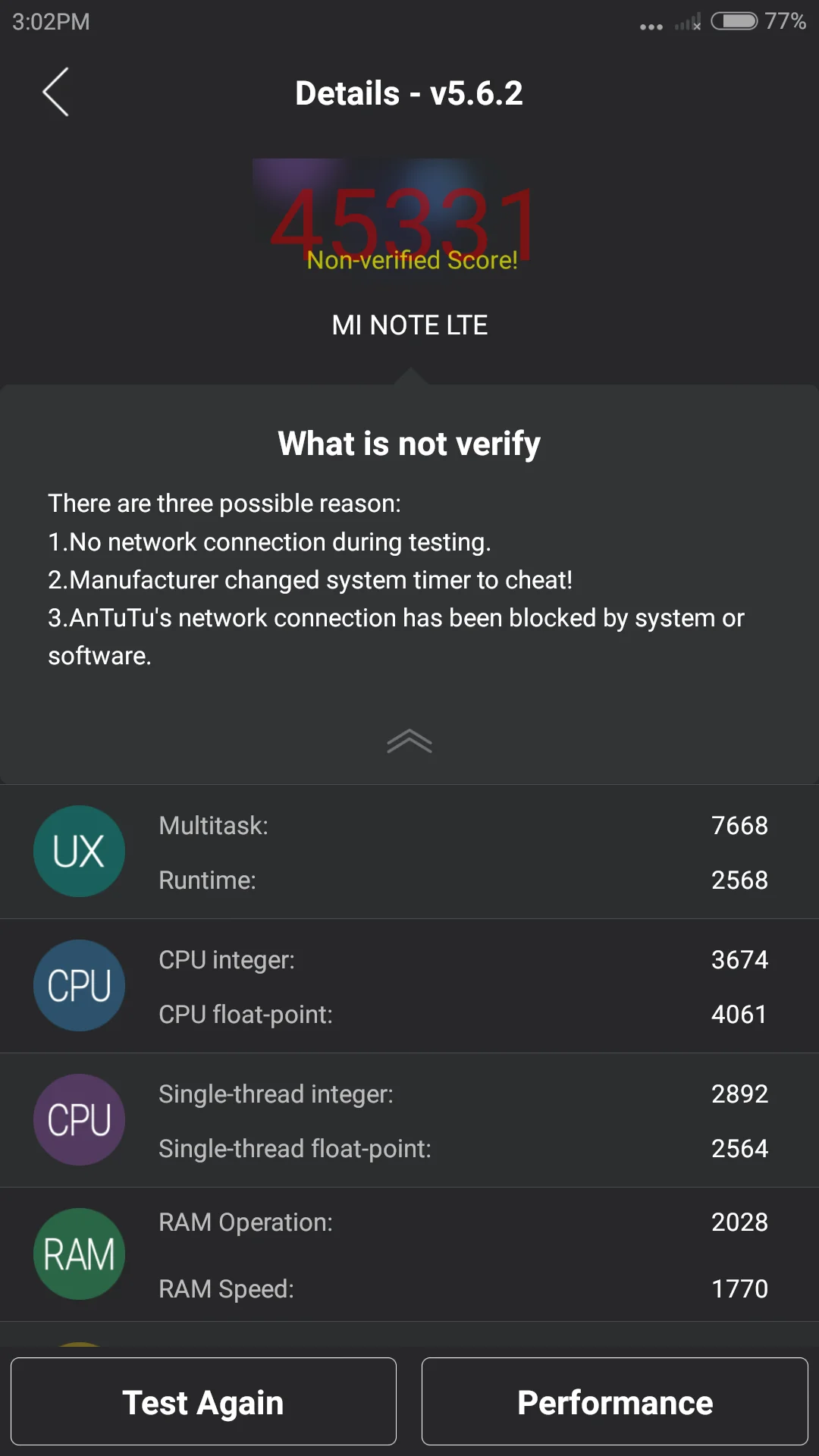
That impression was backed up by the AnTuTu benchmark, where the phone reached 45,000 points and landed just behind the Samsung Galaxy Note 4 in the rankings. The Mi Note was available with either 16 GB or 64 GB of storage. Unfortunately, there’s no way to expand that, since the phone lacks a memory card slot. The rest of the spec sheet is well stocked, including GPS, Wi-Fi, Bluetooth, LTE, and a gyroscope. On paper and in daily use, the hardware package feels thoroughly complete.
SOFTWARE
Xiaomi is also known for shipping Android with its own heavily customized skin, MIUI. That’s the case here too. The Mi Note runs Android 4.4.4 KitKat with MIUI 6.3.7 on top. Thanks to the community, the software has already been fully localized. The whole interface has gone through a flat-style redesign, which gives it a much more modern look. The visual language is now consistent across the system, and I really have no complaints here.

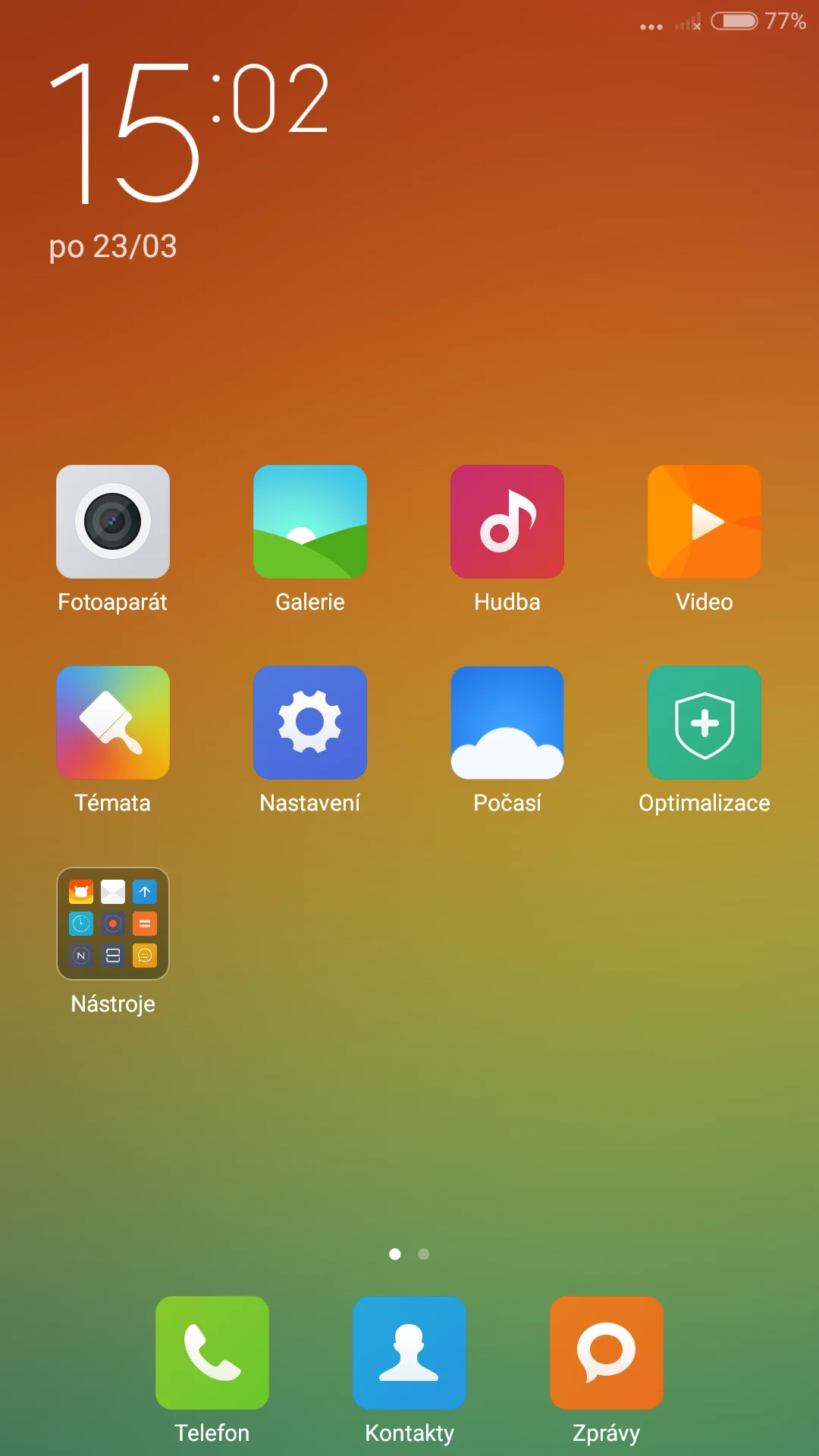
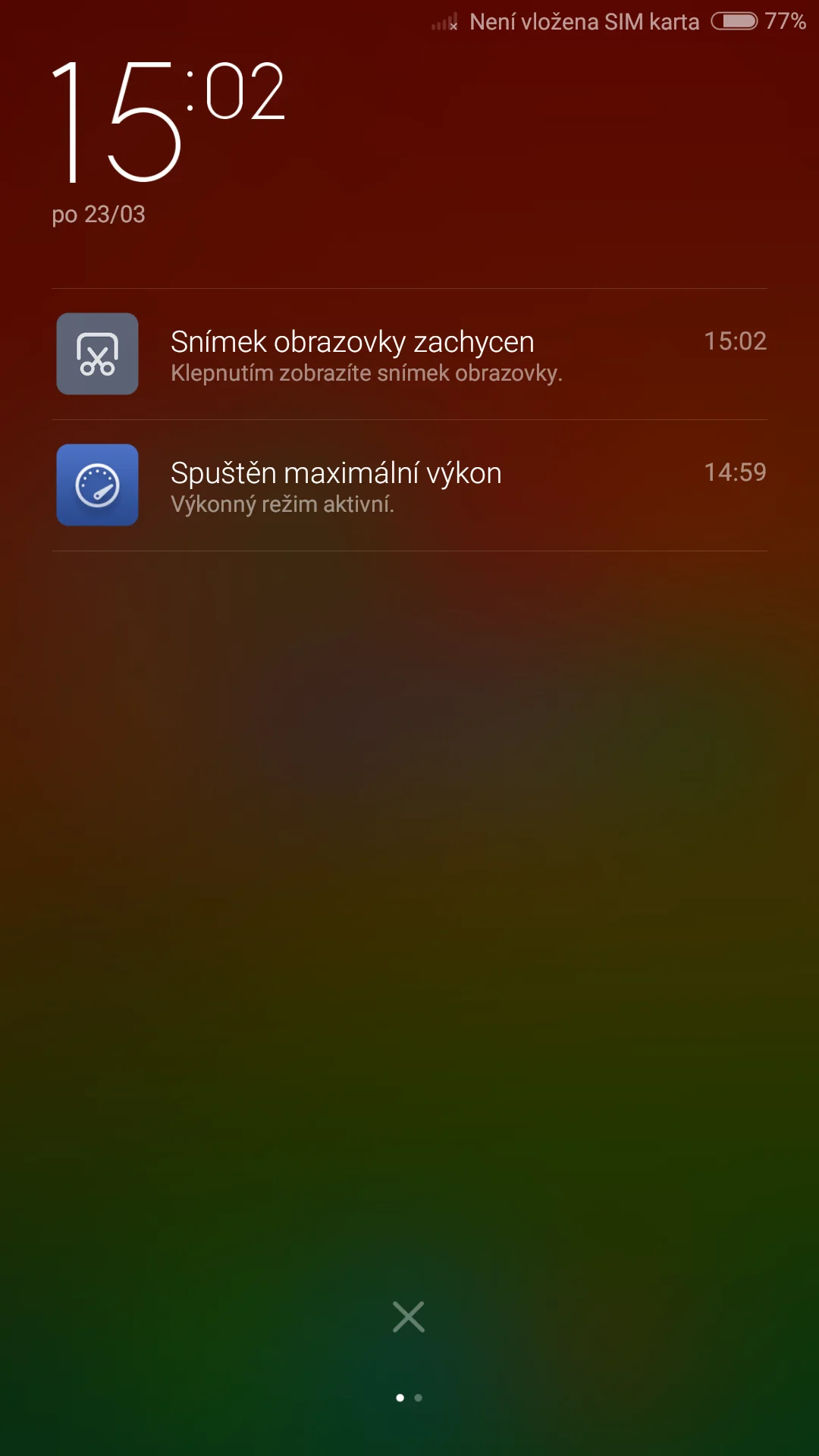
The MIUI interface had always left me with mixed feelings in the past. It was stable and smooth, but the design felt disjointed. That’s no longer an issue. The lock screen is minimal, with just the time, date, and wallpaper. Once unlocked, you land on the usual home screens, which also double as the app menu. All installed apps appear directly on these panels. You can customize each screen to your liking and add widgets as needed. Pulling down from the top opens the notification shade, where you’ll again see the time and date, with notifications presented in a clean, stripped-back layout.
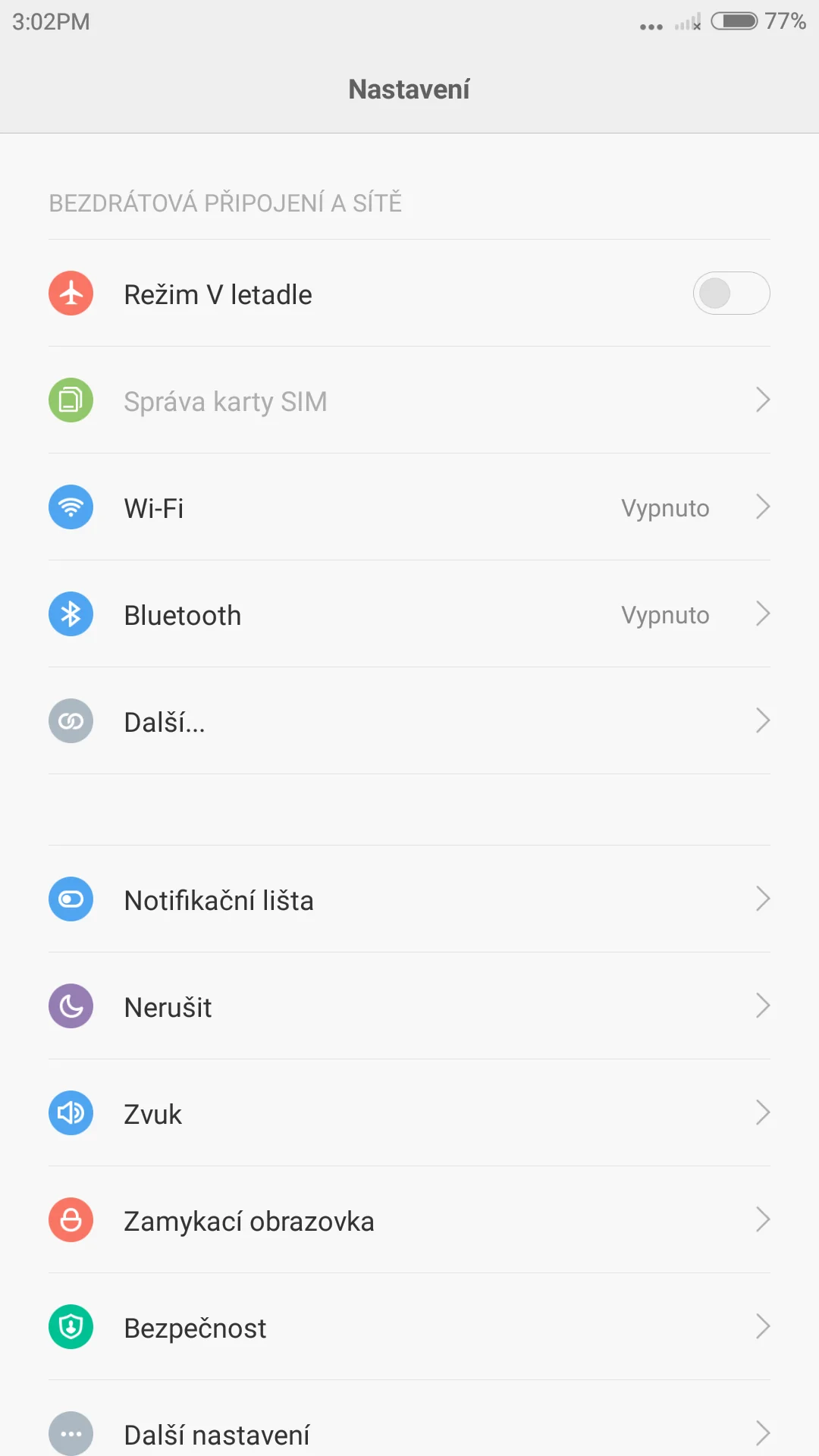
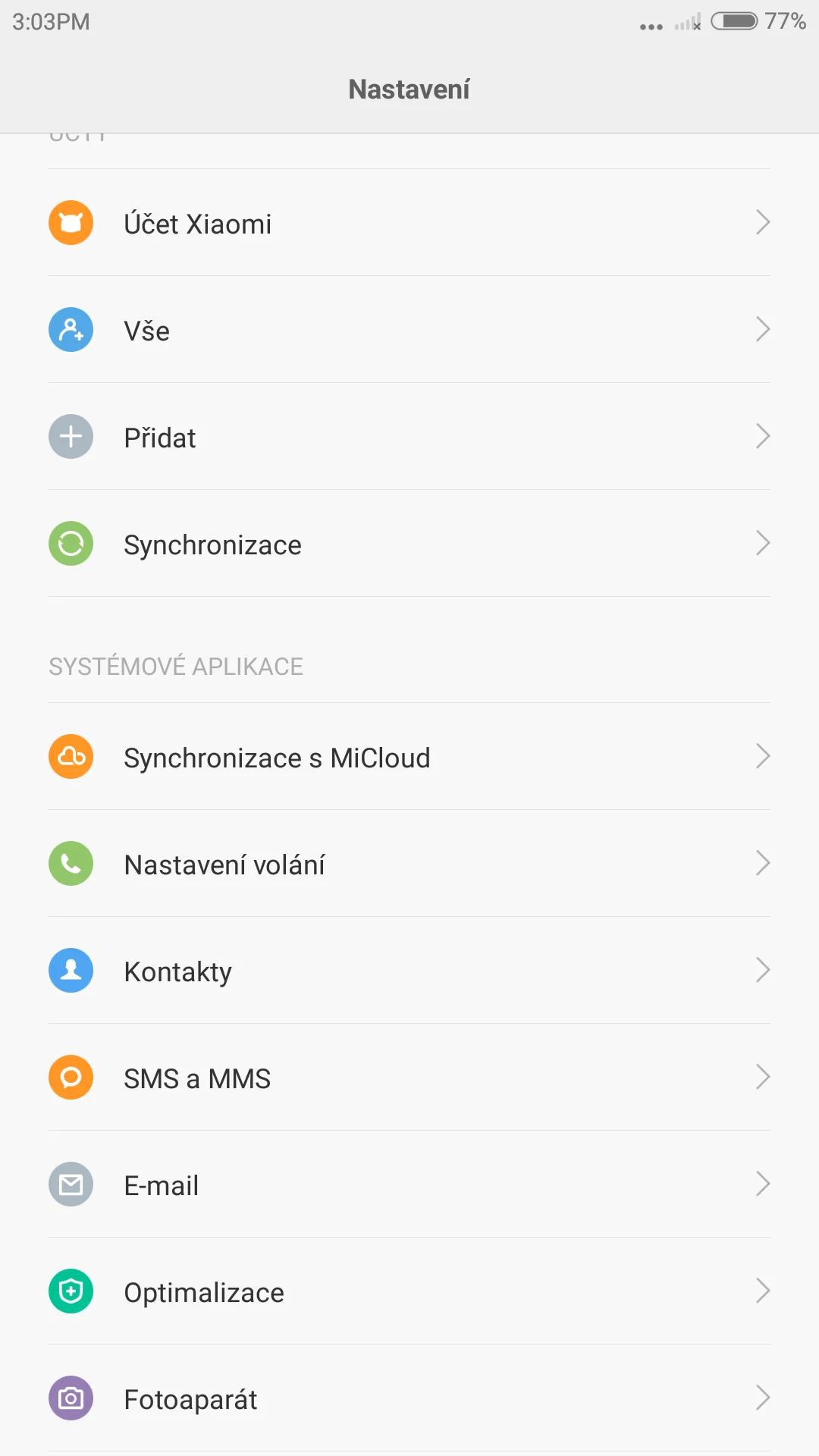
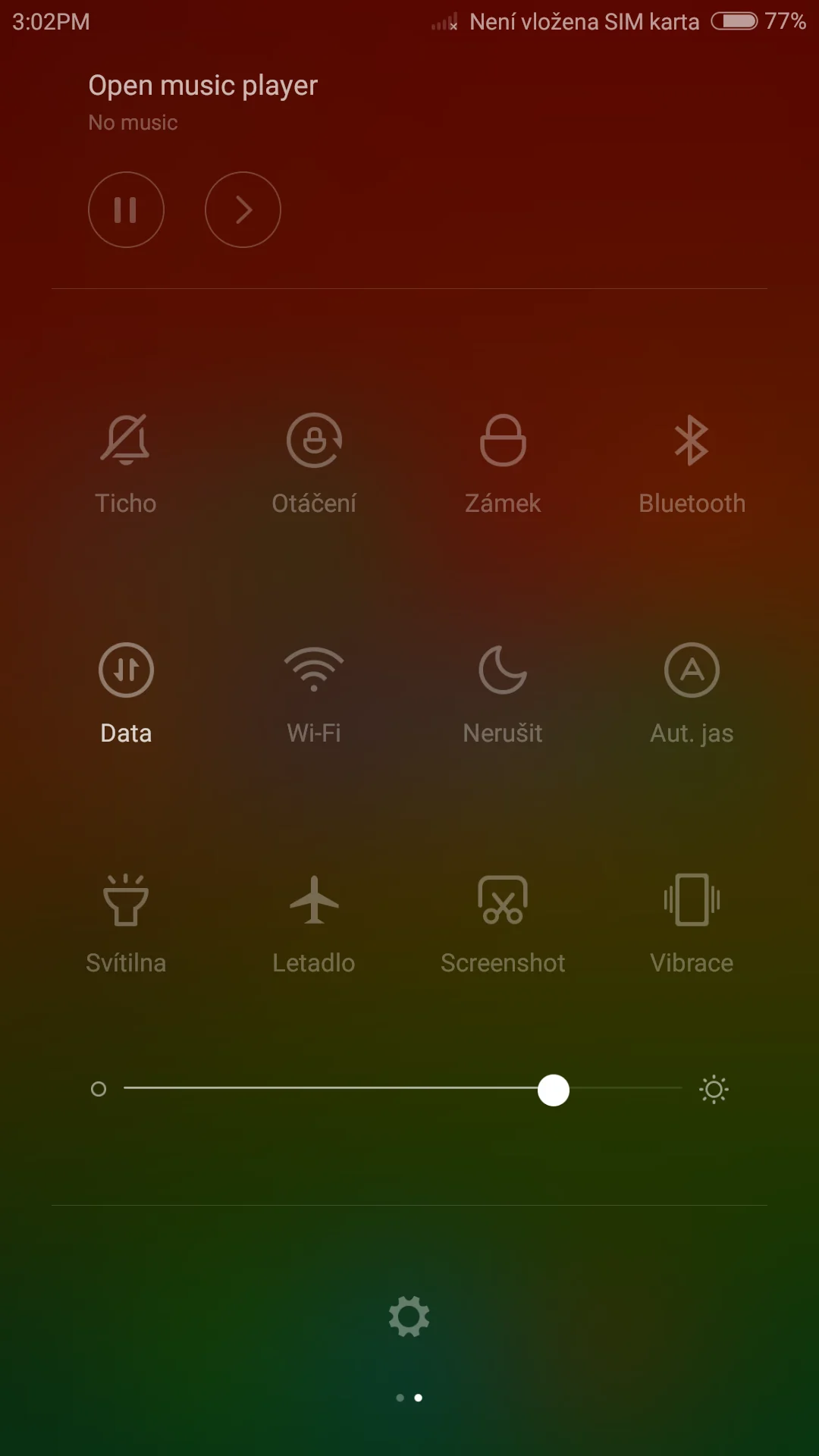
Swipe from right to left and you get to a second tab with quick toggles, arranged however you want, plus a slider for manual brightness control. As mentioned, you can freely edit the toggle layout. The system is extremely smooth, and if the visual style still isn’t your thing, the MIUI Store offers a huge selection of downloadable themes. The software also includes some genuinely useful extras, including WPS Office, a full productivity suite similar to Microsoft Office. That means you can edit text files, create presentations, spreadsheets, and more at no extra cost.

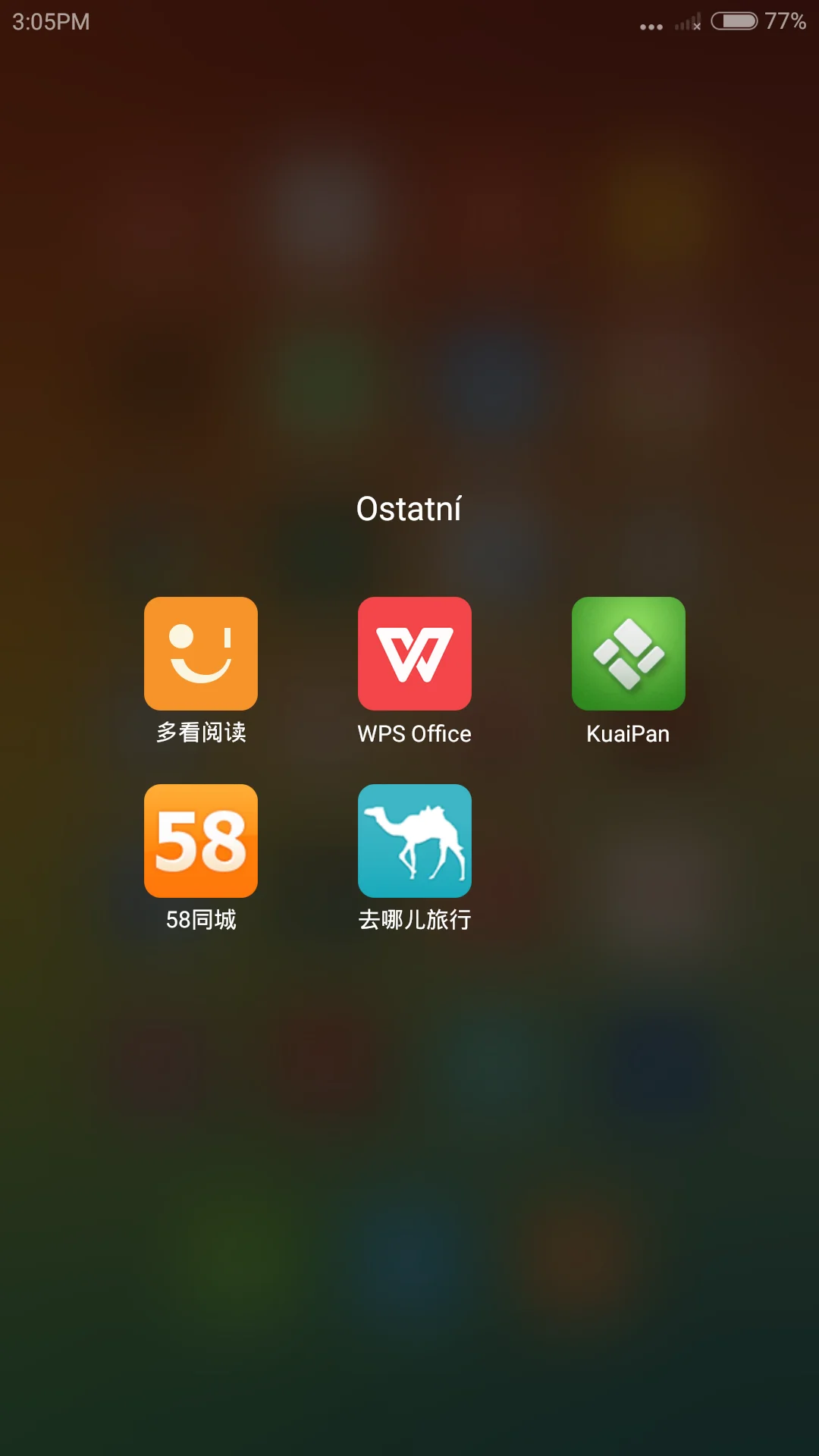

Big credit is also due to the built-in optimization tool. It lets you manage the device, clear unnecessary files, enable antivirus protection, turn on battery-saving features, and more. It’s a very good app, and having everything in one place makes it genuinely useful. This software gets a clear plus from me; there’s not much else to do here except praise it.
DISPLAY
The phone from China packs a gorgeous 5.7-inch IPS LCD with a 1080 x 1920 pixel resolution, so yes, Full HD. That works out to 386 PPI. In practice, individual pixels are impossible to spot, and the panel is sharp enough for web browsing, video, and photos alike. The display is protected by third-generation Gorilla Glass, which does a good job resisting scratches.
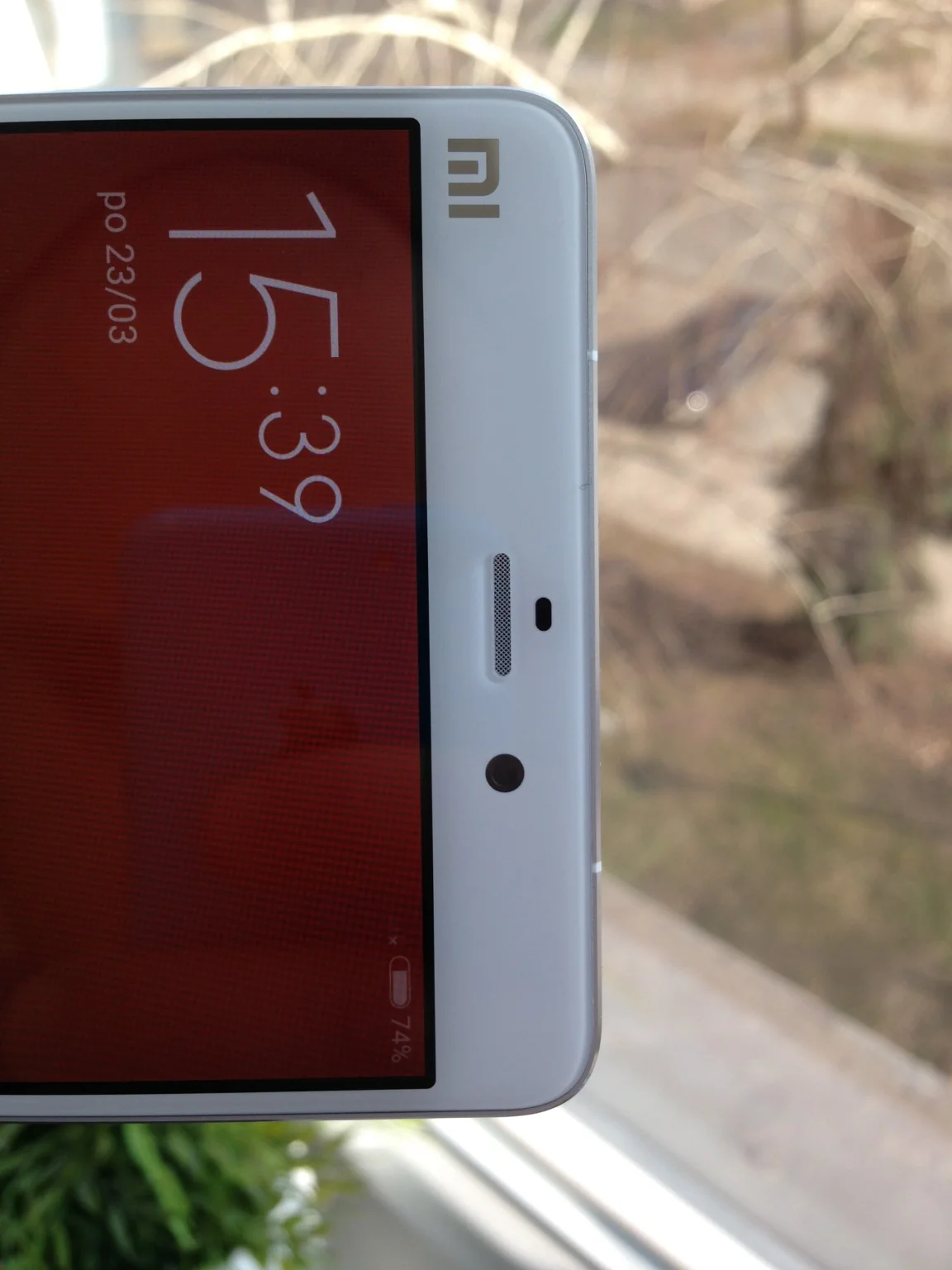
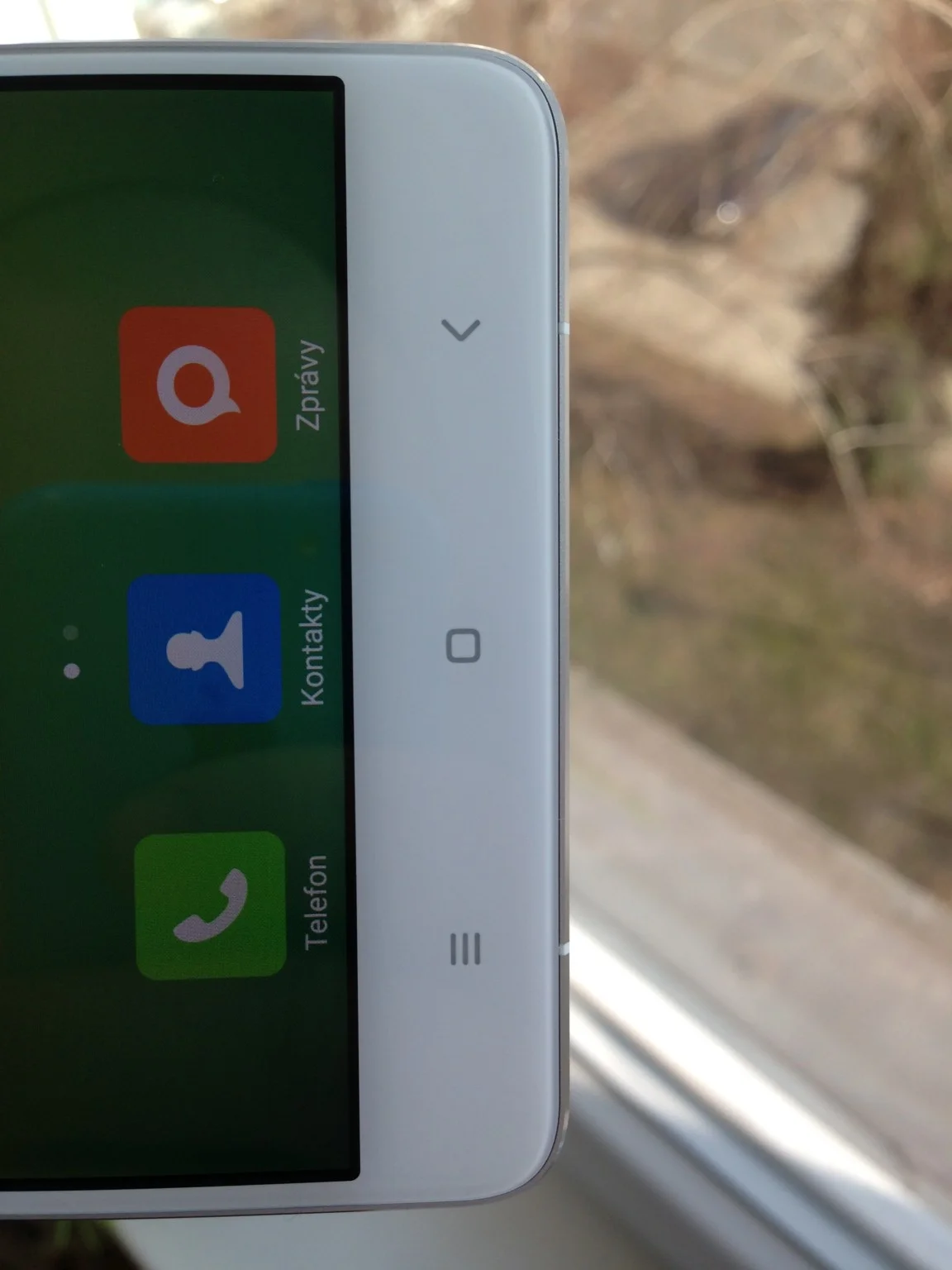
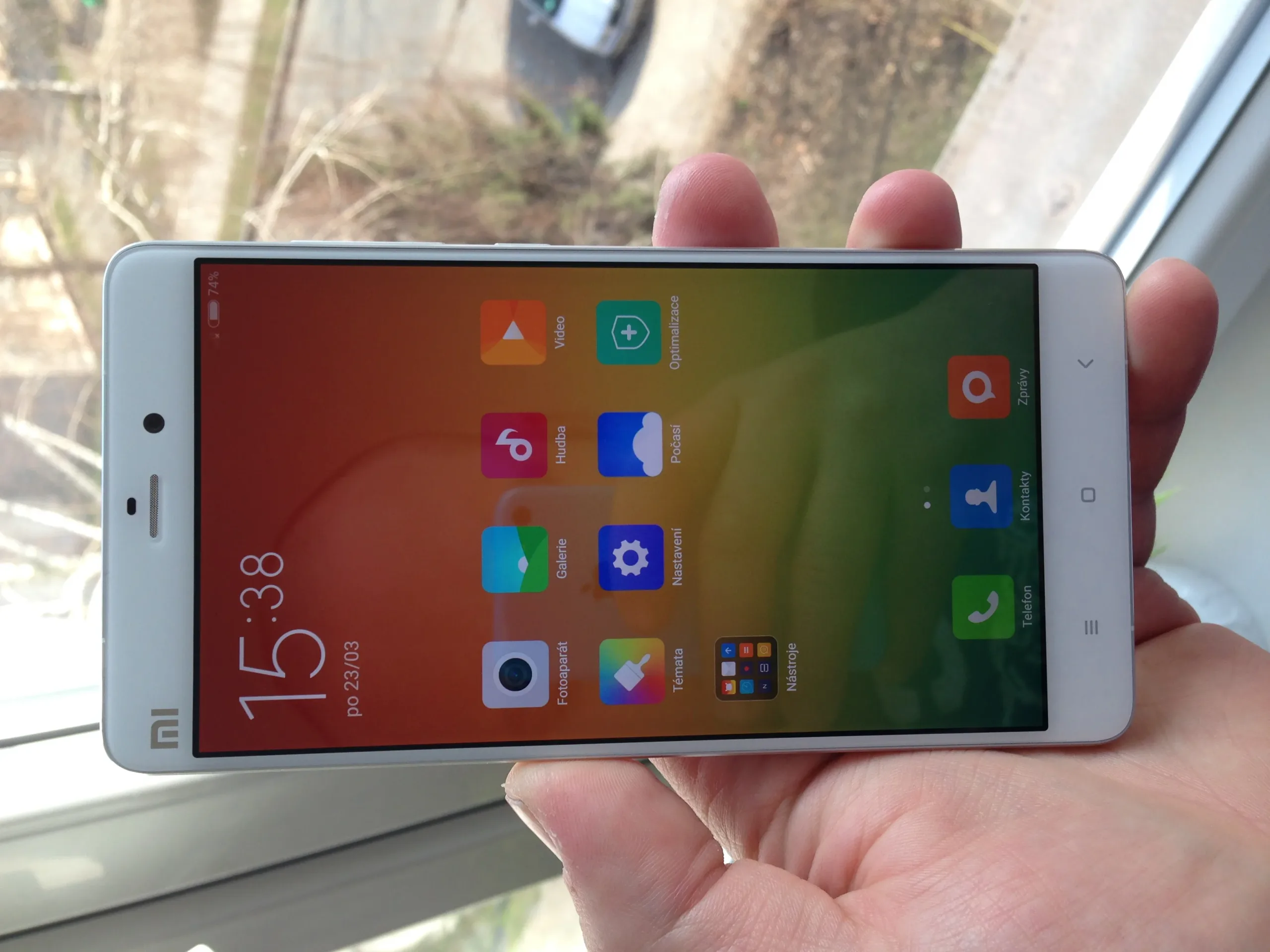
I have to say that during normal use, I didn’t find even a hairline scratch. The IPS LCD delivers very good color reproduction, and more importantly, it looks natural, with solid viewing angles. My only complaints are slightly weak black levels and less-than-great visibility in direct sunlight. Even so, this is a very good display overall, and it’s a pleasure to use, helped in part by the curved edges that let your finger glide smoothly across the glass. The display earns a plus from me as well.
BATTERY
Battery life is still one of the biggest weak spots in modern smartphones. The Xiaomi Mi Note is a very pleasant surprise on that front, packing a 3,000 mAh battery that, in my experience, delivers solid endurance. Even with heavy use, it can comfortably make it through more than a full day, and that’s something I really appreciate. Better still, the phone supports Quick Charge 2.0, which gets it from 0 to 60 percent in 30 minutes.
Big applause here. This is the kind of progress smartphone makers should be chasing: fixing one of the category’s most obvious flaws instead of obsessing over things like shaving off another fraction of a millimeter. And speaking of thickness, Xiaomi deserves credit for fitting a battery this capable into such a remarkably slim device. That’s a real win.
CAMERA
The Xiaomi Mi Note features two cameras: a 13-megapixel rear camera with optical image stabilization, a dual-LED flash, and video recording up to 4K at 30 or 60 frames per second, plus a 4-megapixel front-facing camera. I also want to give Xiaomi credit for letting the front camera record up to Full HD, which comes in handy for Skype, Viber, and similar video calls. The resulting photos are good overall. Color reproduction is very accurate, and detail is solid too, though mainly with subjects that are closer to the lens.
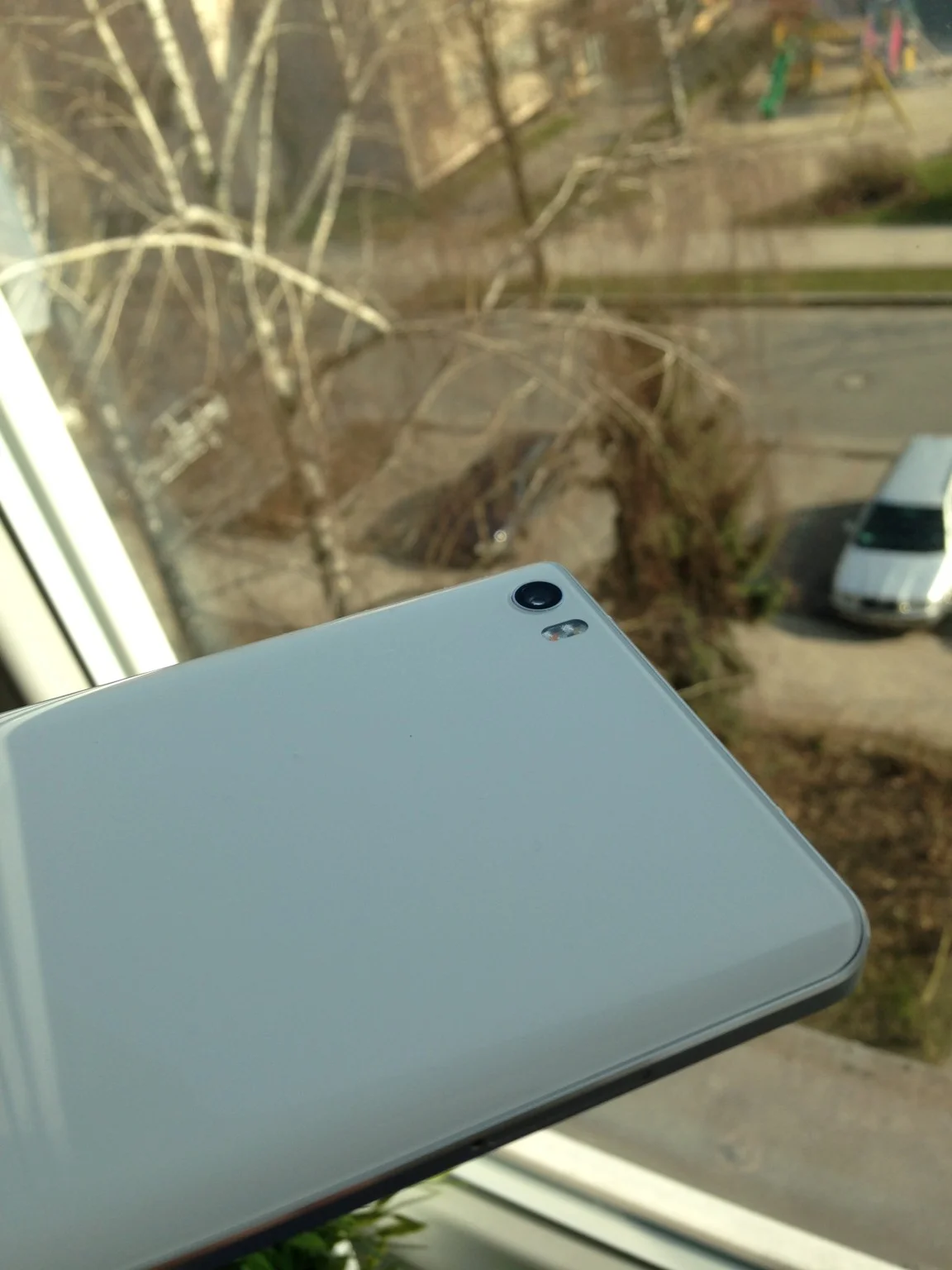
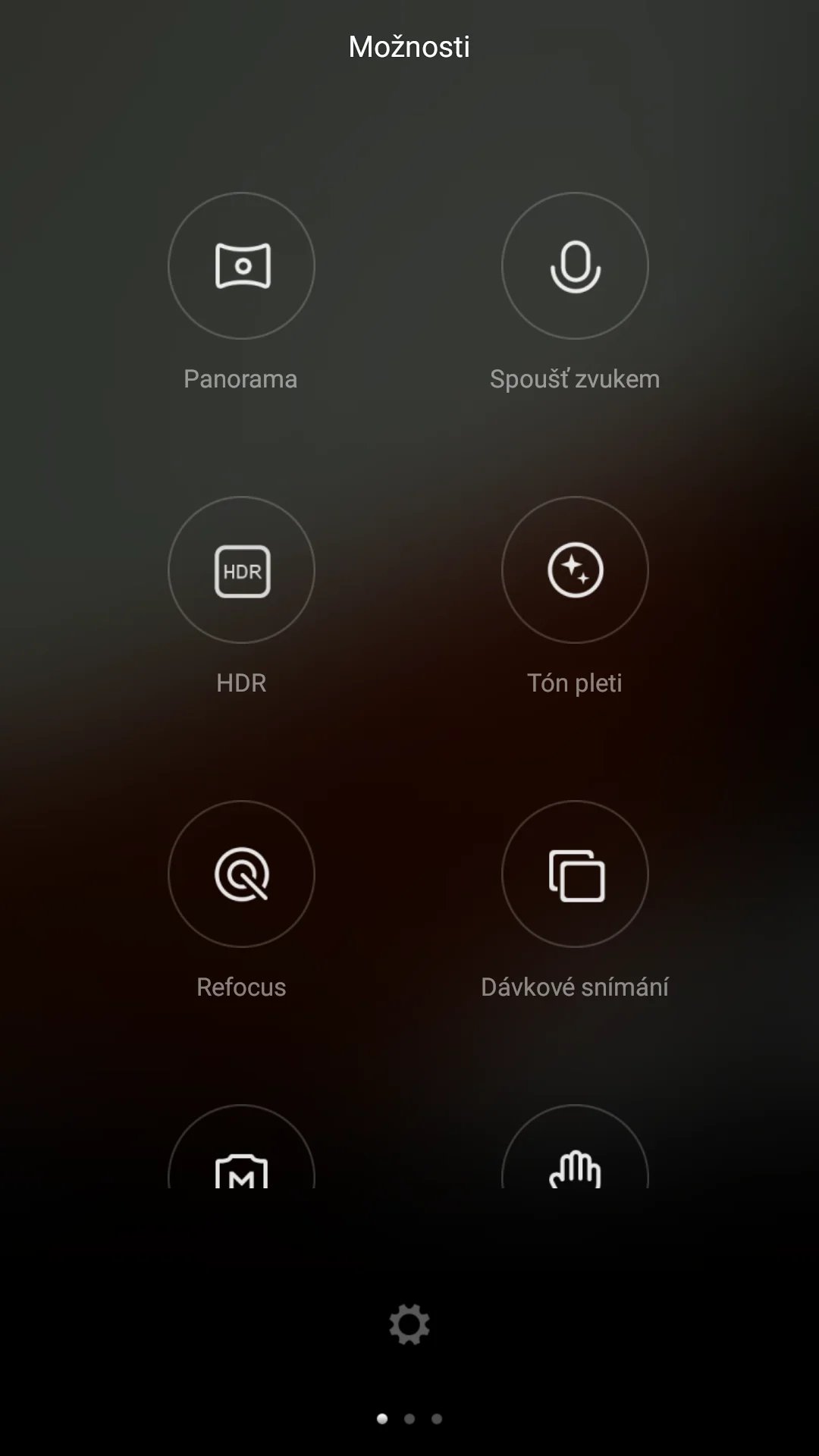
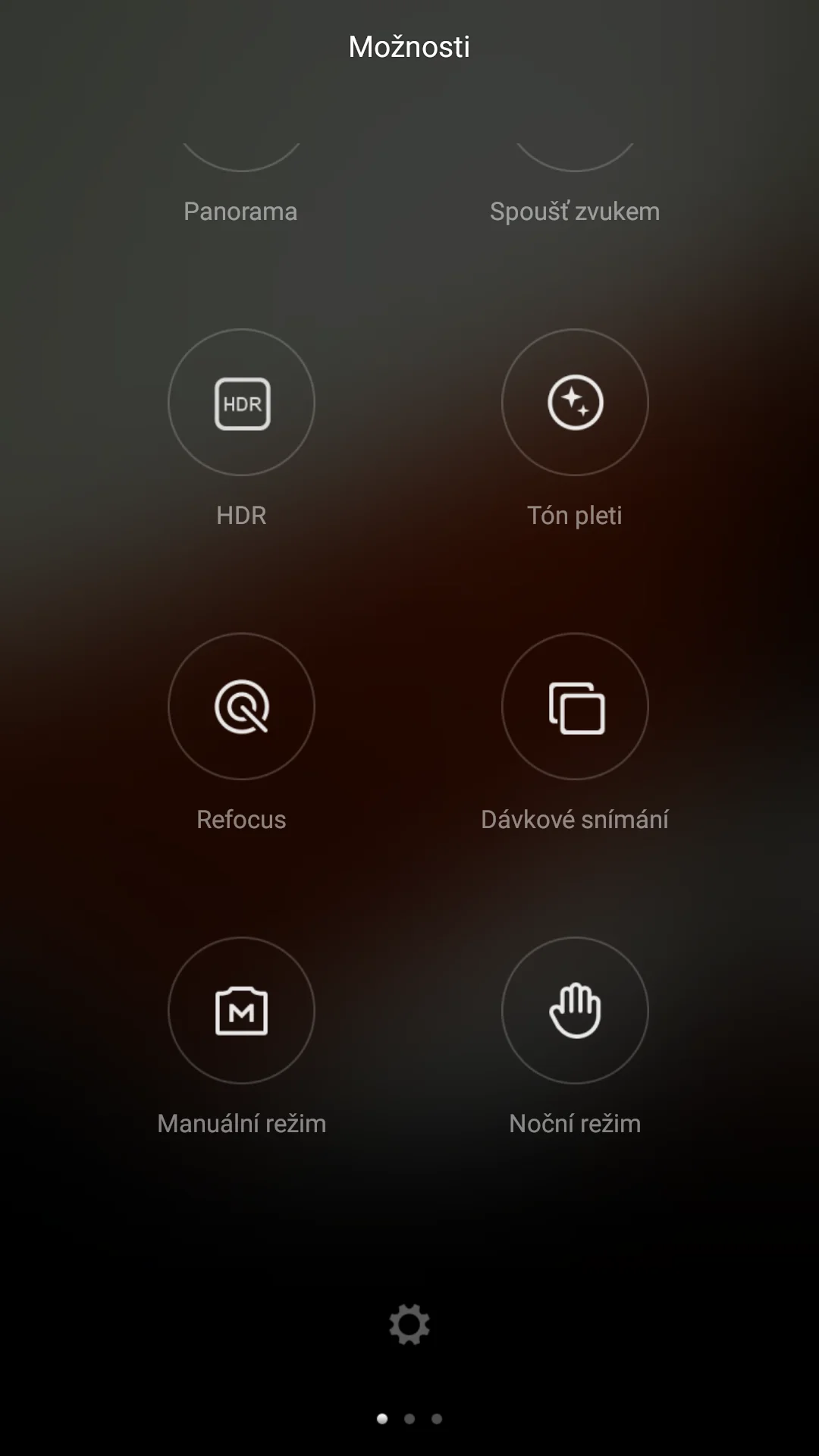
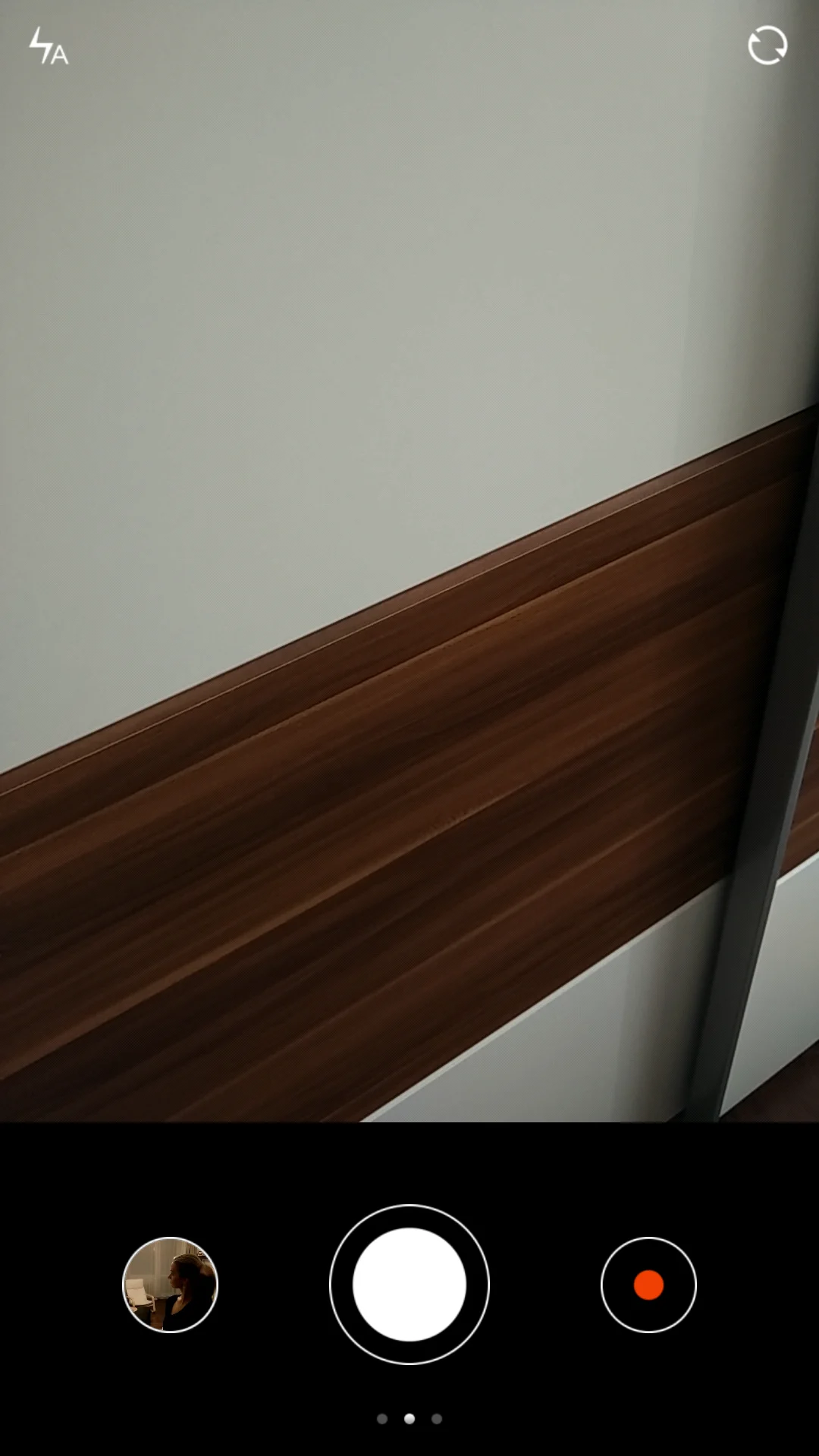
When shooting landscapes, though, the image starts to fall apart a bit and fine detail gets lost. Trees in the distance, for example, tend to blend into the background and end up looking more like soft patches of color, which is a shame. White balance is good, and noise control is also very respectable. Overall, I’d put this camera slightly above average by current standards. The camera app, like the rest of the system, has also been redesigned, and everything is now much easier to reach instead of being buried in awkward menus as it often was before. That’s a major improvement. The interface also offers a wide range of options, including ISO settings, white balance controls, and various creative filters.
SAMPLE PHOTOS






VERDICT
The Xiaomi Mi Note is another impressively polished device from the Chinese company, and one that climbs close to the top of its class. A lot of that comes down to its excellent design, standout battery life, strong performance, and a beautiful display. Put simply, the Xiaomi Mi Note feels like a phone that finally gets there without major compromises, while still landing at a very attractive price. I’d recommend it to anyone who wants a high-end smartphone, including buyers who care as much about style as they do specs. My score: 9.5 out of 10.