Lenovo Vibe X2 Gold Review: Style First, Battery Second
This was my first time testing a phone from Lenovo. A company that made its name in PCs and laptops a few years ago jumped headfirst into mobile, and the result has been a lineup of phones and tablets that quickly found an audience. So how does the Lenovo Vibe X2 Gold hold up in the middle of the midrange pack? Let’s take a closer look.
In the box, you get the usual basics: a USB cable with USB and microUSB ends, a wall charger, a SIM eject tool for the tray that takes a microSIM card, a pair of earphones, and a manual for anyone who still enjoys reading those.
Design
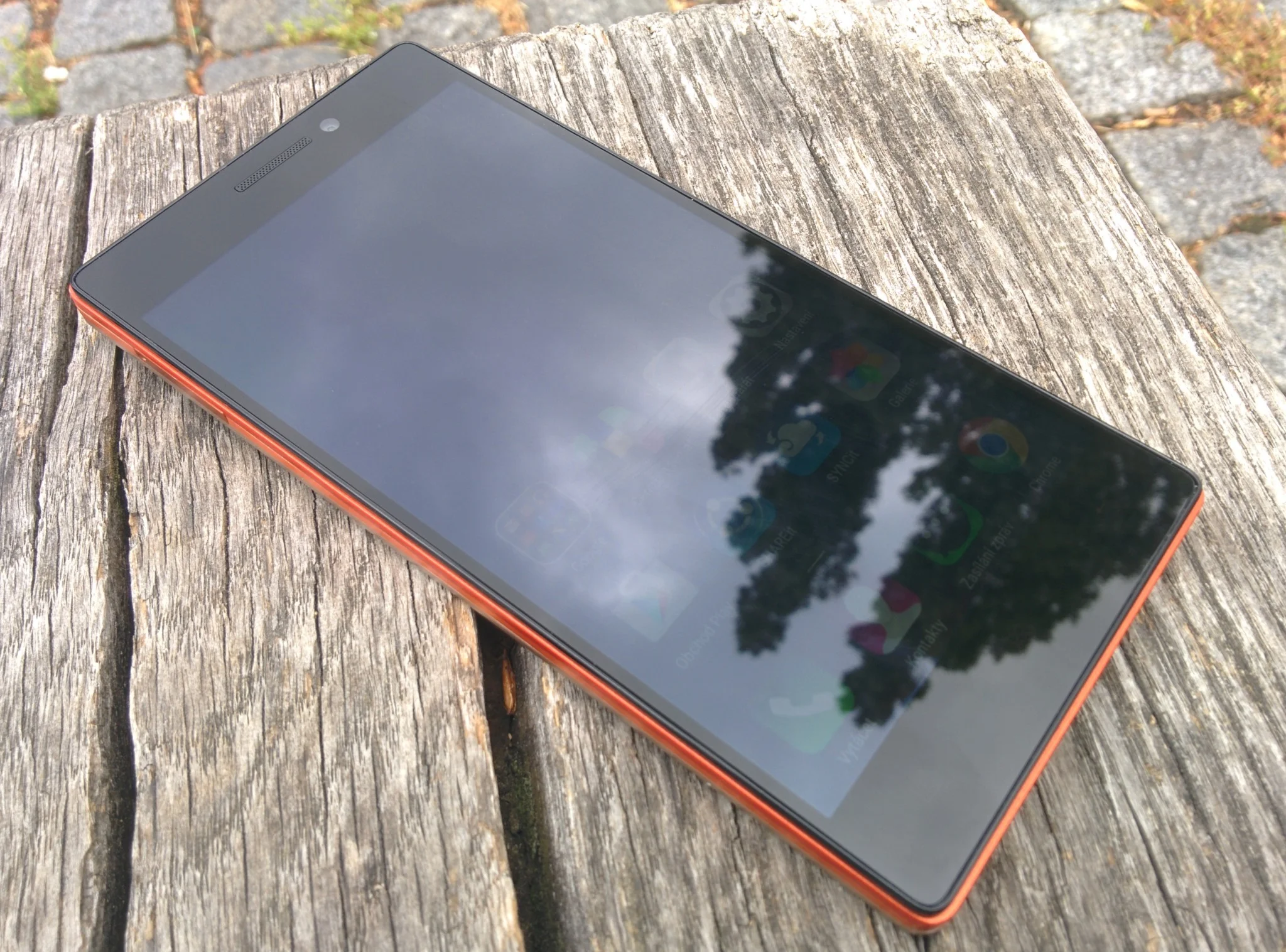
Midrange phones aren’t always boring, and the Lenovo Vibe X2 proves it. The overall shape is familiar enough, flat sides, rounded corners, nothing radical there. But Lenovo found a simple visual trick that works. The phone’s layered, color-blocked sides, paired with the black front panel that almost looks like a fourth layer from certain angles, give it a look that feels a little different from the usual slab-phone formula.
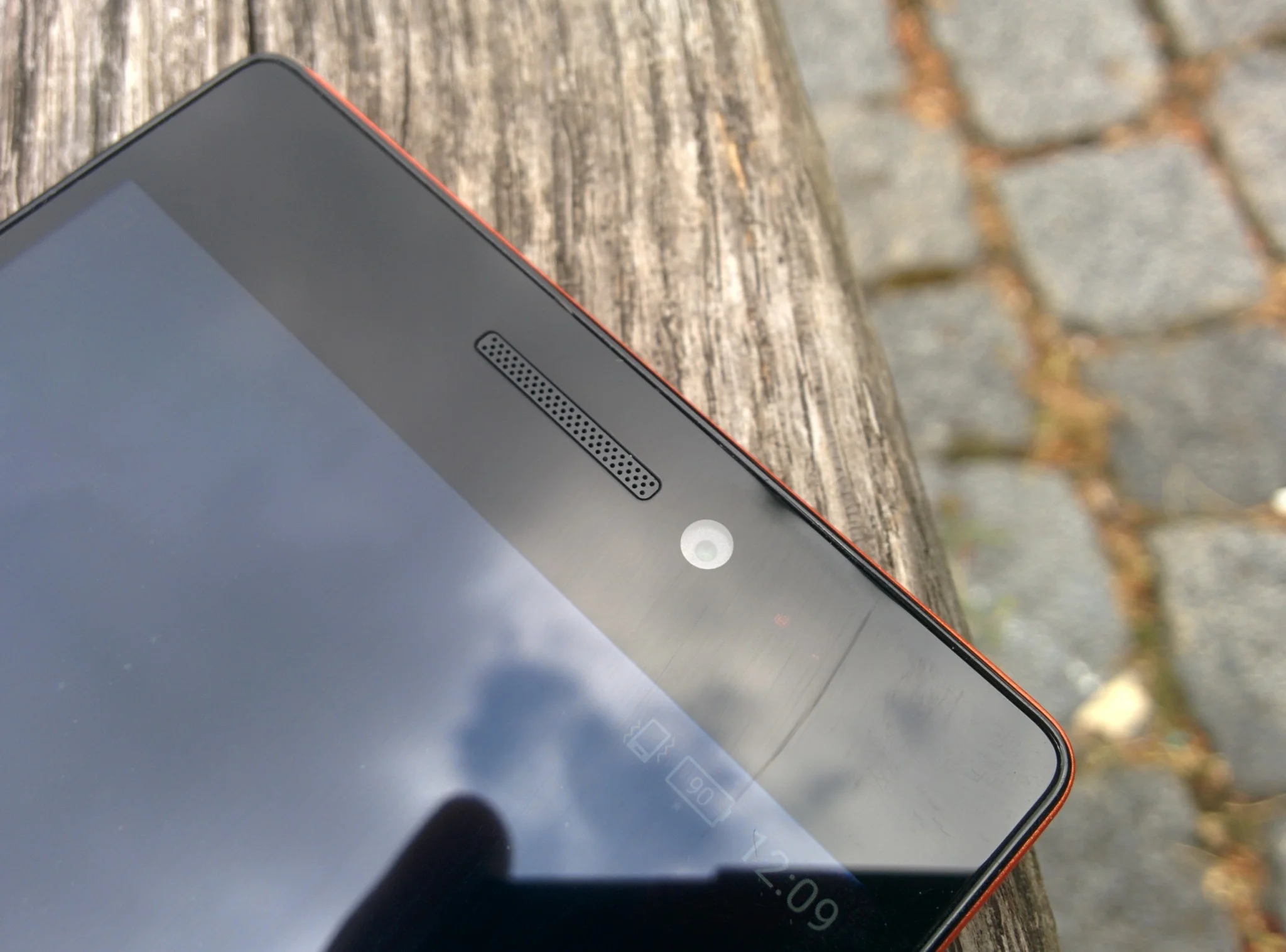
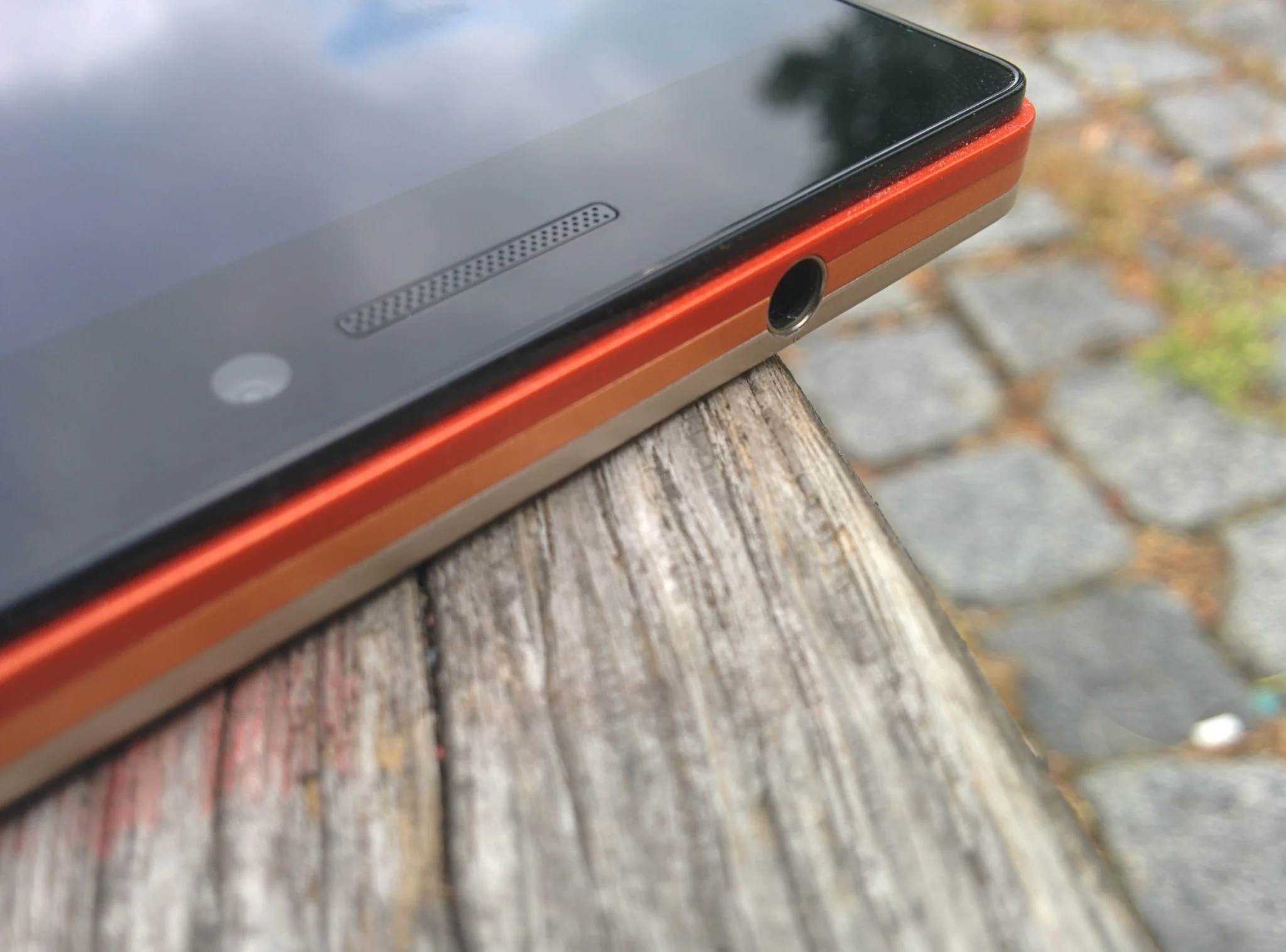
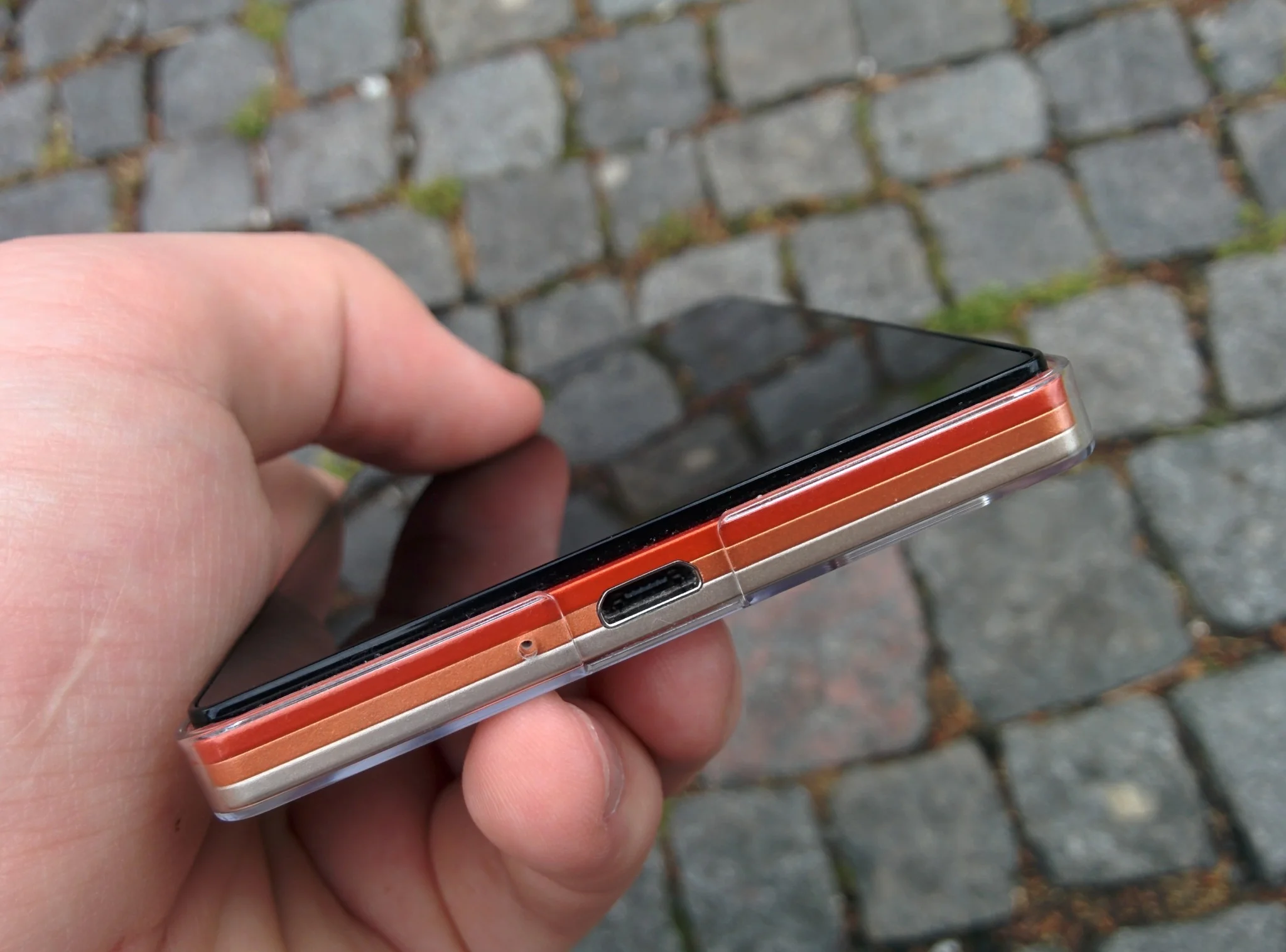
Around the edges, you’ll find the standard ports: microUSB for charging and PC connectivity, plus a 3.5mm headphone jack. There’s also a nearly invisible SIM tray for the microSIM card, along with the power and screen lock buttons. Those buttons are fairly stiff, but they feel solid and well anchored in the frame, which is reassuring for long-term use.
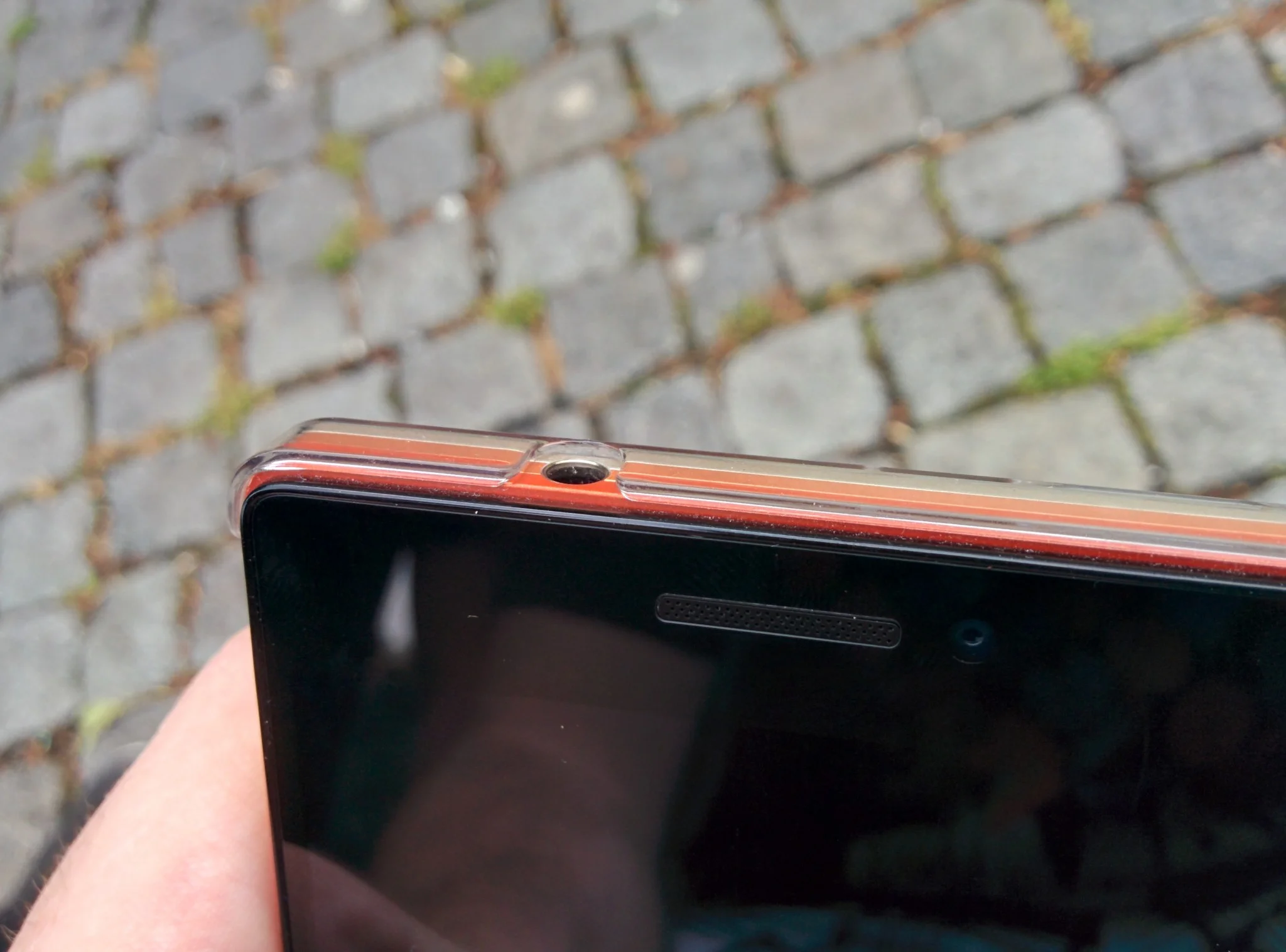
Up front, the phone is dominated by a 5-inch IPS display with Full HD resolution (1080 x 1920). Above it sit the earpiece, front camera, and sensors. Below the screen are capacitive hardware buttons that aren’t especially attractive, though thankfully their backlighting can be disabled in the system settings. The body itself isn’t metal, so any occasional heat buildup doesn’t come through too aggressively on the back. The edges are slightly rounded too, which helps the phone sit comfortably in the hand.
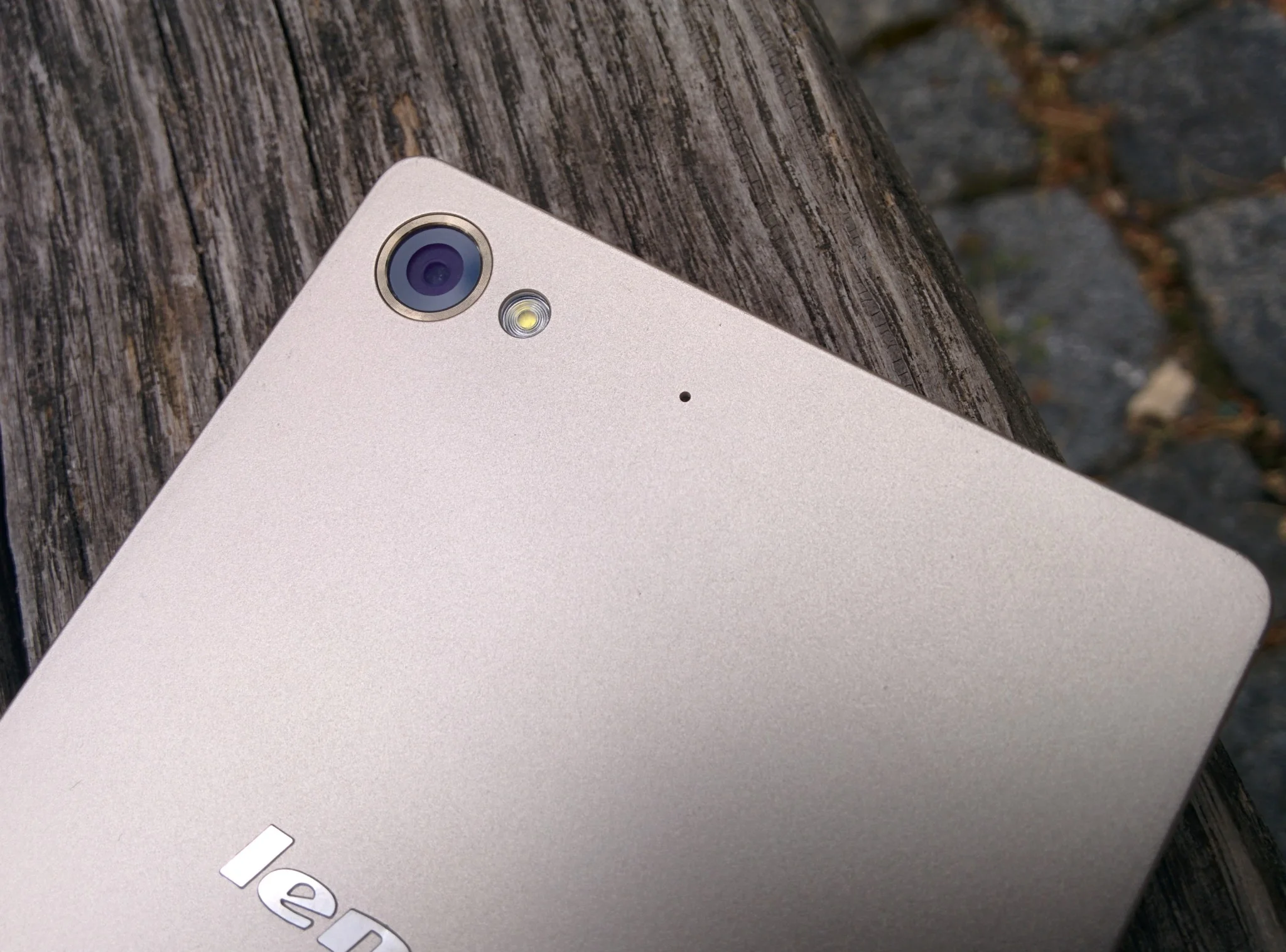
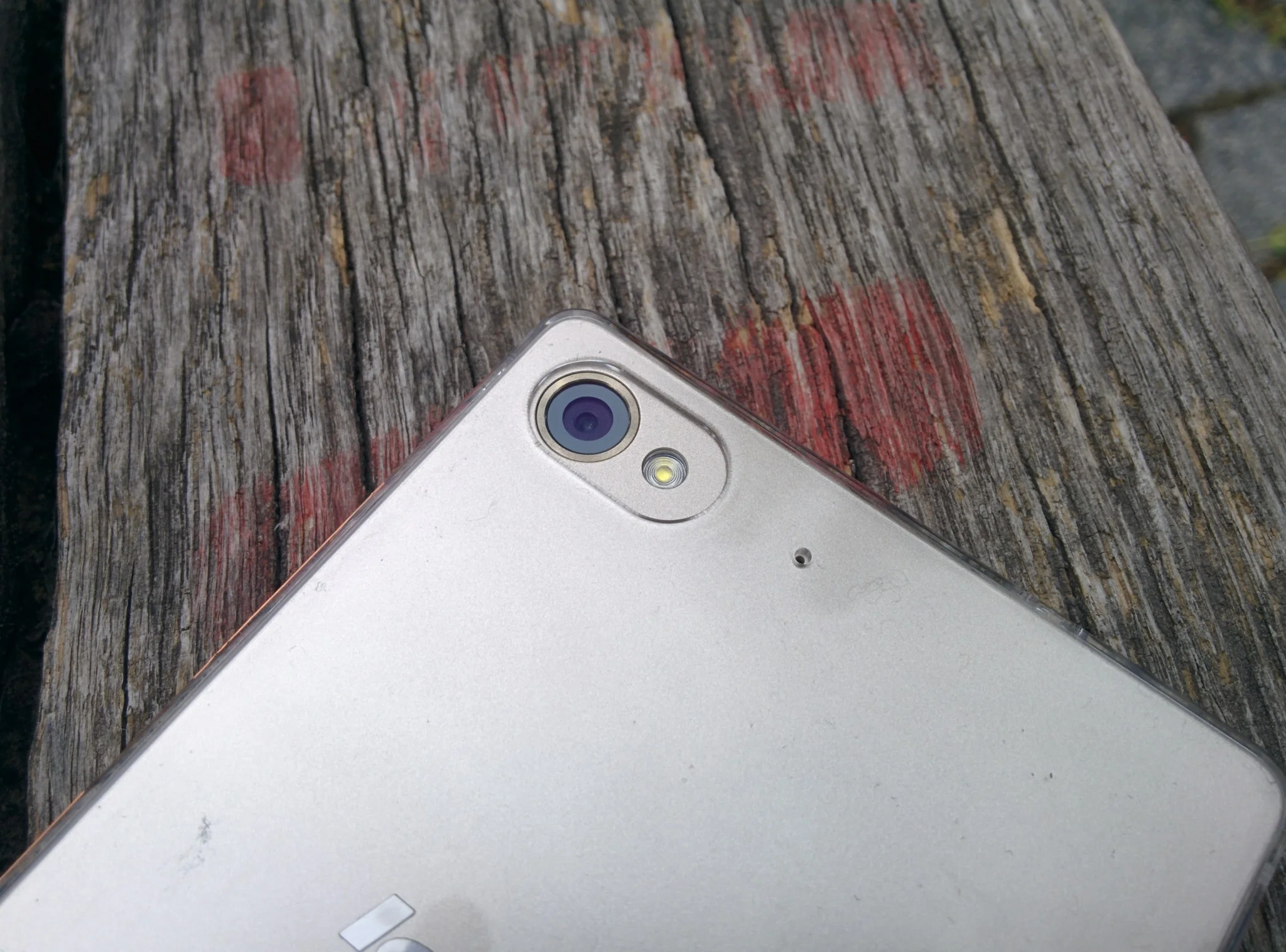
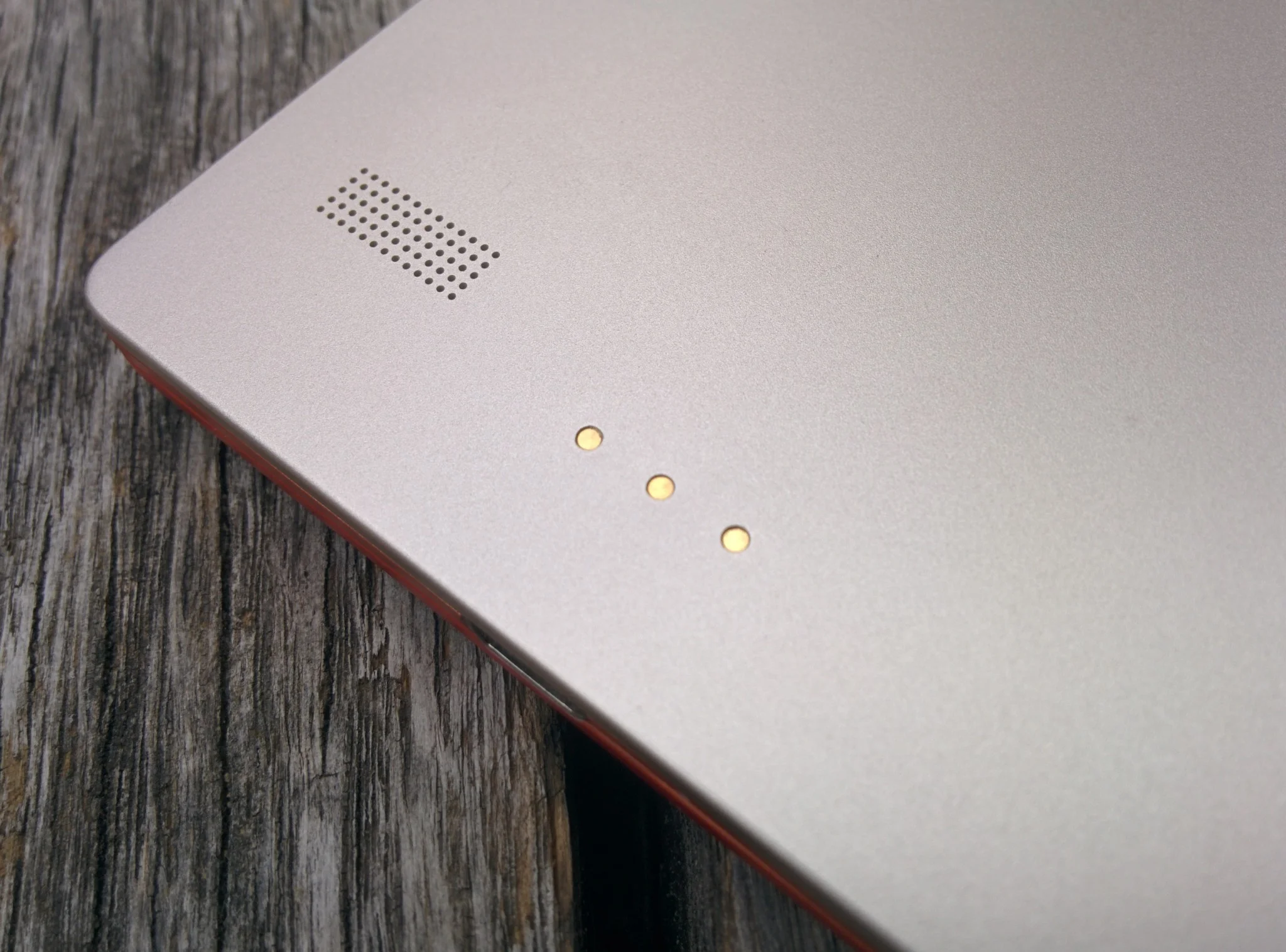
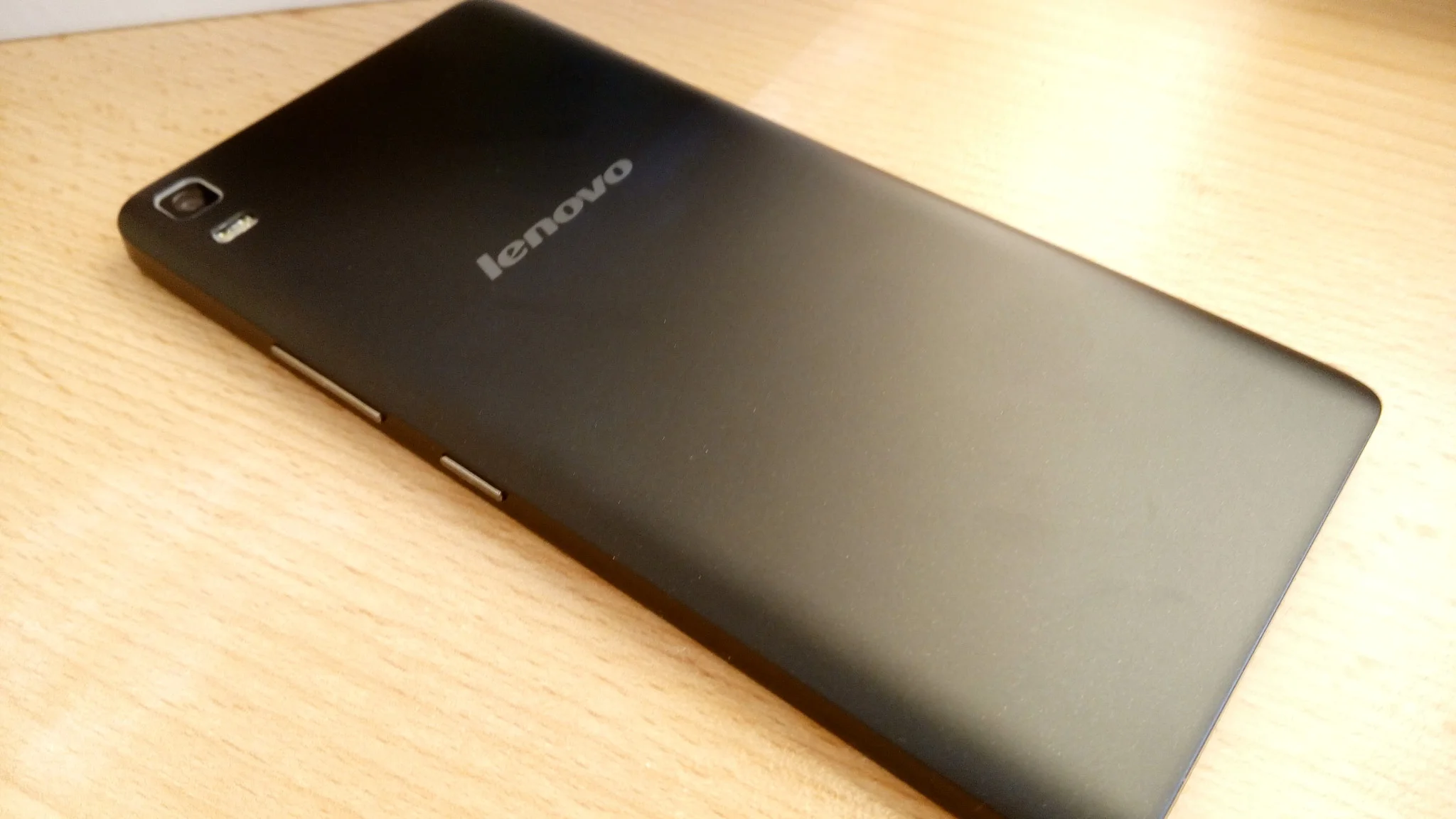
On the back, in the upper-left corner, there’s a 13MP camera; you can see sample impressions from it in the Camera section. Next to it is the LED flash, with a microphone set a little farther away. Down at the bottom is the main speaker. It sounds decent enough, but at this price point, you could reasonably expect more.
Overall, the phone’s design is a success. It even drew positive reactions from people around me, which isn’t something every midrange handset can claim. On paper, the dimensions, 140.2 x 68.6 x 7.3 mm, and the 120-gram weight are excellent. But there’s a tradeoff. The slim chassis leaves less room for battery capacity, something I’ll get to later, and the thin body also makes occasional processor heat easier to notice.
Hardware
In the midrange phone market, you can expect just about anything, because you never really know how heavily a manufacturer has modified the system. Even with Lenovo trying to stack the deck, including the octa-core MT6595m with four cores clocked at 1.7GHz and another four at 2GHz, the interface still stutters and the processor runs hot. Even the PowerVR G600 GPU can’t keep its cool. The upside is obvious: there’s enough raw power here to run almost any app from the Play Store without much trouble.
But there’s a darker side to that performance. The 2300mAh battery doesn’t last long, and making it through a full day on a single charge takes some effort. As mentioned earlier, the system slowdowns seem to come from Lenovo’s odd software skin, which occasionally behaves however it wants. To keep things at least somewhat functional, the phone comes with 2GB of RAM and 32GB of internal storage.
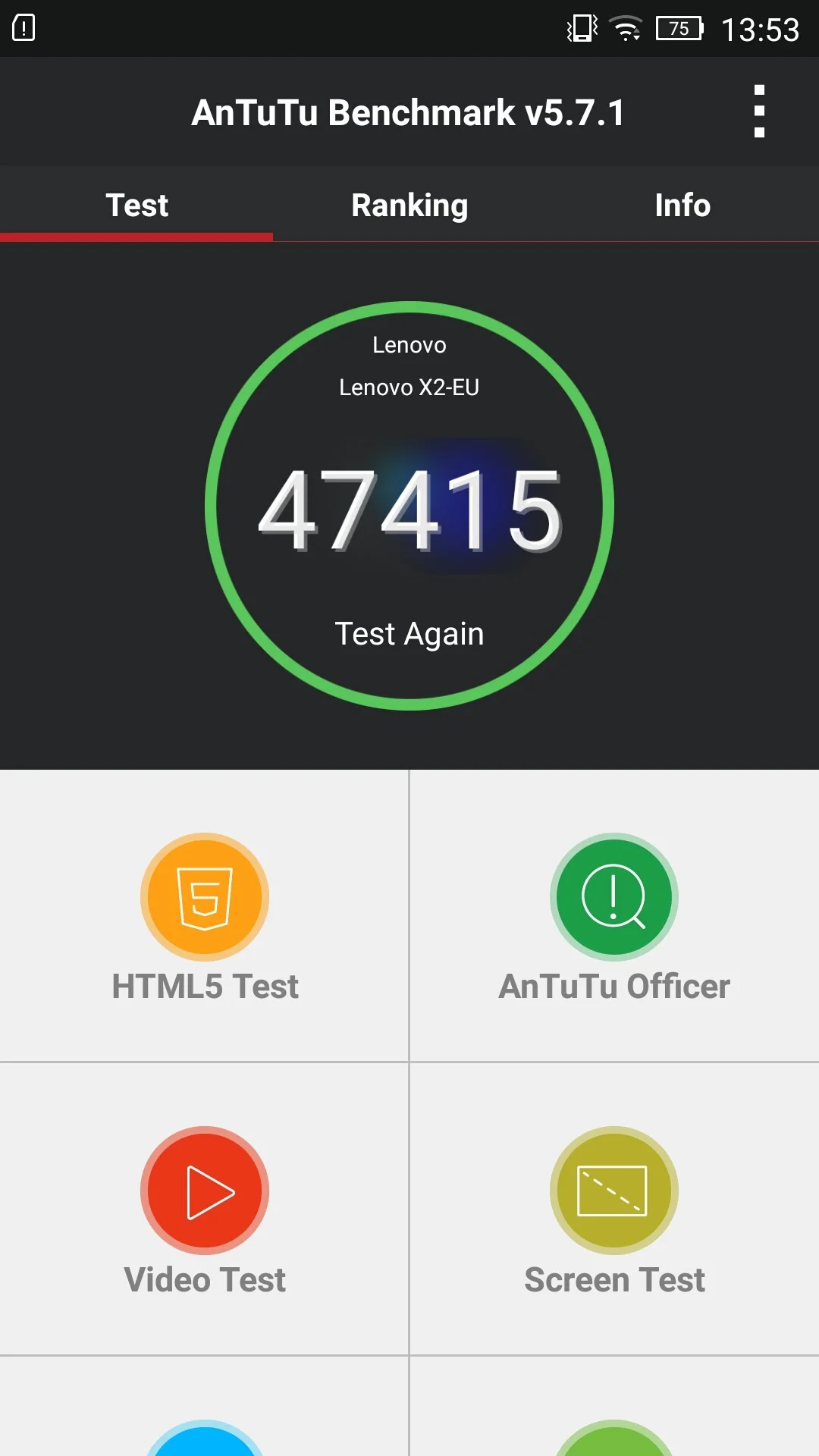
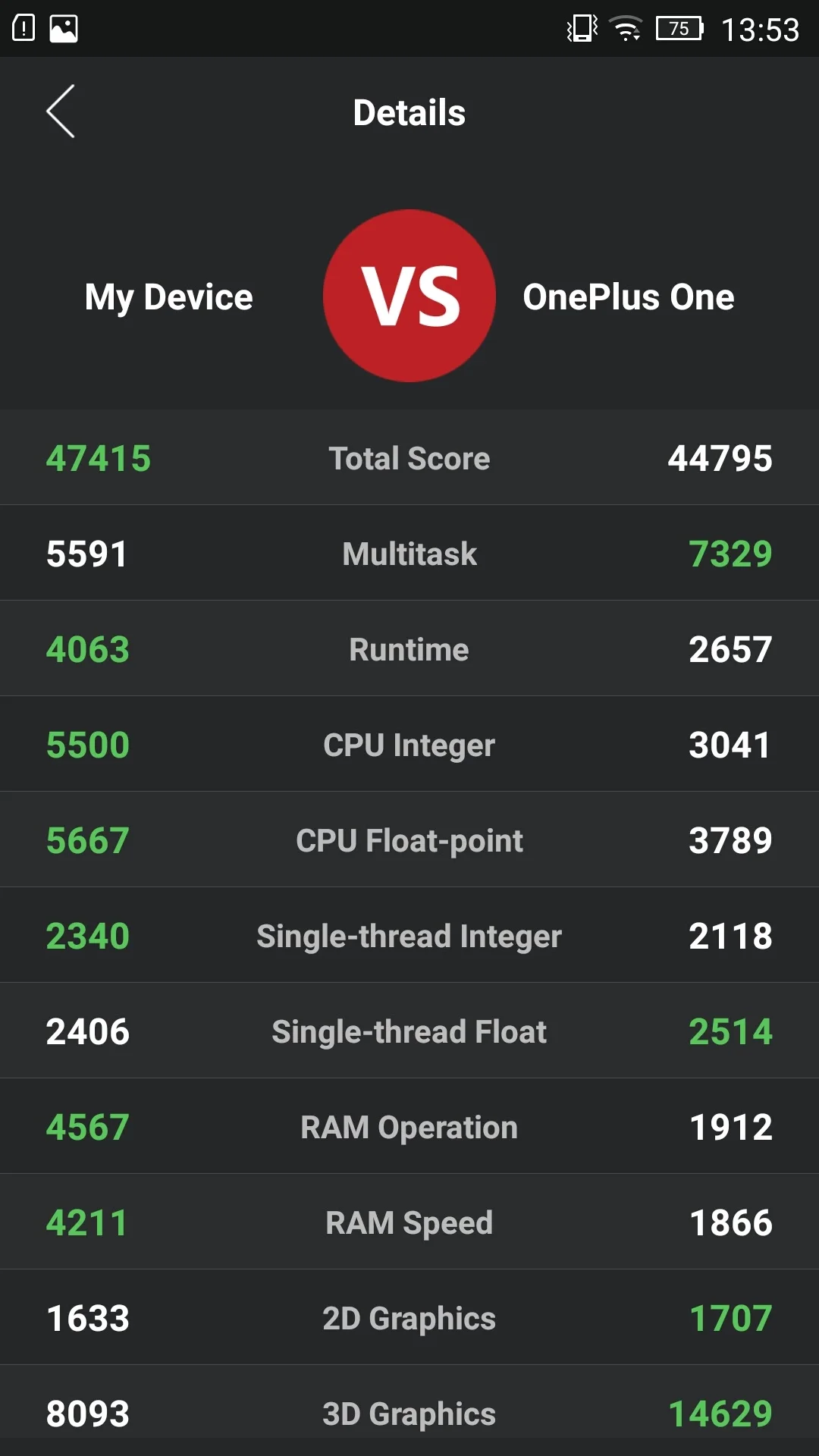
So while the AnTuTu benchmark posts a fairly solid score, don’t put too much faith in it. The numbers look nice on paper, but real-world use tells a different story. The phone scored 47,415 points in AnTuTu, though that was only after the update to Android 5.0 Lollipop; before that, it was roughly a thousand points lower.
Device specifications
- display – 5-inch IPS, Full HD resolution (1080 x 1920 px), ~441 PPI
- operating system – Android 5.0 Lollipop (shipped with Android 4.4 KitKat, with Lenovo’s custom skin)
- dimensions – 140.2 x 68.6 x 7.3 mm
- weight – 120 grams
- SoC – four 2GHz Cortex-A17 cores and four 1.7GHz Cortex-A7 cores (MediaTek MT6595m)
- memory – 2GB RAM with 32GB of internal storage, expandable via microSD card by up to another 128GB
- camera – 13MP rear camera (1080p@30fps, HDR), 5MP front camera
- battery – 2300mAh capacity
- other features – Bluetooth 4.1, NFC, Wi-Fi 802.11 b/g/n/ac, GPS (A-GPS), 3G, LTE, motion sensor, digital compass
Display
There’s not much left to add here. Everything about the design was covered above. The colors are fairly decent and worth mentioning. In direct sunlight, you’ll be happy if you can at least make out the time on the lock screen in white text. Viewing angles aren’t bad, but they’re nothing special either.
Software
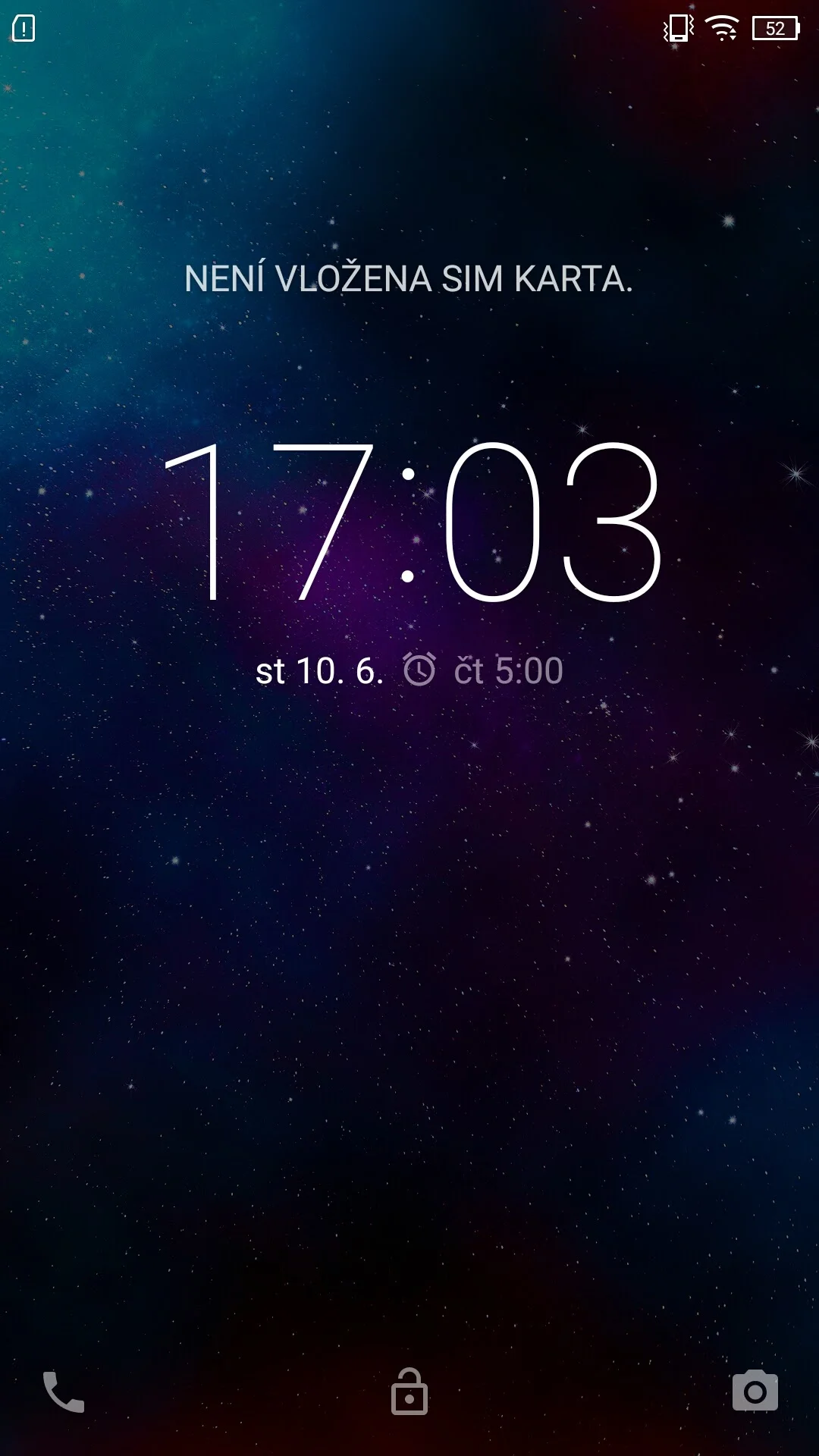
Based on all available evidence, most manufacturers don’t seem to like stock Android, probably because it runs too smoothly. So here too, on Lenovo’s phone, you get a custom software skin. It doesn’t introduce anything especially new or surprising, but it does let you spend hours digging through settings just to get some basic functions to behave properly. The skin hurts overall fluidity, and there’s almost too much bloatware here, meaning the usual pile of preinstalled apps from the manufacturer, as you can already see in the home screen screenshots below.
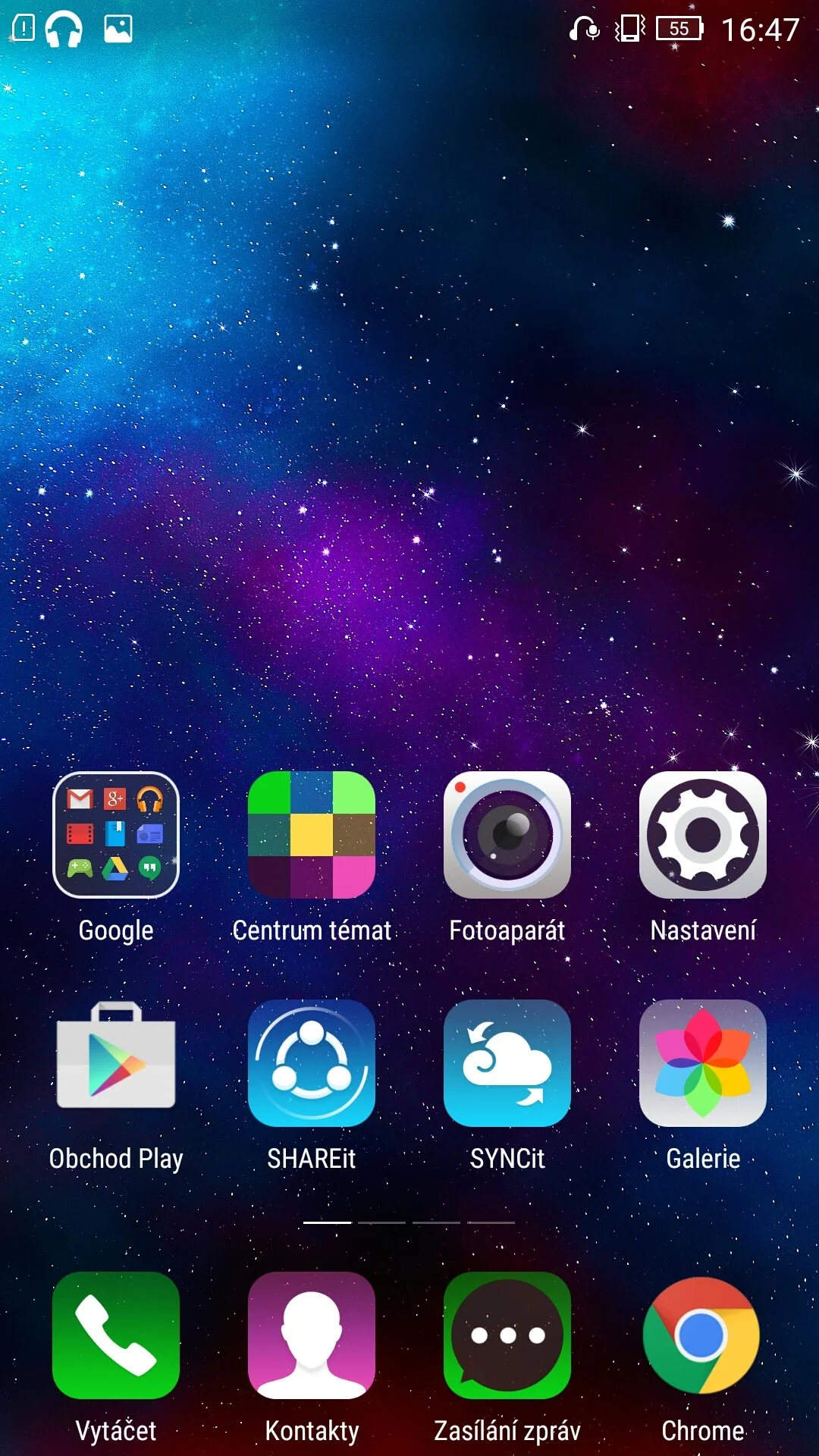
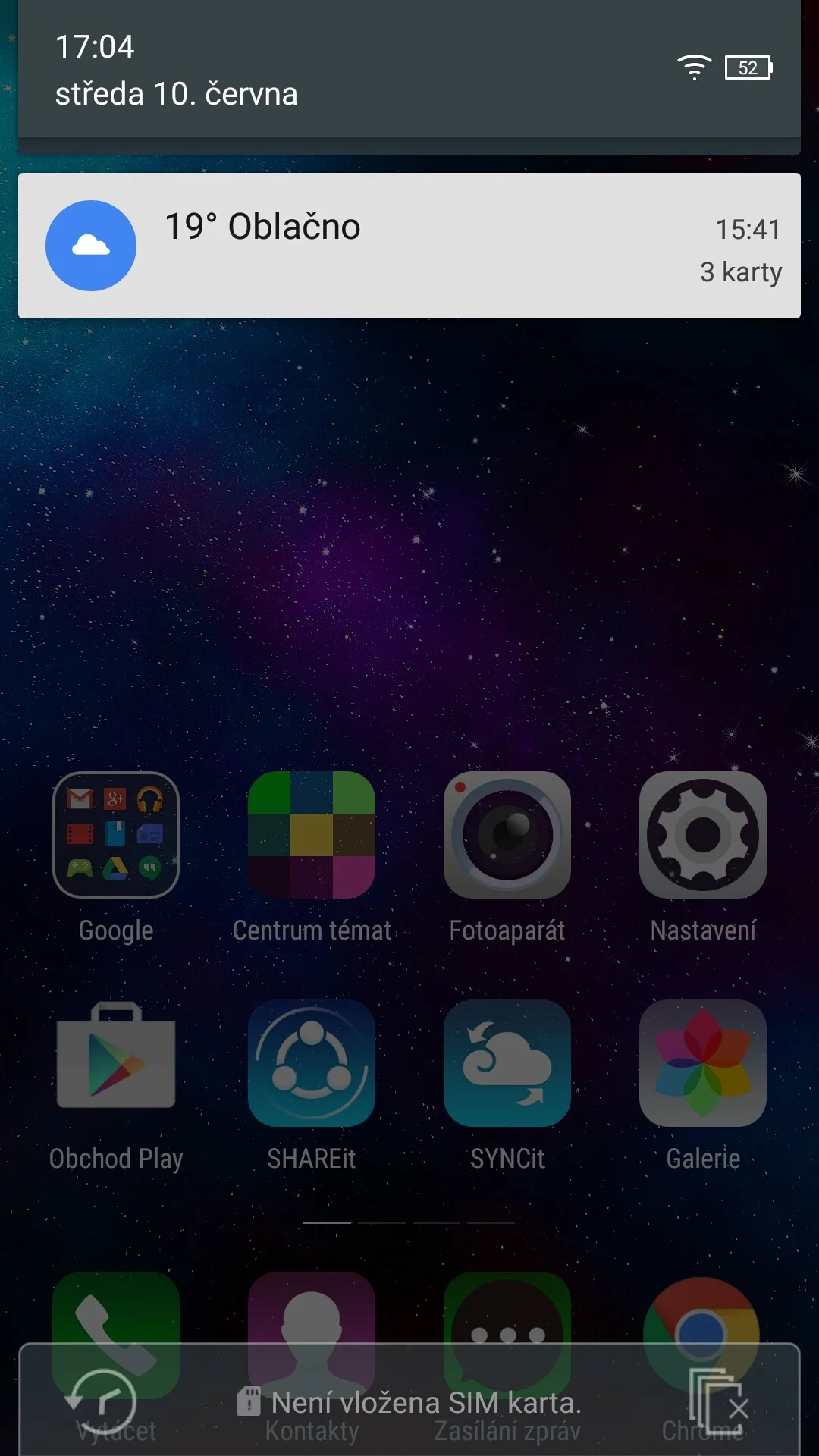
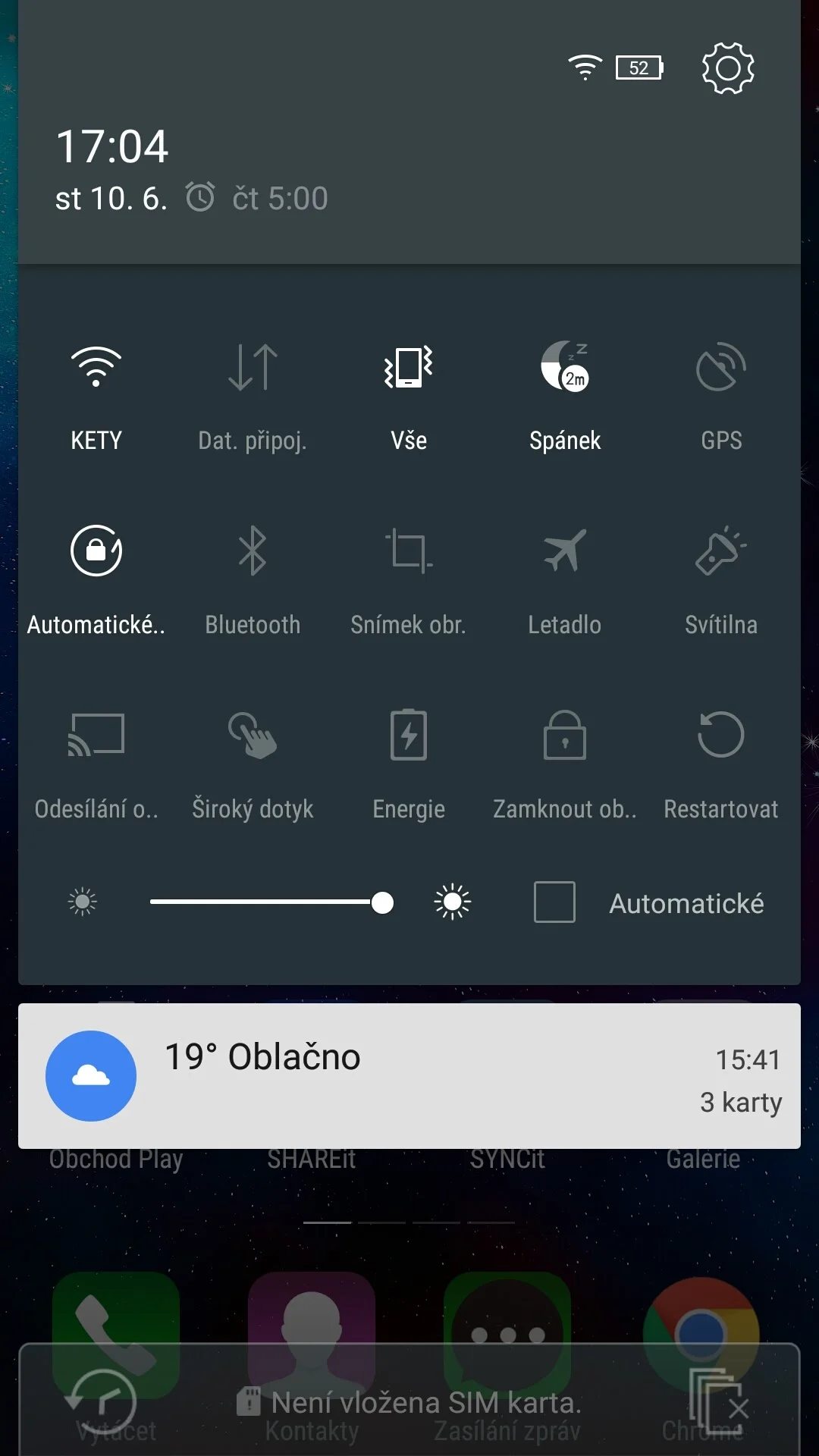
While the skin is fairly well designed and generally does its job, it occasionally goes off the rails, and that’s when things fall apart. You’ll usually notice it right away. A huge loading spinner pops up, and when you see it for the fifth or sixth time in an hour, it gets irritating fast. I’m not sure how this is possible, but the app manager constantly shows only around 300MB of free RAM, even right after booting the phone. The rest is supposedly in use, though it’s not clear by what. Stranger still, that number didn’t really change even after launching another 10 to 20 apps.
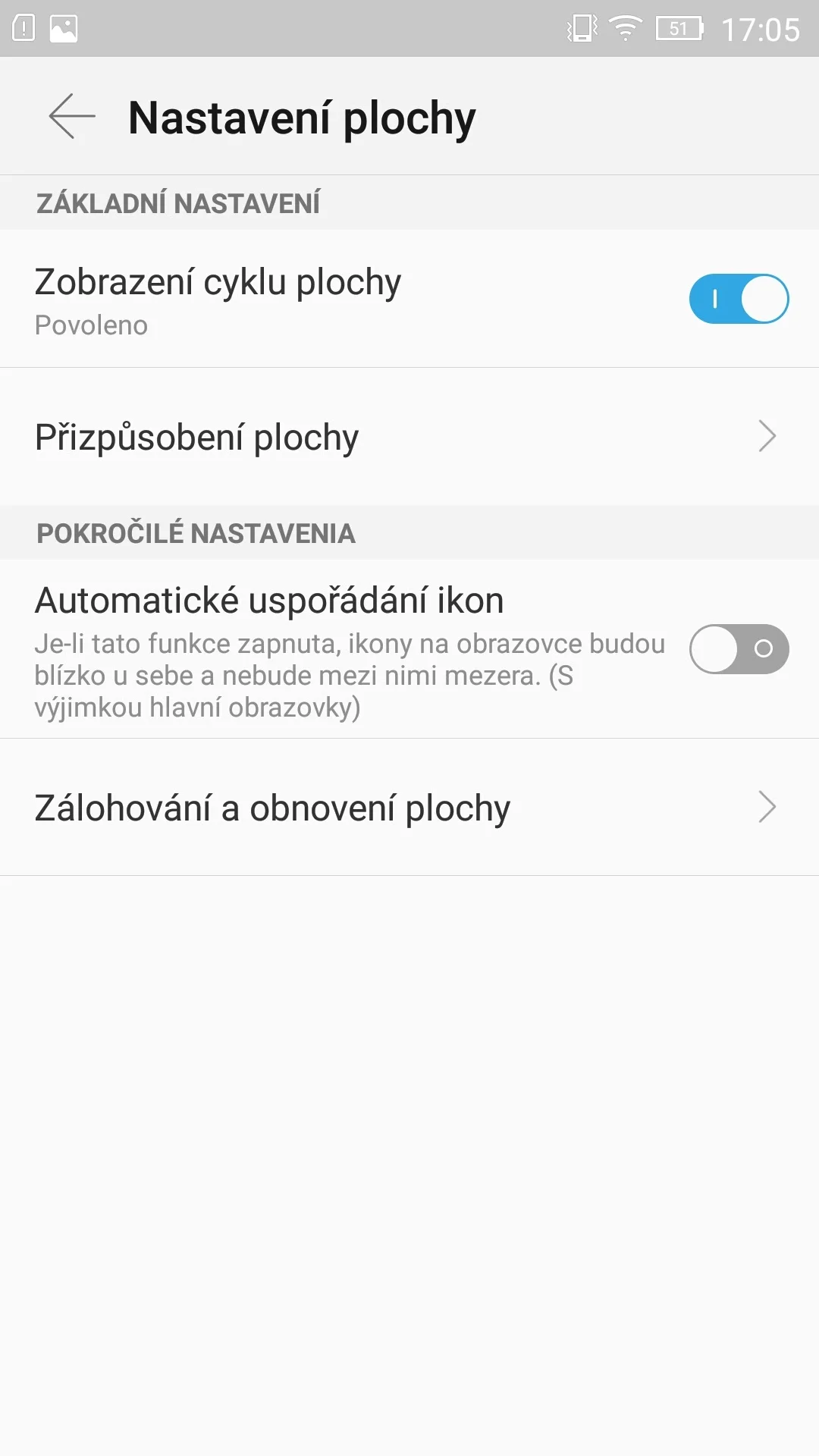
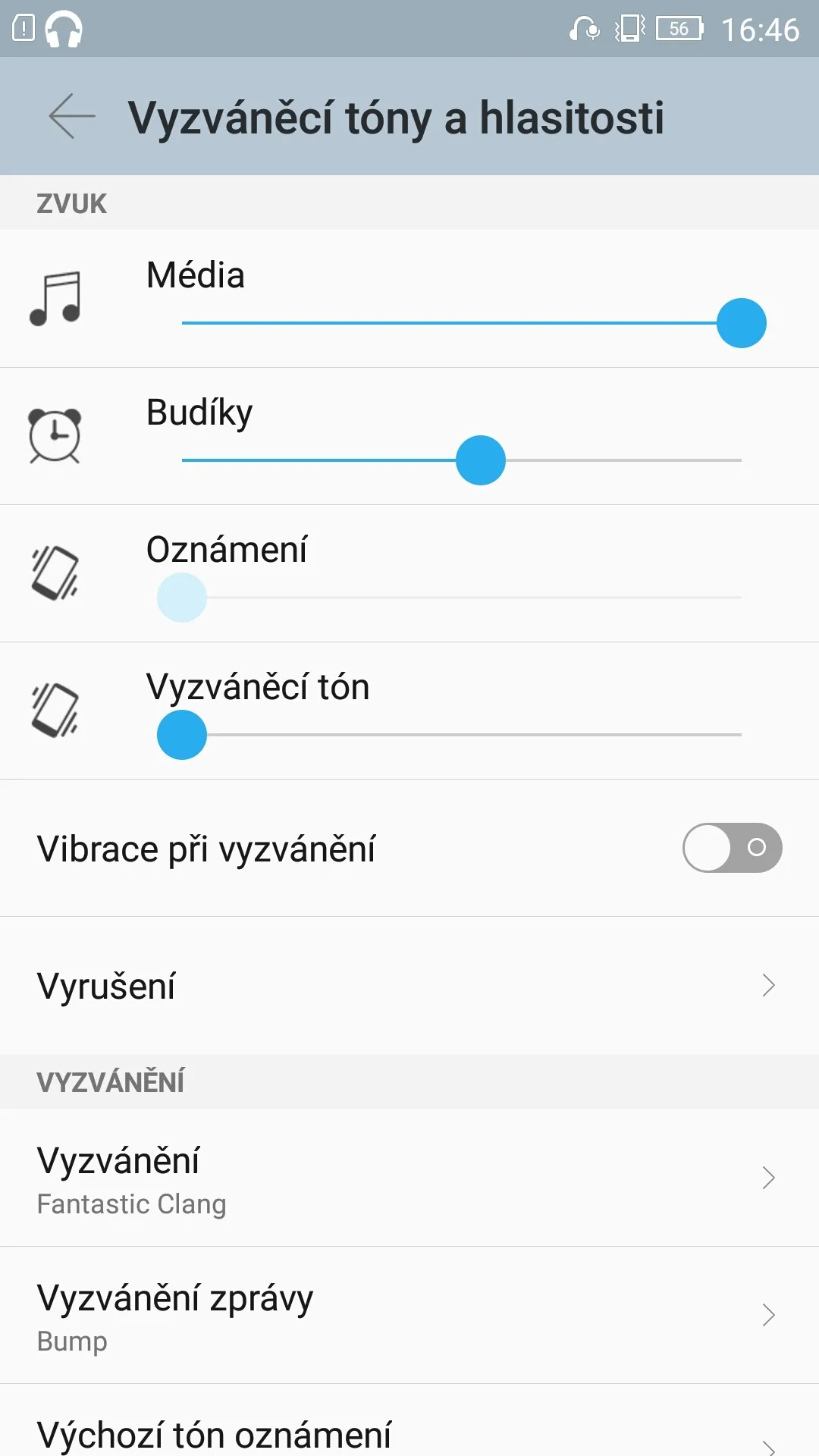
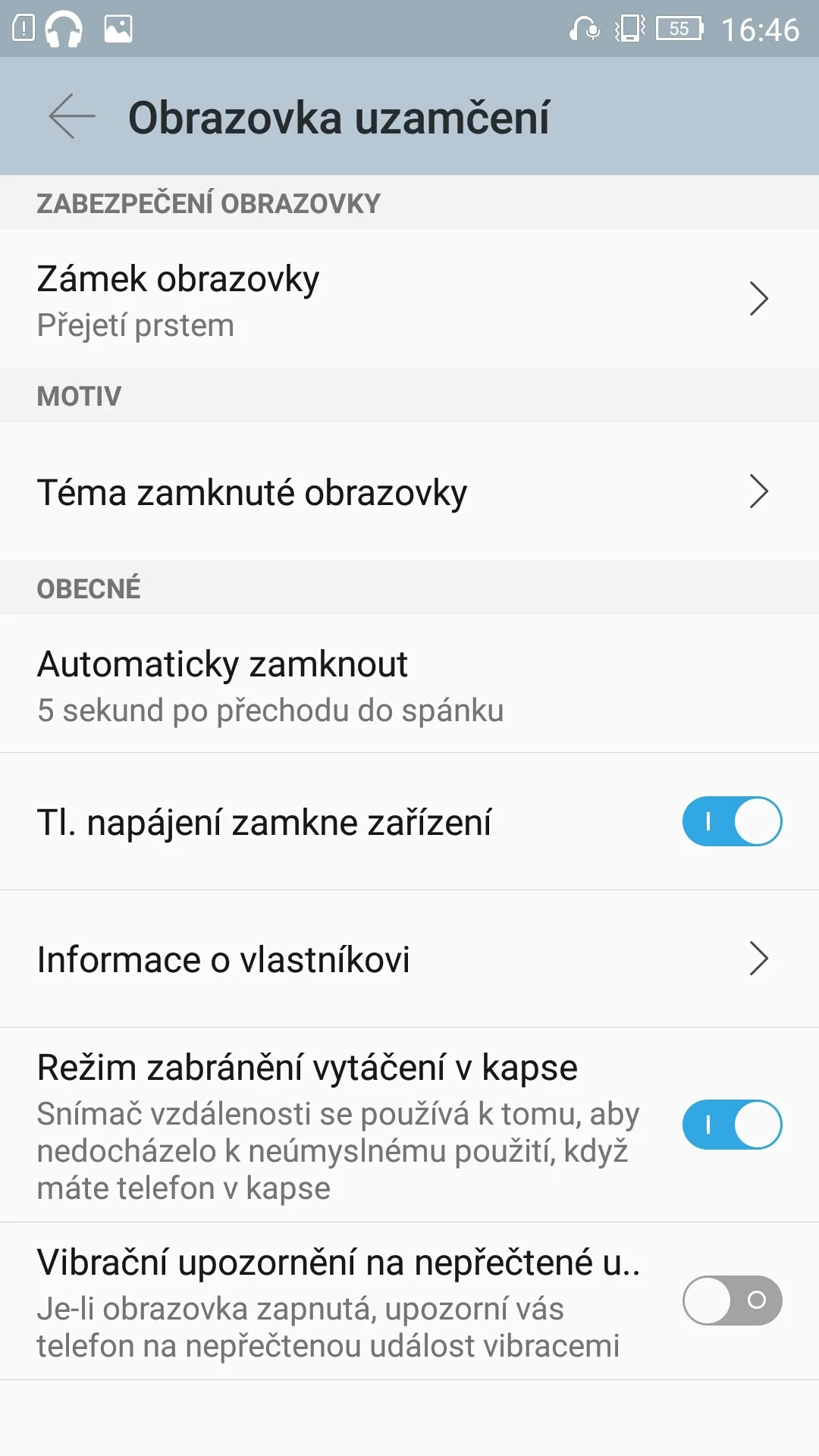
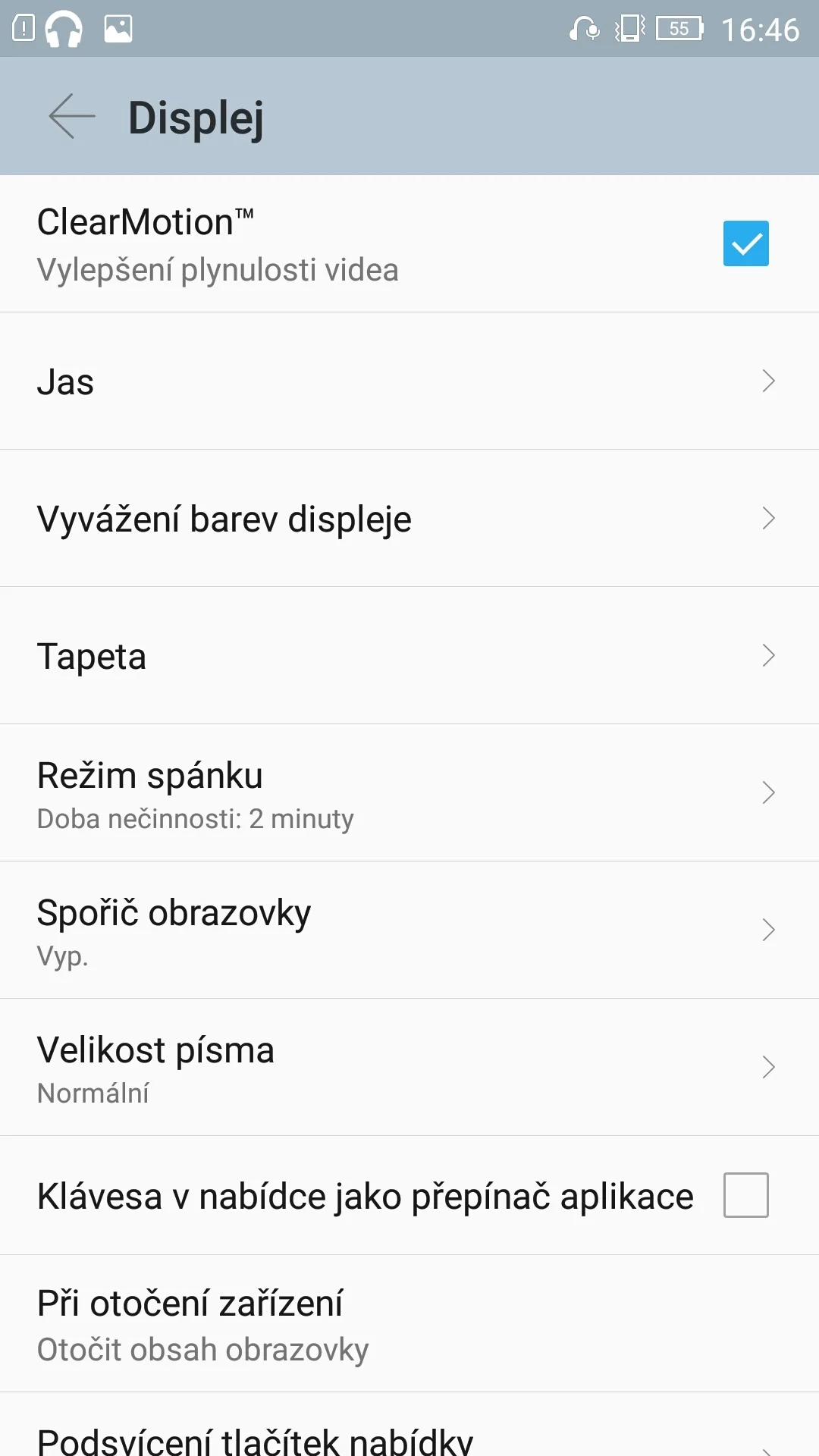
The screenshots above show some of the additional settings and customization options available here. I also have good news for anyone who loves, as I do, the double-tap-to-wake feature on a sleeping display. It lets you wake the phone without having to press the button on the side.
Camera
Expecting miracles from a 13MP main camera would be unrealistic. The sensor is also built flush into the body so nothing sticks out, which may help explain why the final images look the way they do below. Focus isn’t especially quick, and issues with light handling and reflections are obvious as soon as you open the Camera app.

Once it finally locks focus, the subject you were aiming for can look fairly decent at first glance. Start zooming in, though, and that good impression fades fast. The bigger problems show up in evening and night shots. Noise is easy to spot, and the resulting photos aren’t the kind you’ll be eager to share.


Focus sample


Battery life
Slowly but surely, we’ve reached what may be the bleakest part of this Lenovo Vibe X2 Gold review. Paired with a fairly powerful processor is a 2300mAh battery, and that’s simply too small. If you rely on features like GPS, mobile data, or automatic sync, you can forget about getting through a full day on a single charge.
During different phases of testing, I tried to find some balance between actual use and battery life. The most workable setup seemed to be occasional checks of social media, email, and messages, about an hour of gaming, and roughly three to three and a half hours of music playback per day.
Use the phone heavily, though, and the story changes. A morning routine of checking messages, social apps, the web, or listening to music on the way to work can eat up around 30 to 35 percent of the battery. If you spend a lot of time on your phone during the day, you can count on another 40 to 60 percent disappearing, including things like gaming, social media, and keeping GPS, mobile data, or sync enabled. In my case, I was pulling out a power bank around lunchtime, with the phone sitting at just 10 to 15 percent.
And there’s one more problem: overheating, especially on hot days, pushes battery drain even higher. If you plan to use this phone hard, an external battery pack is basically a requirement.
Conclusion
This is a tough phone to sum up. On one hand, the design is genuinely appealing, and the device offers plenty of features along with enough performance for everyday use. On the other, the camera is underwhelming, the system can feel sluggish, Lenovo’s software skin adds little value, and the preloaded apps don’t help.
The phone currently sells for around 9,000 CZK (approx. $413 / €369), and at that price I’d expect more polished features, or at least a better interface.
Beyond its good looks, it’s hard to come up with a strong reason to buy it. Sure, some Lenovo loyalists may still find it appealing, but I’m not convinced. If you’re thinking about picking this one up, it’s worth comparing alternatives first.
That said, if you want a Lenovo phone under 10,000 CZK (approx. $458 / €411), like the design, and don’t expect much from the camera or battery, the Lenovo Vibe X2 (Gold) may still be enough for you.