Vodafone Smart prime 6 Review: Great Value

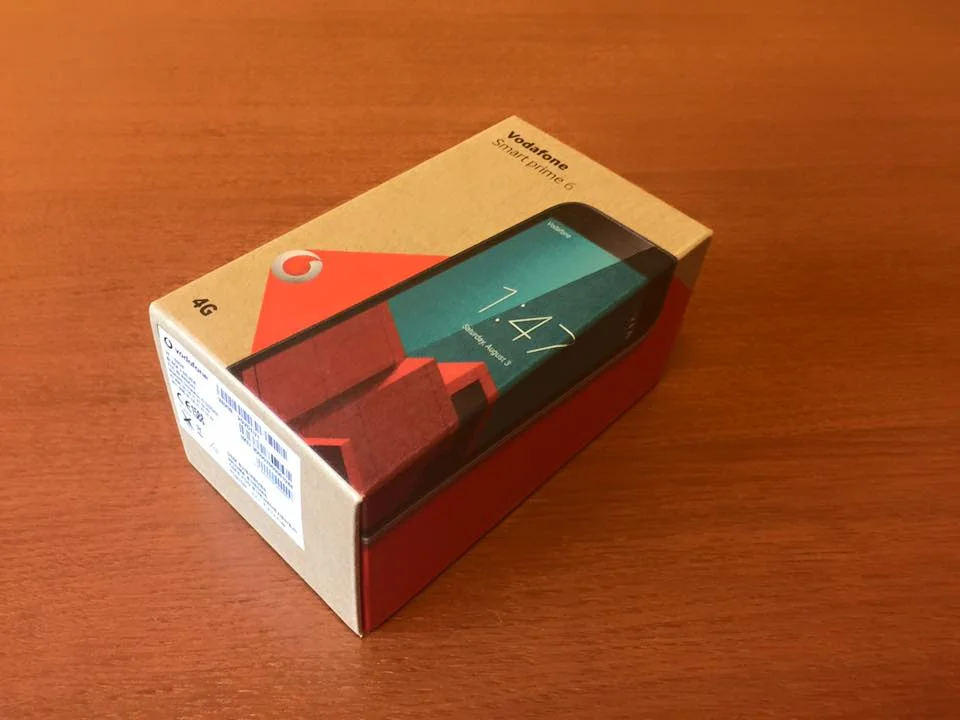
Vodafone has been selling phones under its own brand for years, and some of them have been surprisingly solid. The Vodafone Smart prime 6 is one of those devices. This budget model set the bar fairly high for its class at the time, thanks to better materials than you’d expect and, most importantly, Android 5.0 Lollipop. Even with that, it kept its price at 3,277 CZK (approx. $150 / €135). The value here is genuinely strong. That said, like any phone, it comes with trade-offs, and that’s exactly what this review looks at.
IN THE BOX
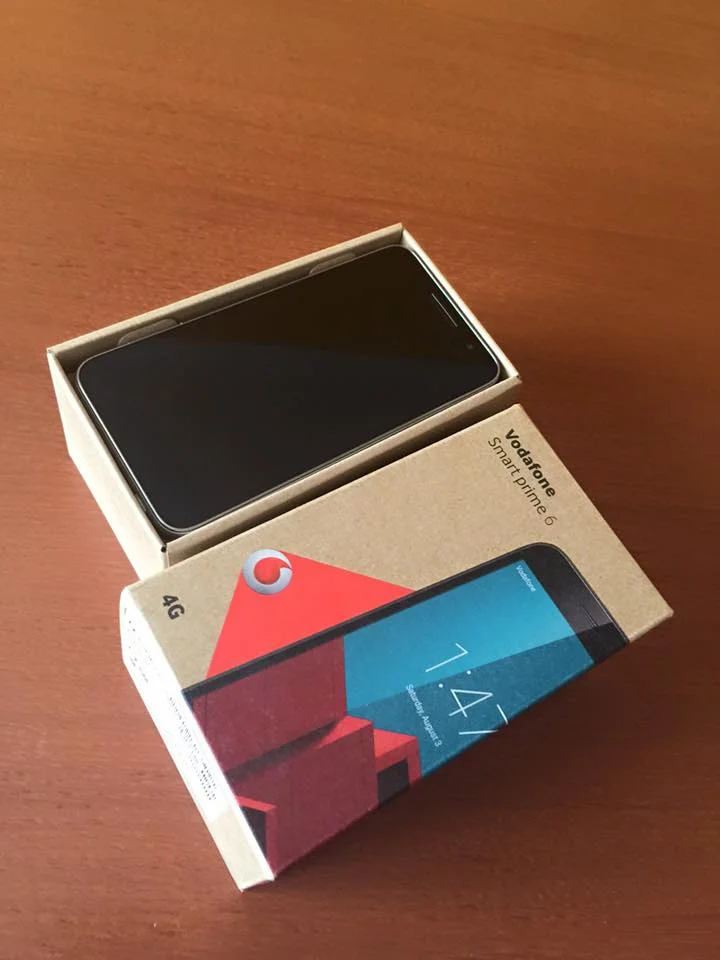
The phone arrived in a recycled-paper box, with the handset sitting right on top. Underneath was a quick-start guide and warranty paperwork. After removing the cardboard divider, the rest of the bundle was pretty standard: a charger, USB cable, and in-ear headphones with extra ear tips in different sizes.
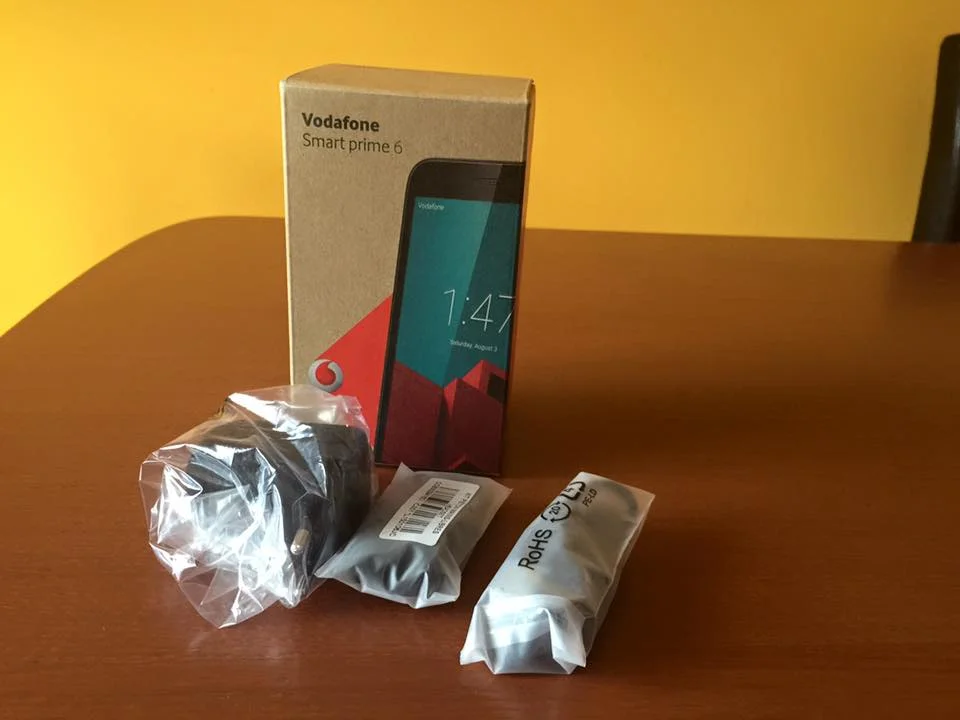
The bundled headphones weren’t especially good. Sound quality was thin and bass was lacking. Still, including a pair is better than leaving them out entirely. In other words, the package is standard for the segment, even if the box itself is oddly large, likely bigger than what many flagship phones shipped in at the time.
DESIGN AND BUILD
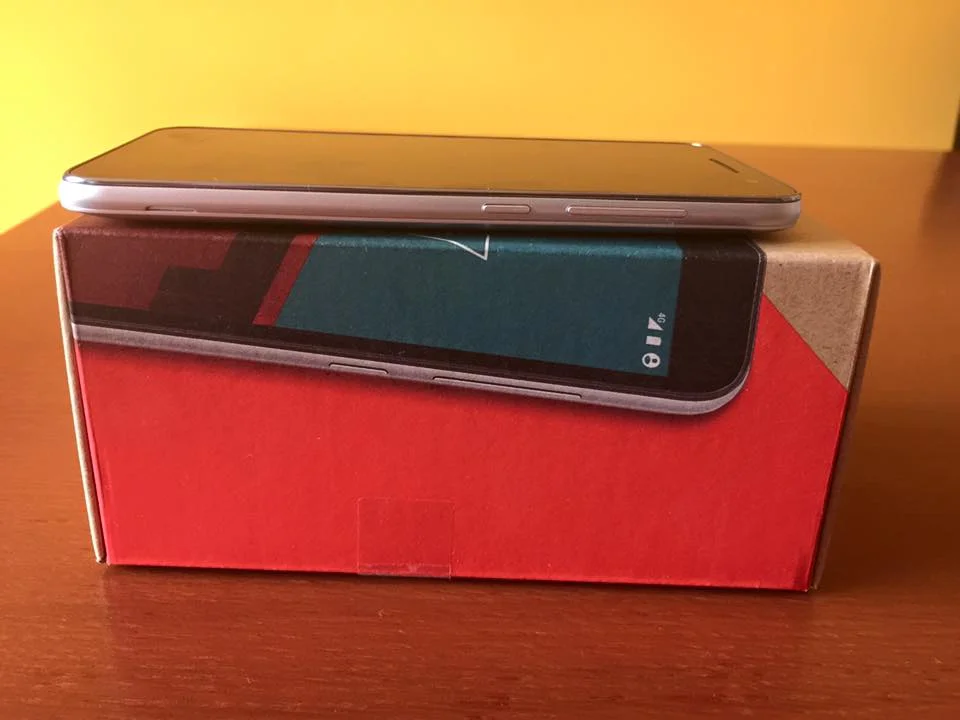
This phone makes a strong first impression. On the silver version especially, it’s not immediately obvious that the entire body is plastic. From a design standpoint, Vodafone got a lot right here. The biggest complaint is the display border, which is fairly thick and easy to notice. Otherwise, the phone sits nicely in the hand and feels comfortable to hold, helped by dimensions of 142 × 72 × 9 mm and a weight of 155 grams. Those numbers are a little chunky for a 5-inch phone, but not enough to become a real problem.
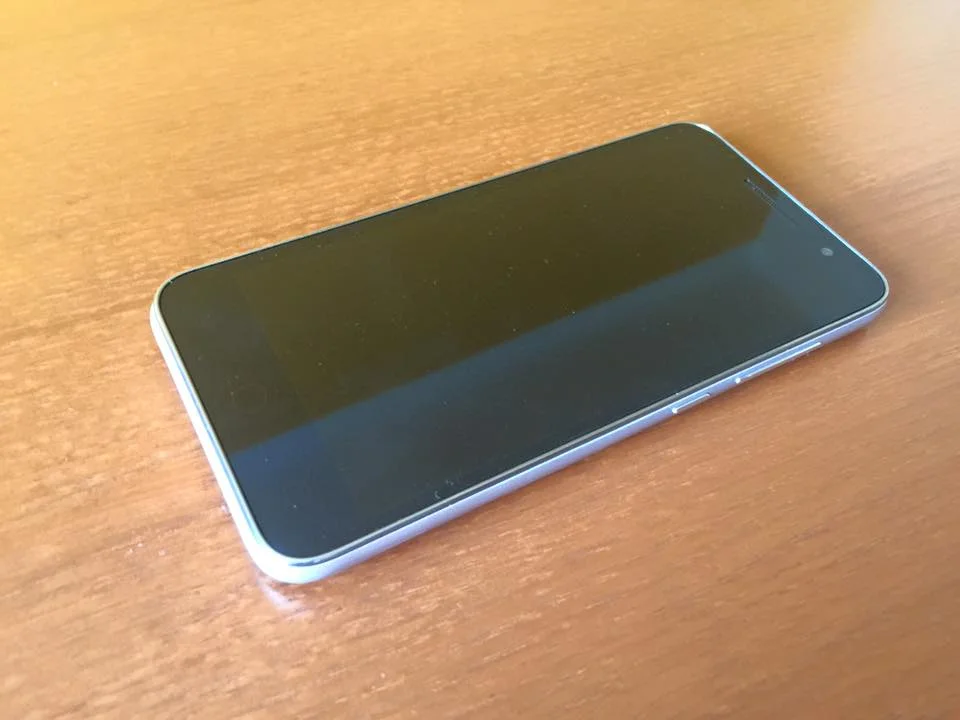
Below the display are prominent capacitive buttons with white backlighting, which can be turned off if you prefer. Up front, the main attraction is the 5-inch display with a 1280 × 720 resolution, which is better than average for this class. Viewing angles are very good, and colors are punchy.
Above the screen you’ll find the earpiece, front-facing camera, and a notification LED. That LED alerts you to missed calls, emails, and text messages. On the right side are the volume controls and power button, both placed at a comfortable height, so you don’t need to shift your grip to reach them.
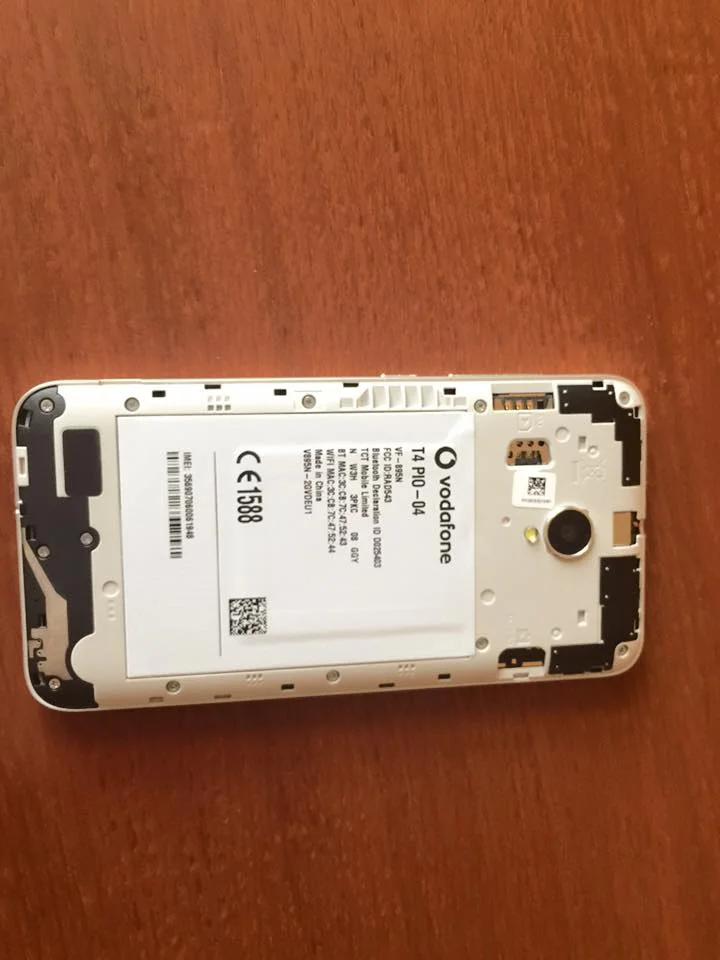
Charging happens over microUSB, with the port placed on the lower right side. The microphone sits right next to it. A 3.5mm headphone jack is positioned on the top edge. Around back, there’s a Vodafone logo, with the main camera lens above it. An LED flash handles low-light assistance, while the loudspeaker is tucked into the lower-left corner.
Remove the back cover and you’ll find the battery, though it isn’t user-removable. There’s also the usual pair of slots for a SIM card and microSD card. The cover itself is a little tricky to take off because several clips hold it in place, but it doesn’t require excessive force.
HARDWARE
The internal hardware is solid for the class. Qualcomm’s Snapdragon 410 was a familiar choice in budget phones, and here it runs at up to 1.2 GHz alongside 1 GB of RAM. It handles most games without major trouble, and performance stays smooth enough without obvious stutter. Graphics are handled by the Adreno 306, which isn’t under as much pressure thanks to the use of an HD display rather than something more demanding.
Storage is more of a concern. Out of the 8 GB built in, only around 4 GB is actually available, since the system takes up space and preinstalled apps account for another 800 MB. On the plus side, LTE support is a welcome inclusion, as are very good GPS performance and NFC. The bigger disappointment is the 1 GB of RAM, especially since phones in this category were already starting to move to 2 GB. That extra memory would have made an already fairly smooth phone feel even more responsive.
SOFTWARE
What jumps out first on this device is the operating system. It runs Android 5.0.2 Lollipop, which was unusual for this class of phone at the time. Just as important, Vodafone didn’t try to reinvent anything here and left the software largely stock, without a heavy custom skin. The whole interface feels smooth, and users will also appreciate the double-tap-to-wake feature, which was quickly becoming standard on smartphones around this time.
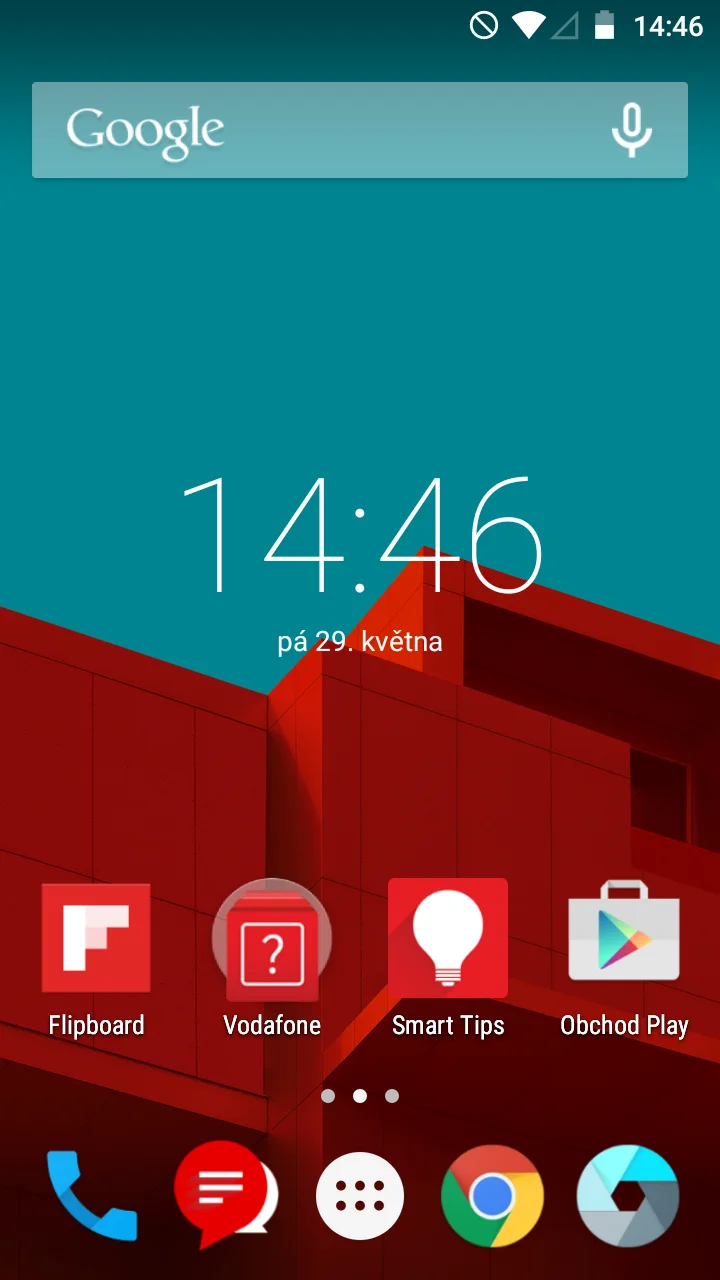
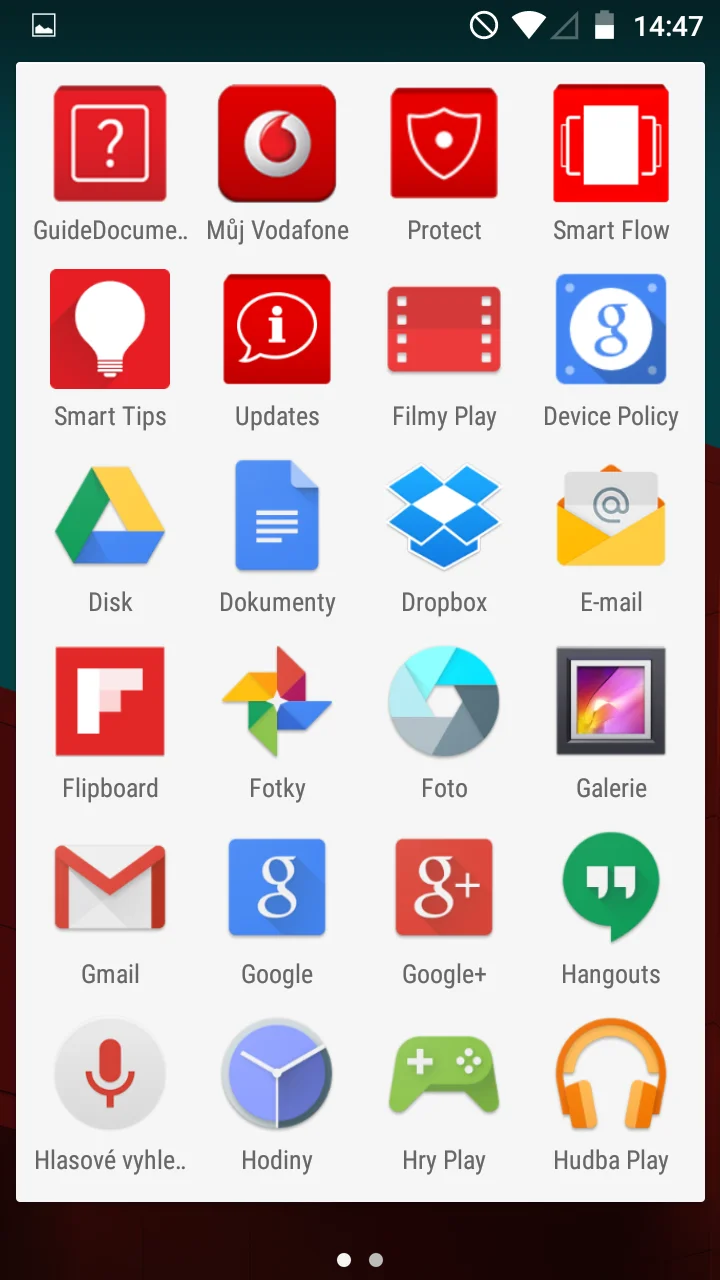
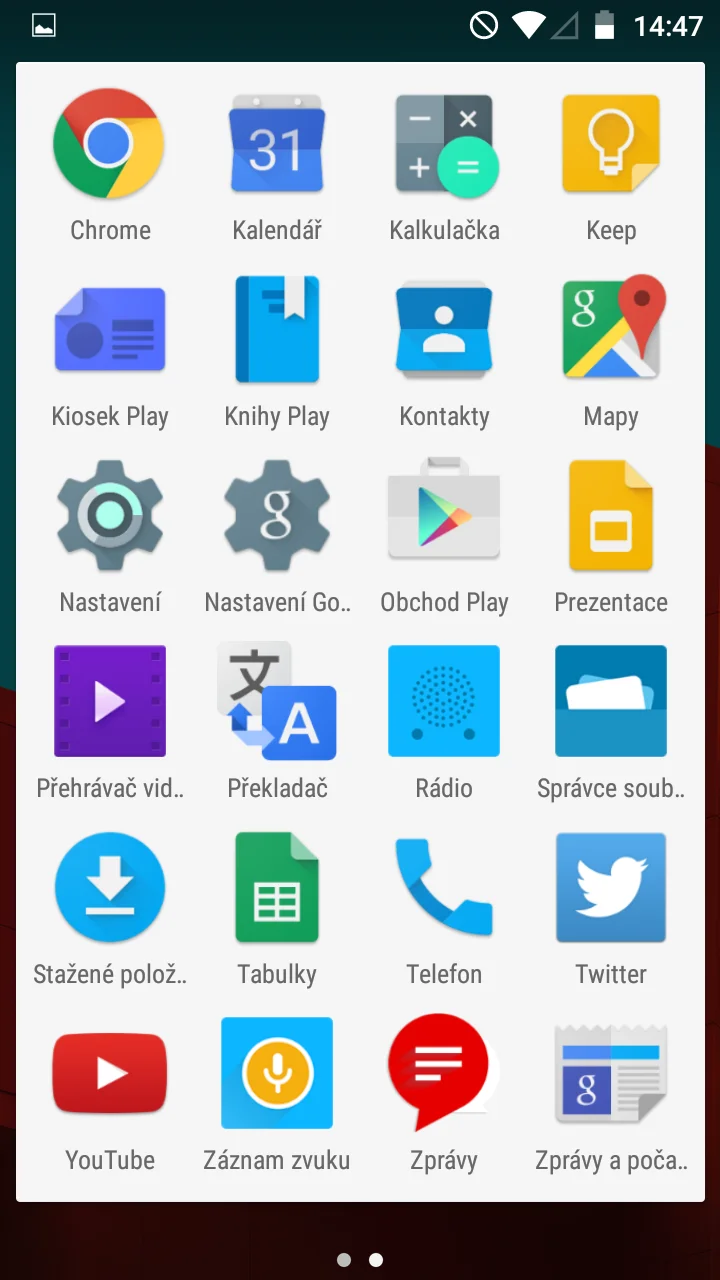
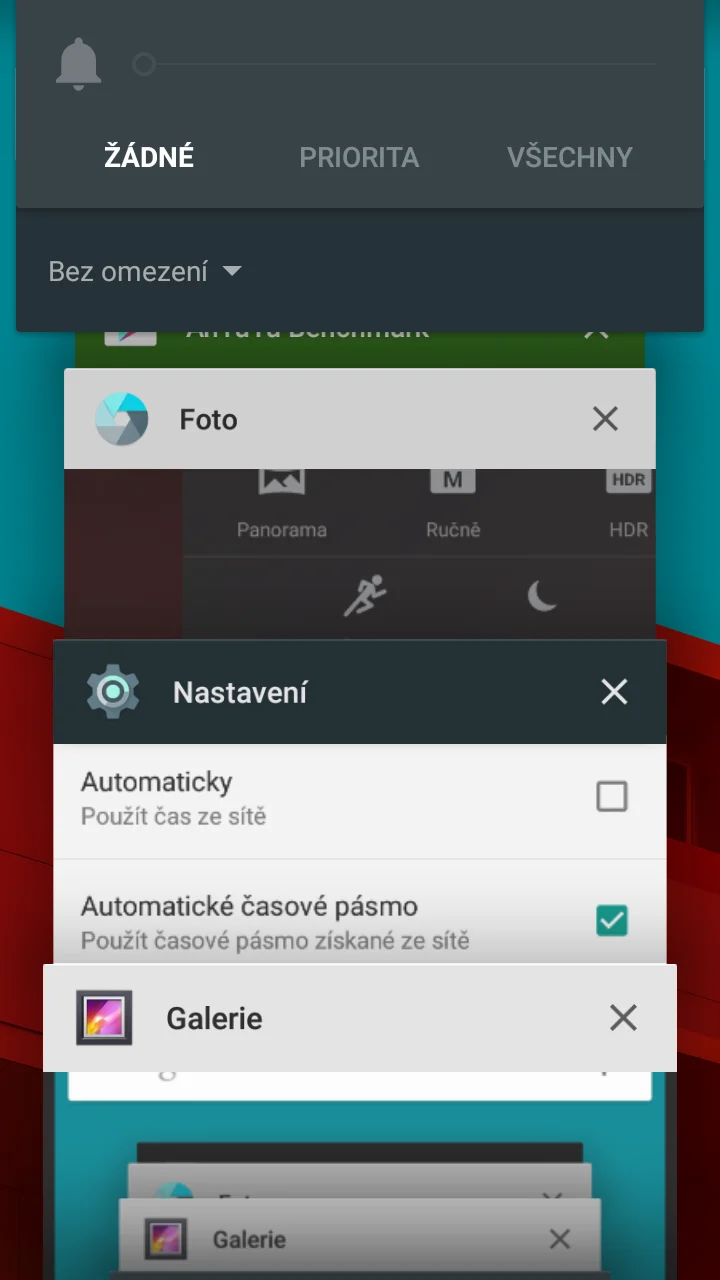
A nice touch is the notification shade, which uses a transparent background, while additional quick settings are available with a two-finger swipe. Notifications also appear on the lock screen, though that can be turned off in settings. There are only a handful of preinstalled apps, including My Vodafone, which will be familiar to the carrier’s customers. The most useful of the bunch is probably Smart Tips, an app packed with guides and pointers to help users get the most out of the phone.
DISPLAY
The display is one of this model’s better surprises. It’s an IPS panel, and unlike many budget phones, it doesn’t come with any obvious compromises. Vodafone kept things simple and went with an HD display that offers excellent viewing angles and nicely saturated colors. Brightness can be pushed fairly high, so outdoor readability in sunlight isn’t much of a problem. The weak point is auto-brightness, which reacted too slowly for my taste. Aside from that, I was happy with the screen.
CAMERA
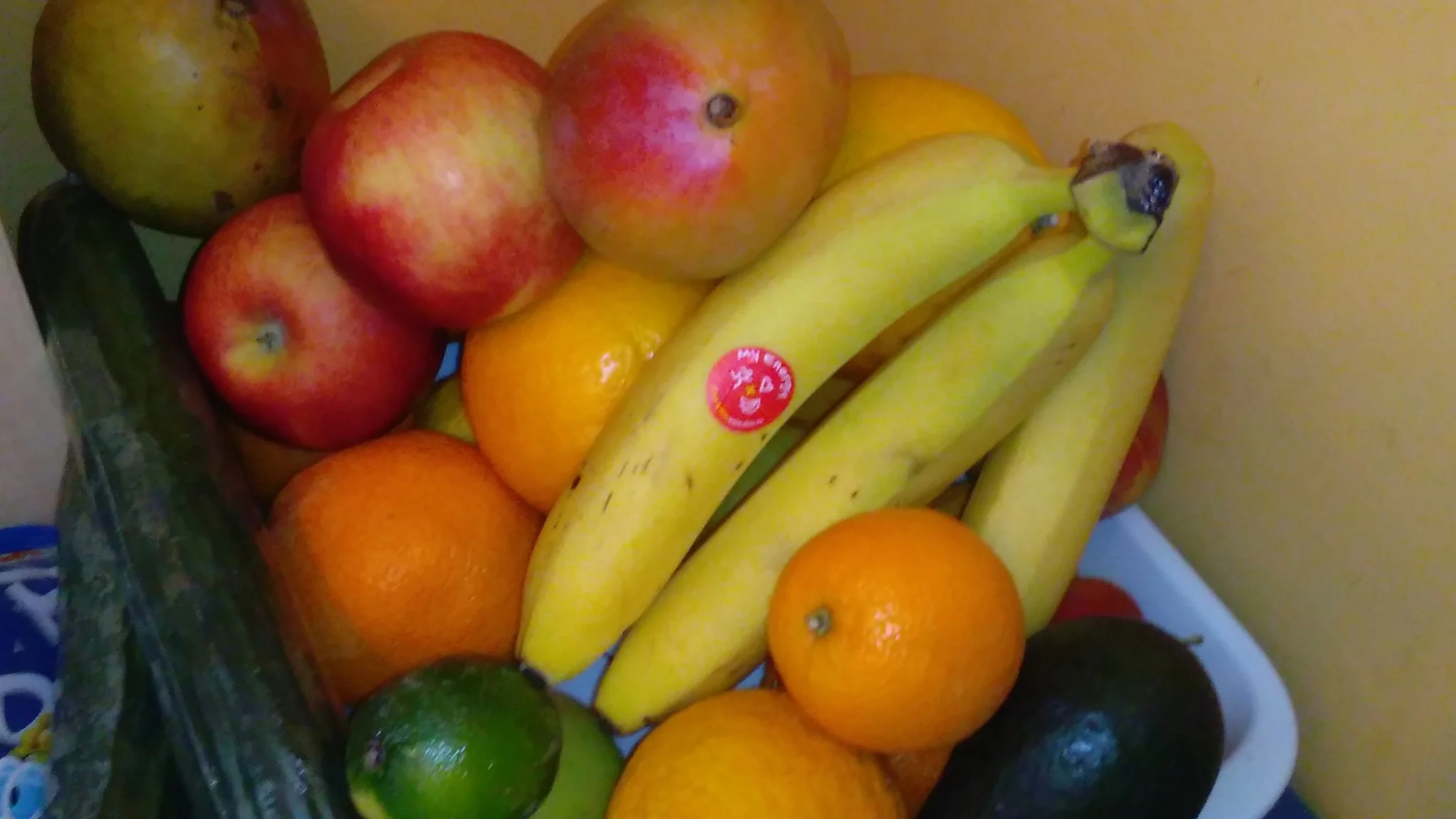
The main camera uses an 8-megapixel sensor, and the photos it produces are solid. In lower light, though, zooming in reveals fairly visible noise. That’s to be expected from a phone in this class. The camera app itself isn’t especially exciting, either. You do get several preset shooting modes that you can switch between depending on the situation.
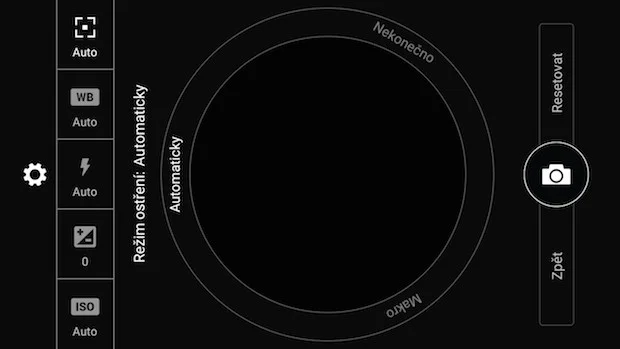
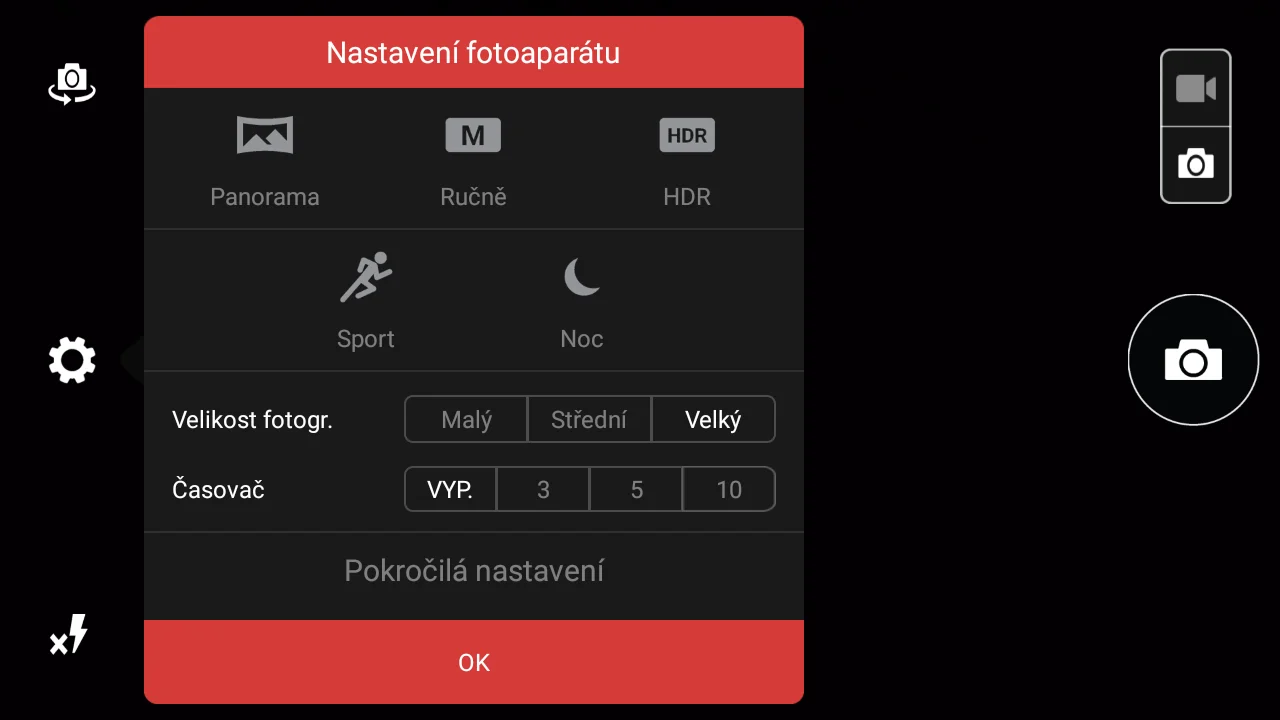
What did catch my attention was the manual mode, where you can adjust focus, white balance, flash mode, exposure, and ISO. At this price point, that was the kind of feature usually associated with Nokia Lumia devices. The phone can also record Full HD video at 30 frames per second. What disappointed me, though, was the noticeably slow focusing and the equally slow image processing after the shot is taken.


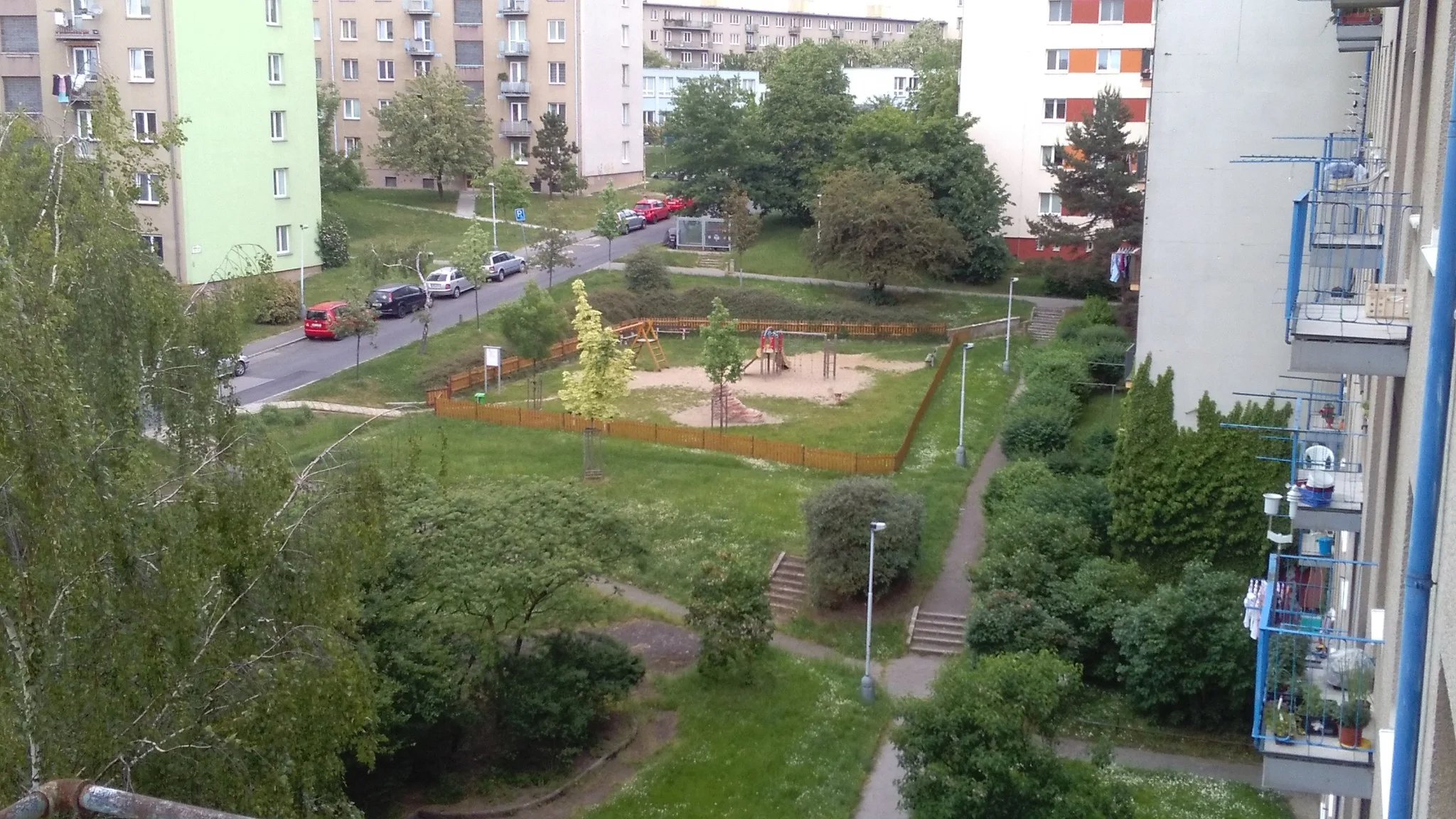
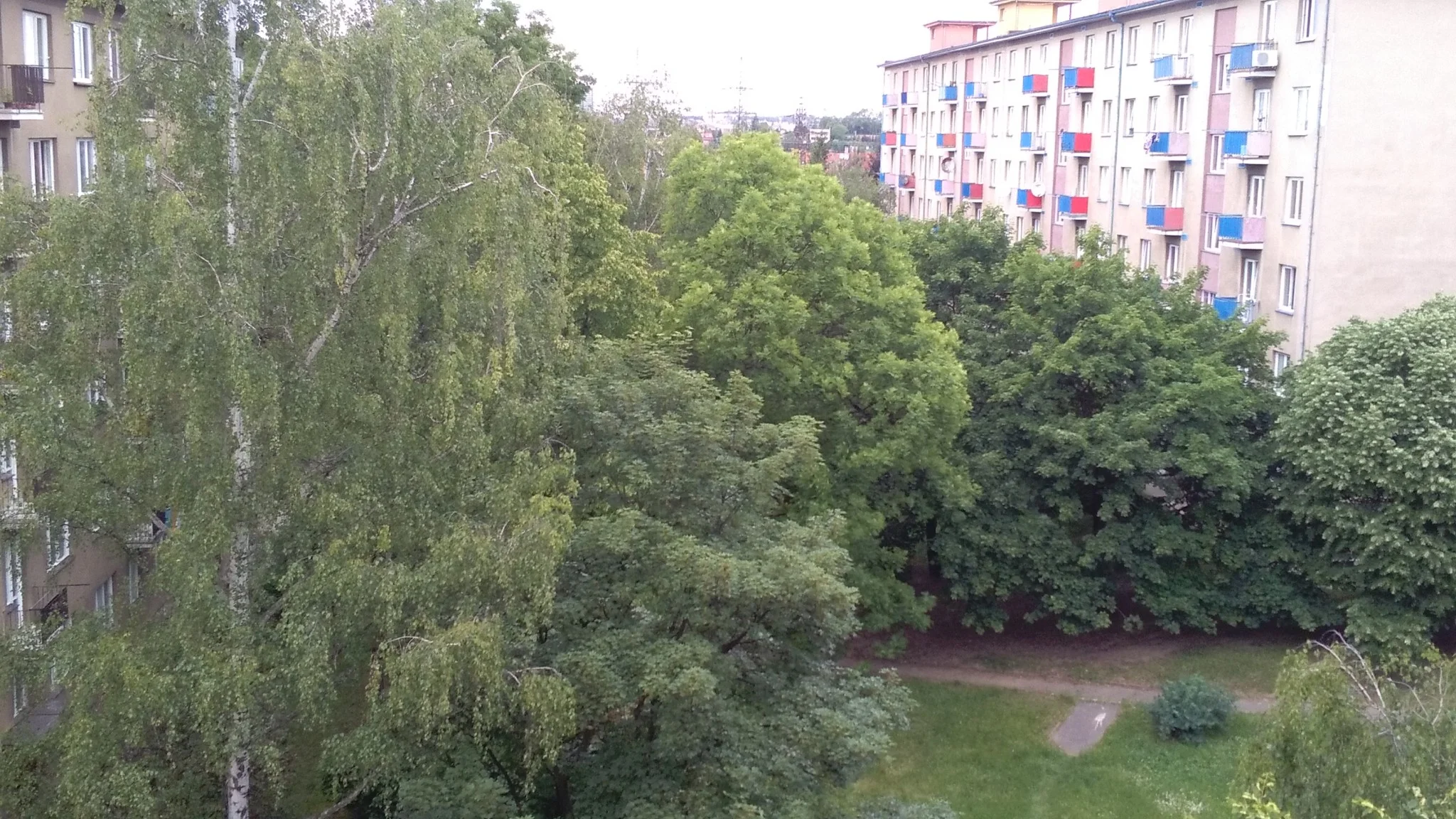
The front-facing camera is a 2MP unit that can produce a decent selfie in good lighting. Realistically, that’s about all most people would ask from it, so it gets the job done. Overall, the camera is a successful part of the package and can capture quality images. For a phone in this price range, the results hold up surprisingly well even next to some more expensive devices.



BATTERY LIFE
The battery has a 2,500mAh capacity, and paired with the relatively undemanding system, endurance lands at around one full day with normal use. If you don’t use the phone heavily, stretching it to two days isn’t out of the question. During video playback with brightness set to maximum, though, the battery ran out after roughly six hours. Charging also isn’t especially fast, but about two hours and 15 minutes is still manageable.
VERDICT
This smartphone clearly stands out in its class. Even in a crowded field, Vodafone managed to build a real sales hit; current stock is already sold out, with another shipment on the way. Its biggest strengths are LTE, NFC, and Android 5.0.2 Lollipop. The clean Android build, without any heavy skin on top, is a big plus, and the camera was a pleasant surprise too. Performance tuning is solid overall, though you may run into the occasional minor stutter over time. Even so, this is an easy phone to recommend. At this price, it has no real rival in its segment.