Sony Xperia M4 Aqua Review: Midrange, With Compromises
In today’s review, we’re looking at Sony’s new midrange phone for at least the first half of the year. The Xperia M4 Aqua loosely follows last year’s M2, which I also tested. That phone was essentially a cheaper alternative to Sony’s Z-series devices, and that’s the role the M4 Aqua fills too. The question is simple: does the lower price come with too many compromises, or did Sony get the balance right?
What’s in the box
The review unit arrived in a pretty unremarkable box, the kind Sony typically uses for its lower-cost models. Inside, you get only the basics and nothing extra. Alongside the phone itself, there’s a microUSB cable and wall adapter for charging. Sony also includes a pair of headphones, though they sound pretty awful. Rounding things out are the usual user manuals.
Design and build
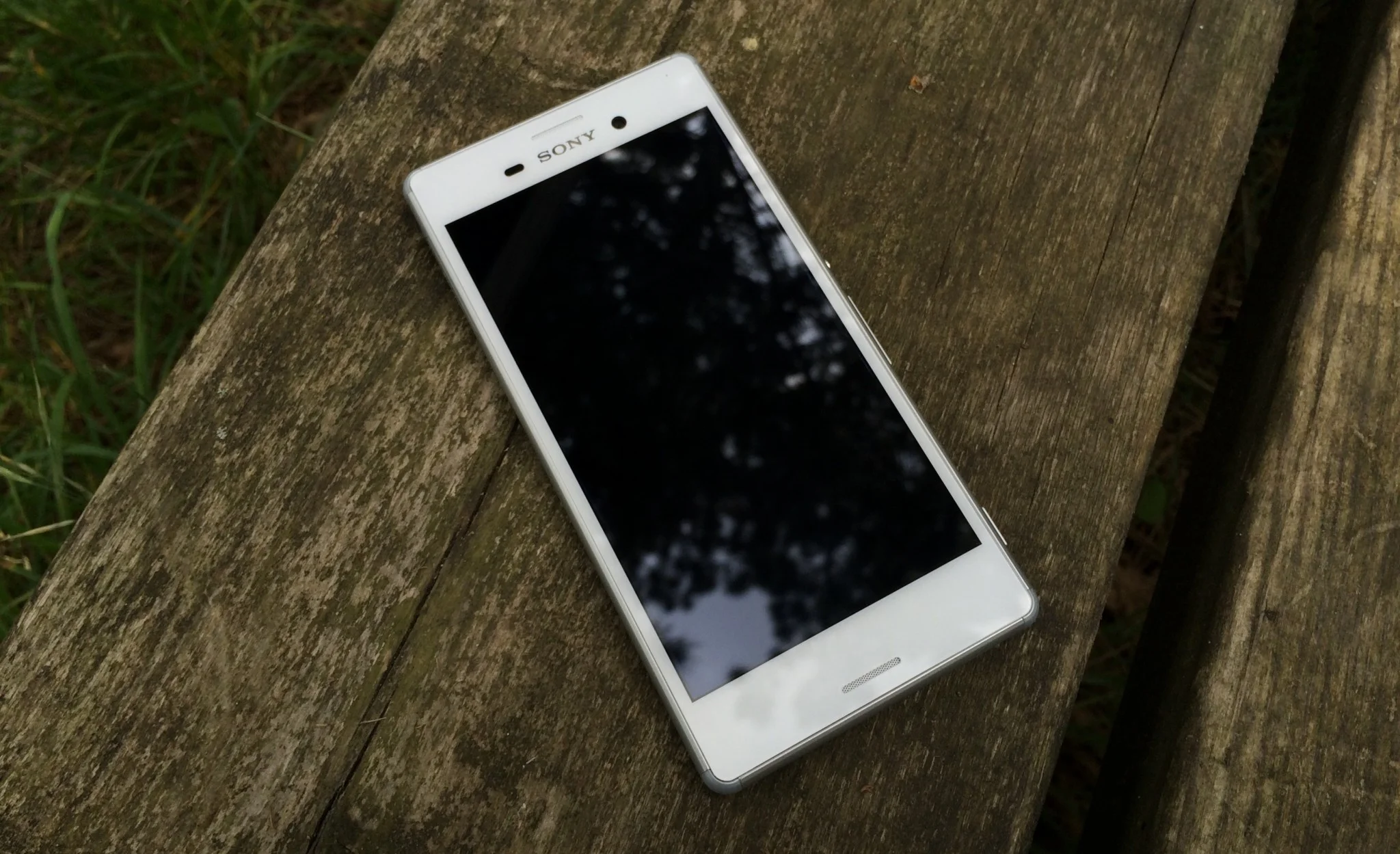
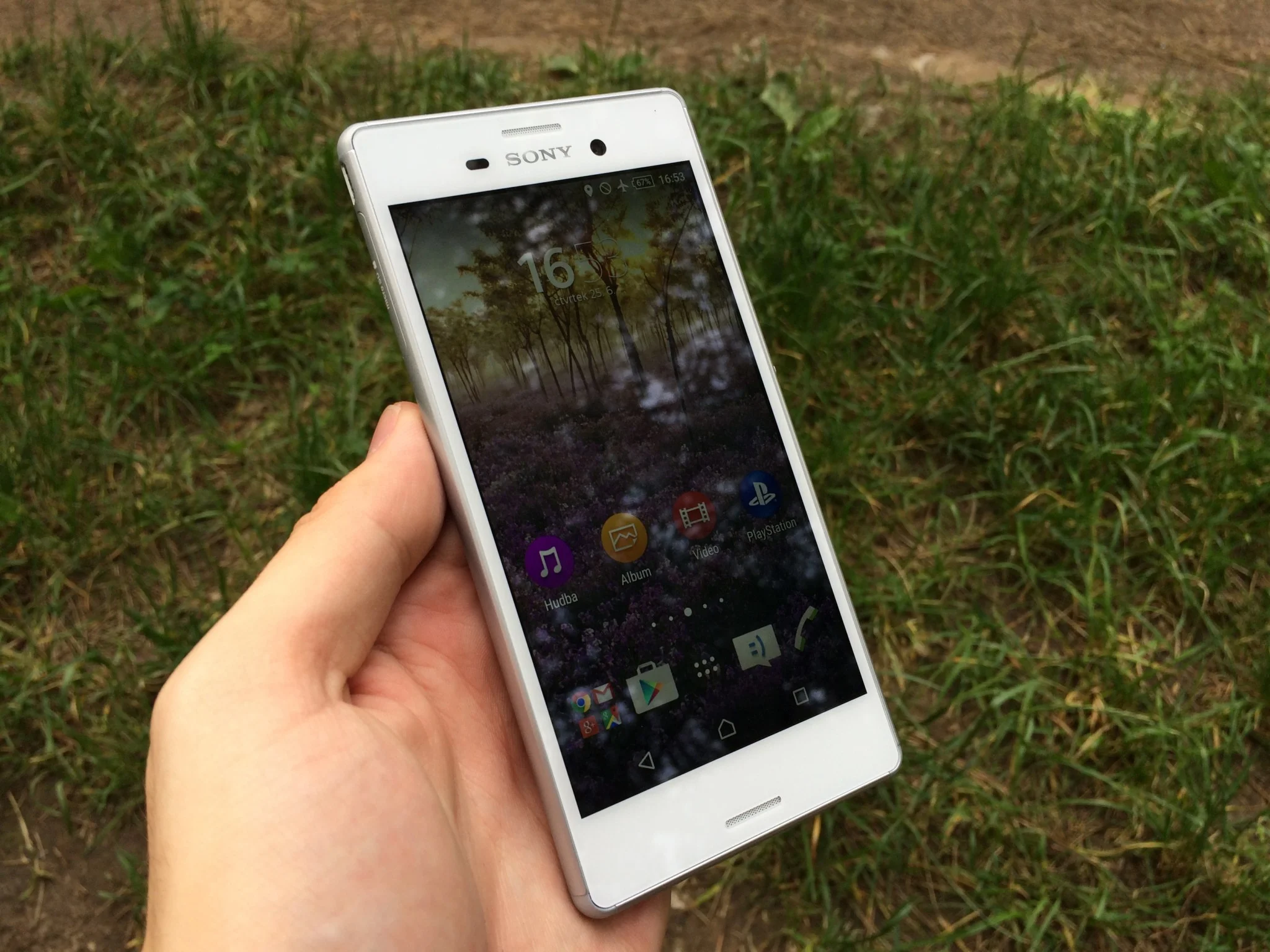
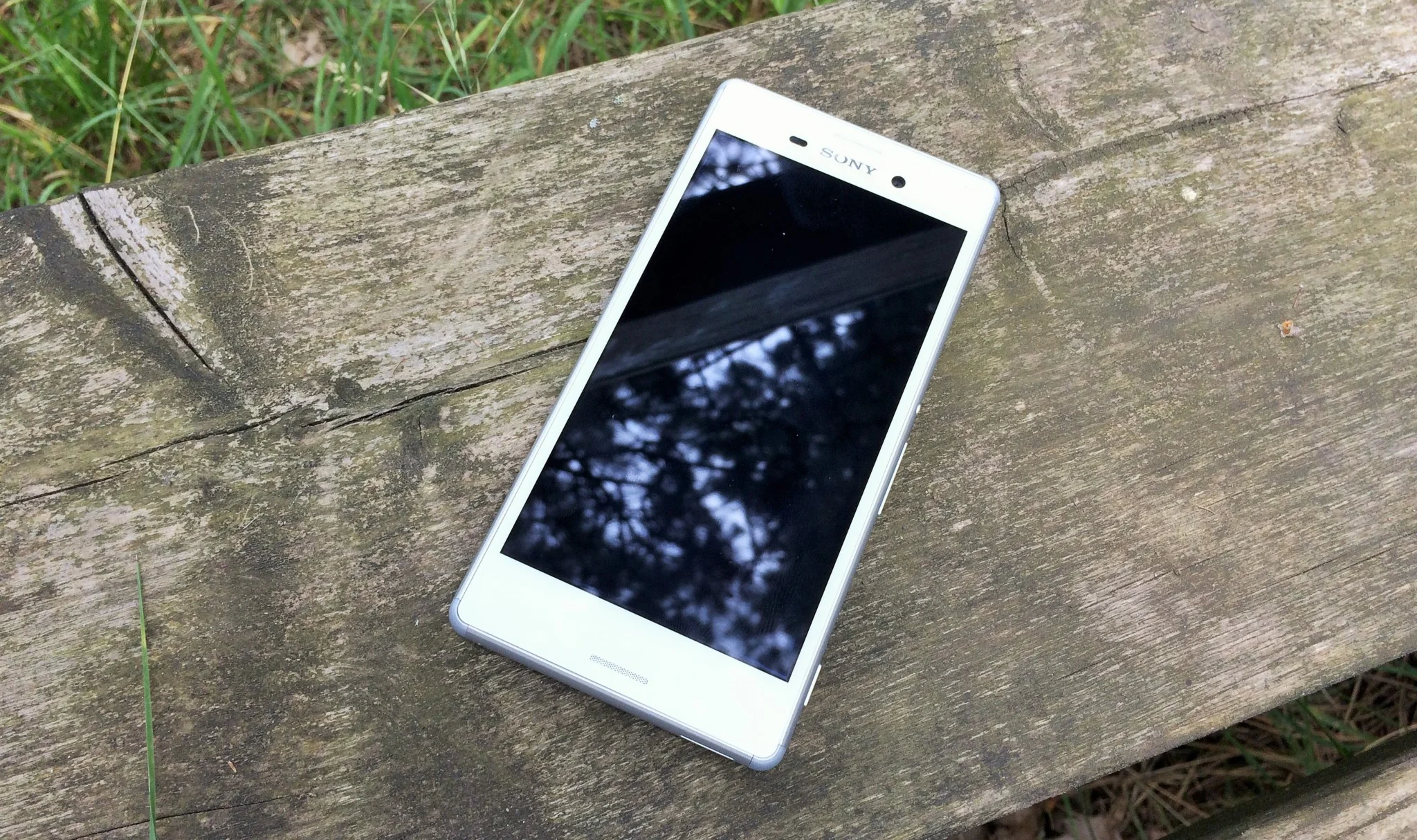
The Xperia M4 Aqua clearly borrows its look from Sony’s Z series and the OmniBalance design language. At first glance, it’s easy to mistake this phone for the Xperia Z3. Sony did cut costs on materials, but that’s expected at a lower price point. The name also gives away one of the phone’s headline features: water resistance. Its IP68 rating promises submersion in up to 1.5 meters of water for as long as 30 minutes.
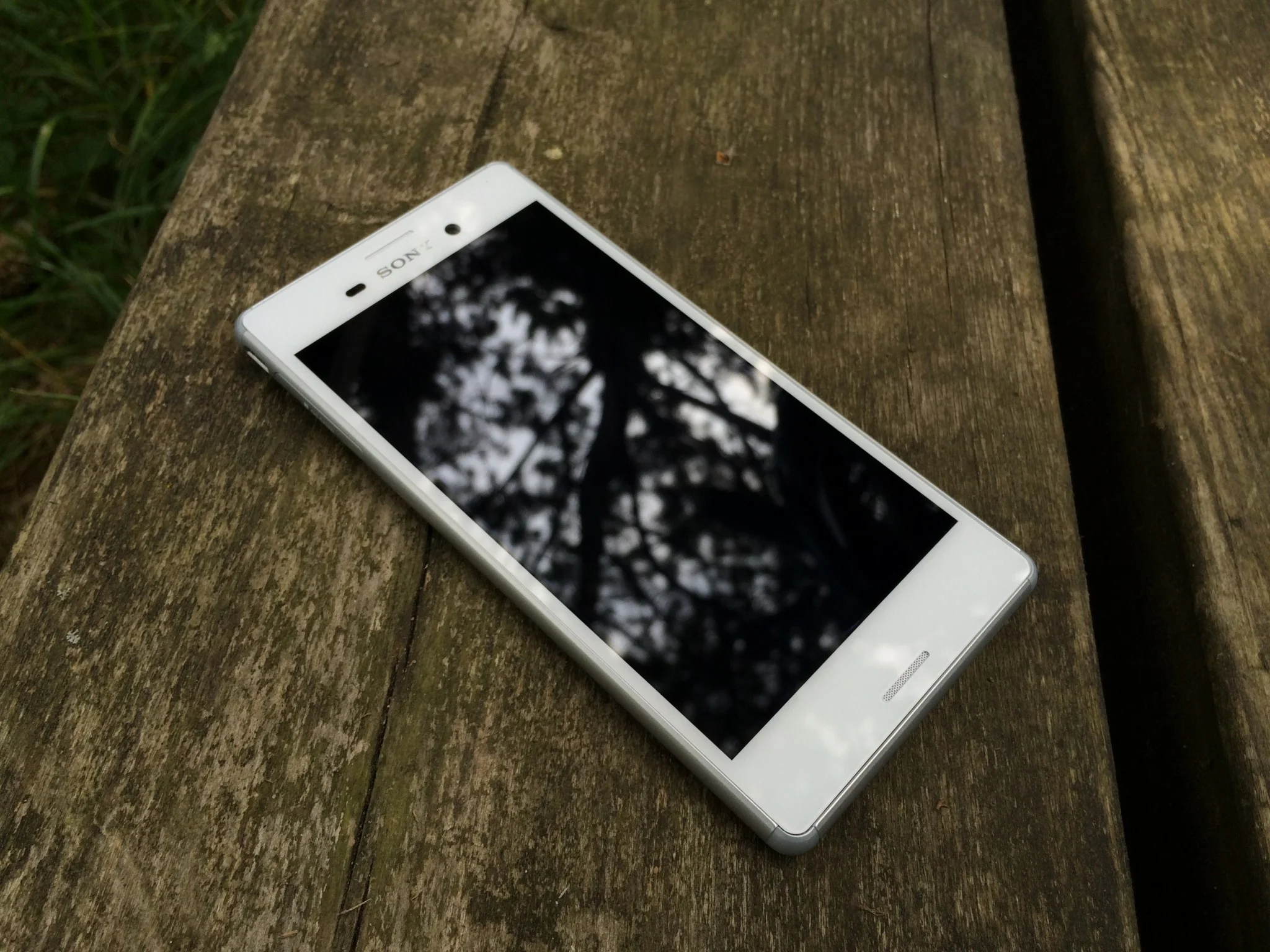
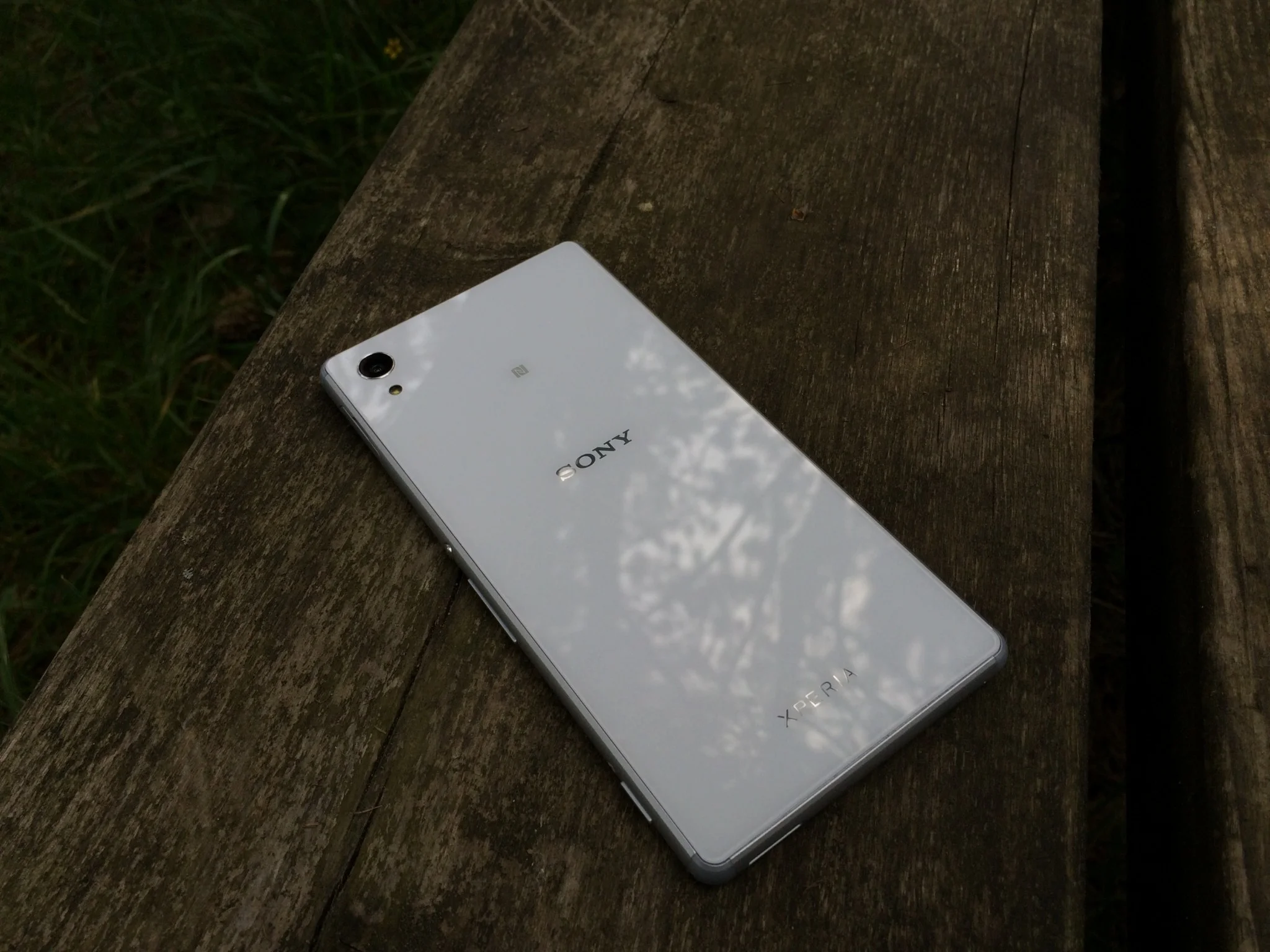
The fit and finish are solid overall, and the silver side frame feels sturdy. The port covers stay firmly in place and don’t feel loose when closed, though they’ll probably wear down over time. That may not be a major issue, though, because the most frequently used port, microUSB, no longer has a flap. That’s a genuinely welcome change. The only cover left is for the microSD and nanoSIM slot. The back panel is less impressive. In some spots, it can be pressed inward, and squeezing the phone in your hand produces an audible creak.
For a phone with only a 5-inch display, it’s surprisingly large. That comes down to the thick bezels around the screen. The bottom chin is the biggest offender, pushing the display noticeably higher and making one-handed use harder. While 136 grams might sound a bit heavy on paper, the phone actually feels very light in the hand. Overall dimensions come in at 145.5 x 72.6 x 7.3 mm.

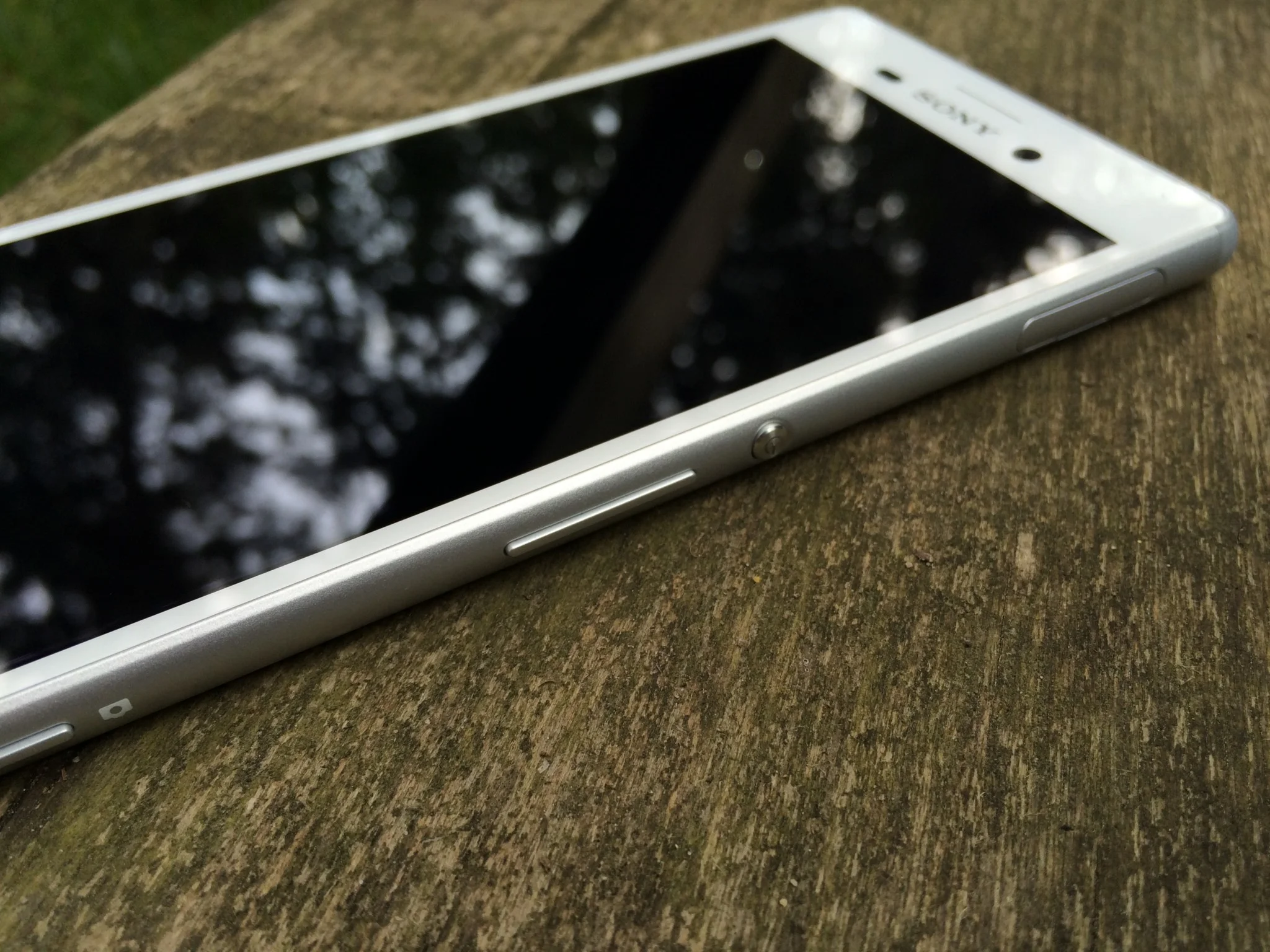
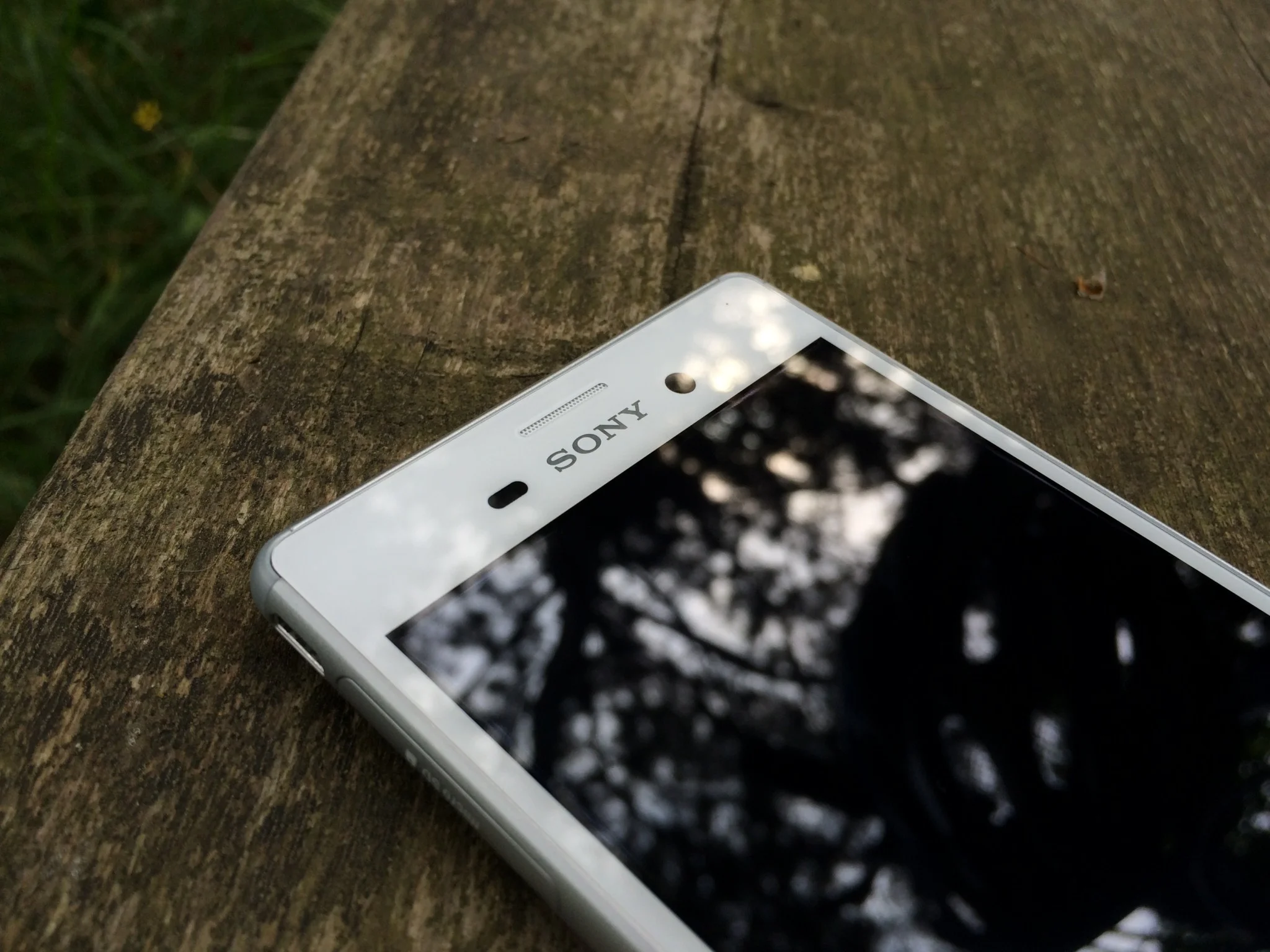
At first glance, you might think this phone has dual front-facing stereo speakers like the Xperia Z3. They’re positioned in the same places, and the grilles look the same. In reality, there’s only one main loudspeaker, and it sits on the lower side edge. Up front, the top grille hides the earpiece, while the bottom one likely covers the microphone. Audio output is average overall, though reasonably loud.
Display
Some people will argue that 1280 x 720 is too low for a 5-inch display. In practice, though, it works out to roughly 294 ppi, which I find perfectly adequate. You’ll have to look pretty hard to spot individual pixels. Sony also deserves credit for the IPS panel here. It delivers pleasing colors and strong viewing angles. At last, Sony has a genuinely competitive midrange display. The downside is brightness. Maximum brightness isn’t especially high, and the minimum setting still isn’t low enough, so the panel remains too bright in dark environments.
Hardware
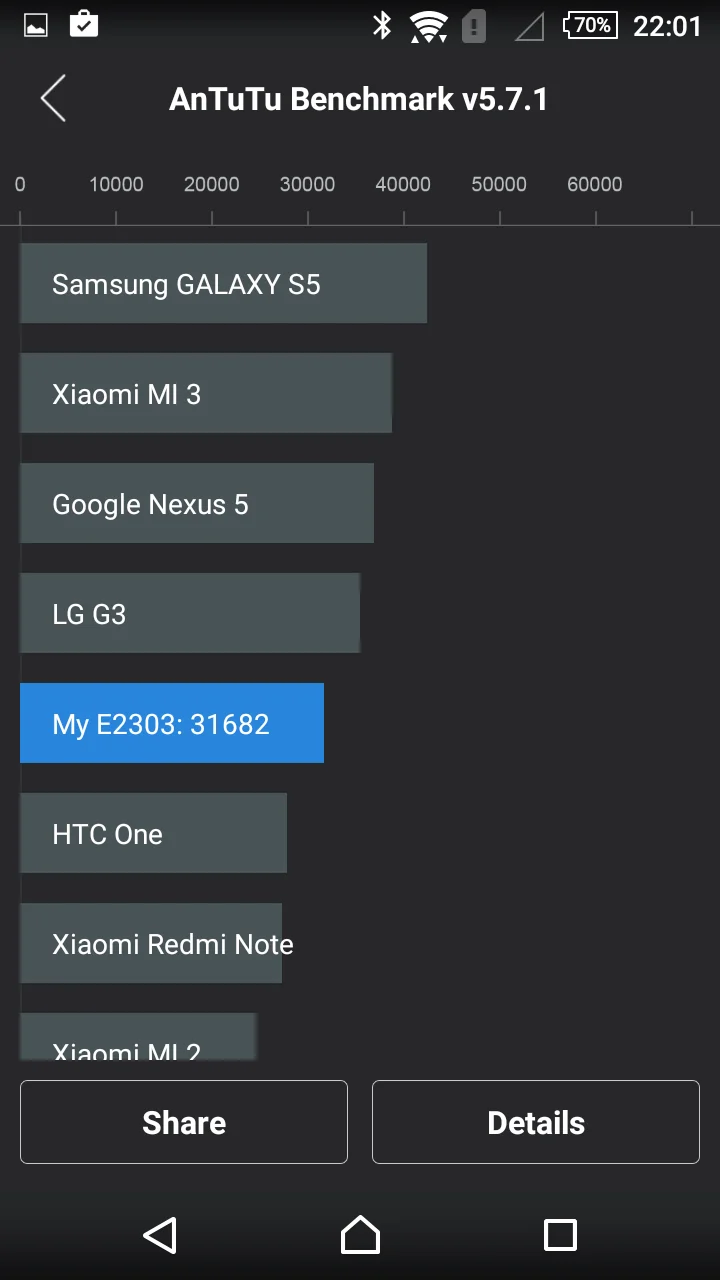
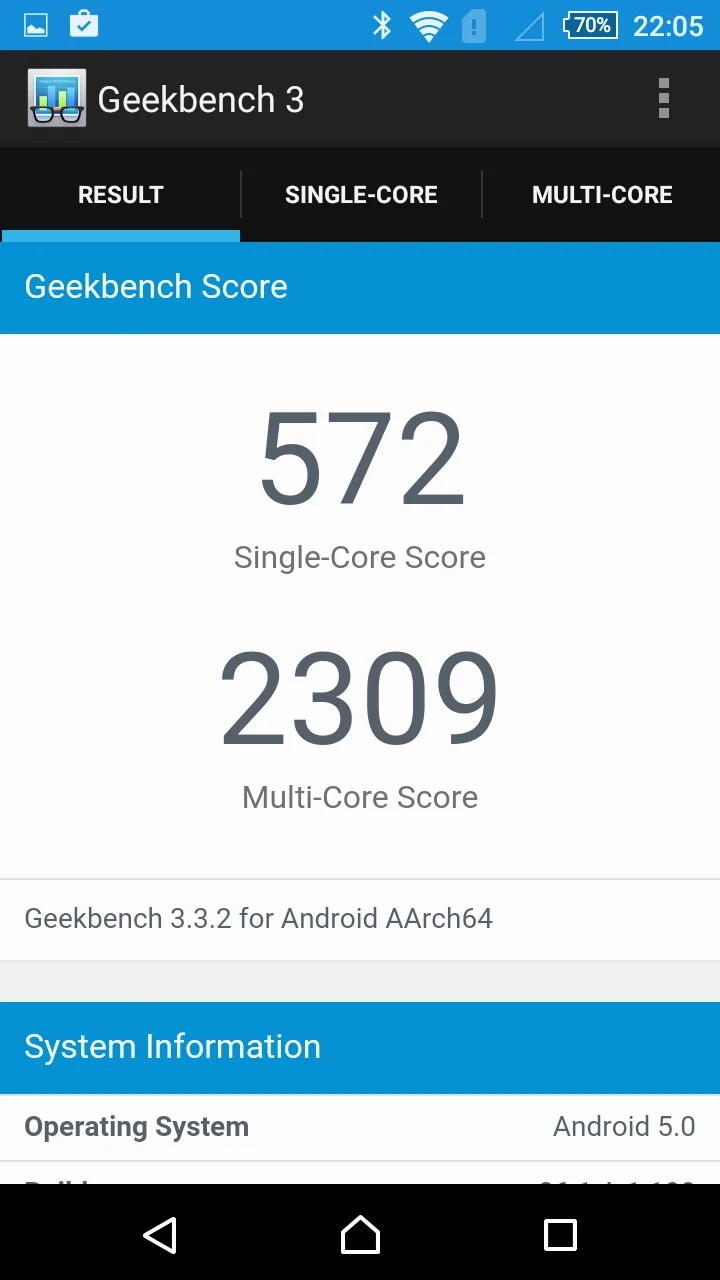
Inside is Qualcomm’s then-new octa-core MSM8939 Snapdragon 615. It packs four Cortex-A53 cores clocked at 1.5 GHz and another four Cortex-A53 cores at 1.0 GHz. The processor is fully 64-bit and built on a 28 nm process. Graphics are handled by the Adreno 405. Performance is solid, with benchmark numbers roughly in Snapdragon 600 territory and getting close to the 800 series. In real-world use, the phone is fast enough, and most games run without major trouble. But there’s a catch: the Snapdragon 615 gets fairly hot under load, to the point where it becomes uncomfortable.
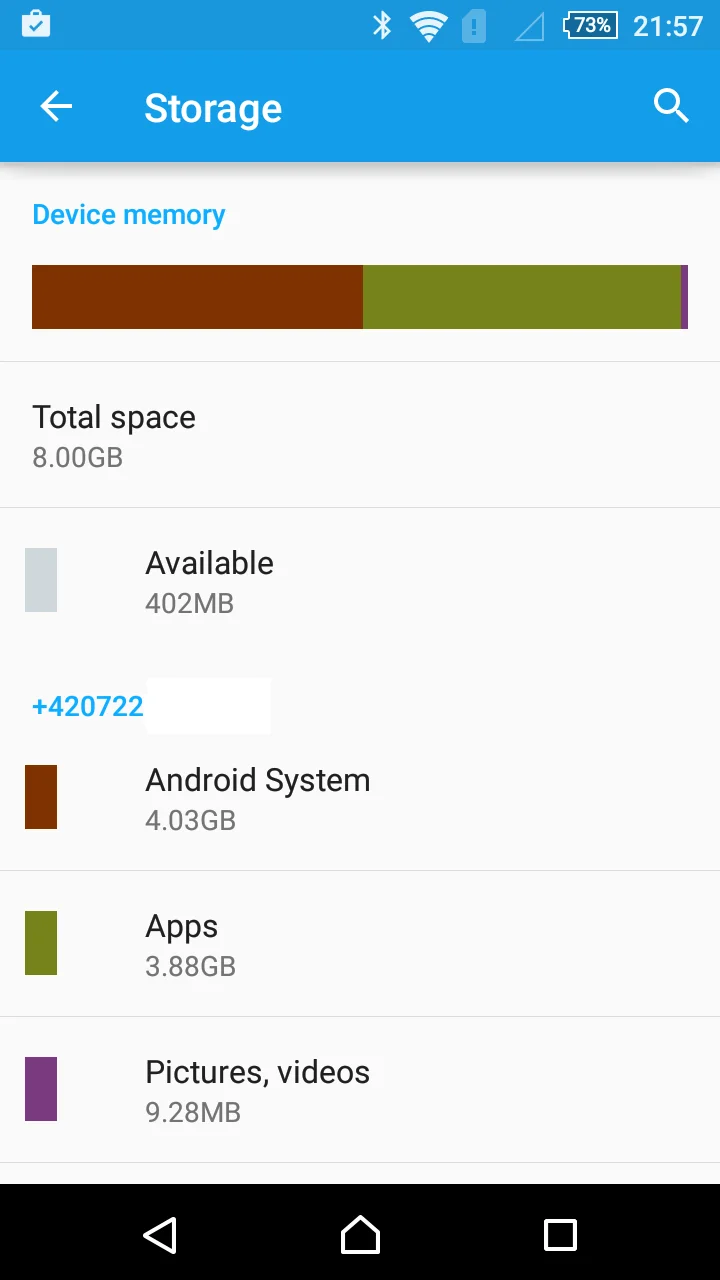
RAM comes in at 2 GB, which is perfectly adequate. Internal storage is a bigger problem. The phone includes 8 GB, but because the system is 64-bit, it takes up around 5 GB, leaving you with less than 3 GB available. After installing just a few apps, you can quickly drop to around 1 GB free, and over time you’ll fill it completely. Thankfully, there’s a microSD card slot, though many apps don’t support being moved to external storage.
Connectivity
For internet access, the phone supports 802.11 a/b/g/n Wi-Fi or mobile data over GSM, 3G, and LTE. LTE support covers all local bands, with a maximum download speed of 150 Mbps.
That said, the phone showed major issues connecting to LTE networks, specifically on Vodafone and T-Mobile. On its own, it latched onto LTE only rarely, and even manually searching for and connecting to the network usually didn’t help. In practice, the difference isn’t dramatic, since H and H+ are fast enough for most everyday tasks. Still, it puts unnecessary strain on battery life because the phone keeps trying, and failing, to reconnect to LTE.
Beyond that, the Xperia M4 includes Bluetooth 4.1, GPS, GLONASS, and an NFC chip, a feature Sony has long pushed aggressively. The phone also packs FM radio with RDS and DLNA support. Sensor-wise, you get a proximity sensor, ambient light sensor, and digital compass.
Battery life
Inside the phone is a 2,400 mAh battery. After spending time with the Z3 Compact, I expected solid, if not impressive, endurance here too. Sony phones have often leaned on battery life as a selling point, helped along by several fairly well-developed power-saving modes.
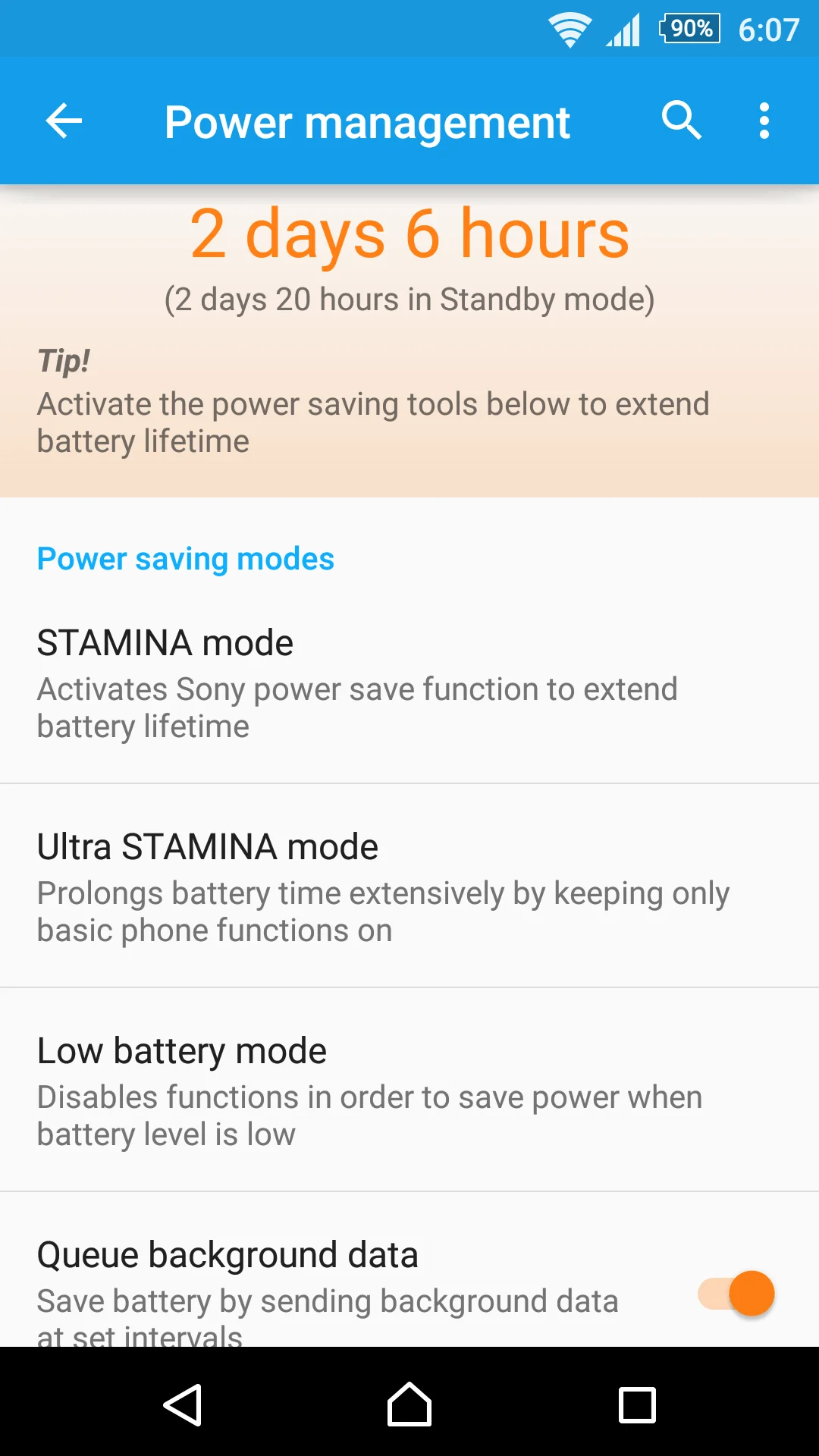
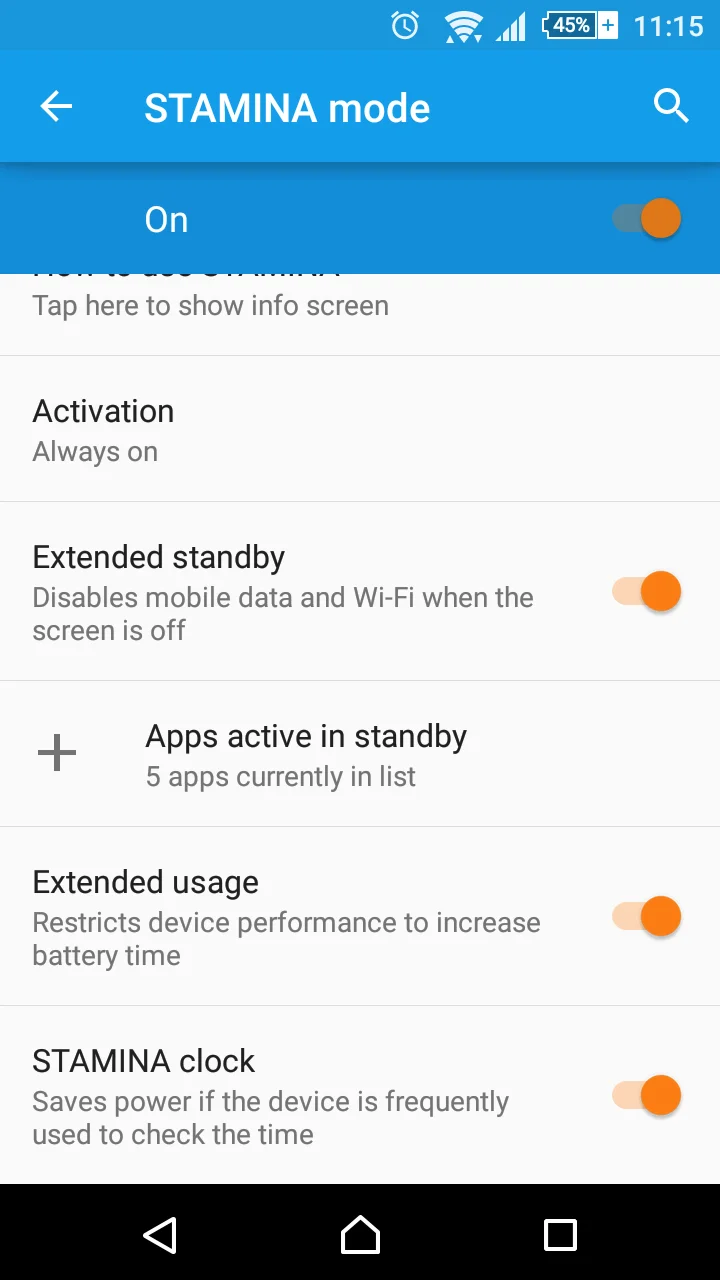
Stamina Mode cuts off internet access once the display is locked and puts some running apps to sleep. Low Battery Mode disables selected functions when charge drops below a chosen threshold. Ultra Stamina Mode shuts down most “non-essential” features, including internet, GPS, and most apps, effectively turning the device into a basic phone. There’s also a new Reduced Power Consumption Mode, which extends battery life by dialing back overall device performance.
Unfortunately, battery life didn’t impress me much. With Stamina Mode enabled, sync turned off, and only light apps in use, the phone barely made it through a single day. In hard numbers, that worked out to only around 4 hours and 10 minutes of screen-on time. Charging also takes a fairly long time.
Software
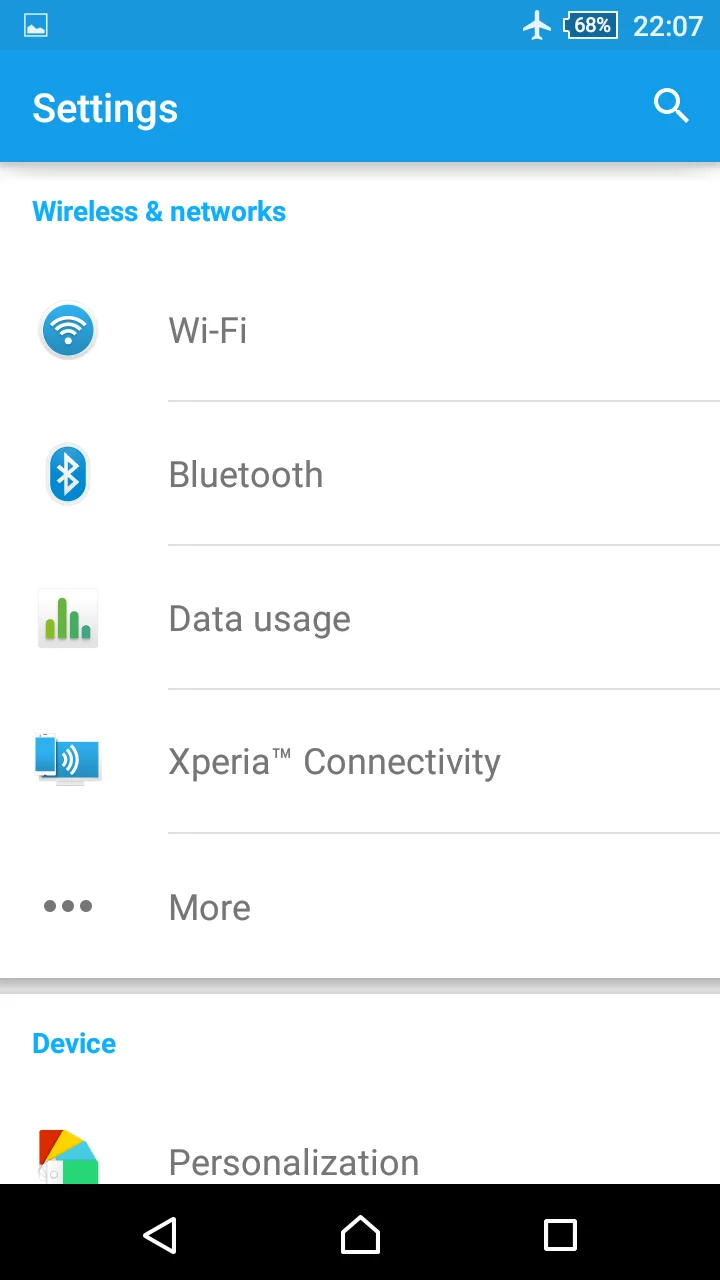
The phone runs Android 5.0 Lollipop, and it will very likely get Android 5.1 as well. There’s no word yet on Android M. The interface is built on Material Design, though Sony has customized parts of it. The notification shade remains largely unchanged, but Sony lets you customize the quick toggles and add more of them. Multi-user account switching is here too, which is a nice touch.
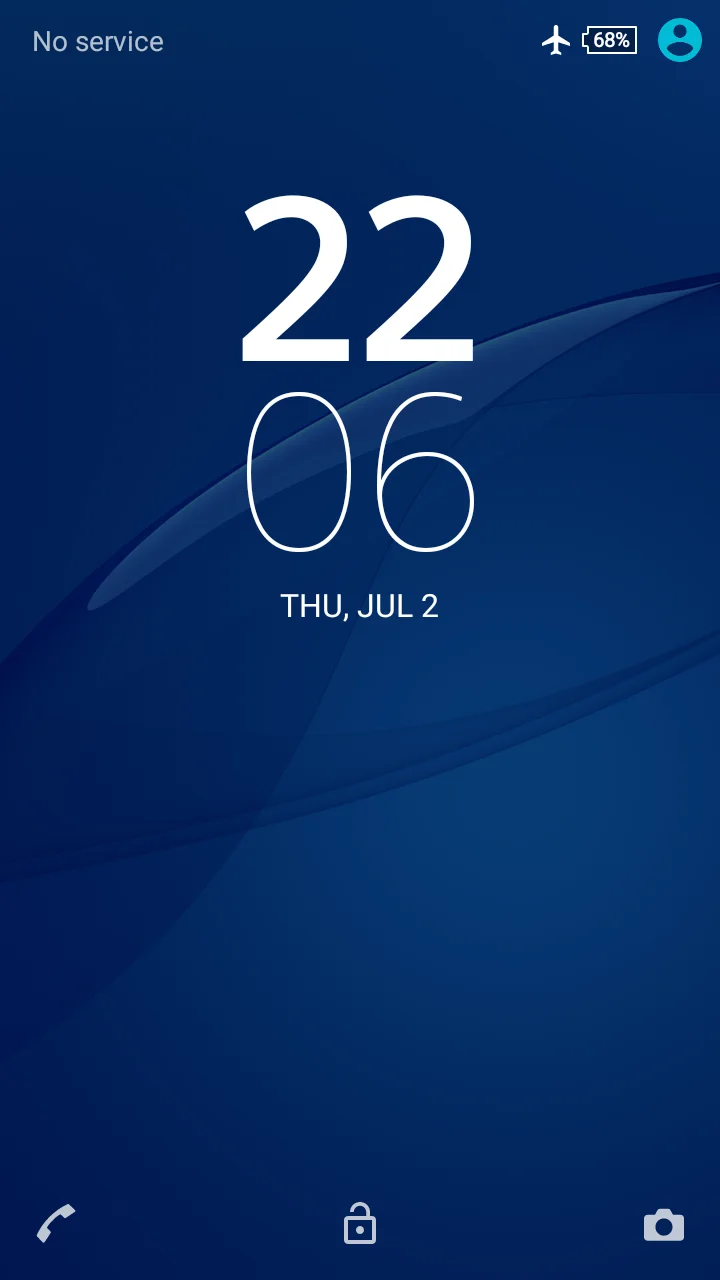
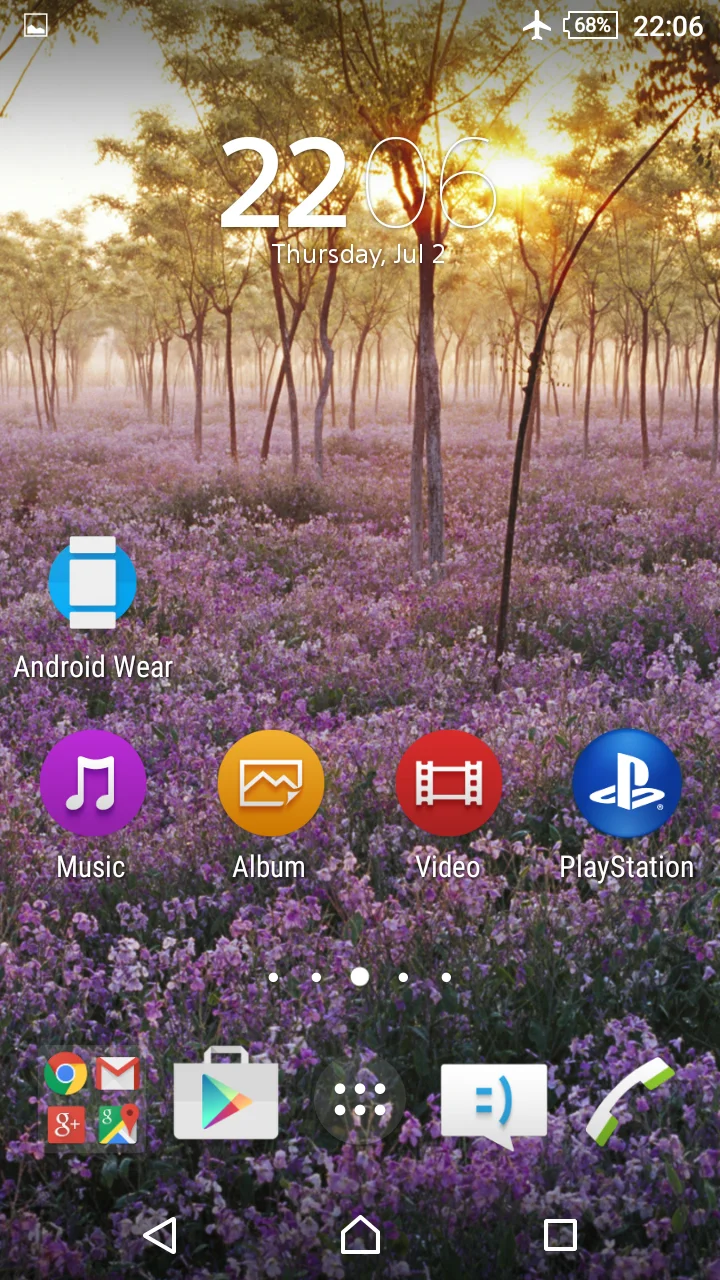
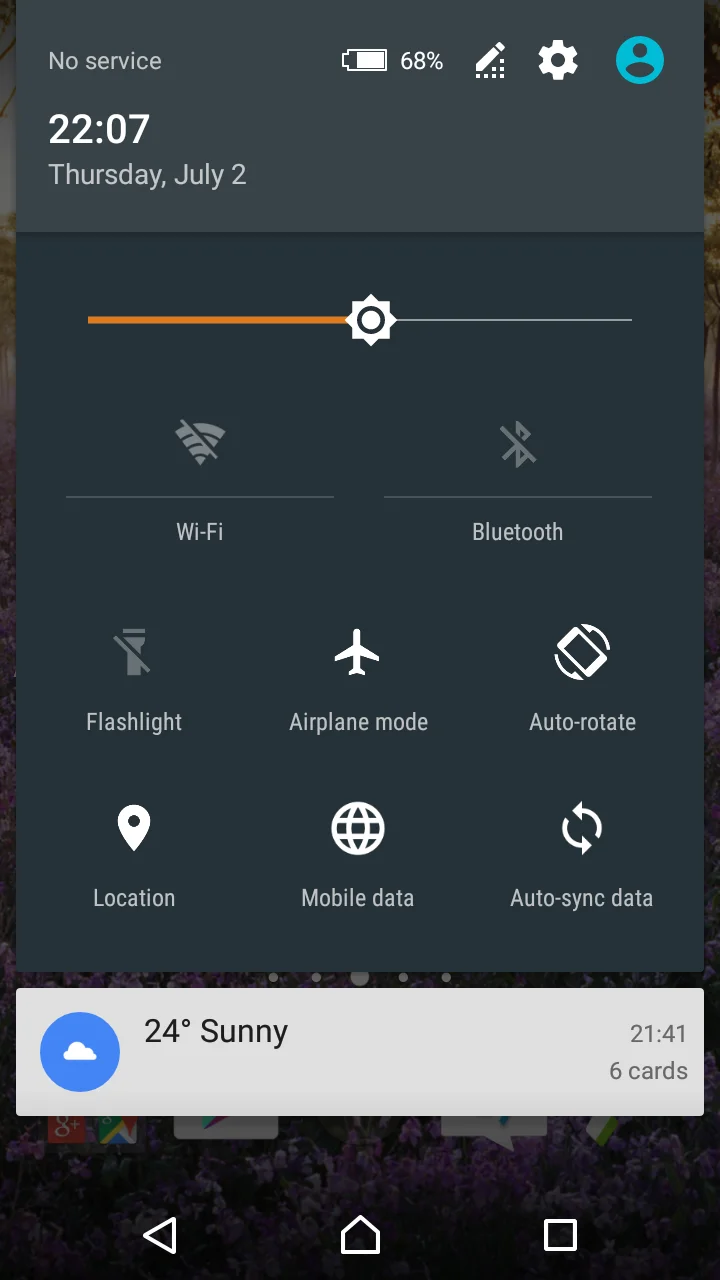
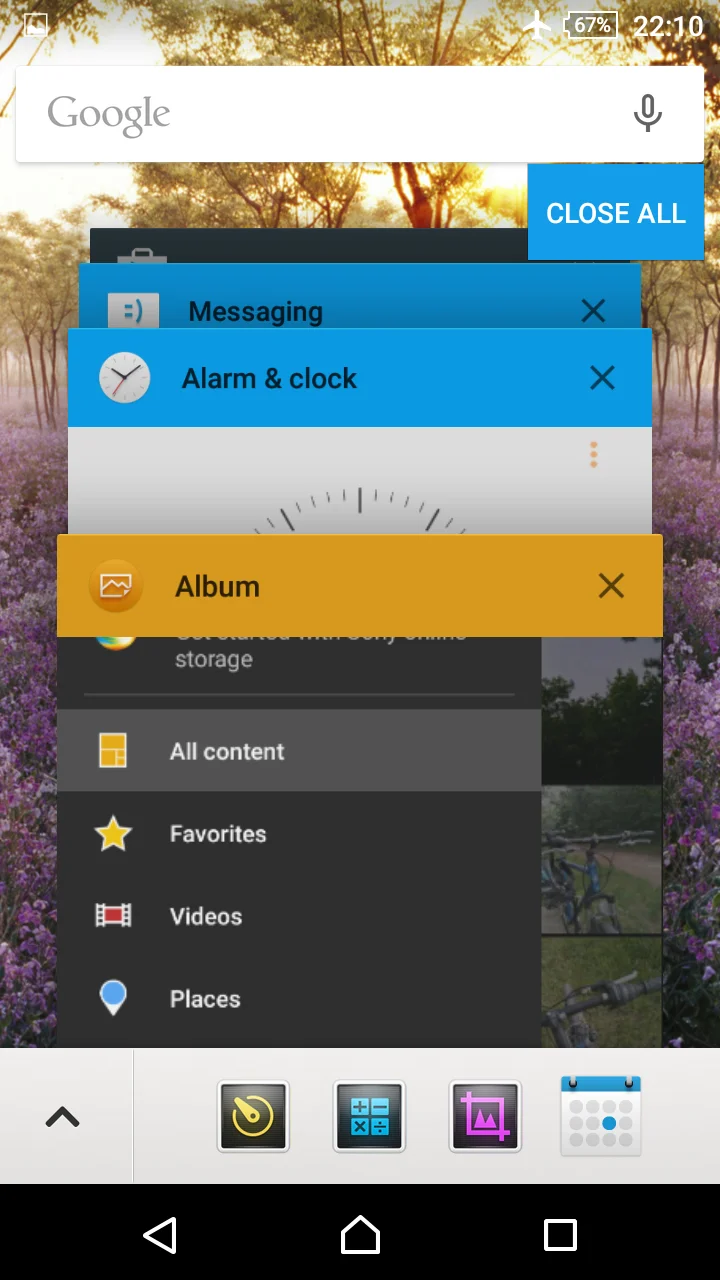
The system look is bright and colorful, and thanks to Sony’s themes, you can swap the default blue accent for another color. In the app switcher, Sony has kept its floating mini-app widgets that can run in small windows. The problem is that they haven’t really evolved in years, and they still carry the old visual style of Android 4.x. On the plus side, there’s a handy button to close all apps at once.
Sony’s old WALKMAN branding is gone from the music player, replaced by the simpler name Music. The feature set, however, is still intact, and it remains a strong app. Alongside basic playback and playlist creation, it supports an equalizer, and you can download additional ID3 tags for songs through Gracenote. Related to that is TrackID, Sony’s song-identification app, which can recognize a track from a 20-second recording and works without issue. The Album app supports syncing with Picasa and Facebook, and it can display your photos neatly on a map or even a globe. Through the app switcher, you can also pin one of the mini-apps to the screen in a small floating window. Movies, meanwhile, handles your film library, including streamed content over DLNA from other devices.
Camera
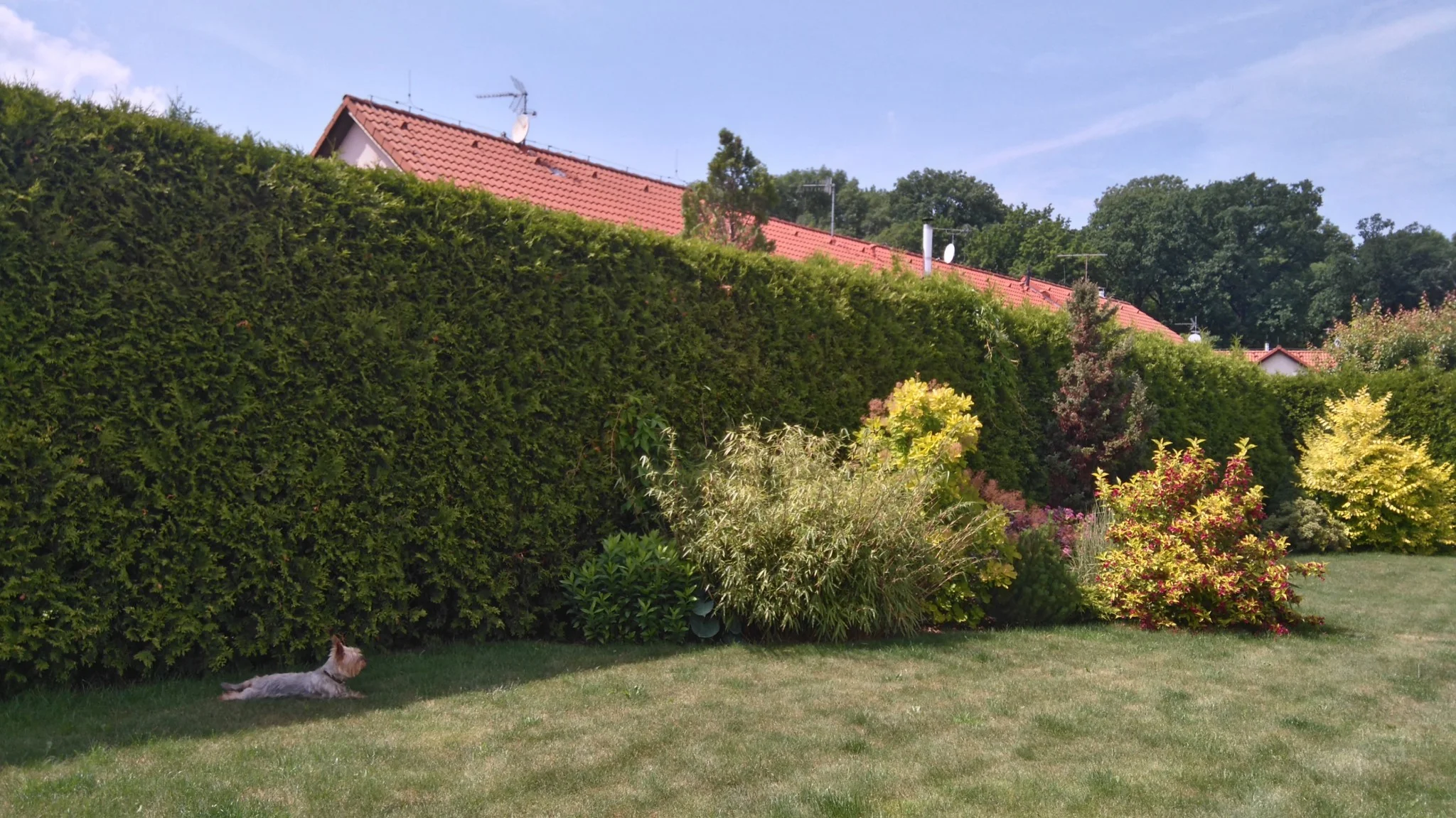
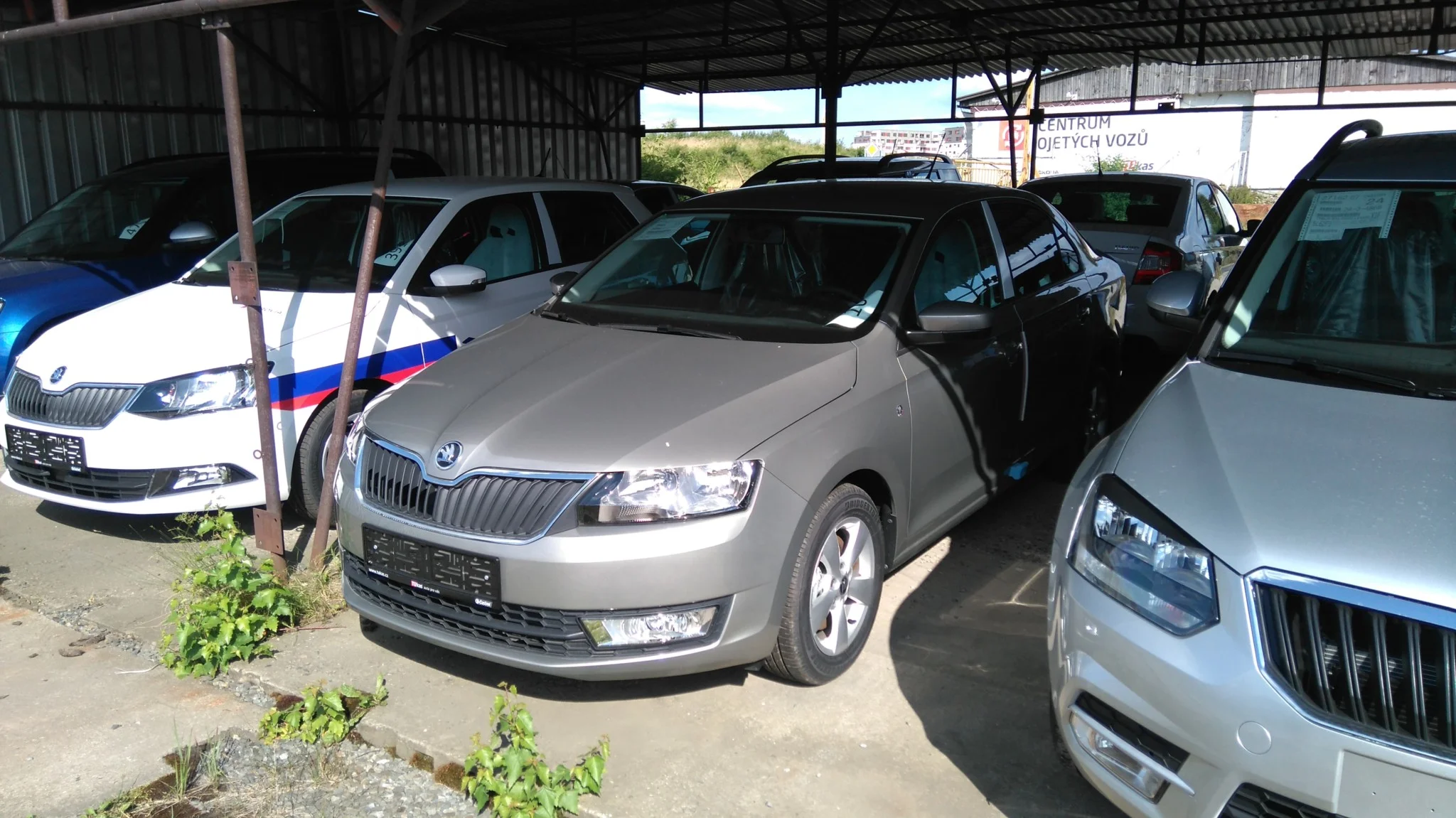
The phone packs a 13MP camera with Sony’s Exmor RS sensor, HDR support, and what Sony calls its Super Auto mode, which can recognize up to 52 scenes. That sounds great on a store shelf. In practice, it’s a different story. In fully automatic Super Auto mode, the phone struggles with white balance and exposure. The result is a set of pretty average photos. Every now and then it surprises you and captures an image that looks good at first glance, sharp enough, with accurate colors, but once you zoom in, fine detail is basically gone.


Manual mode does a somewhat better job, but that’s not much help in moments when you don’t have time to fiddle with camera settings. There’s another issue, too: the phone displays photos differently from how they were actually captured. I’d strongly recommend turning off the Bravia Engine in the display settings, otherwise the real image quality may come as an unpleasant surprise later. Low-light shots, meanwhile, are just bad.


The phone records 1080p video at 30 frames per second. Footage is smooth and free of stutter, but autofocus is a real weak spot. Refocusing takes too long, and in many cases you have to work the phone around for a bit before it locks on at all. Sony’s software-based SteadyShot stabilization is the bright spot here, and it works surprisingly well.
Verdict
In the end, the Xperia M4 doesn’t do much to stand out. It’s a fairly typical midrange phone. What it does offer is an attractive design clearly inspired by Sony’s flagship lineup, which gives it the look of a more premium device.
The problem is that it isn’t one. It comes with a handful of frustrating compromises. The biggest is the tiny amount of internal storage. Right out of the box, you’re left with roughly 3GB of free space, and after installing just a few apps, that fills up fast. Thankfully, there is a microSD card slot, but not every app can be moved over, so you’re still stuck managing storage more than you should. This has been a problem on cheaper Android phones for years, and it’s hard to excuse seeing it again in 2015 on a phone that costs 8,000 CZK (approx. $369 / €329). Other weak points include the average camera and the excessive heat under heavier loads.
On the other hand, the rest of the Xperia M4’s package isn’t bad at all: solid waterproof construction, a good display for its class, and a very well-optimized system. I’d recommend it mostly to less demanding users, the kind who can live with those trade-offs in exchange for the design and water resistance.

Pros
- Water-resistant microUSB port
- Strong display for its class
- Design
Cons
- Runs hot
- Limited internal storage
- Very average camera