Ultrahuman Ring Air Review: Strong Alternative, Rough Edges

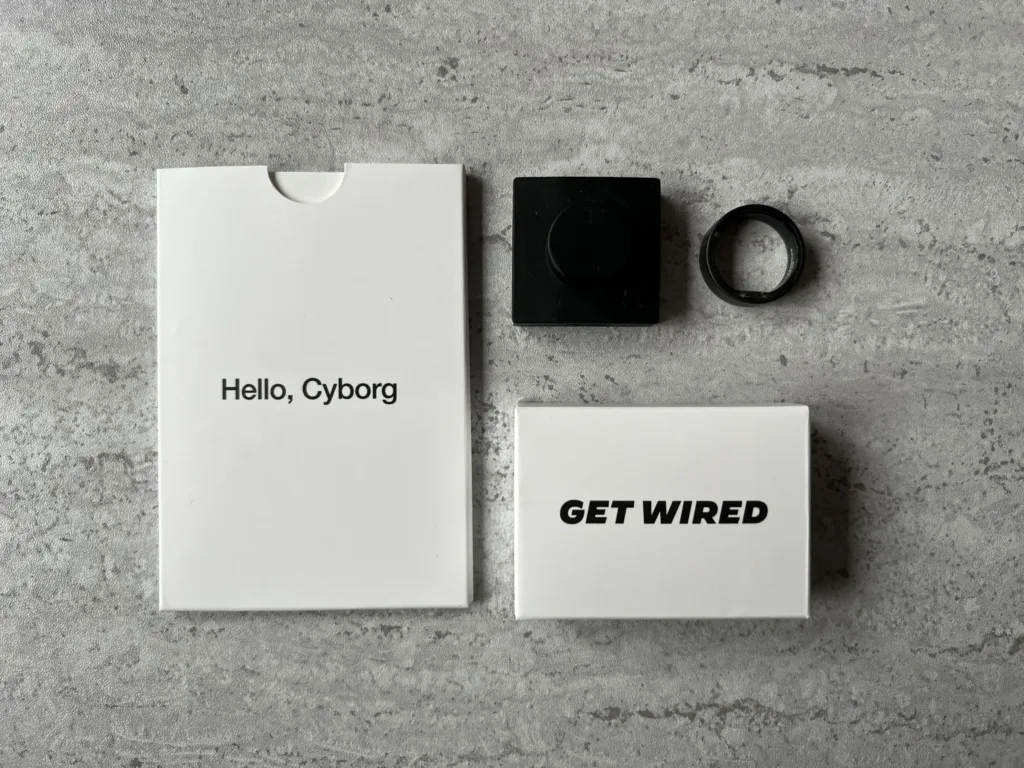
Zdroj: Dotekomanie.cz
You’ve probably heard of the Oura Ring, the smart ring category’s best-known name. It’s now in its third generation and has been on the market since 2015. Lately, though, a wave of new rivals has been trying to challenge the category leader. One of them is Ultrahuman, which introduced its first ring in 2022. The Ultrahuman Ring shares a lot with Oura, but skips the subscription fee, and for plenty of buyers that alone is a serious advantage.
In this review, we’re taking a closer look at what the Ultrahuman Ring is actually like to live with, while comparing it primarily with the Oura Ring. I tested both over the course of several months, though unfortunately not side by side at the same time. Even so, the comparison is still useful.
Ultrahuman Ring AIR (2023)
The Ultrahuman Ring Air isn’t just a ring. It’s a personal health tracker that blends technology and design in a compact form factor. It’s made from titanium and other premium materials that feel durable while still being comfortable on the finger. During the review period, I wasn’t able to put a single scratch on it.
The ring packs a broad set of features for detailed health tracking. It monitors heart rate, blood oxygen levels, sleep quality, and physical activity. Put together, that data gives users a fairly complete view of their overall health.
Quick comparison of the main competitors:
- Oura Ring: The first generation launched in 2015, with the third generation arriving in 2021. It comes from Finland. Pricing starts at 329 euros and goes up to 599 euros, plus a monthly subscription of 5.99 euros.
- Ultrahuman Ring: The first generation launched in 2022, followed by the second-generation Ring AIR in 2023. It comes from India. It costs 349 euros, with import duties and VAT depending on your region. The Ultrahuman Ring looks very close to the Oura Ring. It’s also more comfortable to wear, since it uses one inner contact area instead of three raised sensor bumps. The base version comes in matte titanium, and the app feels very similar to Oura’s. That said, it has only been on the market for two years and still feels like a product in active development.
Other interesting players in the space include RingConn, Circular, and iRising.
What I like about the Ultrahuman Ring
No monthly subscription: Oura introduced a subscription model with its third-generation ring, and that turned a lot of people away. Earlier customers got lifetime access for free, which softened the blow for them. Ultrahuman, by contrast, doesn’t charge a subscription fee to access your ring data.
An incredibly small device packed with sensors: It’s genuinely impressive how much hardware fits into a device that weighs under 3 grams. It’s hard not to admire the engineering here, especially when you consider how thin and light the ring is while still fitting in a battery.
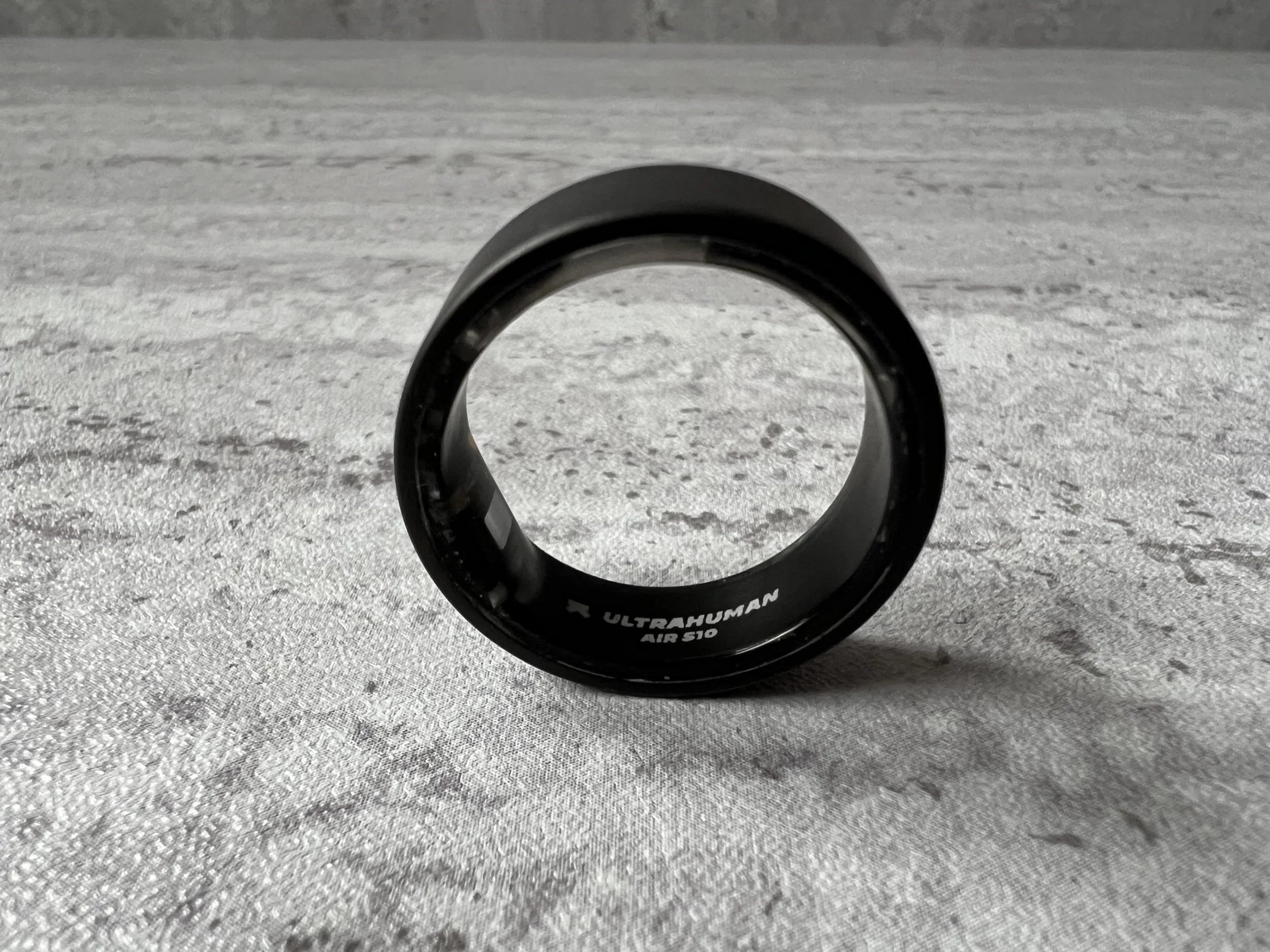
Communication with the company, product team, and support: Ultrahuman seems to have learned from Oura’s weak spots and is actively trying to fix them. It’s a young startup, but its responsiveness, willingness to help, and drive to improve the product are excellent. Compared with my own experience returning an Oura Ring after more than six months of exhausting back-and-forth with support, Ultrahuman is on a different level.
Fast-moving development and frequent updates: Looking at Oura and Ultrahuman side by side, I see two very different approaches. Oura is the market leader, and its ring feels polished and mature. Ultrahuman feels more like an ambitious younger company that keeps adding features, fixing bugs, and tuning the product in real time. That’s not a criticism. If anything, it’s part of the appeal. You can follow Ultrahuman’s updates on its public roadmap here.
Comfortable to wear: Compared with the Oura Ring, Ultrahuman has one clear ergonomic advantage. It doesn’t use three raised sensors on the inside of the ring. Instead, there’s just one contact area, and in daily wear it barely makes its presence known.
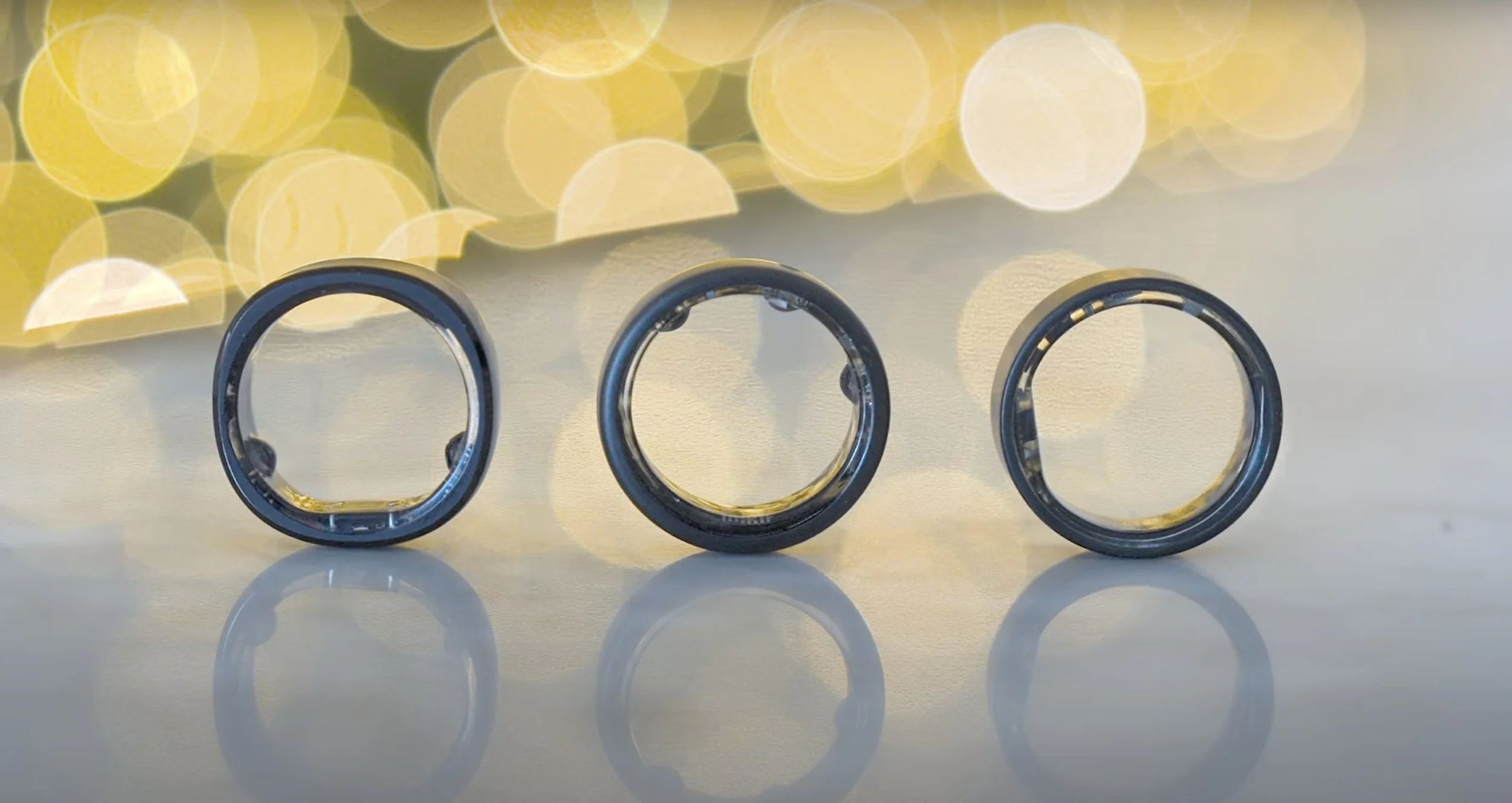
From left: RingConn, Oura Ring, Ultrahuman Ring. Source: Kevin Jubbal
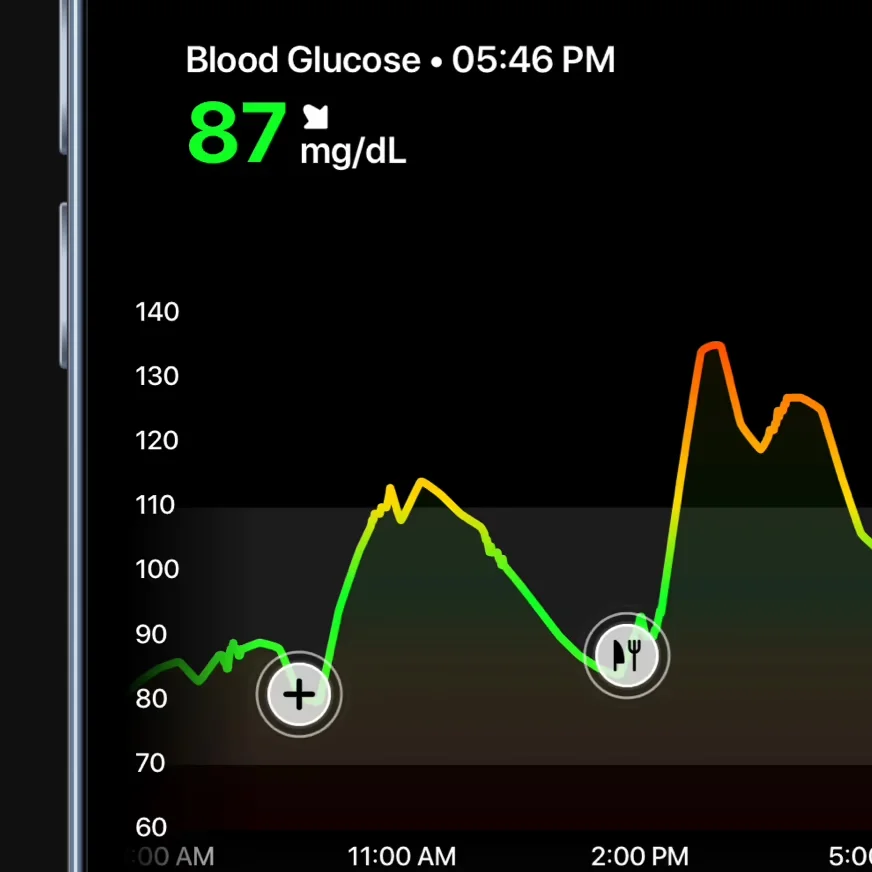
M1 sensor integration for glucose tracking: One area where Ultrahuman stands out is its connection to the M1 sensor, which measures glucose levels in real time. To use it, though, you need to buy the M1 sensor separately.
4 to 6 days of battery life: For such a tiny and lightweight device, that’s a very respectable result, especially compared with modern smartwatches and phones.
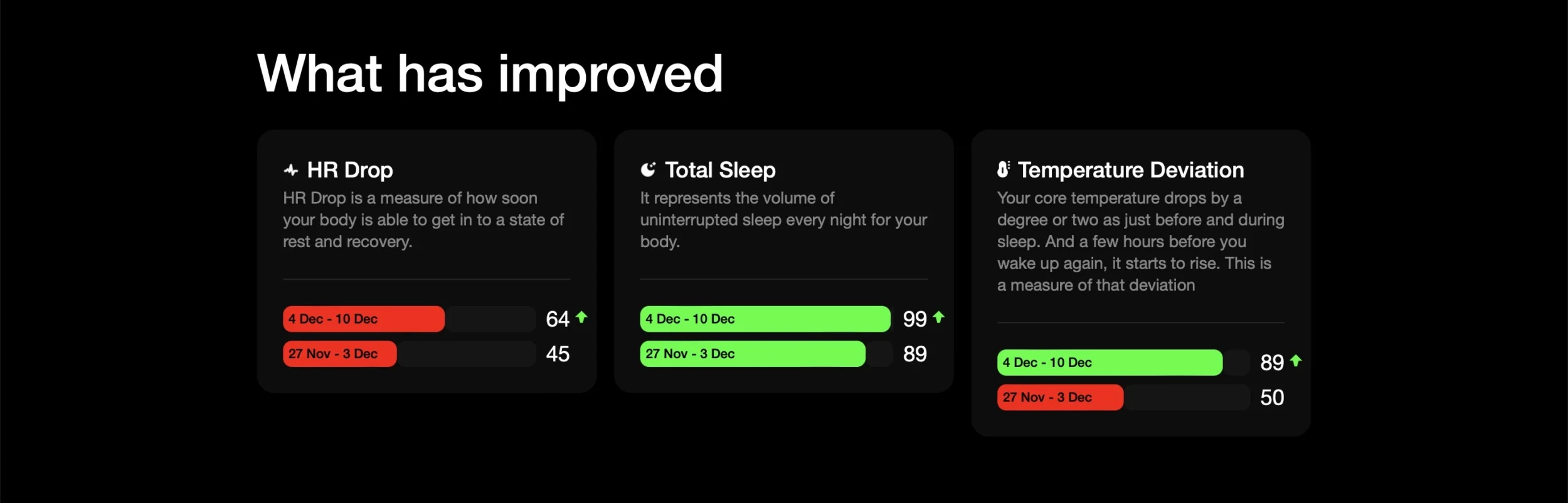
Weekly summary reports: One useful feature is the weekly report, delivered by email or shown in the app. These reports use colorful visualizations to show changes over the previous three weeks and offer recommendations on what to do next to improve your results.
Pricing and availability: You can buy the Ultrahuman Ring either directly from the manufacturer and wait roughly 10 days for delivery from India, including the time needed for the sizing kit and customs clearance, or through local retail channels where available. Here’s how the pricing in the original comparison breaks down:
- Retail purchase: 9,490 CZK (approx. $438 / €391) + sizing kit 249 CZK (approx. $12 / €10) + shipping twice = around 10,000 CZK (approx. $462 / €412).
- Direct from Ultrahuman: 349 euros, minus a 35 euro discount, plus a free sizing kit, plus VAT and customs of $25 to $58, roughly 568 to 1,318 CZK (approx. $26 / €23 to $61 / €54). Final price comes to about 9,017 CZK (approx. $417 / €371).
The bottom line: buying direct from Ultrahuman is cheaper, but delivery takes longer. Buying through a local retailer may cost more, but it can come with easier returns and stronger warranty coverage.

What I’d Like to See Changed
No way to turn off Bluetooth overnight: One of the biggest drawbacks here is the lack of an option to disable Bluetooth at night. I don’t need data syncing while I’m asleep, and I generally prefer airplane mode for anything I’m wearing on my body overnight. Ultrahuman’s team responded positively to this request and said it was planned for an update at the start of 2024.
No published validation studies for measurement accuracy: Oura has been on the market for years, and based on available testing and studies, it’s one of the most accurate sleep-tracking gadgets aimed at mainstream users. Ultrahuman Ring still lacks that kind of published validation, so I’d like to see at least some studies covering HR and HRV accuracy.
It doesn’t count steps while pushing a stroller: That’s somewhat understandable, but it’s still a real downside. If you’re holding a stroller handle, the ring doesn’t register the movement or count any steps. Some users report the same issue with Apple Watch, but in my case the watch tracked stroller walks without a problem.
Charging takes 1.5 to 2 hours: Whether something feels fast or slow always depends on what you compare it to. For a smartphone, 1.5 hours is pretty normal. But a small Oura ring can recharge in about 20 to 80 minutes. If you only wear the ring at night, this probably won’t bother you much.
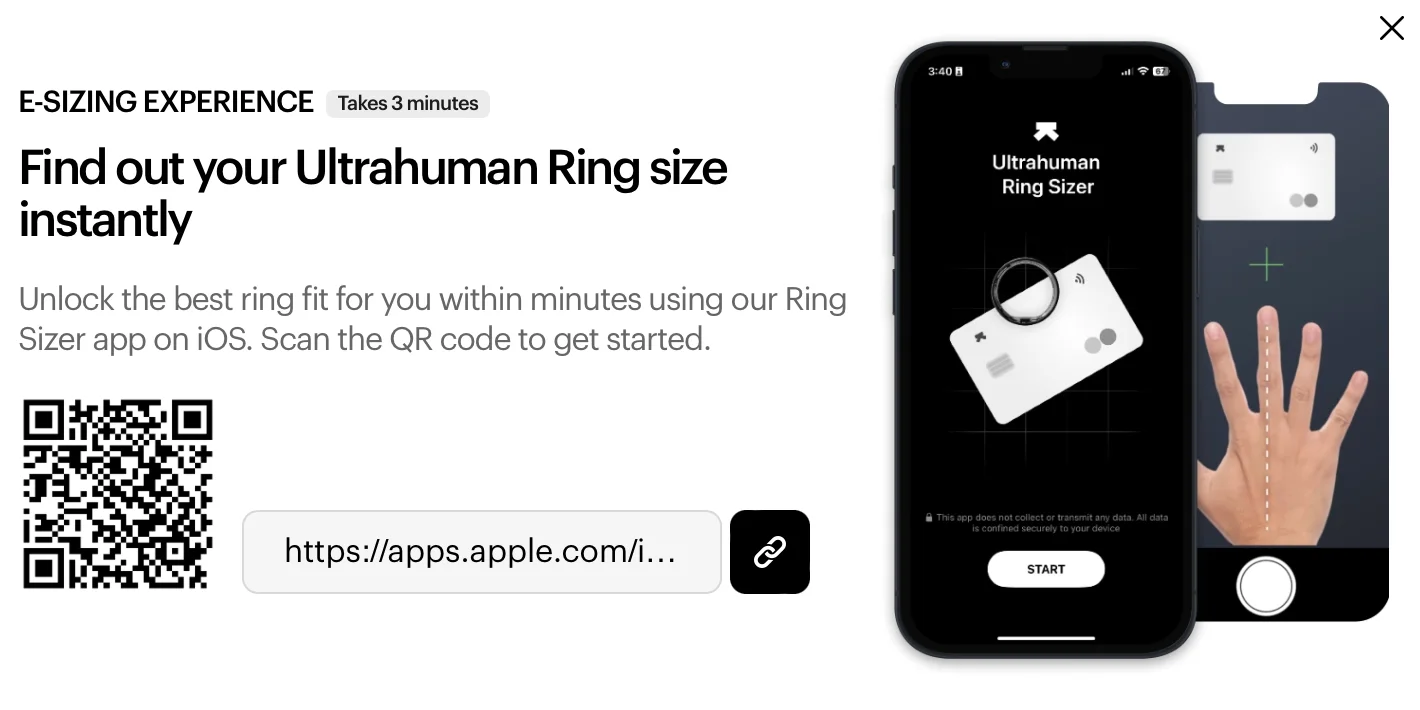
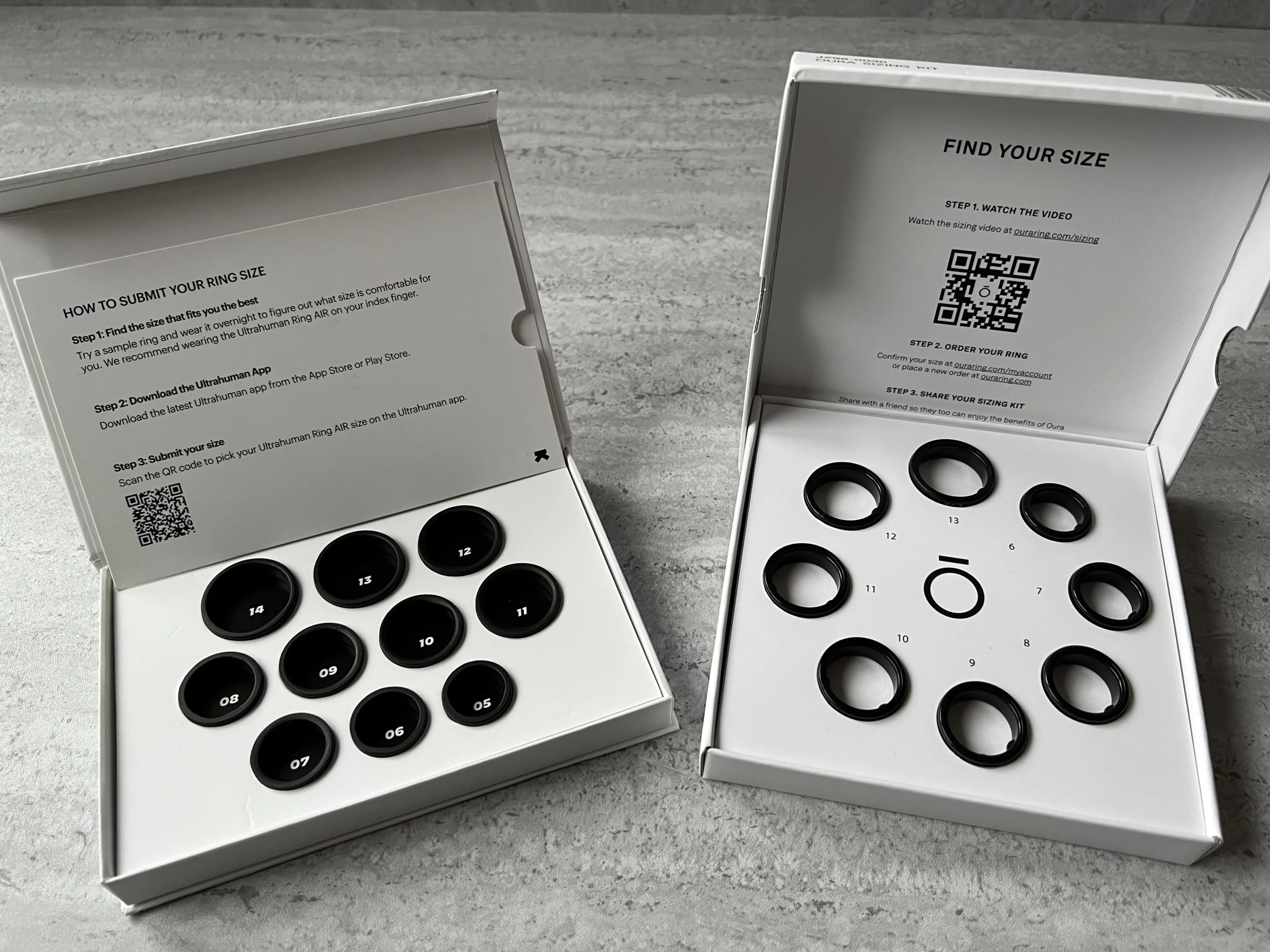
Sizing kit through the mobile app: I like the idea of cutting down on shipping. Sending a sizing box from India and then shipping the ring separately is a lot. That’s why Ultrahuman introduced a mobile app tool that estimates your size from a photo of your finger. Great idea, but in my case it gave me a different result almost every time. Even when I later tested with the physical sizing kit, I immediately picked size 9, which felt perfect, while size 10 was too loose. Then, after one night, it turned out size 10 really was the right fit. P.S. most people wear Oura one size larger. So if you wear an Oura size 11 and want the Ultrahuman Ring, size 10 will probably fit.
Charging indicator on the dock: The indicator light on the charging dock feels a bit annoying and unnecessary. When the ring isn’t there, it lights up. When the ring is charging, it lights up. When the ring is fully charged, it still lights up. I don’t see much value in that. If I remember correctly, the Oura charger turned off once the ring was fully charged and stayed off when the ring wasn’t on it.
Confusing reconnect behavior after updates: What’s even more irritating is how messy the process gets after a ring update. I place it on the charger, an update prompt appears, I start the update, the ring installs it and disconnects. After that, it won’t reconnect unless I remove it from the charger and place it back again. The problem is obvious: when is the update actually finished, and when is it safe to take the ring off without interrupting the process?
Should You Buy One? And Which One?
I ended up asking myself that exact question, so here’s my answer.
- YES if: you enjoy tracking analytics, progress, and body metrics. You’re into self-optimization and biohacking. You like experimenting with supplements such as magnesium, different teas, or meditation, and you want to see how those habits affect your health beyond just how you feel.
- NO if: you already know what supports good sleep. Maybe you’ve read books like Why We Sleep or The Circadian Code, and you already follow the basics. That usually means you wake up naturally and feel rested. It’s also probably not for you if you don’t care about stats, don’t want to wear anything to bed, or don’t want to spend around 10,000+ CZK (approx. $462 / €412).
So Which Ring?
For me, Oura is still a step ahead, which makes sense after nearly a decade in the market. The difference shows up in the polish of the app and in how well it interprets data from the ring’s sensors. Still, if you want to back a company moving fast, shipping frequent updates, and potentially rolling out new features more quickly, Ultrahuman Ring is worth a look.
If you have any questions or reactions, feel free to drop them in the comments below.