Xiaomi Mi Note Pro Review: Premium Build, Familiar Tradeoffs
Xiaomi is one of the fastest-growing companies in consumer tech right now. Around the middle of April, my colleague reviewed the Mi Note, and it clearly left an impression. So I didn’t hesitate to pick up its newer sibling, the Mi Note Pro. And before we go any further, I have to admit: I get the hype.
The black box, marked only with the company logo, includes the usual accessories: a power adapter, USB cable, manuals, the phone itself, and a SIM eject tool. It all looks clean and polished right out of the box, and the phone even more so.
Design
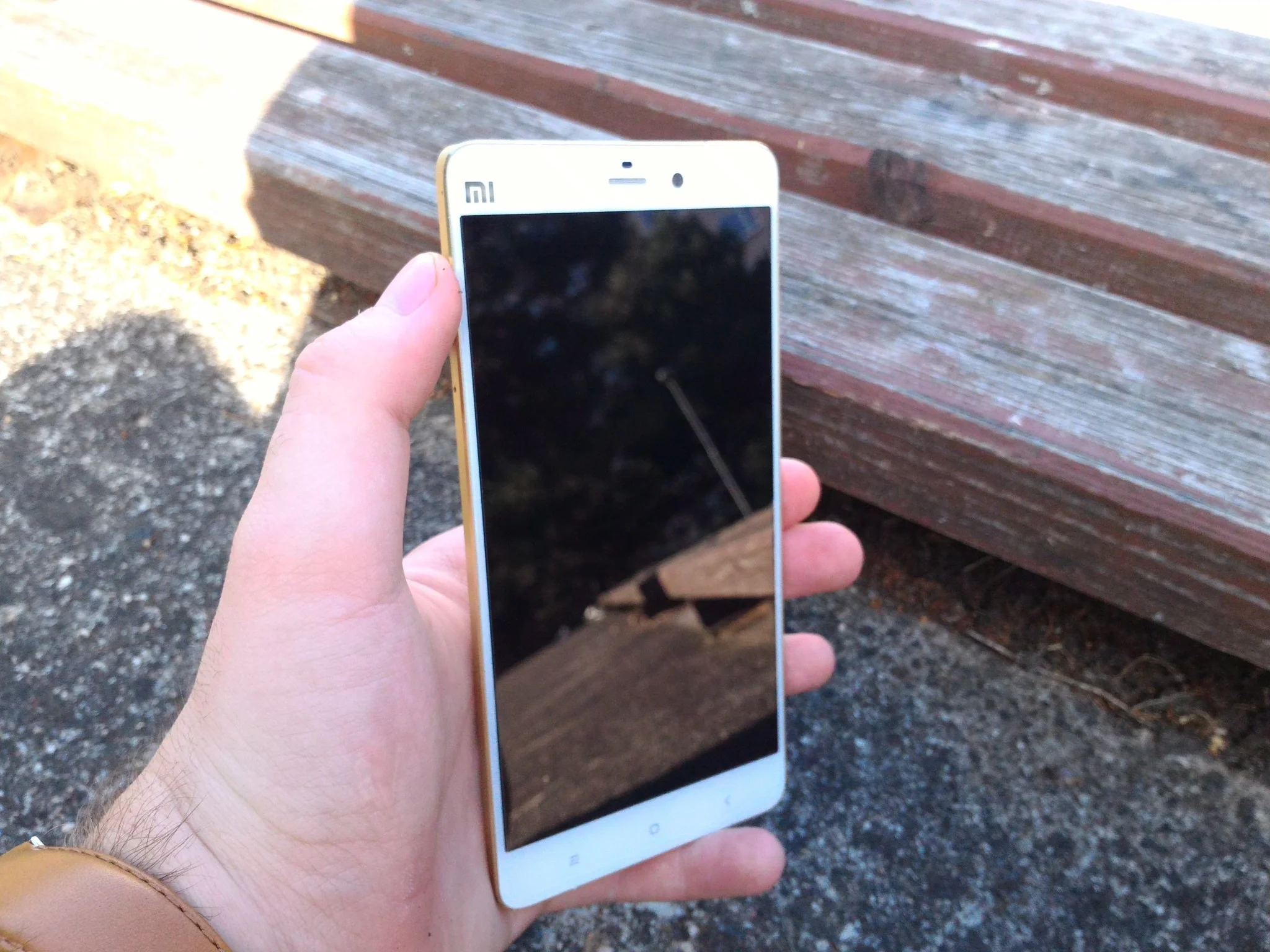
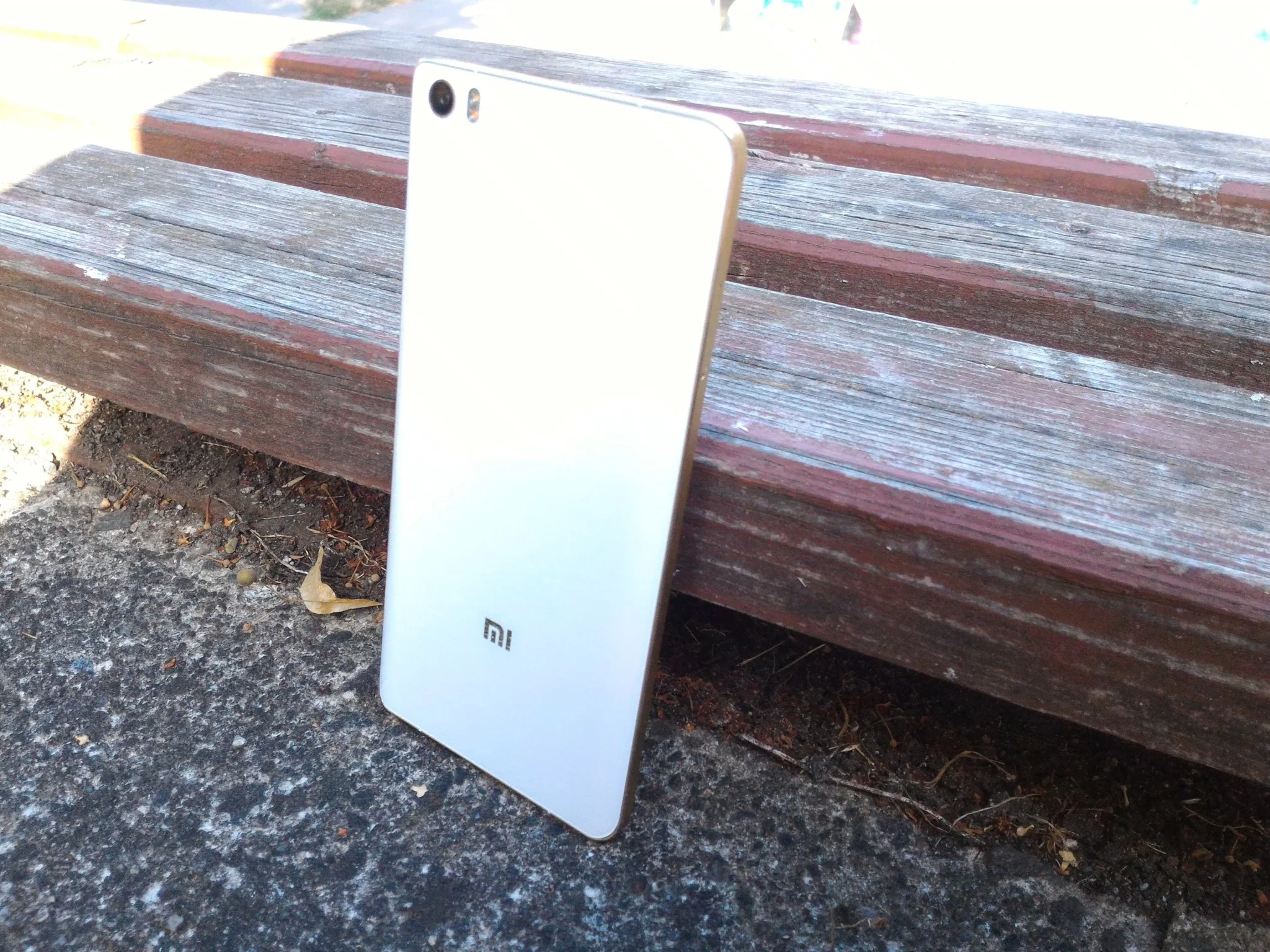
The design is almost unchanged, but it’s still worth describing in plain terms. The first thing you notice is how naturally the phone sits in your hand. The glass back curves over the rounded edges and flows into the metal frame. Up front, there’s the large display, front-facing camera, earpiece, sensors, a tiny logo, and capacitive navigation buttons along the bottom.
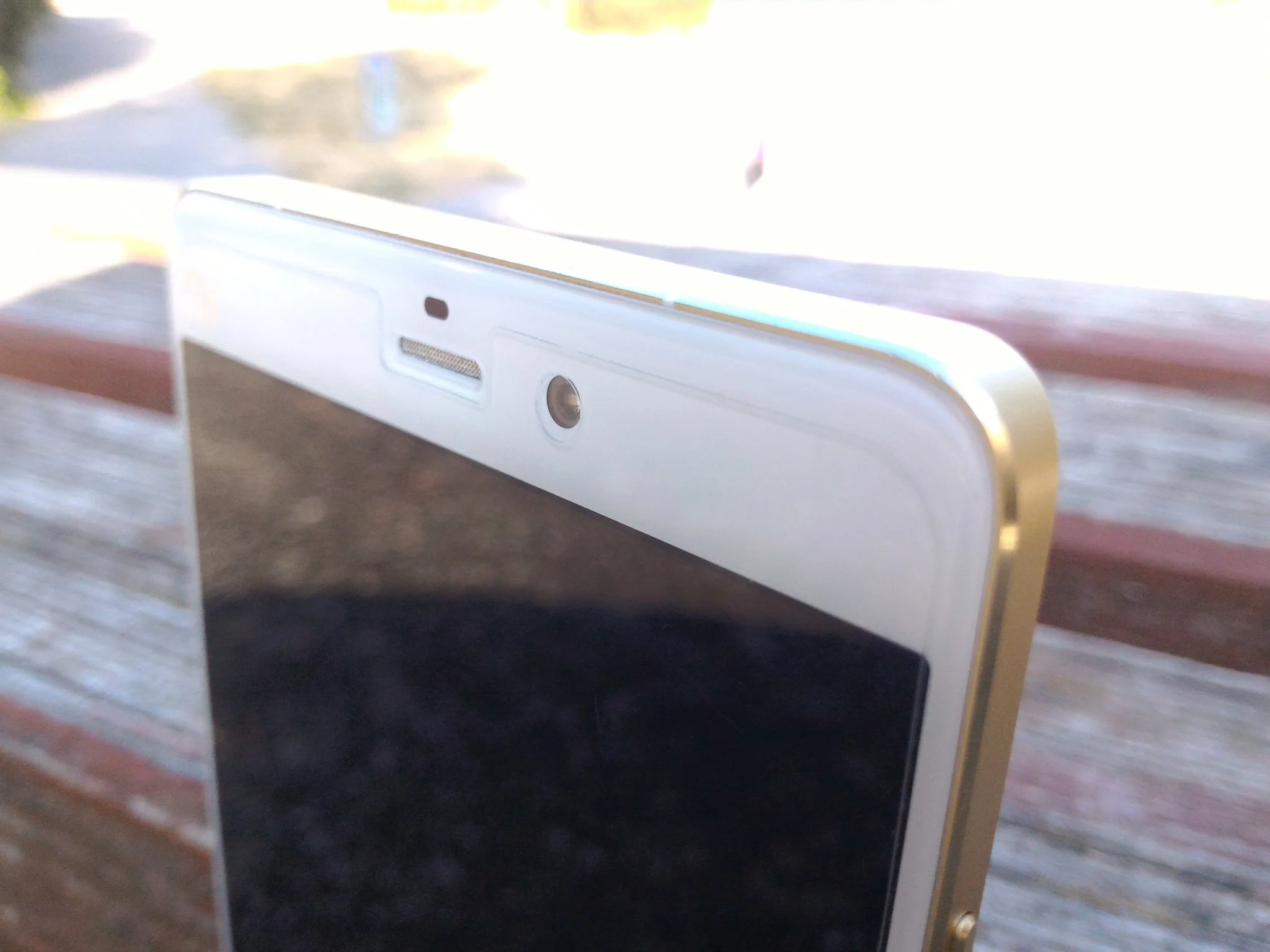
The level of finish here makes it clear Xiaomi isn’t just chasing specs. The company knows how to build a phone that feels distinctive, well-made, and genuinely attractive. Even a few months after launch, the Mi Note Pro still doesn’t look outclassed.
Build quality
The construction also remains largely the same, and that’s mostly a good thing. Xiaomi appears to have addressed the smaller complaints users had with the earlier model, but without changing the core hardware design. The metal frame houses all the necessary buttons and ports.
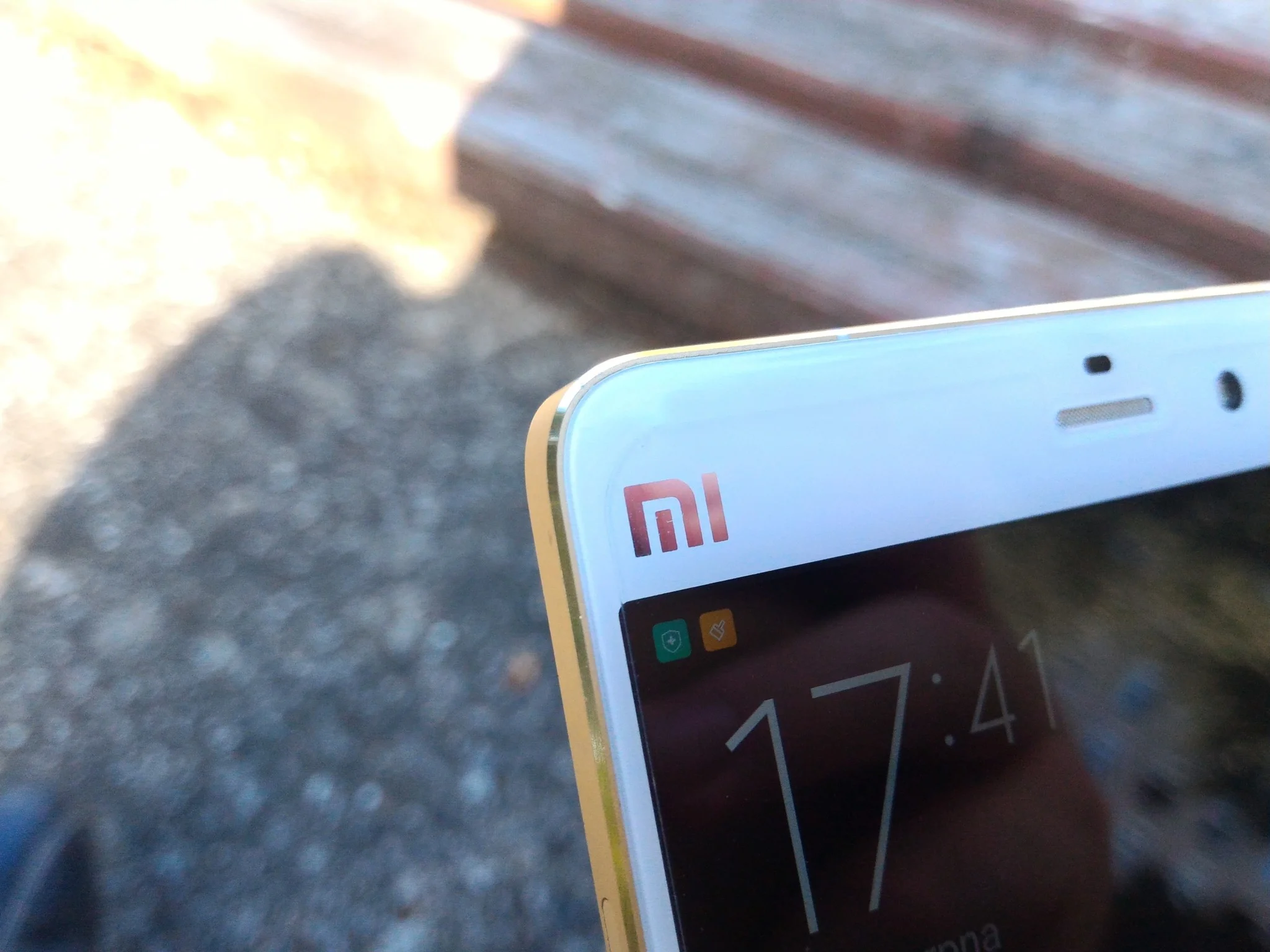
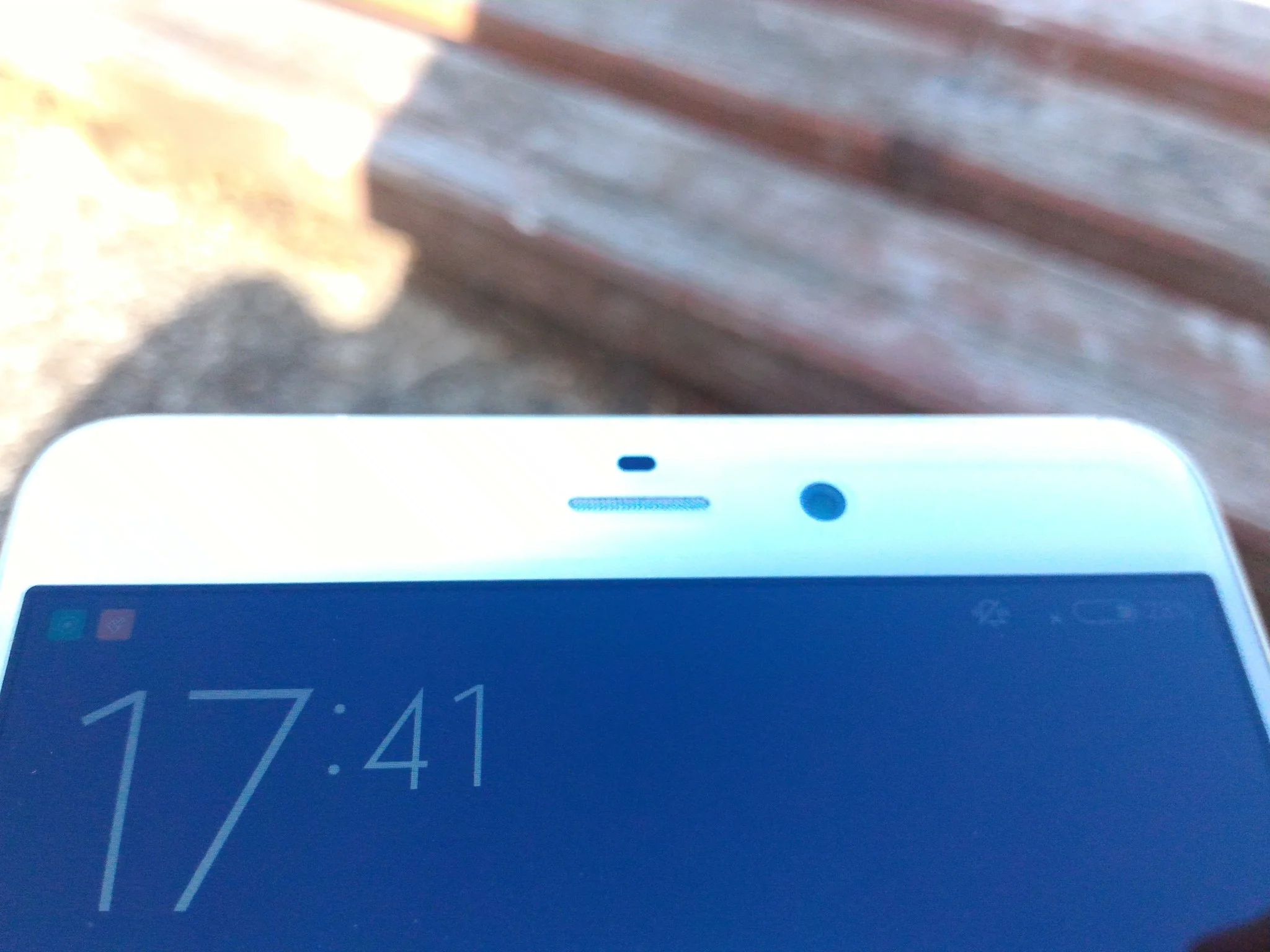
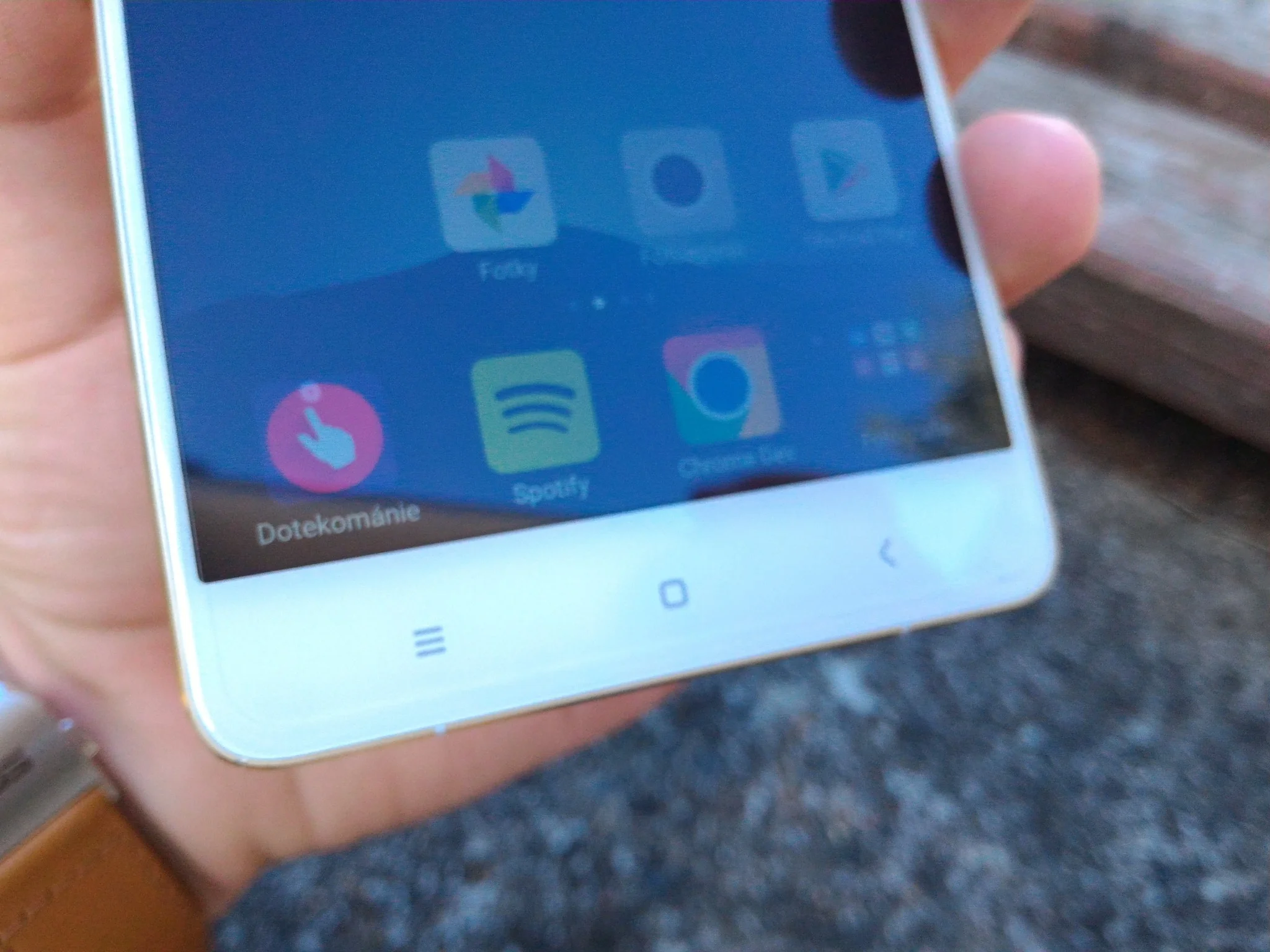
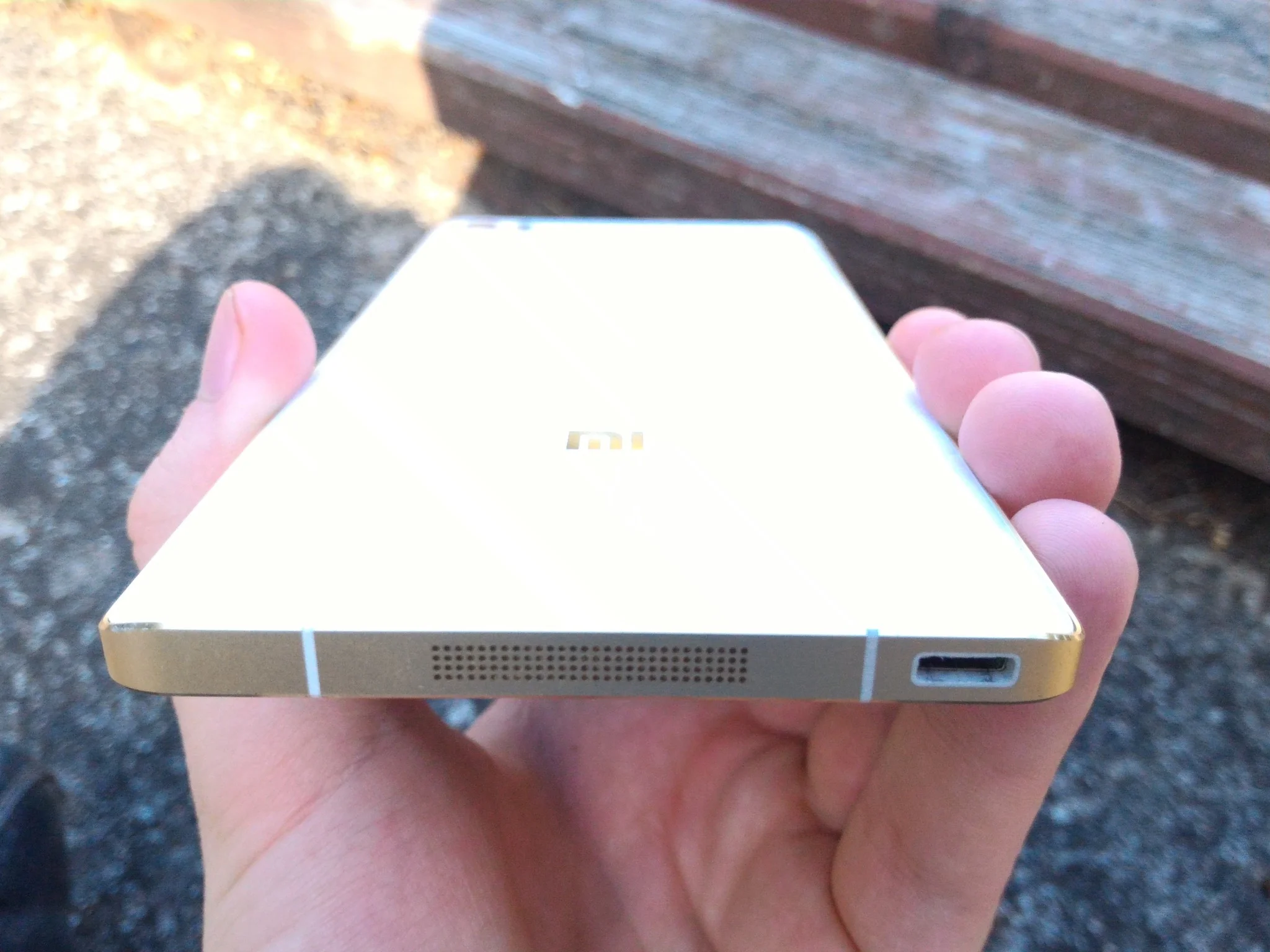
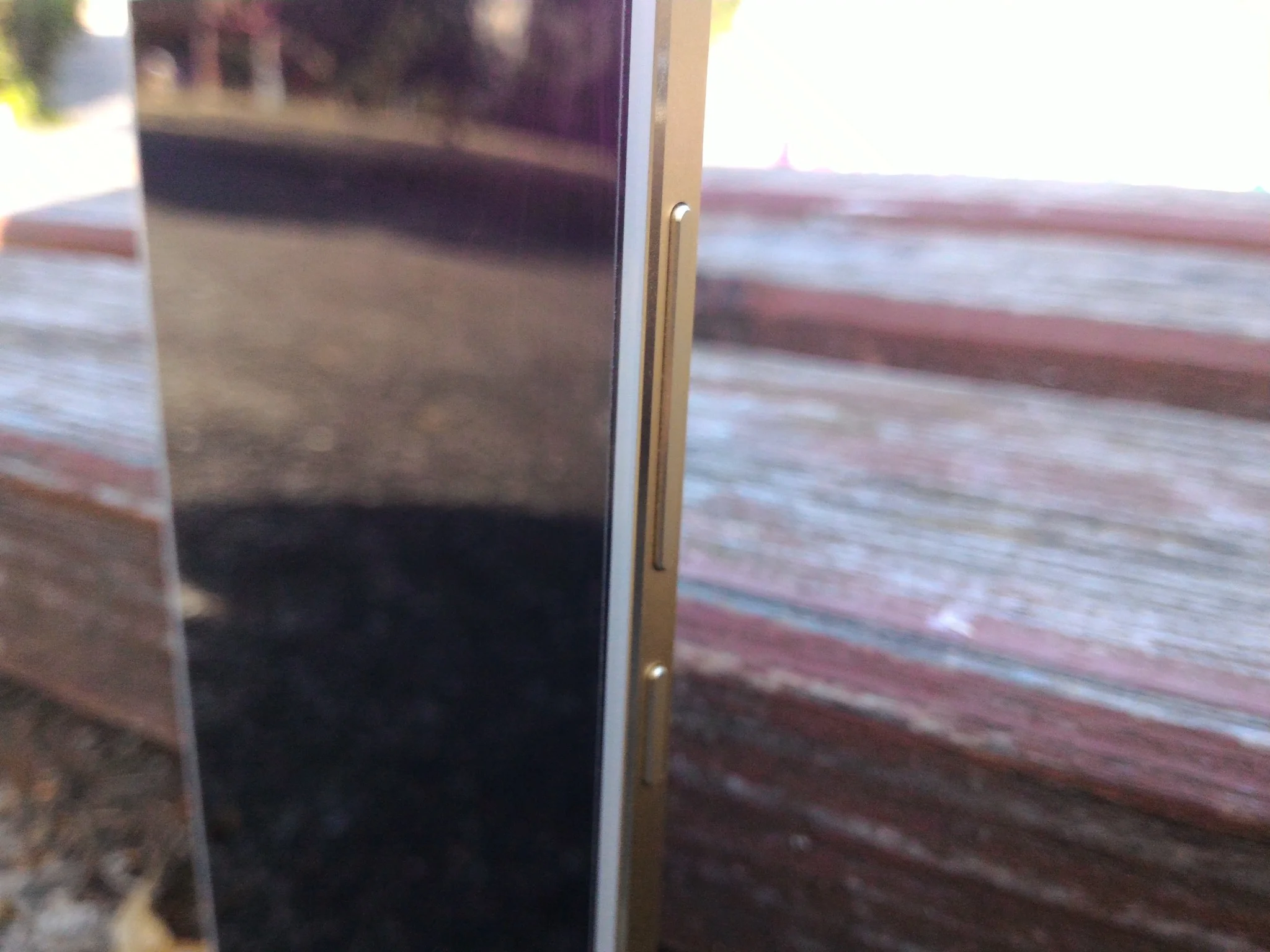
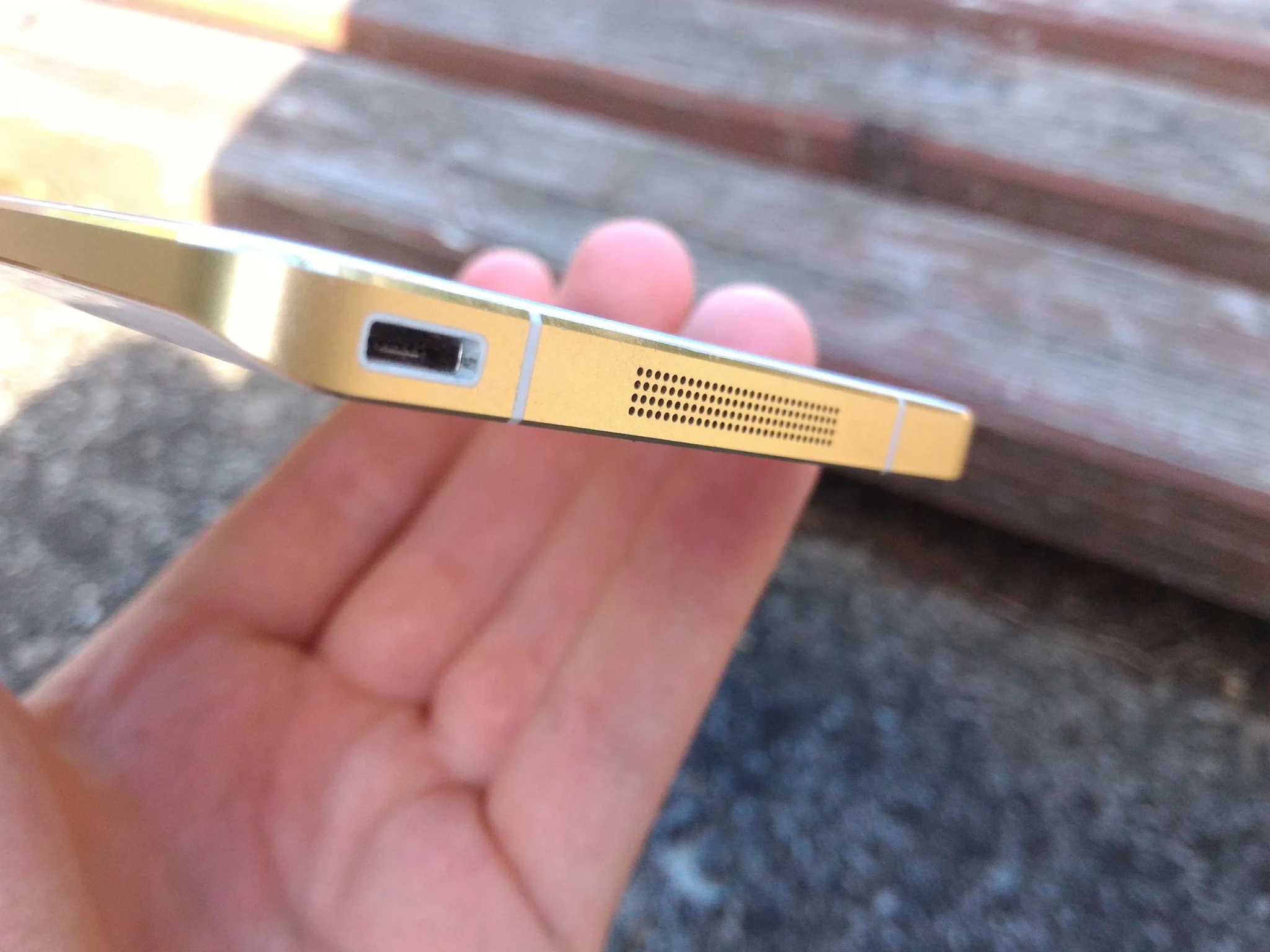
On the right side, you’ll find the power button, separated from the volume rocker sitting just above it. On the opposite side is the dual-SIM tray for micro-SIM and nano-SIM cards. Along the bottom is an elongated speaker grille, with a microphone tucked into the right side and a USB port on the far left. Up top, there’s another microphone and a 3.5mm headphone jack.
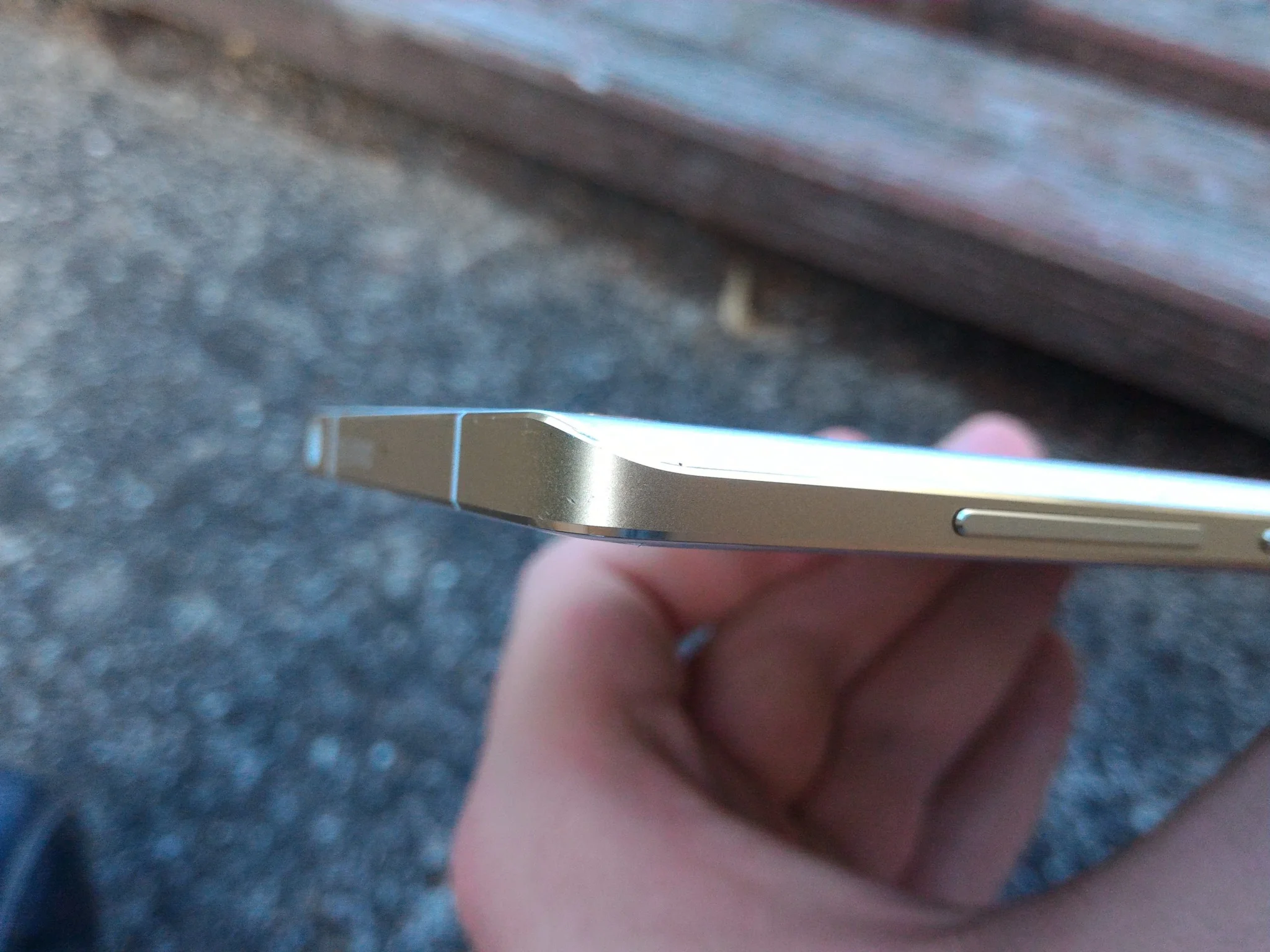
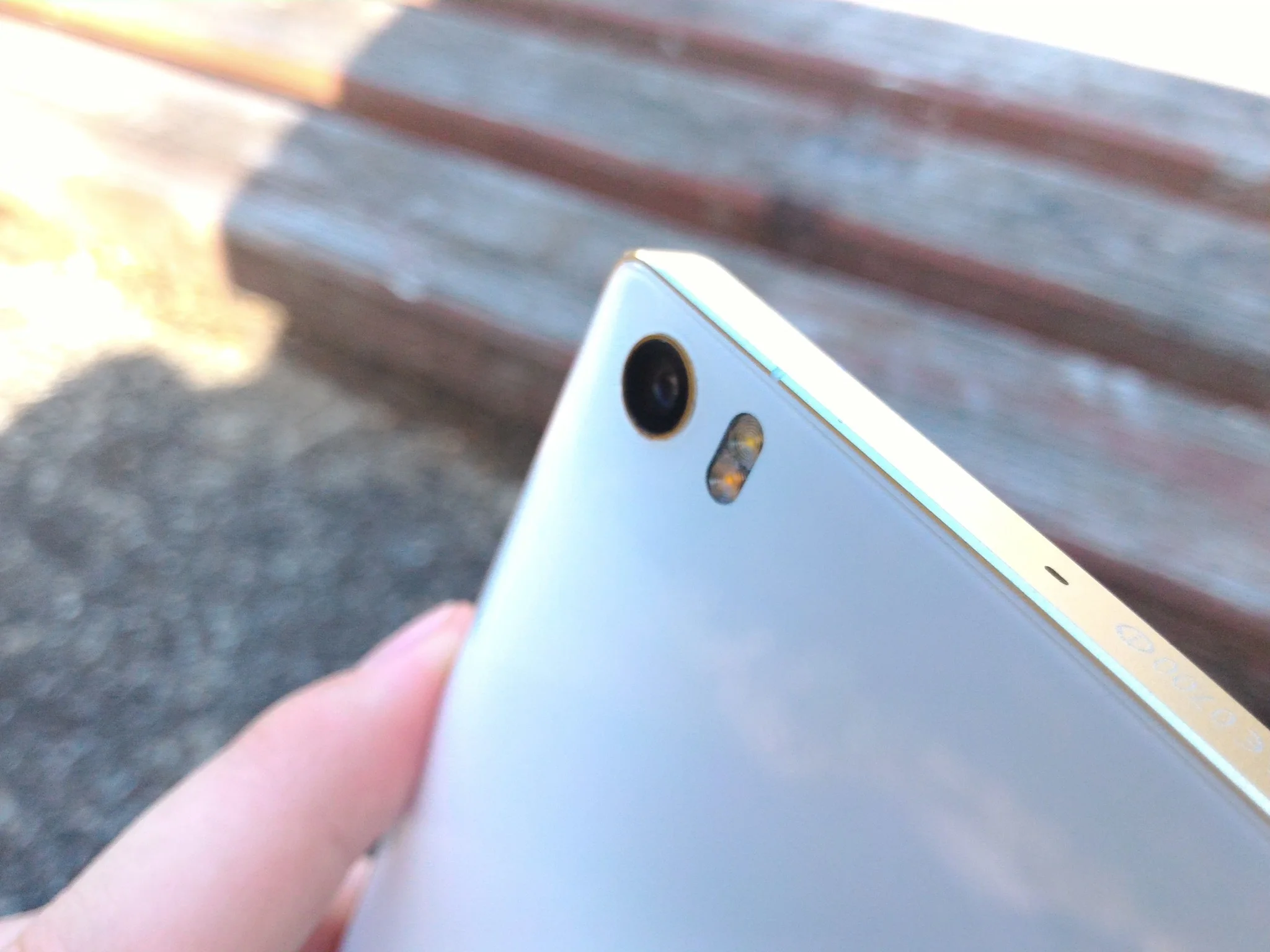
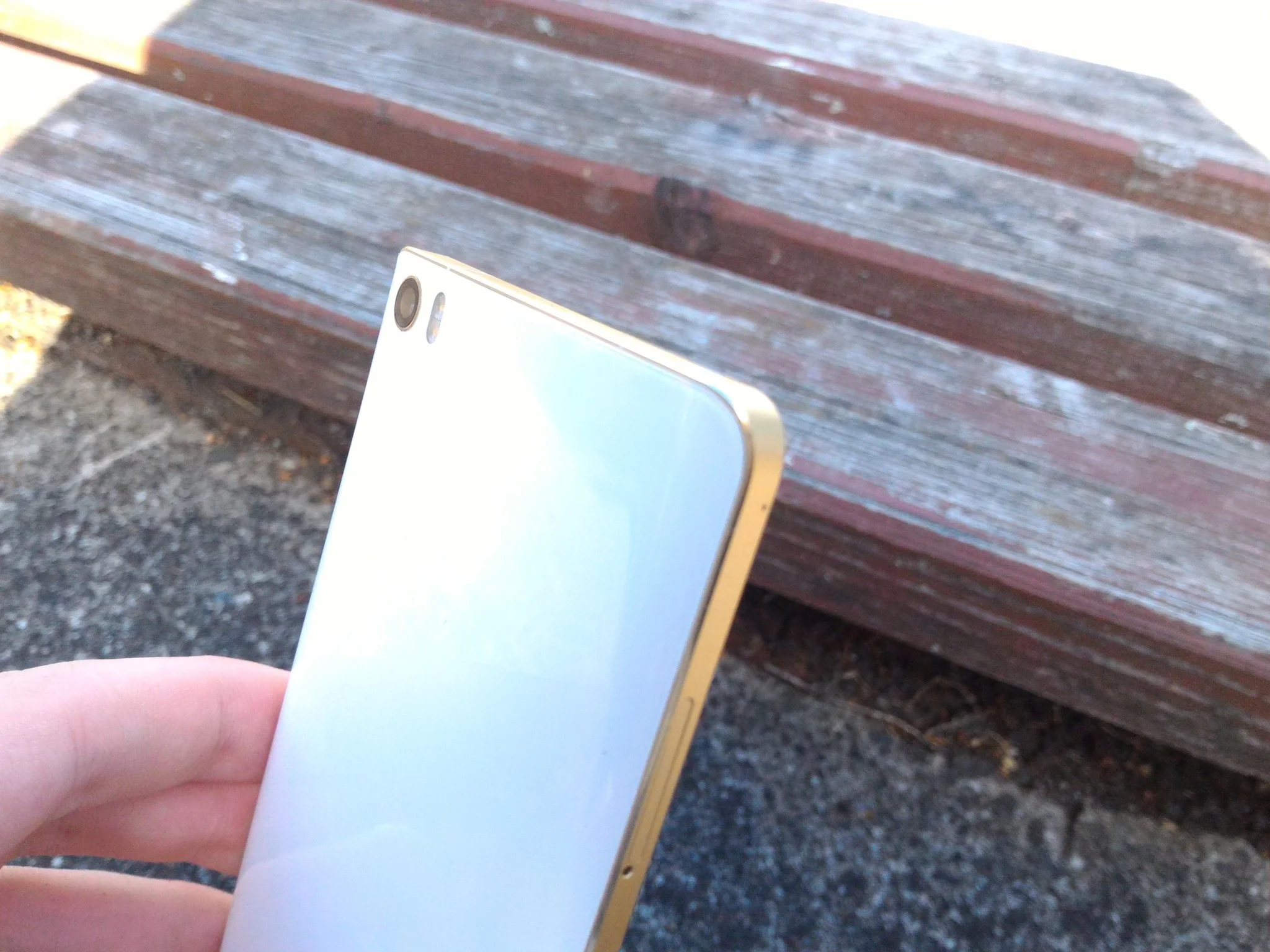
On the back, there’s a 13MP camera paired with a dual-LED flash. The Xiaomi logo sits in the center, and that’s about it. There’s little to criticize here. Everything is tightly assembled, nothing creaks, the phone doesn’t flex under normal use, and the slim profile makes the Mi Note Pro especially comfortable to hold.
Hardware
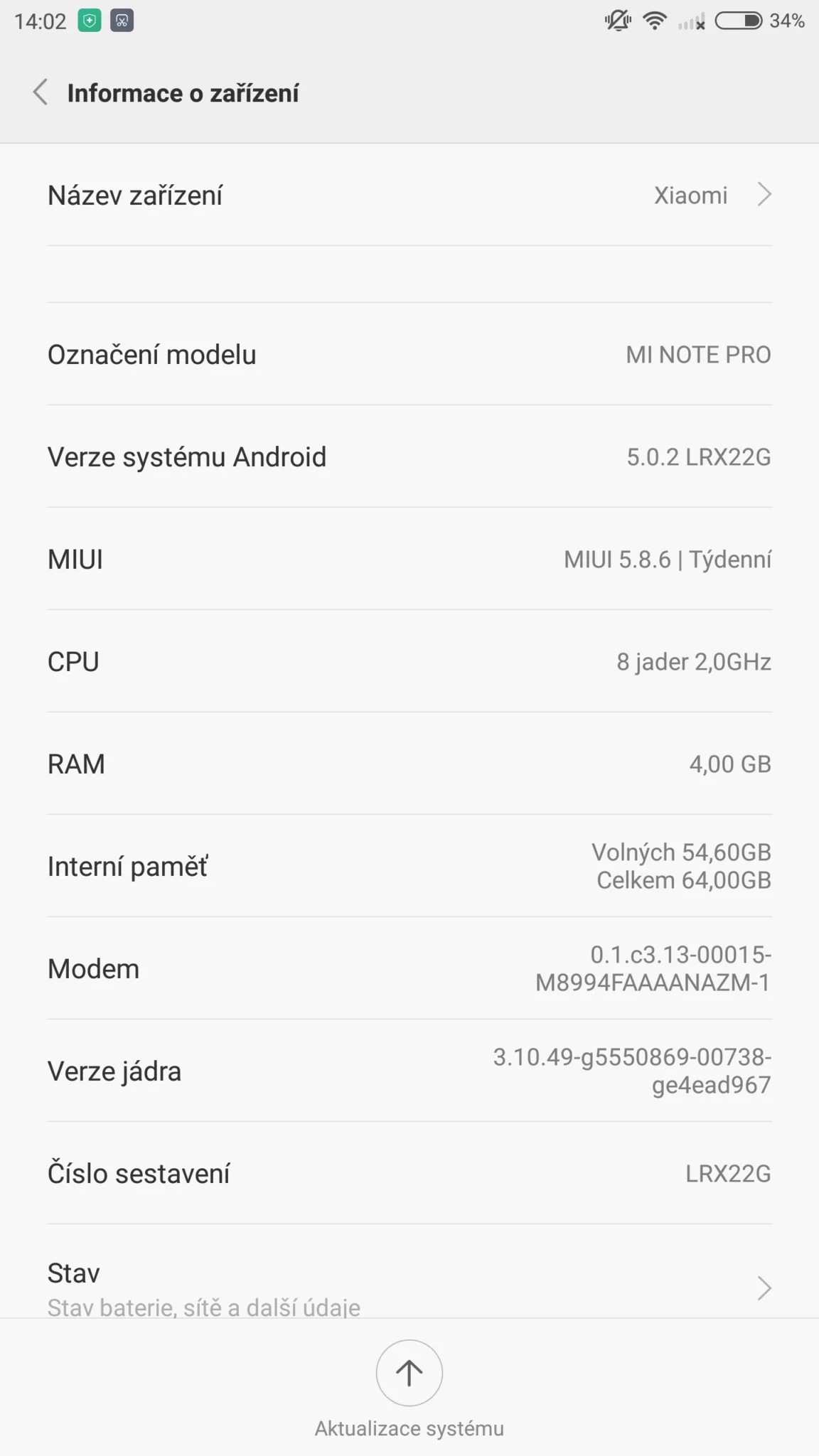
Now we get to the part where Xiaomi made its biggest changes. There are several updates, but two matter most. First is the processor: the Mi Note Pro uses Qualcomm’s Snapdragon 810 clocked at up to 2 GHz. The regular Mi Note shipped with the older Snapdragon 801.
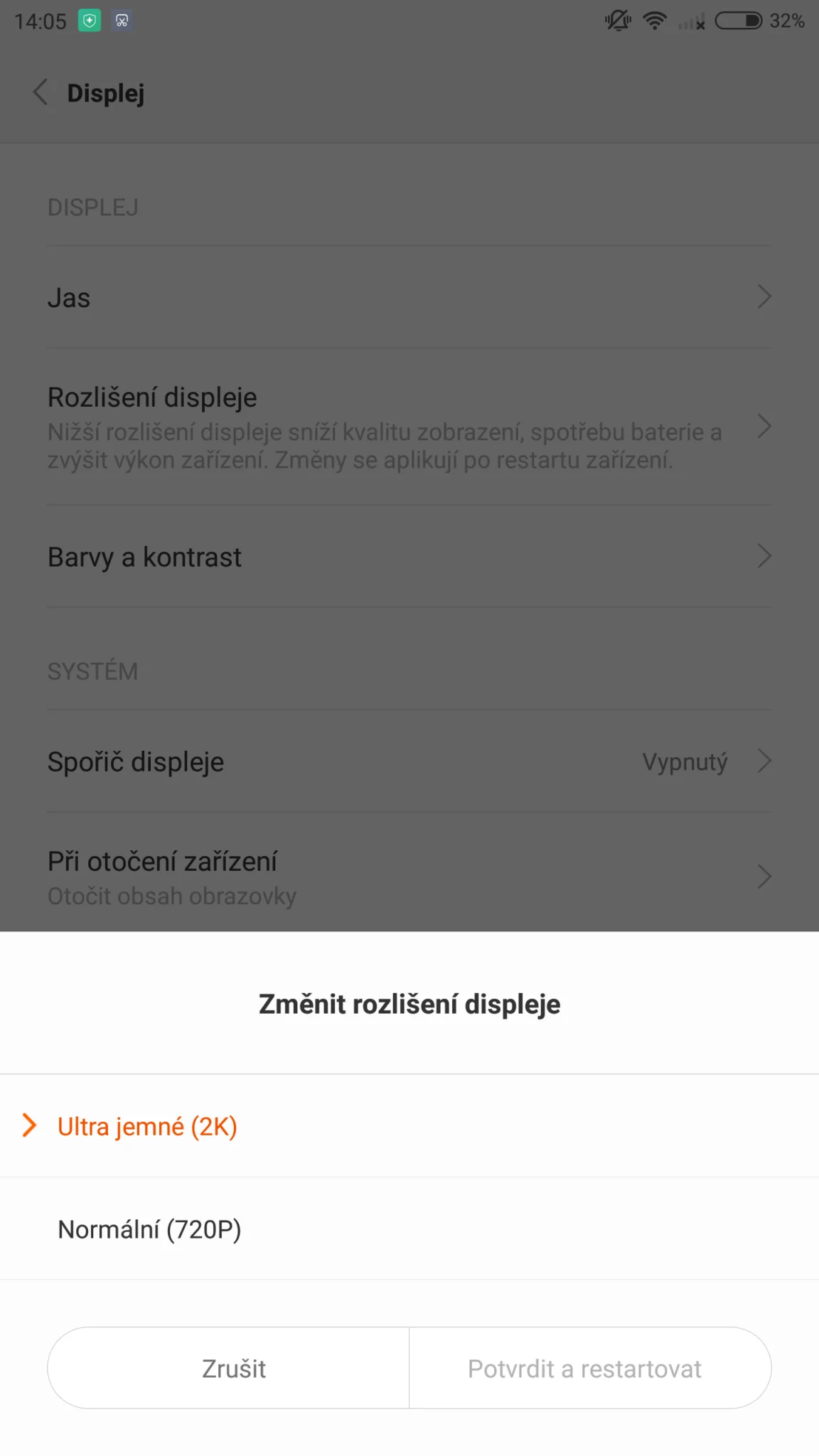
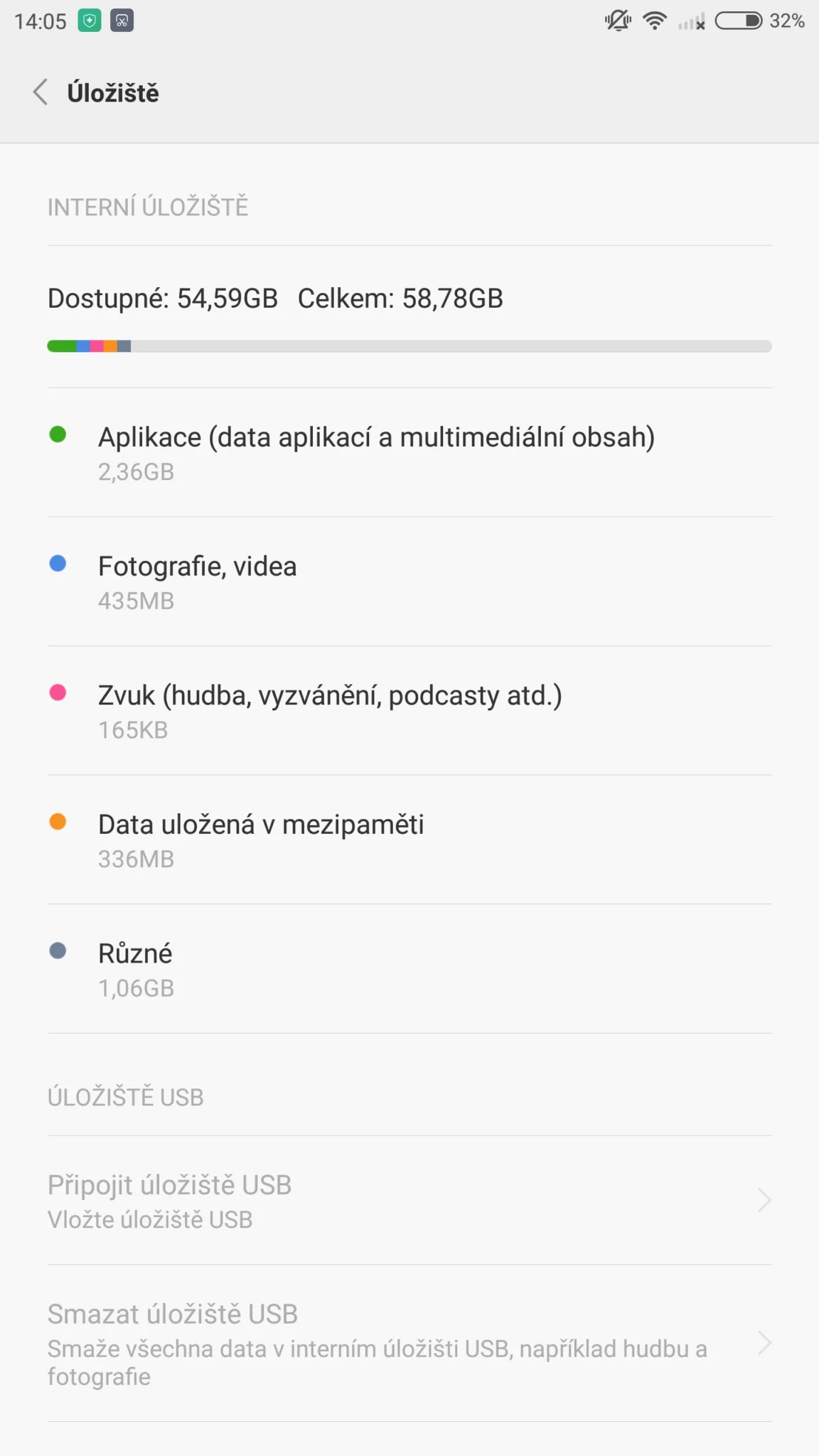
The other major upgrade is memory. Users now get 4GB of RAM. As for storage, there’s no longer a choice between 16GB and 64GB versions; only the 64GB model remains. The display size is unchanged, but the resolution jumps to QHD, or 1440 x 2560 pixels, up from Full HD. That pushes pixel density from roughly 386 PPI to around 515 PPI.
If you know the Snapdragon 810’s reputation, you can probably guess the obvious concern. Thankfully, it doesn’t become a real problem here. Despite the chip’s history, the processor doesn’t overheat in any serious way. Of the four Snapdragon 810 devices I’ve had a chance to test, the Xiaomi Mi Note Pro is one of the few that doesn’t suffer from major thermal issues or the usual side effects that come with them.
That said, the phone isn’t without compromises. It supports LTE, but only on 1800 MHz and 2600 MHz, just like the earlier model. Xiaomi also skipped NFC entirely, so you won’t find it on the Mi Note Pro.
Specifications
- Display: 5.7-inch IPS LCD, QHD resolution (1440 x 1560 px), ~515 PPI
- Operating system: Android 5.0 Lollipop (with MIUI 6)
- Dimensions: 155.1 x 77.6 x 7 mm
- Weight: 161 grams
- SoC: four 2 GHz Cortex-A53 cores and four 1.5 GHz Cortex-A53 cores (GPU: Adreno 430)
- Memory: 4GB RAM with 64GB internal storage
- Cameras: 13MP rear (HDR), 4MP front
- Battery: 3090 mAh
- Other features: Bluetooth 4.1, Quick Charge, Wi-Fi 802.11 a/b/g/n/ac, GPS, 3G, LTE, motion sensor, digital compass
Software
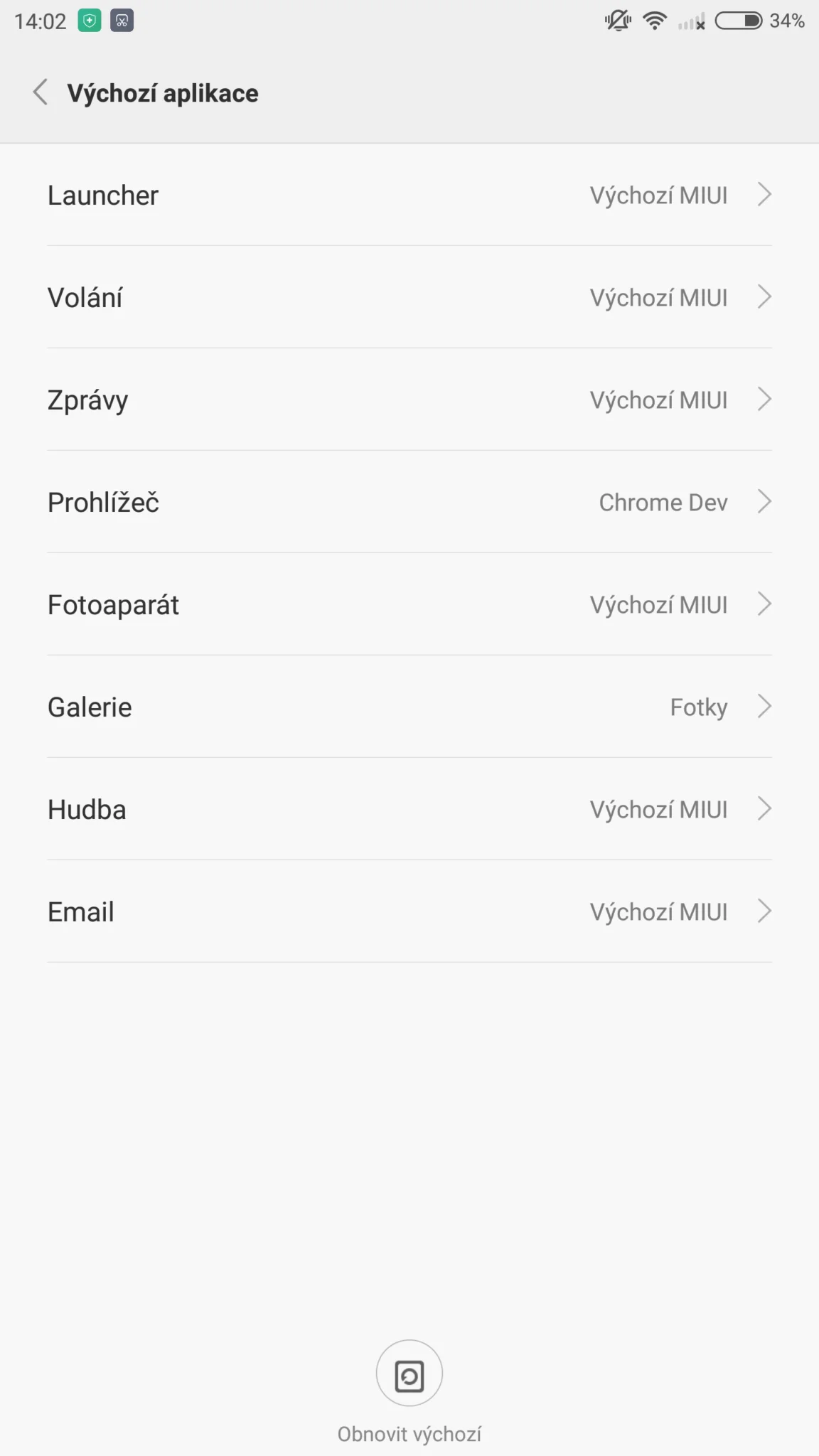
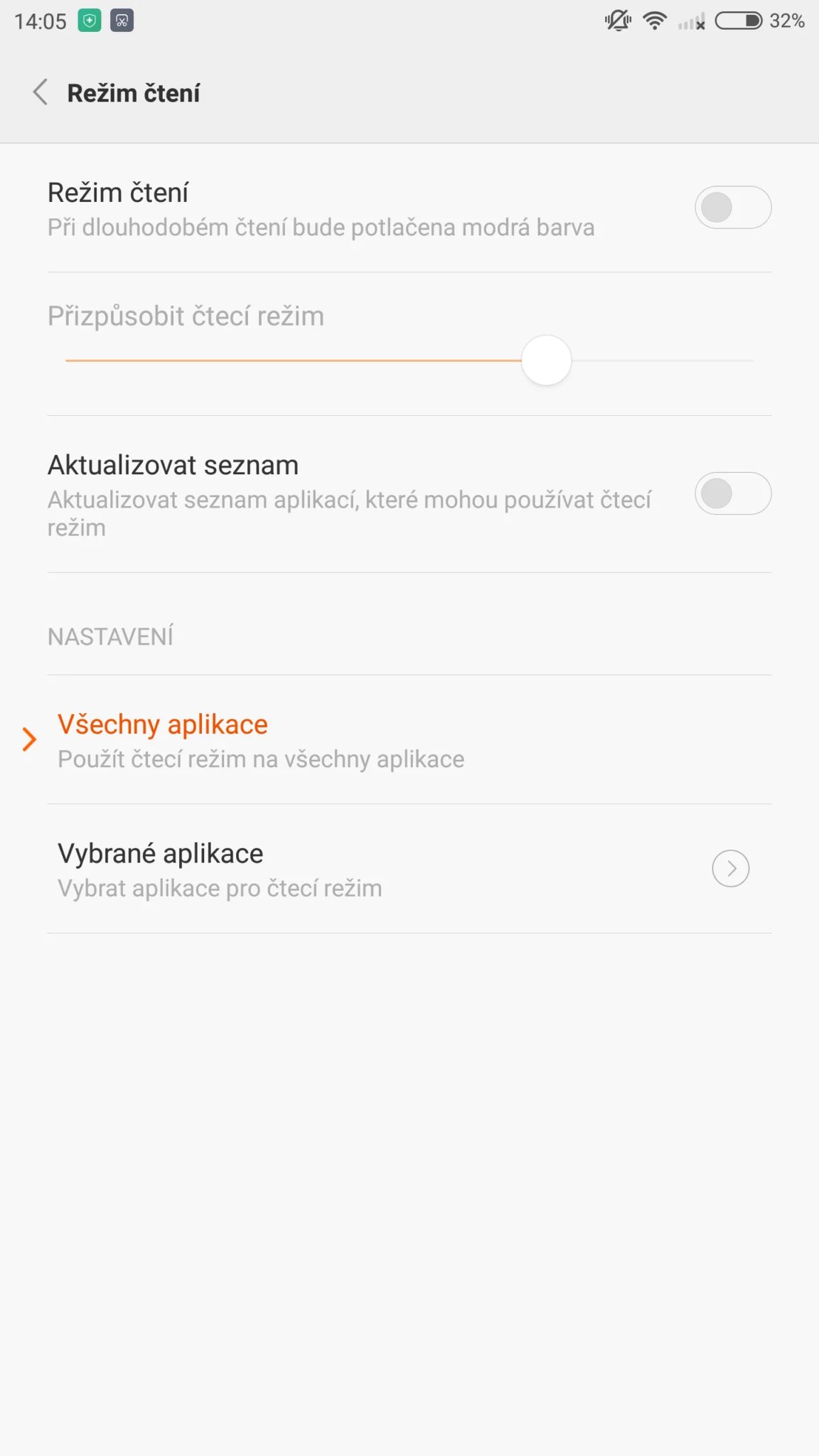
MIUI is generally seen as one of the best Android skins around. It has a strong reputation for polish and breadth, and in day-to-day use there are really only a few rough edges. Thankfully, a lot of the smaller shortcomings can be worked around with built-in tools, icon packs, or wallpapers. So let’s take a closer look at MIUI 6 running on Android 5.0 Lollipop.
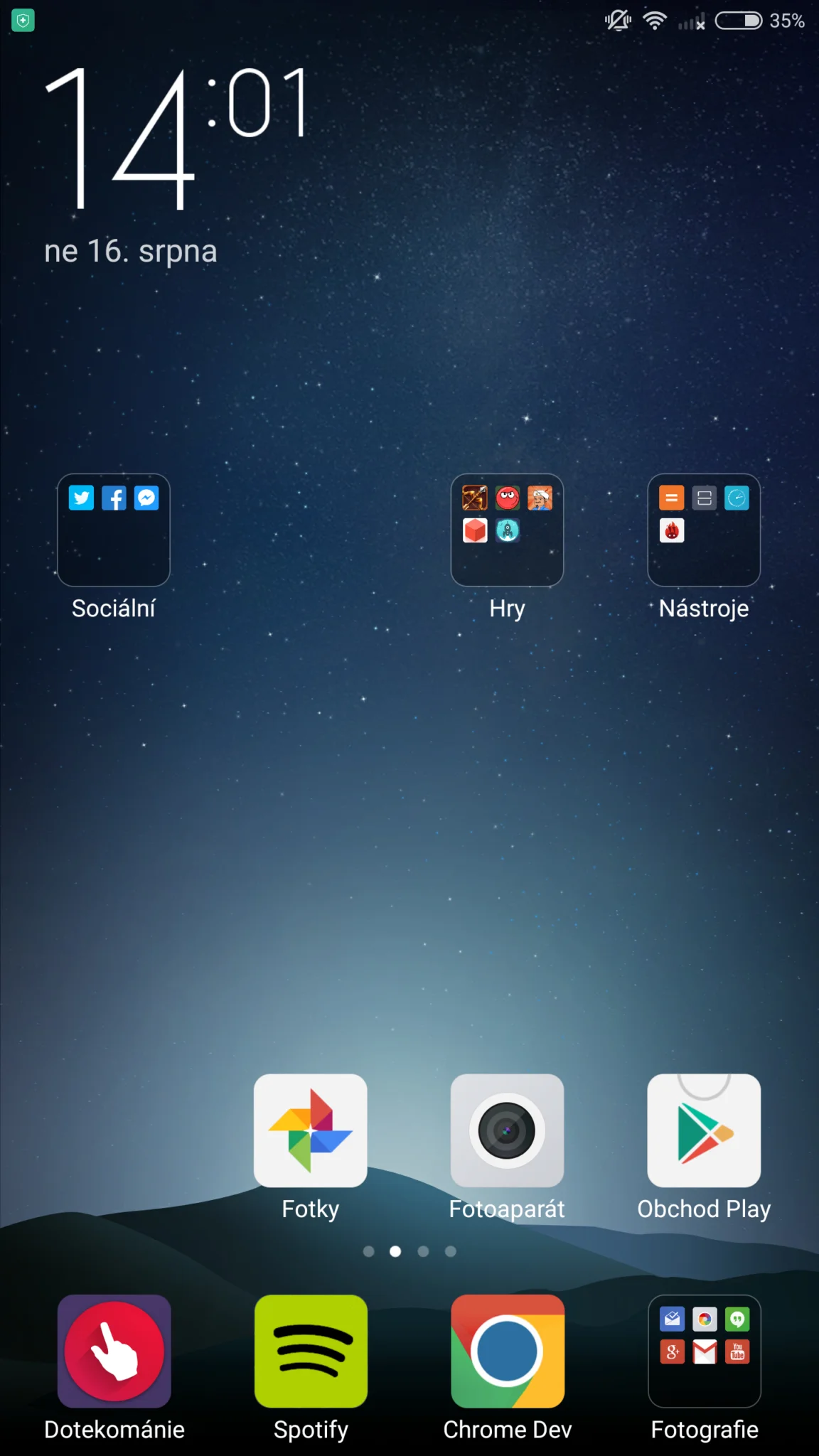
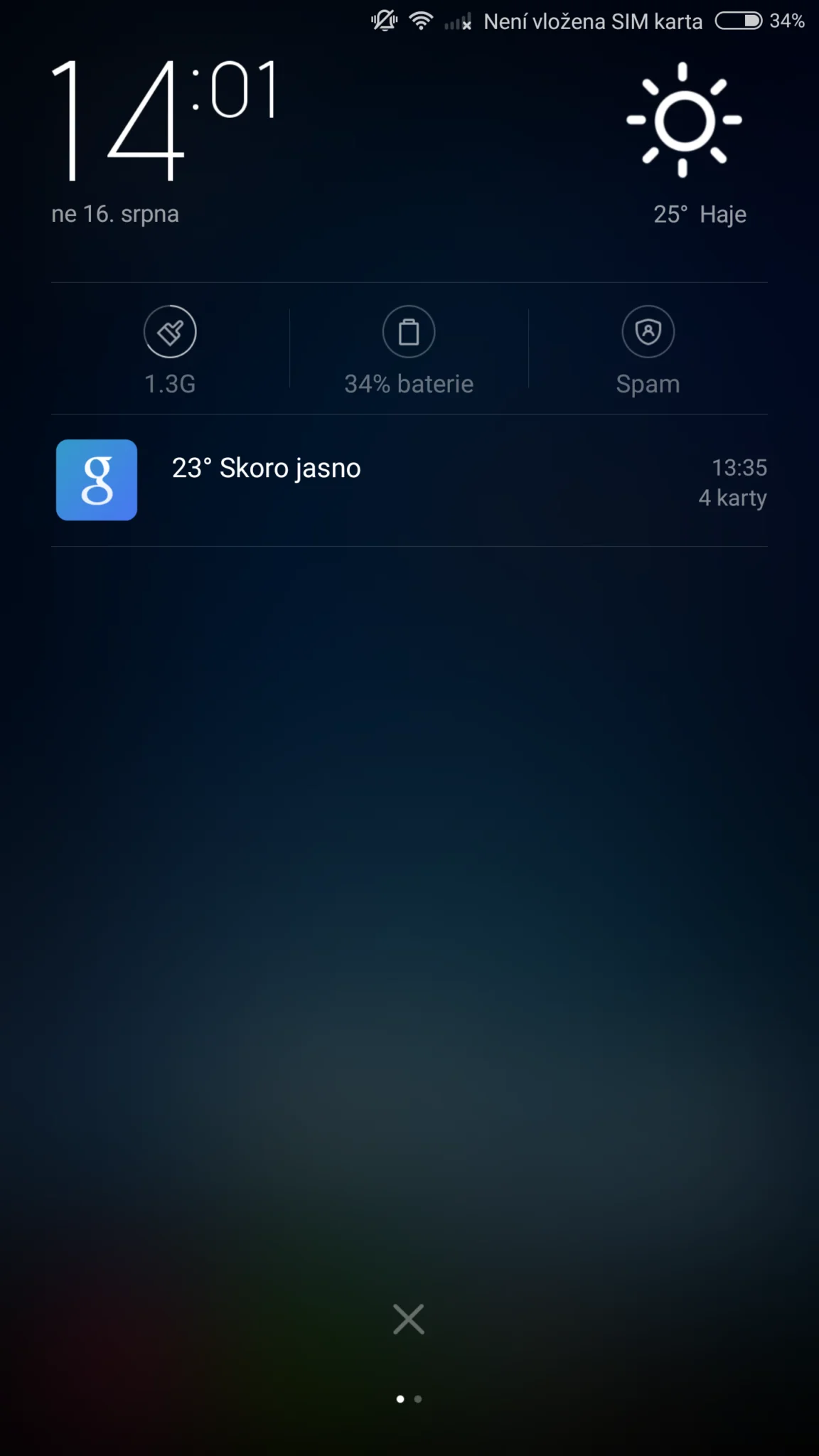
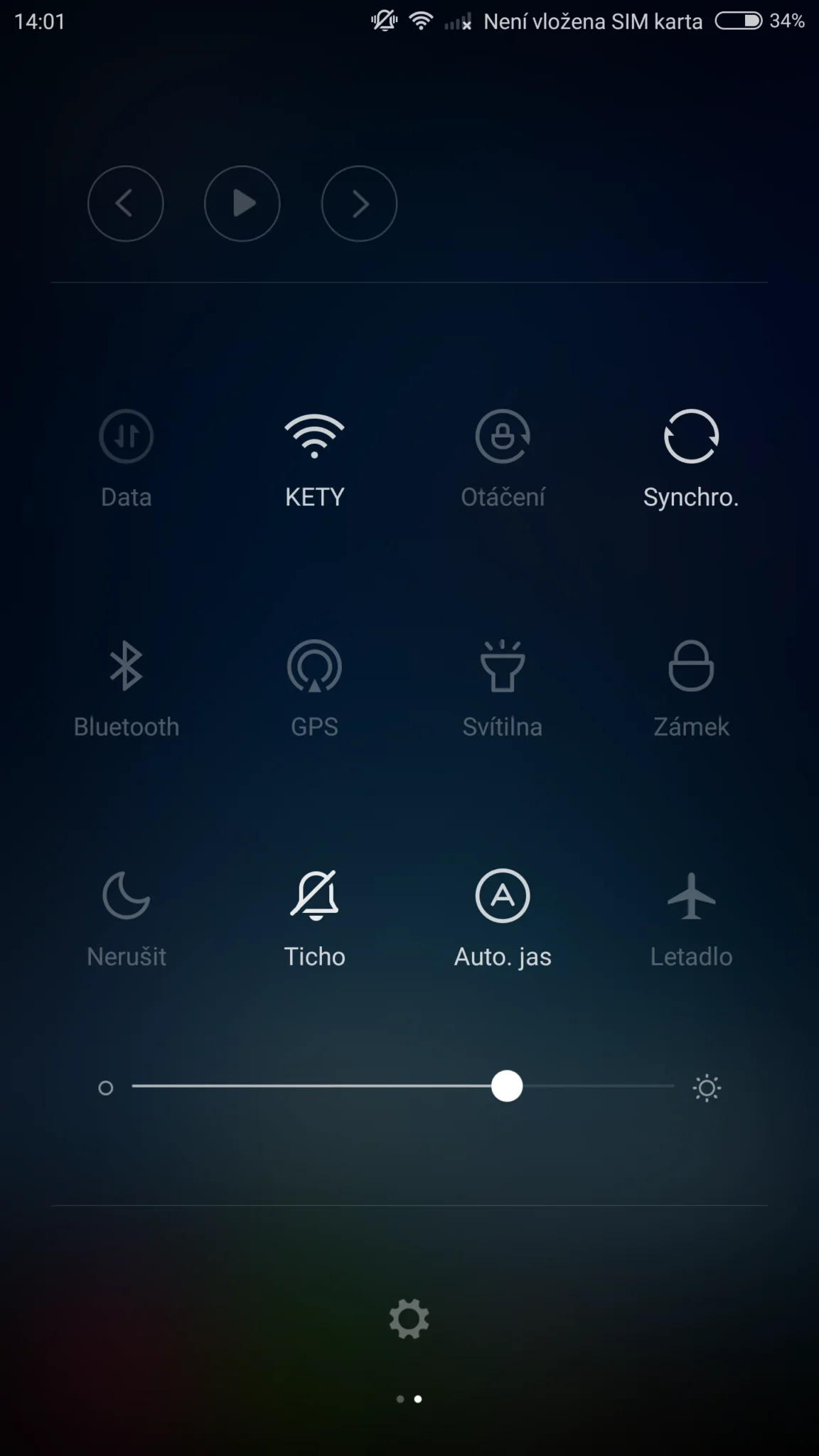
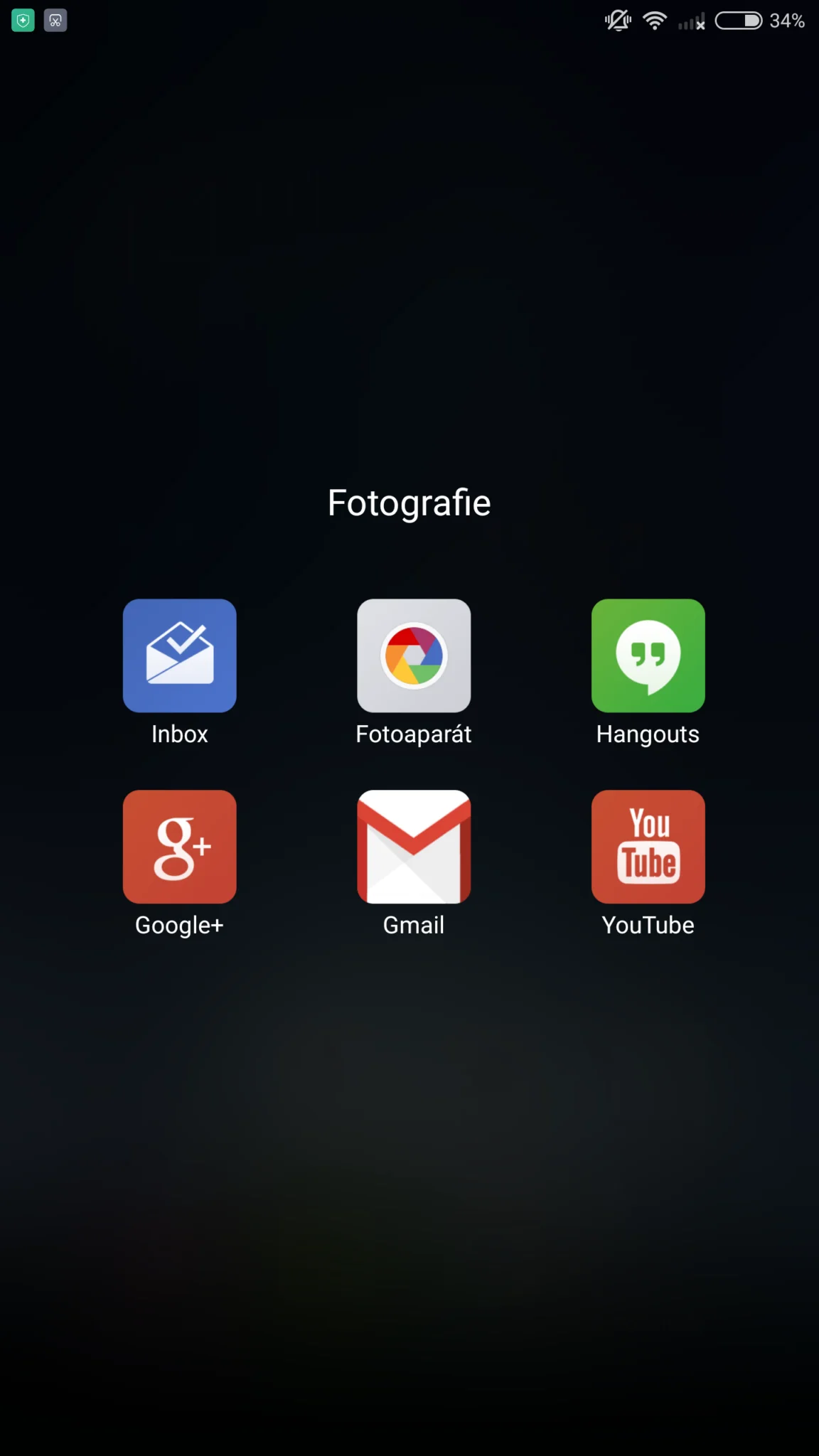

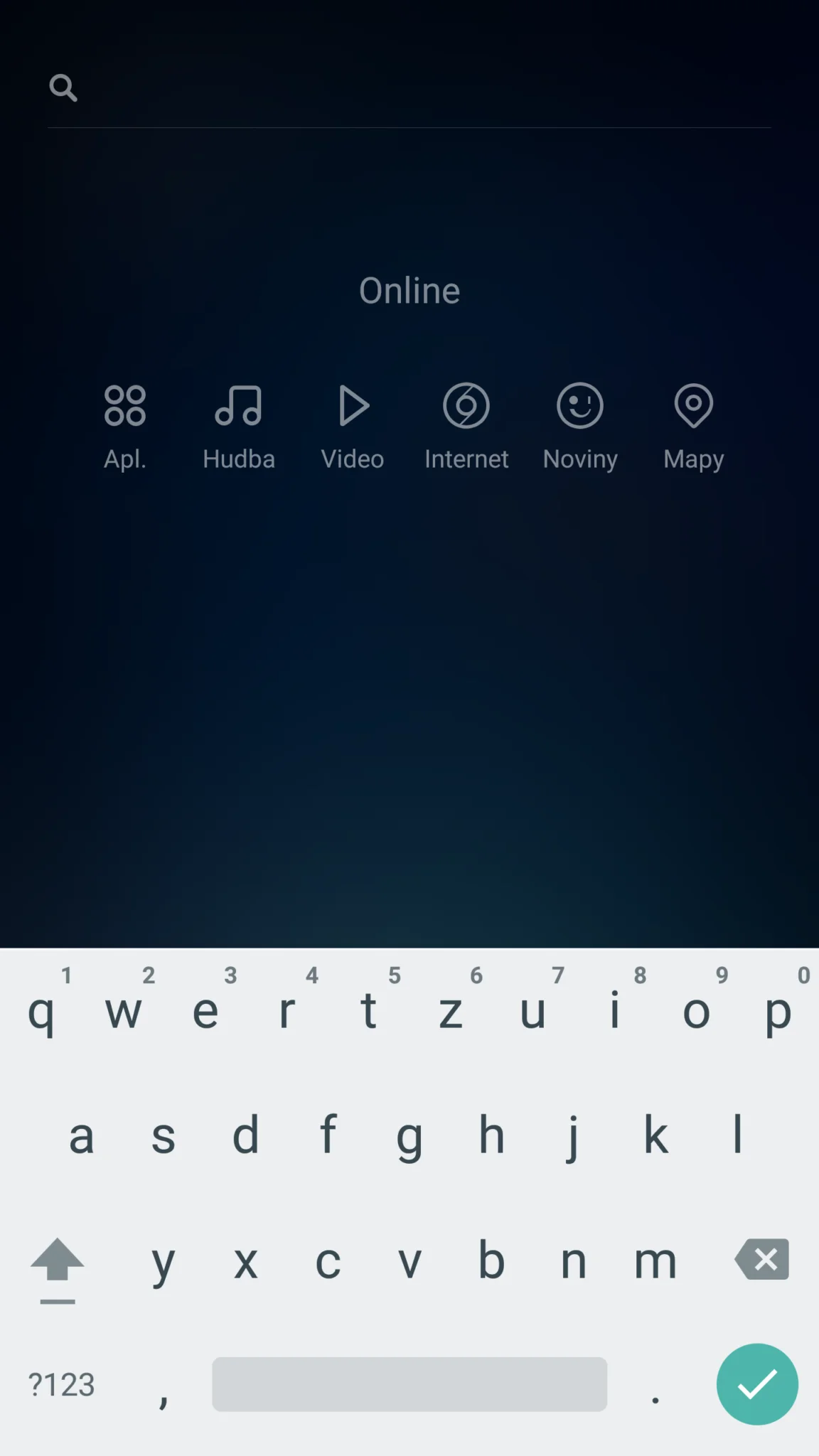
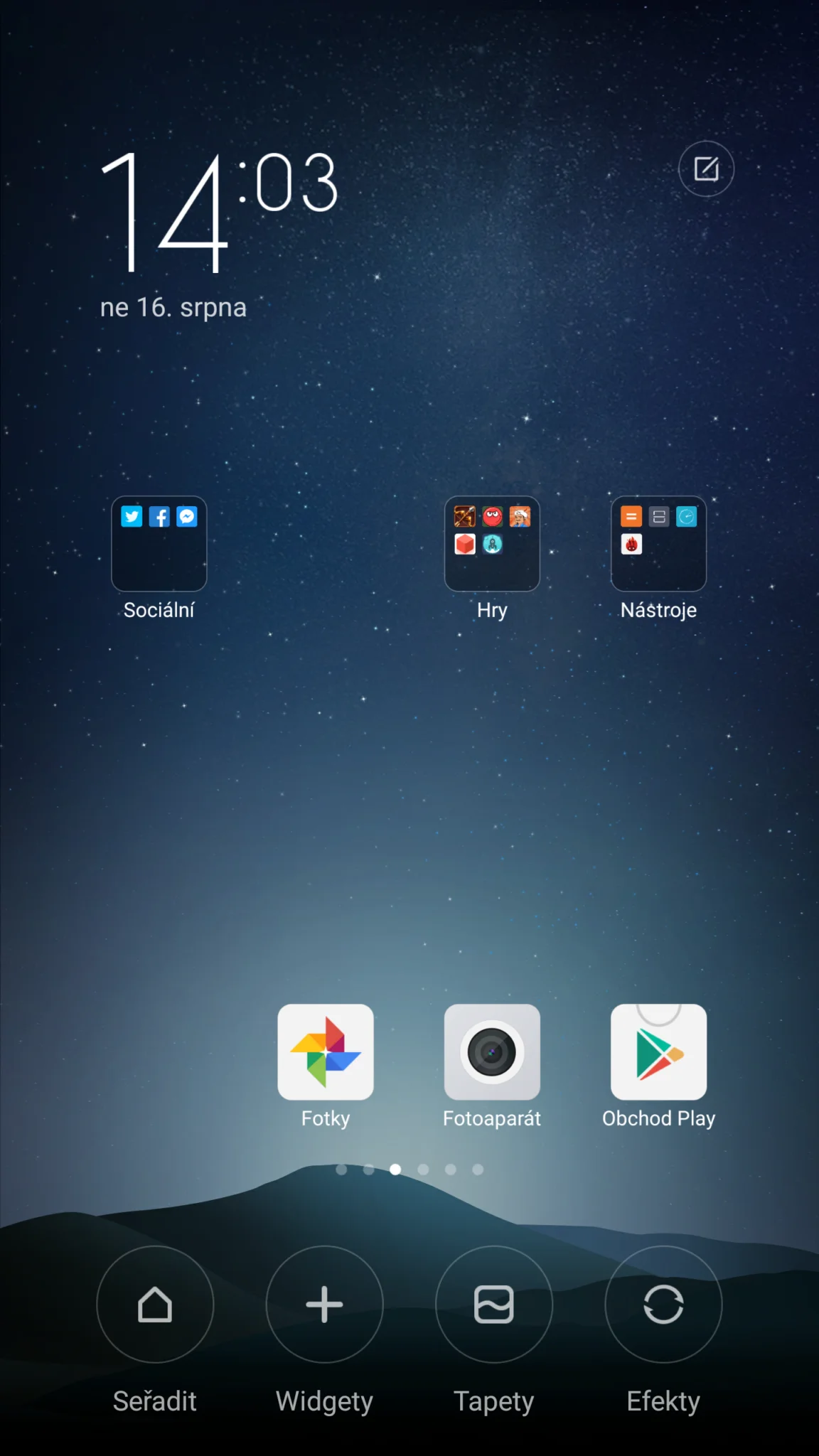
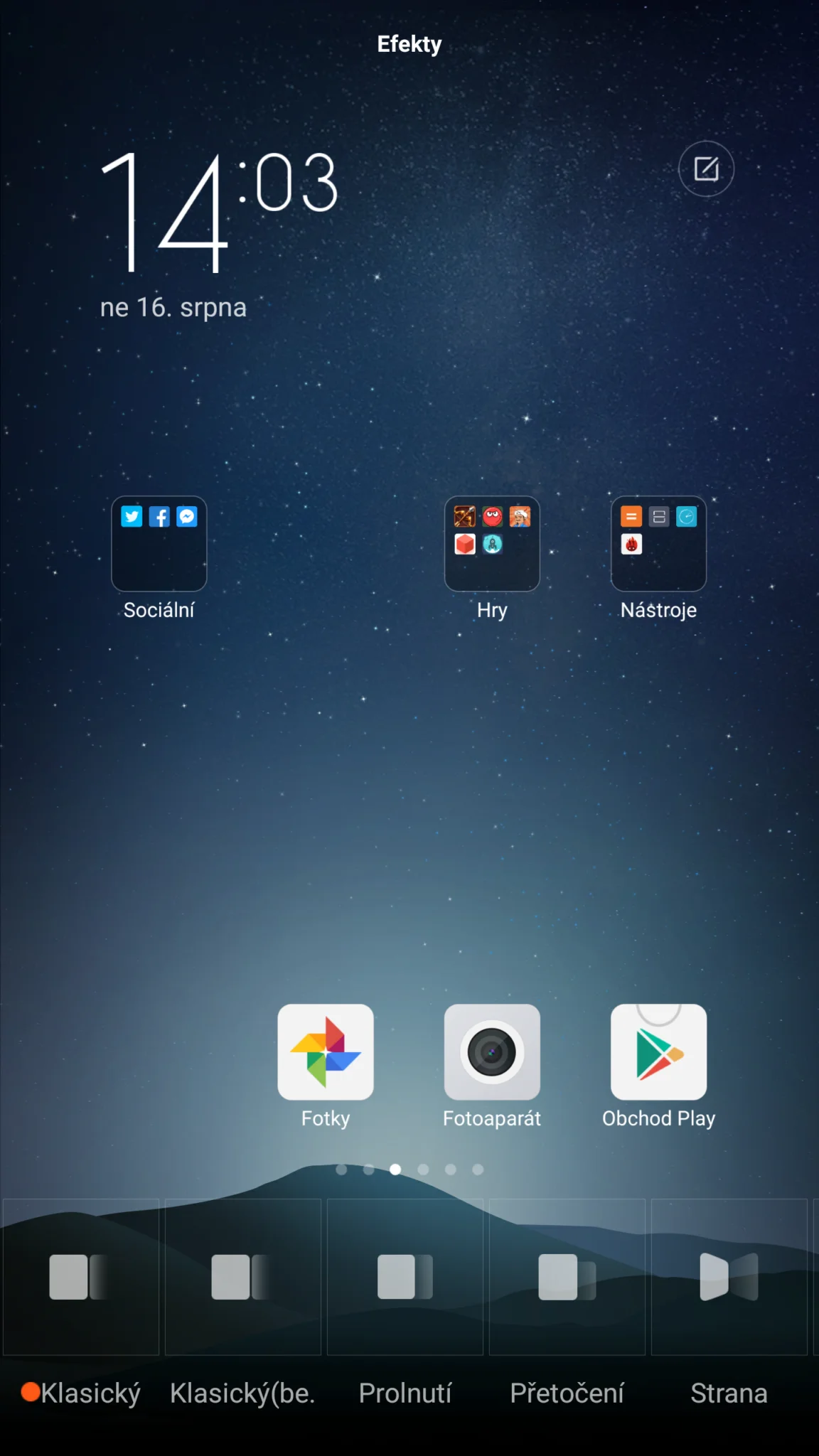
The system UI is clean, consistent, and well organized. Wherever you go in the software, it’s easy to find your way around and get to what you need. And all the little extras help, too.
That includes search, which you trigger by swiping up on the home screen, the way an empty notification shade automatically flips over to the adjacent quick settings panel, and even the unusually well-done Compass app.
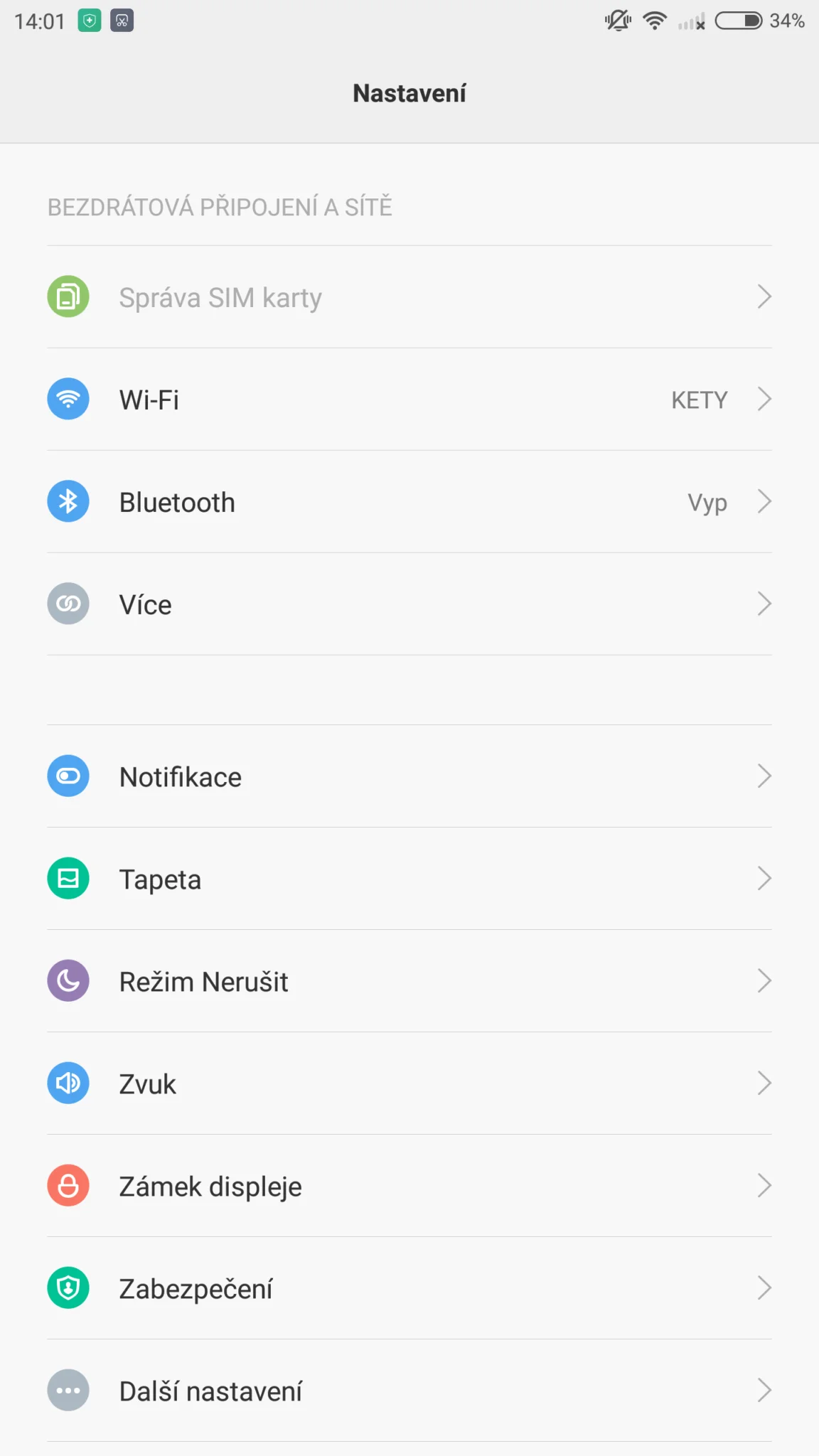
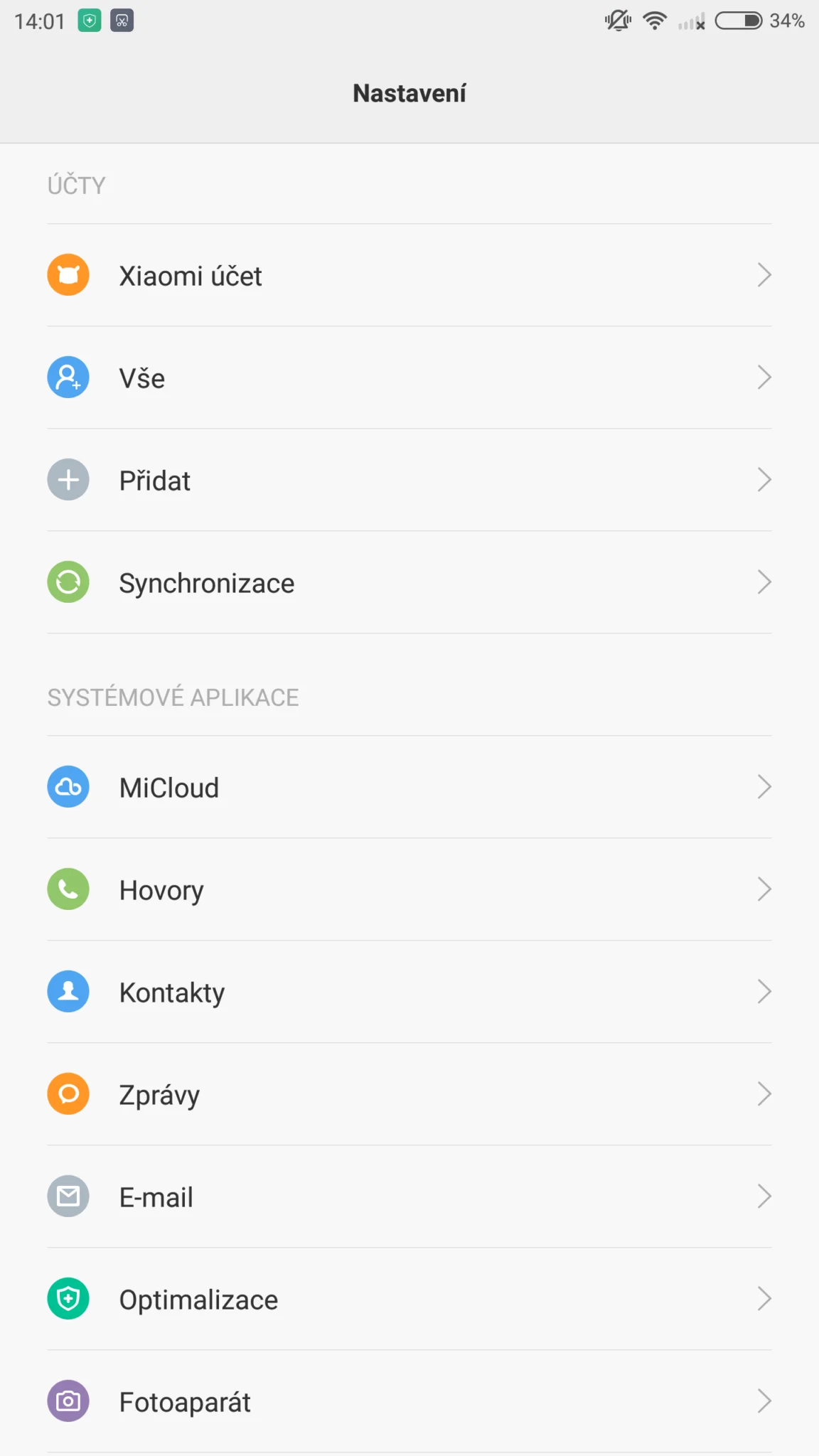
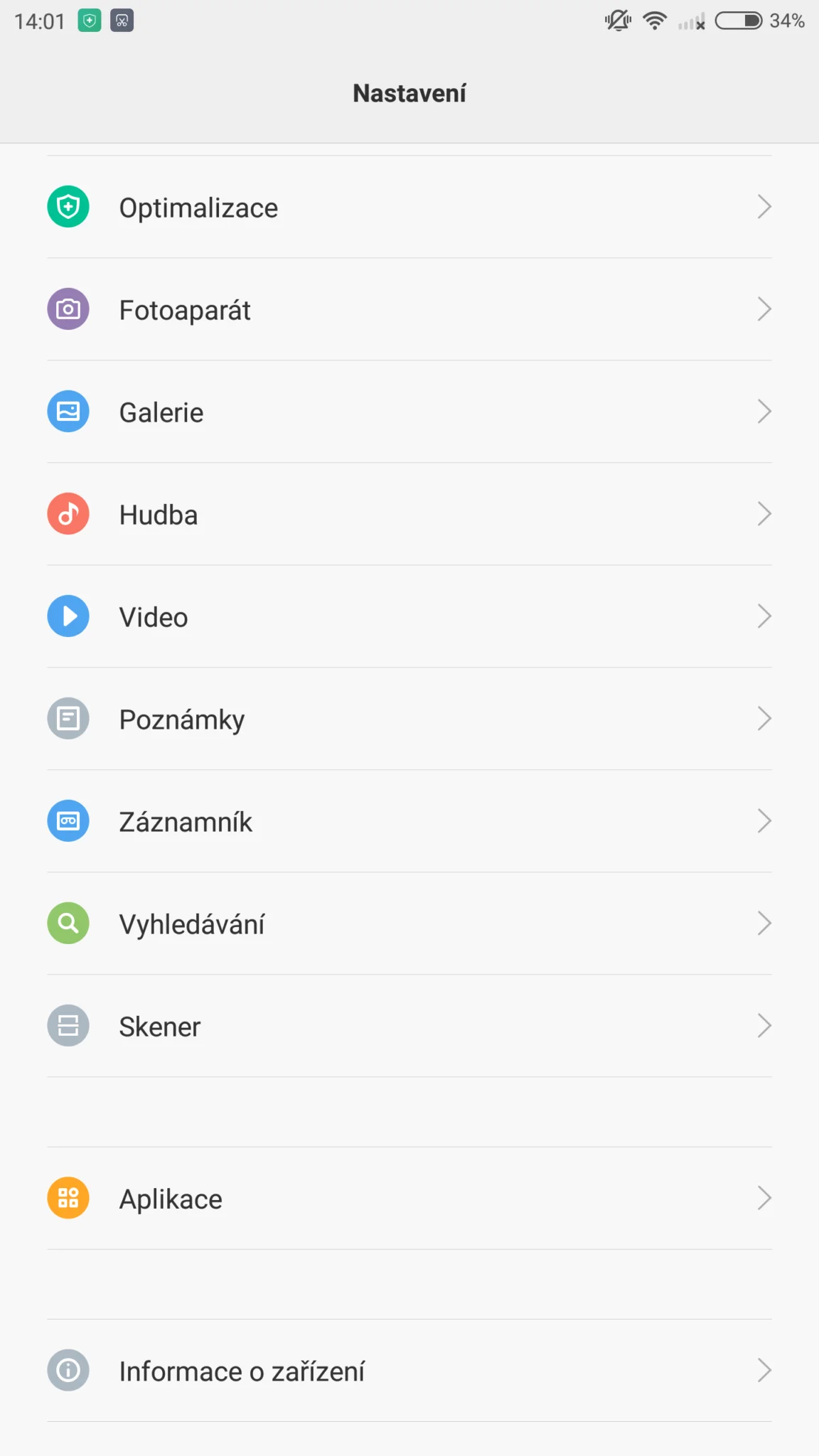
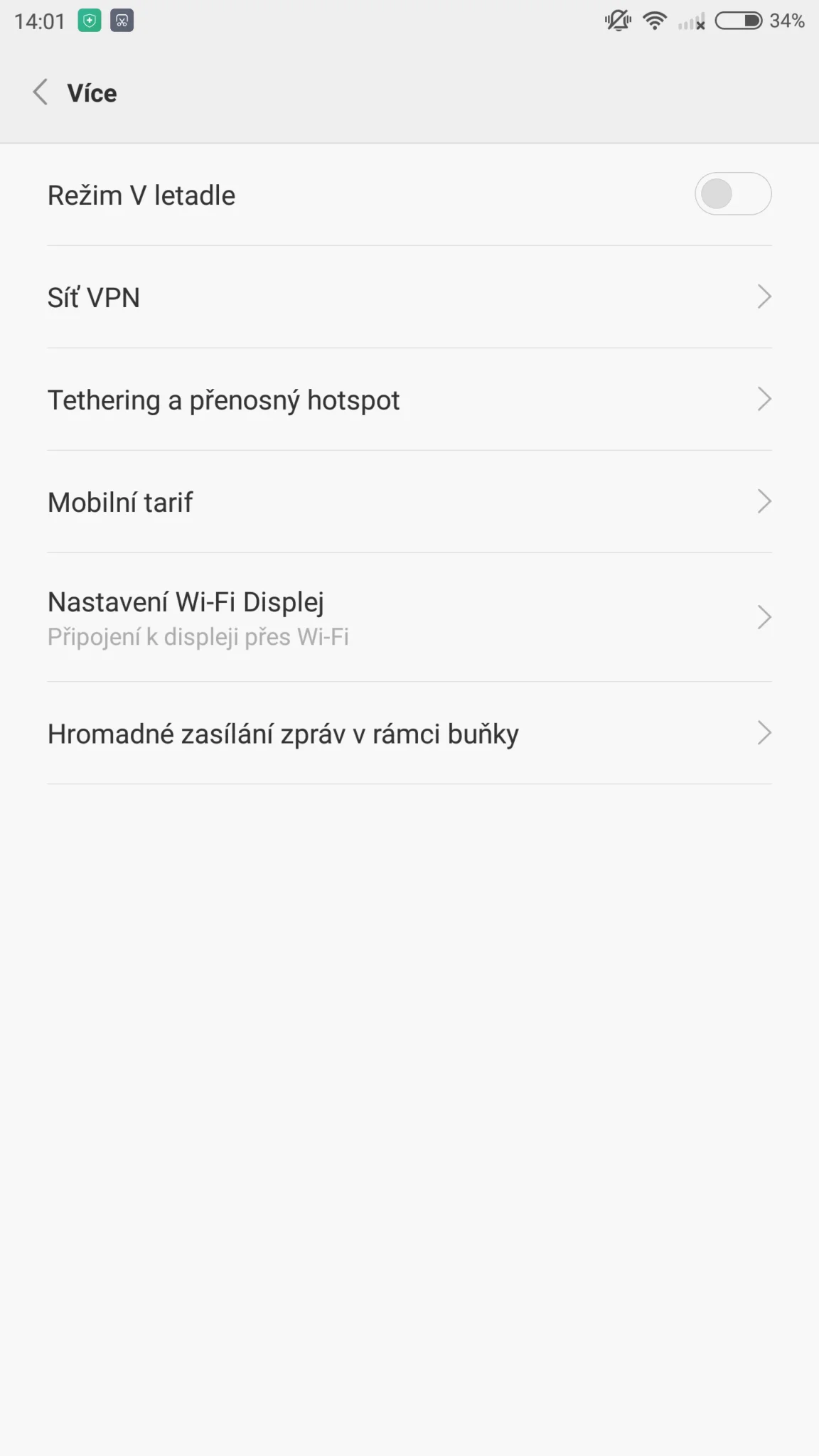
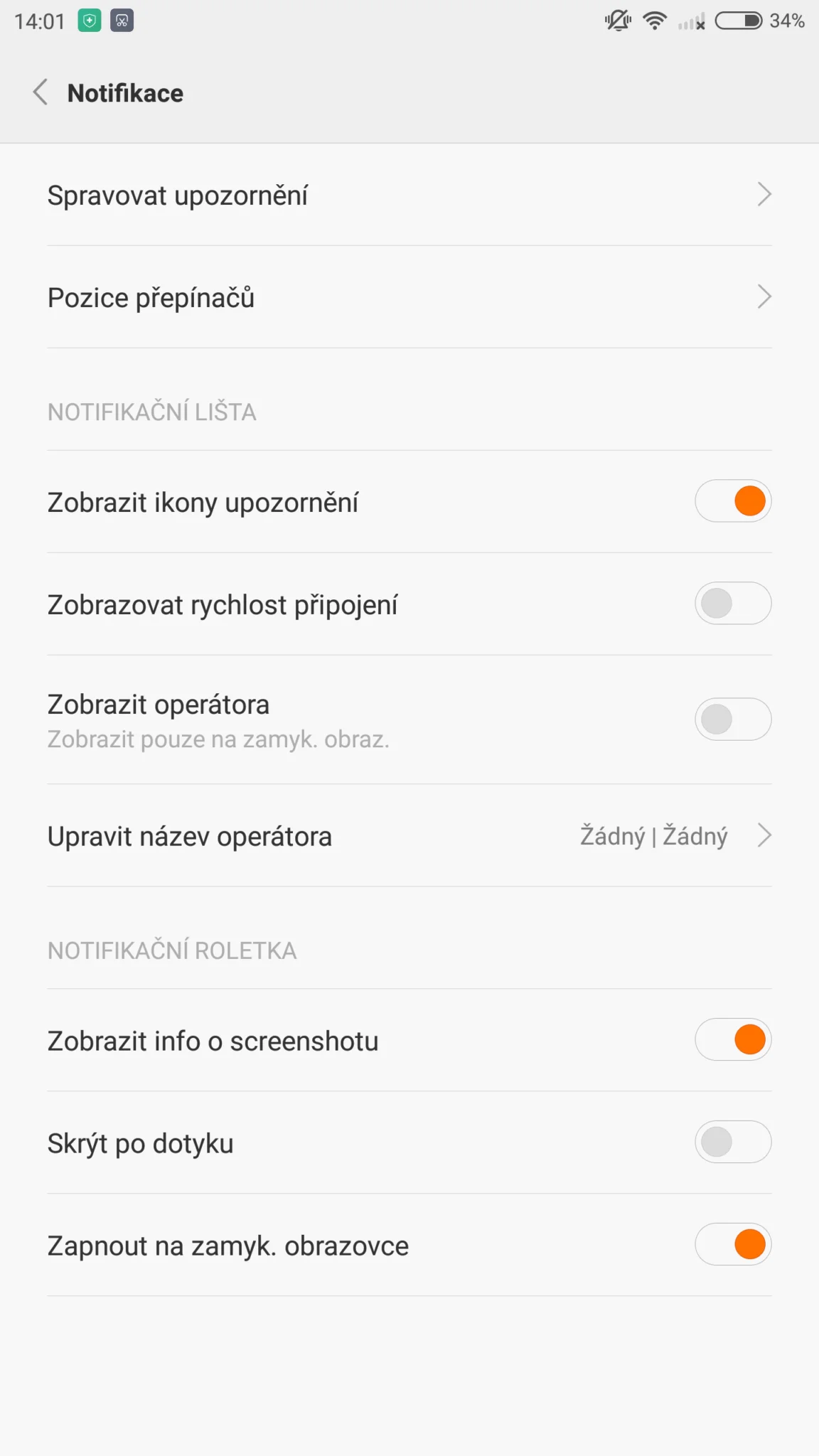
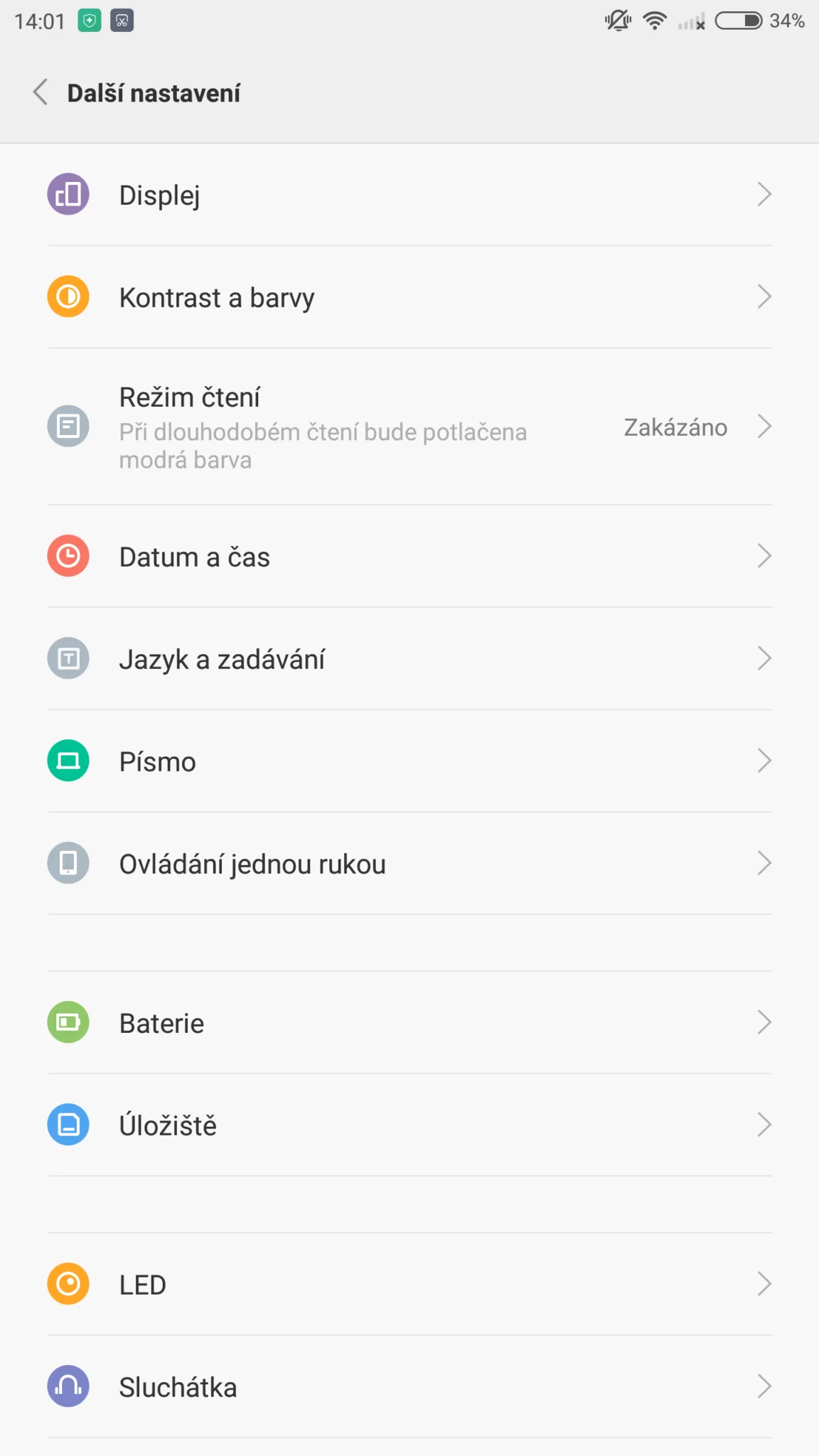
Still, it’s not perfect. A few smaller issues are worth calling out. The first is that you can’t expand individual notifications. I’d also point to the occasionally flaky lock screen, where the music widget only loads properly around 80 percent of the time, even though it’s a system app.



Display
The big, gorgeous 5.7-inch IPS LCD now steps up to a QHD resolution, which means you can stop hunting for pixels. Pixel density jumps from roughly 386 to around 515 PPI. The panel is also protected by third-generation Gorilla Glass.
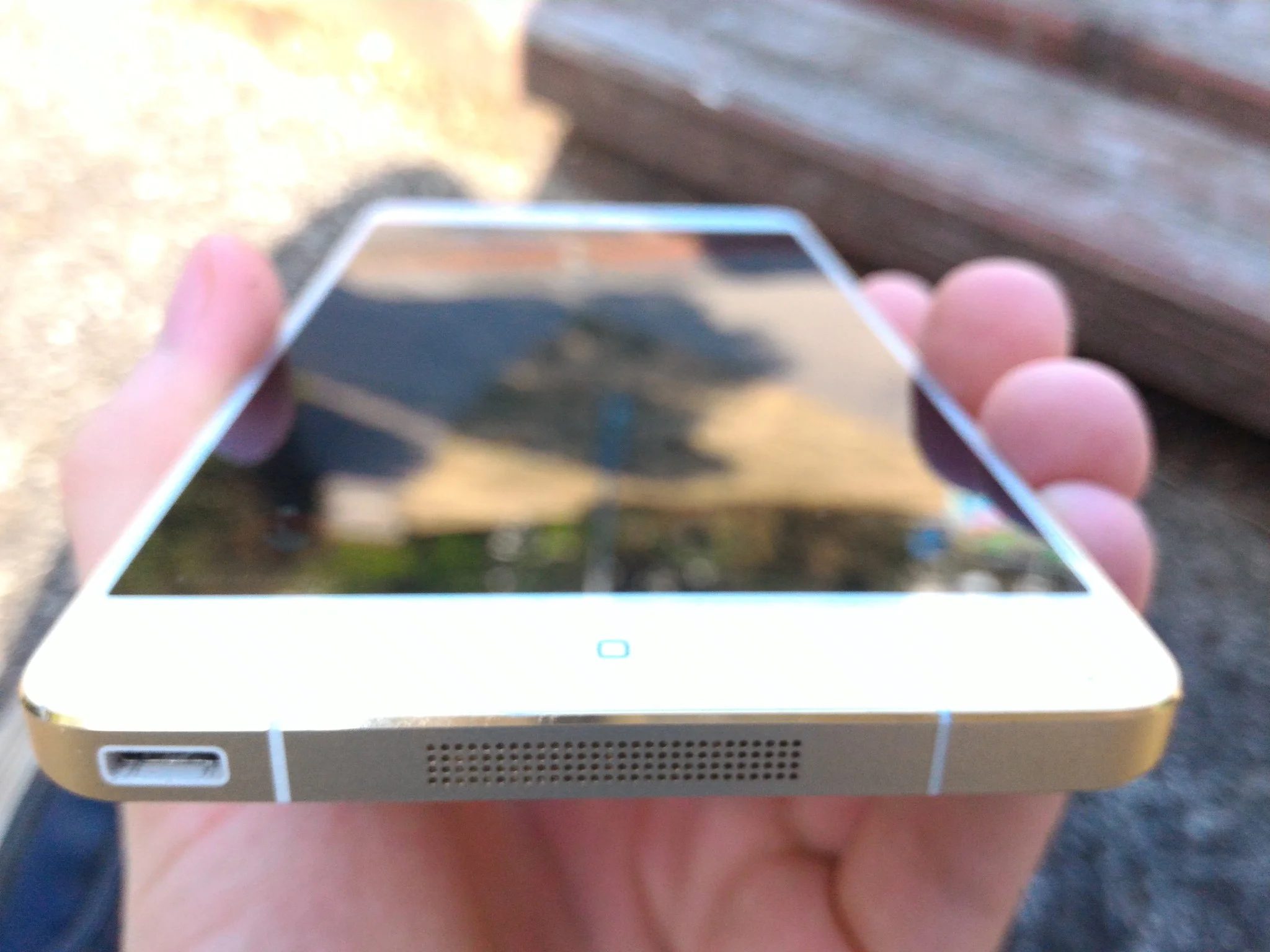
Color reproduction is accurate, and viewing angles are excellent. Xiaomi also seems to have improved outdoor visibility. Everything looks similar at first glance, but readability in direct sunlight is clearly better, and I ran into no real issues here.
Battery
The original Mi Note packed a 3,000 mAh battery. Here, Xiaomi bumps capacity by 90 mAh, while overall power consumption stays in roughly the same range. Even with a fairly power-hungry processor, the company got this part right. Battery life lands at two days with somewhat heavier use. If you are more conservative, the Mi Note Pro can stretch to as much as 3.5 days on a charge. That’s seriously impressive.
Camera
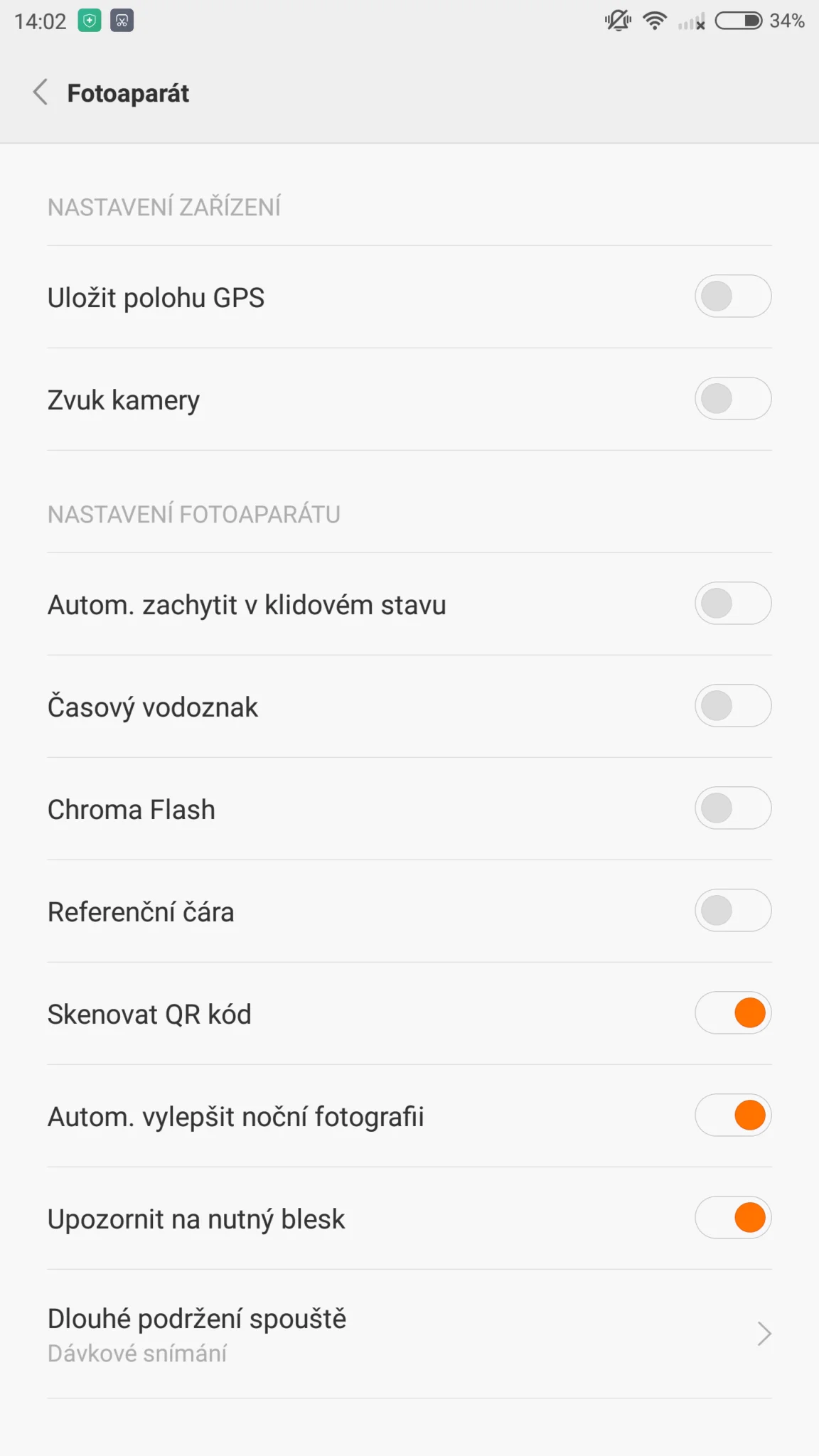
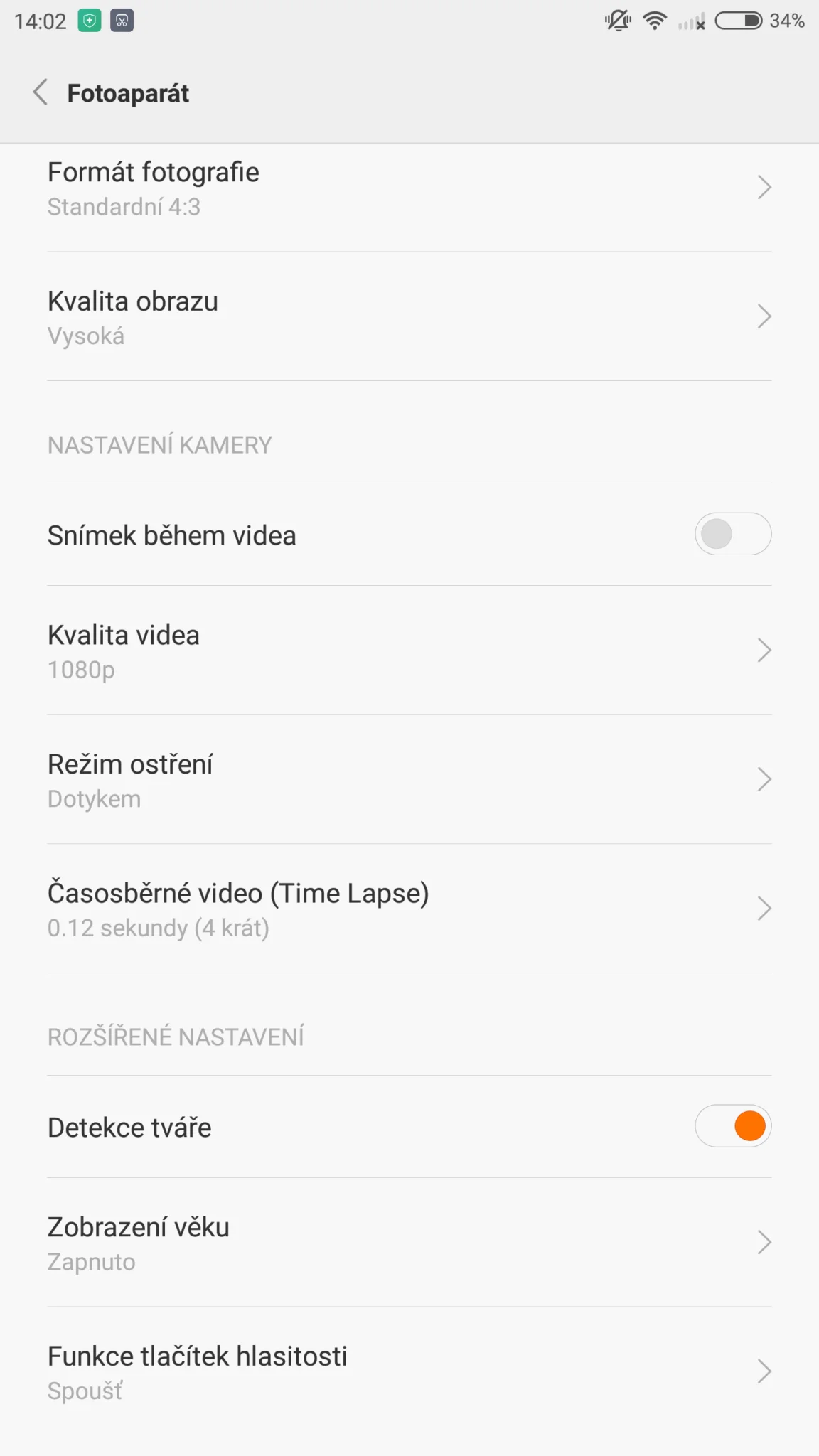
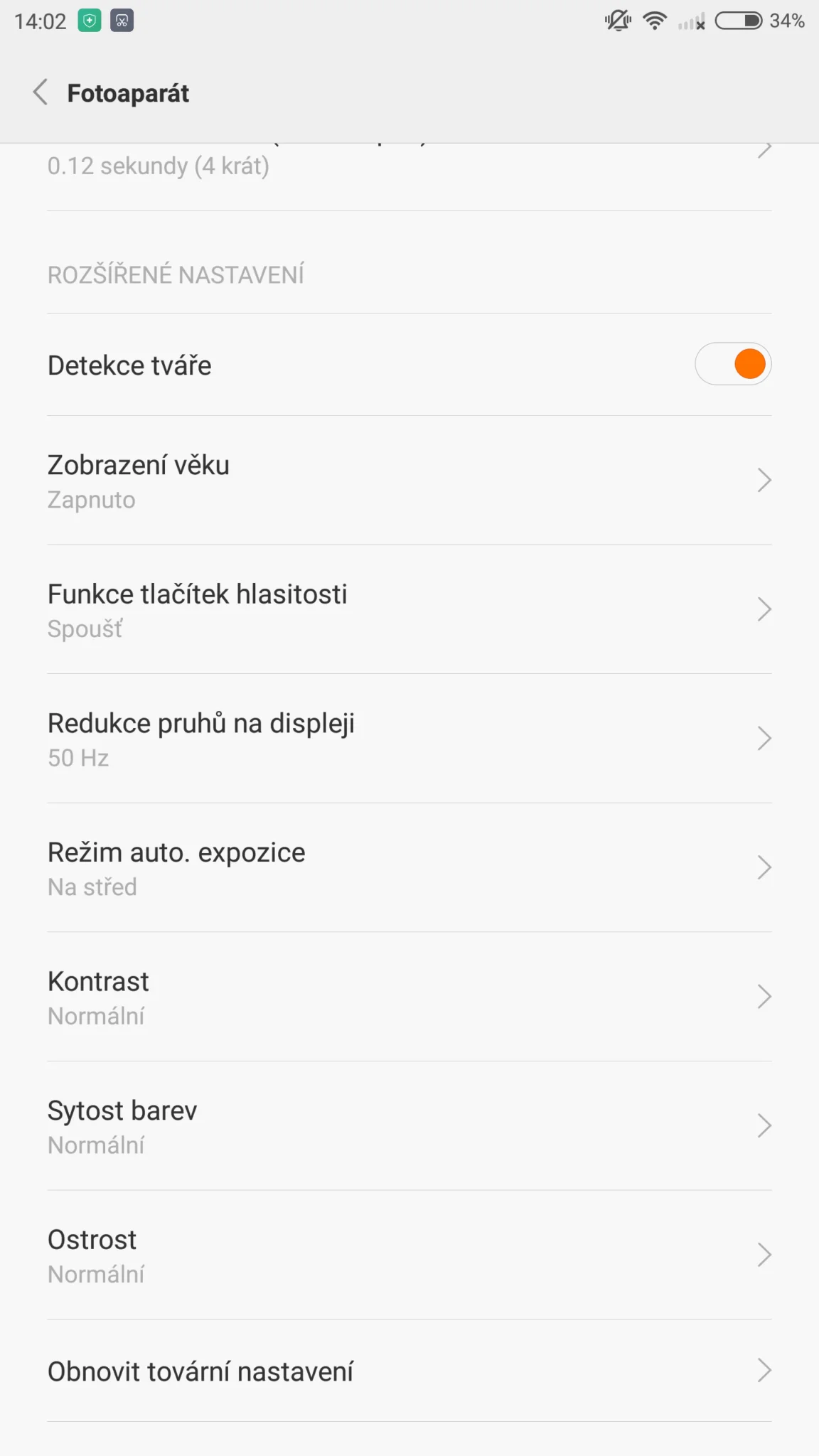
The Xiaomi Mi Note Pro still offers two cameras. The main shooter remains a 13 MP sensor with optical image stabilization, HDR, and video capture up to 4K. The front-facing camera is 4 MP.

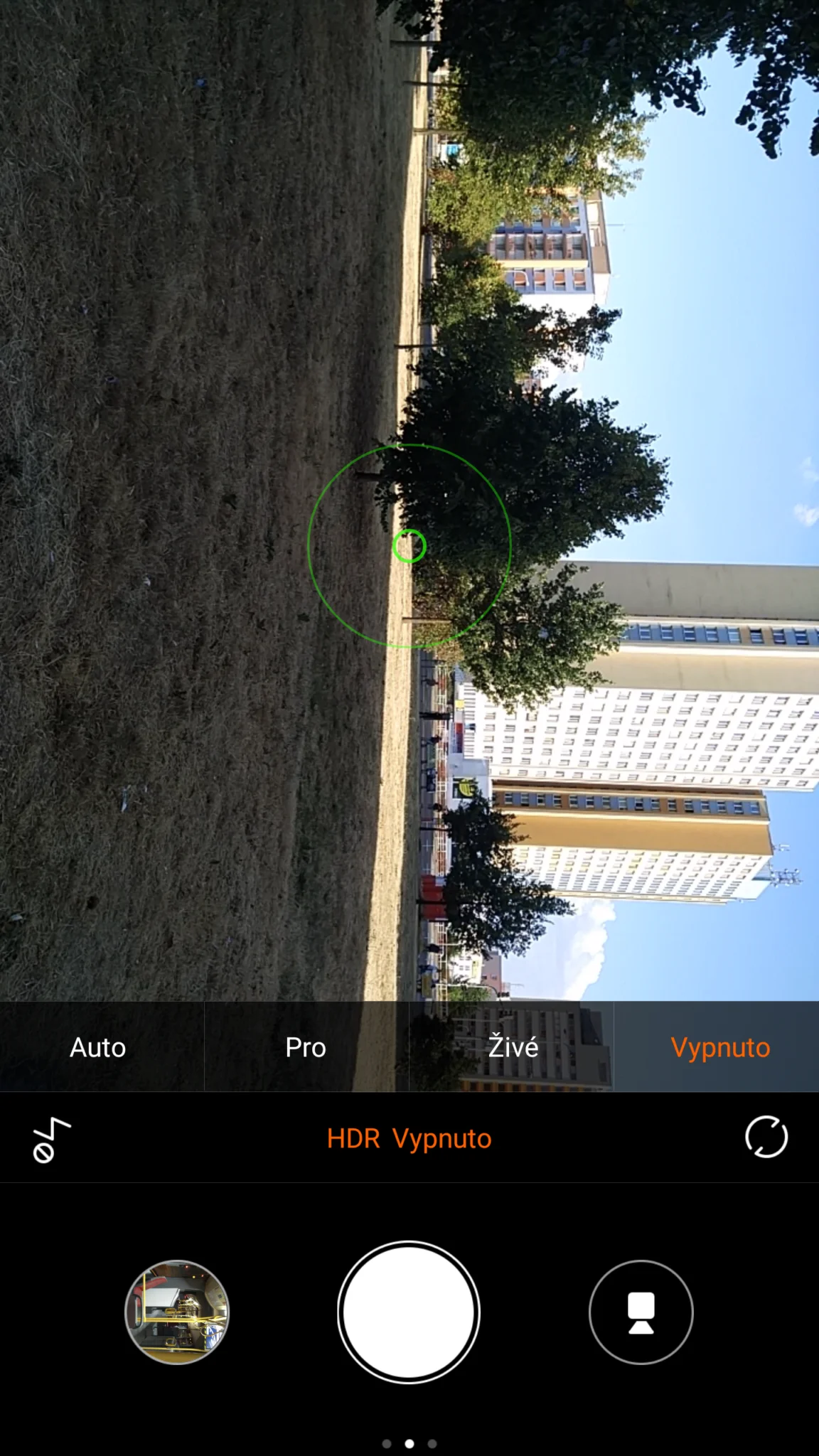

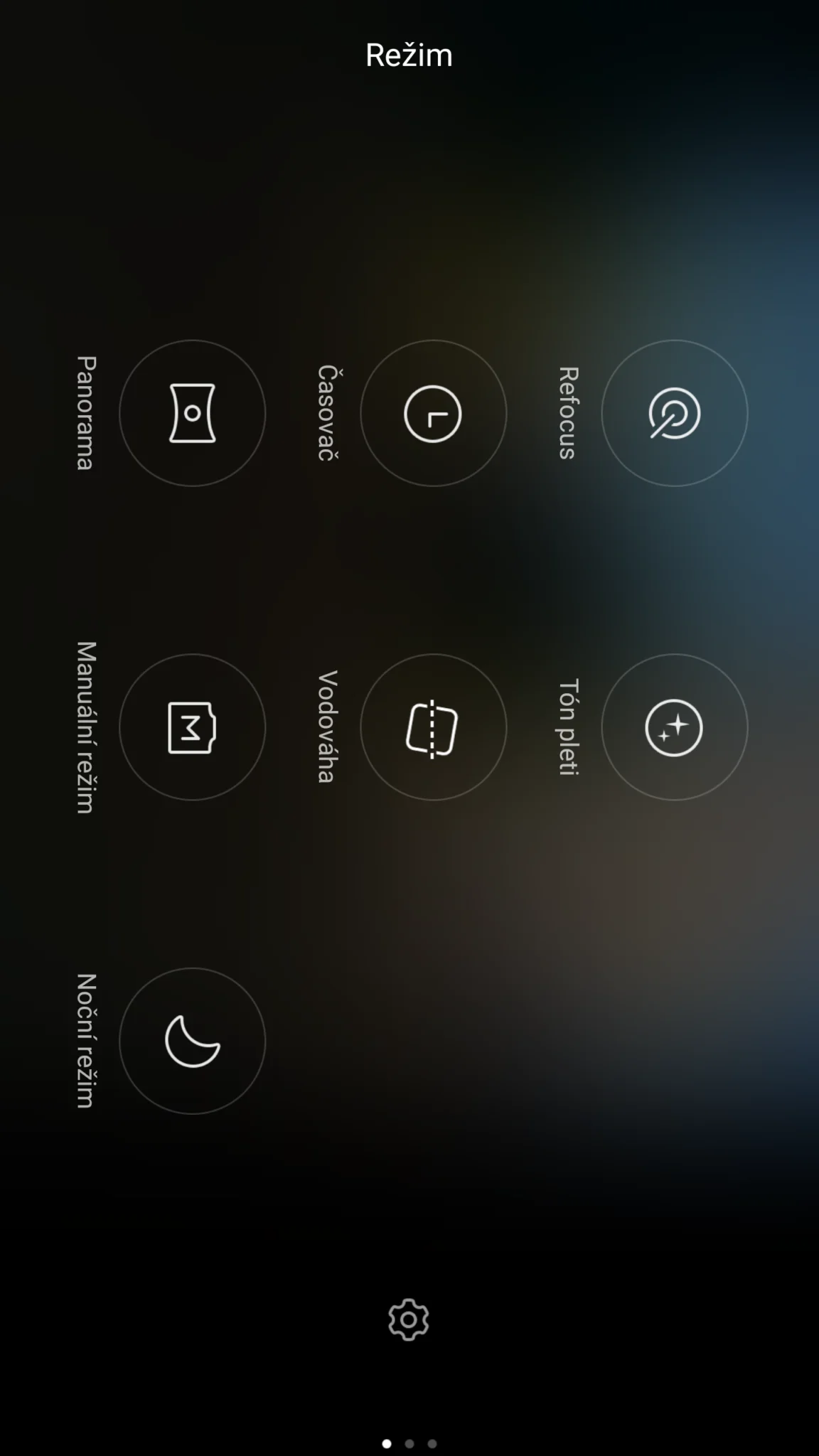
When it comes to image quality, you get strong color reproduction, and the sensor handles light reflections very well. Detail capture is a bit less convincing, though. On the flip side, noise has clearly been brought under control, and you will barely notice it in most shots. The camera app is well designed, and the wide range of options and filters should appeal to plenty of users.












Conclusion
Whatever you thought of the earlier Mi Note, it was already a very good phone, and the Mi Note Pro pushes things a step further. Xiaomi once again shows it can build a device that matches the world's top-tier flagships while undercutting them on price.