Honor Magic V2 Review: The Foldable That Finally Feels Normal

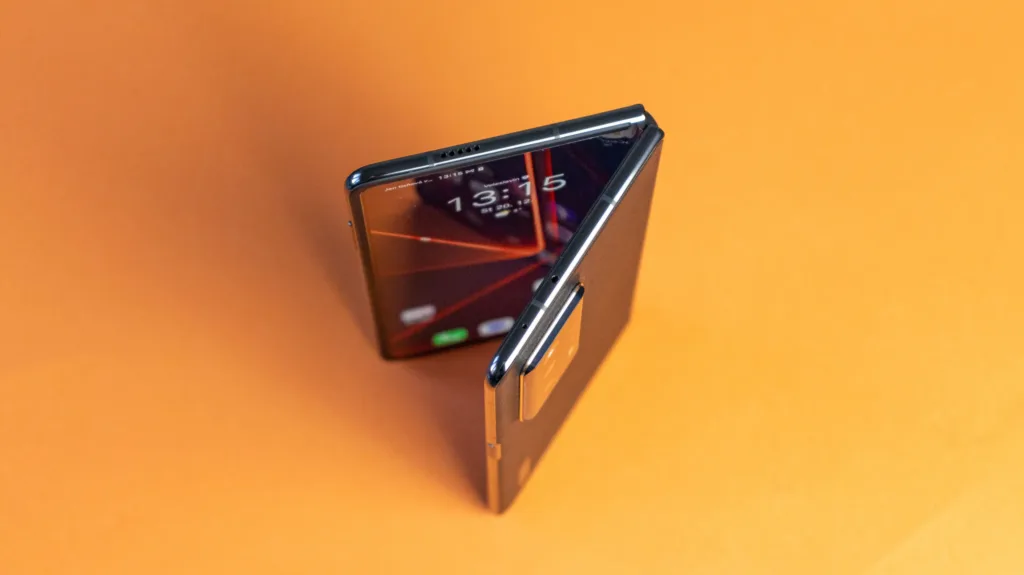
Honor unveiled the Magic V2 at IFA last fall, and it immediately stood out. I got some hands-on time with it at the show and was eager to test it properly, because this is an unusually thin foldable that pushes the category forward in a very real way. It took a while to arrive for review, but now the question is simple: how does Honor’s new foldable hold up in daily use, and can it seriously challenge Samsung’s Galaxy Z Fold5?
Design
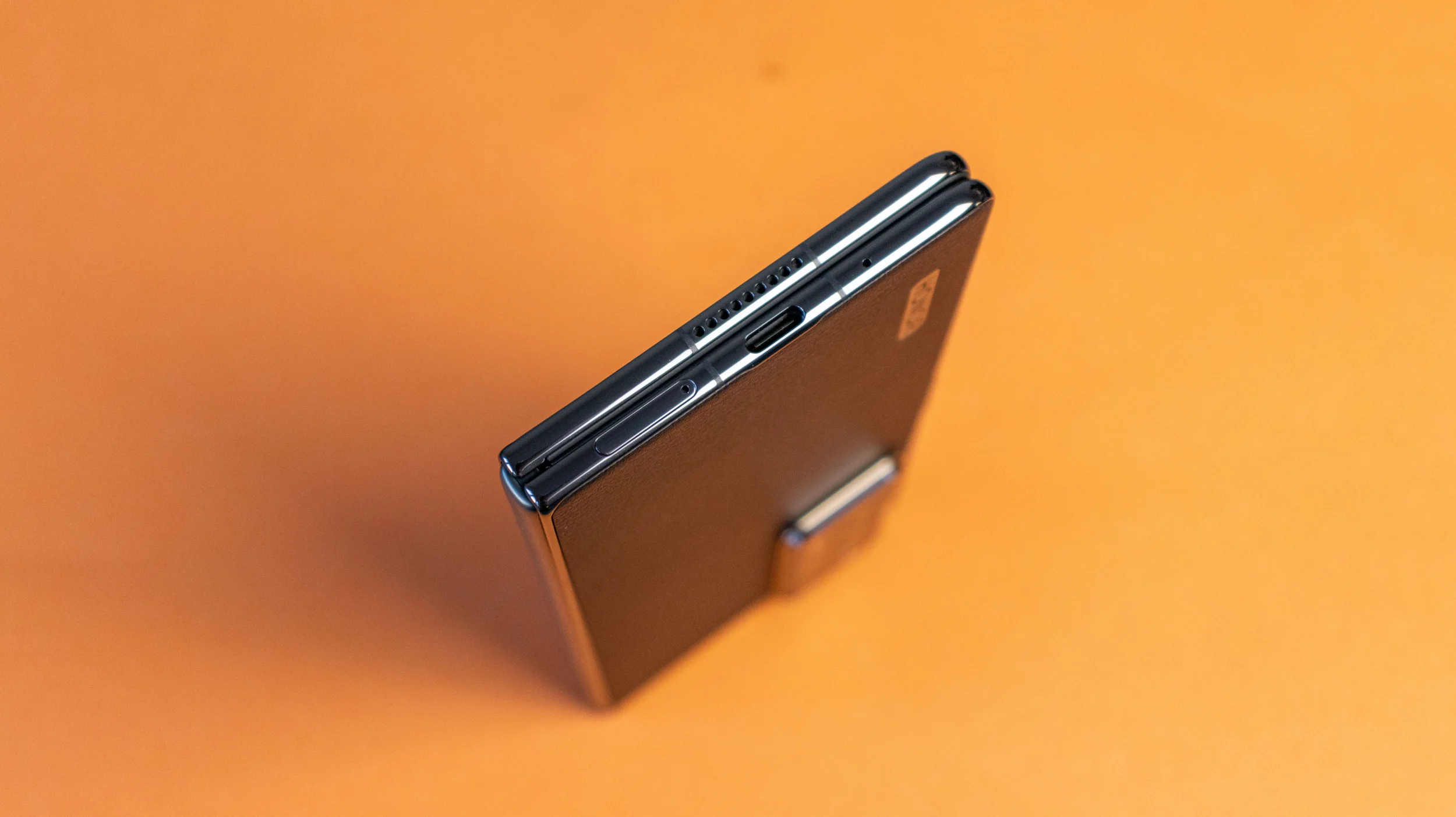
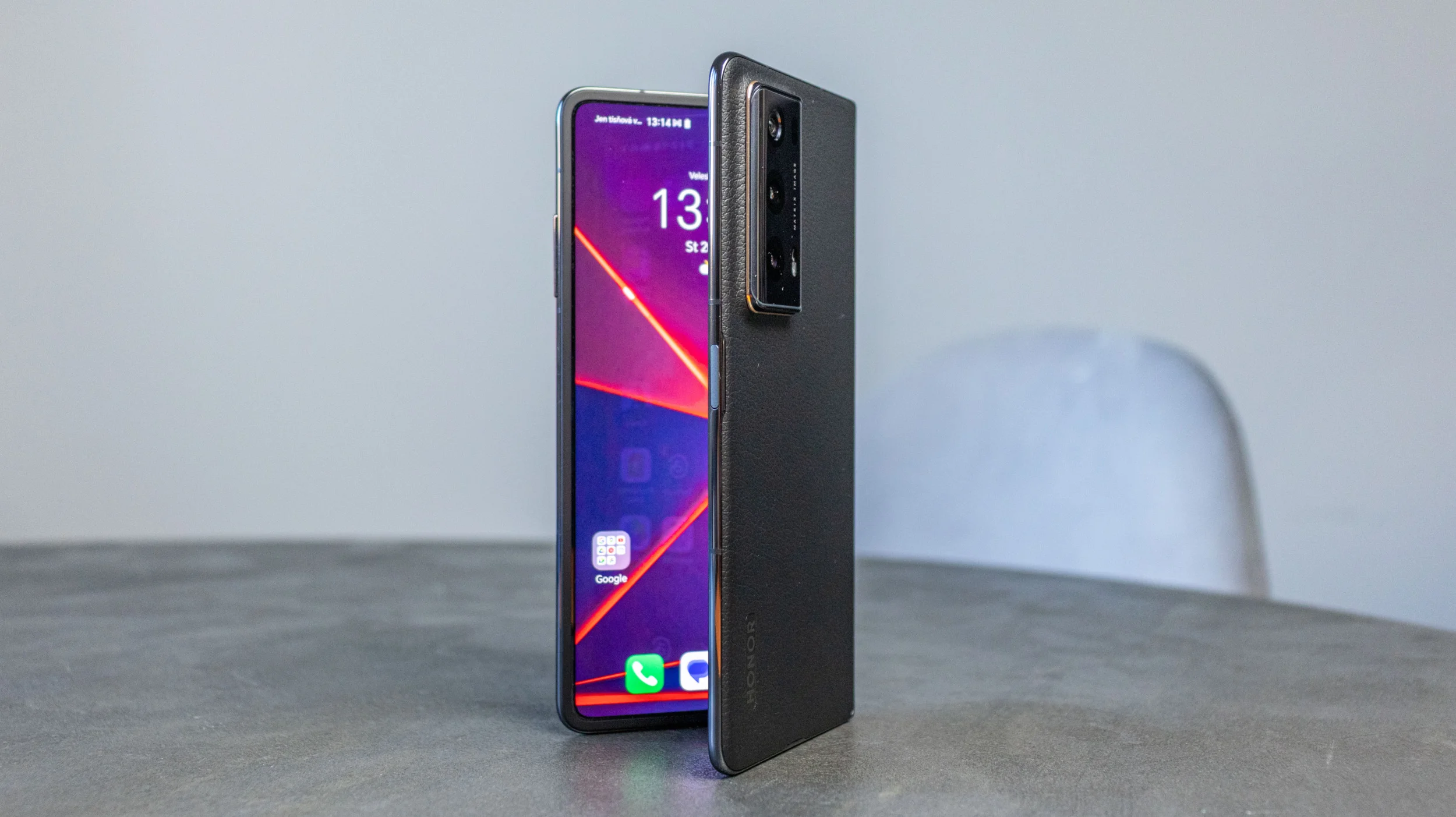
The first thing that grabbed me about the new Honor was its thickness, or rather, the lack of it. Book-style foldables have typically felt like chunky bricks. That’s not the case here. Closed, the Magic V2 is 9.9mm thick; open, it drops to just 4.7mm. Better still, the battery doesn’t suffer for it. You still get a very respectable 5,000mAh cell, but more on that later.

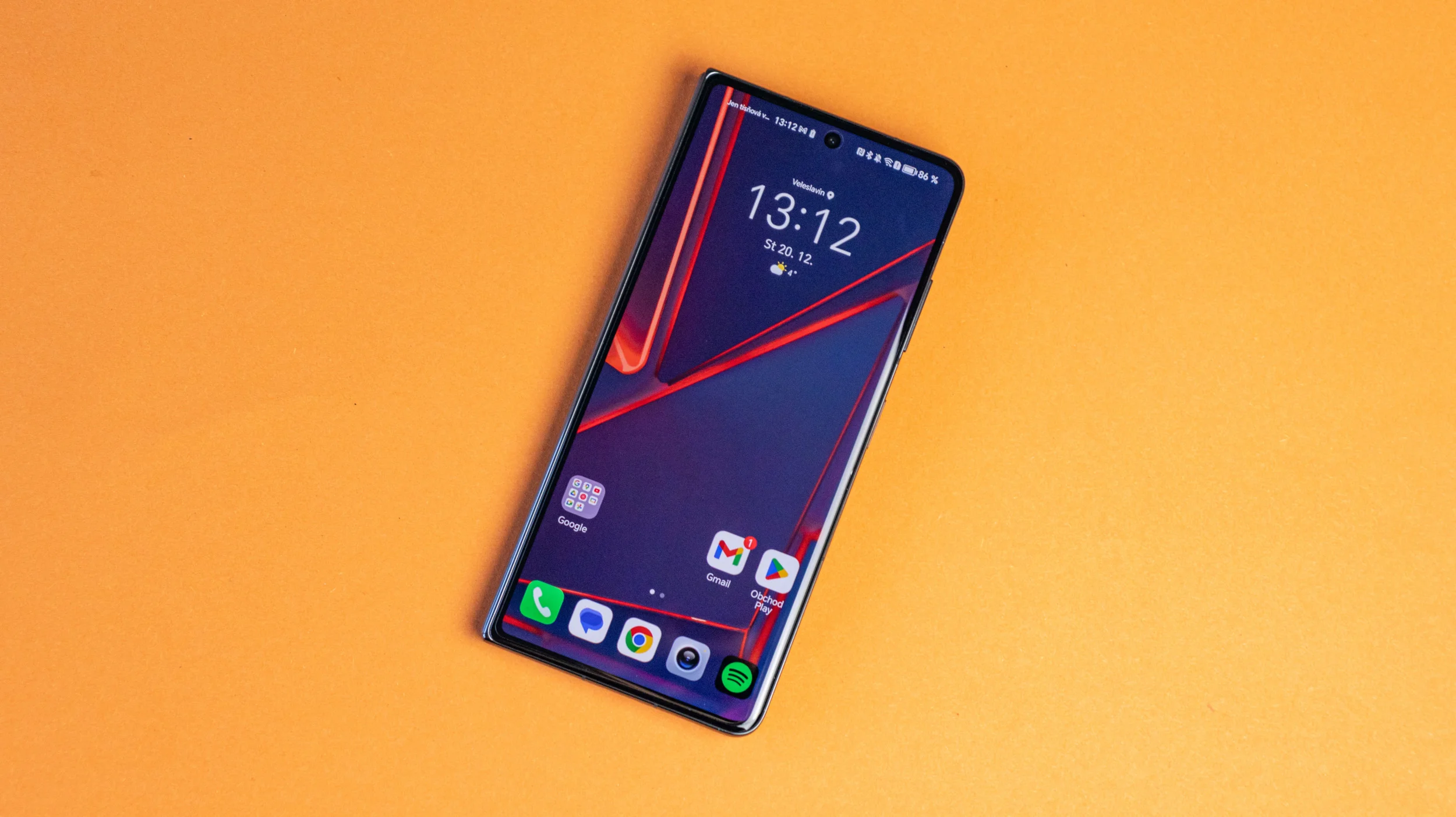
The second big win is the outer display’s fairly standard aspect ratio. Because of that, the Magic V2 works like a regular phone when it’s closed. You don’t get the same compromise as on the Fold5, where the cover screen feels tall and narrow. Typing on the keyboard here feels great, much closer to a conventional smartphone.
I also appreciated the fact that there’s no gap when the Magic V2 is closed. During testing, very little pocket lint or debris made its way onto the inner display.
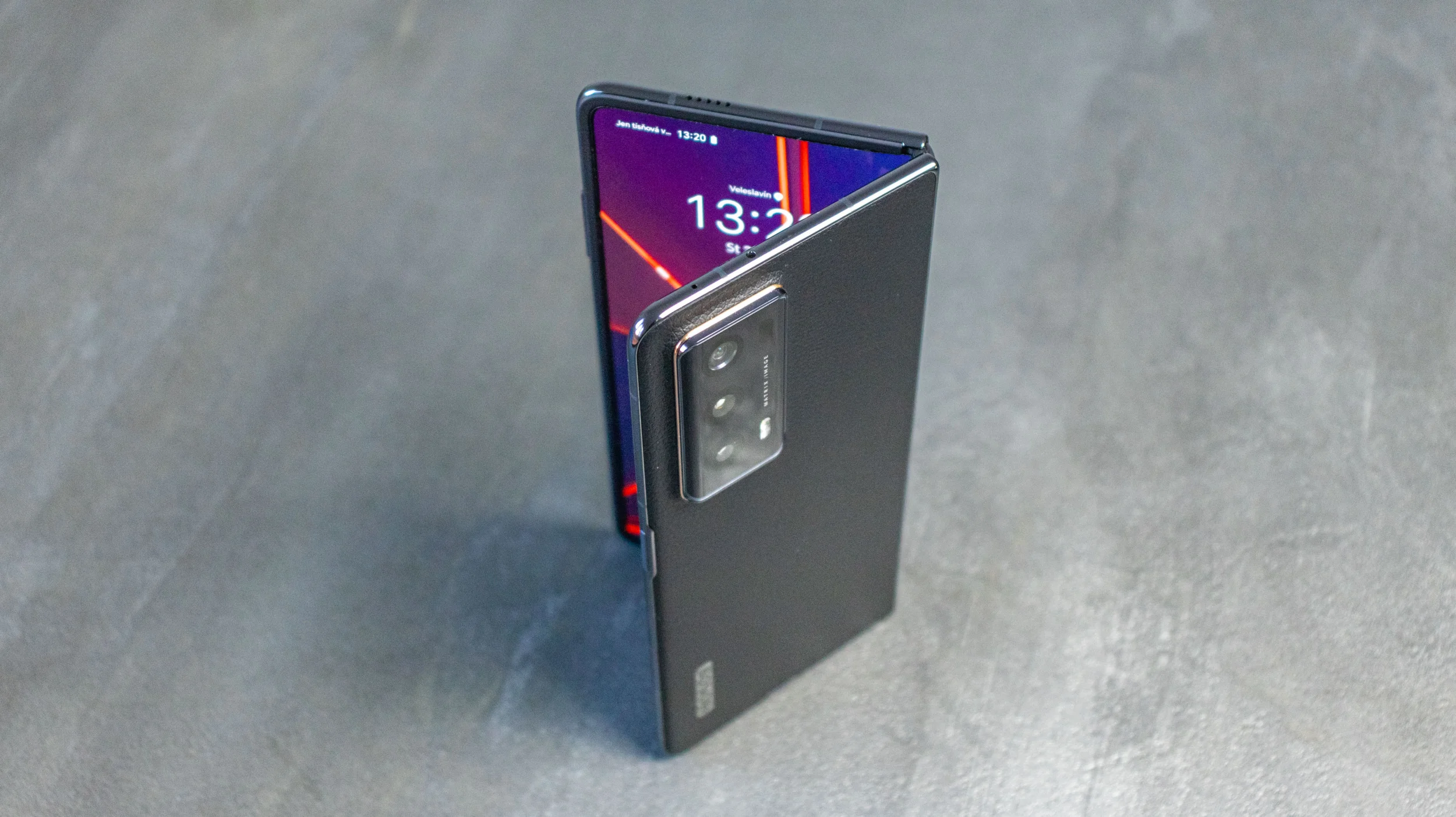
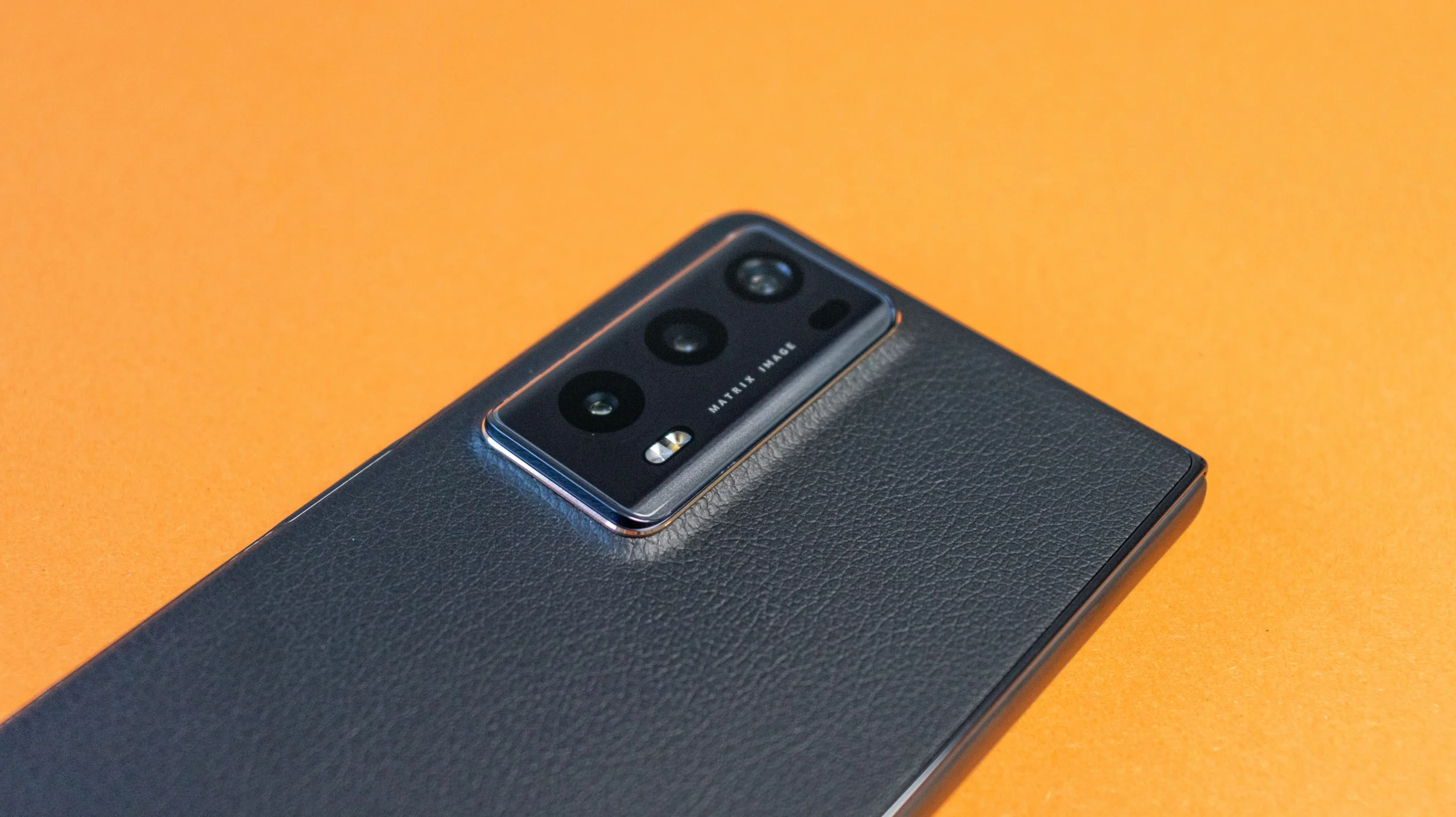
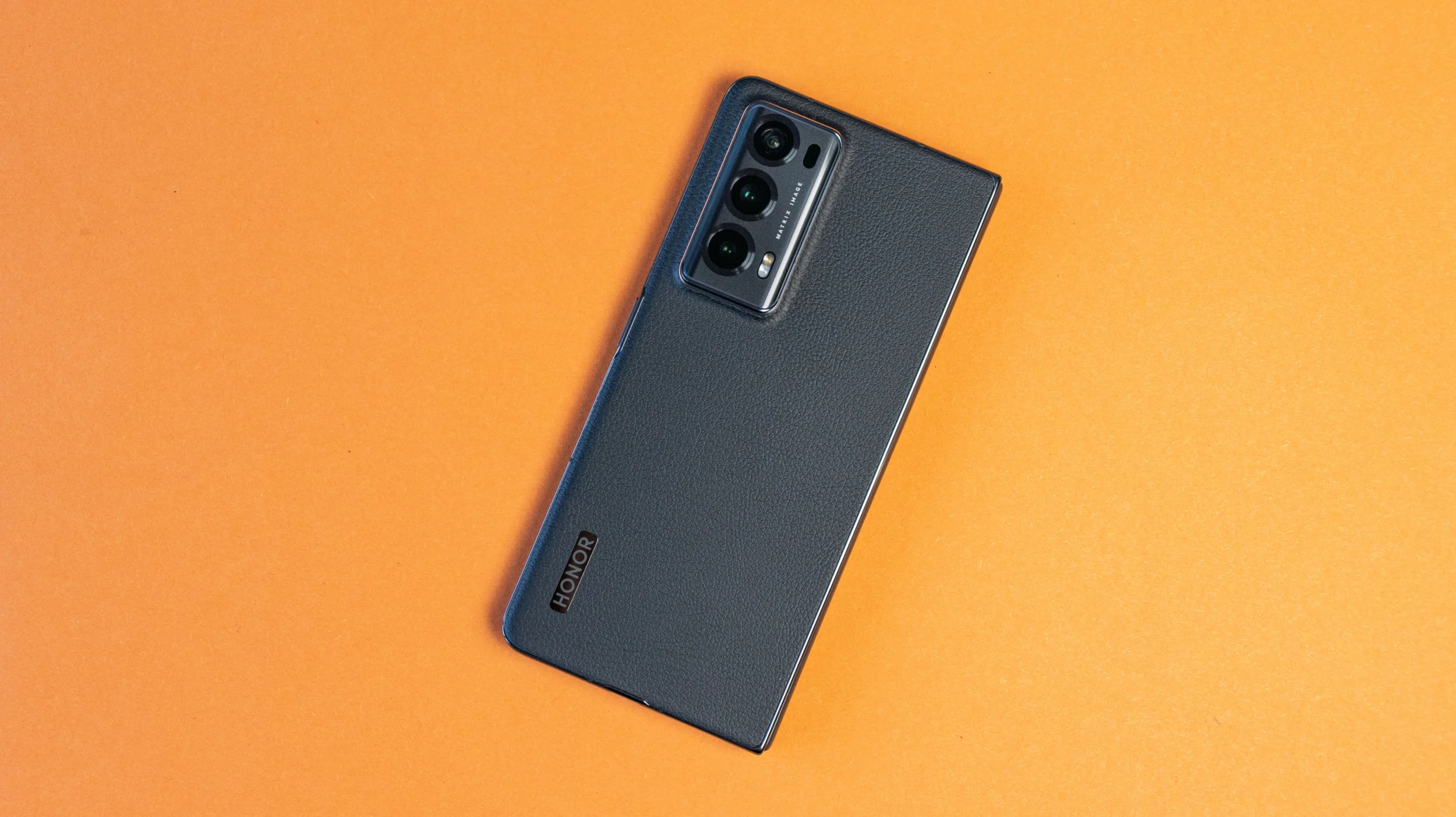
The frame is steel, while the version I tested uses a vegan leather back. It looks excellent and feels good in the hand. The rear camera module is ringed with a subtle bronze accent, which adds a nice touch. There’s also a purple version with a glass back panel.
At 231 grams, our review unit’s weight is perfectly reasonable. In fact, it’s lighter than the iPhone 14 Pro Max was not that long ago.
Open it up, though, and there’s a small adjustment period. The hinge is fairly stiff, and it takes some getting used to. During the first few days, I nearly dropped the phone a couple of times while unfolding it. I also accidentally caught a fingernail under the protective film on the outer display and lifted it slightly. Thankfully, the plastic film on the cover screen is replaceable.
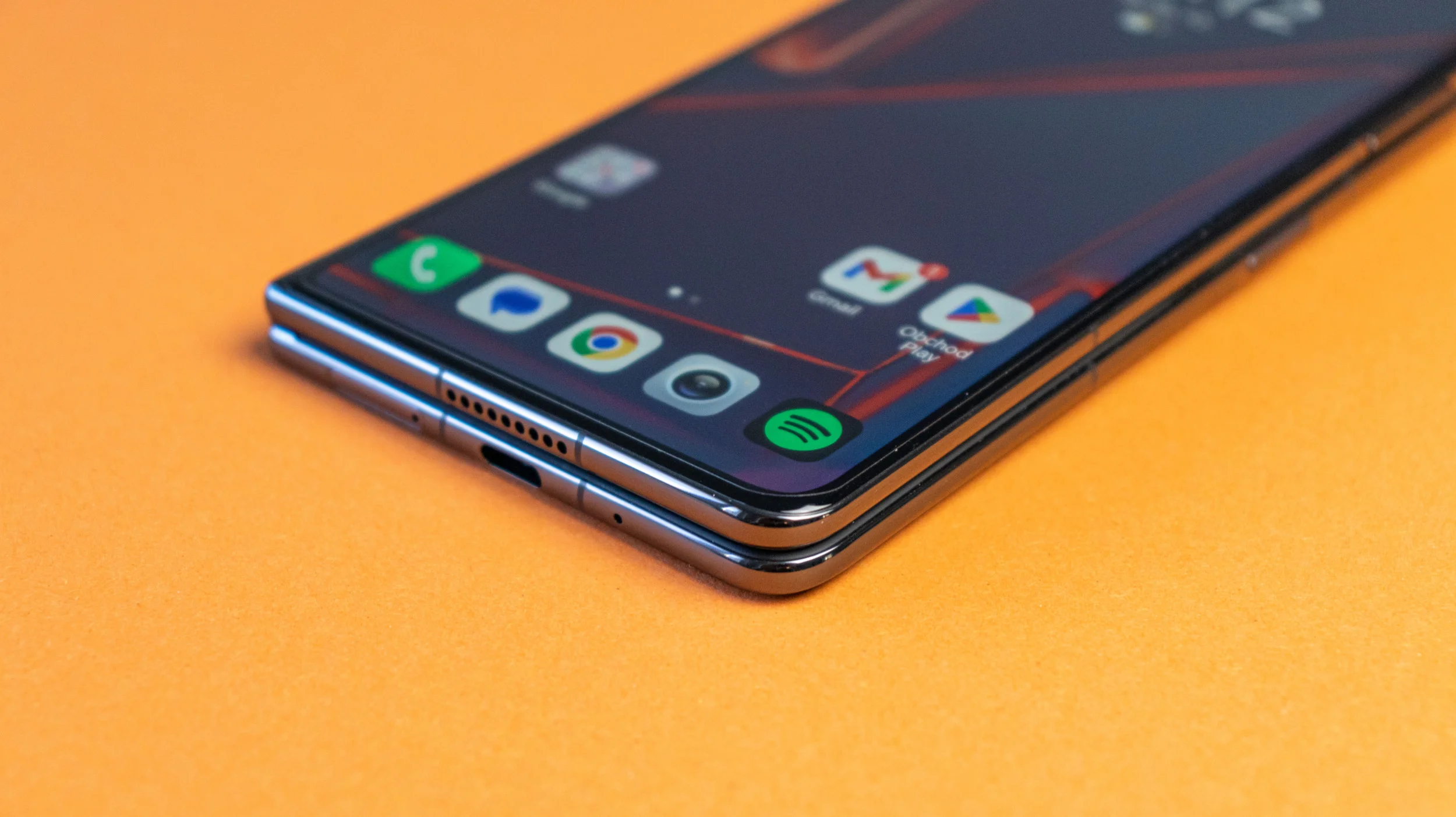
The button layout is also a little unusual. Unlike other Fold-style devices, the Magic V2 places the volume buttons on the opposite side from the power button, which also houses the fingerprint reader. When the phone is closed, that feels slightly odd, since the buttons are effectively on the same side but at different depths. The fingerprint scanner itself works very well and proved reliable throughout testing.
You get two speakers, one at the top and one at the bottom. They sound good, though I’ve heard louder setups. One nice touch is that the earpiece can still be used for calls even when the phone is unfolded, which isn’t always the case on competing devices and can come in handy.
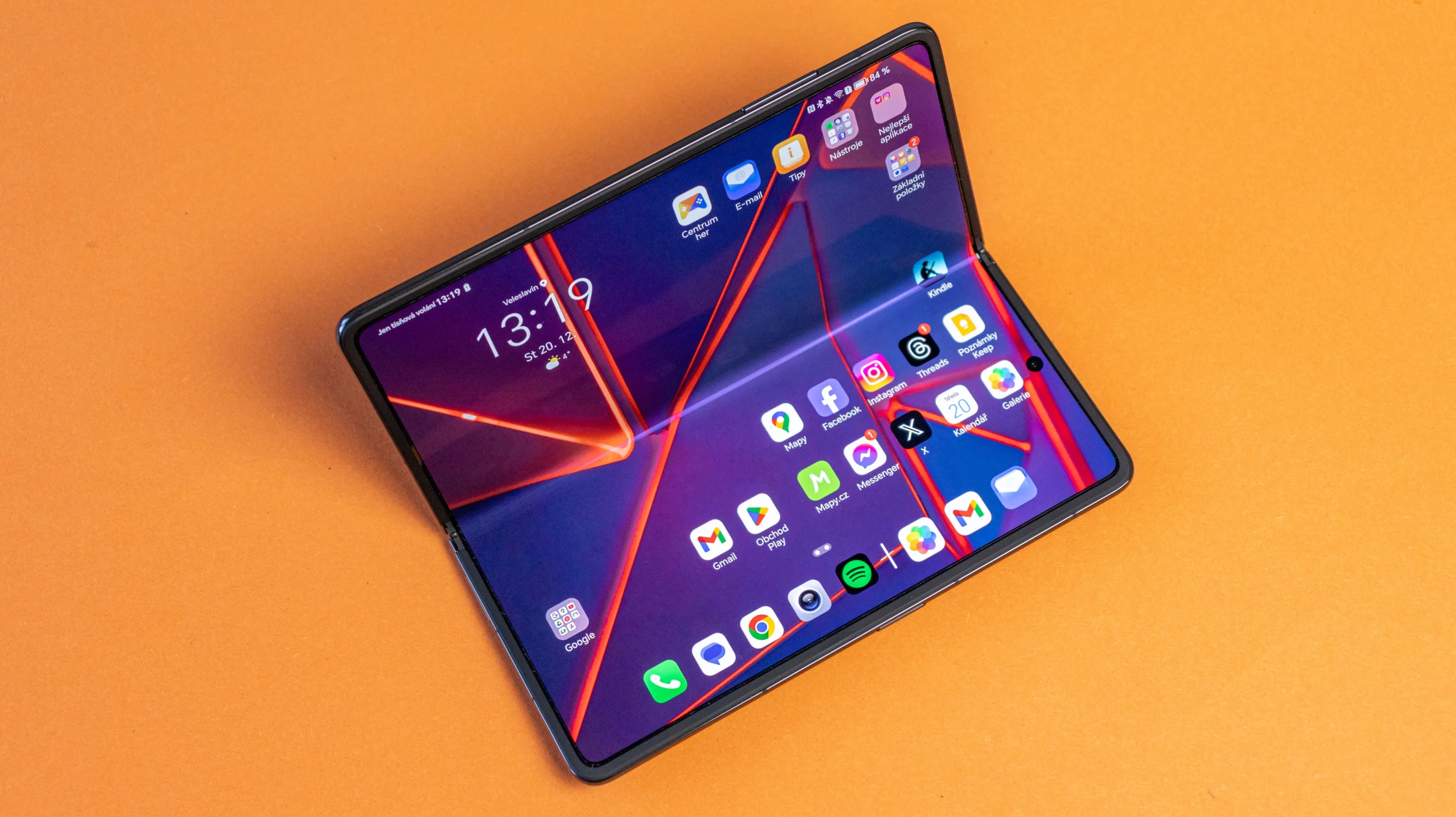
On the hardware front, Honor is clearly ahead of Samsung here. There’s just one major drawback: the Magic V2 has no water resistance rating at all. That’s a real miss for a foldable at this level.
Display
Inside, there’s a 7.92-inch display, and the crease deserves praise. On a foldable, it’s surprisingly subtle. In daily use, it barely bothered me. You can still spot it in photos or from an angle, but in person it’s much less distracting than what you get on Samsung’s foldables.
A matte black border surrounds the panel, which looks clean and doesn’t attract fingerprints. There’s also an integrated camera for video calls. It isn’t hidden under the display like on the Galaxy Z Fold5 (review (in Czech)), but I don’t see that as a downside. Image quality is better this way.
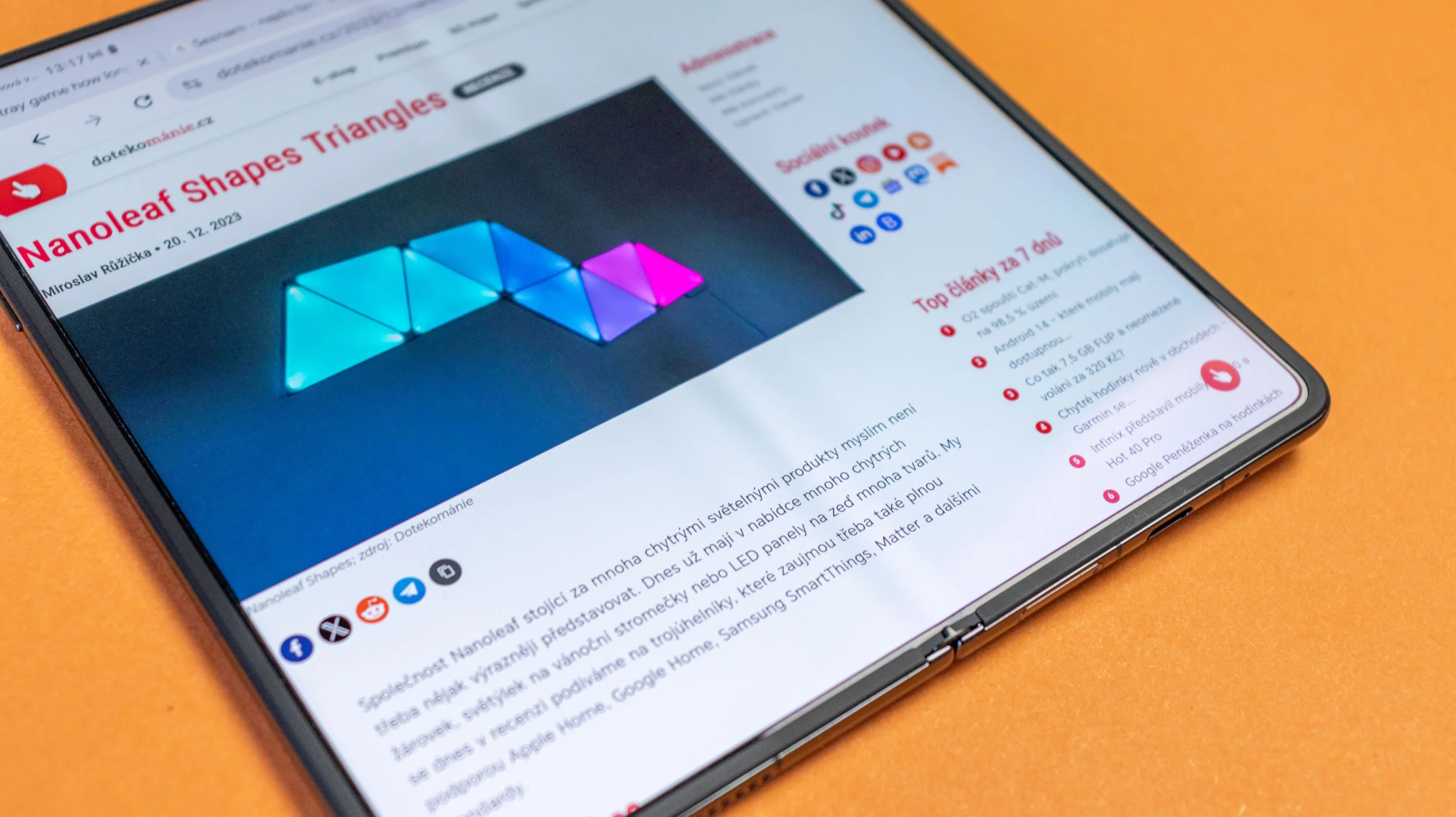
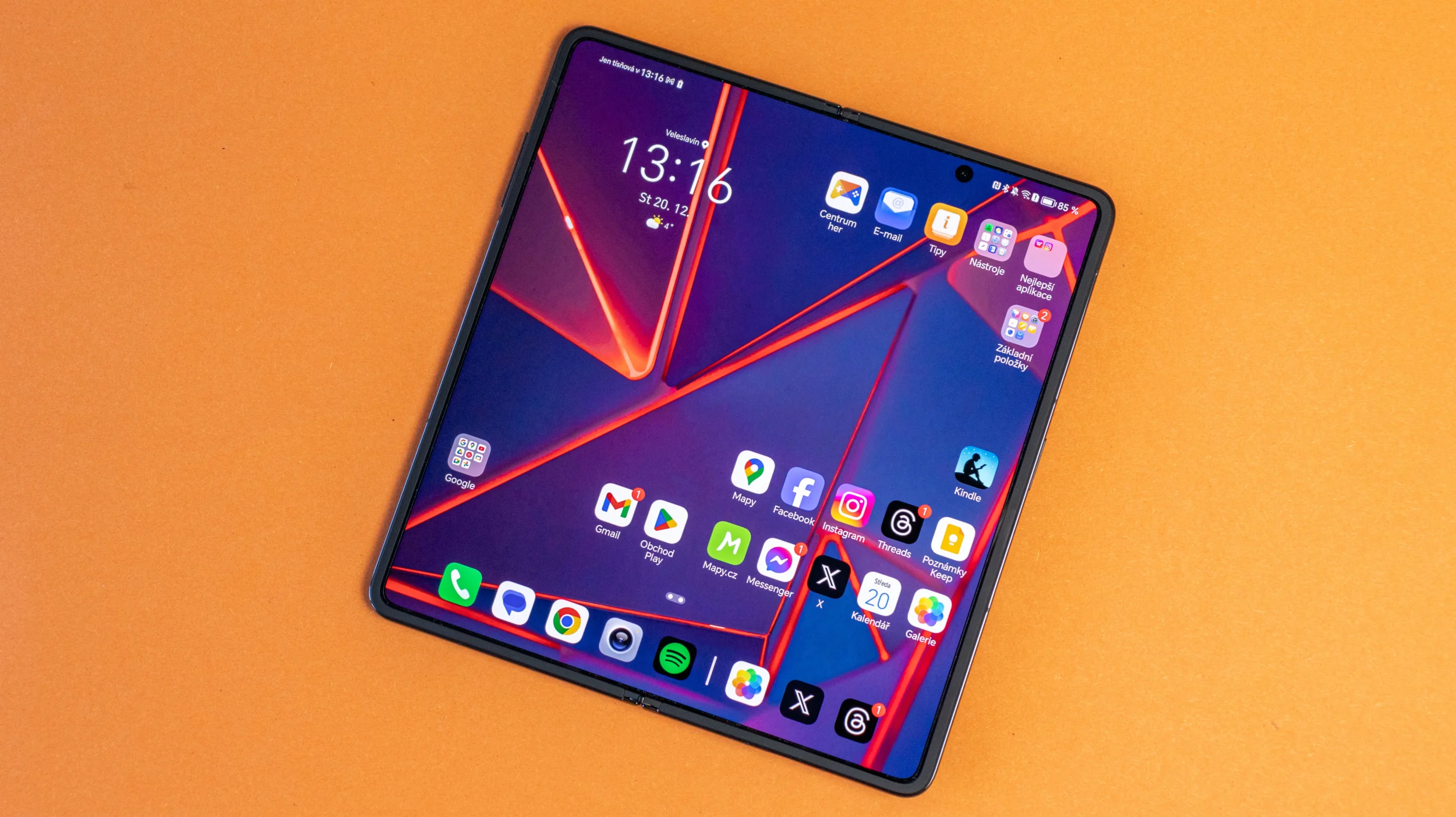
Both displays on the Magic V2 use LTPO AMOLED panels with adaptive 120Hz refresh rates. The outer display reaches up to 2,500 nits, while the inner panel tops out at 1,600 nits. Support for a stylus on both displays is another welcome bonus, although we didn’t have the stylus on hand during testing.
Hardware
Inside is Qualcomm’s Snapdragon 8 Gen 2. That’s now technically last year’s chip, and the Magic V2 loses a bit of ground here because its wider launch arrived several months later. In practice, though, it’s hardly a problem. This processor still has plenty of power left.
It also helps that every version comes with 16GB of RAM. The version sold here pairs that with 512GB of storage.
System performance is smooth and fast in daily use. I never ran into slowdowns or had to wait on anything, and the optimization is excellent.
Specifications
- displays: 7.92 inches, 2344 x 2156 pixels, OLED, up to 120Hz
- 6.43 inches, 2376 x 1060 pixels, OLED, up to 120Hz
- processor: Snapdragon 8 Gen 2
- RAM: 16 GB
- storage: 256 GB, 512 GB, or 1 TB
- Android 13 + MagicOS 7.2
- cameras:
- rear – 50 MPx, OIS
- 50 MPx, ultrawide
- 20 MPx, 2.5x telephoto, OIS
- front – 16 MPx
- rear – 50 MPx, OIS
- IR blaster
- stereo speakers
- 5G, WiFi 7, Bluetooth 5.3, GPS(L1+L5) /AGPS/GLONASS/BeiDou(B1I+B1C+B2a)/Galileo(E1 + E5a), NFC
- dimensions: 156.7 x 145.4 (74) x 4.7 (9.9) mm; 234 grams
- battery: 5000 mAh + 66W USB C
Battery life
I was pleasantly surprised by the battery. Just fitting a 5,000mAh cell into a body this thin is impressive on its own, especially thanks to the newer silicon-carbon battery tech. Endurance is genuinely strong, and I consistently made it through a full day with plenty left in the tank.
It’s a shame wireless charging is missing. That’s most likely the tradeoff for the thin chassis, since there probably just wasn’t room for it.
Camera
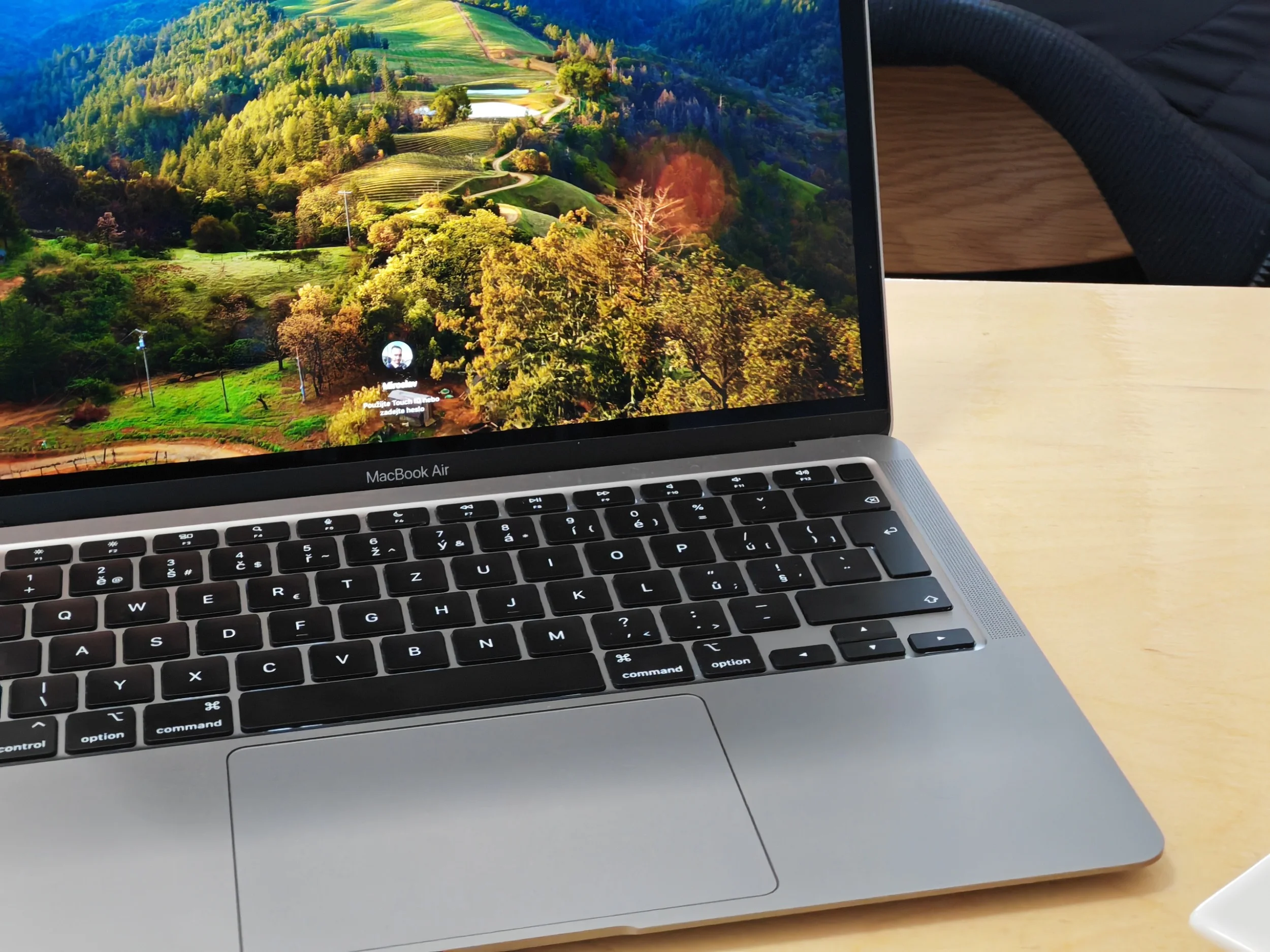
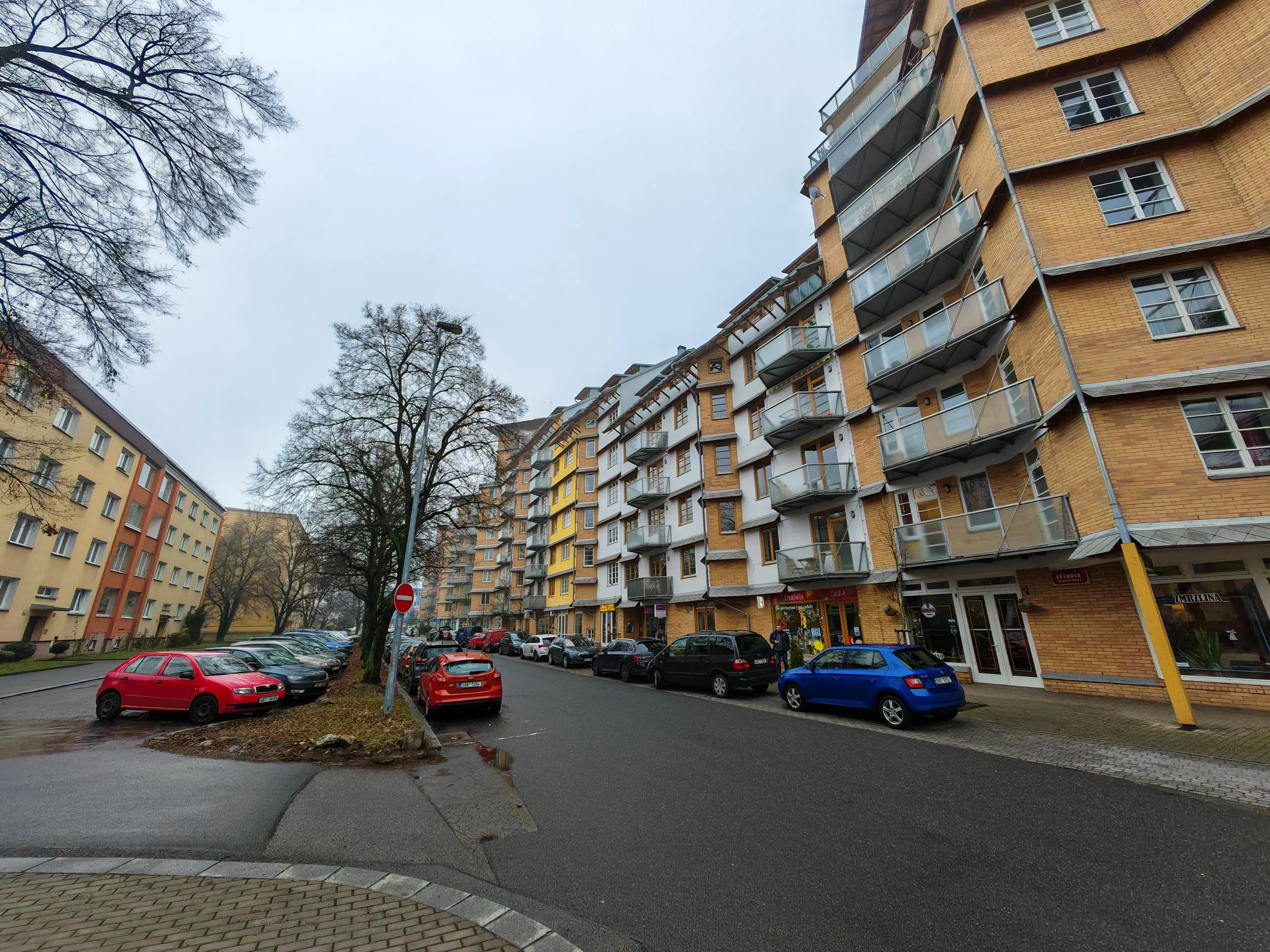
The rear camera module includes three sensors: a main camera, an ultrawide, and a 2.5x telephoto. Aside from the 20MPx telephoto, they’re all 50MPx sensors.
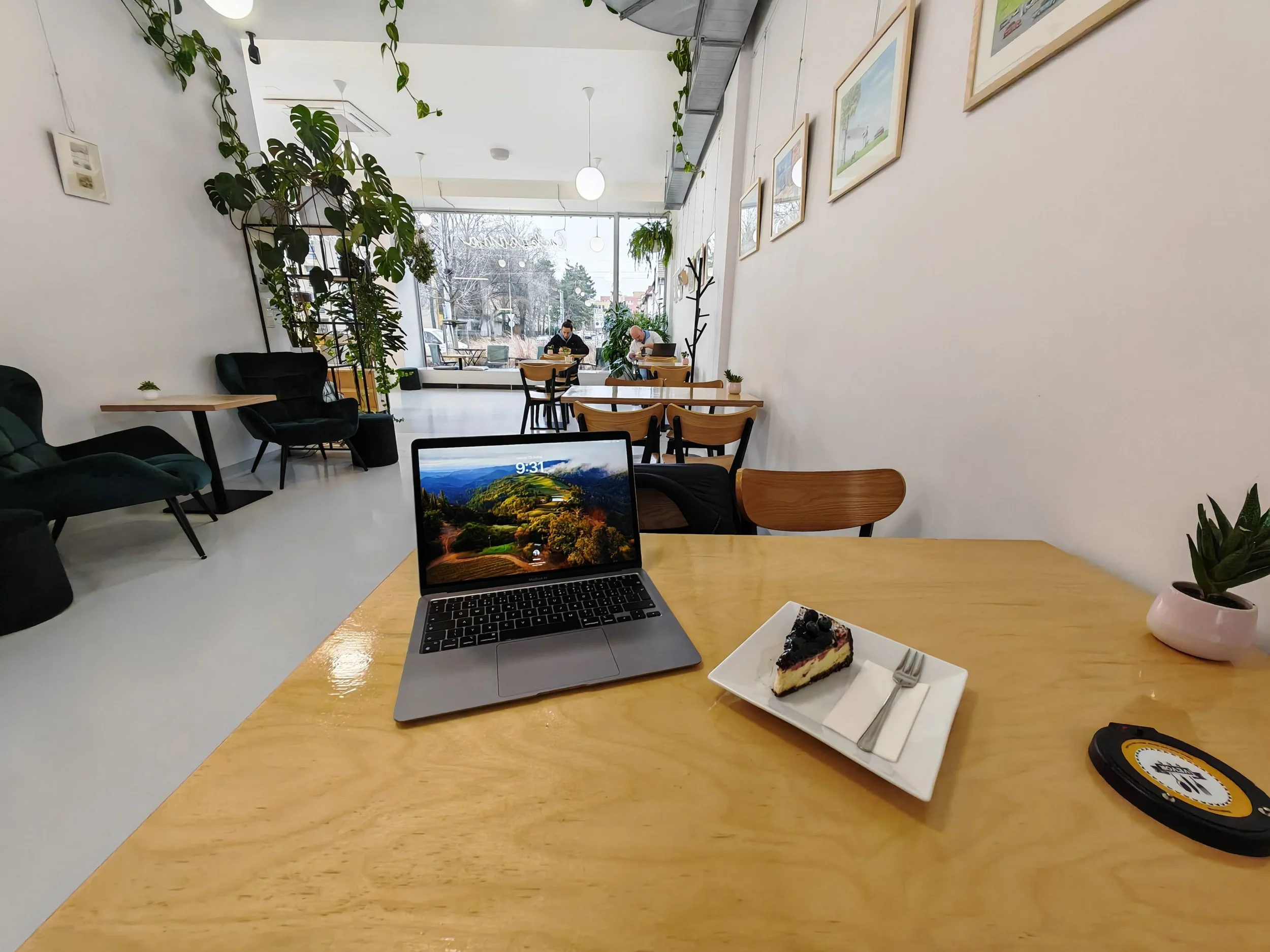
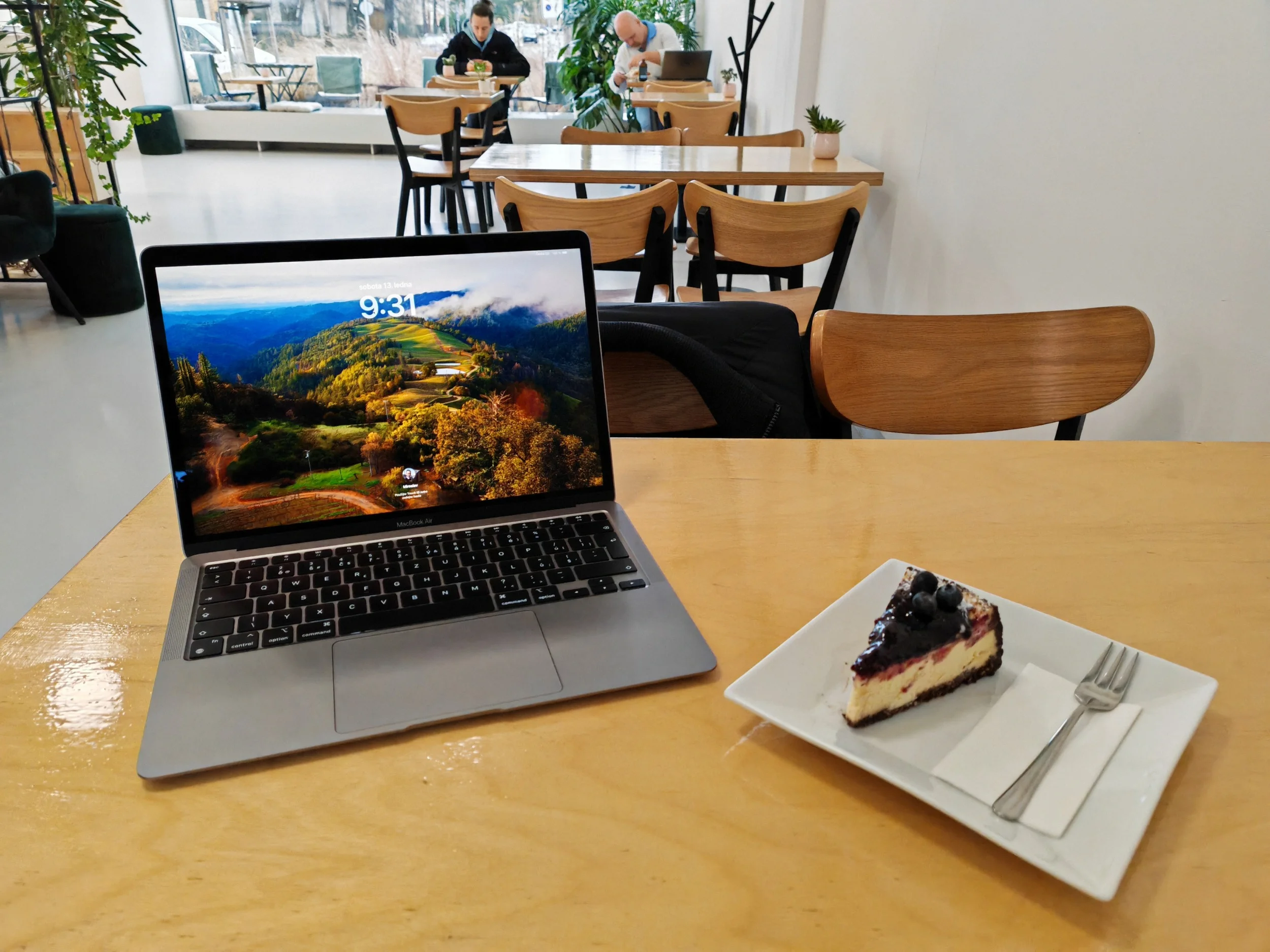
The resulting shots are very solid across all three cameras, and for a foldable phone, they’re genuinely impressive. Colors skew a little more saturated and contrasty. The ultrawide is, predictably, the weakest of the bunch, but that’s true of just about every phone. Its shots also occasionally come out a bit cooler in tone than the other lenses.
The 2.5x telephoto does its job well. The camera app also offers up to 10x zoom, but that generally isn’t worth using much, since it’s digital-only at that point.


























Software
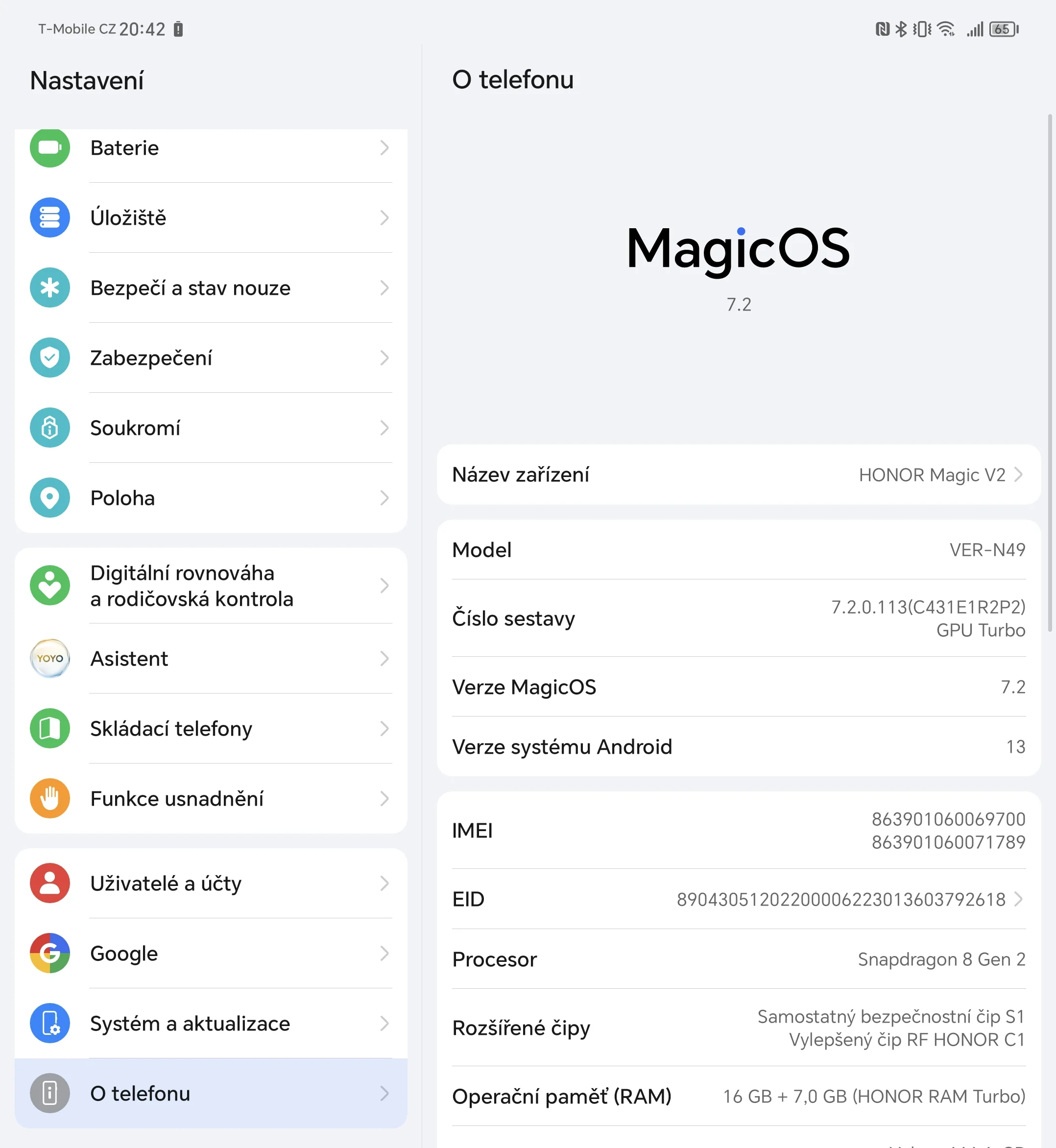
The phone is still running Android 13, which is pretty hard to excuse at this price. Android 14 has been out since last October. As expected, Honor layers its MagicOS skin on top, here in version 7.2.
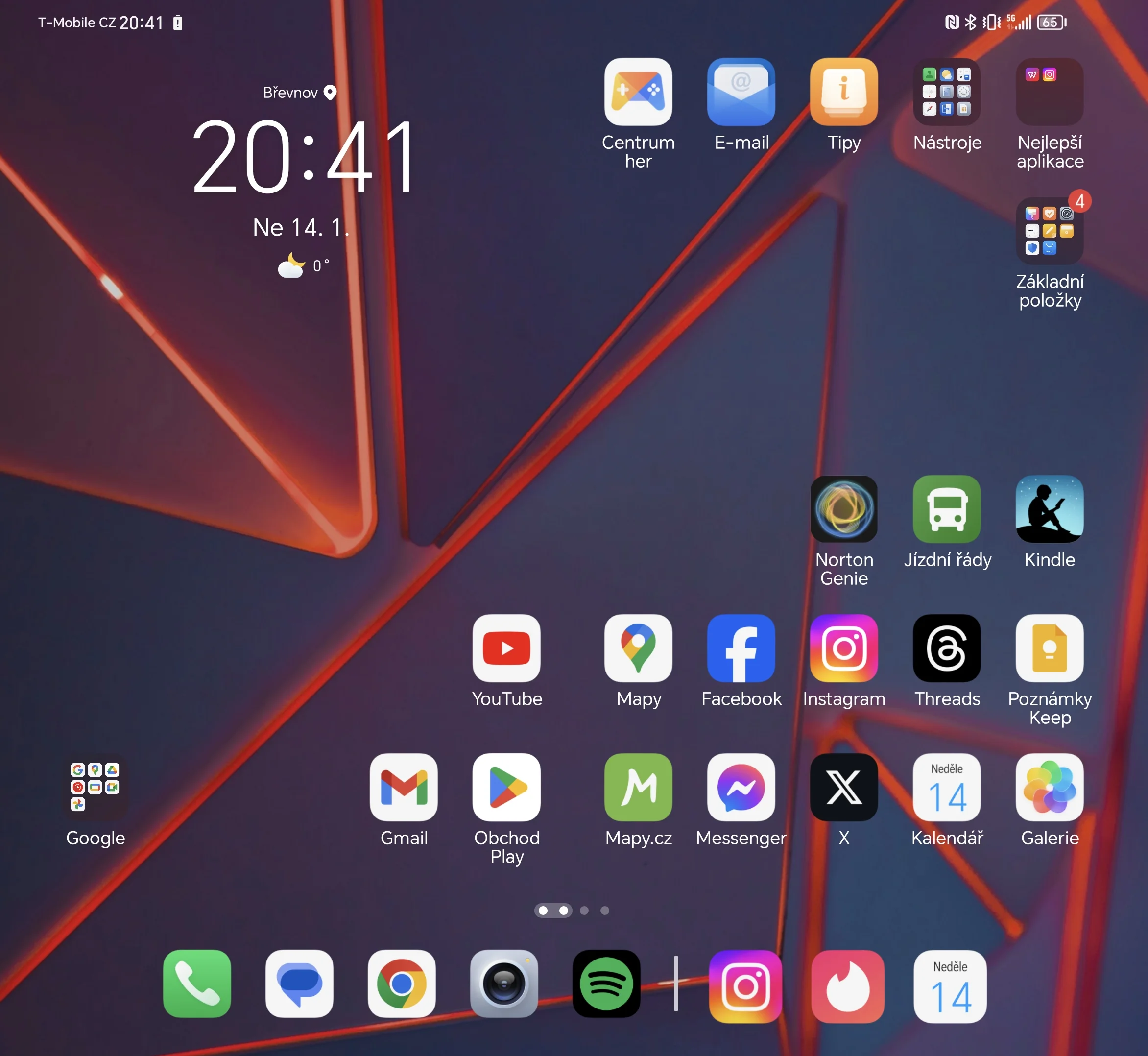
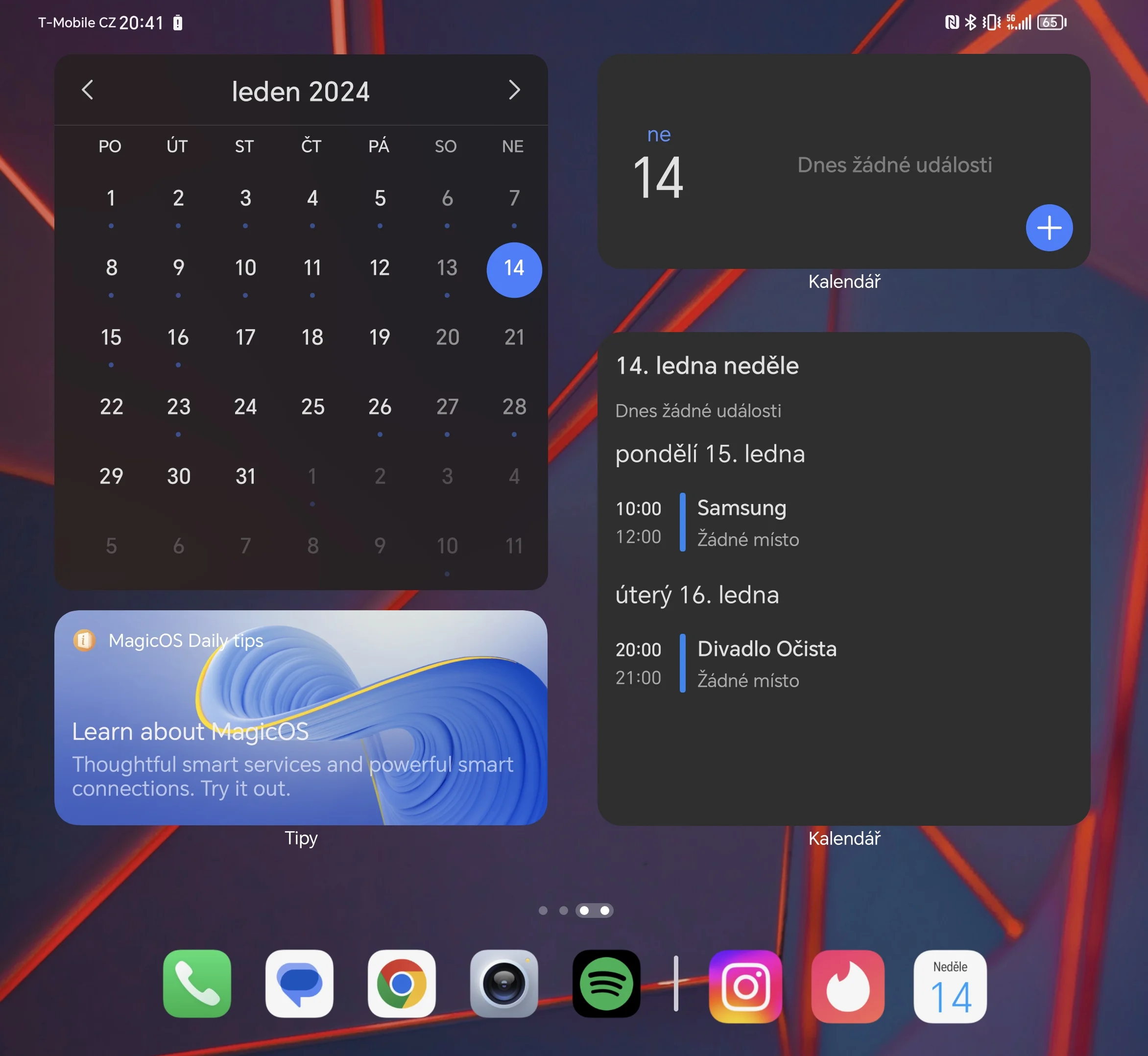
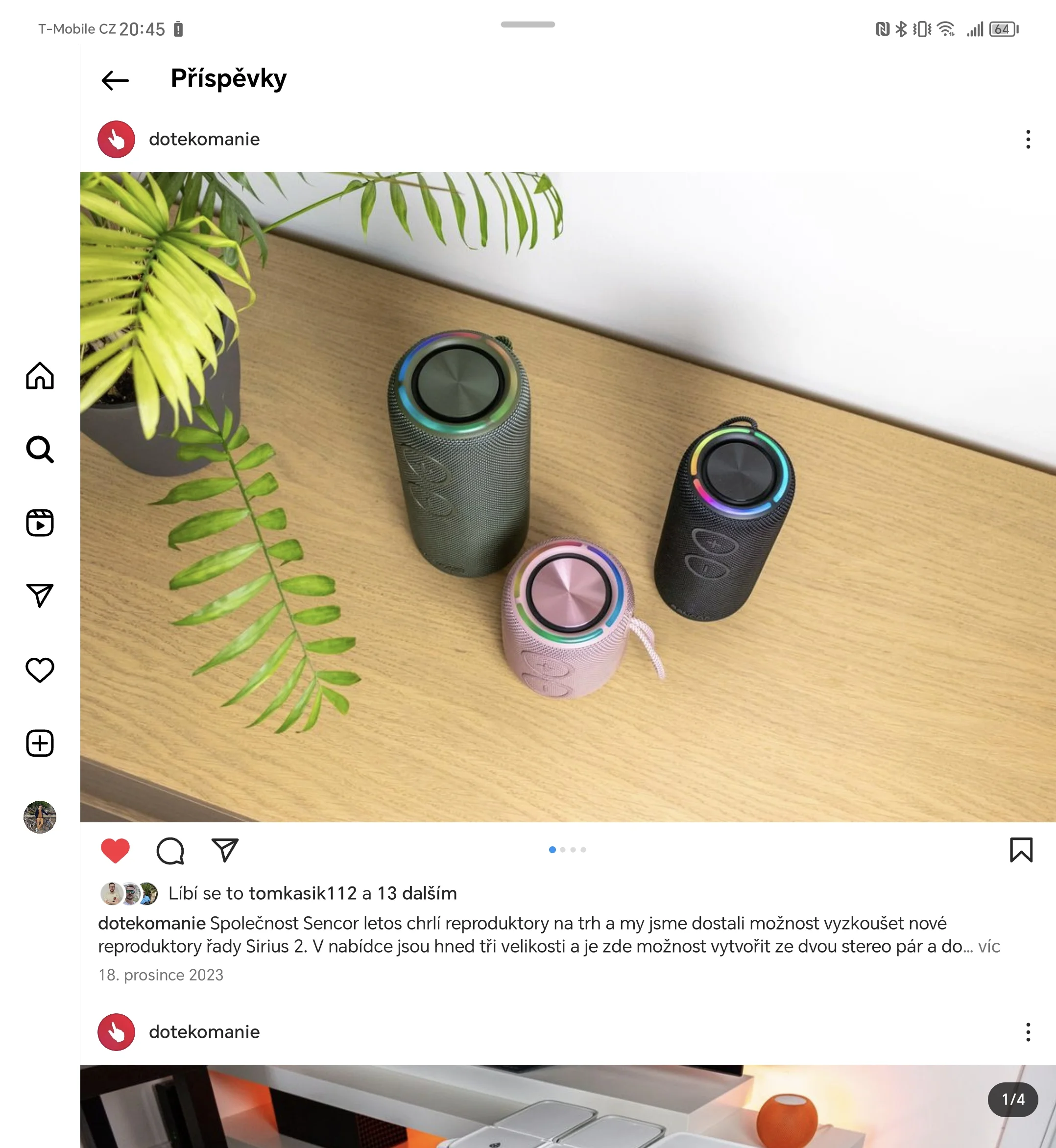
I was disappointed that the software doesn’t feel more tailored to a foldable. On the inner display, for example, there’s no bottom taskbar for quick app switching like you get on some rivals. You can run a maximum of two apps side by side, either horizontally or vertically. That’s enough for me personally, but competing foldables can handle three apps at once, plus another in a floating window. Floating windows are available here too, just not in that multitasking setup.
A lot of third-party apps still aren’t fully optimized for the inner display’s nearly square aspect ratio or its size. Things are getting better, though. Facebook and Instagram now have partial optimization, with the main navigation moved to the left side, as shown above. Google Maps, YouTube, Spotify, Google News, and Gmail also make good use of the screen. Still, there are apps like X, formerly Twitter, where the layout feels off and posts take up only about half the display width.
Honor Magic V2 Verdict
The Honor Magic V2 left a very strong impression on me. For the first time with a Fold-style phone, I didn’t feel like I was carrying around an oversized brick. Its thinness is genuinely impressive, especially since battery life doesn’t seem to suffer for it. The displays are solid, the crease is hard to notice, and the rear camera system is better than I expected. On the downside, there’s no water resistance, no wireless charging, and the software still feels less polished than it should on a foldable.
Even so, I genuinely enjoyed using the Magic V2. It works as a full-fledged phone when closed, and whenever you want, it can turn into a tablet. In my view, this is currently the most advanced foldable on the market, and it puts real pressure on Samsung. Next to it, the Galaxy Z Fold5 already feels dated. The OnePlus Open is also a serious rival. Honor is pricing the Magic V2 very close to both of those phones at 48,990 CZK (approx. $2,263 / €2,017). That’s a lot of money, though at least preorder buyers got a Nintendo Switch OLED bundle, effectively knocking roughly 8,000 CZK off the value proposition.
Pros
- Exceptionally thin design
- High-quality build
- 5,000 mAh battery in such a slim body
- Crease is barely visible
- Solid camera system
Cons
- No water resistance
- No wireless charging
- Software isn’t as polished for a foldable
