Elonga Review: A Smarter Way to Train

We recently reviewed the Ultrahuman Ring, a smart ring that tracks heart rate, blood oxygen, sleep quality, and physical activity. Put together, those metrics can offer a broad snapshot of your health. But what about other health-focused wearables?
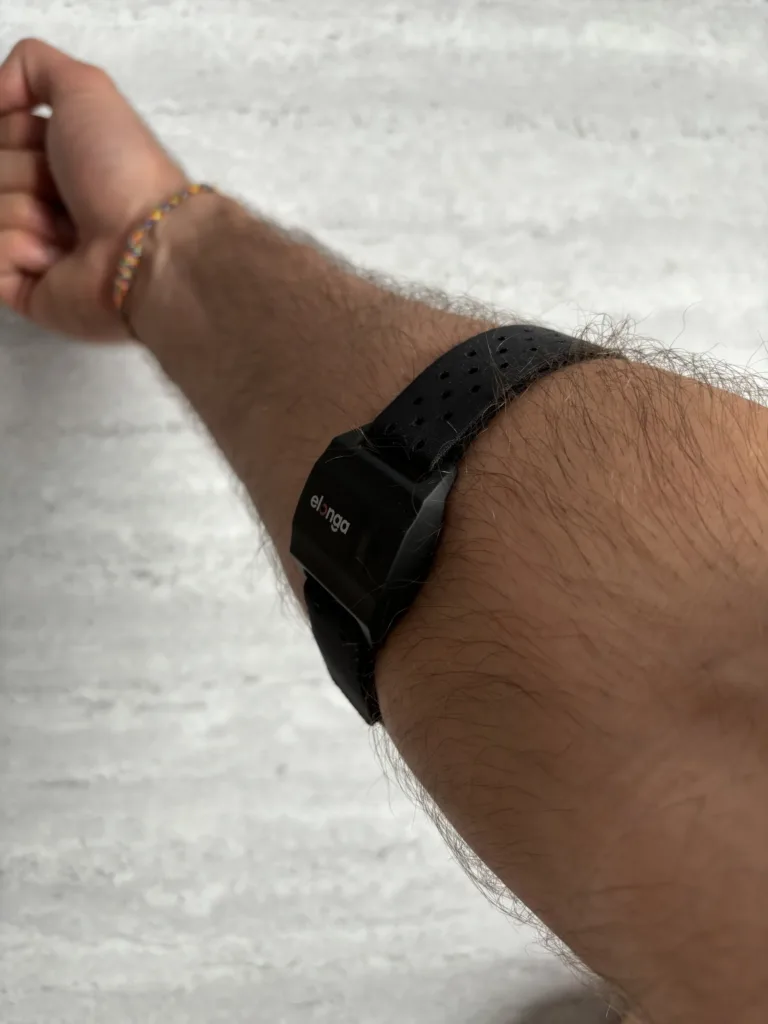
If you follow wearables and HRV tracking, you’ve probably come across Elonga. The product comes from a Czech team led by Radim Šlachta and Vojta Hlavenka, and it has picked up serious momentum in recent months. In this review, I’ll break down what Elonga gets right, and where I’d like to see it improve.
What exactly is Elonga?
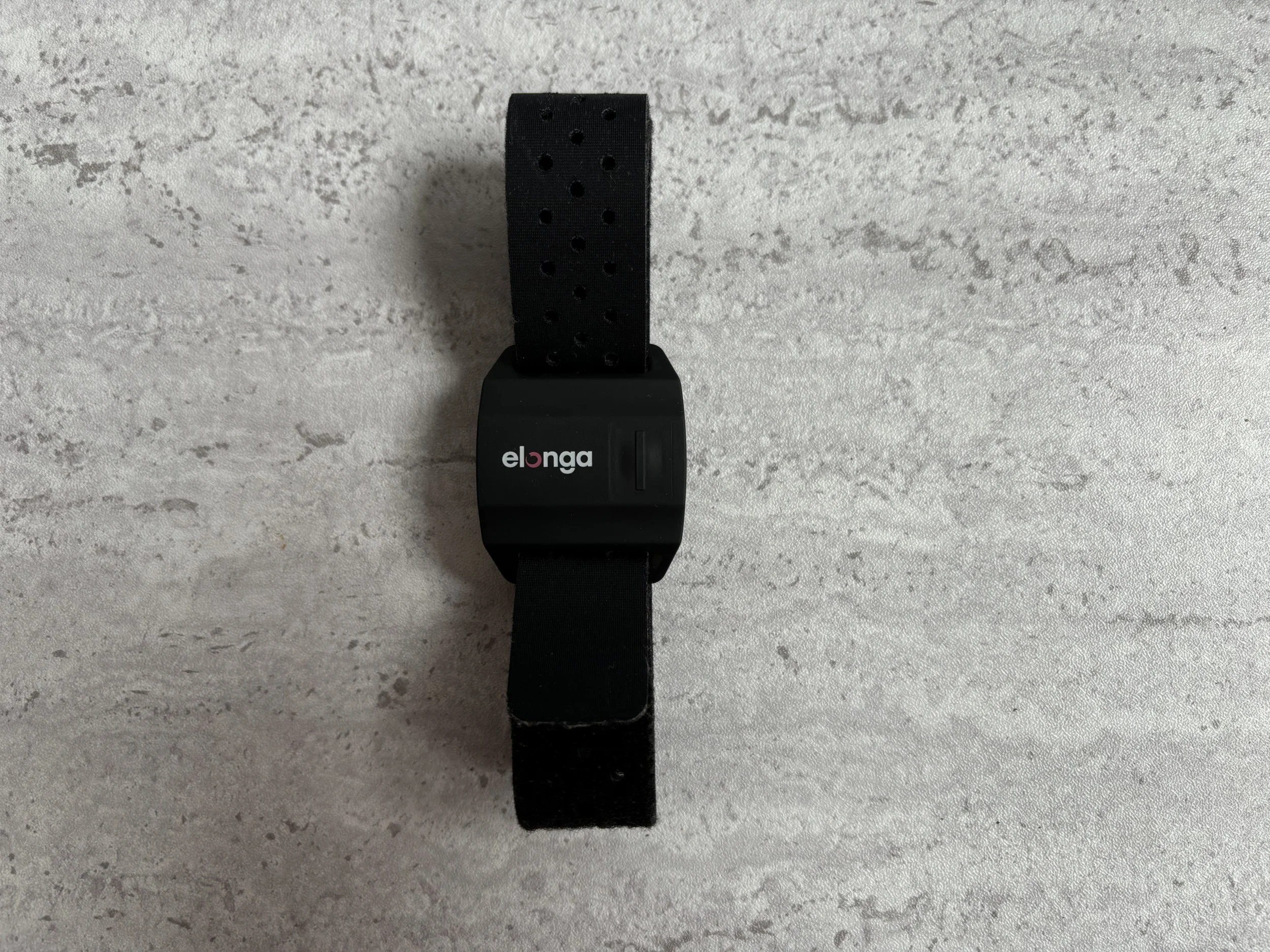
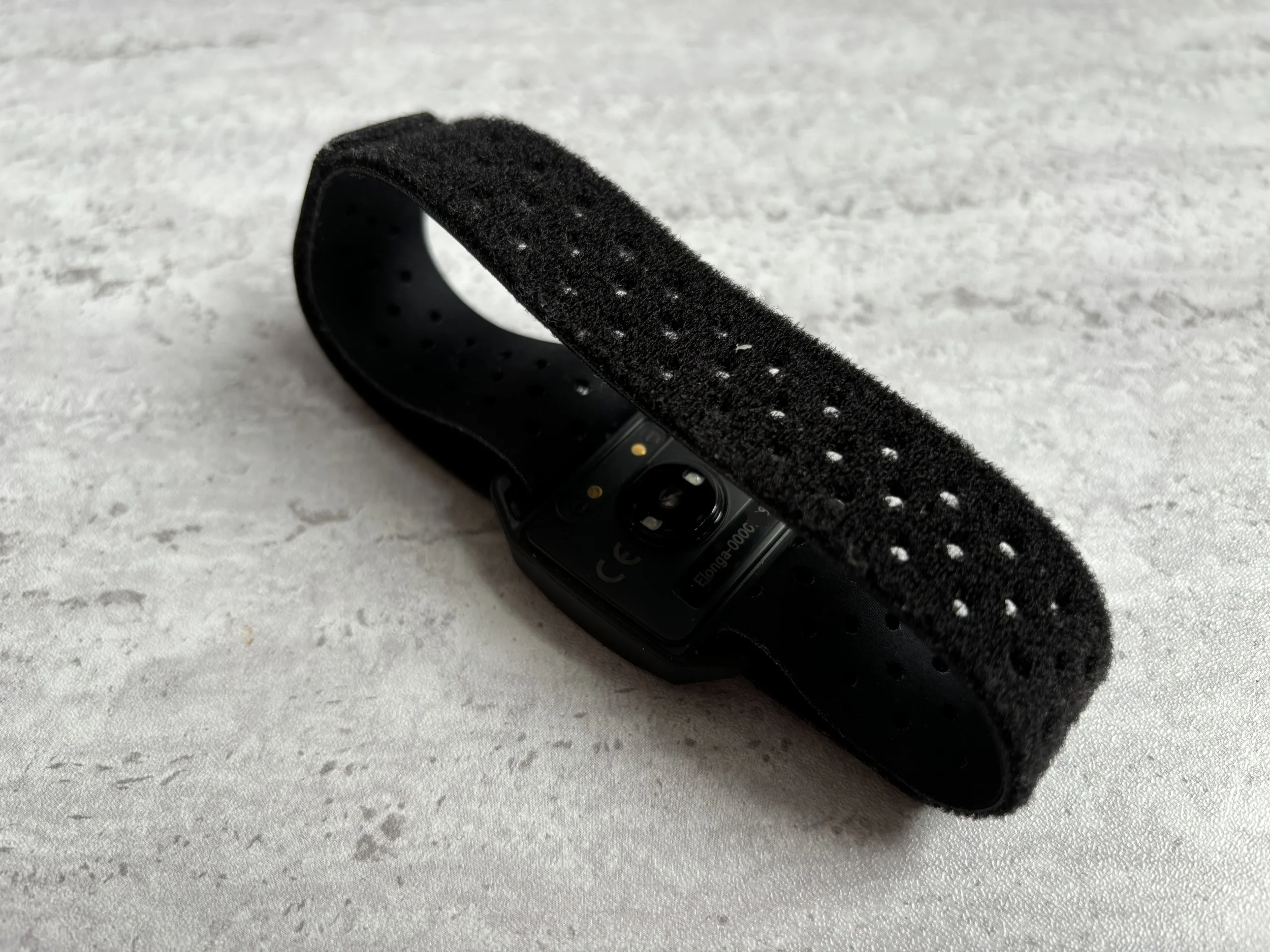
Elonga is a sensor that uses spectral analysis to measure heart rate and HRV. From that, it generates four core values: functional age, stress level, recovery, and readiness for your next workout or physical effort. The data is then presented visually in the Elonga mobile app for iOS and Android.
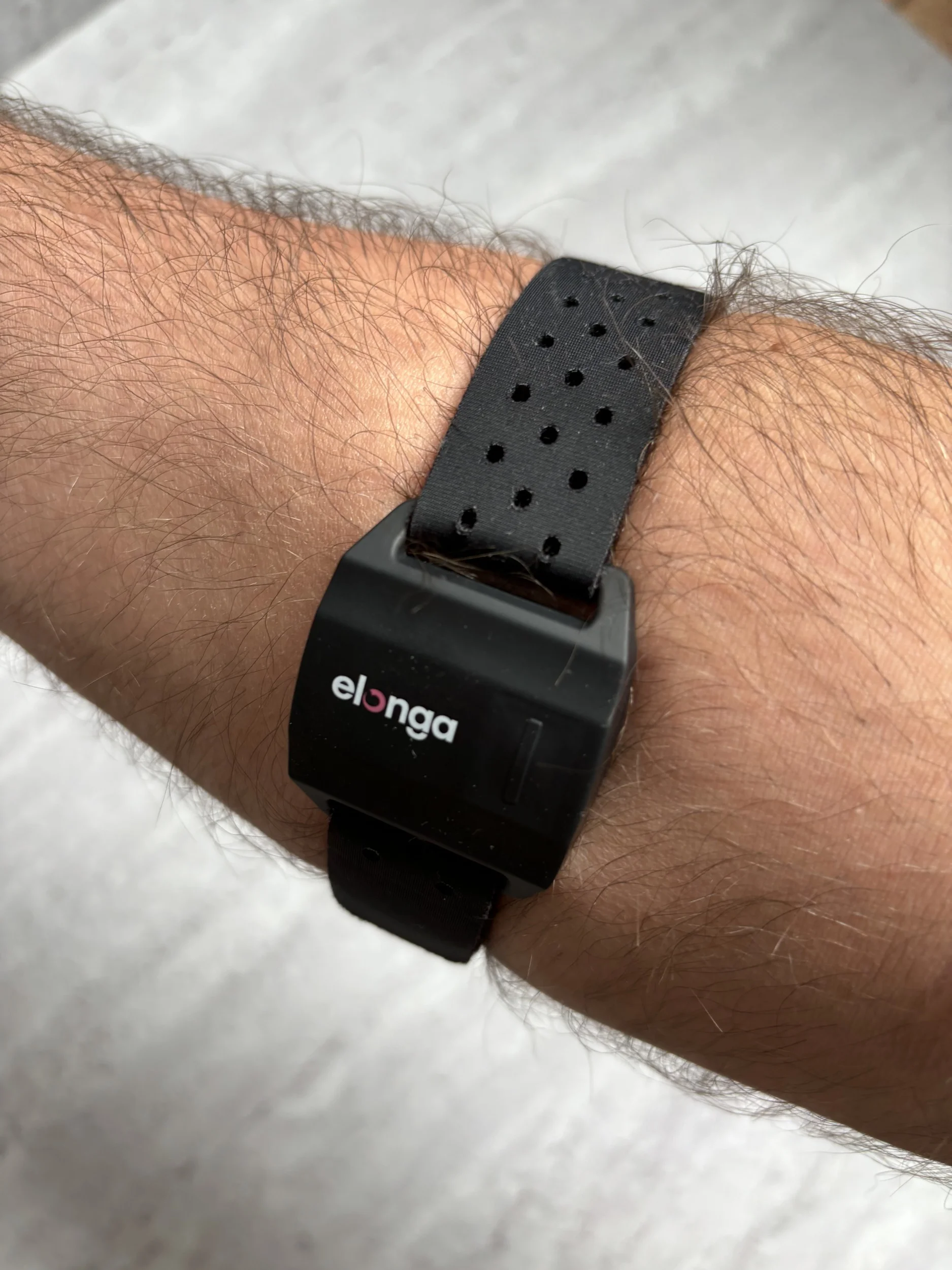
Right away, Elonga surprised me in a good way. For the first time after using Oura, Ultrahuman Ring, and Apple Watch, I really saw the value of a readiness score. On Oura or Ultrahuman, readiness can feel like just one metric among many. With Elonga, it feels like the main event. Is today a good day to lift, run, ride, and push hard? Or is your body not ready, meaning more effort would do more harm than good? That’s the real hook here, and it’s what makes the product stand out.
What I like about Elonga
The price, and no subscription for now – Apple Watch, Oura, and Ultrahuman Ring all land around the equivalent of several hundred dollars. Elonga costs 1,890 CZK (approx. $86 / €78), including the app, which currently doesn’t require a subscription. That said, a subscription for new buyers is reportedly on the way. Even so, for under 2,000 CZK (approx. $91 / €82), you get a product that can help improve your physical health and add more useful movement to your day.
Training load adjusts to you – A lot of training apps simply hand you a workout plan and expect you to follow it. They don’t really ask whether you still have room to train harder, or whether you’re overreaching and should back off. Elonga uses a three-minute morning measurement to assess your condition and adjust the day’s recommendation accordingly: keep going, push a little more, or dial it back and recover.
Clear visualization and interpretation – The Elonga app is fairly clean and easy to understand. I’ve also tested morning HRV tracking with HRV4Training, the app from HRV expert Marco Altini, who has worked with companies like Oura. The measurement process was simple enough and worked in a similar way with Apple Watch. But the interpretation? For me, basically unusable. The graphs were cluttered, and it was hard to turn the data into action. Elonga does a much better job here.
It pulls in steps and workouts from Apple Health – If you wear something during the day, whether that’s Apple Watch, Garmin, Oura, or use Strava, and that data is written to Apple Health, Elonga can import it and work with it. Strava can even detect the Elonga band as a heart-rate sensor during workouts, much like a Polar chest strap.
Fast measurement, once each morning – Maybe you don’t want to wear a tracker all day or sleep with one at night. Elonga has a simple pitch: one three-minute measurement in the morning, and you’re done.
Excellent battery life – Elonga lasts for several months on a single charge.
What I’d like to see changed
No way to import HRV data from another device – I’d like to see support for importing HRV and heart-rate data collected overnight from devices like Oura. The company’s argument is that other sensors don’t measure as accurately or as comprehensively as Elonga’s spectral analysis. Even so, I’d still like to see Elonga offer overnight measurement and average those results.
No tags or notes – I’d welcome the ability to add tags for different activities, things like #sauna, #coldplunge, or #fever, so they could act as notes tied to a better or worse measurement result. A feature like that is reportedly in development.
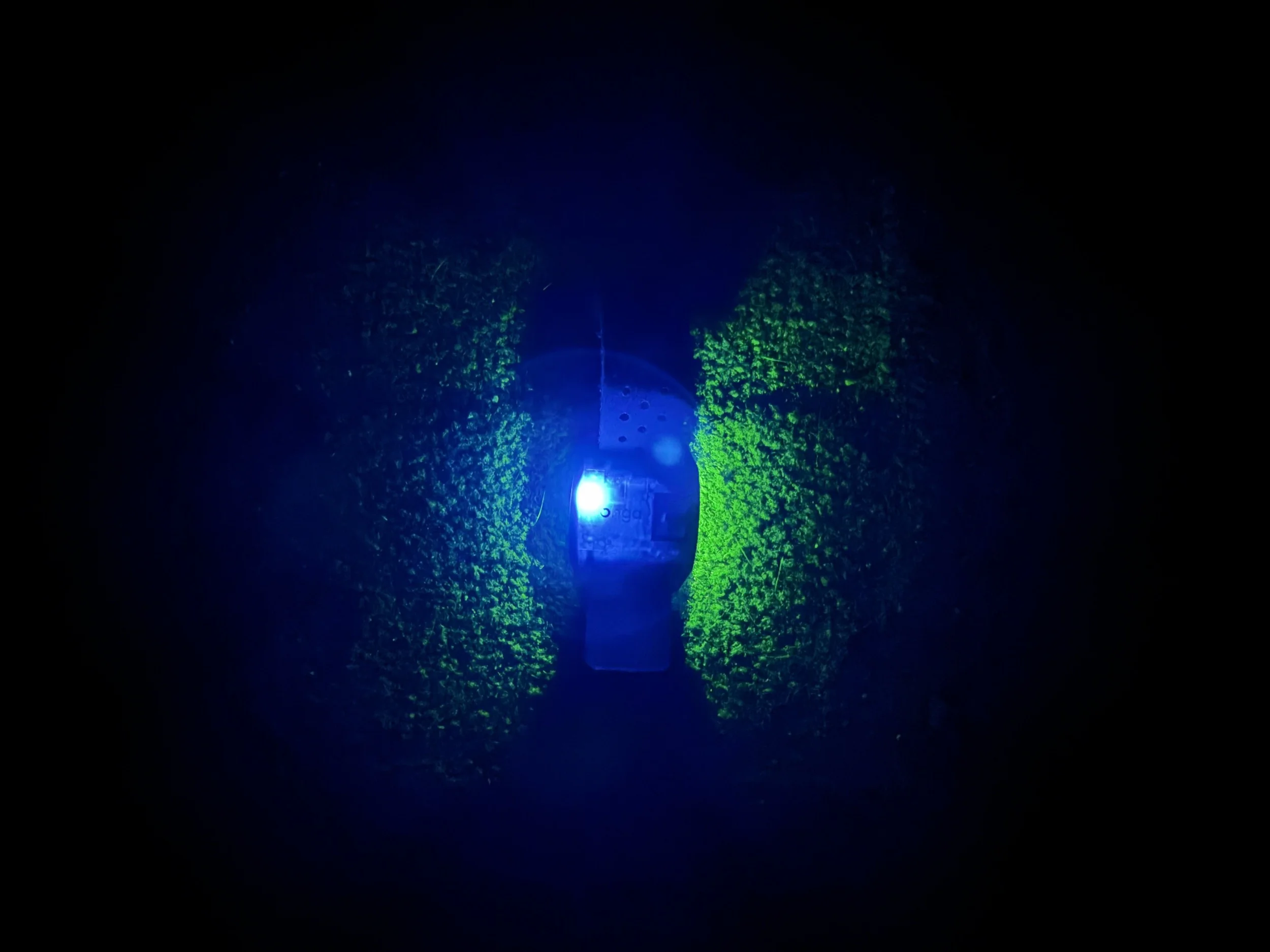
The LED is too bright – The sensor has a pretty hard-to-miss light, and on dark winter mornings it can light up the whole room. This also sounds like something the company plans to tweak.
The “science” section on the company’s website is misleading – Under the science tab, I expected to find research papers on measurement accuracy or something similar. Instead, there’s not much there that feels scientific at all, which is disappointing, especially given the academic background of the founder.
The app doesn’t work offline – Sure, most of us are online almost all the time. Still, I ran into a few situations without signal where the app simply didn’t work. That’s another area the company says it plans to address.
Verdict
I like Elonga. It changed how I think about readiness data and made that number feel genuinely useful. It also pushes me to stay more active, while adjusting to my performance and updating my training plan each week. The device is light, the measurement takes just three minutes each morning, and the whole package costs 1,890 CZK (approx. $86 / €78). If you care more about actionable recovery data than all-day wearable tracking, Elonga makes a strong case at this price.