Xiaomi 14 Review: Compact and Fast

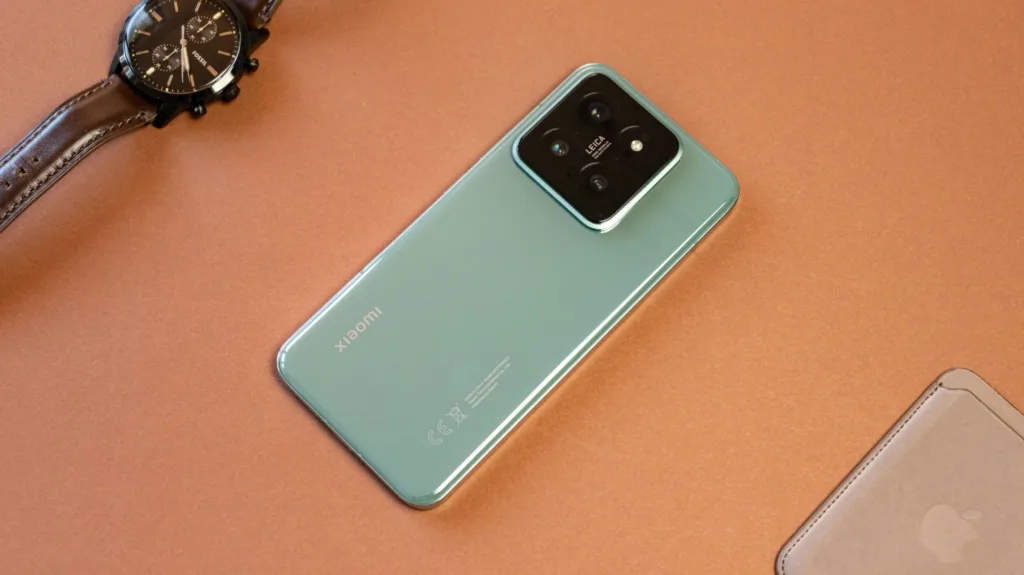
Last year’s Xiaomi 13 review (in Czech) marked a fairly major reset, with a new design and Xiaomi’s Leica partnership taking center stage. This year’s Xiaomi 14 is a much gentler update. I called the Xiaomi 13 a likable, squared-off flagship, so the obvious question is simple: was there really that much left to improve? That’s what this review is about.
Design
The Xiaomi 14 closely follows its predecessor, and if you didn’t have both phones side by side, you might not spot the difference right away. That’s fine by me. The Xiaomi 13 already had a strong design and a premium feel, and the new model keeps that intact. The steel frame and slightly curved glass back still look and feel excellent. Build quality is first-rate.
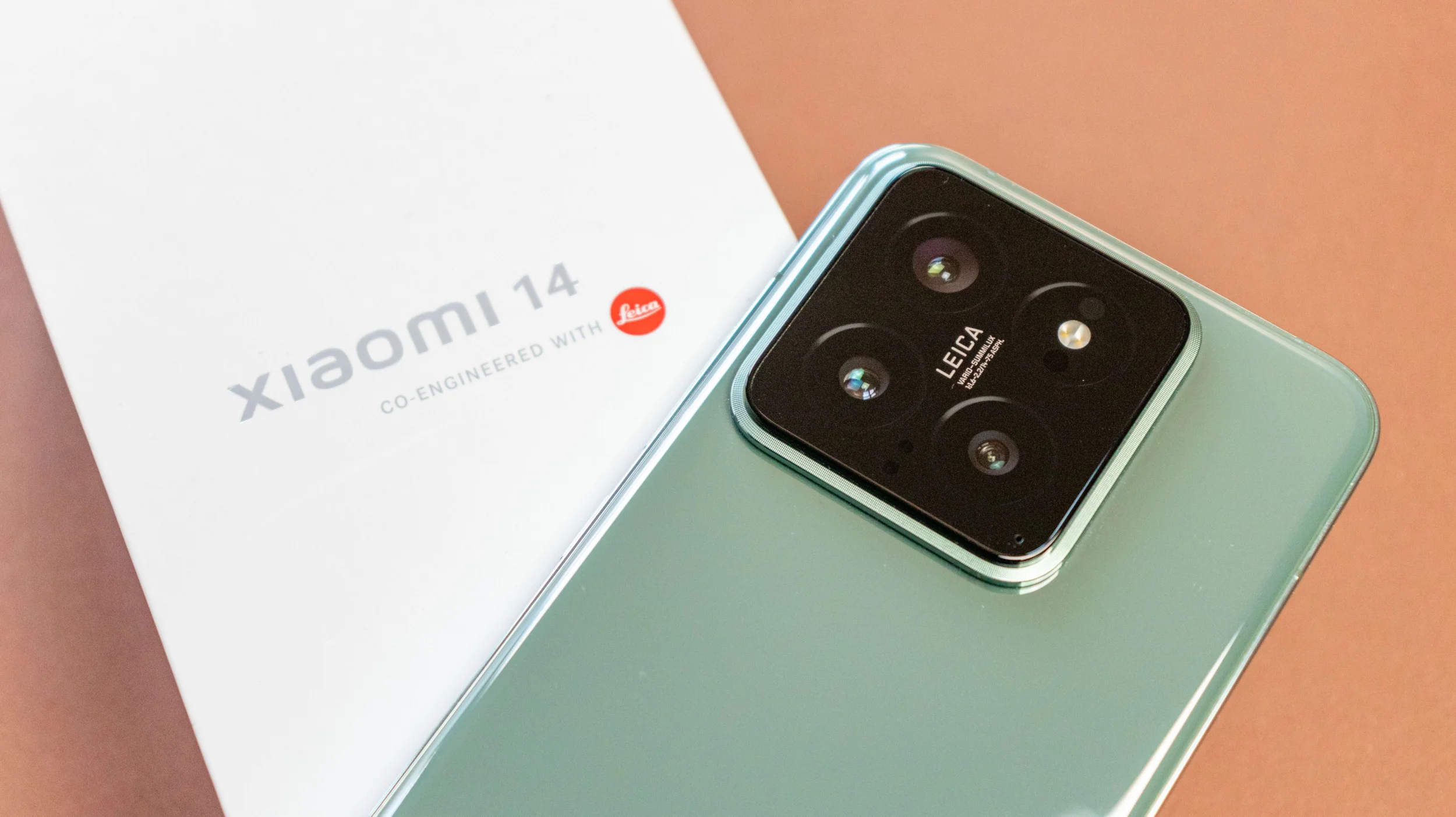
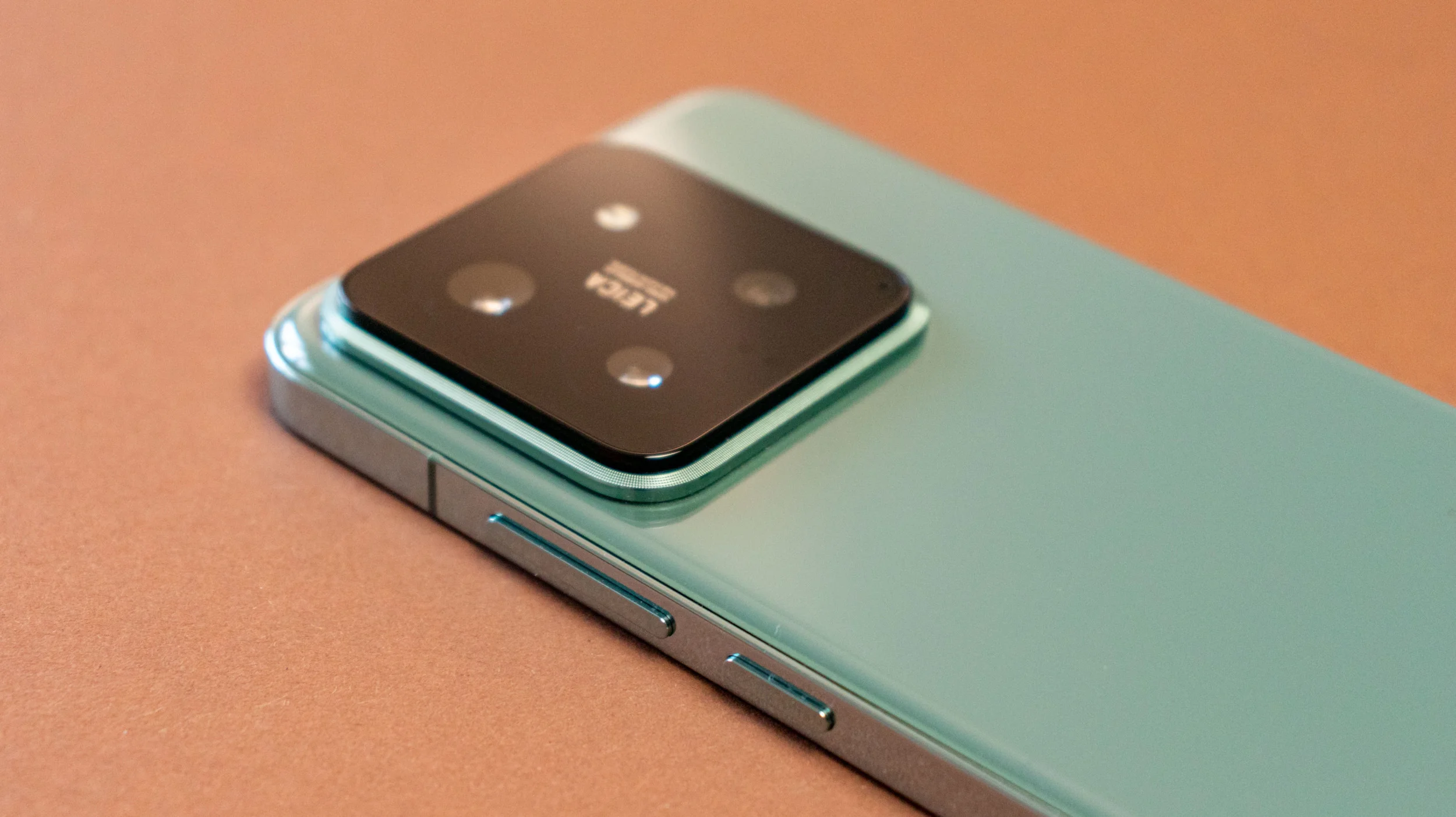
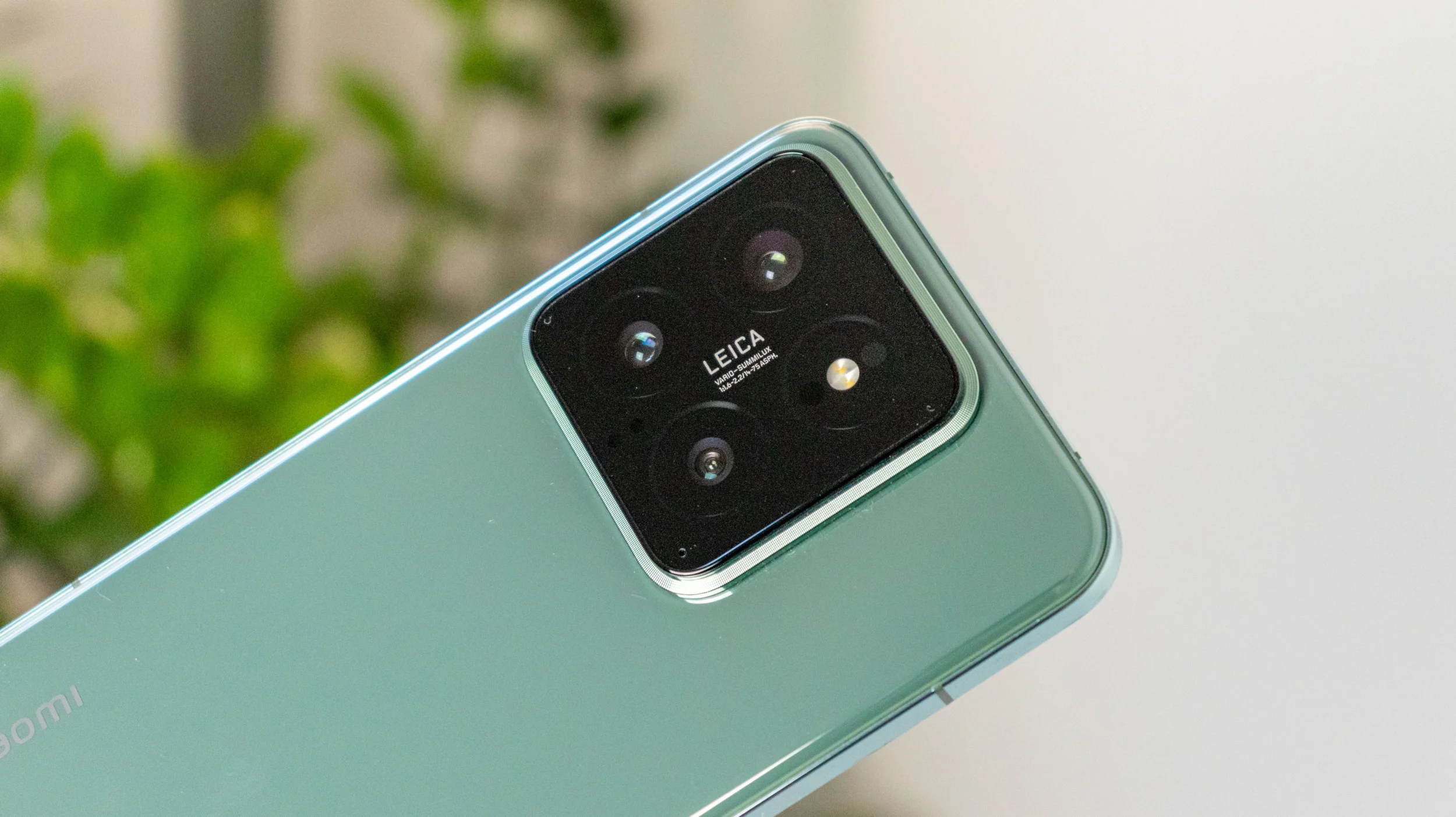
The camera module has grown a bit and now looks even more like a stovetop, thanks to the new rings around each lens. It also gets an added metal border. There’s also a new green color option, darker this time, and in some lighting it can look turquoise or even gray. White and black are still available too.
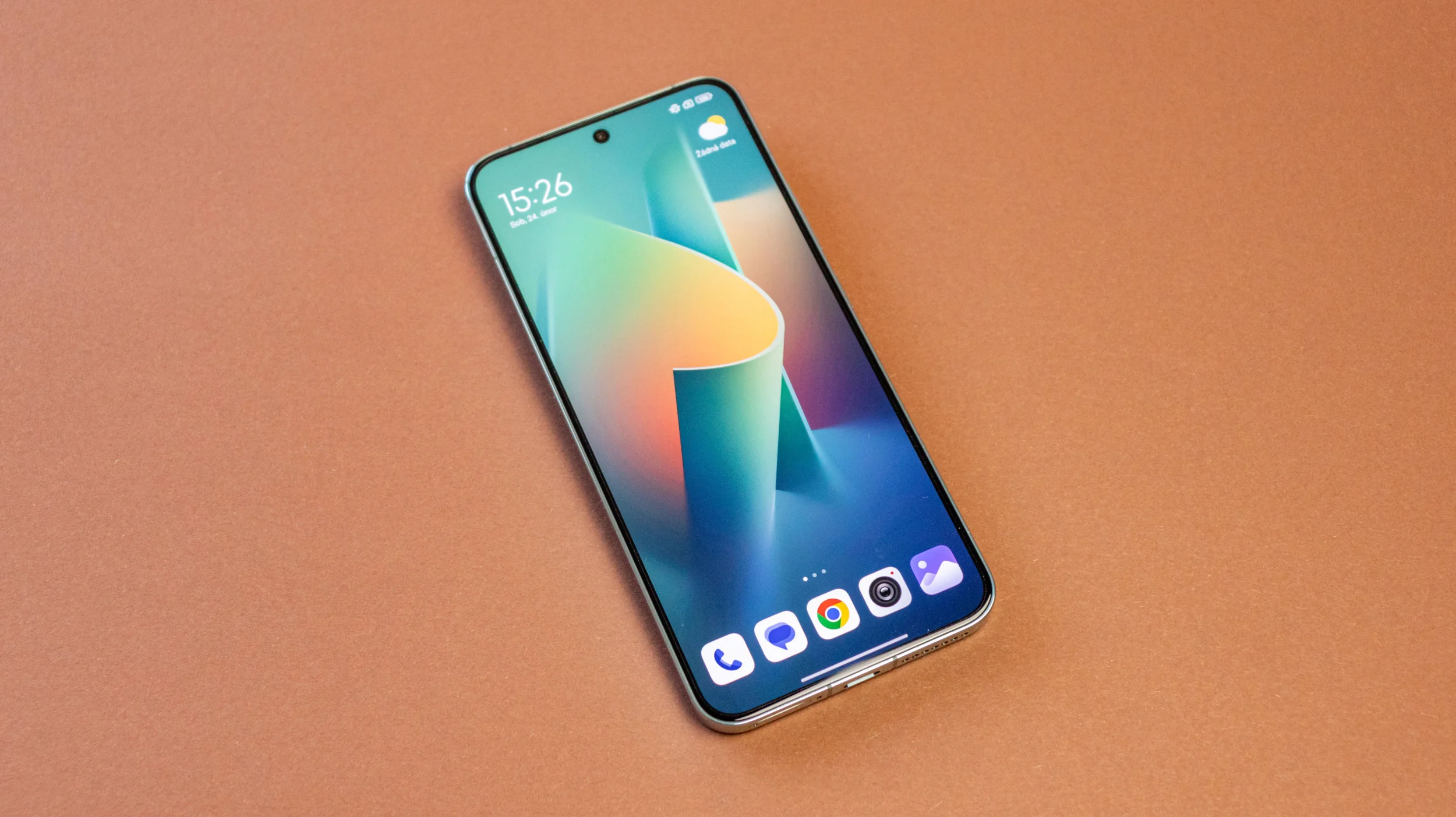
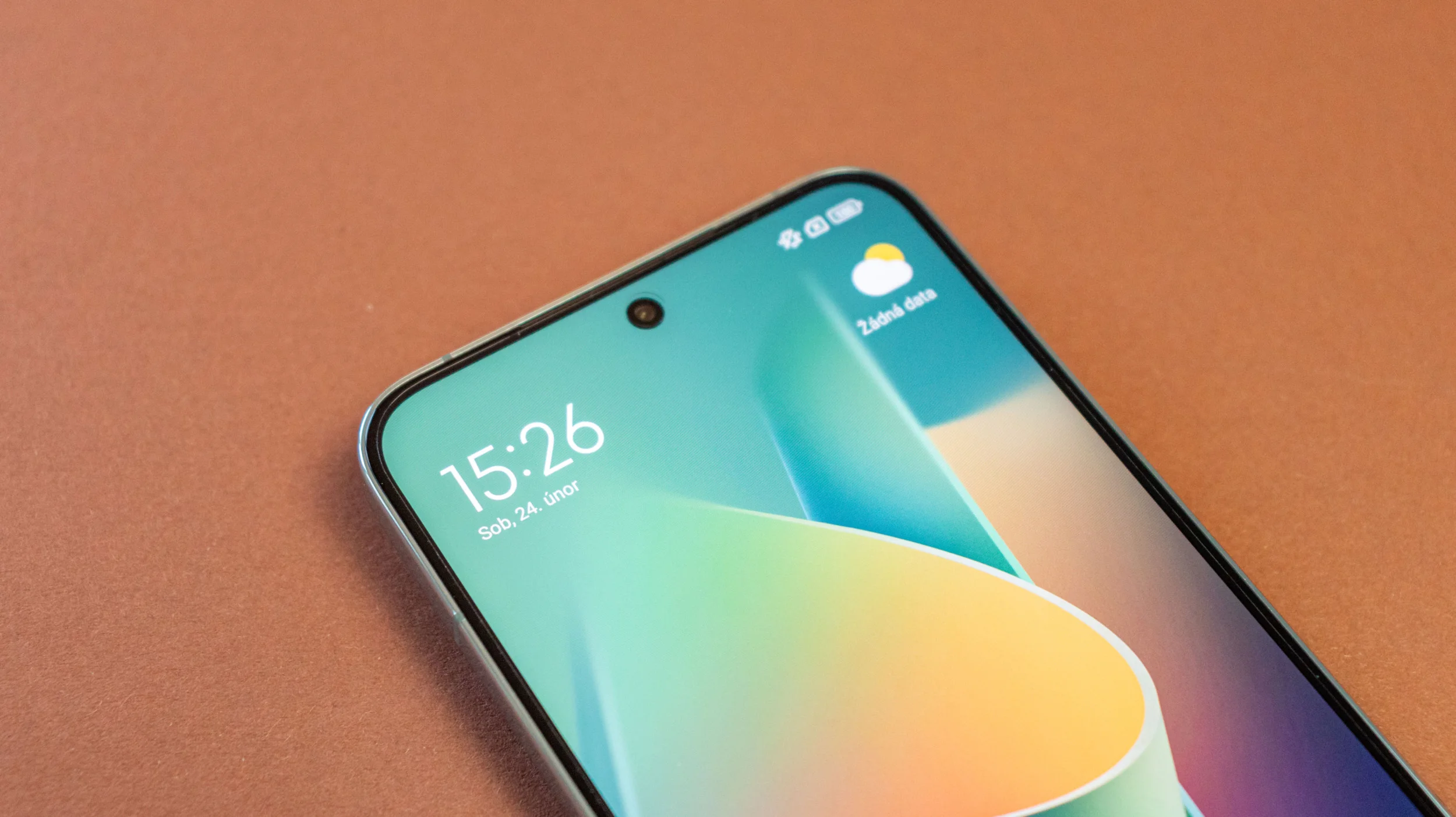
Up front, the phone sticks with the same ultra-thin display bezels as last year. They’re still among the slimmest you’ll find on any phone. No reason to change that.
One surprisingly interesting change involves the IR blaster. It’s no longer on the top edge, and at first I thought Xiaomi had removed it entirely. But the remote-control app is still here, and it reveals that you now need to raise the phone and point the camera area at the device you want to control. The IR blaster is most likely hidden inside that oversized camera module, even though it isn’t visible. When controlling a TV, you do need to angle the phone slightly.
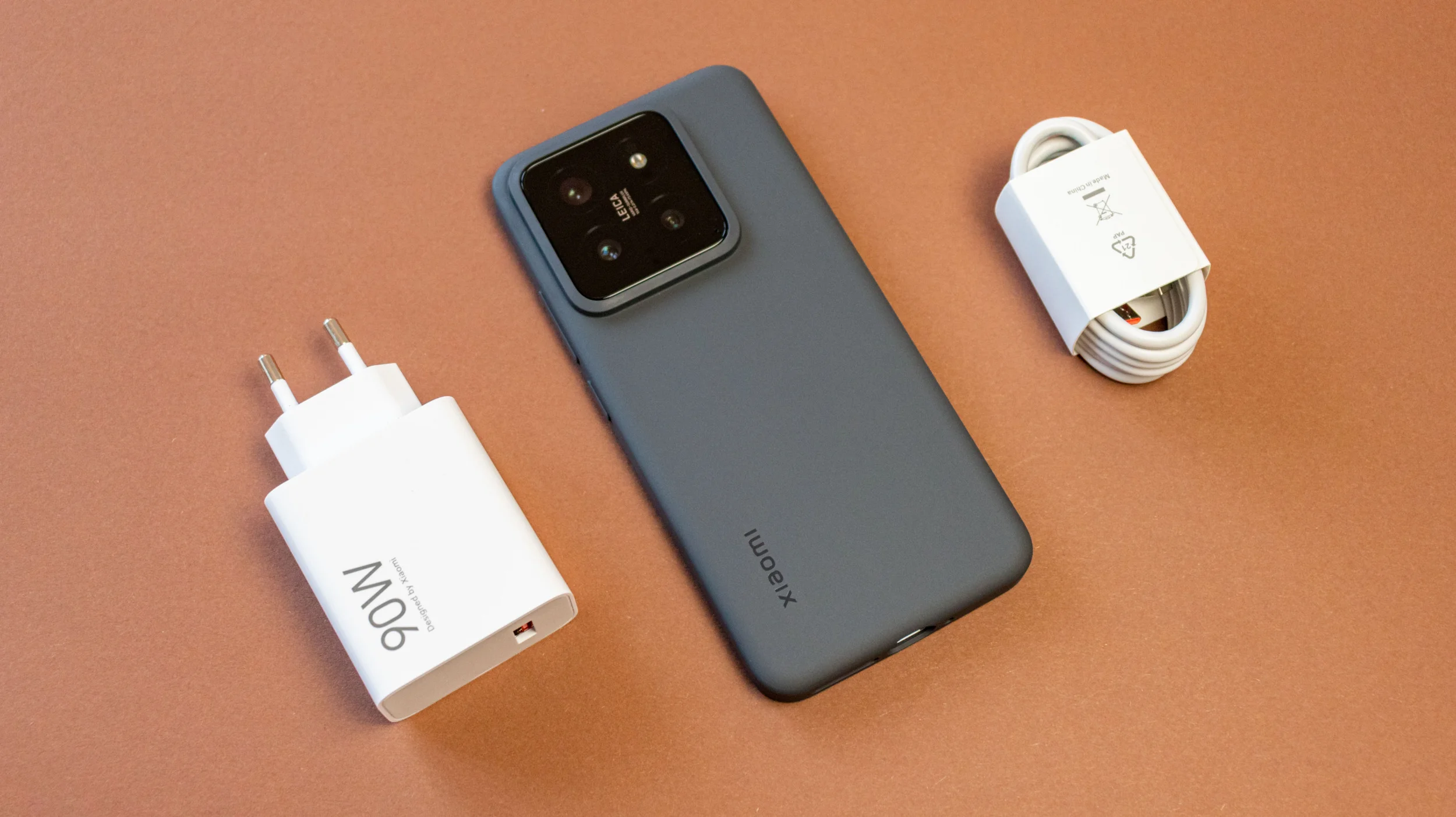
There’s also one welcome change in the box. Xiaomi has finally replaced the clear silicone case with a much nicer matte black one. It looks great. You also still get a 90W wall charger, which is becoming increasingly rare.
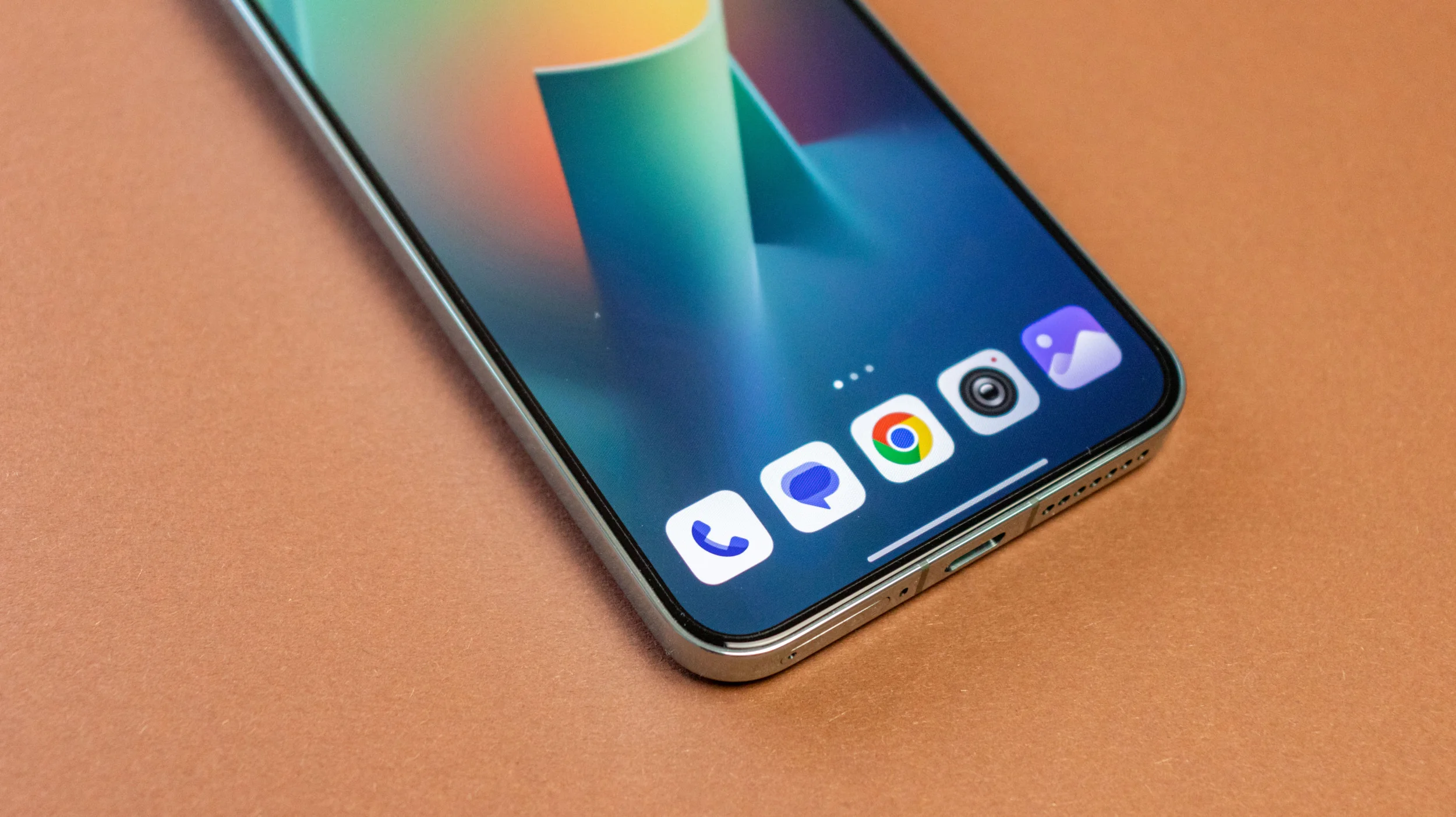
I’m also glad Xiaomi kept the size in check. With its 6.36-inch display, the Xiaomi 14 fits the hand well and, by current standards, lands firmly in the more compact flagship camp.
The fingerprint reader is optical and still sits a bit too low for my taste. Still, it’s fast and reliable. The Xiaomi 13 was the company’s first mainstream flagship with IP68 water and dust resistance, and that carries over here as expected.
Display
Even if the display looks similar at first glance, there’s one important upgrade here. Xiaomi has switched to an LTPO panel, which means adaptive refresh ranging from 1Hz to 120Hz. Peak brightness also climbs to 3,000 nits. Aside from that, this is simply an excellent AMOLED panel.
Hardware
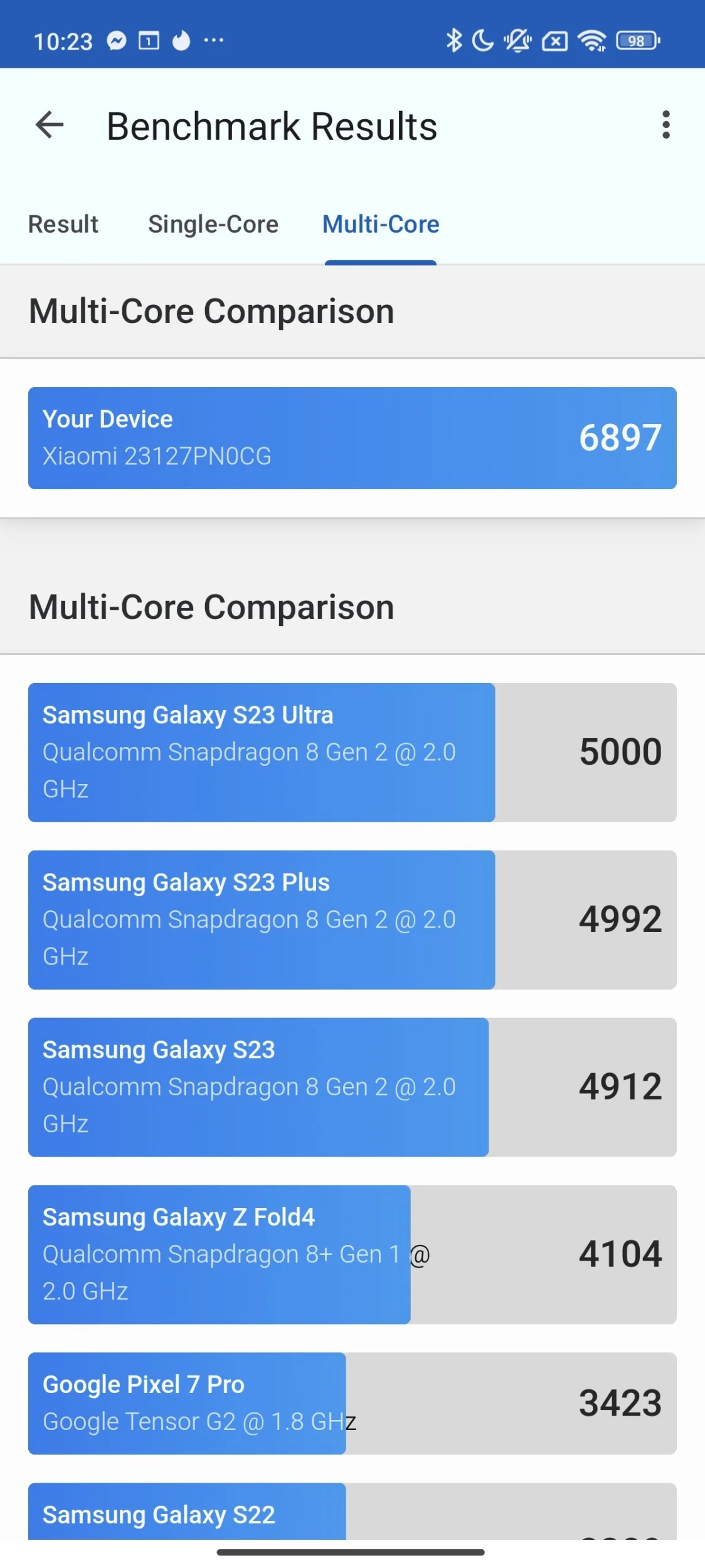
The Xiaomi 14 runs on the Snapdragon 8 Gen 3, Qualcomm’s top-end Android chip. In this market, it’s paired with 12GB of RAM and either 256GB or 512GB of storage. Every version uses fast UFS 4.0 storage, and it’s also nice to see Wi-Fi 7 and Bluetooth 5.4 here.
I also ran the usual Geekbench 6 and 3DMark Wild Life Extreme Stress Test benchmarks. Stability and temperatures during the 20-minute run were both very good.

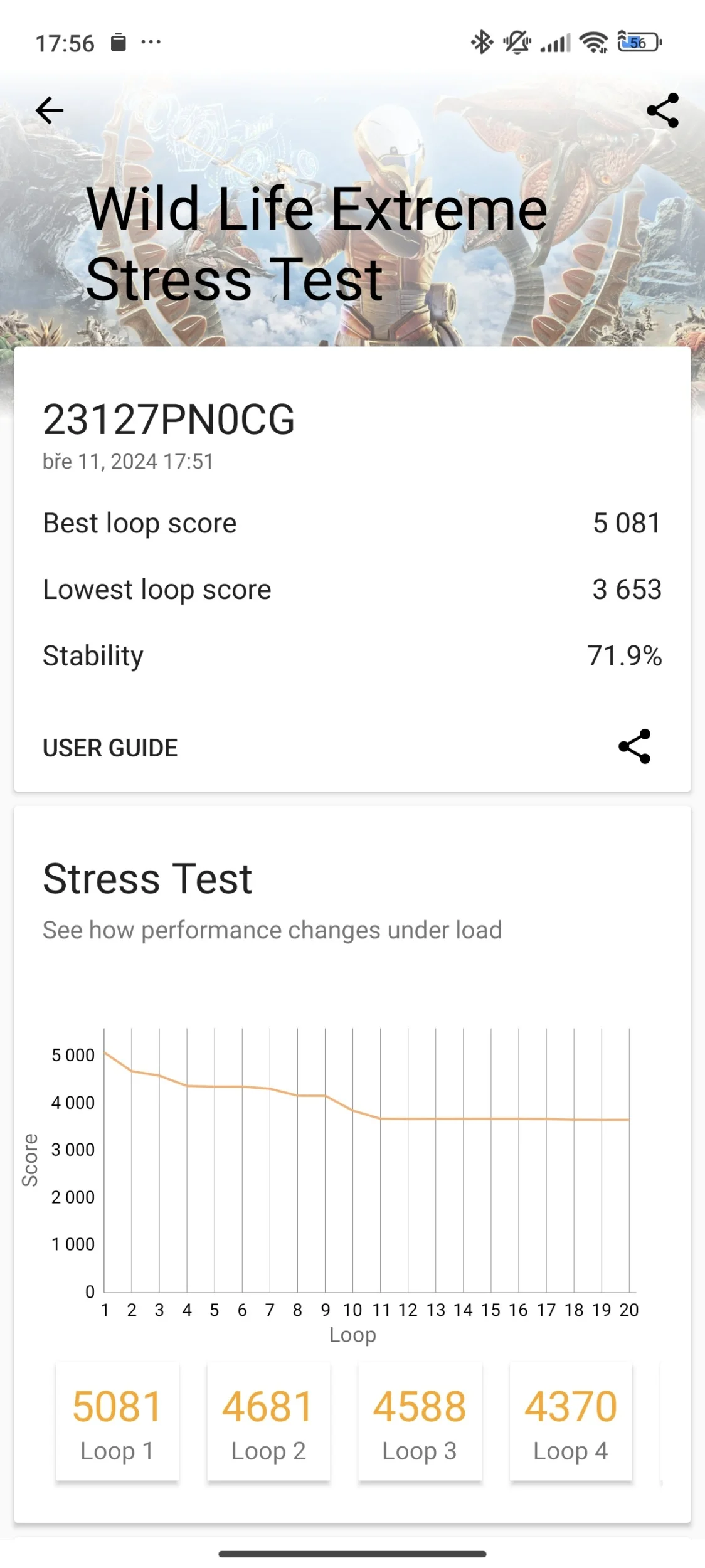
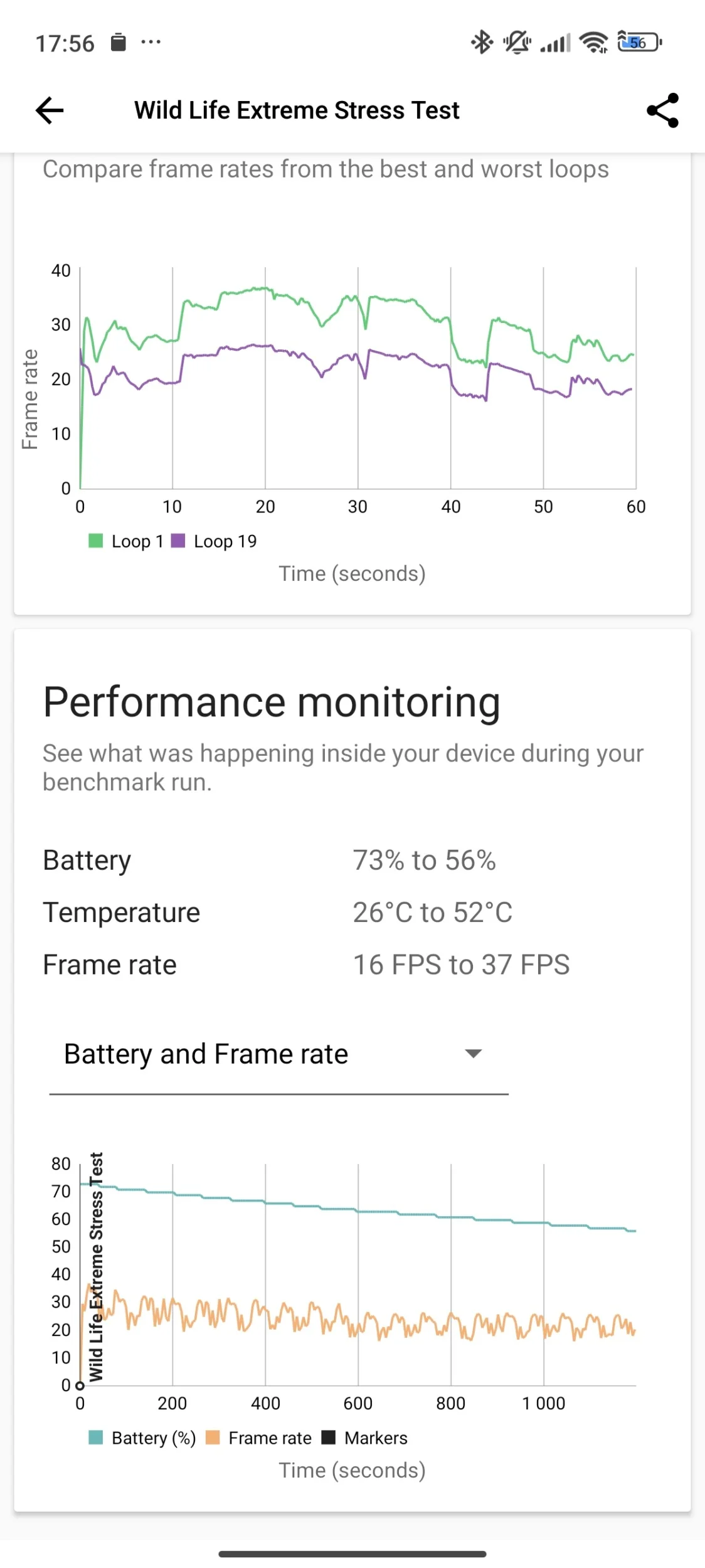
Last year, I criticized the predecessor for sticking with slow USB 2.0. Xiaomi fixed that on the Xiaomi 14, which now gets the much faster USB 3.2 standard over USB-C.
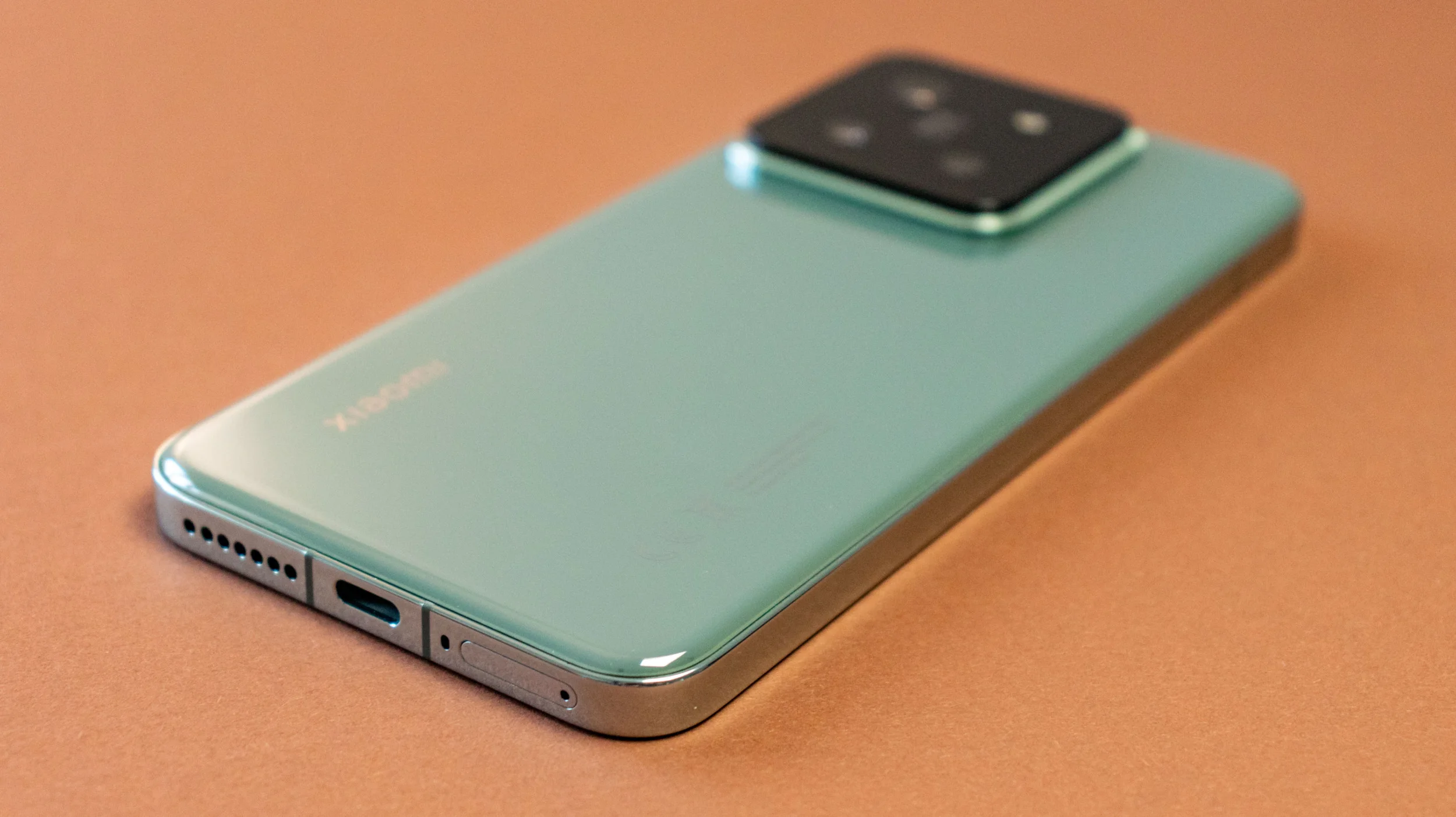
Xiaomi 14 specs
- Display: 6.36 inches, 2670 x 1200 pixels (1.5K), OLED, LTPO, 1-120Hz, up to 3,000 nits
- Processor: Snapdragon 8 Gen 3
- RAM: up to 16GB LPDDR5X
- Storage: up to 1TB UFS 4.0
- Android 14 + HyperOS
- Cameras:
- Rear: 50MP, f/1.6, OIS, 1/1.31″
- 50MP, 3.2x zoom, OIS
- 50MP, ultrawide
- Front: 32MP
- Rear: 50MP, f/1.6, OIS, 1/1.31″
- In-display fingerprint reader
- Stereo speakers
- IP68
- 5G, USB 3.2 Gen 1, NFC
- Dimensions: 152.8 x 71.5 x 8.2 mm; 193 grams
- Battery: 4610mAh + 90W USB-C, 50W wireless
Battery life
The battery comes in at 4,610mAh, up 110mAh from the previous generation. In real-world use, the phone had no trouble making it through a heavy day for me, even with the always-on display enabled. Turn that off, and two lighter days looks realistic.
Camera
There are three rear cameras here: a main sensor, an ultrawide, and a telephoto with 3.2x optical zoom. New this year, all three sensors are 50MP. The main camera gets a slightly larger sensor with a brighter lens, and the telephoto can now focus from as close as 10 centimeters, something that was previously reserved for the Xiaomi 13 Pro. That last upgrade is especially fun, because it makes for genuinely great macro shots.
The camera system was developed in partnership with Leica. You can read more about what that collaboration means here (in Czech). Xiaomi still gives you two Leica shooting modes, Leica Authentic and Leica Vibrant. The former is meant to evoke Leica cameras and intentionally skips things like HDR while adding vignetting.
Leica Vibrant is the more sensible option, so that’s the mode I used for every photo in this review. Even with that brighter profile, the phone occasionally surprised me by producing shots that felt a bit too dark for my taste. Color tuning, though, deserves praise. It’s accurate and natural. Night shooting is less consistent, unfortunately, and the ultrawide doesn’t match the main camera’s color rendering.
















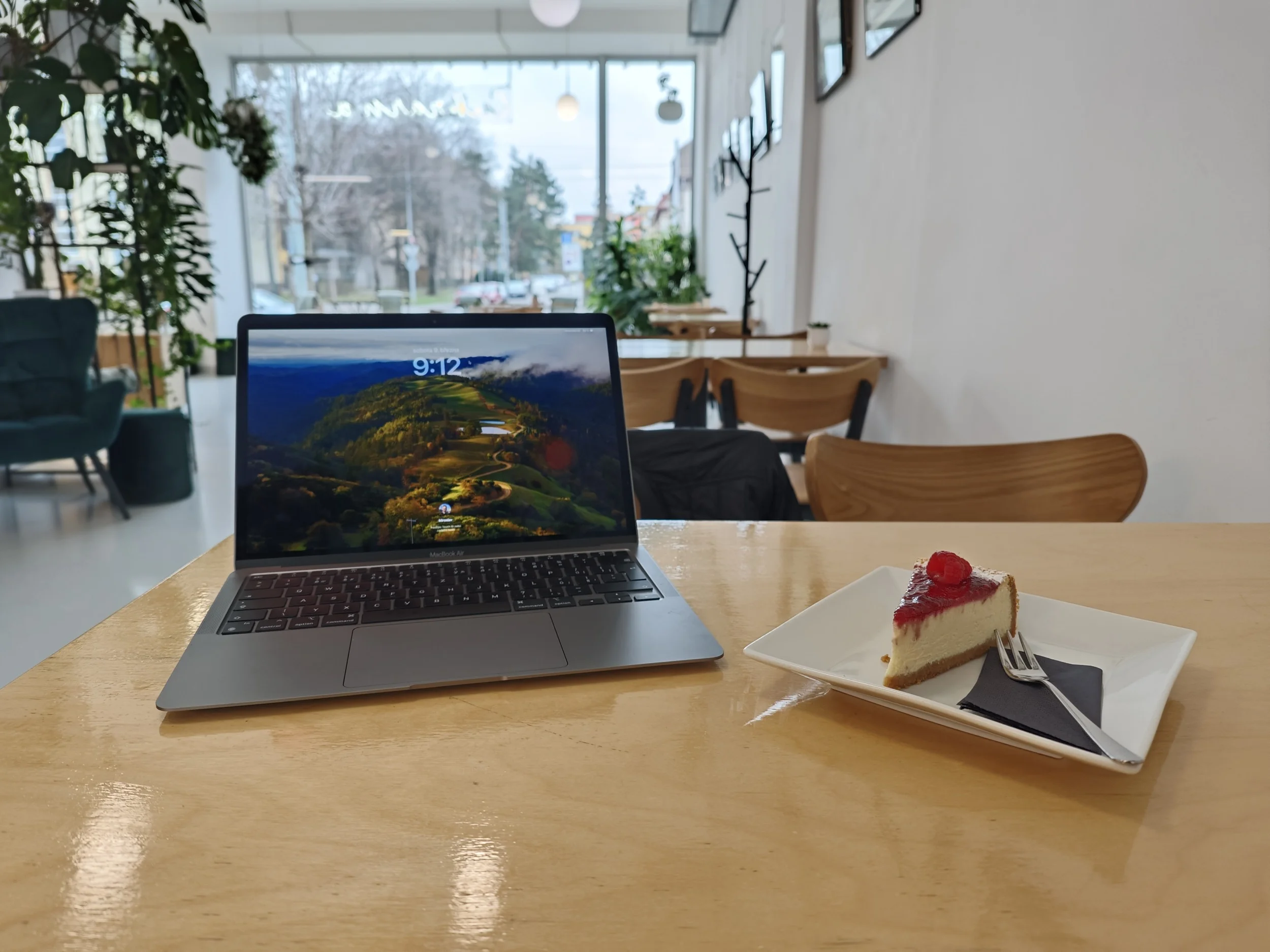
Main camera











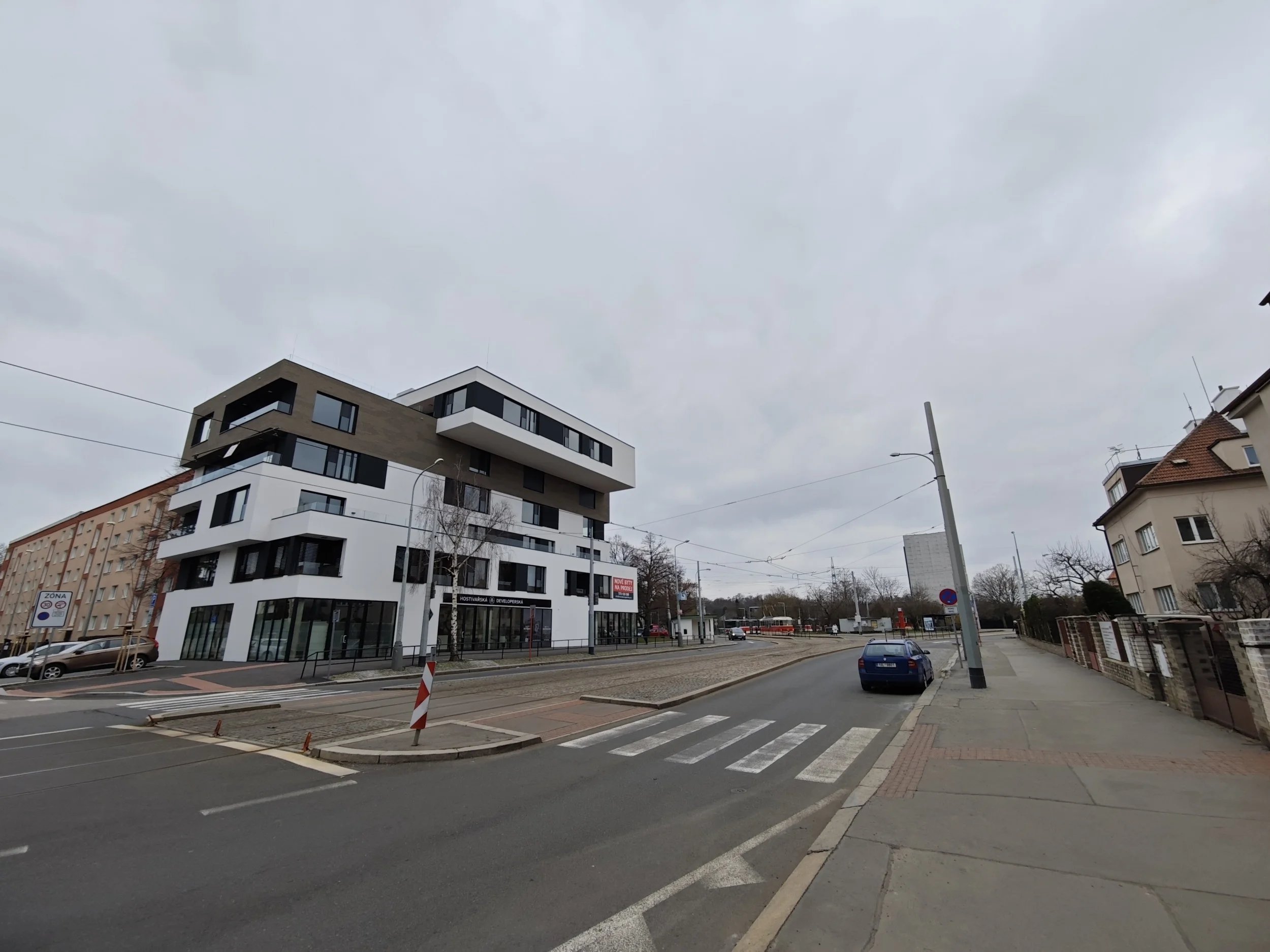
Ultra-wide





Telephoto








The telephoto camera holds up fairly well even at 10x zoom, although the loss of detail becomes visible once you view the shots on a larger screen:


Telemacro
As I mentioned earlier, the telephoto lens can focus from as close as 10 centimeters away, which opens up a lot of room for strong macro shots from a practical distance. It also helps create naturally blurred backgrounds, with no software-generated blur involved.




Main vs. ultra-wide at night
The ultra-wide sensor is weaker at night, which is a shame. It also often produces different color rendering than the main sensor, and I’m not a fan of that.












Video recording tops out at 8K at 24fps or 4K at 60fps. One thing I didn’t like on last year’s Xiaomi 13 was that you couldn’t switch between cameras while recording in 4K at 30fps or 1080p at 60fps. Thankfully, Xiaomi fixed that this year, and it now works in the standard recording mode. If you want to shoot in HDR, though, you’re still out of luck.
Software
Android 14 is running the show here, this time with Xiaomi’s new HyperOS 1.0 skin. At first glance, though, it doesn’t feel especially new. If nobody had told me this was HyperOS, I probably wouldn’t have noticed. From a user interface standpoint, it looks almost identical to MIUI.
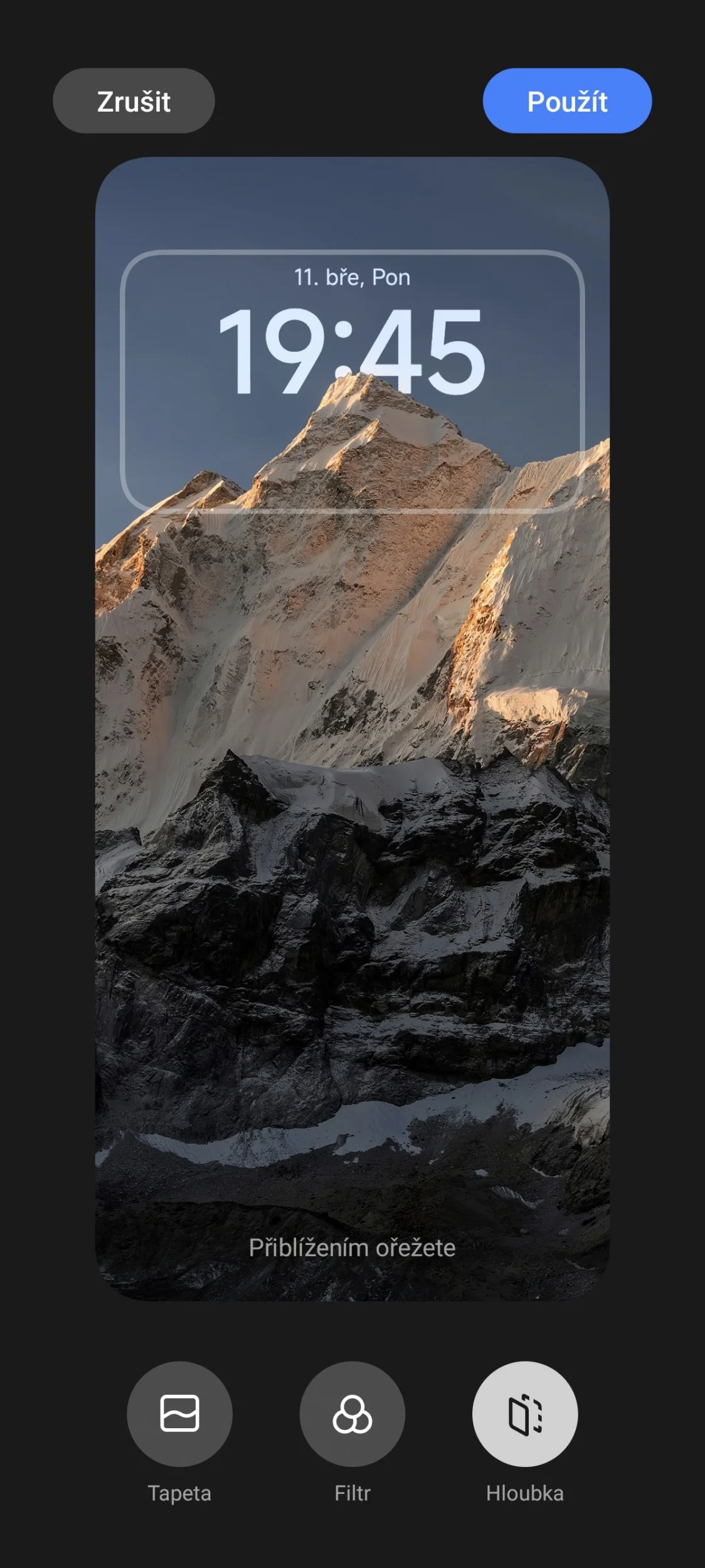
I did find a few welcome changes in HyperOS. I like the broad lock screen customization options, which have become a big trend, and Xiaomi isn’t behind the curve here. The interface also gets the new MiSans font, which looks clean and modern. The Control Center now looks even more like the one on iOS.
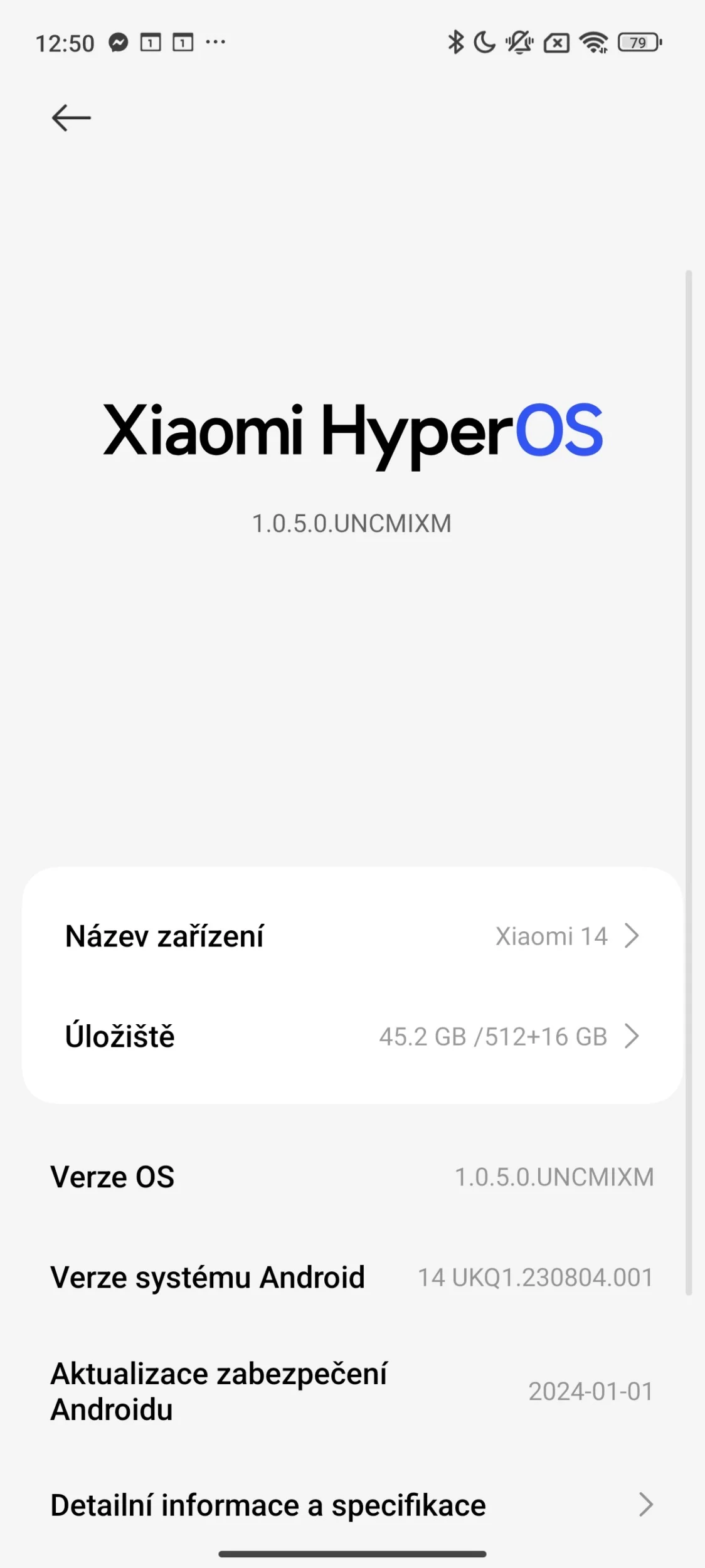
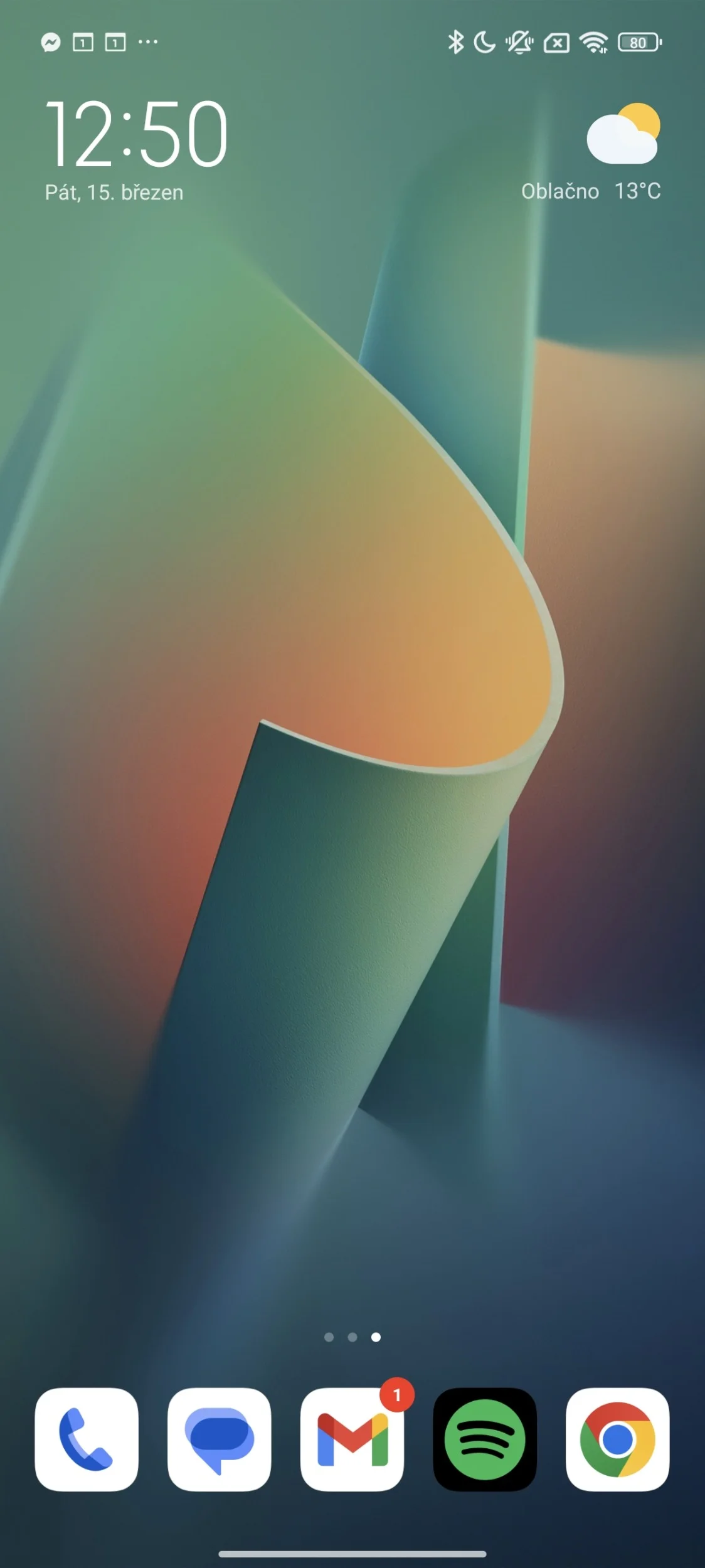
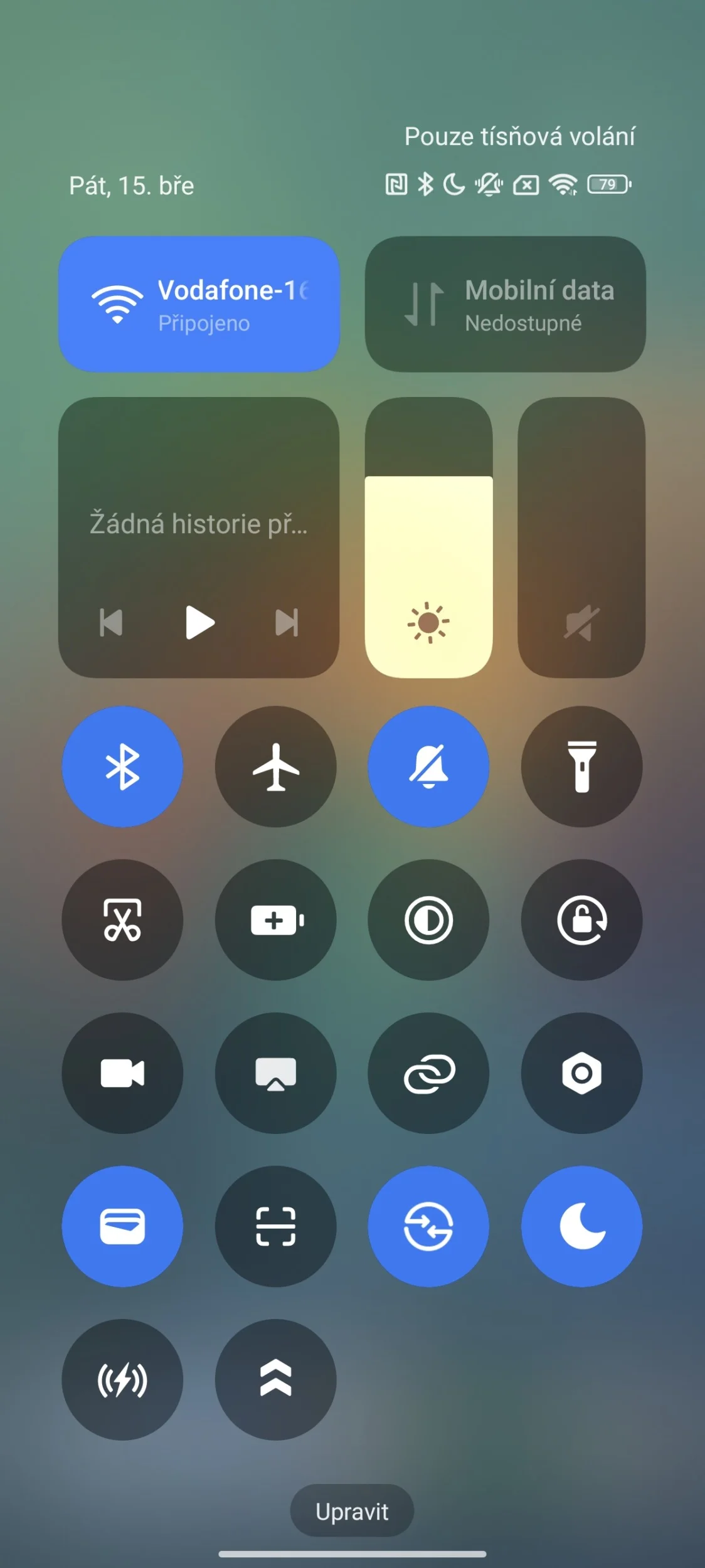
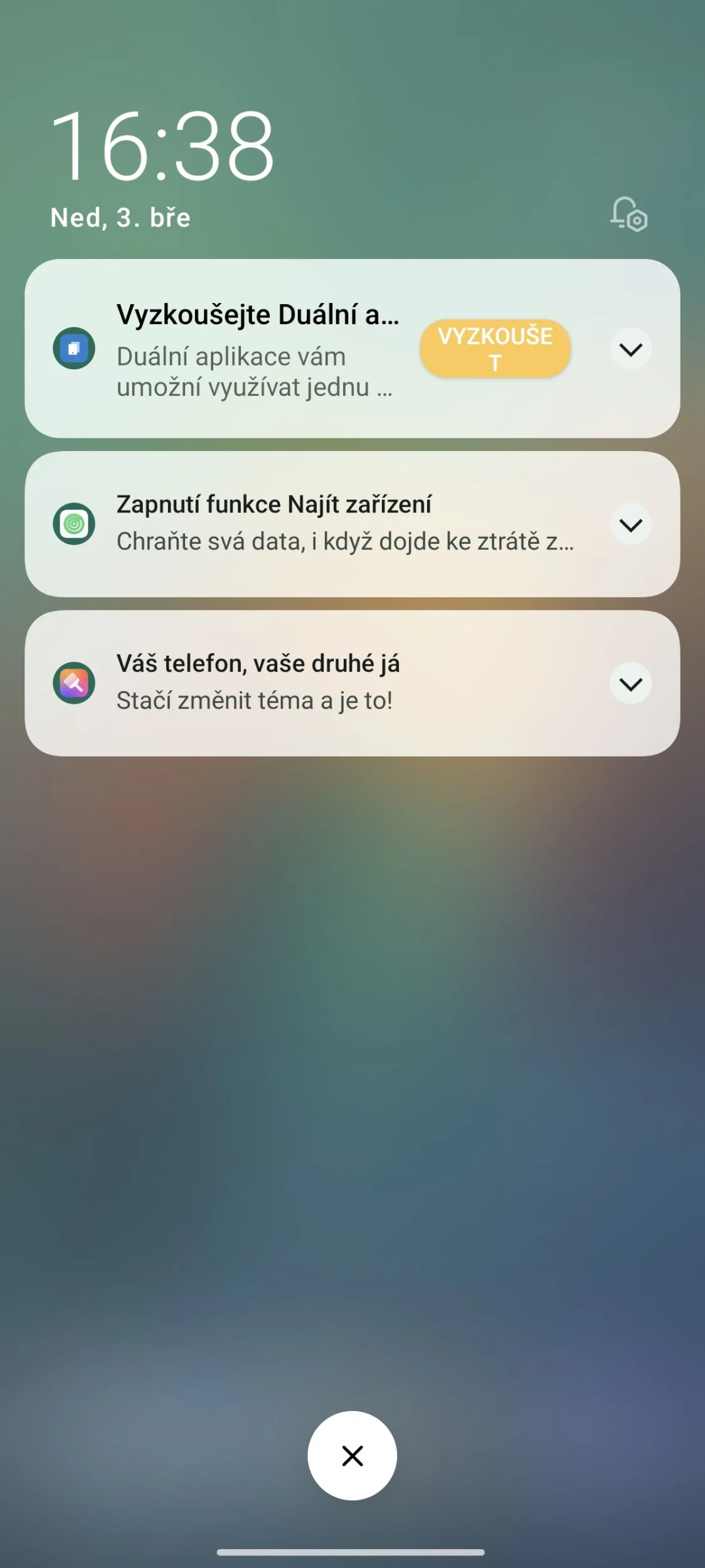
The system is also supposed to be faster and smoother overall, although last year’s Xiaomi phones already felt impressively quick to me. Xiaomi also says performance shouldn’t degrade after a few years of use, and that HyperOS takes up less storage.
Xiaomi is also pushing tighter integration across its ecosystem. Without other Xiaomi devices, though, you won’t get much out of that. The phone can, for example, share the clipboard with a tablet and handle similar cross-device tricks.
For the Xiaomi 14, the company promises 4 major OS updates and 5 years of security patches. That doesn’t look especially strong next to Samsung or Google, and I have to ding it here just as I did with the Honor Magic 6 Pro. During testing, the Xiaomi 14 was still on the January security patch. By the time this review was written, we were already in the middle of March, and on a flagship phone I expect the latest patch, period.

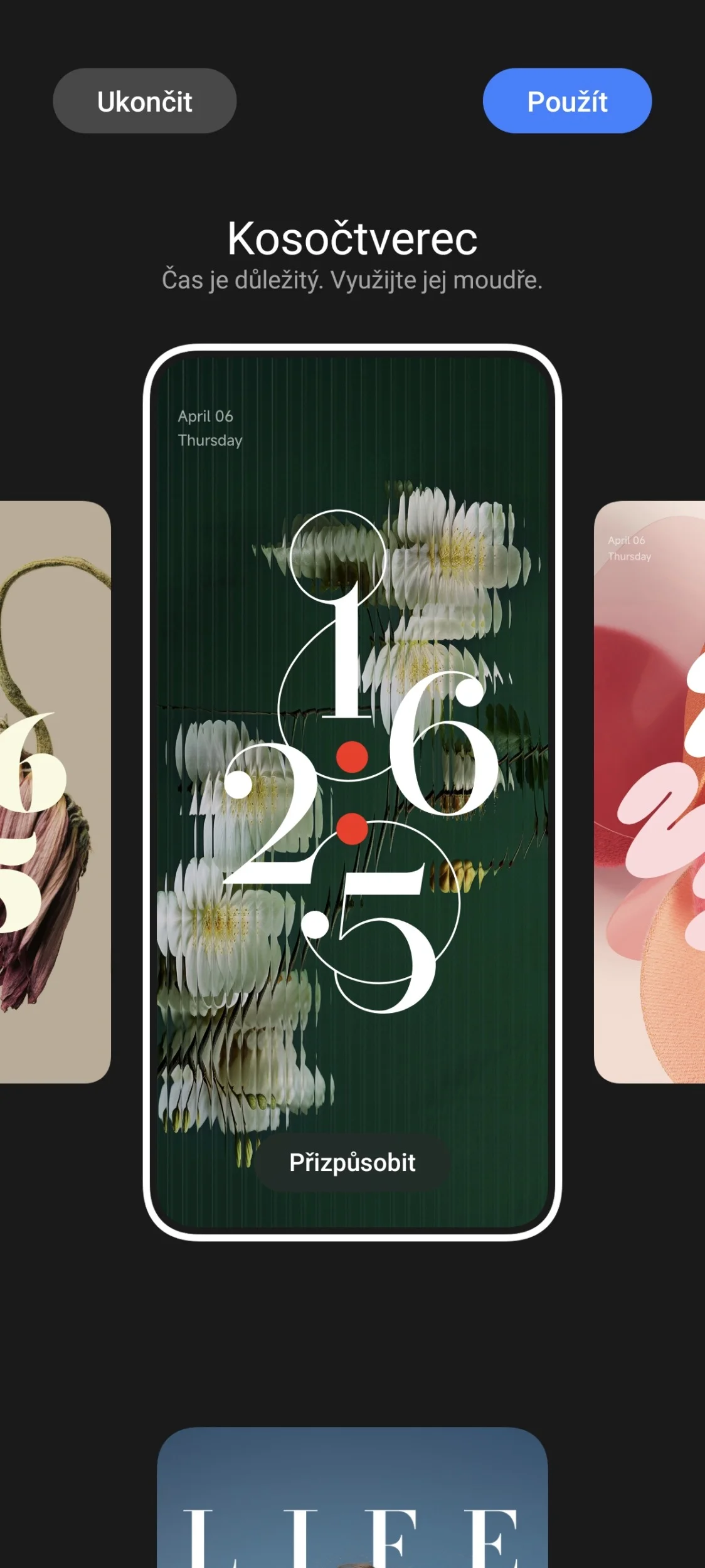

I also don’t like that the system still comes with a fairly heavy load of preinstalled apps, including Amazon Shopping, TikTok, LinkedIn, AliExpress, and Booking. And Xiaomi hasn’t dropped the annoying, pointless notifications from Themes or the cleaner app either. I really don’t need to be told to clear a few hundred megabytes when I’m using a phone with 512GB of storage. This is exactly the kind of thing I hoped HyperOS would fix, but it didn’t.
Verdict
Testing the Xiaomi 14 wasn’t especially surprising. It’s very close to its predecessor. But that’s partly because Xiaomi already made the big moves last time around, switching to a metal frame with flat sides and adding water resistance. There simply wasn’t much left to overhaul this year. At first glance, it seemed like Xiaomi’s focus would be software, led by the new HyperOS skin. In practice, though, the interface feels almost the same, the changes are limited, and the usual annoyances remain, including persistent system notifications and plenty of preinstalled third-party apps. The meaningful upgrades over the previous model are the improved LTPO display and USB 3.2.
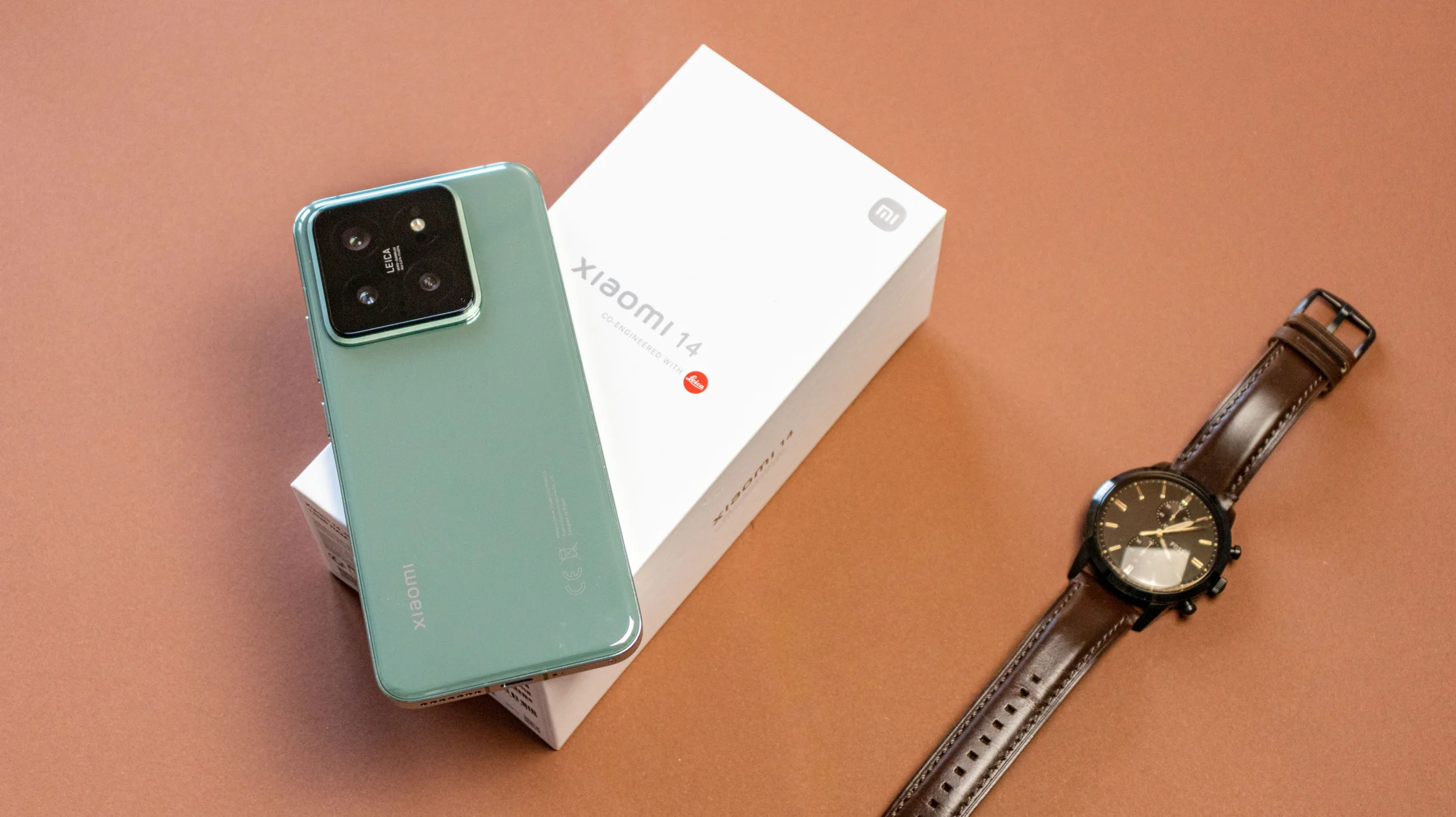
The Xiaomi 14 is a polished, likable phone that I genuinely enjoyed using. Thankfully, you can tweak the system and turn off many of those notifications. The camera is even better than last year’s and clearly belongs among the top options in its class, even if the absolute peak in Xiaomi’s lineup is still the 14 Ultra. The price has also dropped year over year by 1,500 CZK, landing at 22,000 CZK (approx. $1,014 / €904), which feels like a very strong price for a more compact flagship.
The competing Galaxy S24 starts at the same price, but with half the storage. Samsung, in turn, gives you more AI features and longer software support. The Xiaomi 14 counters with a larger battery, faster charging, and a Snapdragon chip.
Pros
- Compact body
- High-quality build
- Excellent camera, and the telephoto lens doubles as a macro camera
- LTPO AMOLED display
Cons
- Shorter software support
- HyperOS isn’t much of a leap; the UI is nearly identical to MIUI