Nothing Phone (2a) Review: Flashy Value

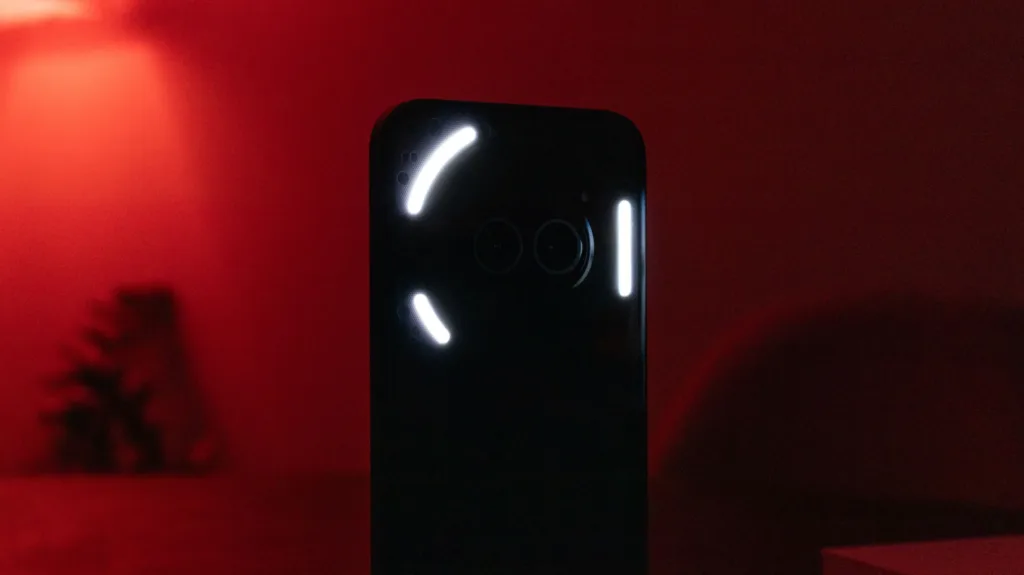
Nothing is still a relatively new player in smartphones. The first Nothing Phone (1) landed in upper midrange territory, the second pushed further upscale, and this third entry, the Nothing Phone (2a), moves in the other direction. It aims lower than the original and fits more comfortably into the affordable midrange tier. Nothing’s signature design has been tweaked, but the trademark LED strips on the back are still here. So how well does the Phone (2a) work in practice, and can it seriously challenge phones like Samsung’s Galaxy A35 and A55?
Design
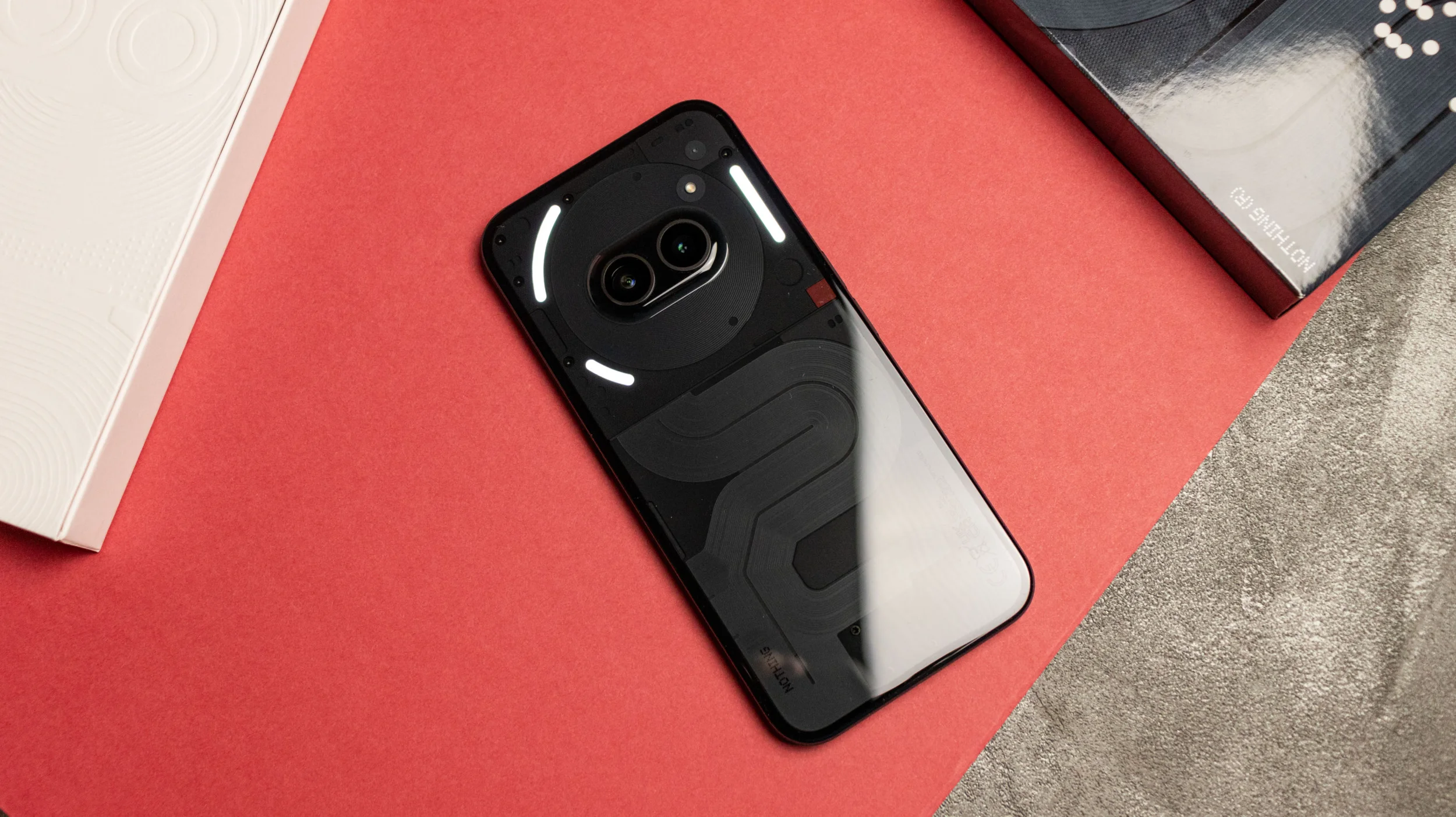
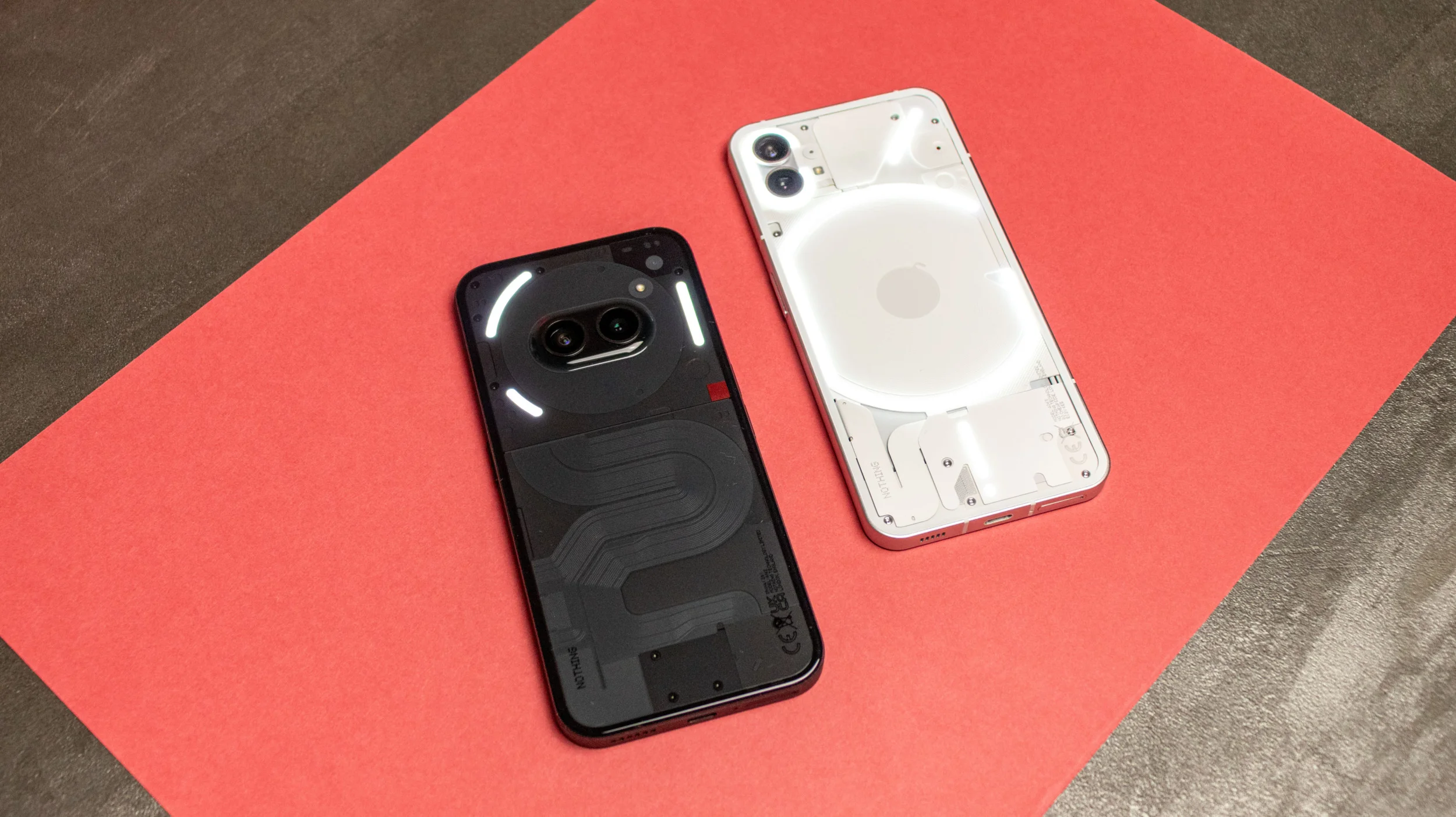
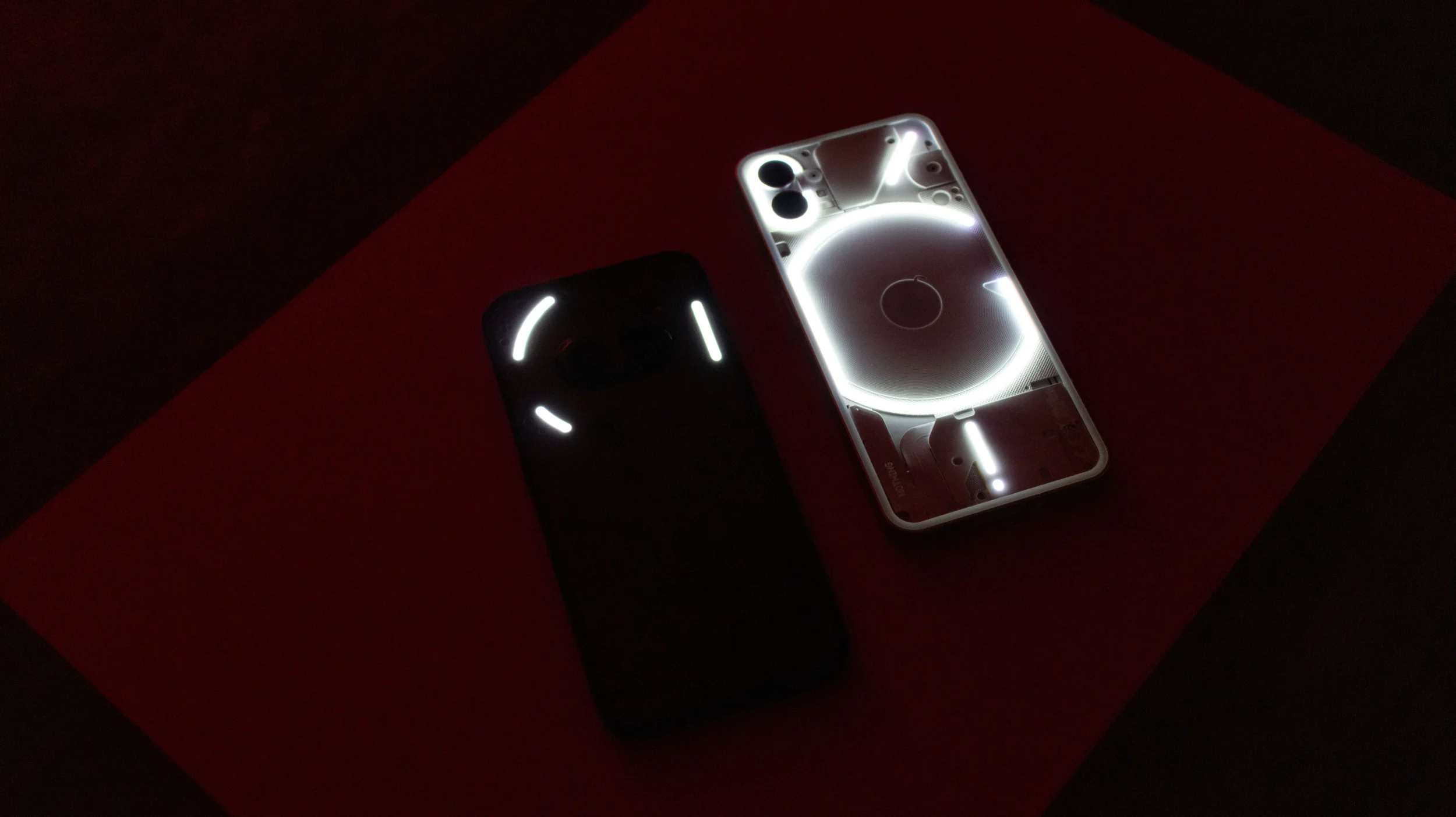
At first glance, there are fewer LEDs on the back. I don’t think that’s much of a problem. They still do the job well, and it’s actually a little clearer what each strip is supposed to do. The one in the upper-left handles features like the timer, and third-party apps can use it too, including Uber. The catch: third-party support is still thin. Right now, there are only three supported apps.
The LED strips, which Nothing calls the Glyph Interface, can also pulse along with music playback. I’d recommend leaving that feature off, though, because the phone flashes even when your music is playing through headphones. I didn’t notice at first and spent one subway commute accidentally turning my pocket into a tiny nightclub.
That said, the Glyph Interface is more than a gimmick. It works as an alternative to an always-on display and even to vibration alerts. It’s simply another way to know something is happening. I especially liked the strong visual alert for incoming calls, which can be handled by flashing alone. You can customize the flash pattern and even create your own ringtone animation.
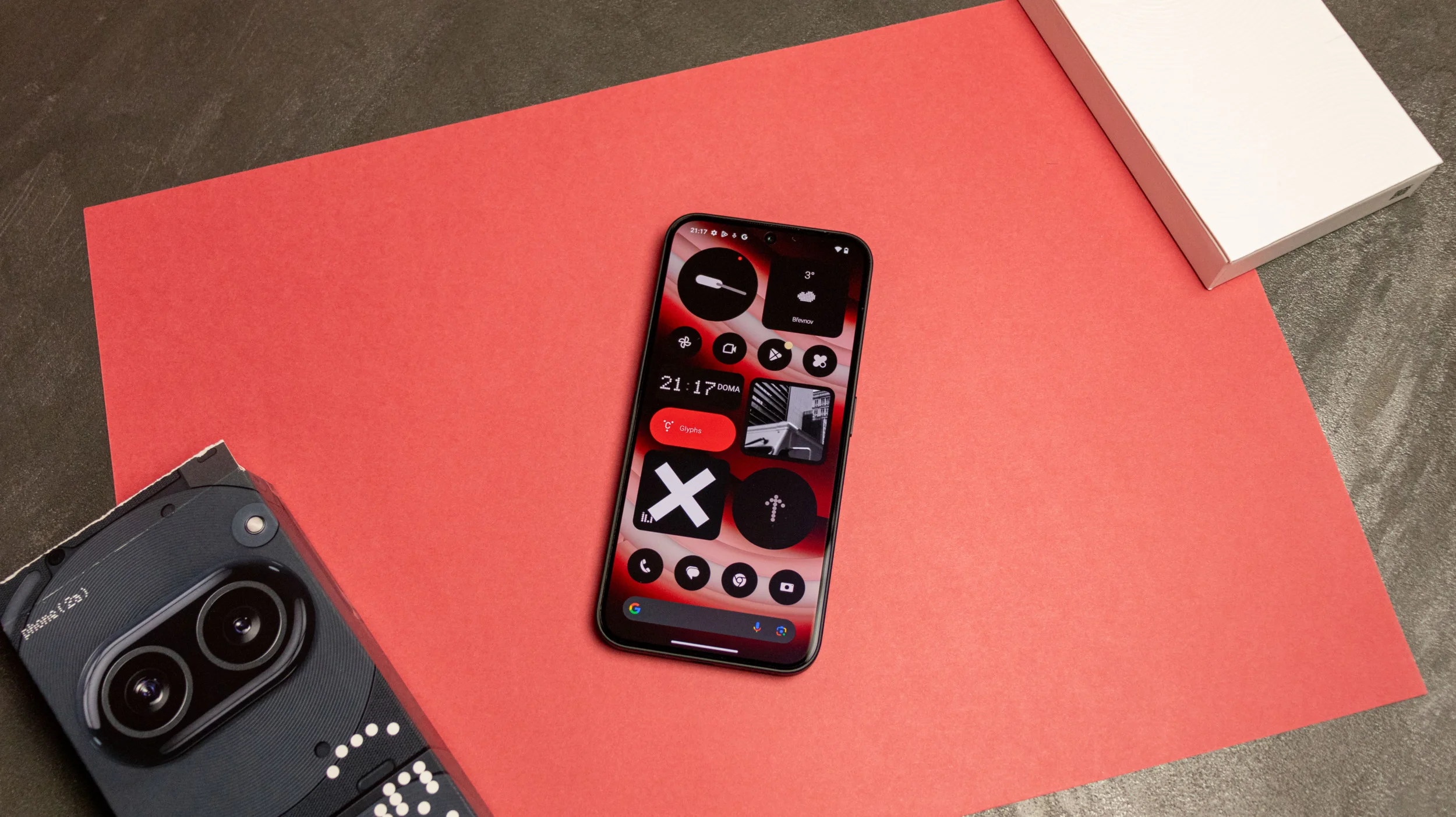
You can also assign different flash styles to individual apps, which is great, though you do have to remember which pattern belongs to which app. I’d like to see Nothing eventually experiment with colored LEDs on the back, since that would make notifications even easier to identify at a glance.
The review unit arrived in black, and it’s fairly understated. The semi-transparent rear panel is pretty dark. There are also two white versions, Milk and White. They look nearly identical, though the Milk finish appears less transparent based on official images. I didn’t get to see those colors in person.
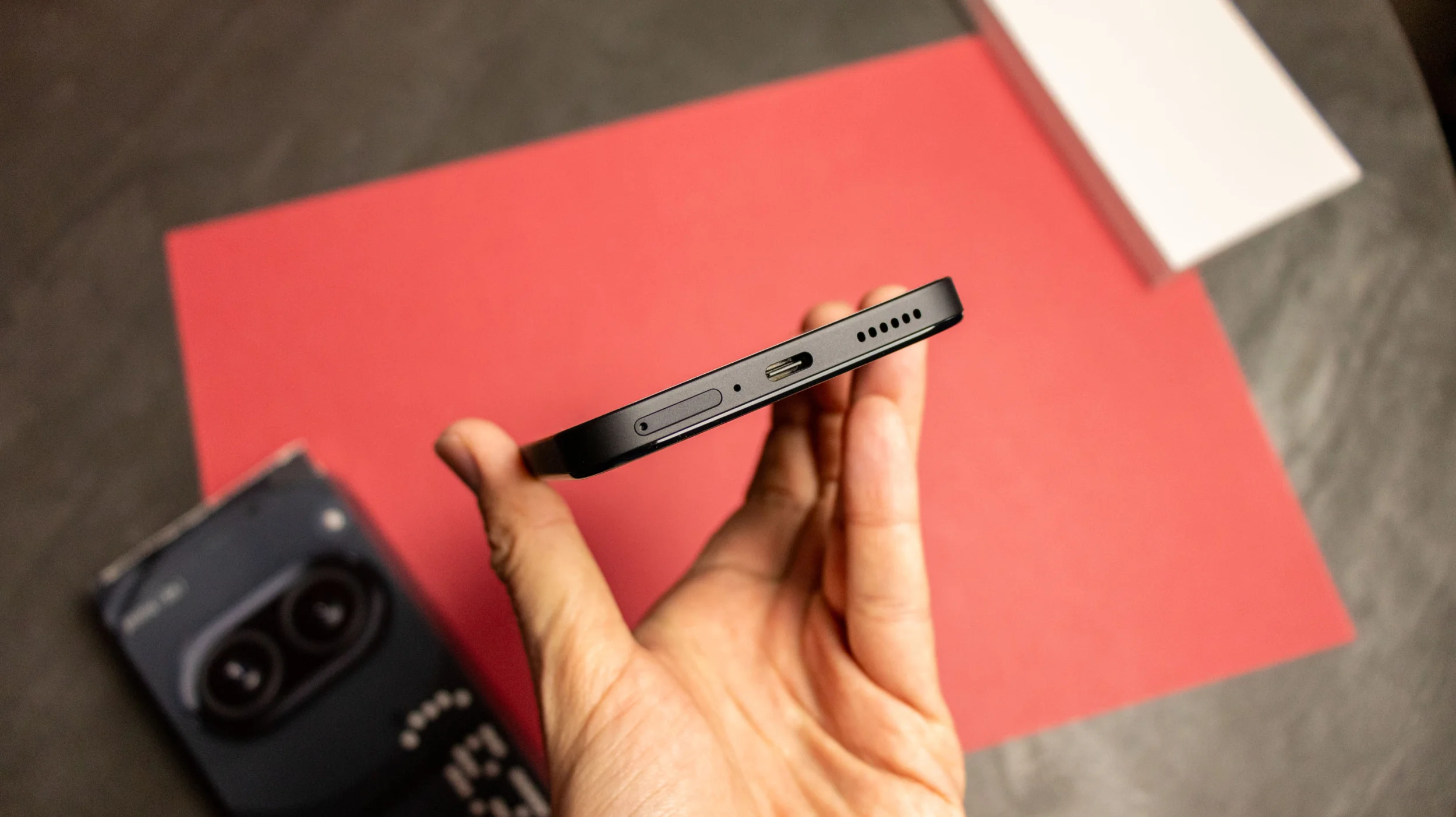
Back to the phone itself. Compared with the Phone (1), this model now uses a plastic frame, which is a little disappointing. Still, at this price, it’s hard to hold that against it. Almost every phone in this bracket uses plastic somewhere. Without a direct side-by-side comparison, the frame doesn’t feel cheap in everyday use. The back is plastic too, and that’s where I have more questions about how well it will age over time.
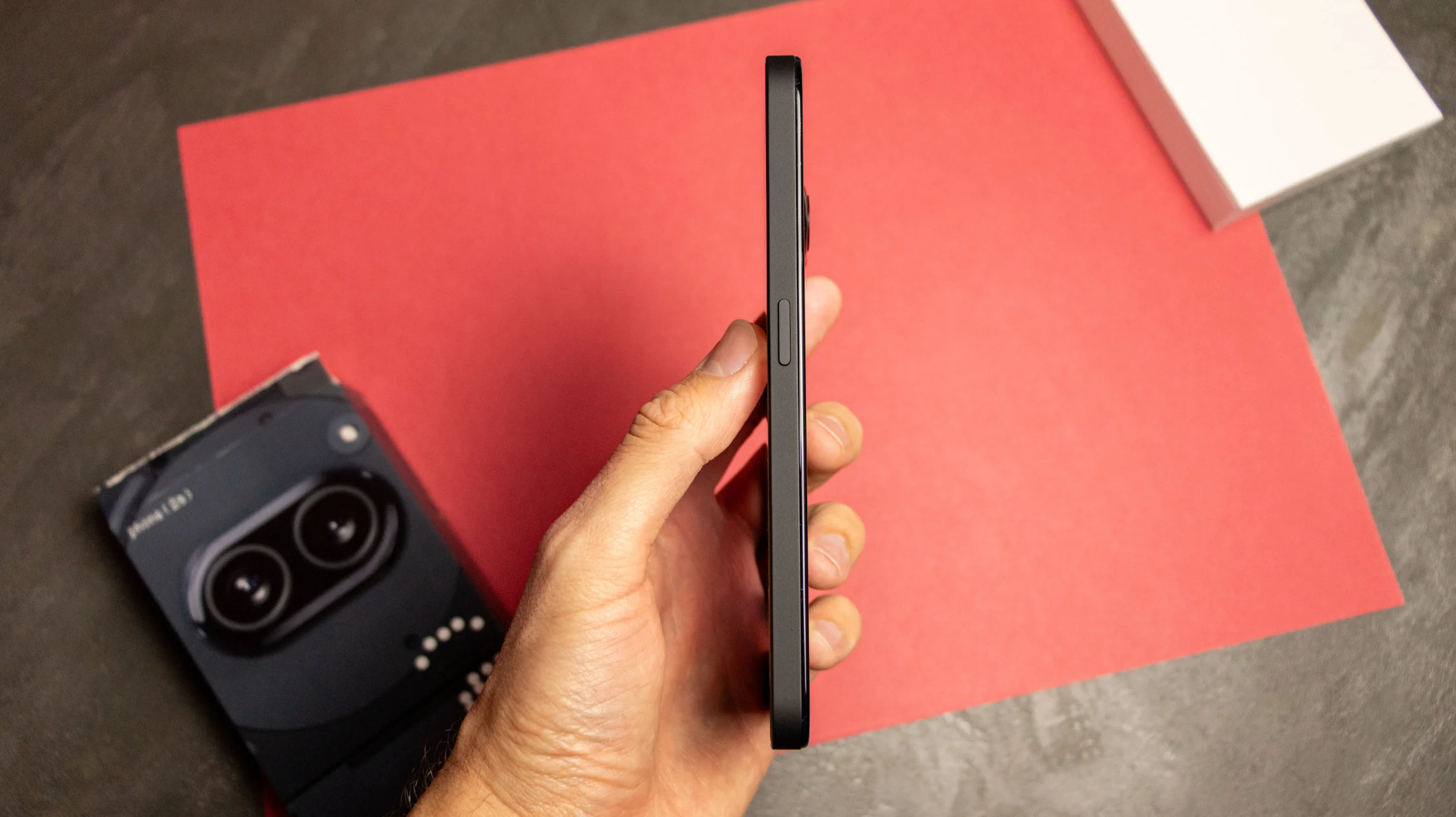
I like the camera module. The two separate lenses now sit in the center on a raised island. It’s a fairly original look, and it helps the phone wobble less when it’s lying on a table.
The Nothing Phone (2a) is practically the same size as the Nothing Phone (1). With a 6.7-inch display, it falls squarely into big-phone territory, which means one-handed use isn’t especially comfortable.
Water resistance is limited, with a basic IP54 rating. This is not a phone built for submersion, but it should survive a splash or two. One thing that deserves real praise is the haptic feedback. In its class, it’s among the best. The fingerprint reader sits under the display and is positioned fairly low, though it’s easy to get used to. It’s an optical sensor, and it’s fast and reliable enough. You also get stereo speakers that sound solid and get plenty loud.
Display
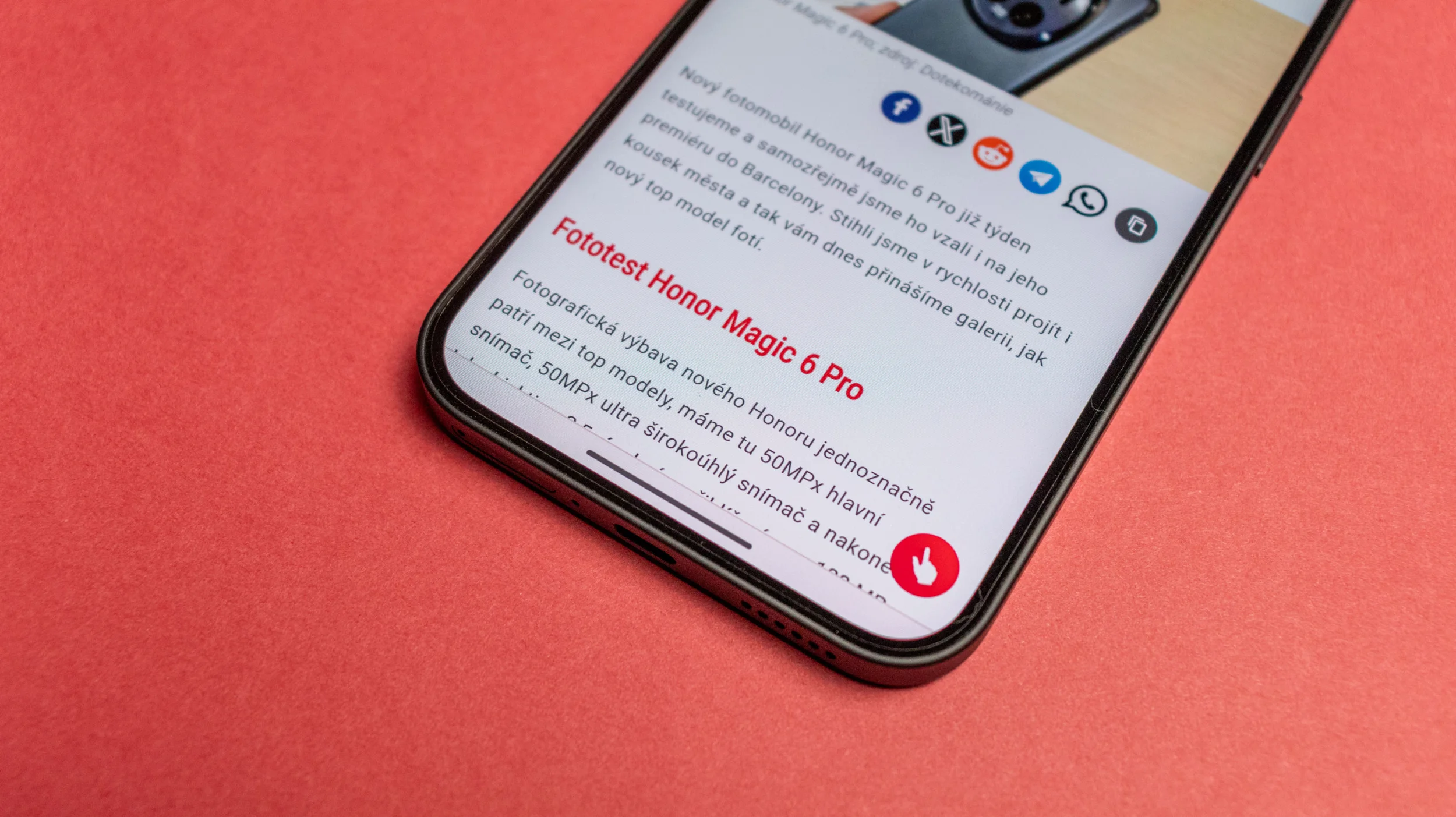
The display is an AMOLED panel with Full HD+ resolution and a 120Hz refresh rate. It automatically drops to 60Hz when nothing is moving on screen. With the default dynamic setting enabled, many apps seem to top out at 90Hz, presumably to save battery. If you want, you can force 120Hz in settings.
Peak brightness reaches 1,300 nits for HDR content, while full-screen brightness is rated at up to 1,100 nits. Outdoor visibility is solid, though I’ve definitely seen better panels. For the price, though, it’s perfectly respectable. HDR support is also a welcome touch.

Hardware
Inside is the Dimensity 7200 Pro, a slightly tweaked version of the Dimensity 7200 built specifically for Nothing in collaboration with MediaTek. A closely related chip, the Dimensity 7200 Ultra, also shows up in devices like the recently reviewed Redmi Note 13 Pro+ 5G (review). It’s built on a modern 4nm process and packs eight CPU cores, with two performance cores doing the heavier lifting.
In raw performance, though, it’s only a bit ahead of the Snapdragon 778G+ in the original Nothing Phone (1). That’s not a huge issue, especially since this newer model comes in at roughly 4,000 CZK (approx. $184 / €164) less. Thermal behavior is very good, and the phone barely gets warm even under heavier workloads. The Nothing Phone (2a) is available in 8GB RAM with 128GB of storage, or 12GB RAM with 256GB of storage.
We tested the lower-end version, and even that ran very well, with one exception: the camera. Here, I occasionally ran into minor slowdowns, animations weren’t always perfectly smooth, and image processing after capture can take a few seconds. This is something Nothing could still improve through updates. At least one update, Nothing OS 2.5.4, already arrived during testing, but I didn’t notice any major improvement in this area.
5G support is here, which at this price is basically expected. What’s less common, though, is eSIM support, and it’s missing here. That said, eSIM is still relatively rare in the midrange, though Samsung does offer it on some competing models.
Nothing Phone (2a) specs
- Display: 6.7-inch, 2412 x 1080 pixels, AMOLED, 120Hz, up to 1300 nits
- Processor: Dimensity 7200 Pro (up to 2.8GHz)
- RAM: 8/12GB
- Storage: 128/256GB
- Dual SIM
- Android 14 + Nothing OS 2.5
- Cameras:
- Rear: 50MP, OIS
- 50MP, 114°
- Front: 32MP
- Rear: 50MP, OIS
- In-display fingerprint reader
- IP54
- Stereo speakers
- 5G, WiFi 6, Bluetooth 5.3, NFC, GPS: (L1), GLONASS (G1), BDS (B1I), GALILEO (E1), QZSS (L1)
- Dimensions: 161.74 x 76.32 x 8.55 mm; 190 grams
- Battery: 5000mAh + 45W
Battery life
The Nothing Phone (2a) packs a 5000mAh battery. In practice, battery life is unexpectedly excellent. I had no trouble getting through two full workdays on a charge, so I’d rate it as comfortably above average.
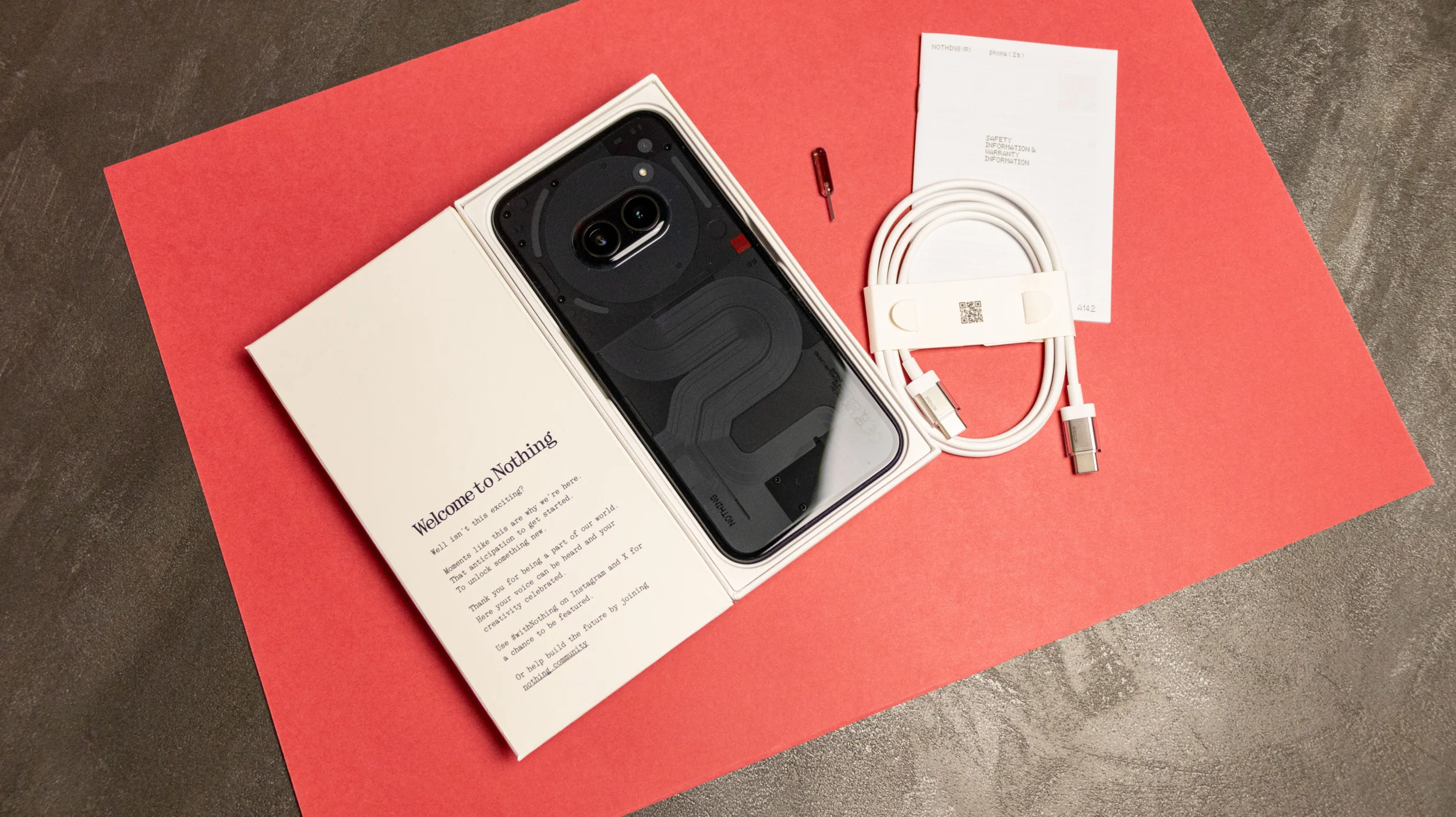
Charging tops out at 45W, and in the box you only get a very nice USB-C cable.
Camera
Around back, there are two 50MP cameras: a main sensor and an ultrawide. The main camera also includes optical image stabilization, which is good to see. I’m also glad Nothing skipped the usual throwaway macro sensor, which is often pointless in phones at this price.
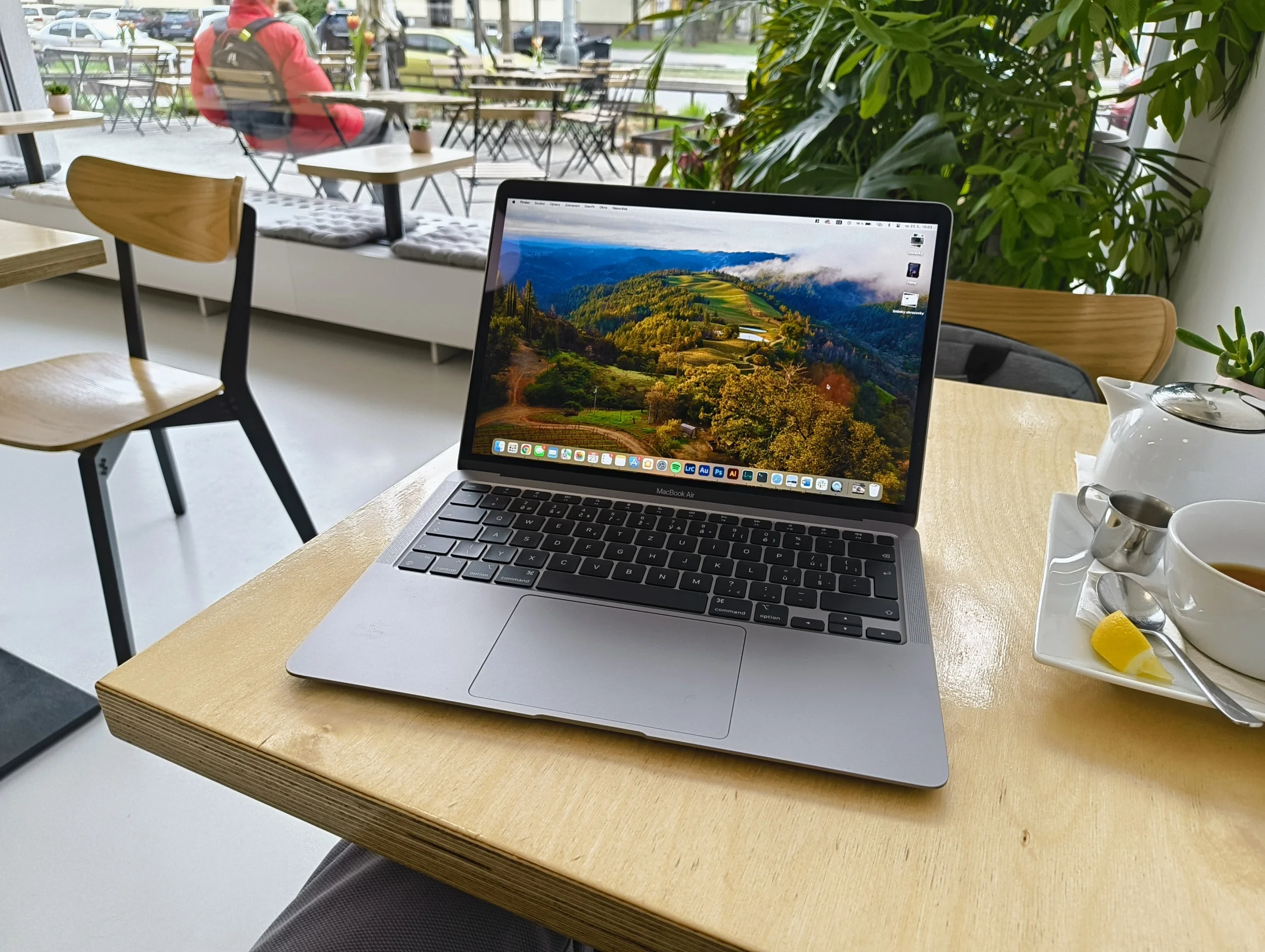
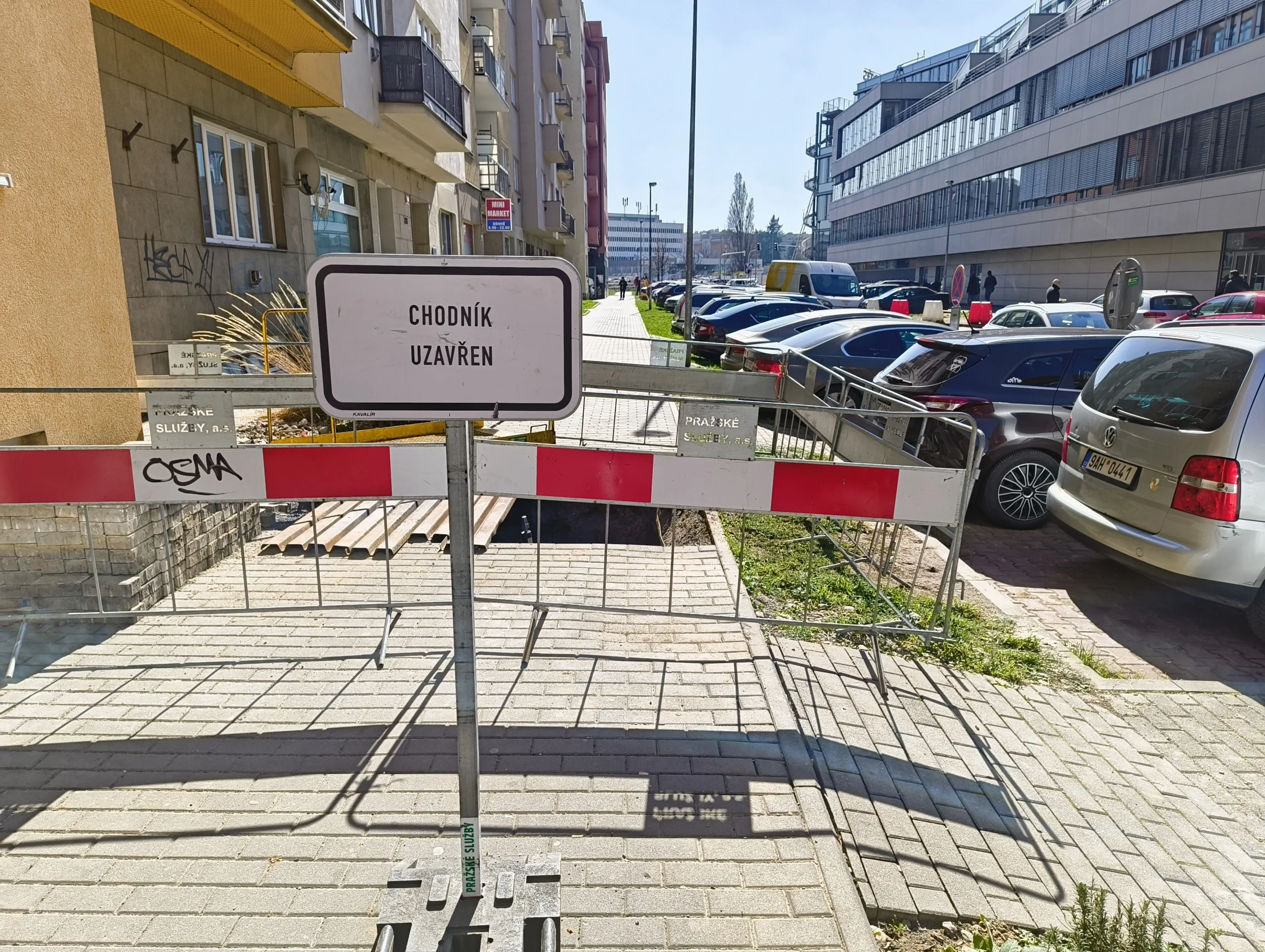
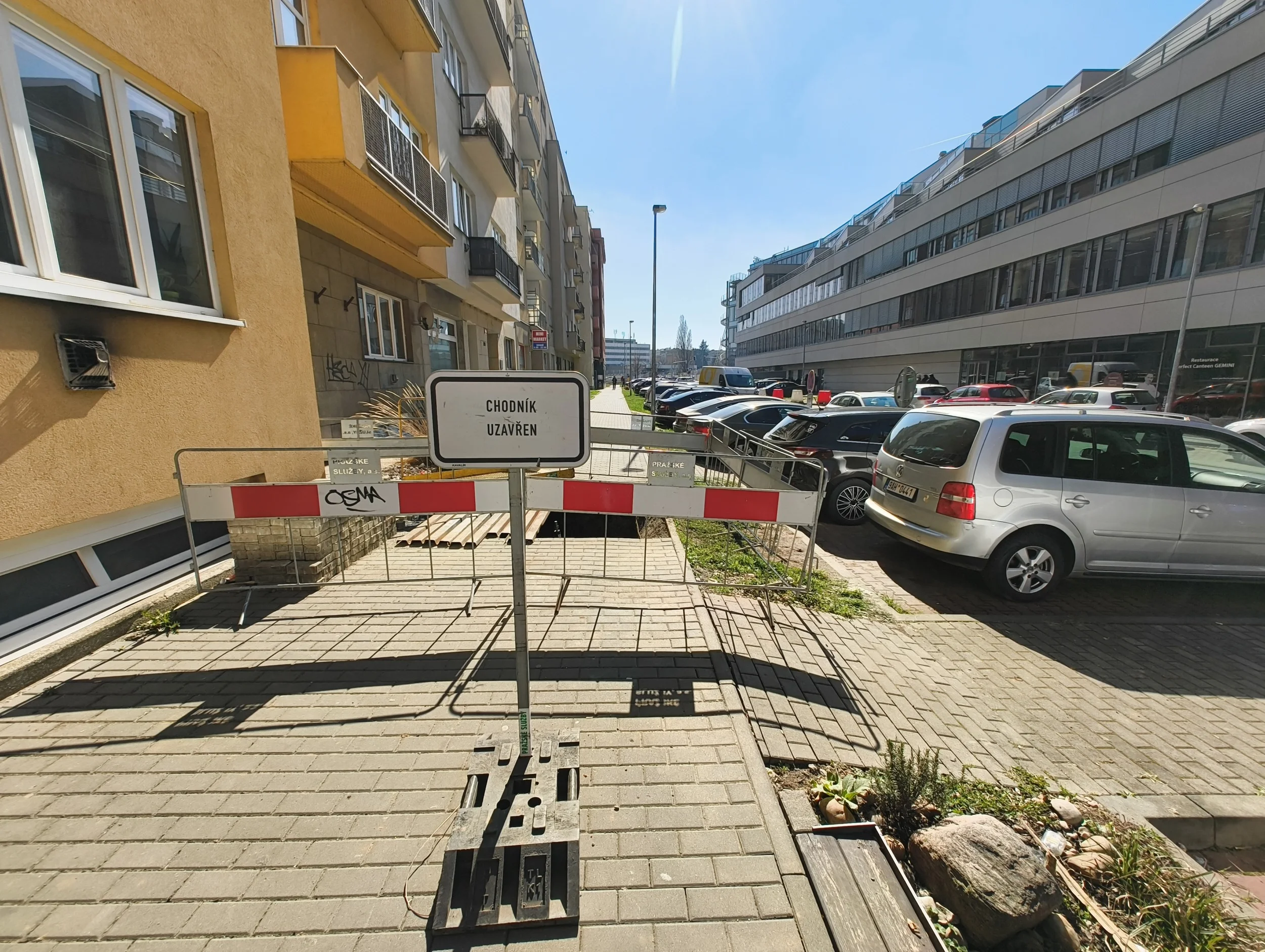
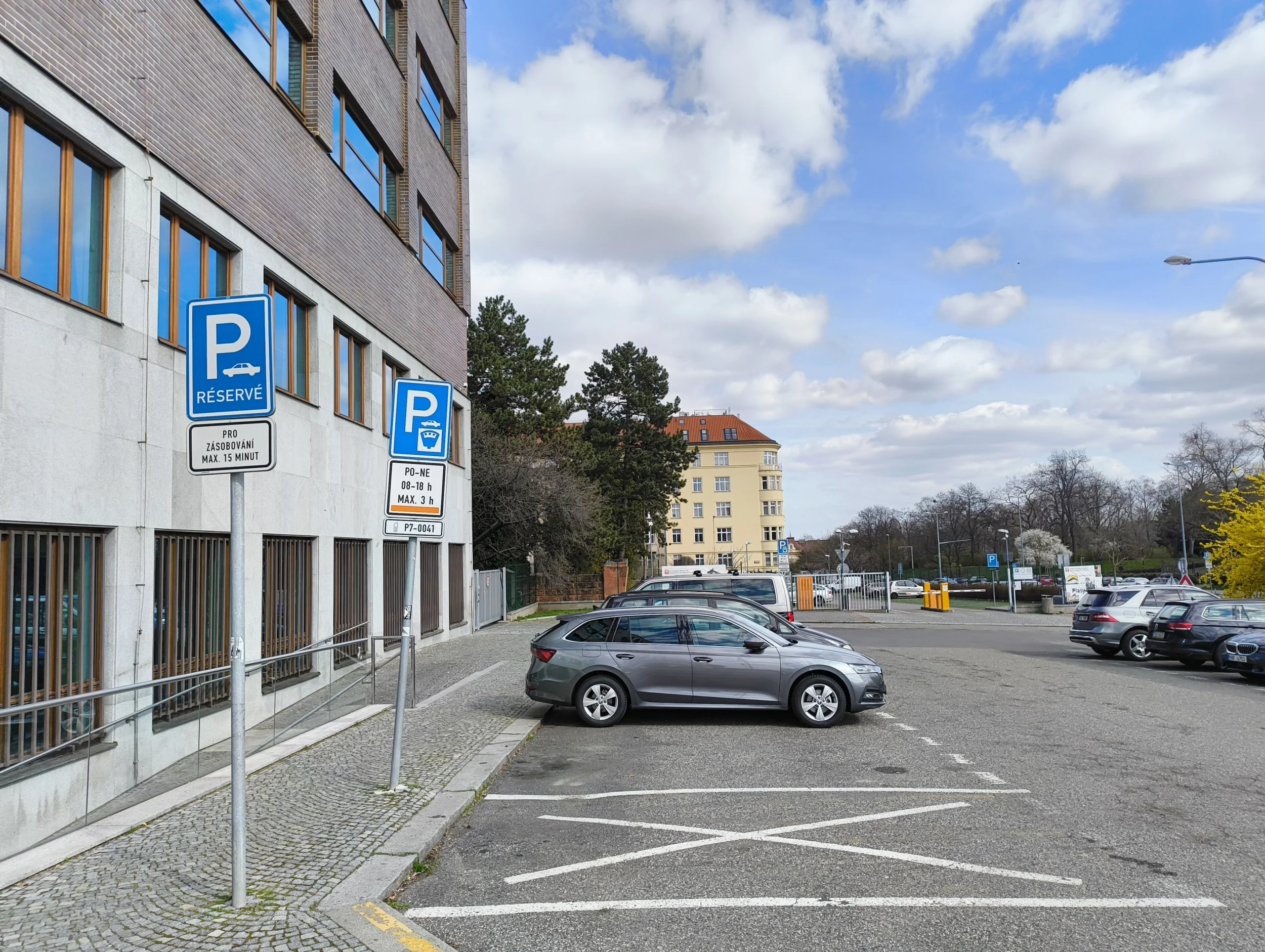
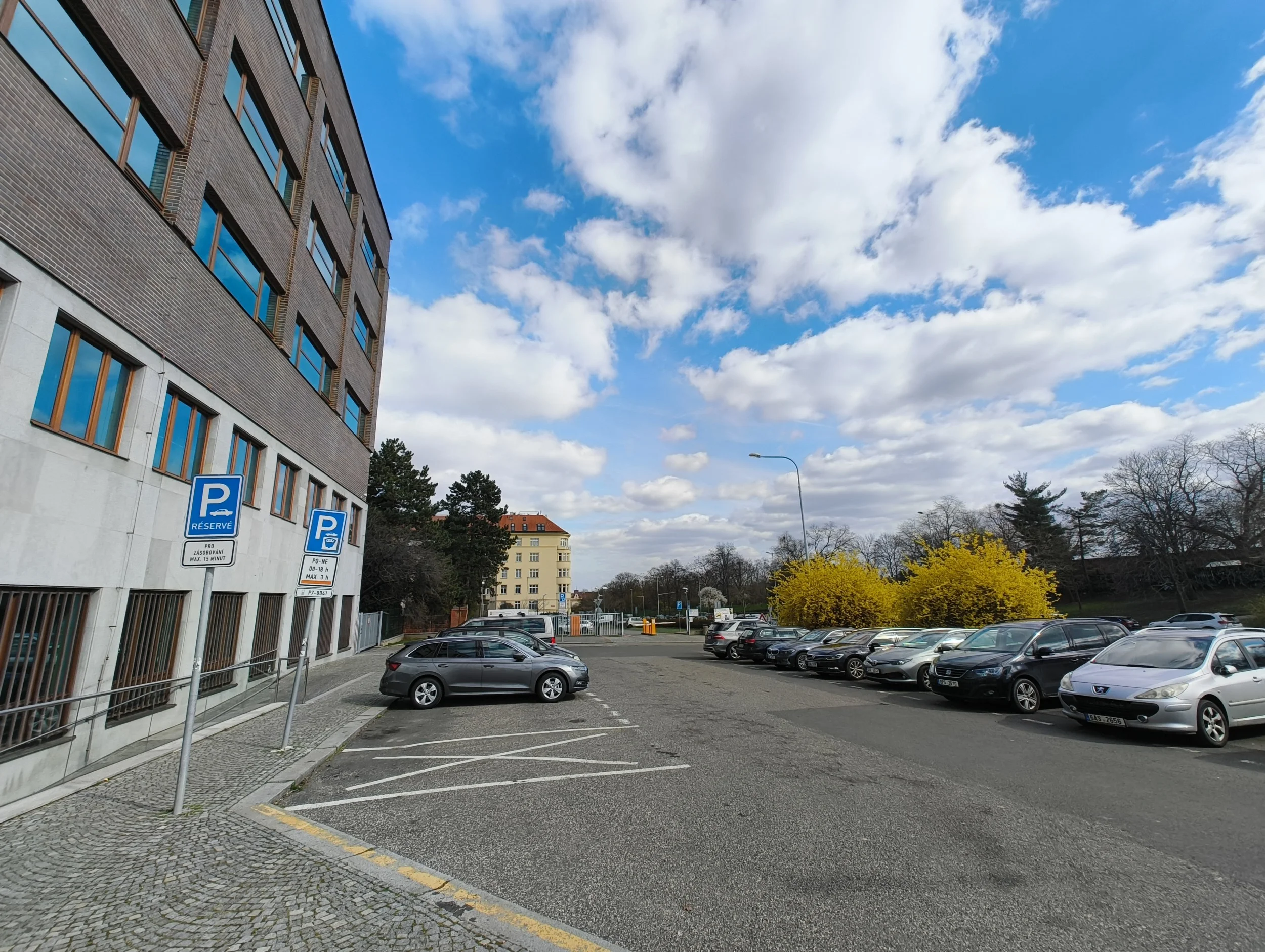
The final photos are good for this class. Early in testing, I ran into a smaller issue with occasionally very noticeable color differences between the main and ultrawide cameras, but the Nothing OS 2.5.4 update reduced that problem. Since that update arrived during the review period and was supposed to improve photo quality, I’ll mark the photos taken with it accordingly. Compared to the original Nothing Phone, images here lean warmer, and personally, I like that color tuning.







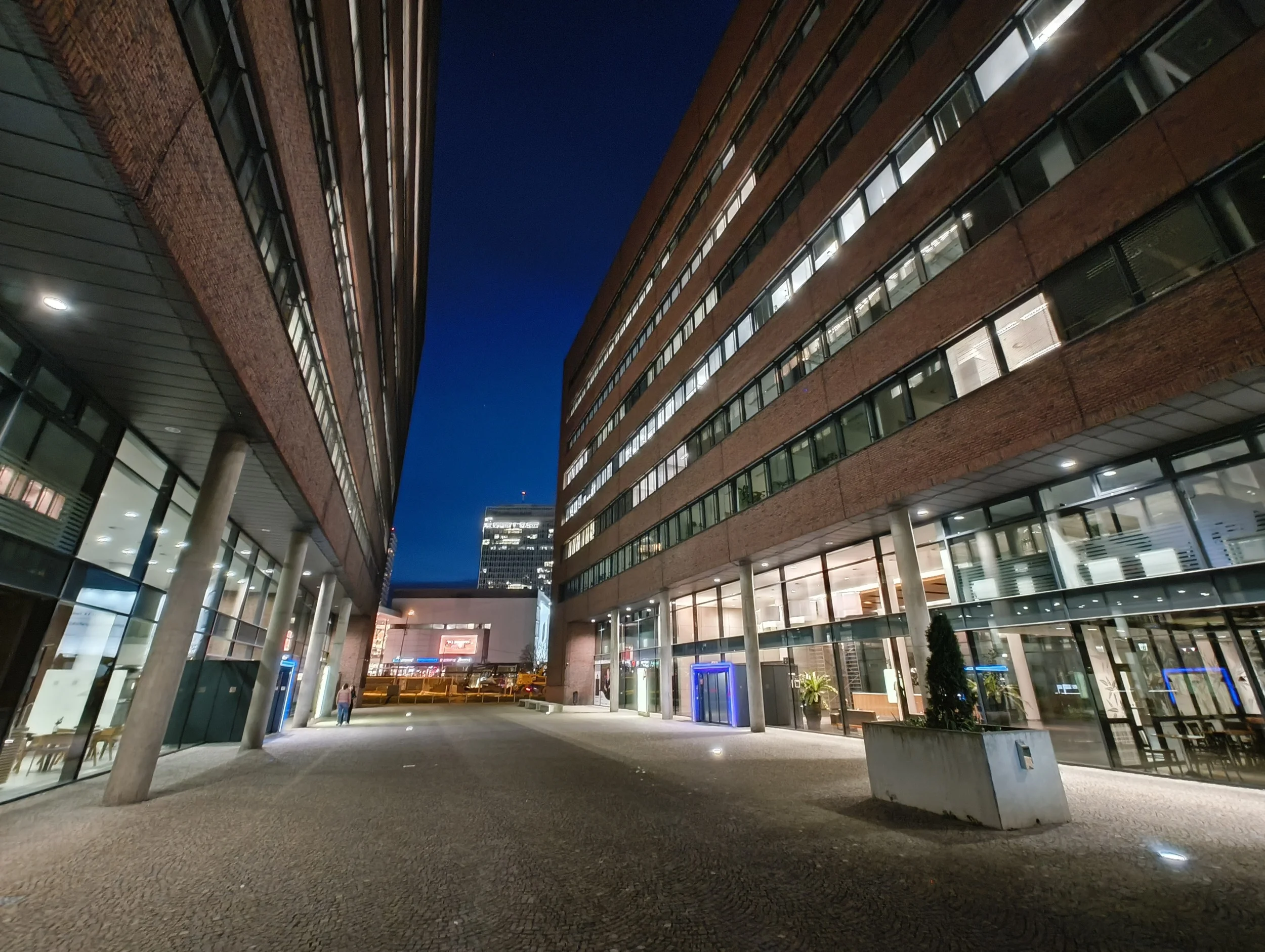
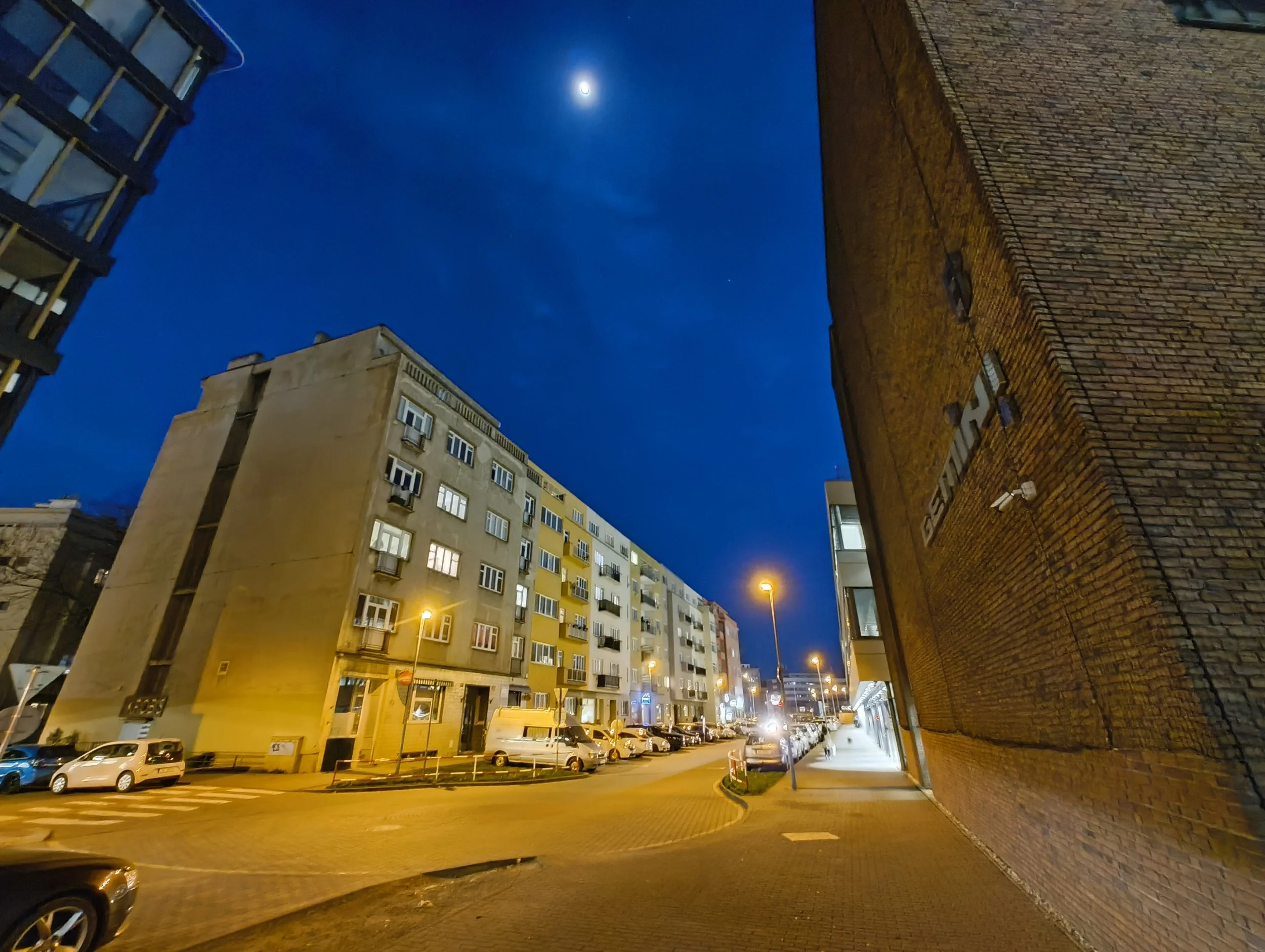
At night, the phone also turns in good results for its class, though the ultrawide is predictably the weaker camera here. It still uses a 50MP sensor, which outputs 12.5MP shots, and that’s a real advantage. Some rivals in this price tier still ship with just an 8MP ultrawide, and those are usually much worse overall.












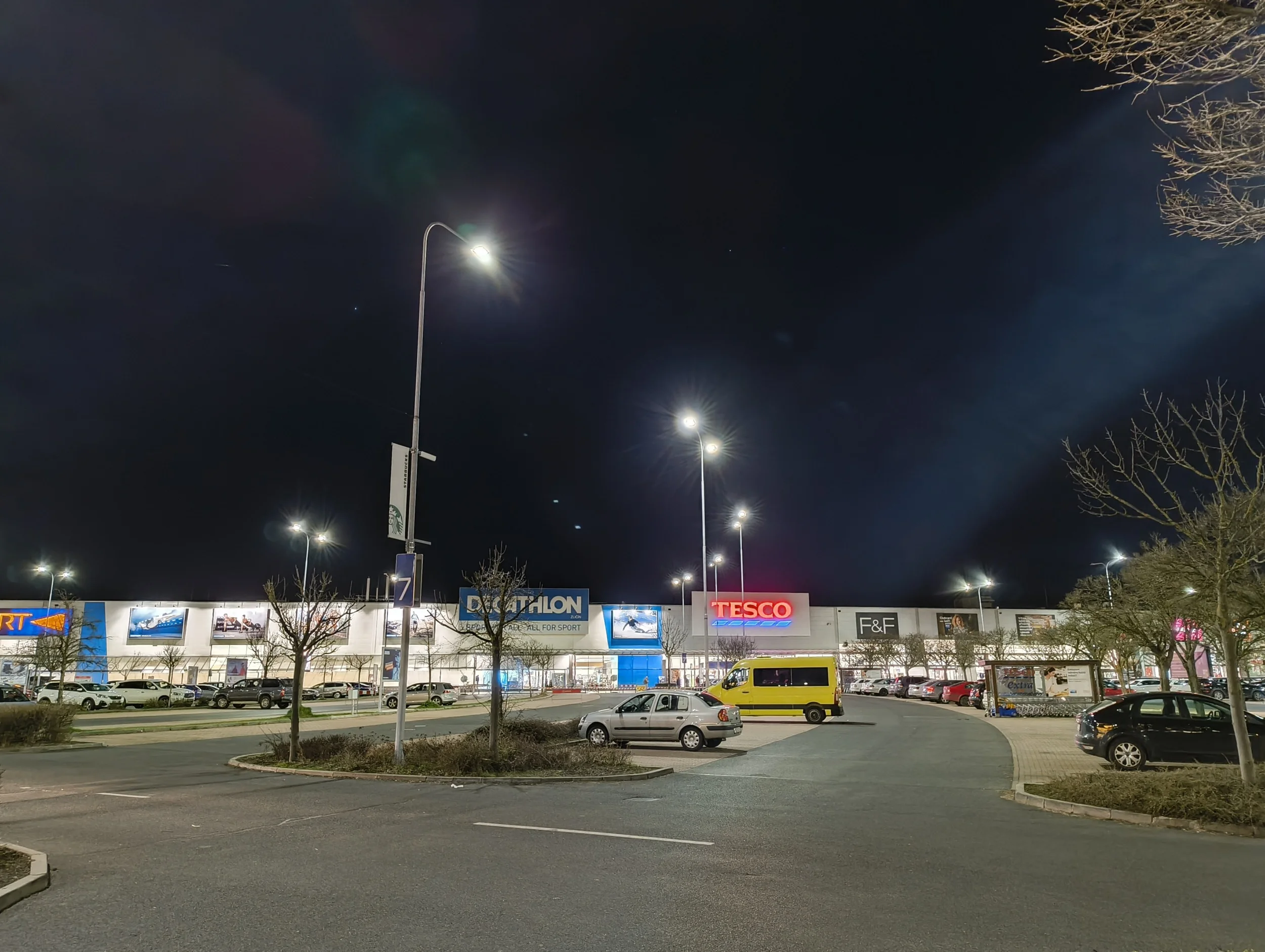
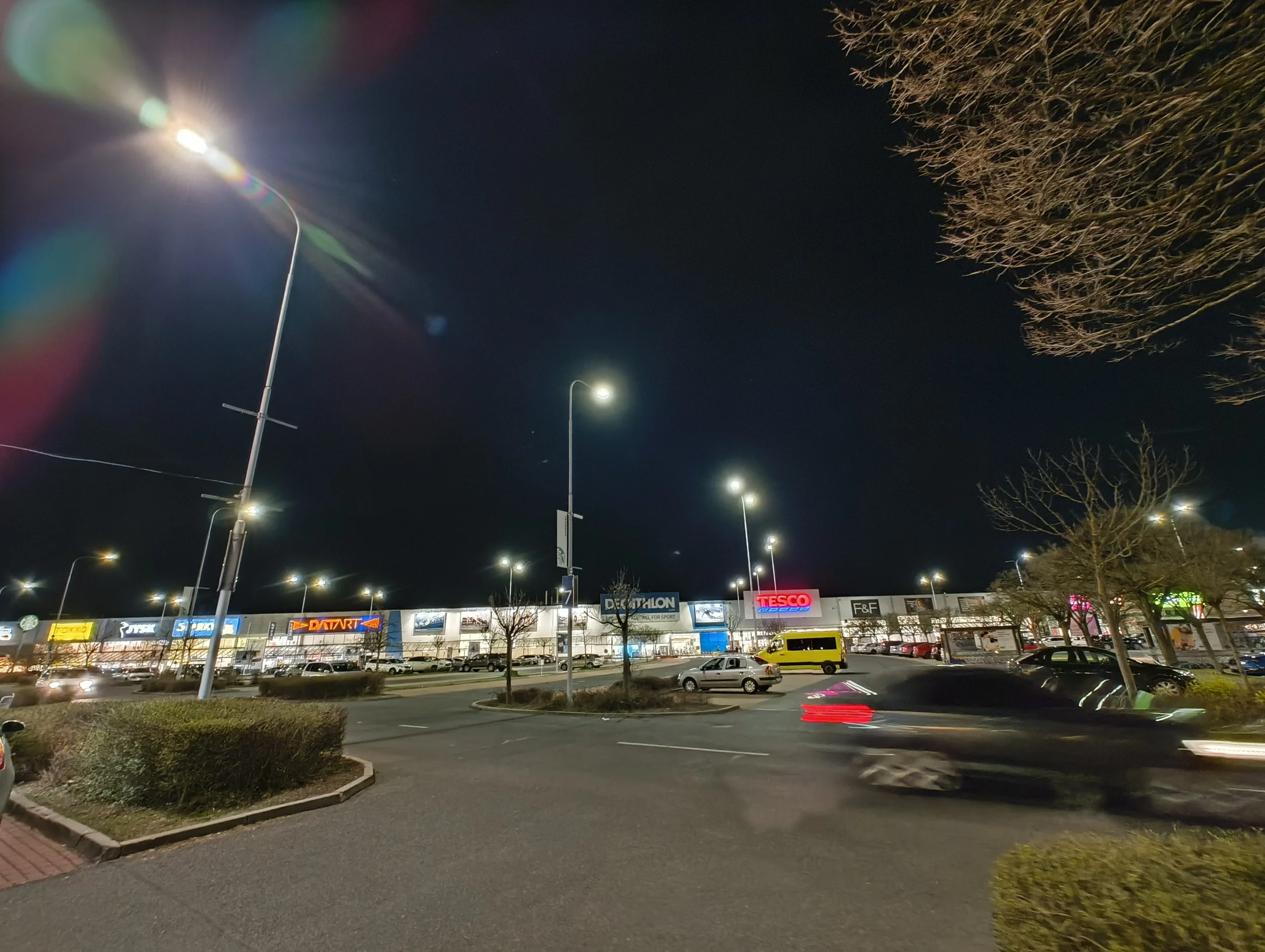
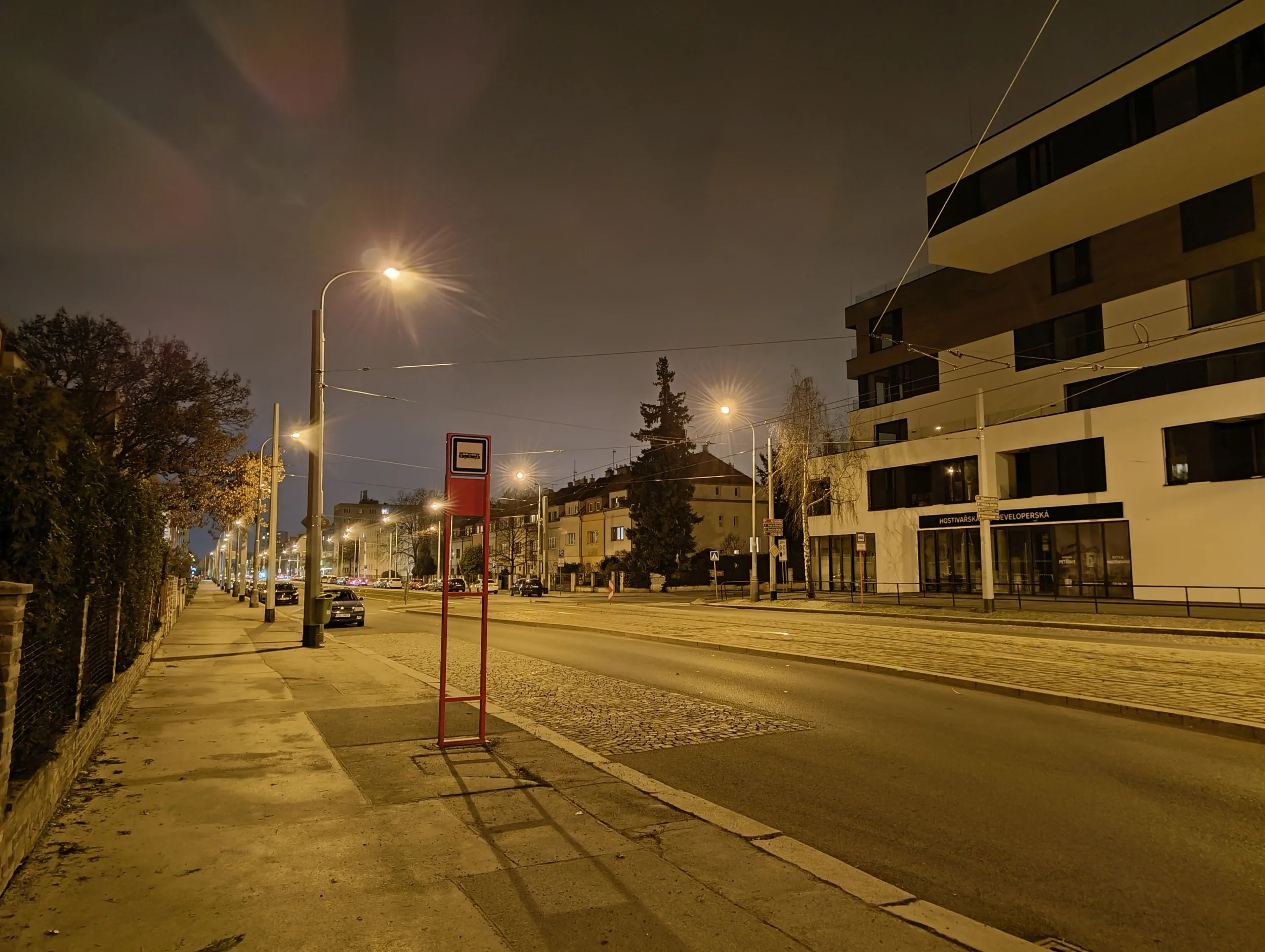
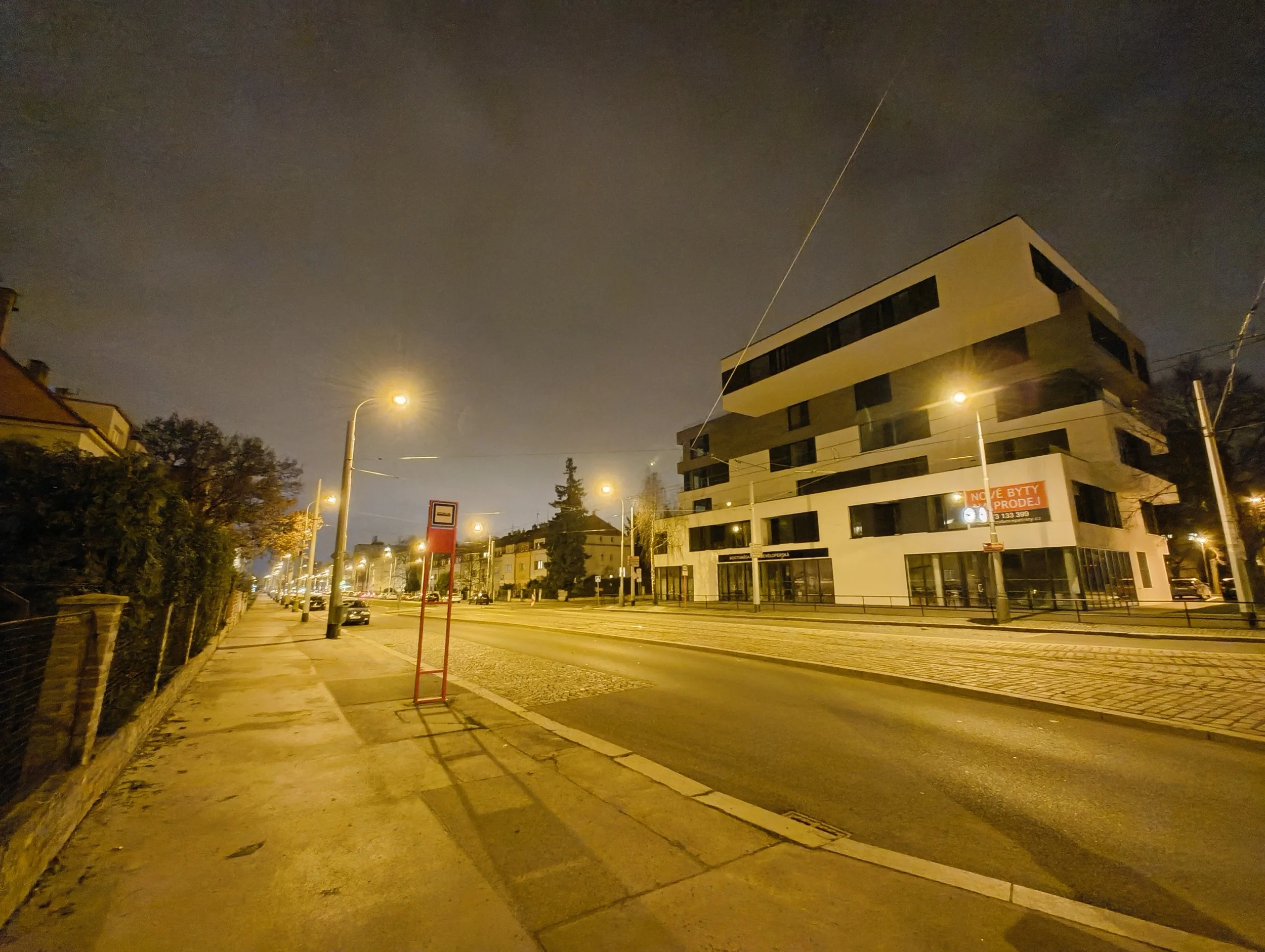

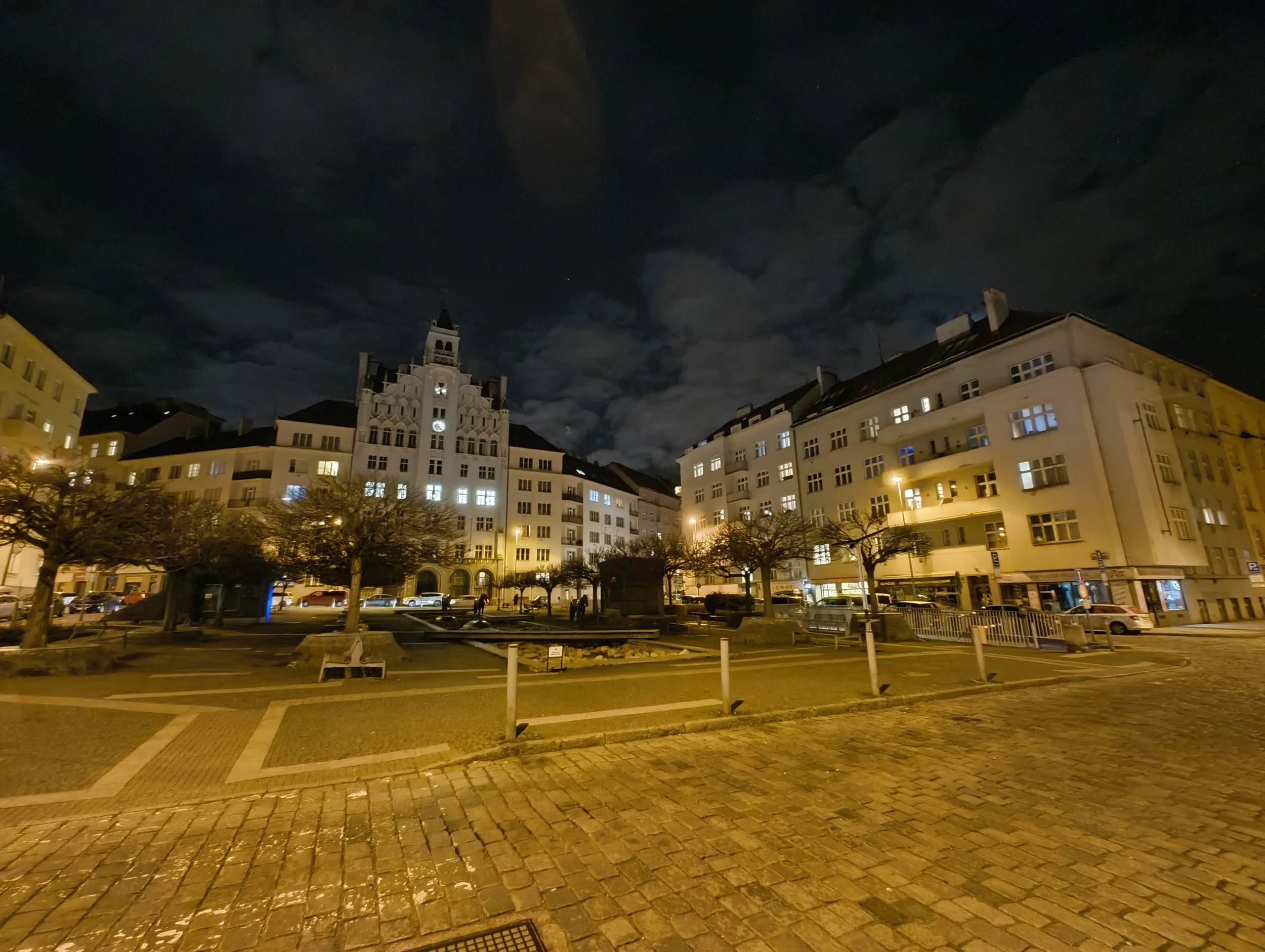
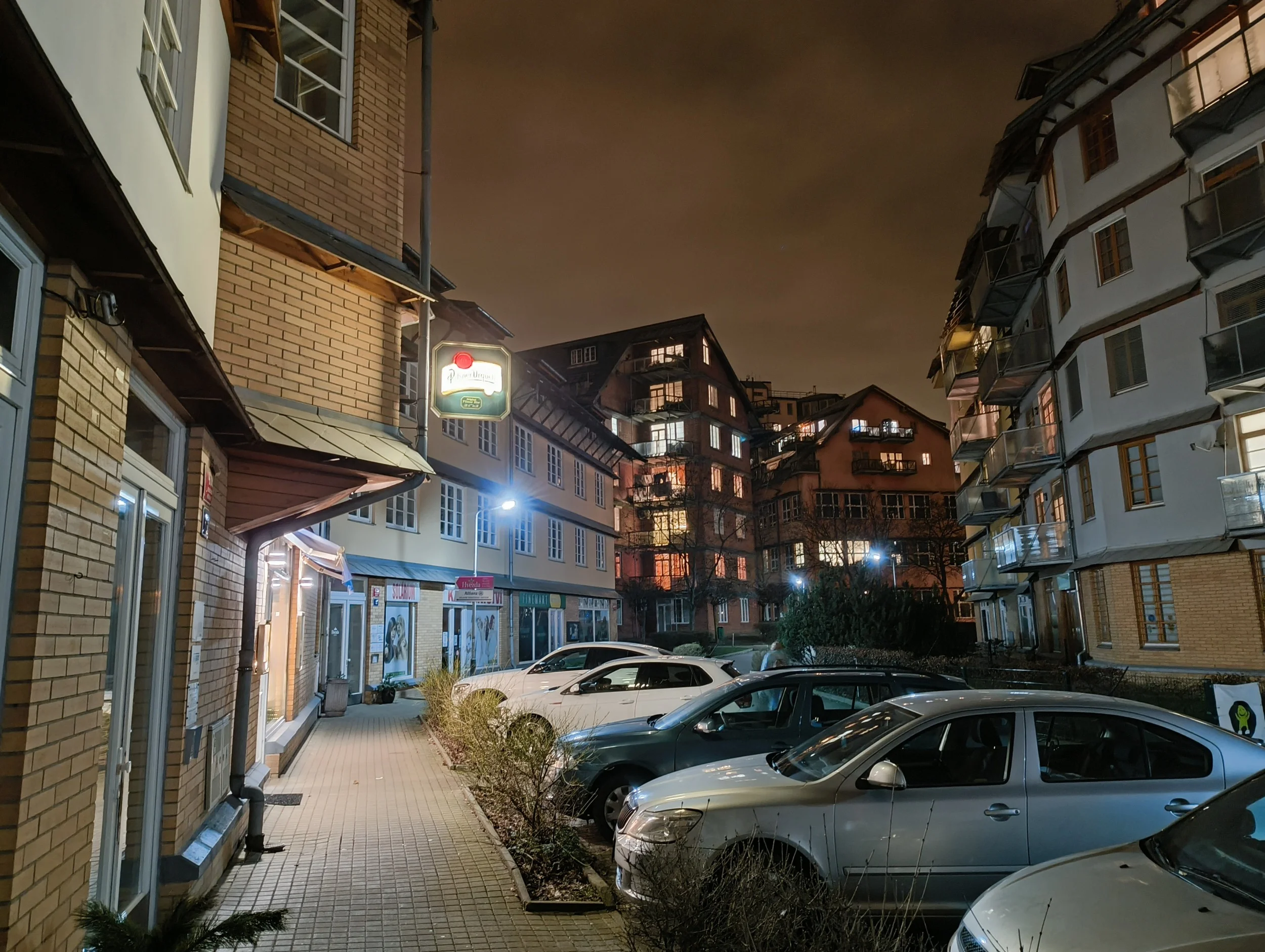
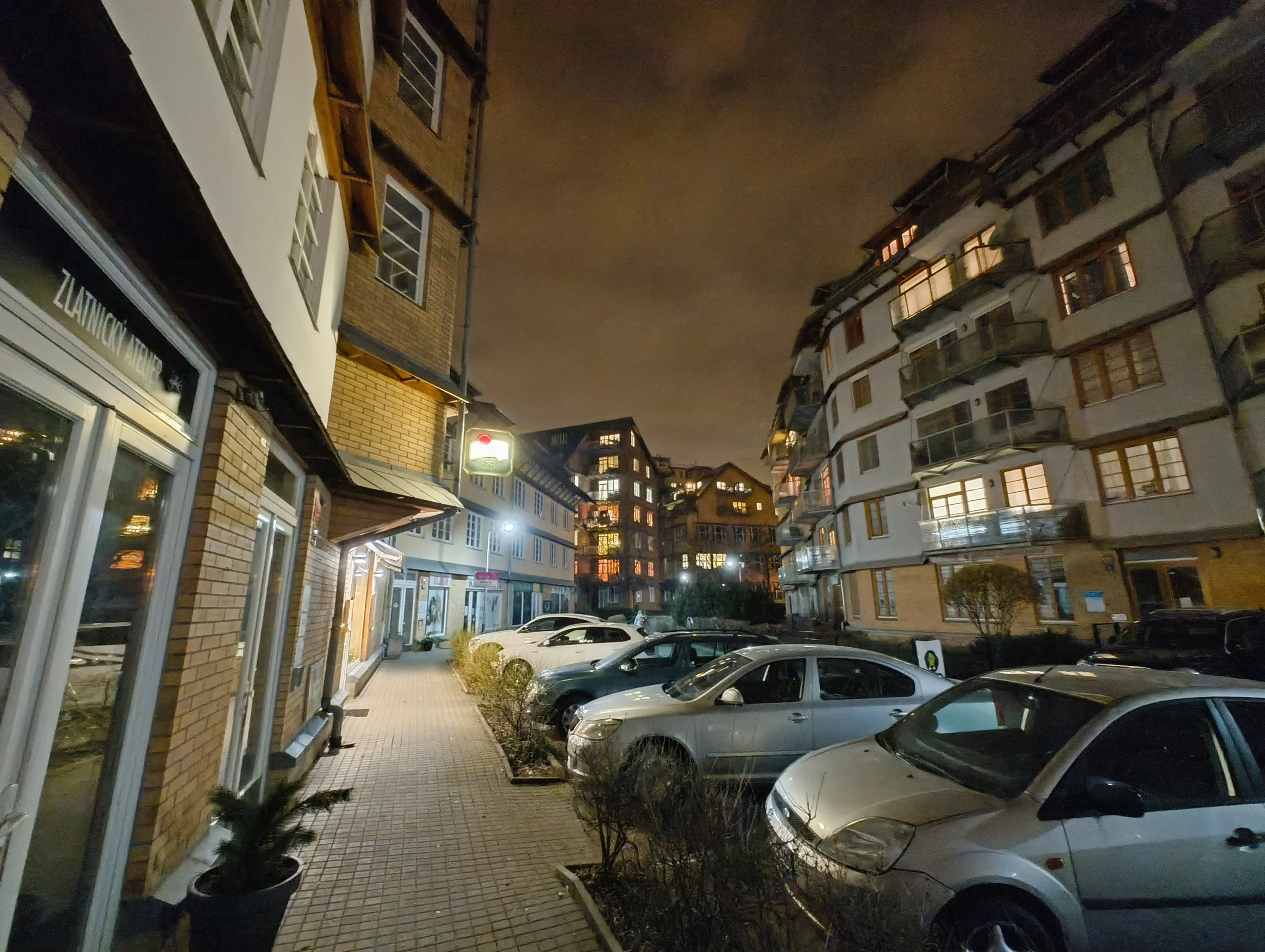
When shooting video at up to 4K 30fps or 1080p 60fps, stabilization is solid. As with most midrange phones, though, switching between the main and ultrawide cameras while recording is limited to 1080p 30fps.
Software
The phone runs Android 14 with Nothing’s light custom skin on top. That mostly means the option to use monochrome icons across apps, a set of custom widgets, and a handful of extra features. The catch with those icons is that each app has to support them, and plenty still don’t.
Nothing promises a 3 + 4 update policy, meaning three major Android upgrades and four years of security patches. For this price, that feels perfectly reasonable, even if Samsung still offers an extra year. One clear advantage over a lot of rivals is the lack of preinstalled bloatware, something many Chinese competitors still load onto phones in this price range.
Verdict
The Nothing Phone (2a) is one of the more distinctive smartphones out right now, and it drew plenty of attention from people around me during testing. Nothing’s software skin deserves credit for feeling original without getting in the way, and the company’s widget selection is genuinely useful. Performance tuning is excellent, aside from the camera. Haptics are especially strong, battery life is very good, and the display holds up well too, with fairly slim bezels and always-on support. On the downside, the all-plastic build with a plastic frame feels less impressive, and third-party support for the Glyph lights on the back is still pretty limited.
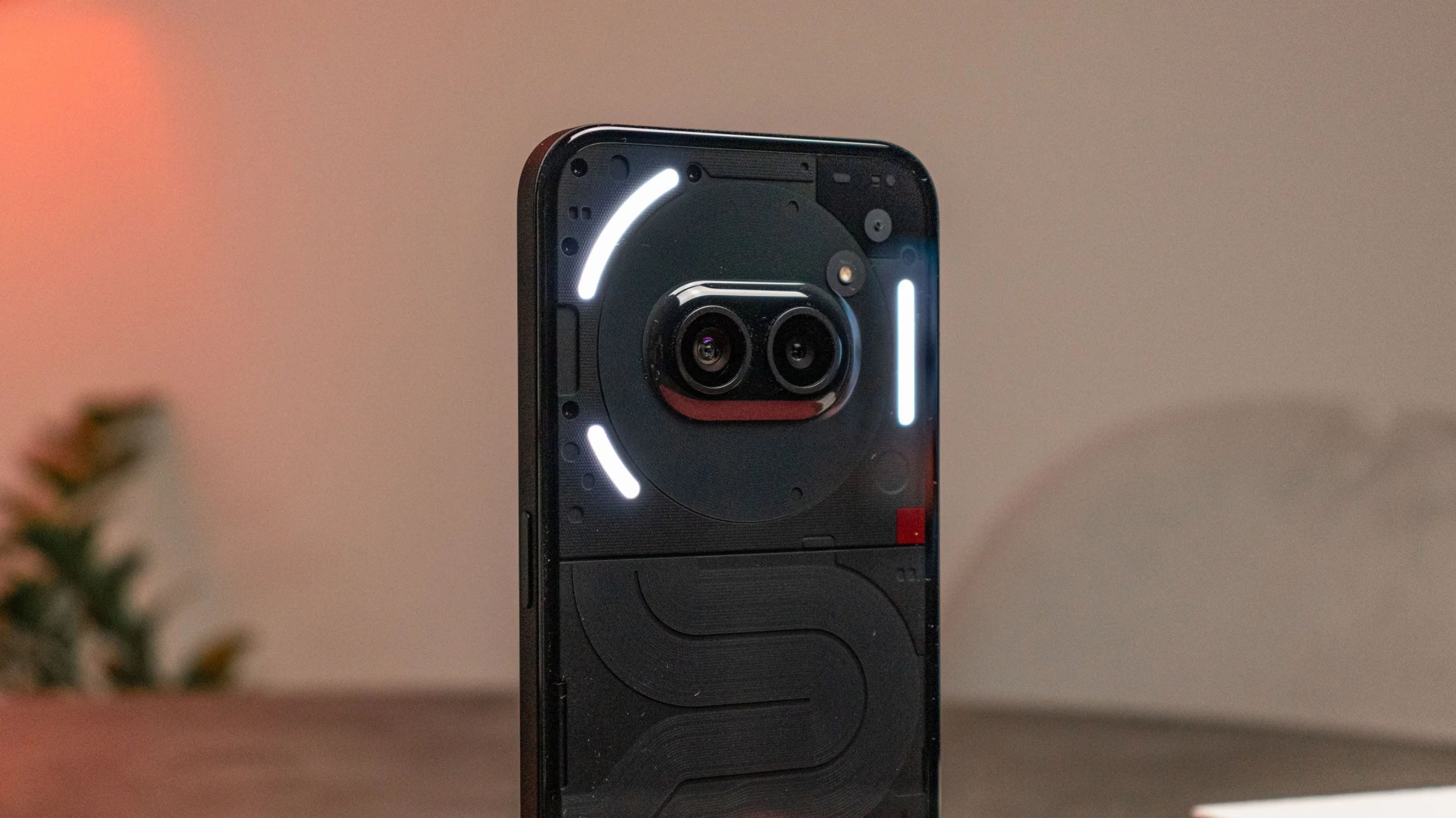
It’s clear Nothing is still figuring out exactly where it wants to sit in the market, and after the less commercially successful Nothing Phone (2), the move to the Phone (2a) looks like the right one. This is a polished, likable alternative to both Chinese midrange brands and Samsung’s Galaxy A34/A35. With pricing starting at around 8,000 CZK (approx. $369 / €329), the Nothing Phone (2a) deserves a spot on your shortlist if you’re shopping in this bracket.
Pros
- Distinctive rear-panel design
- Clean, attractive light software skin
- Excellent haptics
- Solid display with always-on support
- Outstanding battery life
- Camera
Cons
- Plastic build
- Only IP54 water and dust resistance
- Weak third-party support for Glyph
