Xiaomi 14 Ultra Review: Camera First, Phone Second

Xiaomi launched three phones in its Xiaomi 14 lineup this year, and unlike last year, the top-tier Xiaomi 14 Ultra is getting a wider global release. The company is promising a legendary photography experience, and at first glance, that huge rear camera module with four sensors certainly makes the pitch clear. So how good is it, and more importantly, how does it shoot? That’s what this review is here to answer.
Design
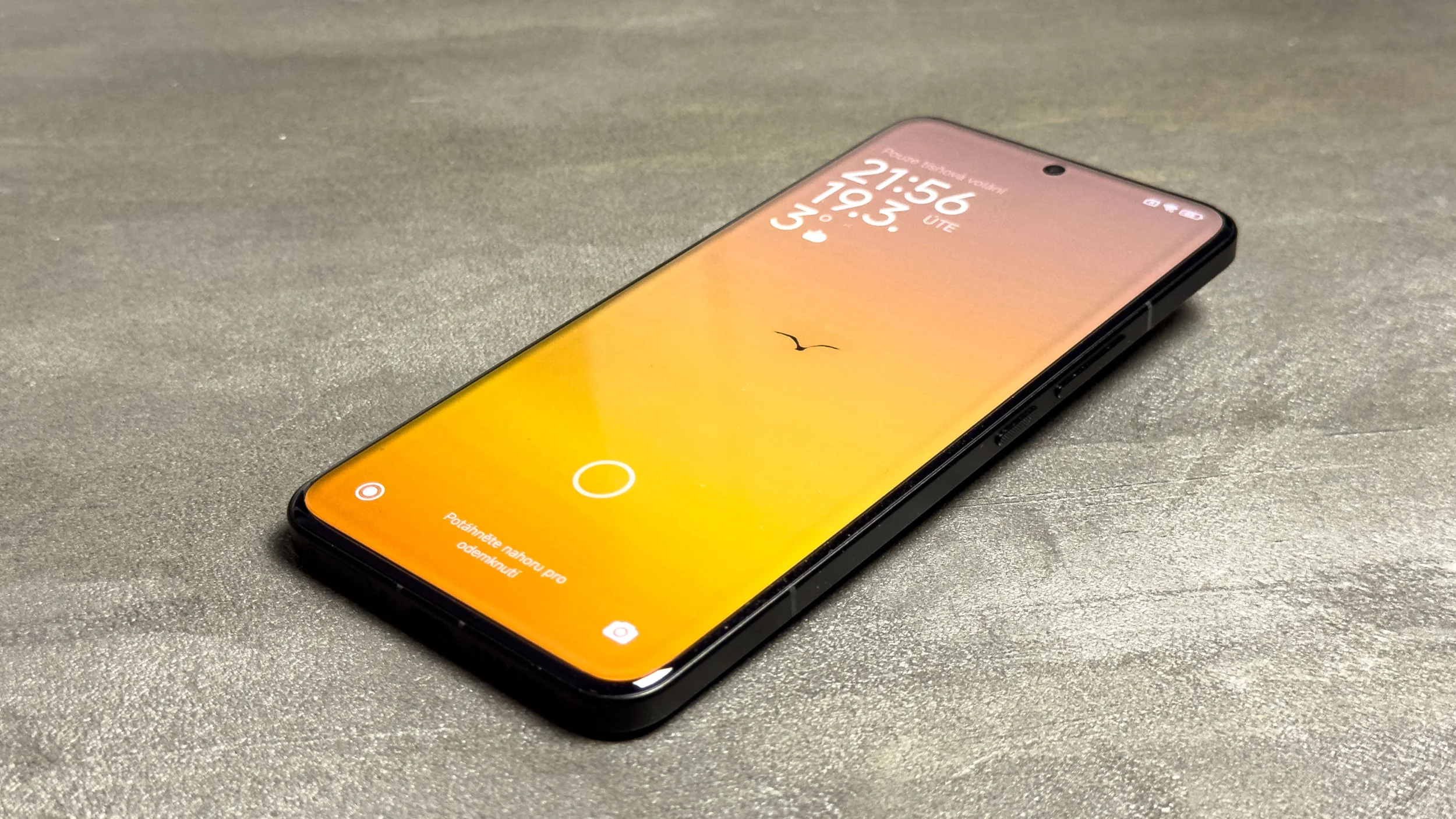
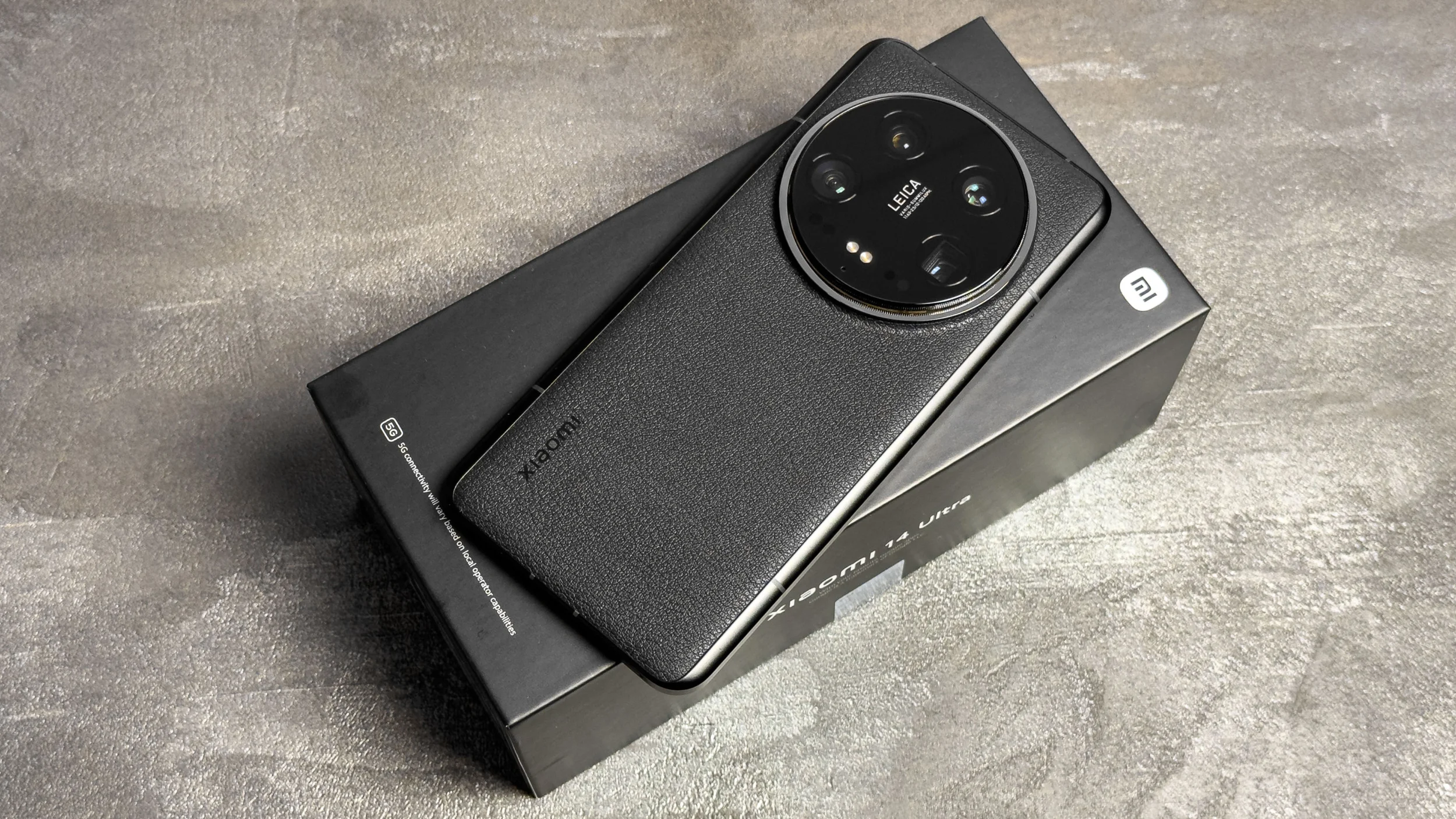
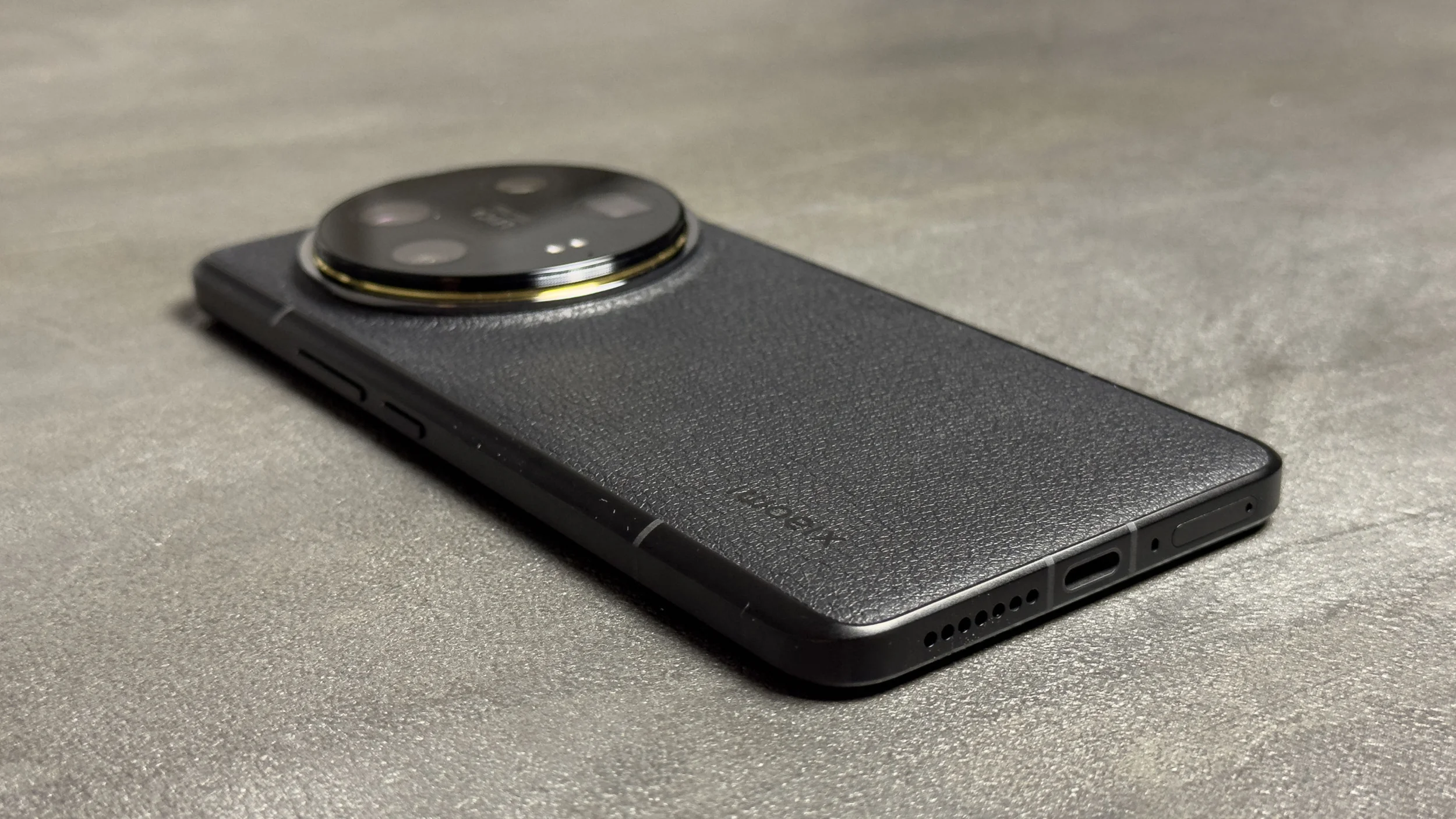
From a design standpoint, the Xiaomi 14 Ultra is a modest evolution of last year’s 13 Ultra. This time, Xiaomi sticks with an aluminum frame that’s partly flat and partly curved. In the hand, it feels comfortable, helped by the rear finish, which uses vegan leather. It’s a material I really like, though I do wonder how it’ll age after a few years of use. Xiaomi says there’s a nanotech upgrade here, so durability should be better. Our review unit was black, and a white version is also available.
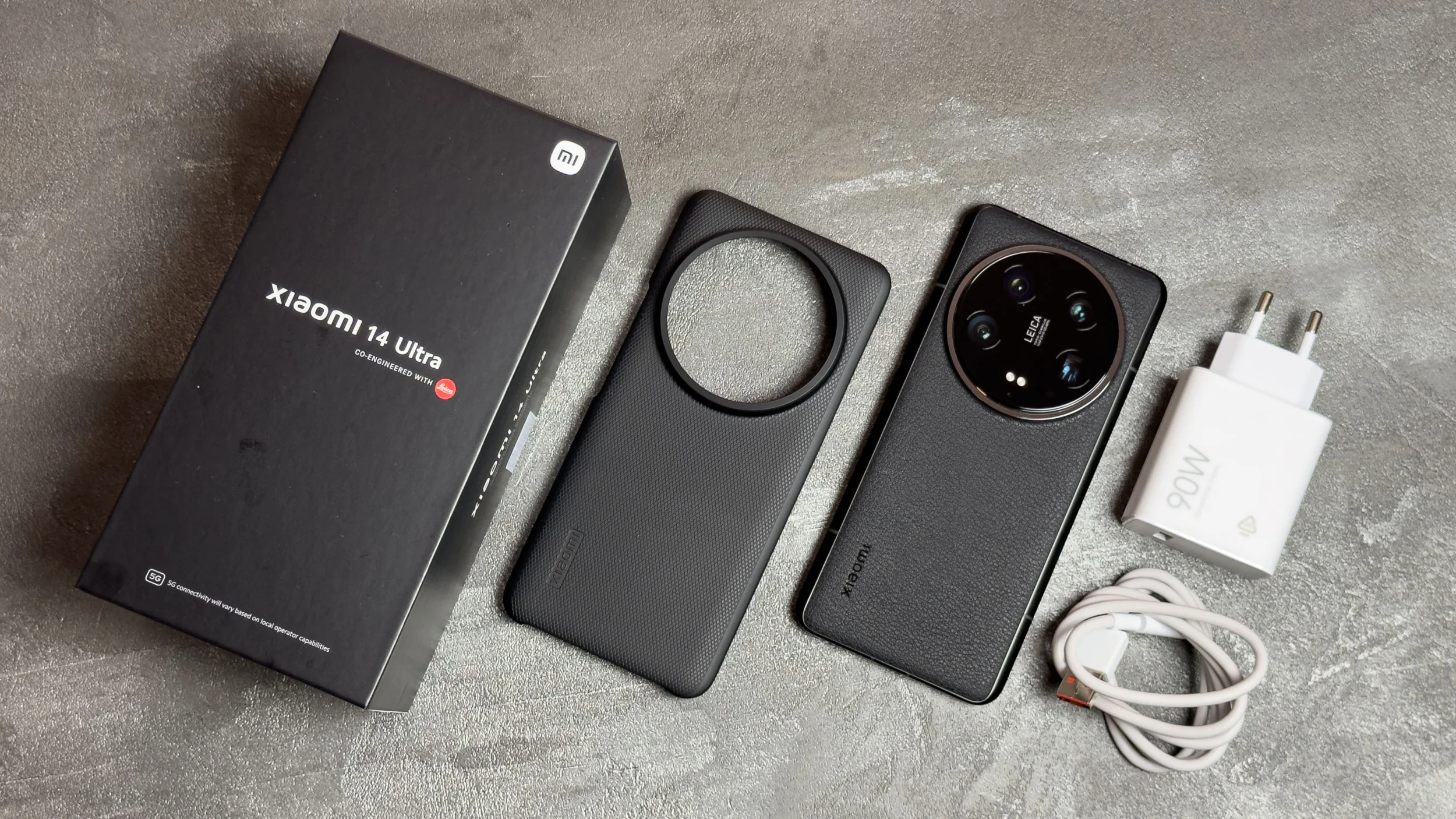
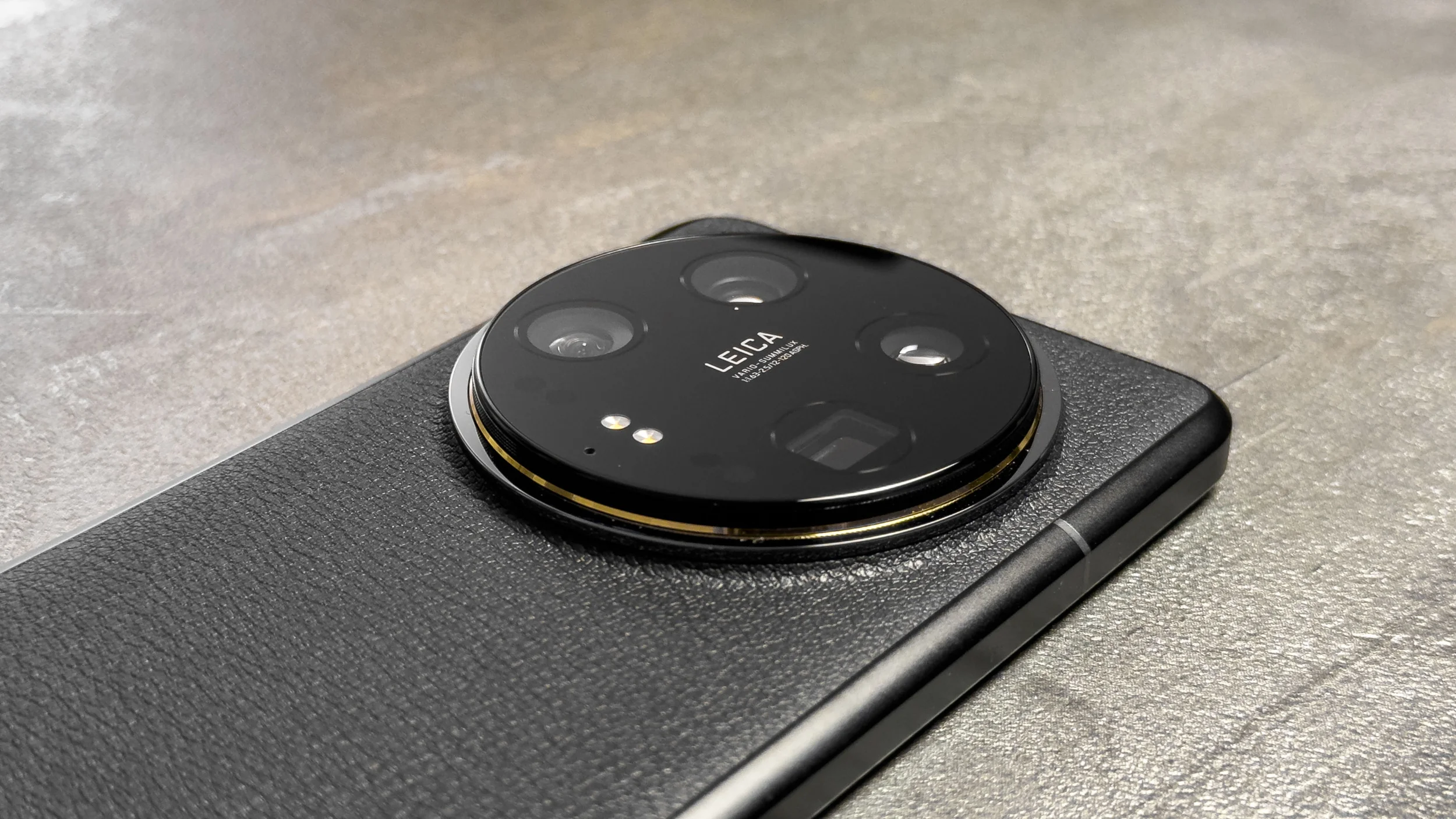
The new Xiaomi has an almost identically sized display to the Galaxy S24 Ultra, with just a 0.07-inch difference, but it’s easier to handle because it’s narrower and doesn’t have sharp corners. What did bother me a bit was the size of the rear camera module. If you hold the phone without touching the lenses, meaning your fingers sit below the circular camera bump, the balance feels slightly off and the phone has a tendency to tip. After a few days, I got used to bracing it with a finger near the flash area on the camera module, which thankfully didn’t smudge the lenses much.
Build quality is otherwise top-notch, and the phone looks genuinely elegant. The black version we tested adds a slightly flashy touch around the camera module, with a wider silver ring and a second, thinner gold ring.
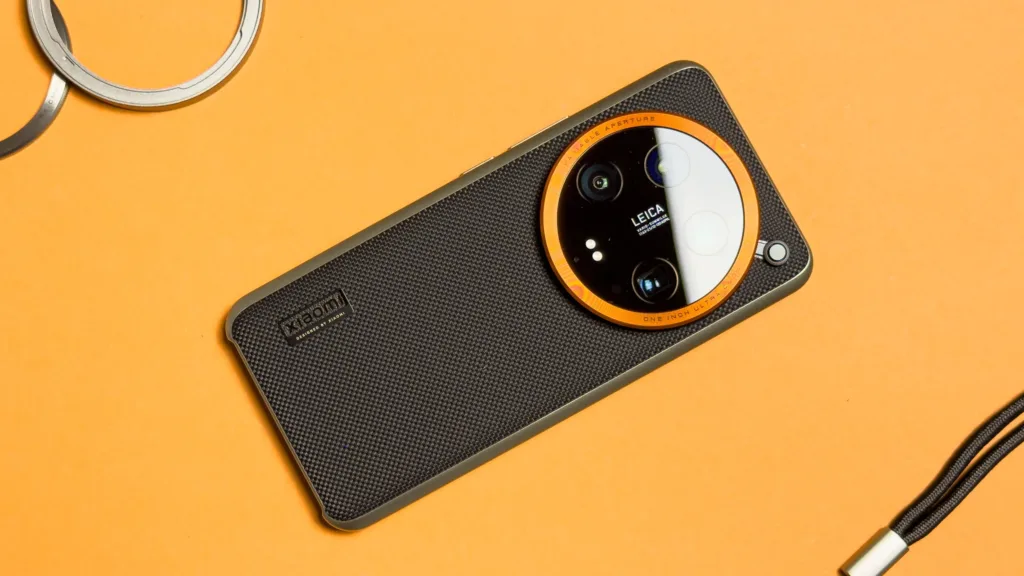
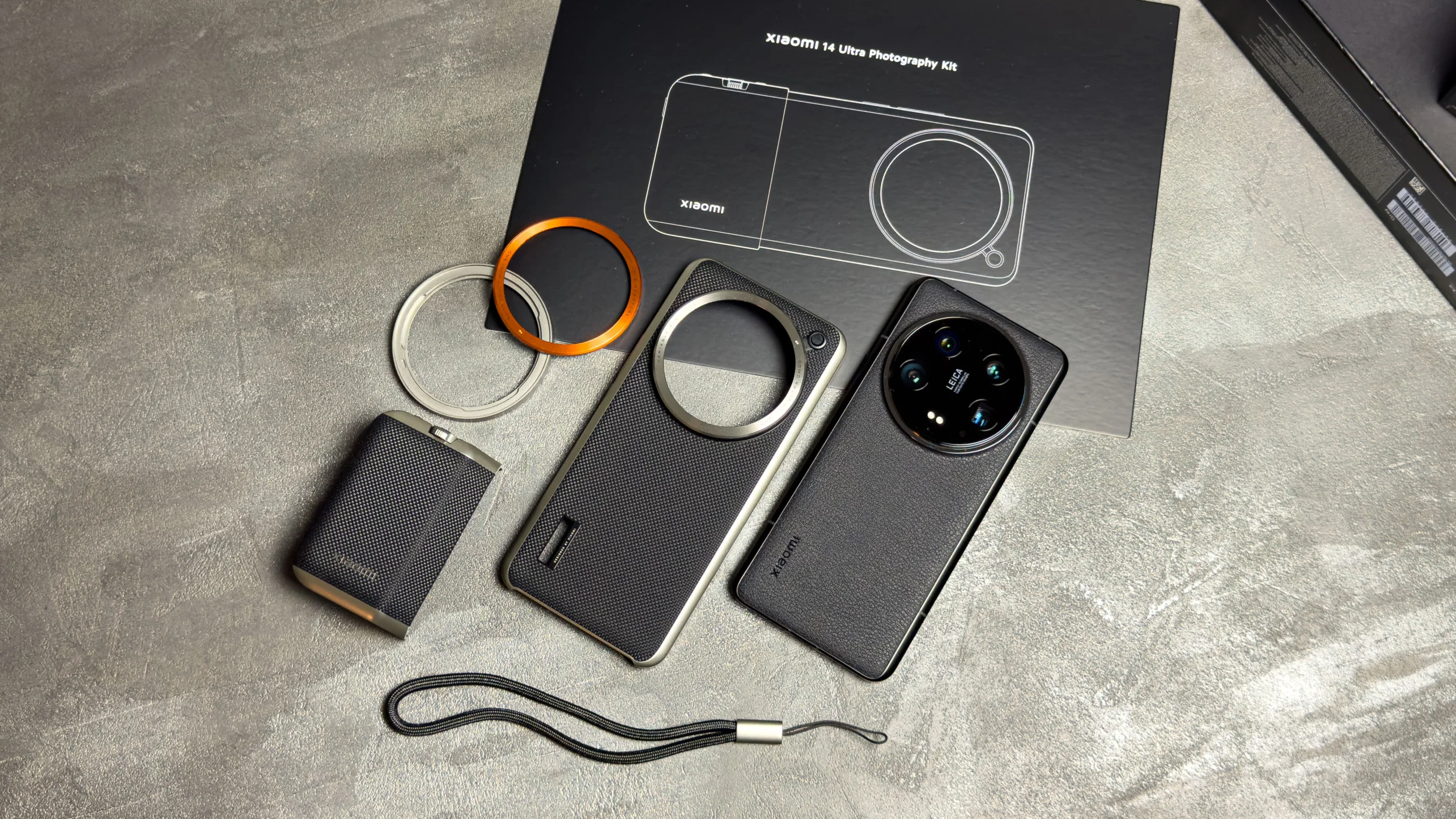
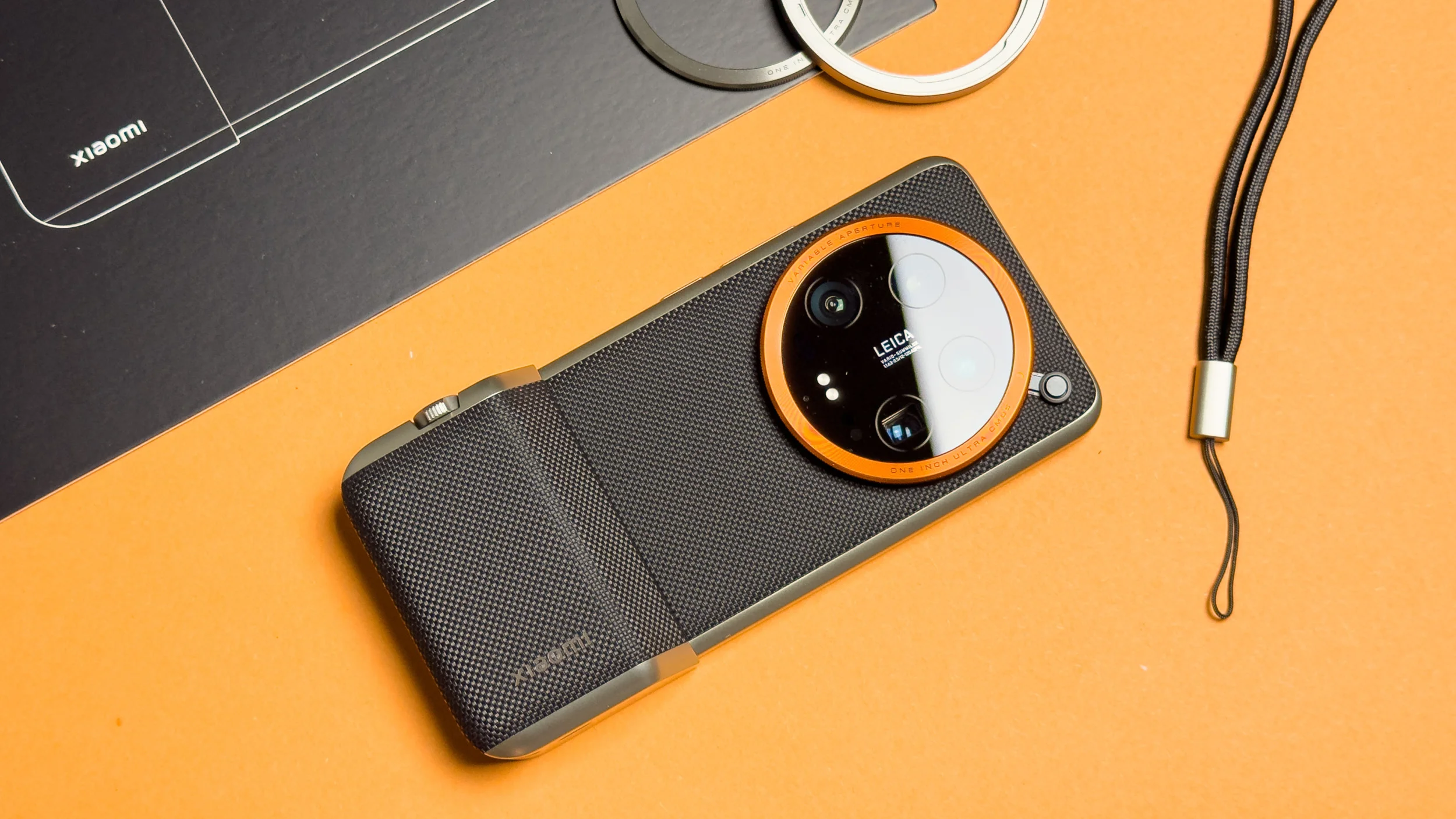
Personally, I like the design, and you can push it even further with the Photography Kit. It wraps the phone in a case with an interchangeable bezel, available in silver or orange in the box. The orange one, in particular, looks great.
The optical fingerprint reader is built into the display and placed exactly where it should be, neither too high nor too low. Speed and reliability were both excellent.
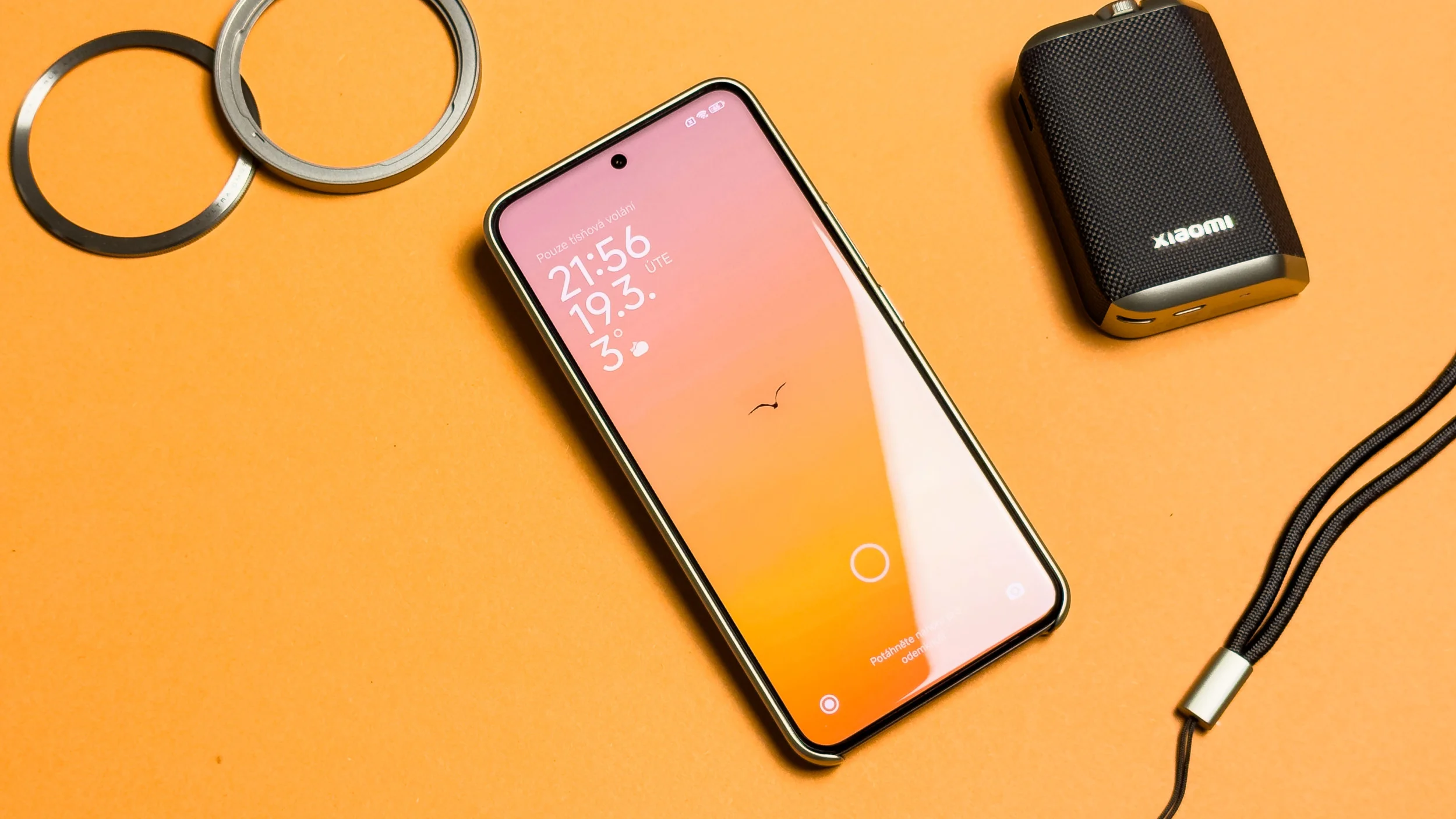
The stereo speakers even have a dedicated top outlet, something you don’t see very often anymore, and they get seriously loud. Like on the standard Xiaomi 14, the IR blaster has been tucked into the rear camera module. It’s still a genuinely useful feature for controlling other electronics.
Photography Kit
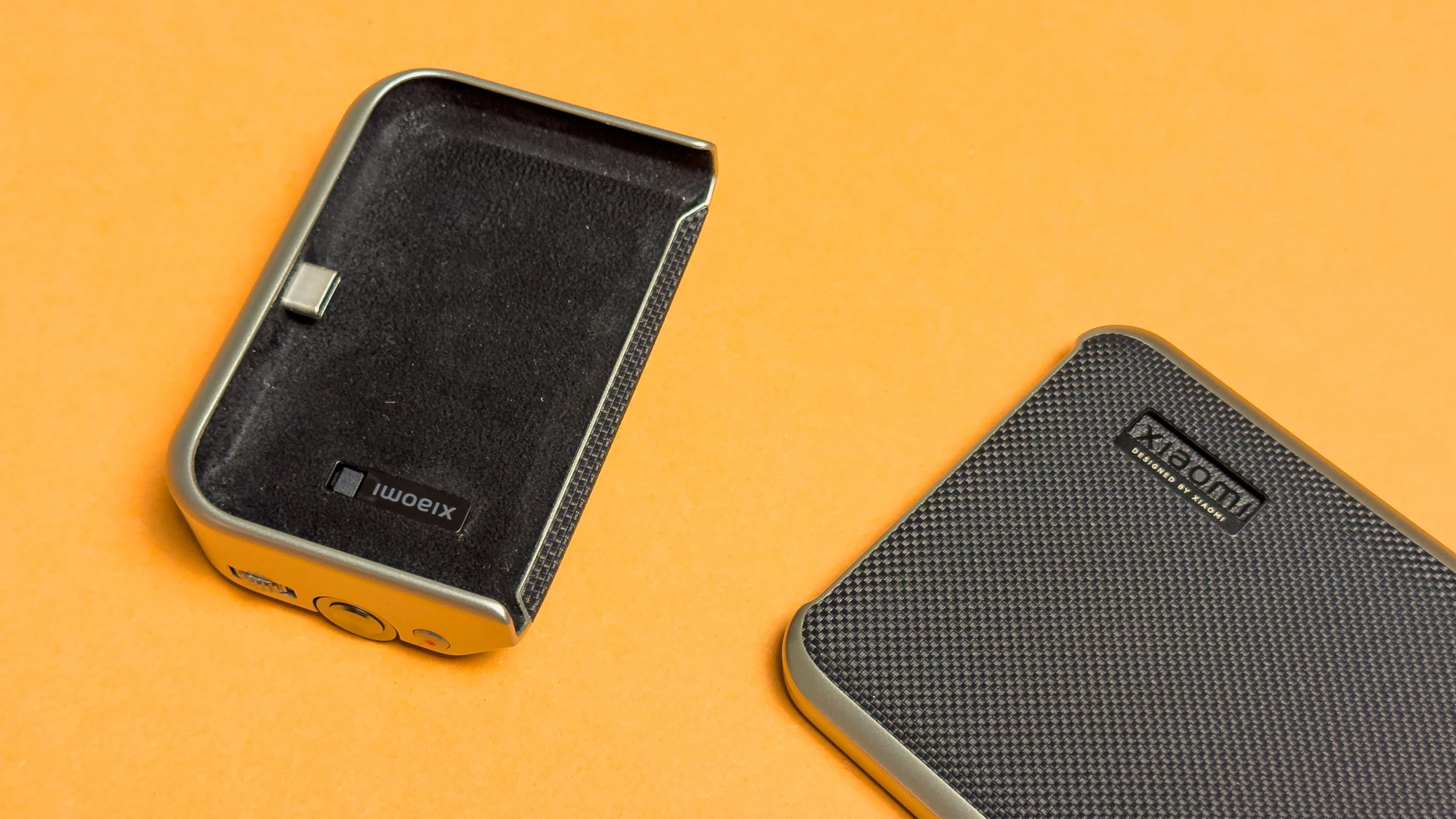
Xiaomi also offers a so-called Photography Kit for the phone. It includes a case with an interchangeable bezel and, more importantly, an add-on grip with a built-in battery and physical controls. The case itself looks good and has a pleasant rear texture. I was a little disappointed that the lighter-colored sides are plastic, including the buttons. Aluminum buttons would have felt more premium, similar to what Apple does with some of its cases.
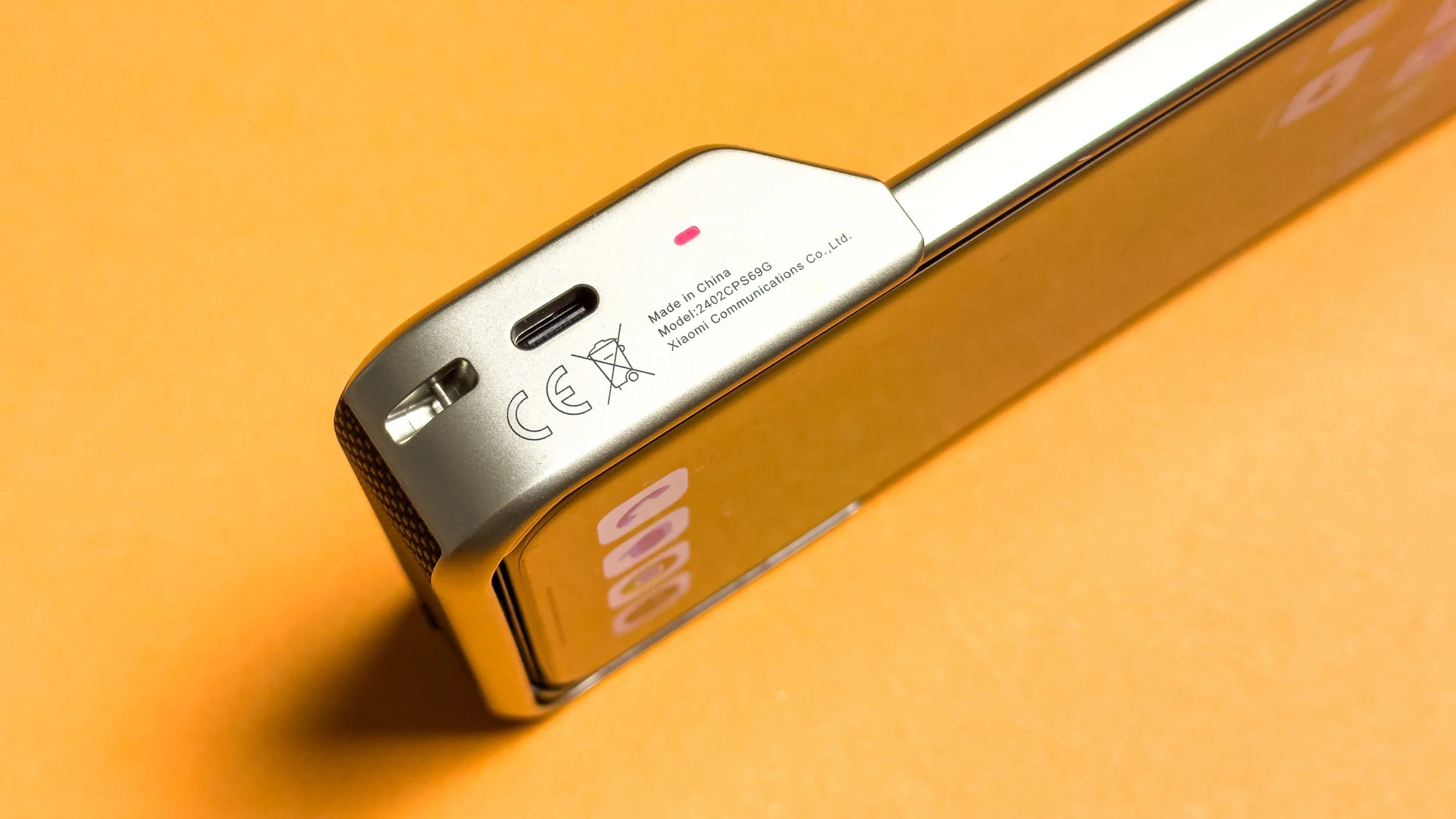
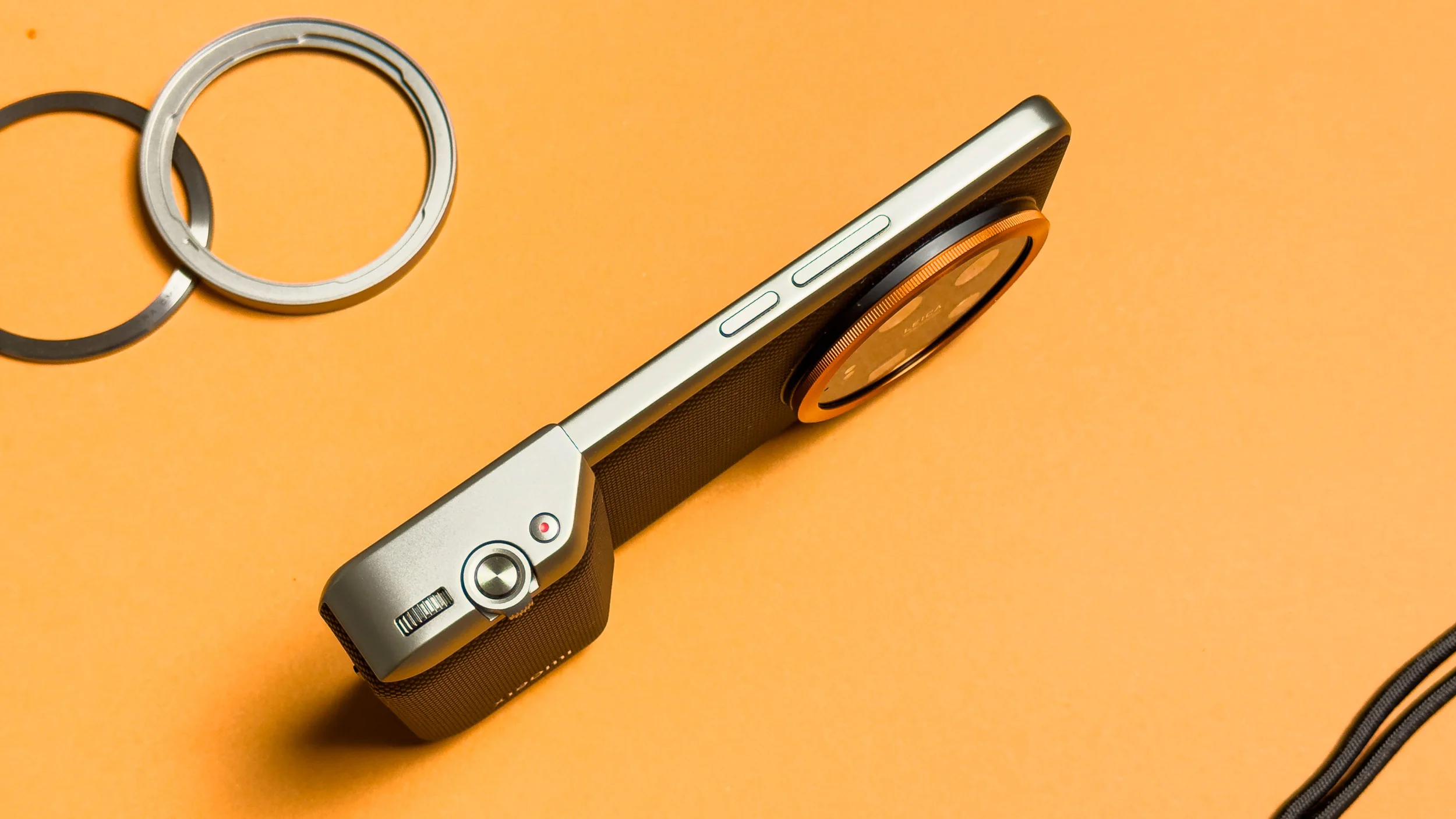
The grip packs a 1,500mAh battery and can also charge the phone over USB-C. More importantly, it improves the phone’s balance while shooting. On top, there’s a two-stage shutter button and a rotating zoom dial. The customization options here are great. By default, the dial gives you smooth zoom control, but I switched it to quickly jump between individual lenses, which I preferred.
You can also remap the other controls. Out of the box, one button handles video recording, while a wheel adjusts exposure compensation. That same wheel can also be used to scroll through photos in the gallery, which is a nice touch.
Display
The display on the Xiaomi 14 Ultra didn’t surprise me, and that’s mostly because it’s exactly what you’d expect from a flagship in this class. It’s excellent. Still, after seeing the anti-reflective Gorilla Glass Armor panel on the Galaxy S24 Ultra, this one didn’t leave the same kind of impression. The glass curves slightly on all four sides. Xiaomi rates peak HDR brightness at 3,000 nits, but in direct sunlight, the iPhone 15 Pro still offers better visibility in practice, so that number doesn’t tell the whole story. Refresh rate ranges from 1 to 120Hz, and this is an LTPO AMOLED panel. Overall, it’s one of the best displays around, just not quite the best in my view.
The phone ships with a plastic screen protector already applied. As you’d expect, it scratches quickly. I’d recommend replacing it with glass.
Hardware
Inside, Xiaomi packs Qualcomm’s best chip right now, the Snapdragon 8 Gen 3. In the single configuration sold on the market used for this review, it’s paired with 16GB of RAM and 512GB of storage. In day-to-day use, there’s performance to spare, and the phone feels very well optimized.
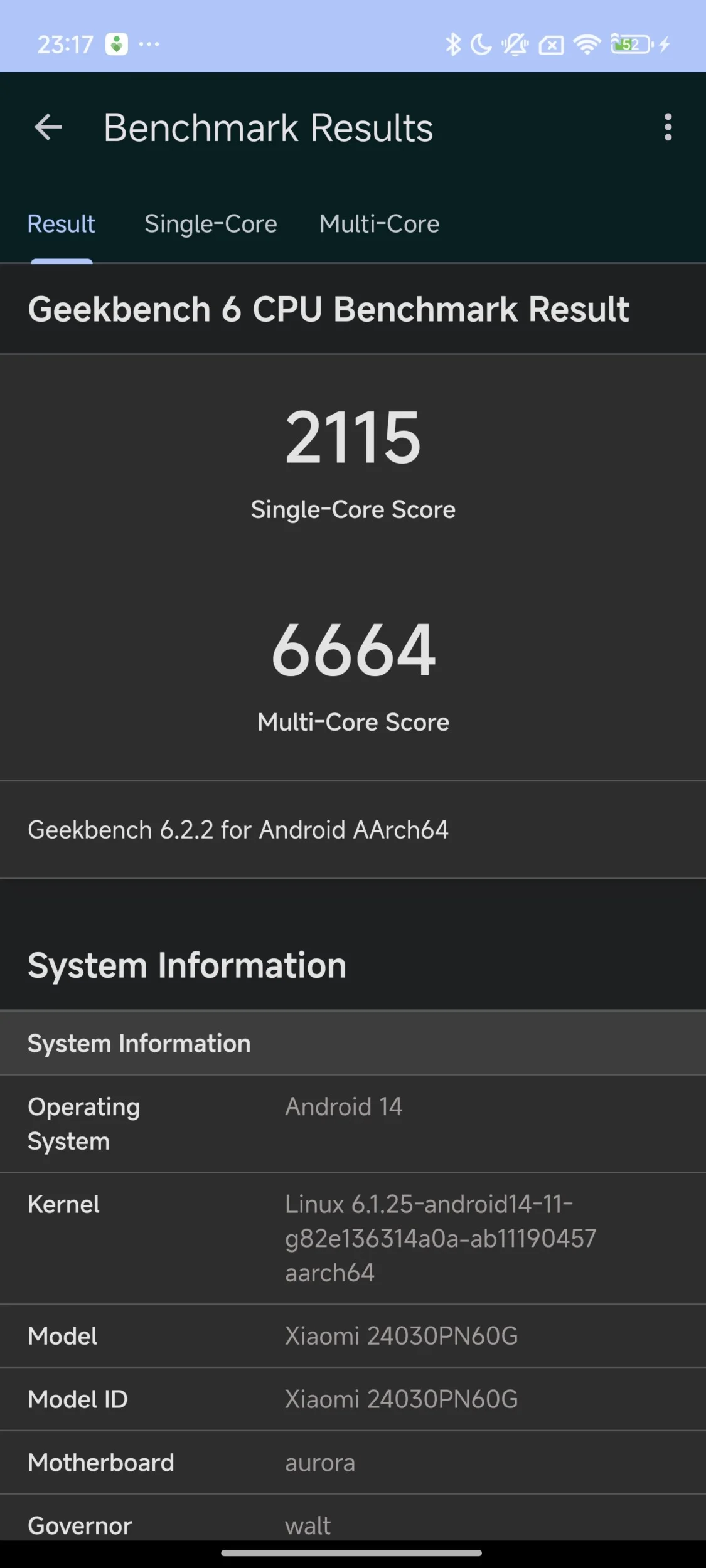
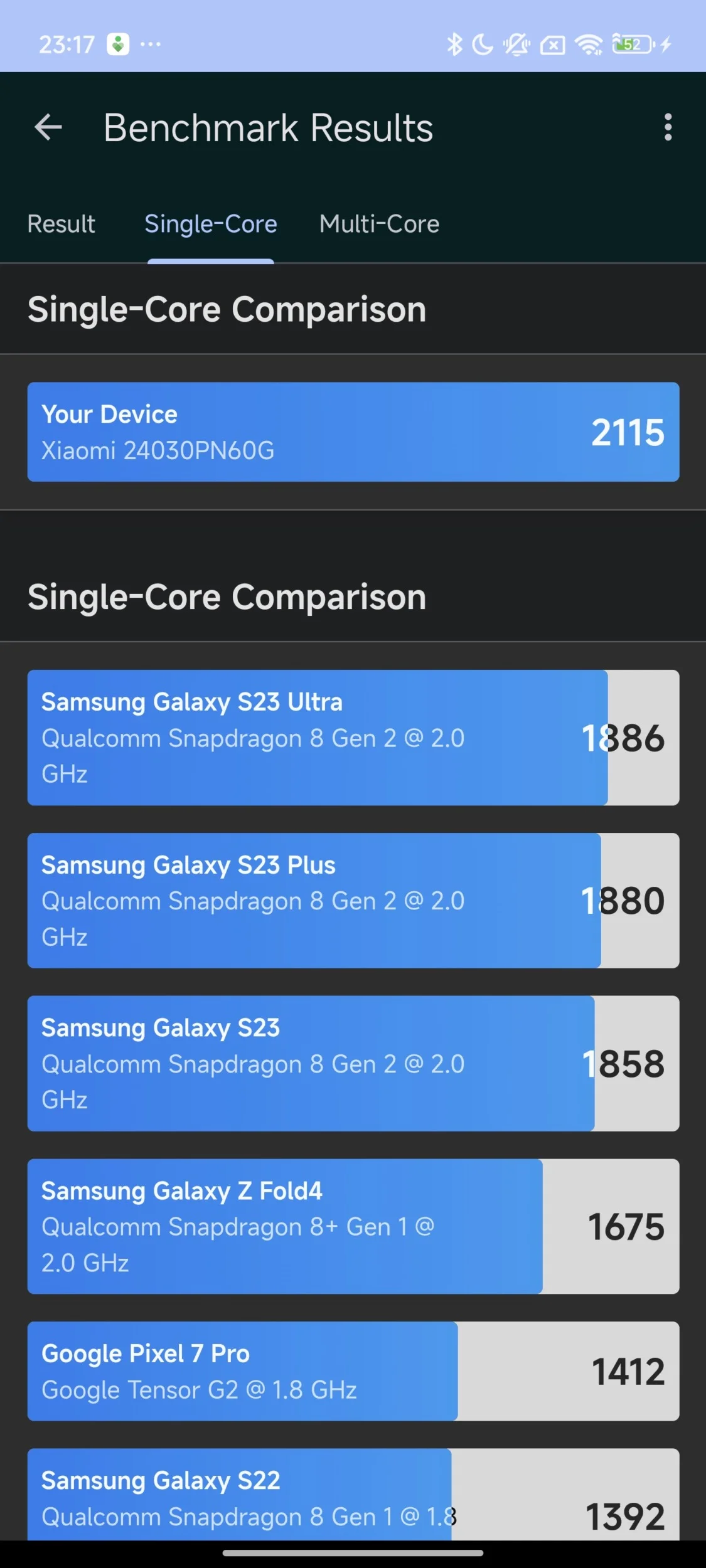
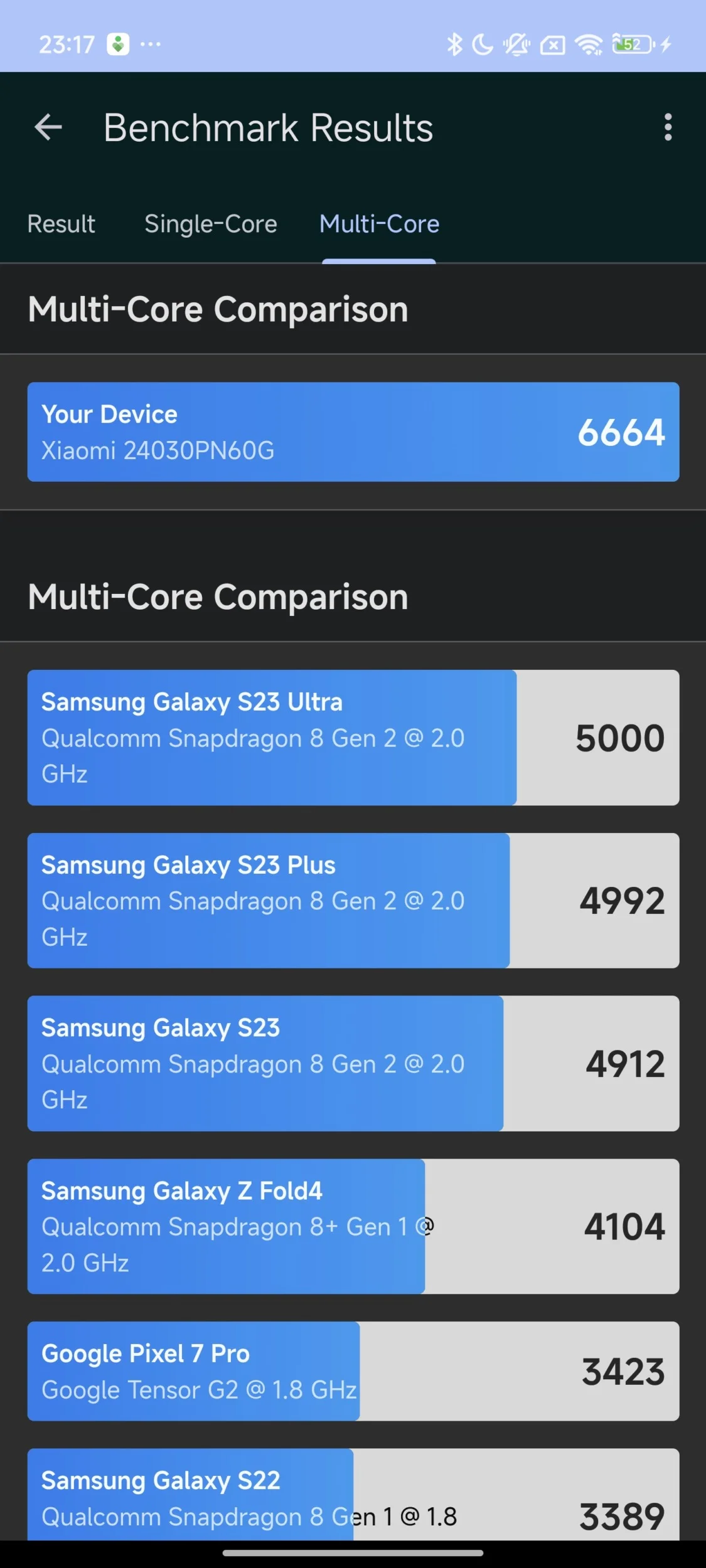
In Geekbench 6, the phone scored around 2,100 in single-core and 6,700 in multi-core. That’s right in line with expectations, and roughly where the Galaxy S24 Ultra lands with the same chip. The phone wasn’t able to complete the 3DMark Wild Life Extreme Stress Test, which runs a demanding 3D graphics workload 20 times in a row. For reasons that weren’t clear, the app consistently shut down after about 10 minutes. Even so, the phone peaked at 48 degrees Celsius, held performance fairly well, and its score dropped from 5,000 to 4,000.

Xiaomi 14 Ultra specs
- display: 6.73 inches, 3200 x 1440 pixels (2K), OLED, LTPO, 1-120Hz, up to 3,000 nits
- processor: Snapdragon 8 Gen 3
- RAM: up to 16GB LPDDR5X
- storage: up to 1TB UFS 4.0
- Android 14 + HyperOS
- cameras:
- rear: 50MP, f/1.63-4.0, OIS, ~23mm
- 50MP, OIS, ~75mm
- 50MP, OIS, ~120mm
- 50MP, ultrawide, ~12mm
- front: 32MP
- rear: 50MP, f/1.63-4.0, OIS, ~23mm
- in-display fingerprint reader
- stereo speakers
- IP68
- 5G, USB 3.2 Gen 2, NFC, Wi‑Fi 7, Bluetooth 5.4
- Beidou: B1I + B1C+ B2a | GPS: L1 + L5 | Galileo: E1 + E5a
- GLONASS: G1 | QZSS: L1 + L5 | NavIC: L5
- dimensions: 161.4 x 75.3 x 9.2 mm; 224.4 grams
- battery: 5300mAh + 90W USB-C, 80W wireless
Battery life
The battery comes in at 5,000mAh, which is pretty much the standard capacity for a top-tier phone at this point.
Battery life varies a lot depending on what you’re doing. What surprised me most was how quickly the phone drains when you really lean on the camera system. On a trip to Austria, I used it primarily as a camera, and I managed to drain it in a single day even with the Photography Kit and its extra 1,500mAh battery attached. This camera setup uses an unusually high amount of power. If you’re not shooting as much, though, two days of lighter use is possible.
Charging tops out at 90W wired or 80W wireless. In the latter case, you’ll need Xiaomi’s dedicated wireless charger.
Camera
Over the course of testing, I shot more than 1,200 photos with the phone in a wide range of conditions, from the Alps to city scenes in Prague, during the day and at night. And yes, this is an excellent camera phone. It belongs in the top tier of what’s available right now. I’m always a little cautious about calling any phone the outright best, since preferences differ, especially when it comes to color tuning and image processing. Still, the Xiaomi 14 Ultra’s versatility impressed me a lot.
The camera array on the back includes four 50MP sensors. You get an ultrawide camera at 0.5x, the main camera, and then two telephoto cameras with 3.2x and 5x zoom. The main sensor is the biggest you can currently get in a phone, a 1-inch-type Sony LYT-900.






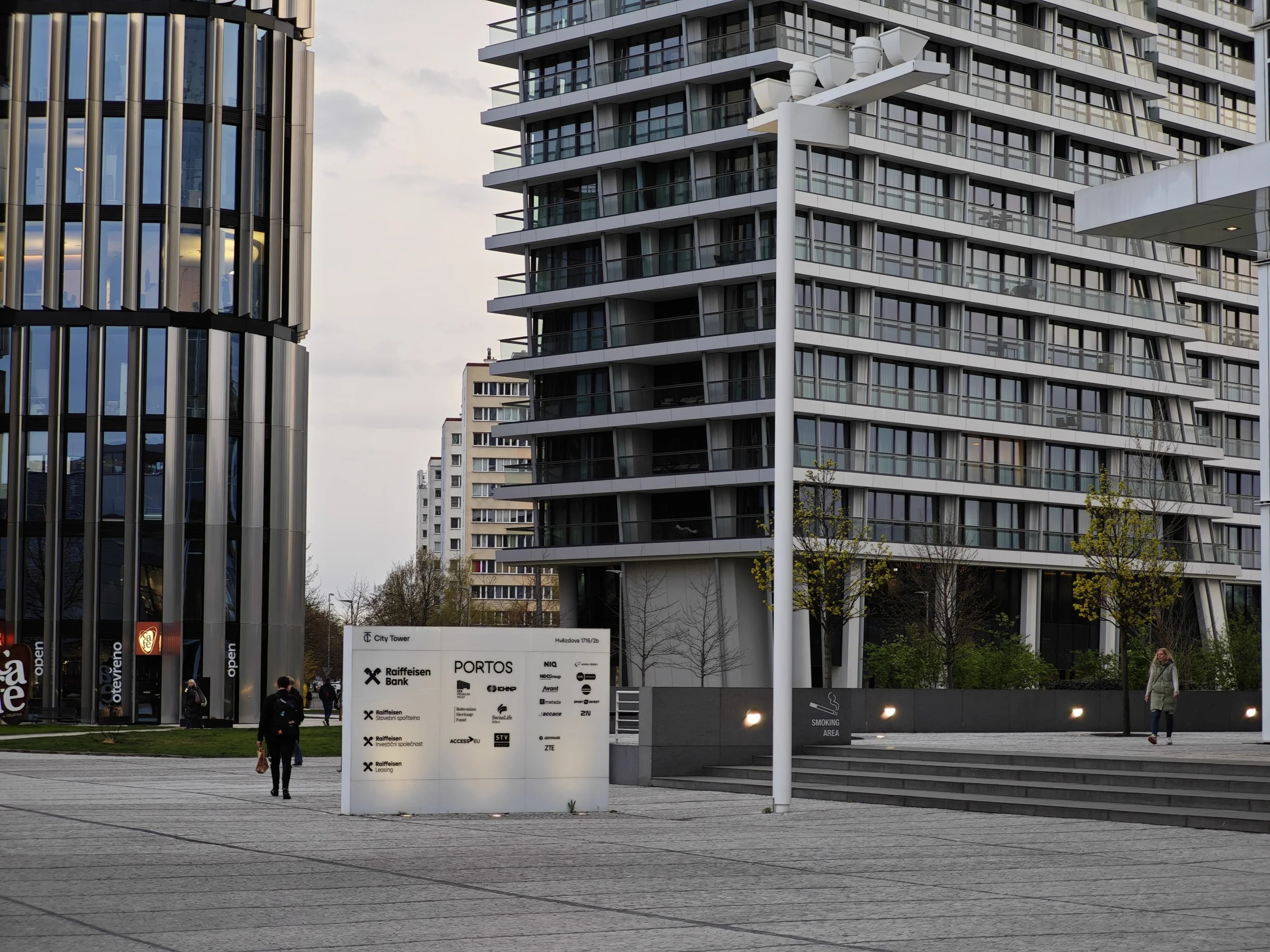
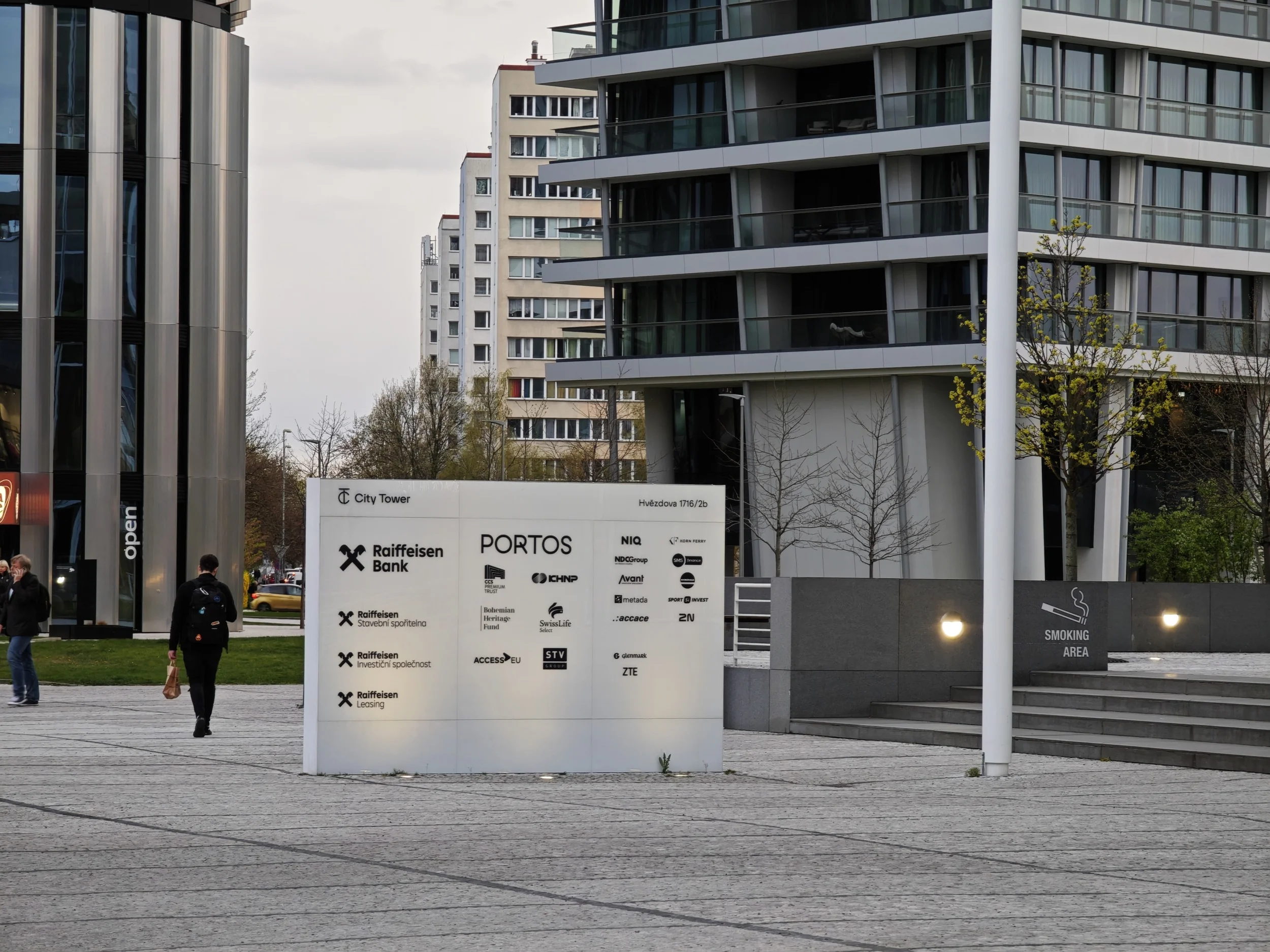












Another interesting addition is the variable aperture, which can shift from f/1.63 to f/4.0. The idea itself isn’t new, Samsung had it years ago on the Galaxy S9, and Huawei still uses it in some of its phones. What stands out here is that the aperture can be adjusted smoothly across the entire range. A lot of phones with variable aperture only switched between a few fixed steps, often just three or four settings. Here, it’s theoretically continuous.


And with a main sensor this large, aperture control actually matters. It lets you shoot a sharper A4 document, for example, because the wide-open f/1.63 setting can already work against you in that kind of scene. In low light, or during the day when there’s a strong point light source in the frame, the narrower aperture creates starburst effects, so the phone doesn’t use it automatically.
I was also genuinely impressed by the 3.2x telephoto camera’s ability to focus from just 10 centimeters away, which makes for excellent macro shots. That’s still pretty unusual. Most phones simply can’t do it.






At 5x and 10x zoom, shown above, image quality is still very strong. The two shots below were taken at 30x, where AI sharpening and detail reconstruction kick in by default. That can be entertaining in the wrong way, because the processing occasionally invents details that just don’t look right.


Below, things get pretty extreme at 60x zoom. Here the AI is working overtime, and it doesn’t quite understand that a church clock should be round, not something that looks like it was designed by Gaudí. For comparison, the shot on the left is without AI enhancement. This AI reconstruction only appears from 30x zoom and up, which is already a fairly wild level of magnification on its own.








If I had to nitpick, I only ran into one annoying issue at night: I didn’t always get a perfectly sharp shot. The phone occasionally seems to assume you can hold it steady longer than you actually can. That’s one area where I’d still like to see some tuning. The good news is that it didn’t happen often, and when it did, it was usually in near-total darkness or while shooting with the telephoto camera.




















Overall, what I liked most was the color rendering. Compared with Samsung, the photos aren’t aggressively saturated, and even in Leica Vibrant mode they stay closer to reality. At times I even wondered whether shots taken in overcast weather leaned a little too dark. There’s also a Leica Authentic mode, but that one tries to mimic the look of traditional Leica cameras, which means weaker HDR and added vignetting. We covered those modes in more detail in a separate article last year.
You can also find plenty more Xiaomi 14 Ultra sample shots in the earlier photo test:
The front camera comes in at 32MP, and its output is surprisingly average. I took a lot of selfies with it. Some turned out well, others didn’t look as good as shots from the iPhone 15 Pro. That’s one area Xiaomi could still improve in the next generation.
Software
The phone runs Android 14 with HyperOS on top. Xiaomi promises four major OS updates and five years of security patches, which is a couple of years short of the competition. Samsung and Google now promise seven years, and Apple typically offers longer support as well.
I already touched on HyperOS in my Xiaomi 14 review. Despite the new name, at least in Europe it’s really just a mild evolution of MIUI from a user interface standpoint. I still have to criticize Xiaomi for the annoying and unnecessary notifications from system apps like Themes or Cleaner. I’m also not a fan of the larger number of preinstalled third-party apps. Those are the kinds of things that just don’t belong on a phone in the 35,000 CZK (approx. $1,597 / €1,436) class.
That said, the system itself runs like clockwork, and everything feels impressively smooth.
Verdict
For me, this is the best camera phone of the year, at least right now. The camera setup is genuinely flexible, and I had a lot of fun shooting with the Xiaomi 14 Ultra. The realistic and attractive color rendering deserves praise, as do the telephoto cameras with focusing from as close as 10 centimeters and the variable aperture with smooth adjustment across the full range. The phone itself grabbed me with an elegant design that immediately says, “I’m a camera phone.” I also like the optional grip and the broader Photography Kit, which push it even closer to being a dedicated camera. Add in a great display, plenty of performance, and solid optimization, and the package is easy to like.
If I had to point to the downsides, they’d be the shorter software support compared with rivals, the lack of eSIM support, and the phone’s balance. If you hold it with your fingers under the camera housing, it can sometimes feel top-heavy because of that massive camera module. Still, it’s something you get used to.
Pros
- Excellent camera system
- Great display
- Attractive design that clearly says “I’m a camera phone”
- High performance
- Fast charging
- The Photography Kit is a genuinely interesting accessory
Cons
- Shorter software support than key rivals
- Weight distribution can feel top-heavy
- No eSIM support