
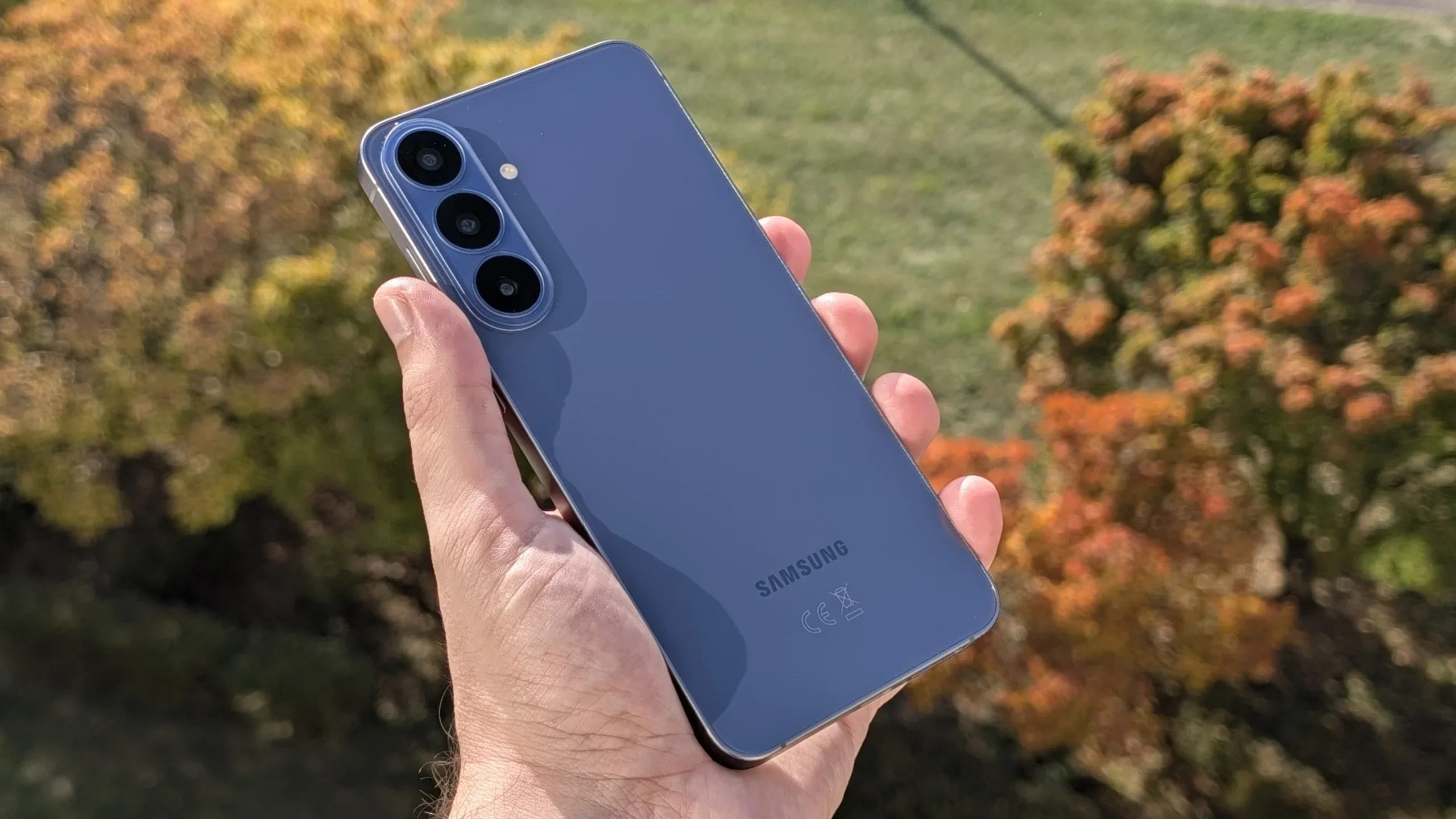
Not long ago, Samsung’s FE models were positioned as phones for fans first and foremost, offering strong hardware at a more approachable price. The FE line did hit a rough patch for a while, and at one point its future looked uncertain. But things have changed. With smartphone prices continuing to climb, the Samsung (in Czech) Galaxy S26 FE is effectively the cheaper ticket into Samsung’s higher-end phone lineup.
The Samsung Galaxy S26 FE is easy to compare with the Samsung Galaxy S26+, especially in terms of display size. The price gap, though, is substantial. At launch, the S26 FE started at 19,699 CZK (approx. $906 / €809), while the S26+ debuted at 30,699 CZK (approx. $1,412 / €1,261). That’s a meaningful difference. Prices have shifted since then, and better deals are available now. But is the Galaxy S26 FE actually worth a look?
Solid build, familiar trade-offs
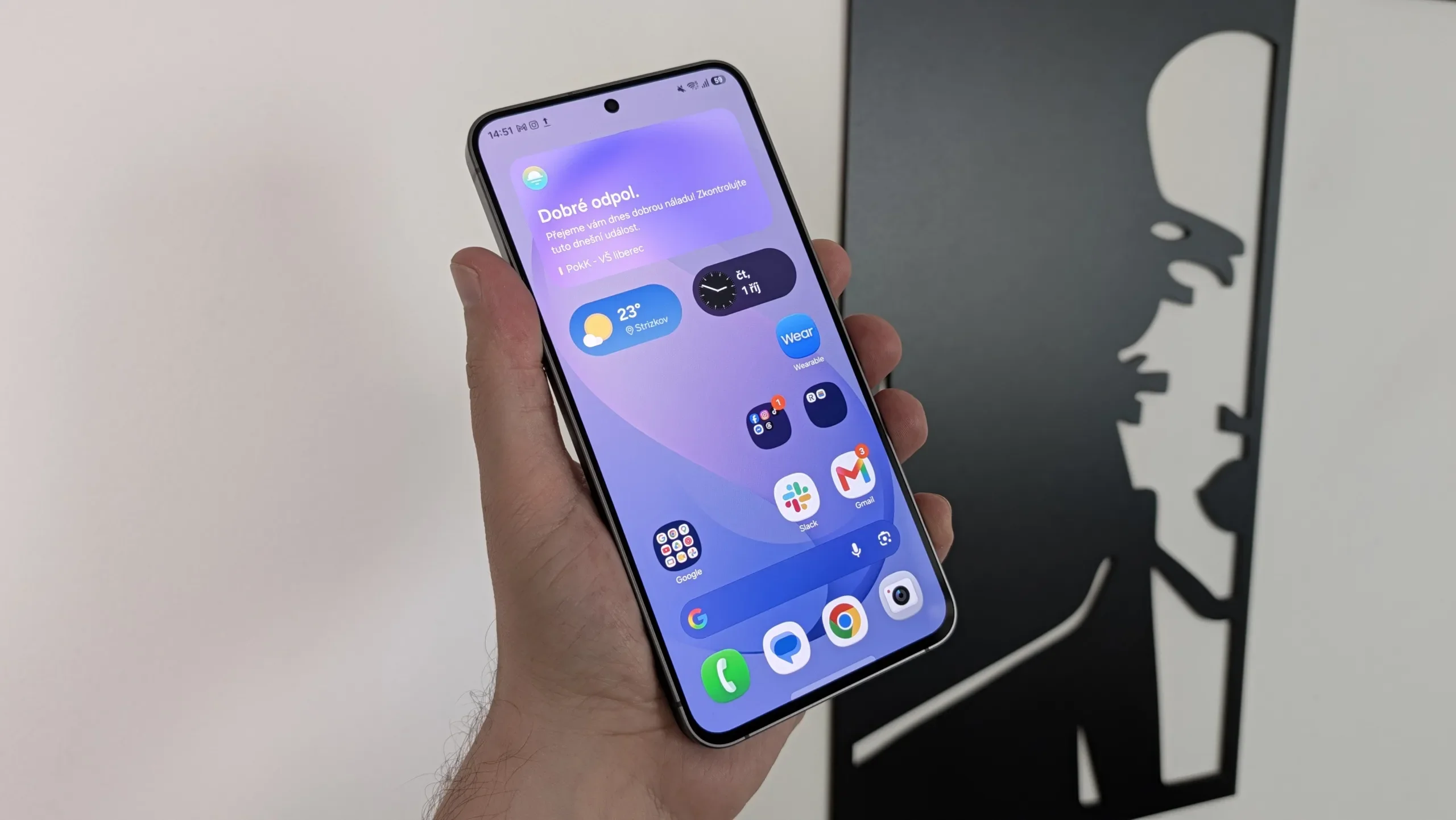
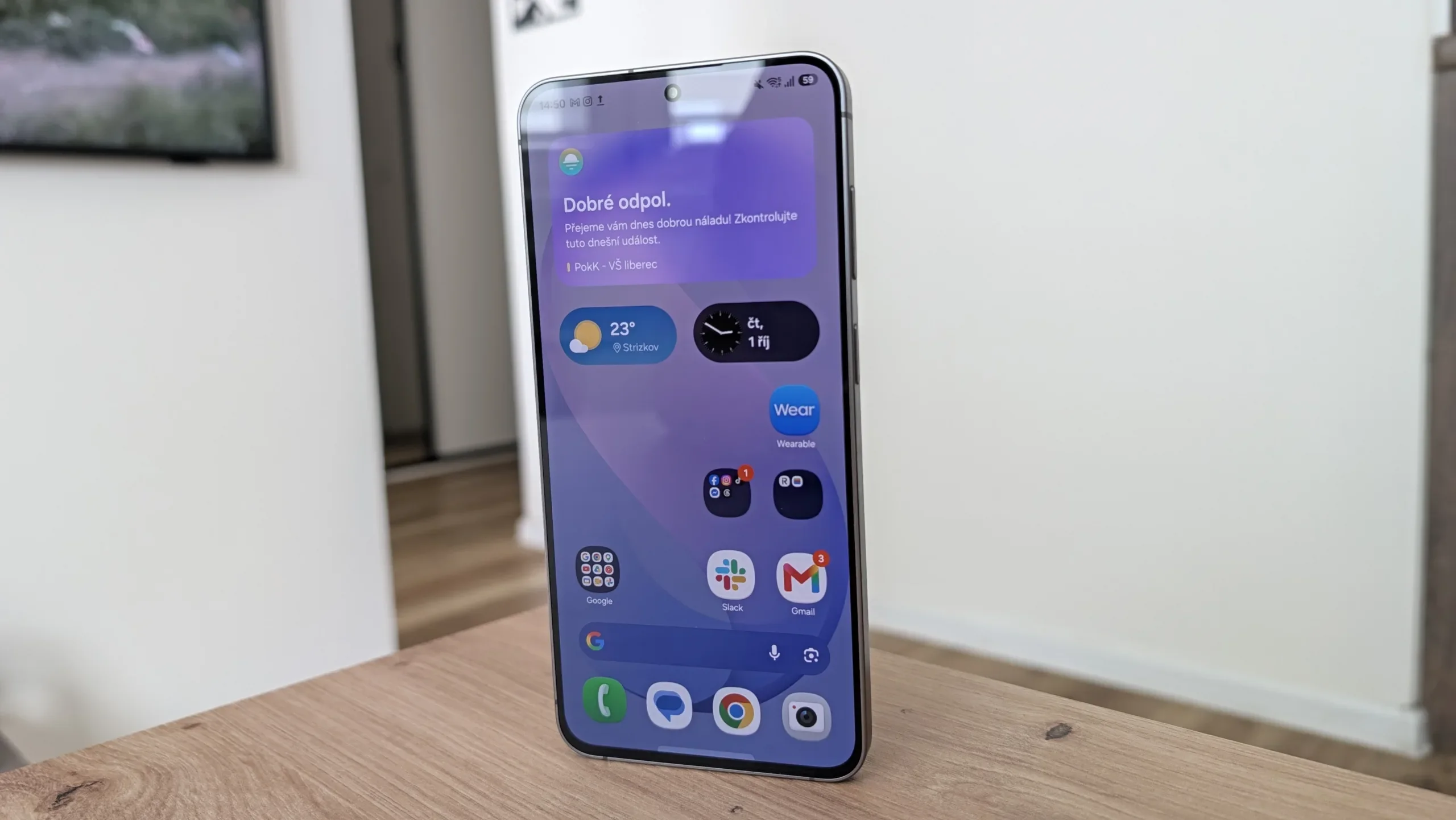
With the Galaxy S26 FE, price is the central story. As I already mentioned, it’s essentially the more affordable cousin to the S26+. The FE version has a 6.7-inch display with slightly different specs — and yes, slightly weaker ones — but in day-to-day use, you’re unlikely to notice much unless you’re closely scrutinizing brightness, resolution, or refresh behavior. The S26 FE has a good panel that worked well for me both in direct sunlight and at night. Brightness management is handled nicely, and I never ran into a situation where I had to squint at the screen while it caught up, or where it tried to burn my retinas in a dark room. Samsung knows how to make AMOLED displays, and I was satisfied here.
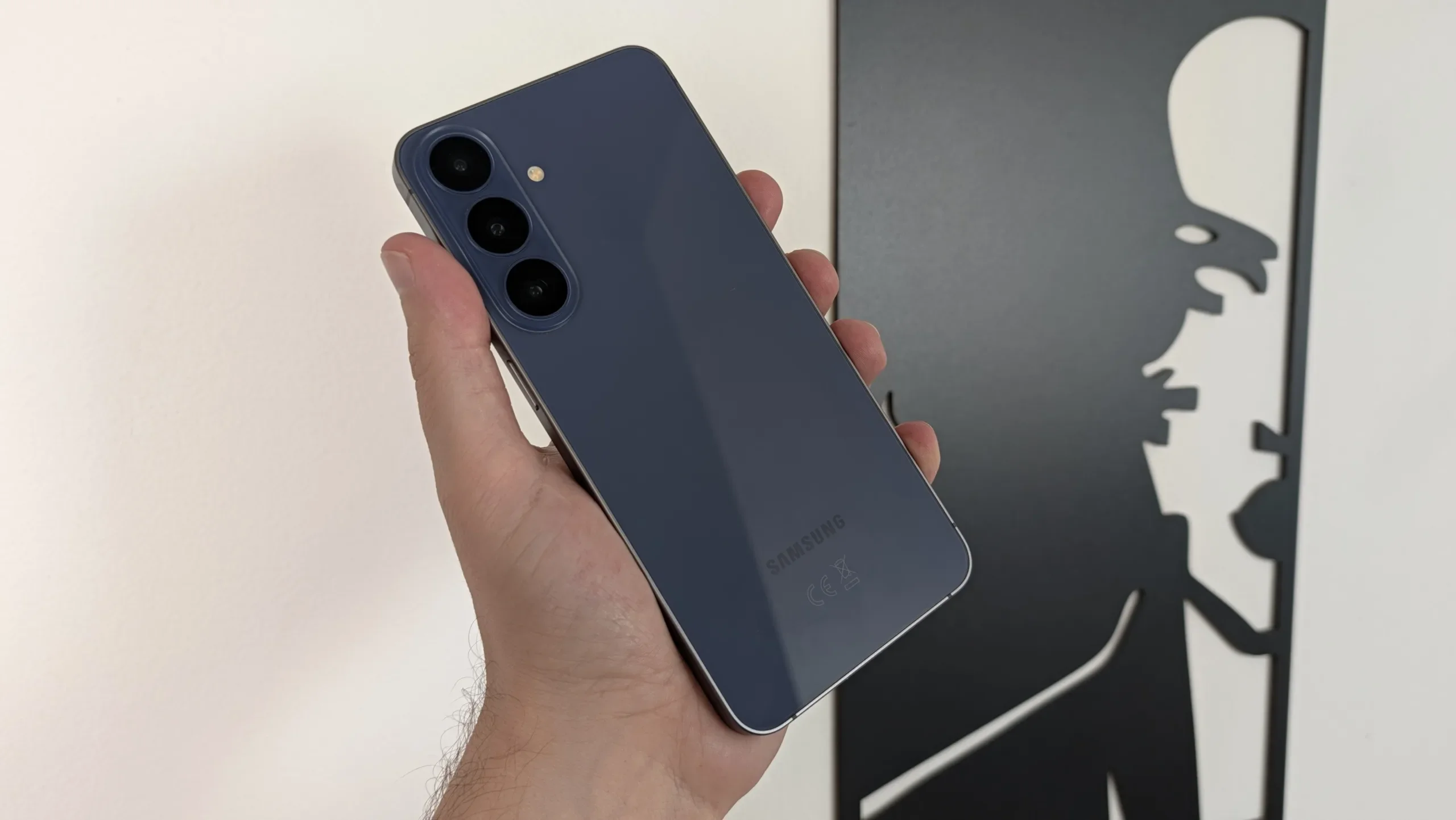
From a hardware standpoint, this is a well-built phone with a matte metal frame, which I always appreciate. I’m not much of a fan of glossy finishes. Personally, I’d also welcome a matte back panel, but that may be asking too much at this price. The camera module is glass and, somewhat surprisingly, also matte. I was pleased that the individual camera lenses don’t protrude even more than they already do. Even so, I’d still prefer using a case that evens out the back.
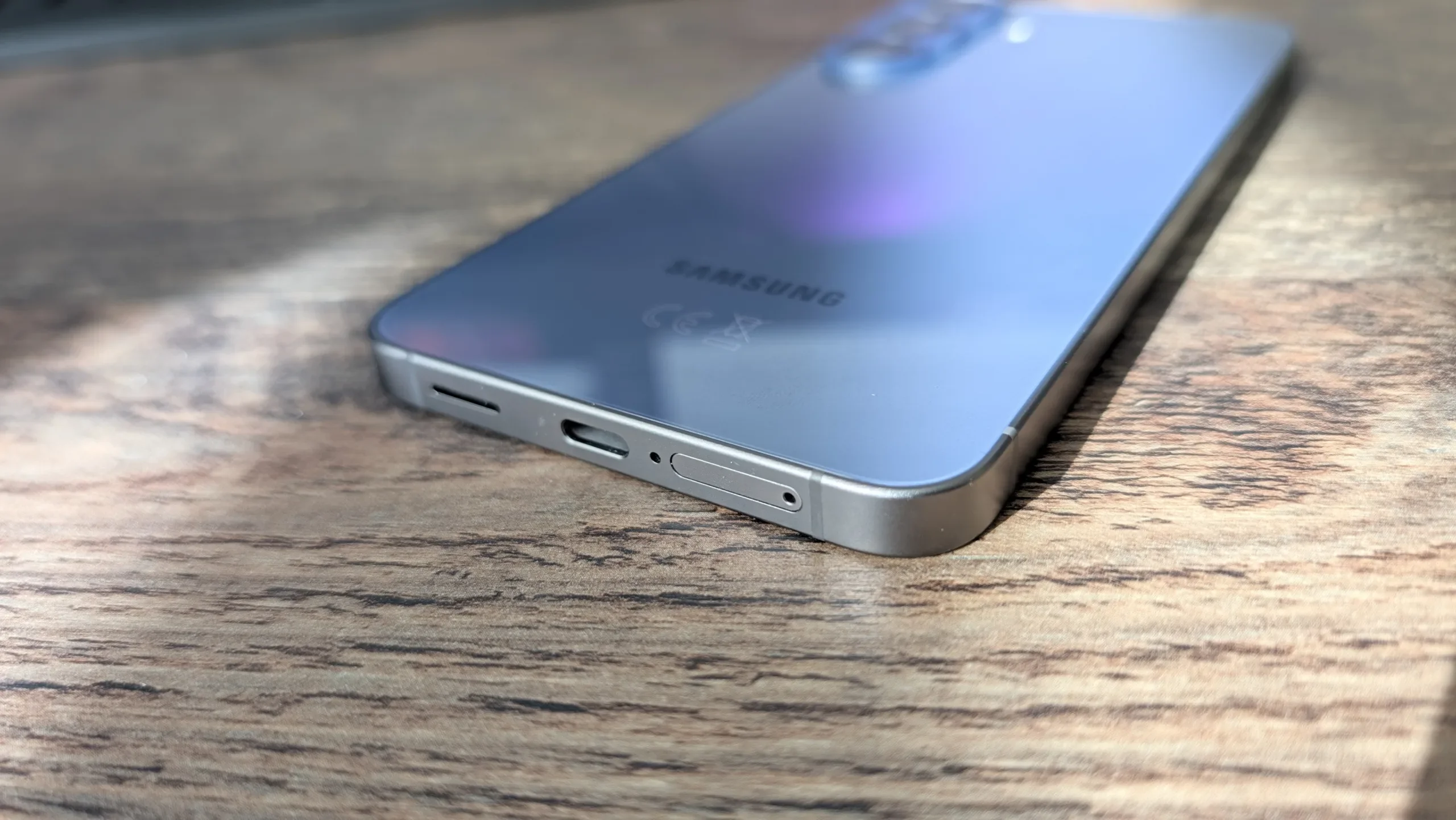
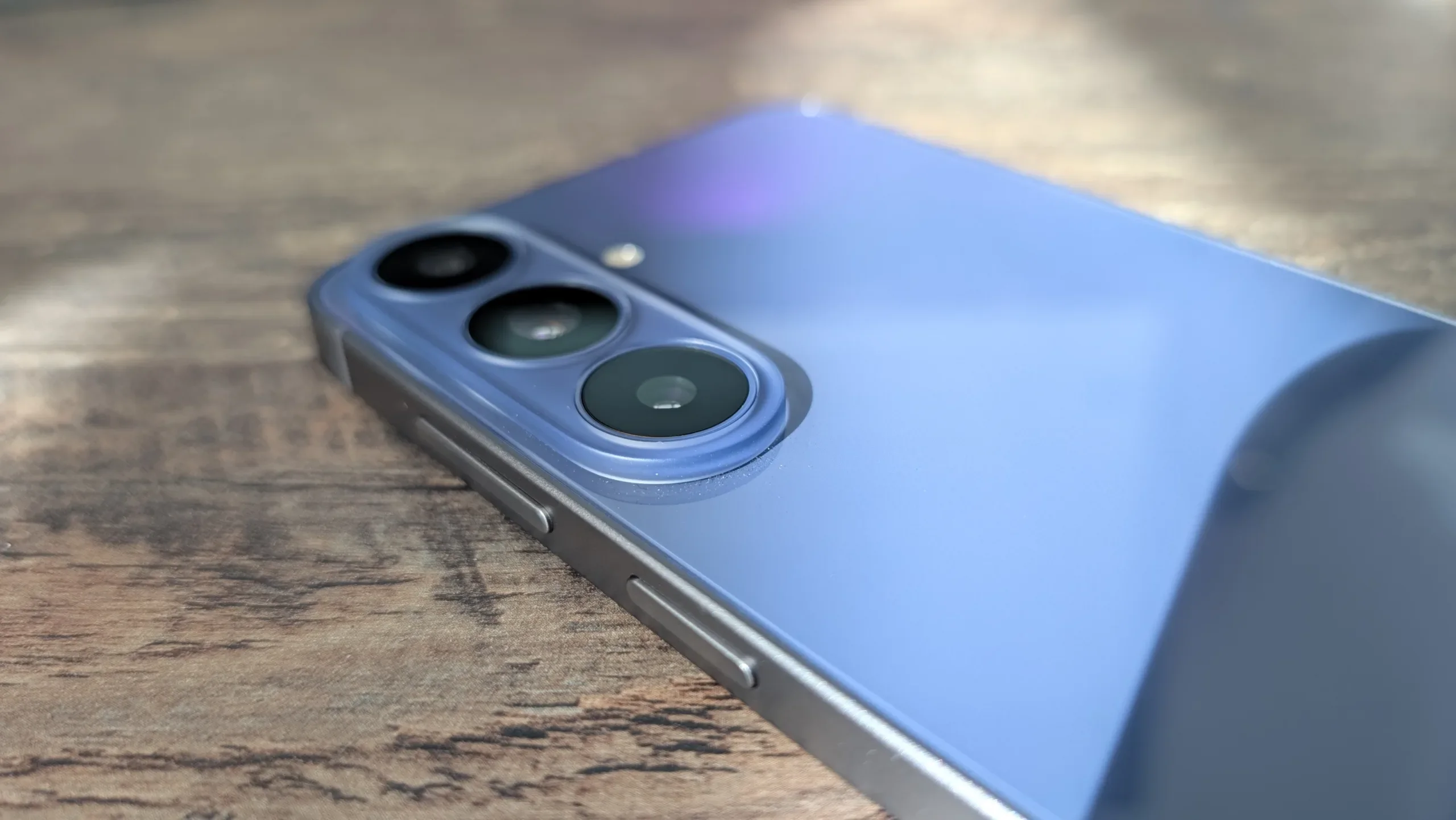
Because the camera bump sits only on one side, the phone rocks when laid flat on a table. Typing on it without a case while it’s resting on a desk isn’t especially comfortable. I won’t dwell on the buttons, though, because I have no complaints there. They’re firm, easy to find, and have a confident click.
That fingerprint reader, though
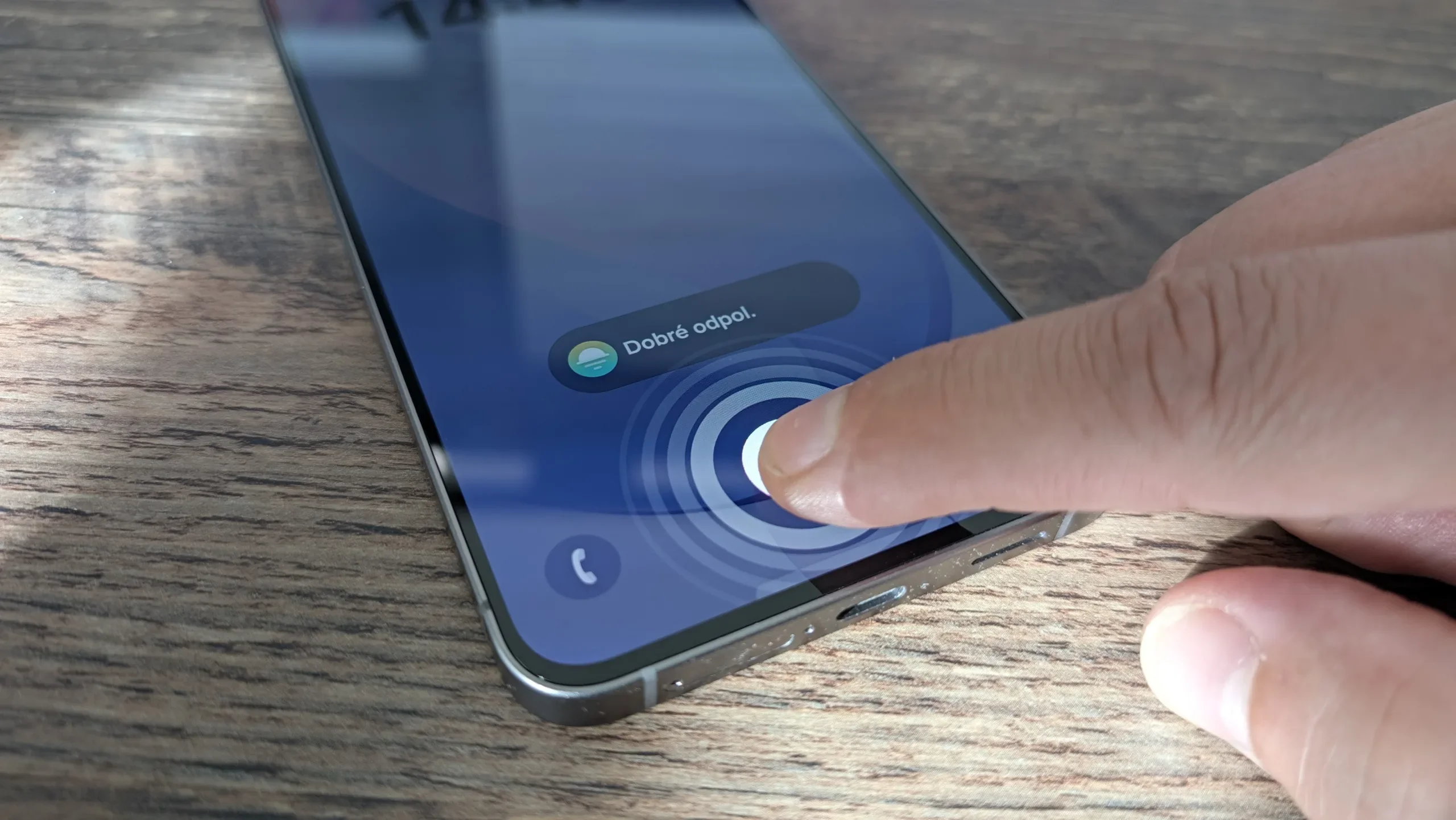
What did bother me — even on a phone in this class — is the placement of the fingerprint reader. Samsung using an optical sensor is probably one of the compromises made to hit the lower price, but I don’t understand why, on a 6.7-inch display, it has to sit so close to the bottom edge. My thumb got quite a workout, because I couldn’t just place it naturally on the screen; I had to bend it awkwardly to unlock the phone. That’s also why I ended up registering face unlock, just so I wouldn’t have to keep contorting my thumb.
Stereo speakers are welcome, though at this point I consider them a baseline requirement on any phone. They have slightly more pronounced bass, but they’re not class-leading. Overall, they deliver a very good result, and volume is more than sufficient without any obvious distortion.
Good enough performance
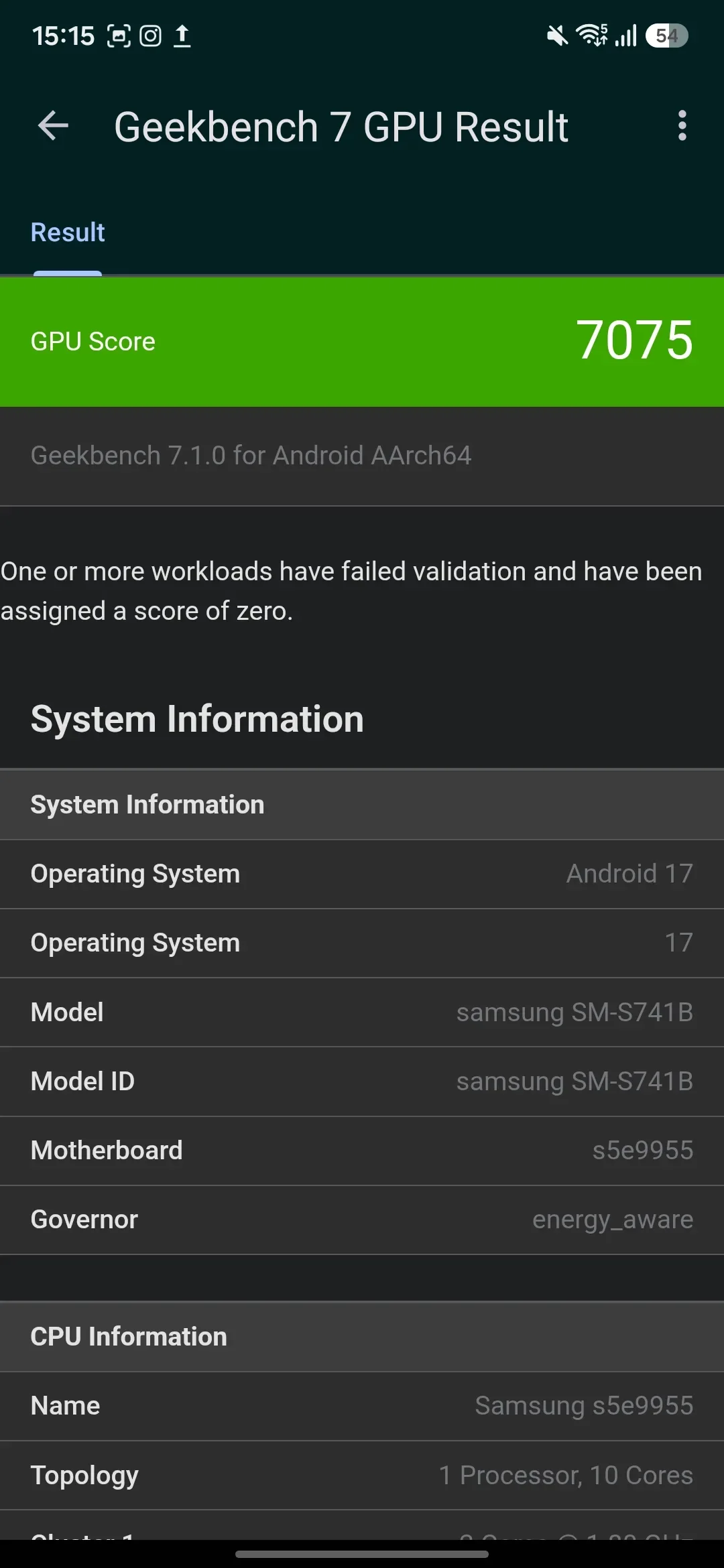
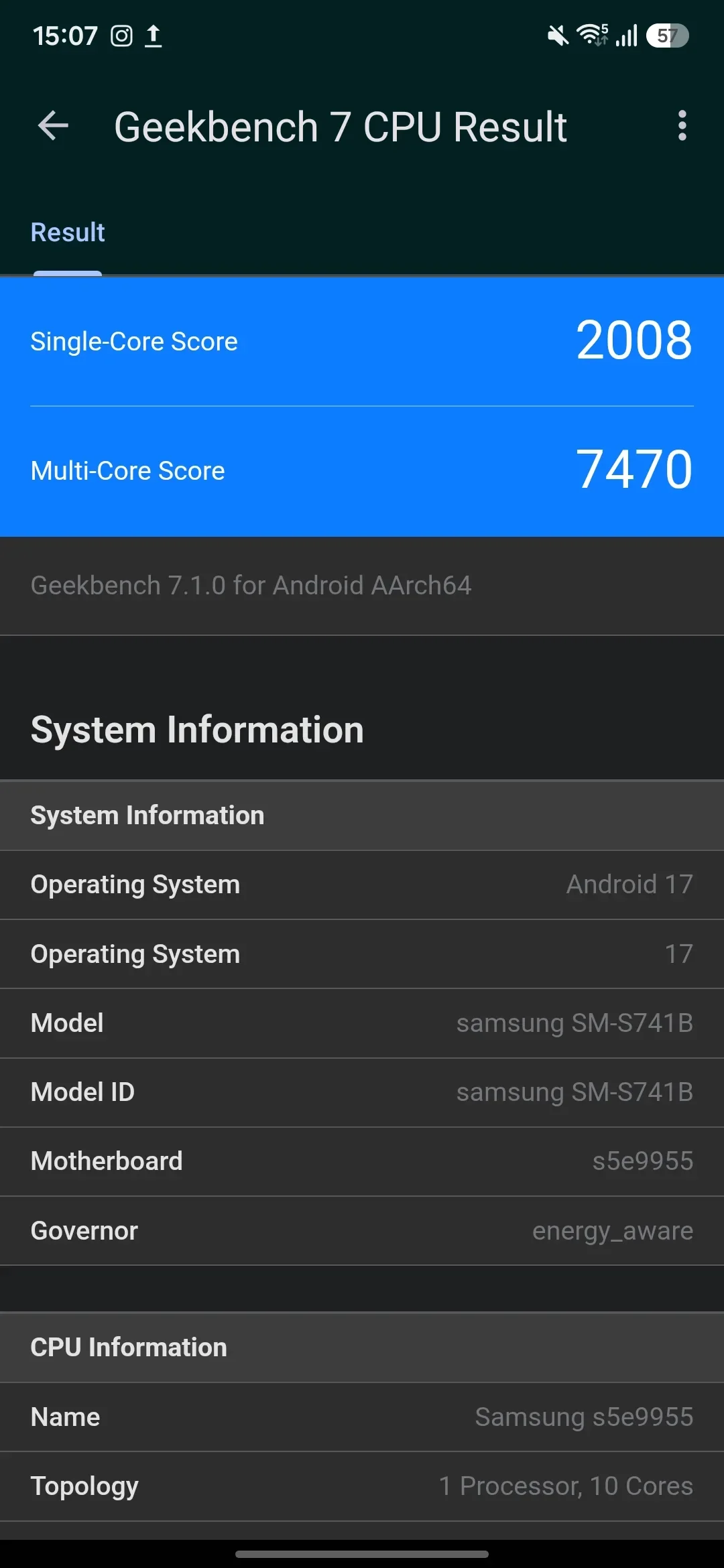
Samsung also cut costs on the processor. Compared with the standard flagship lineup, the phone uses the older Exynos 2500 built on a 3nm process. In benchmarks, it naturally posts weaker results, and in many ways its inclusion feels like either recycling or using up last year’s inventory. In practice, though, it doesn’t really matter. I didn’t run into an app or system task that truly pushed the chip hard. It often didn’t even get warm, and it performs well overall, especially paired with a polished software experience.
Up to this point, I could mostly keep praising the phone, but I do have to stop at cellular reception. In places where other phones gave me full 5G signal, the Galaxy S26 FE was sitting at about half. Where other phones showed half strength, this one was often down to the bare minimum. I’m not talking about open outdoor spaces, but places like inside buildings. The phone didn’t lose signal entirely, nor did it constantly try to switch to another network technology. It held on, but its antenna setup doesn’t seem especially strong.
Samsung Galaxy S26 FE specs
- Display: 6.7 inches, FHD+ Dynamic AMOLED 2X, adaptive 120Hz (60/120Hz), up to 1900 nits brightness
- Processor: Exynos 2500 (3nm)
- RAM: 8GB
- Storage: 128/256GB
- Operating system: Android (in Czech) 17, One UI 9
- Cameras:
- Rear: 50MP (main, f/1.8, OIS, 84˚)
- 12MP (ultrawide, f/2.2, 123˚)
- 8MP (telephoto, 3x optical zoom, up to 30x digital zoom, f/2.4, OIS, 32˚)
- Front: 12MP (f/2.2, 85˚)
- Rear: 50MP (main, f/1.8, OIS, 84˚)
- IP68
- Connectivity: 5G, 4G LTE, Wi-Fi 6E, Bluetooth 5.4, USB-C
- Dimensions and weight: 161.6 × 76.9 × 7.4 mm, 193 grams
- Battery and charging: 4900 mAh, 45W wired charging (69% in 30 minutes), 15W wireless charging, reverse wireless charging via PowerShare
Looking strictly at the spec sheet, I’d place the Samsung Galaxy S26 FE more in the upper midrange than among true flagship phones. It doesn’t disappoint, but it doesn’t exactly wow either. That’s simply the result of the lower price.
One UI in familiar form
The interface itself is a bit heavy-handed for my taste. Still, it’s fairly easy to get used to, and while I generally don’t like when manufacturers interfere with how the notification shade and quick settings panel work, Samsung’s solution didn’t bother me. Notifications come first, and only when swiping down from the top-right corner do you get the settings panel. I actually found that setup pretty comfortable.
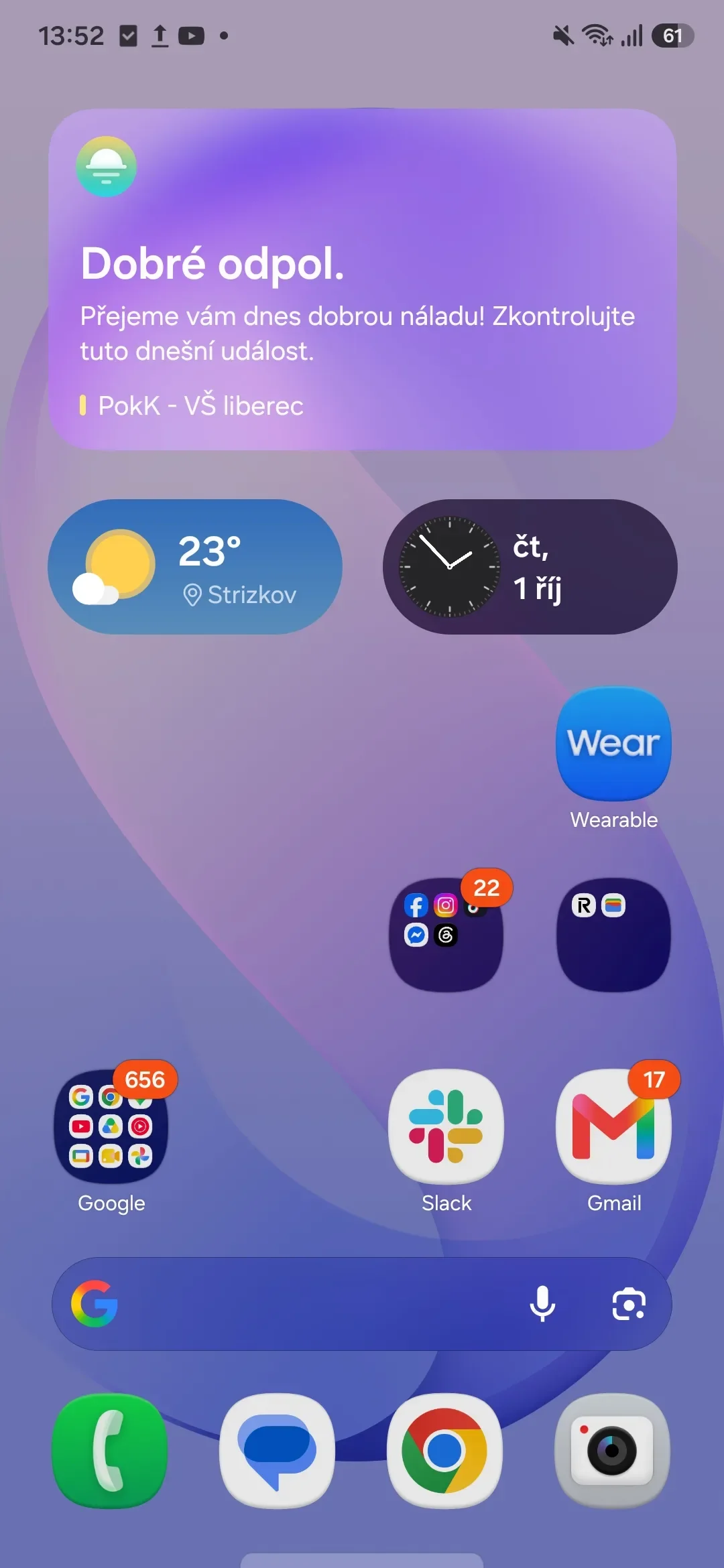
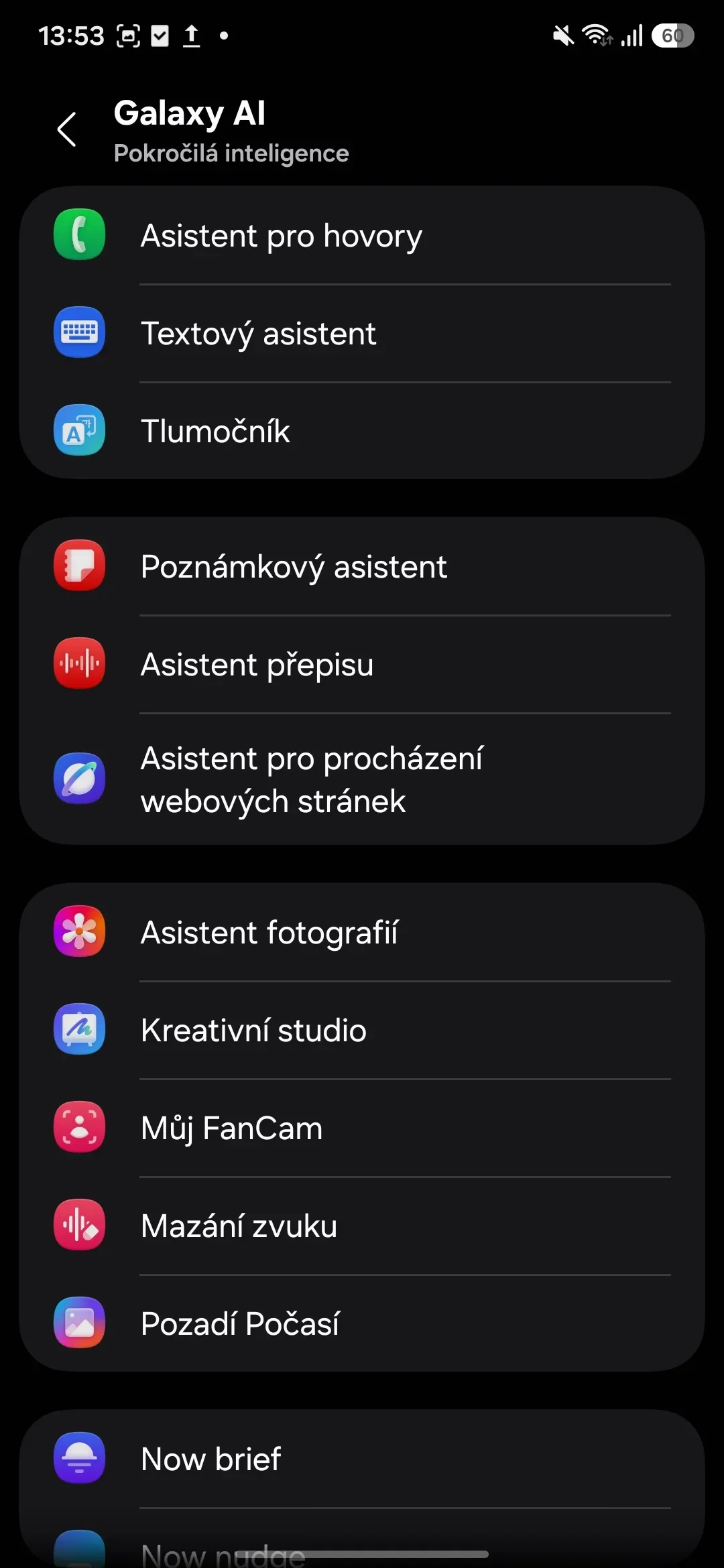
One UI is packed with various AI features, but with many of them I simply ran into the message that Czech isn’t supported. That’s become fairly typical for manufacturers trying to keep up with the AI trend while still failing to support all languages.
Battery life won’t surprise you
These days, it’s increasingly common to see phones with batteries above 6,000, 7,000, or even 8,000 mAh. Even many of Samsung’s lower-tier phones now go beyond 5,000 mAh, so the Galaxy S26 FE’s 4900 mAh cell doesn’t look especially impressive. The goal may have been to preserve the slim profile, but I wouldn’t have minded an extra millimeter of thickness if it meant more capacity.
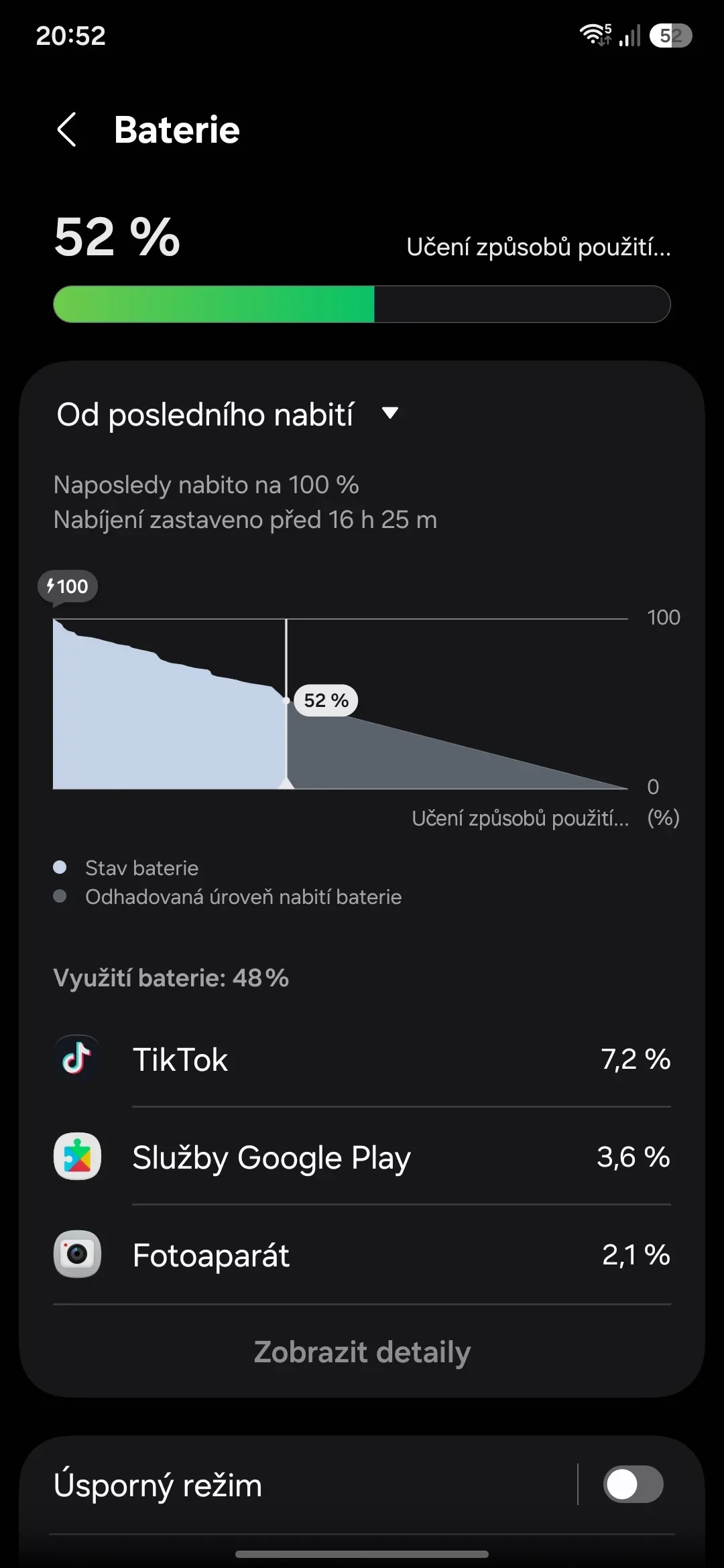
Can you live with 4900 mAh? Honestly, yes. You can get two days out of the Galaxy S26 FE if you’re not into endless scrolling or gaming. As a work phone, it performs very well, and it can easily handle a full day under heavier productivity use. Two days is possible, though by the end it may be cutting it close.
Wireless charging is a nice bonus, but you’ll probably prefer the faster USB-C charging, where Samsung offers 45W support.
Cameras: fine, if you’re not demanding
I had complaints about cellular reception, but the phone didn’t disappoint there as much as it did with the camera system. It’s never a good idea to judge a phone purely by megapixel count, but 8MP on a telephoto camera really is too little. Digital zoom doesn’t save it, and AI certainly doesn’t either. Just look at how the helicopter shot turns out at maximum zoom.
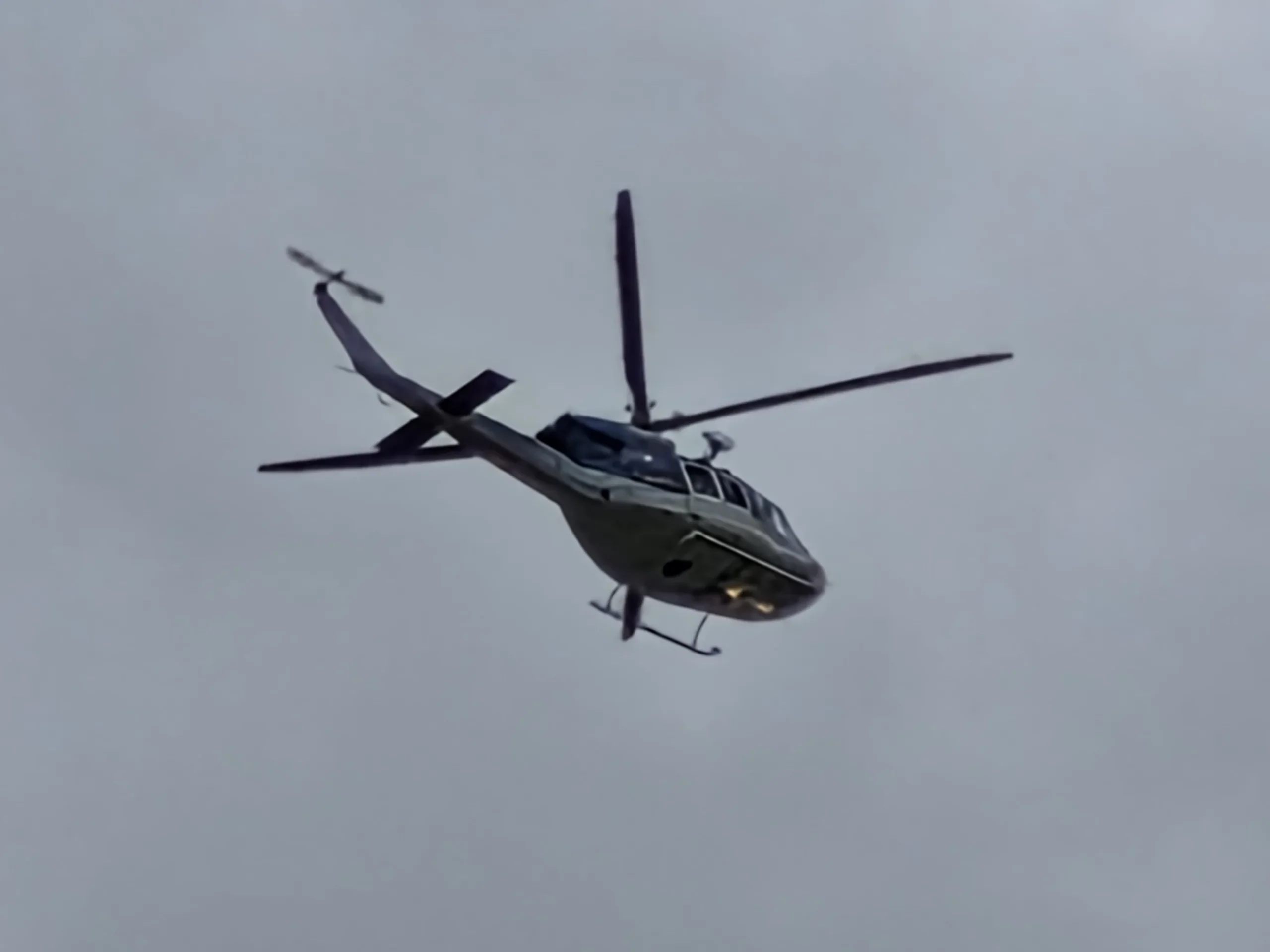

In the first photo, you can clearly see the phone trying its best, but the result looks like it’s been painted in watercolors. The second shot turned out better because I backed off the zoom. The telephoto camera on the Samsung Galaxy S26 FE is a weak point and is really only suitable for the occasional distant shot.
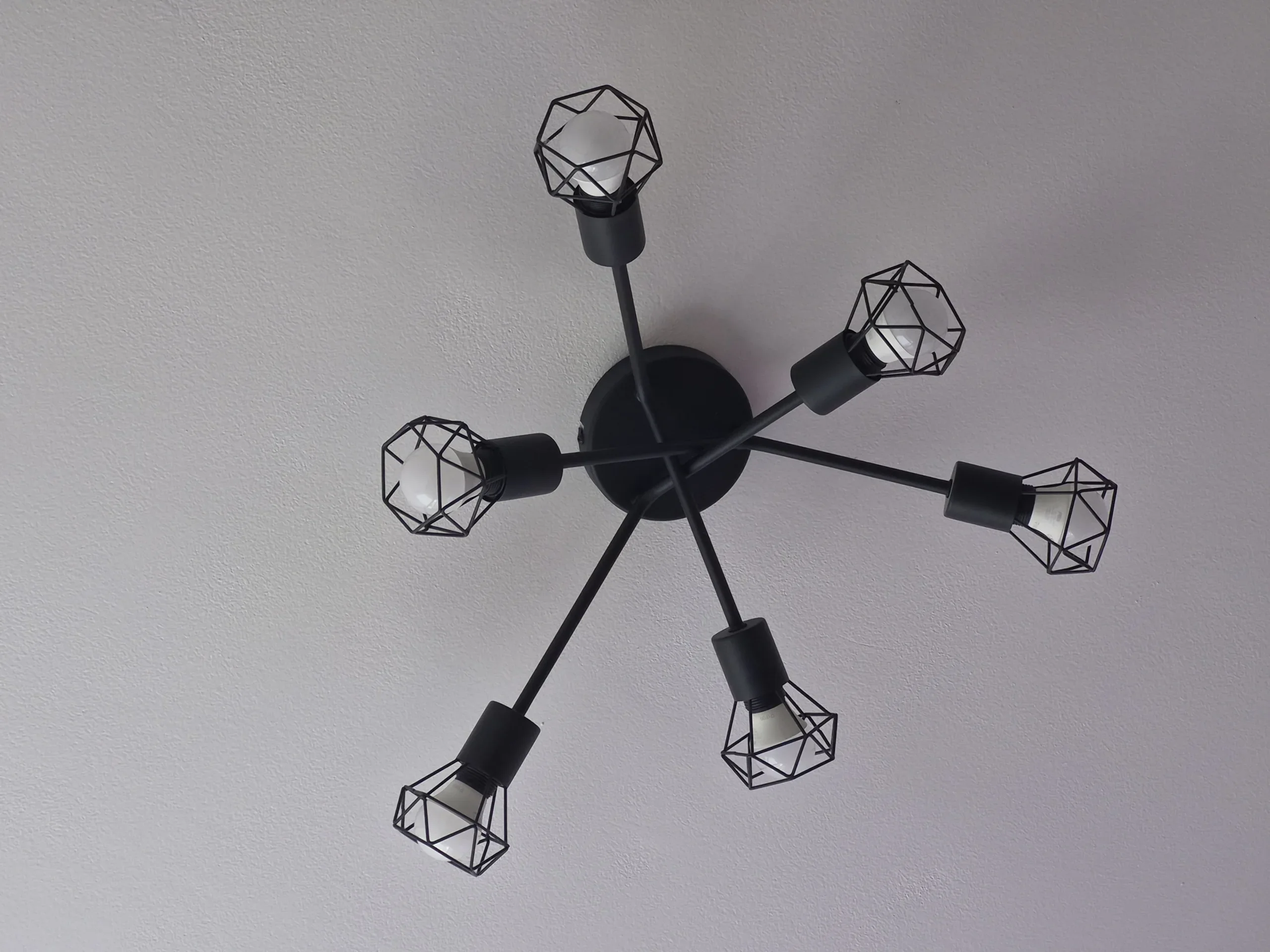
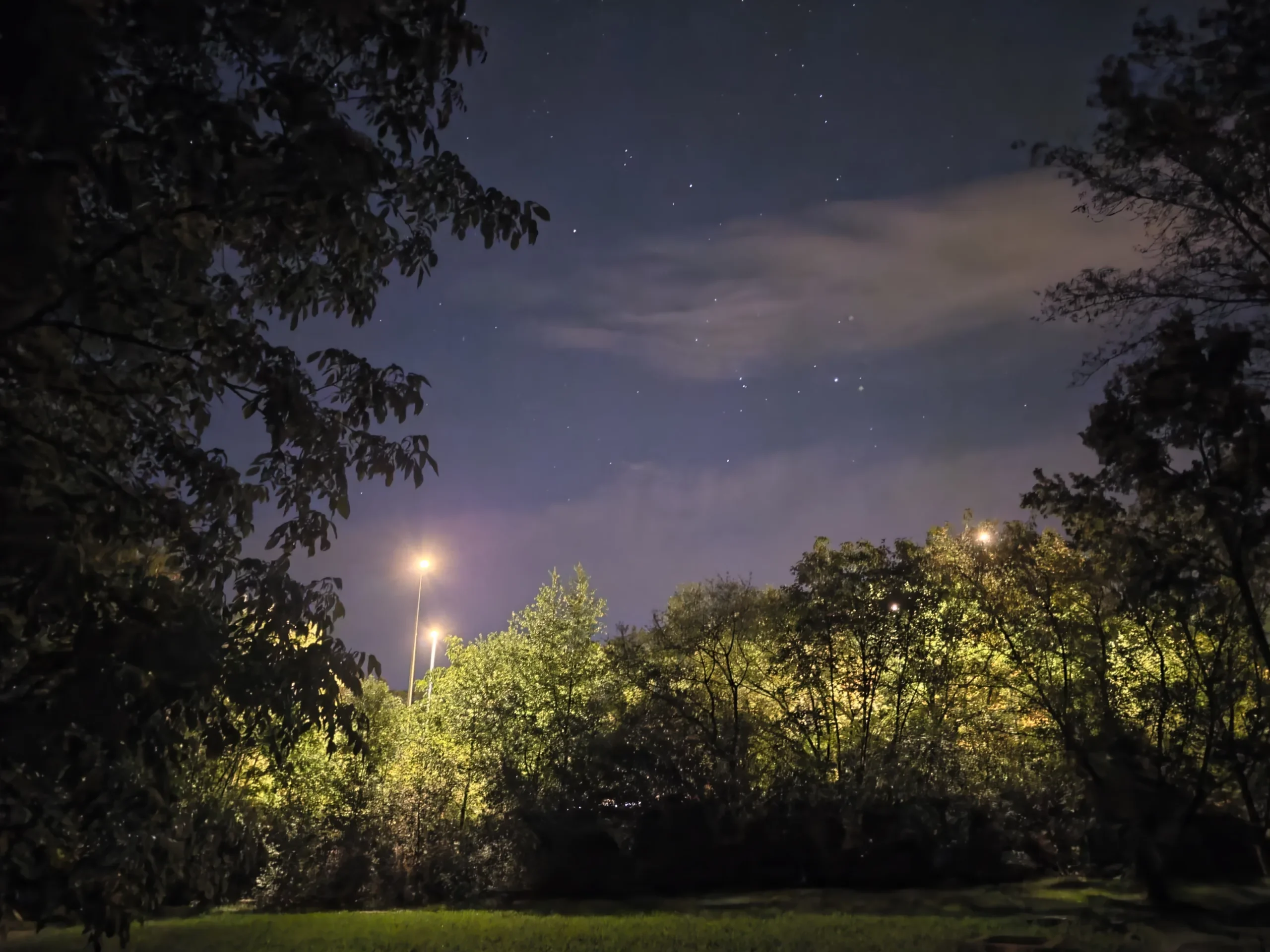
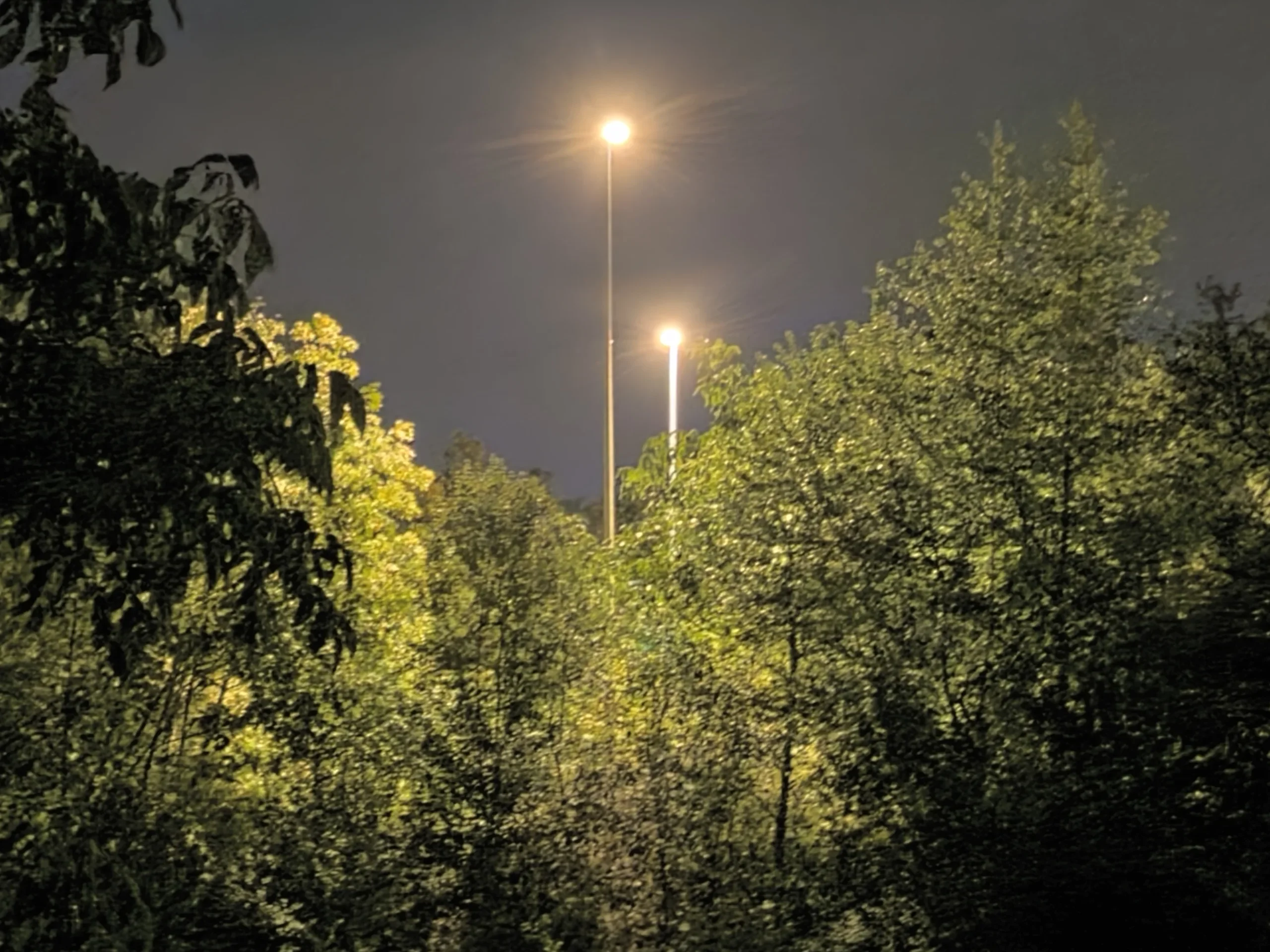
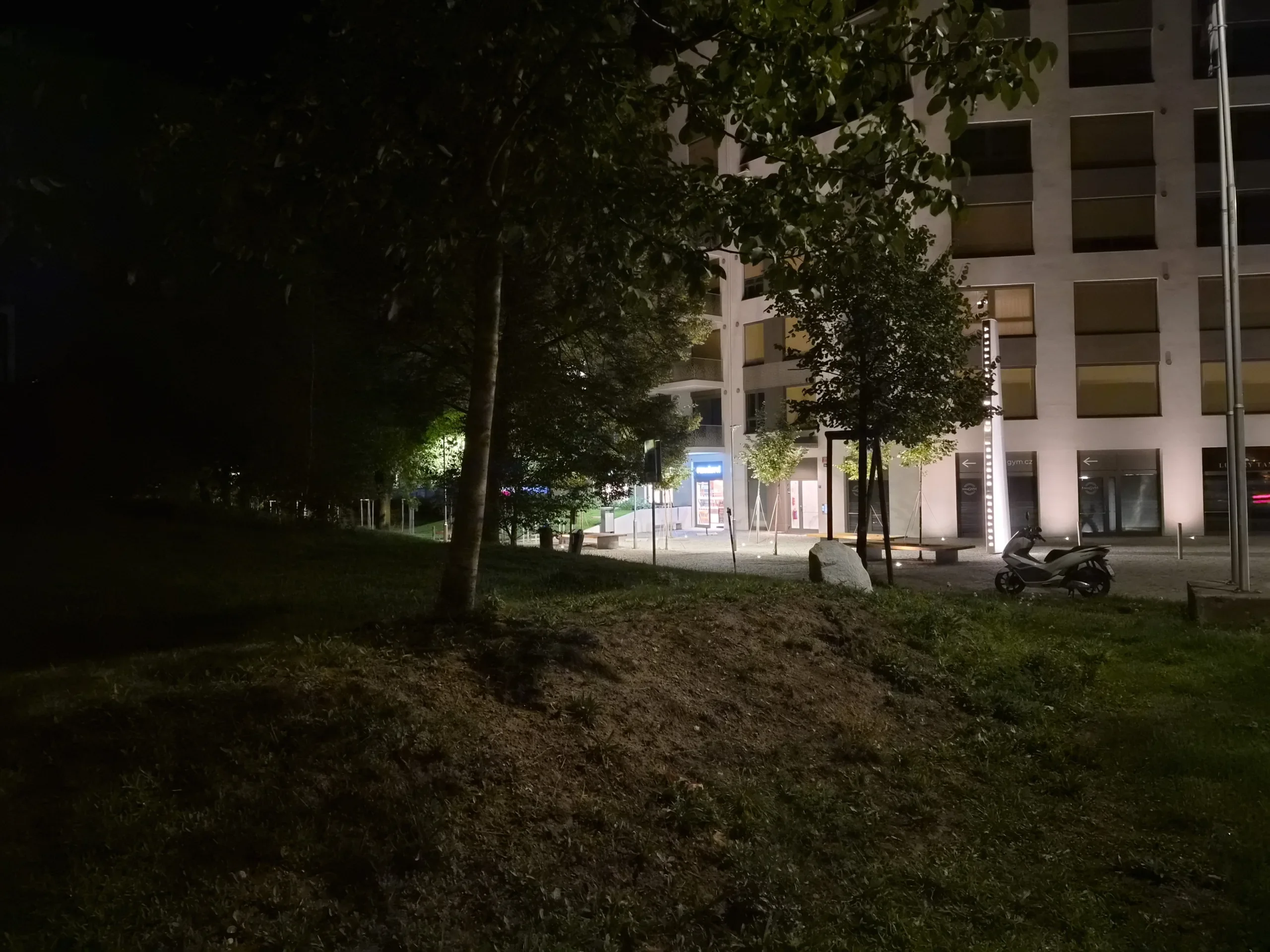
Night photography is also somewhat underwhelming here. If you shoot without assistance, the sensor doesn’t exactly go out of its way to pull every last photon from the scene. With night mode enabled, you’ll need a very steady hand, because even slight movement isn’t compensated for as well as it is on some other phones. The result does bring in noticeably more light, but sharpness isn’t always ideal.
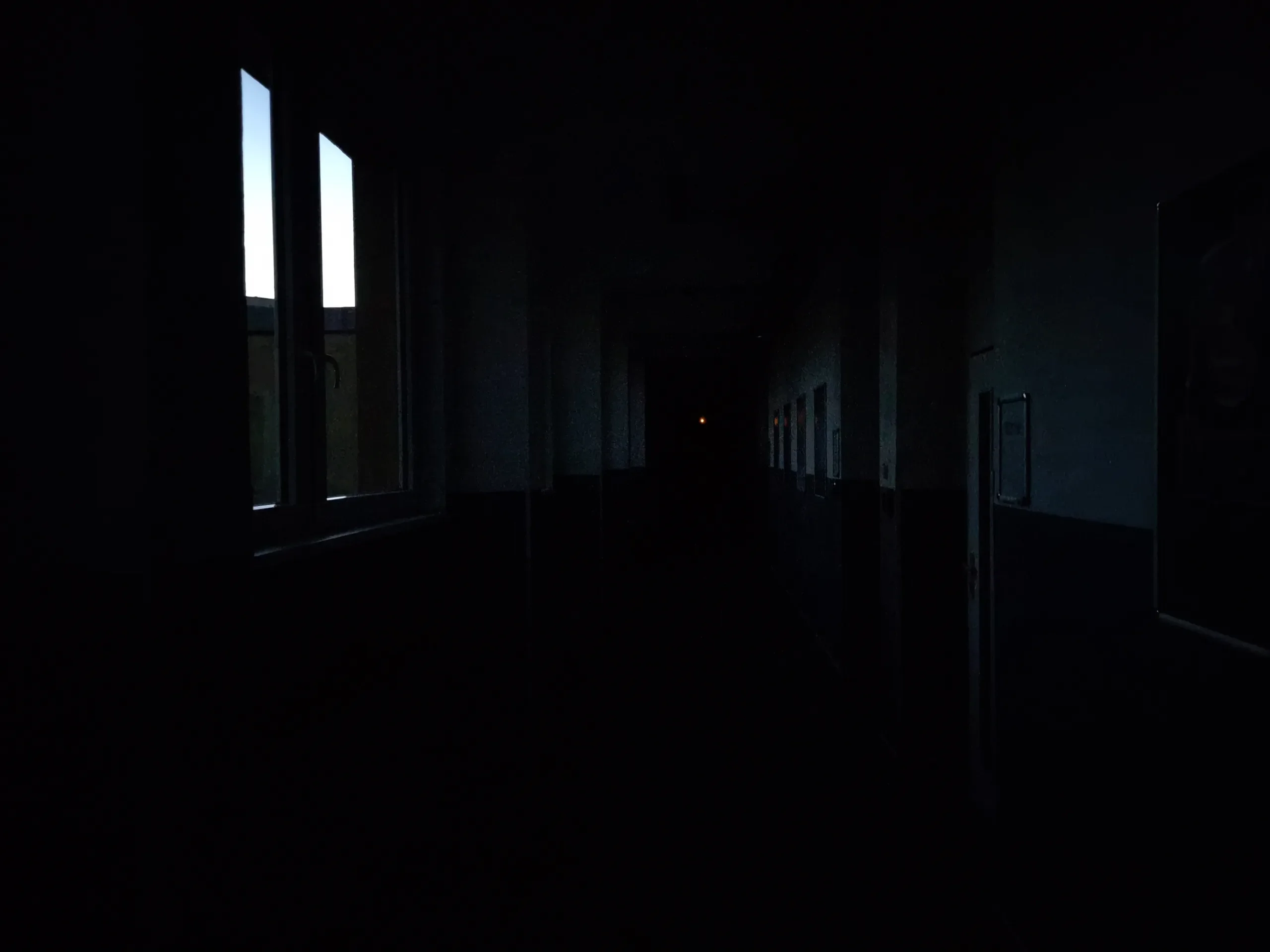

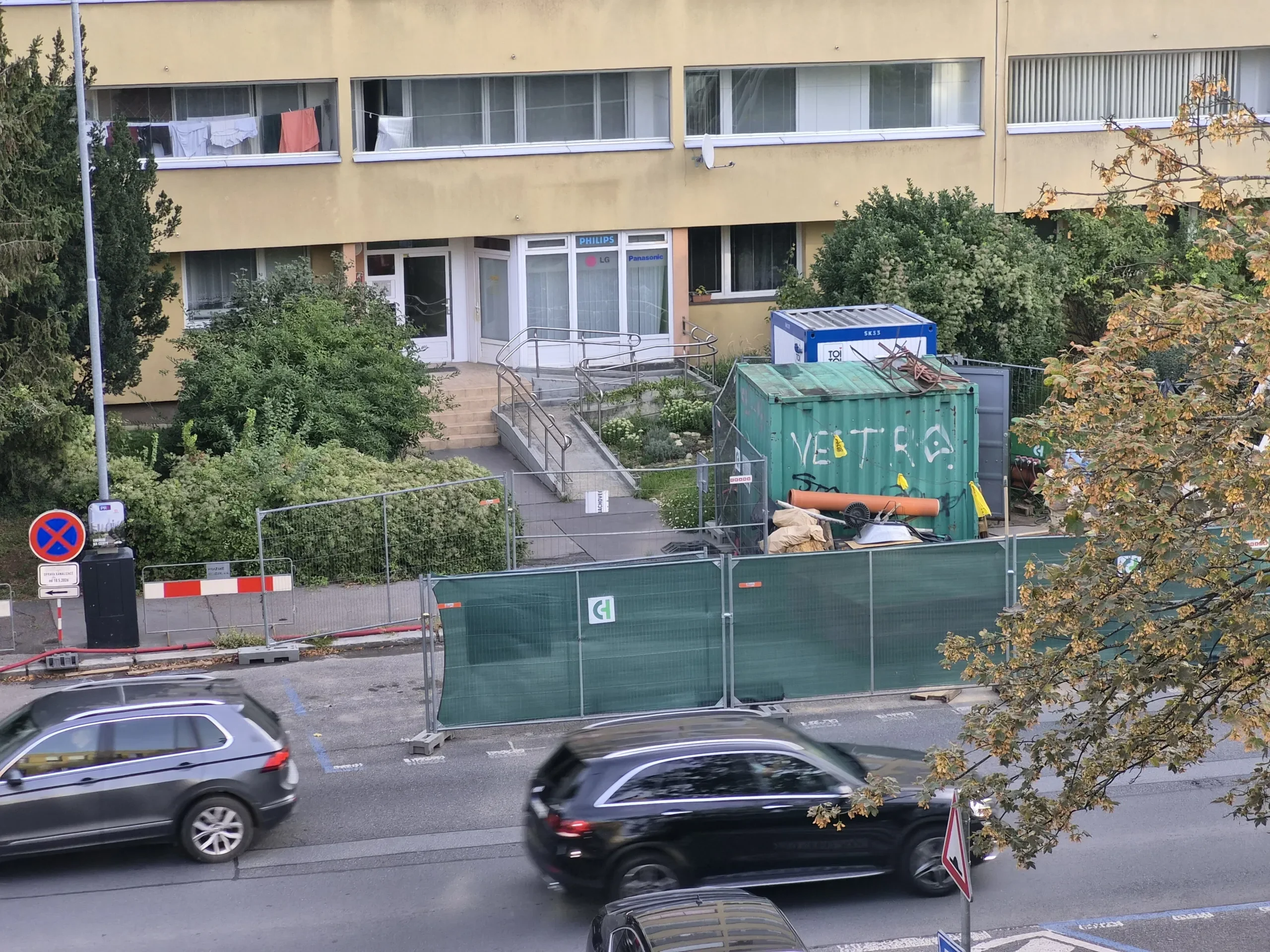
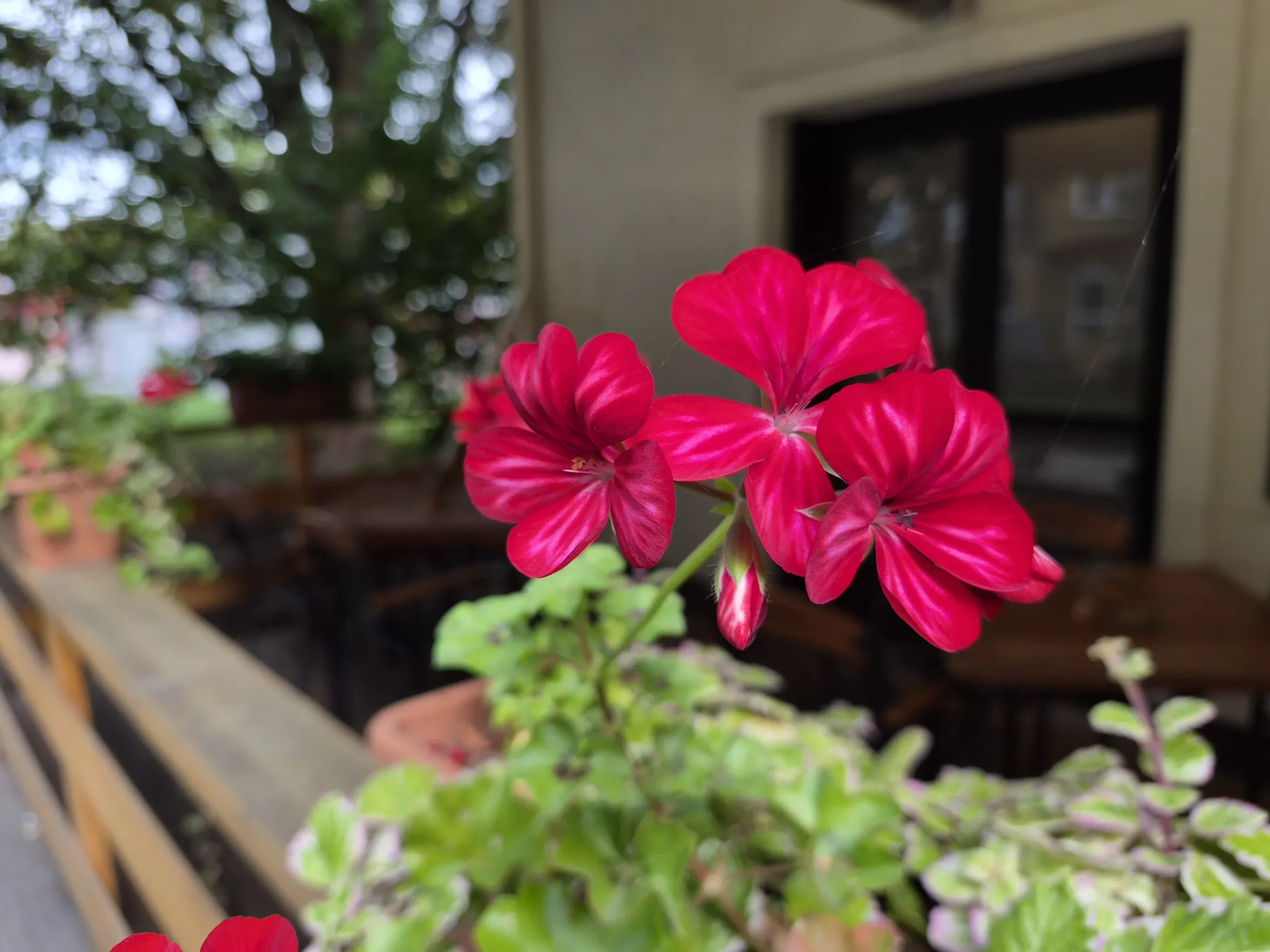
If you’re not especially picky about phone cameras — and don’t care much about night photography or very poor lighting conditions — you’ll probably be satisfied. Under normal conditions, the phone can produce good shots. Dynamic range is also fairly solid, which is especially visible in cloud-heavy scenes.
Sample photos
















Samsung Galaxy S26 FE review verdict
The Samsung Galaxy S26 FE may sound, by name, like an entry point into Samsung’s flagship world, but in reality I’d place it in the upper midrange. Even there, it won’t have an easy time. Some competing phones offer slightly better specs at a similar price. The cost-cutting is most obvious in the cameras. I wouldn’t recommend this one to anyone looking for a new primary phone for mobile photography.
On the other hand, I can recommend it to buyers who were eyeing the Samsung Galaxy S26+, wanted a larger phone, but didn’t want to spend that much money. That sub-20,000 CZK price point (approx. $920 / €822) is the biggest draw. If you can look past the cameras — where I expected a bit more — the Samsung Galaxy S26 FE offers a respectable overall package.
What could sway a lot of buyers, though, is the software support. There still aren’t many phones on the market where the manufacturer promises seven generations of operating system updates. According to Samsung, this model should make it all the way to Android 24. That’s one of its biggest advantages. Samsung knows how to make phones; you pay a bit extra, but you get a device that can realistically last a very long time.
Pros
- High-quality AMOLED display with strong brightness
- Solid build quality with a metal frame
- Long software support (up to 7 Android generations)
- More affordable than Samsung’s flagship models
- Well-optimized system and reliable performance
Cons
- Weaker cellular signal reception
- Low-resolution telephoto camera and overall average camera performance
- Fingerprint reader sits too low and is awkward to use
- Many AI features in the system don’t support Czech
Community Discussion 0 COMMENTS