
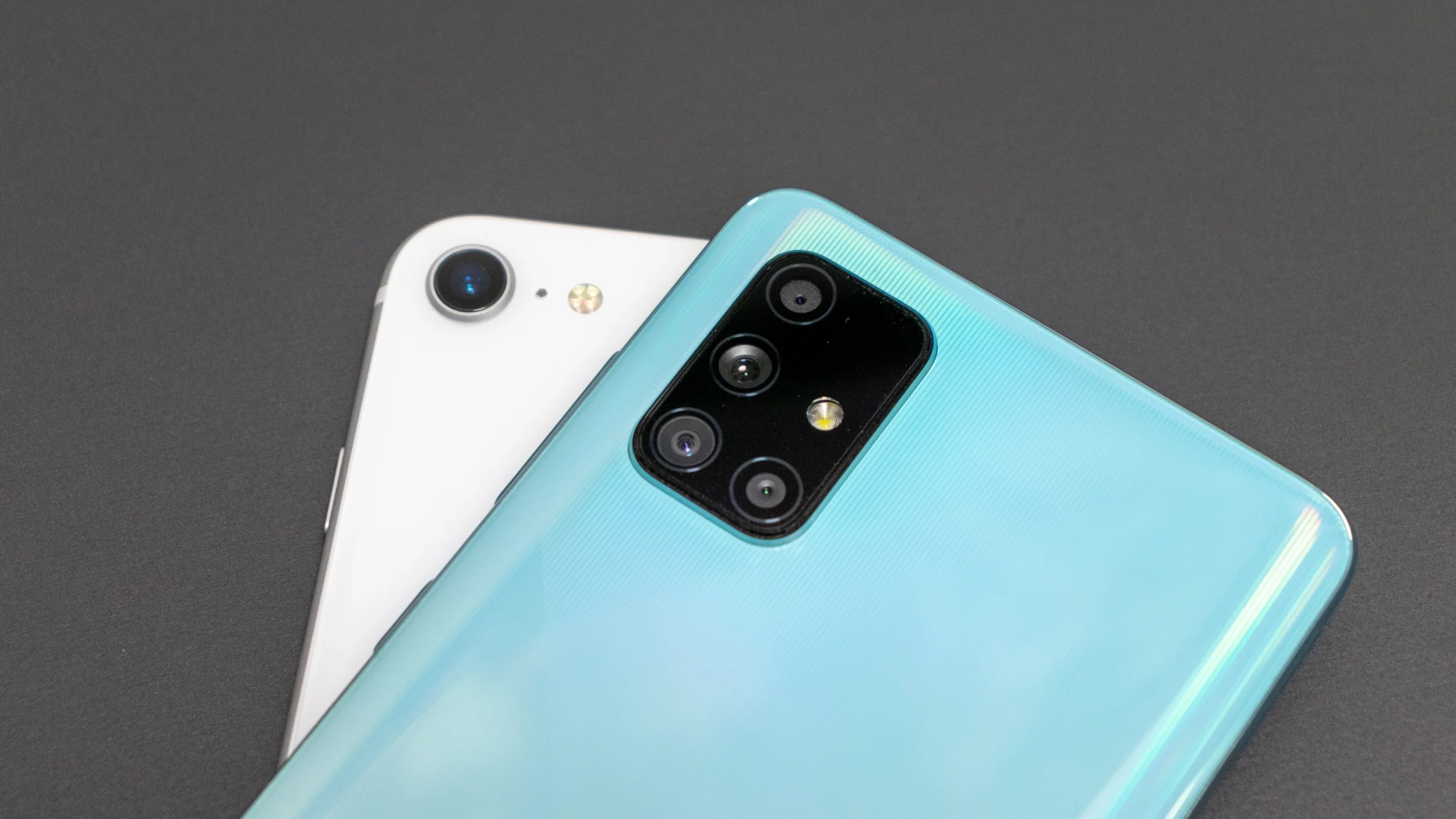
We decided to pit two midrange contenders against each other from two very different platforms. Representing iOS is the new second-generation iPhone SE (first impressions), while Android is represented by the Samsung Galaxy A71 (in Czech), one of this year’s newer releases. Both phones sell for roughly 13,000 CZK (approx. $598 / €534) when they’re not discounted. So which one takes better photos, and which one shoots better video?
Camera setup
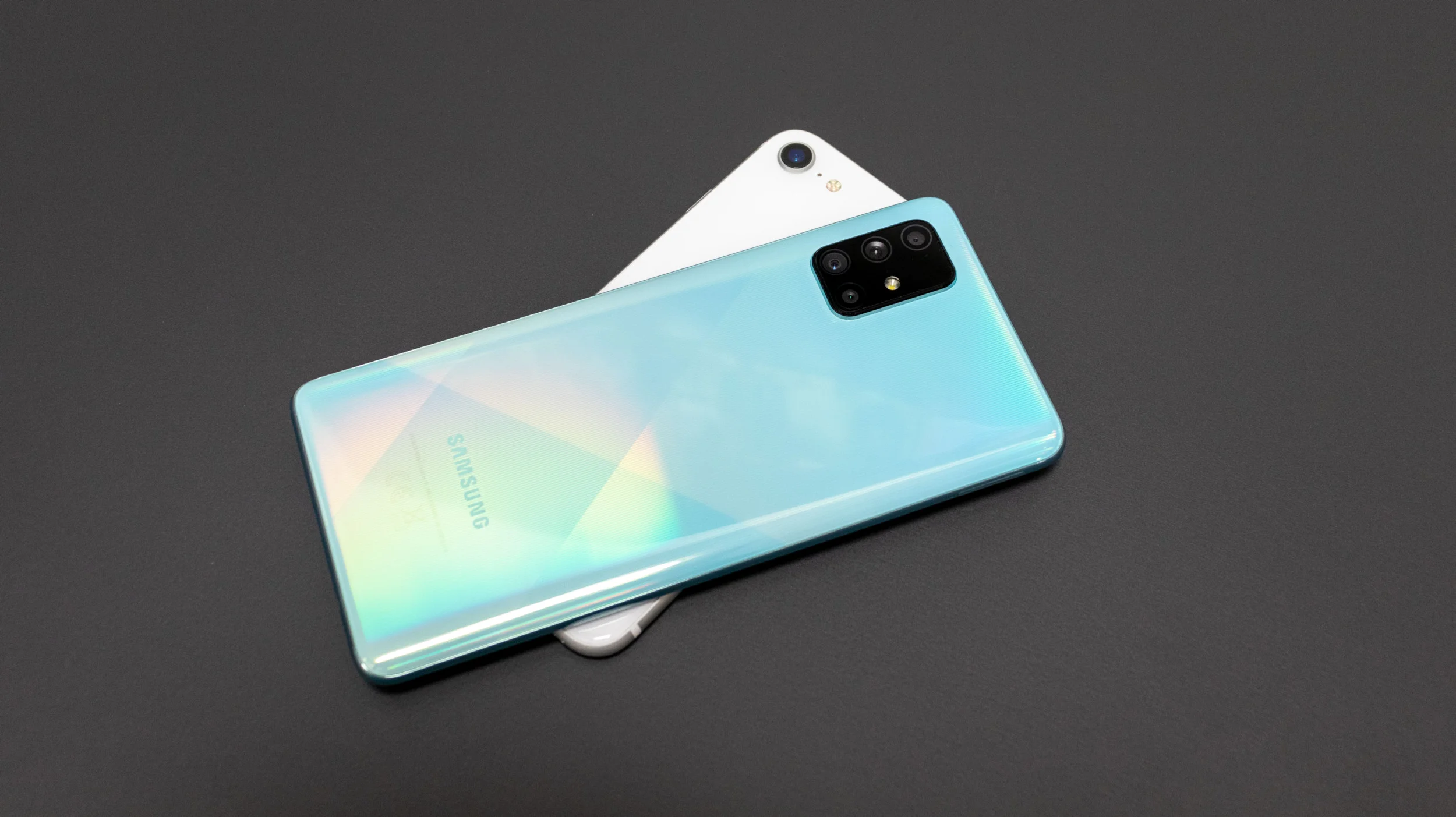
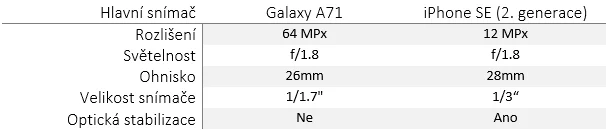
While the iPhone SE 2020 offers just one rear camera, the Galaxy A71 has four. In practice, though, two of them are barely useful — the macro camera and the depth sensor. The big advantage on Samsung’s side is the ultra-wide camera, which offers a very wide 12mm field of view. Since the iPhone only has a single main 12MP camera, this test primarily compares the main shooters. The Galaxy A71 uses a 64MP main sensor, but the final images come out at 16MP.
Daylight
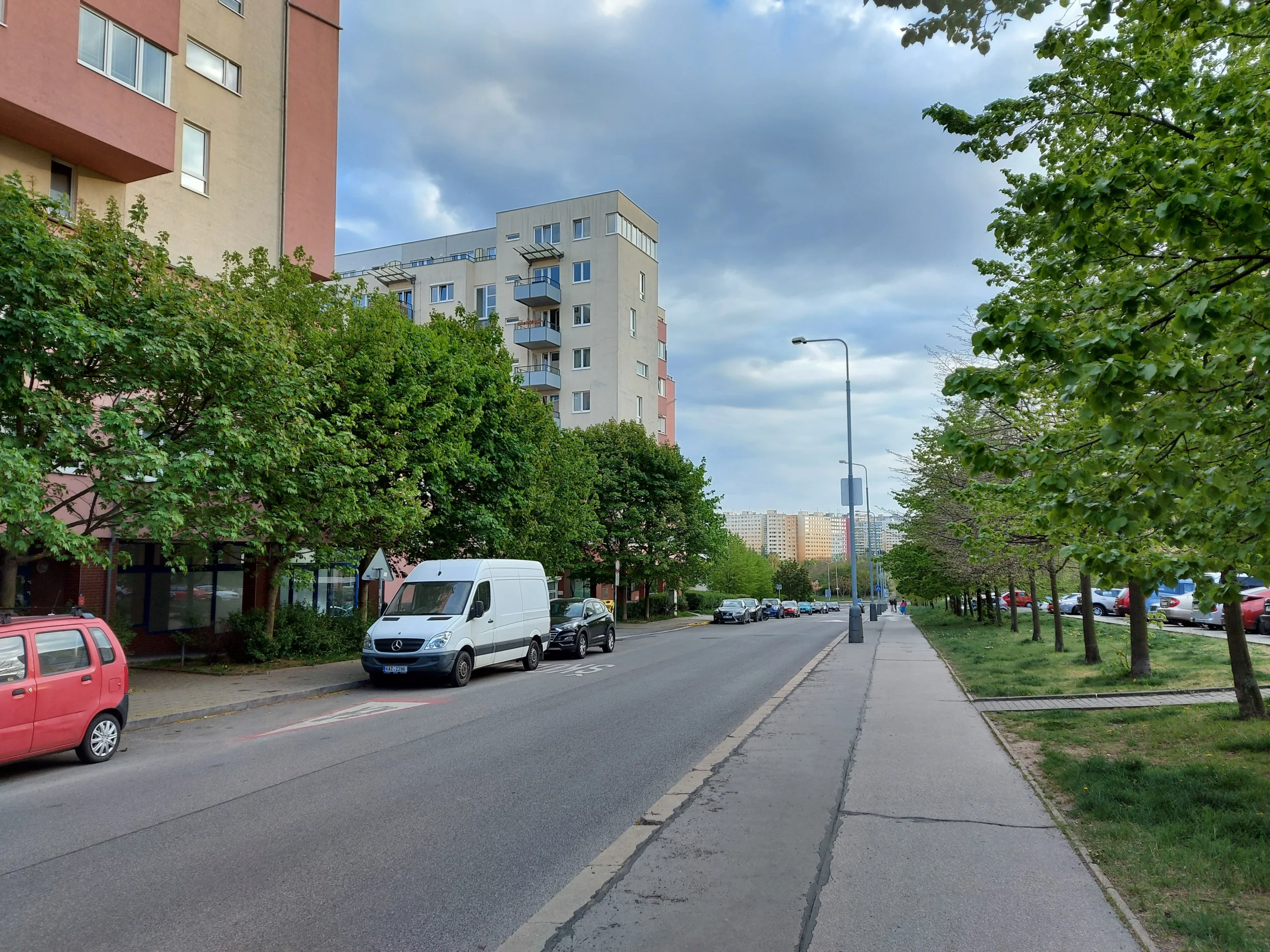
Samsung’s scene optimizer is enabled by default, so it remained on during testing. Before every shot, I checked that the camera lenses were clean.
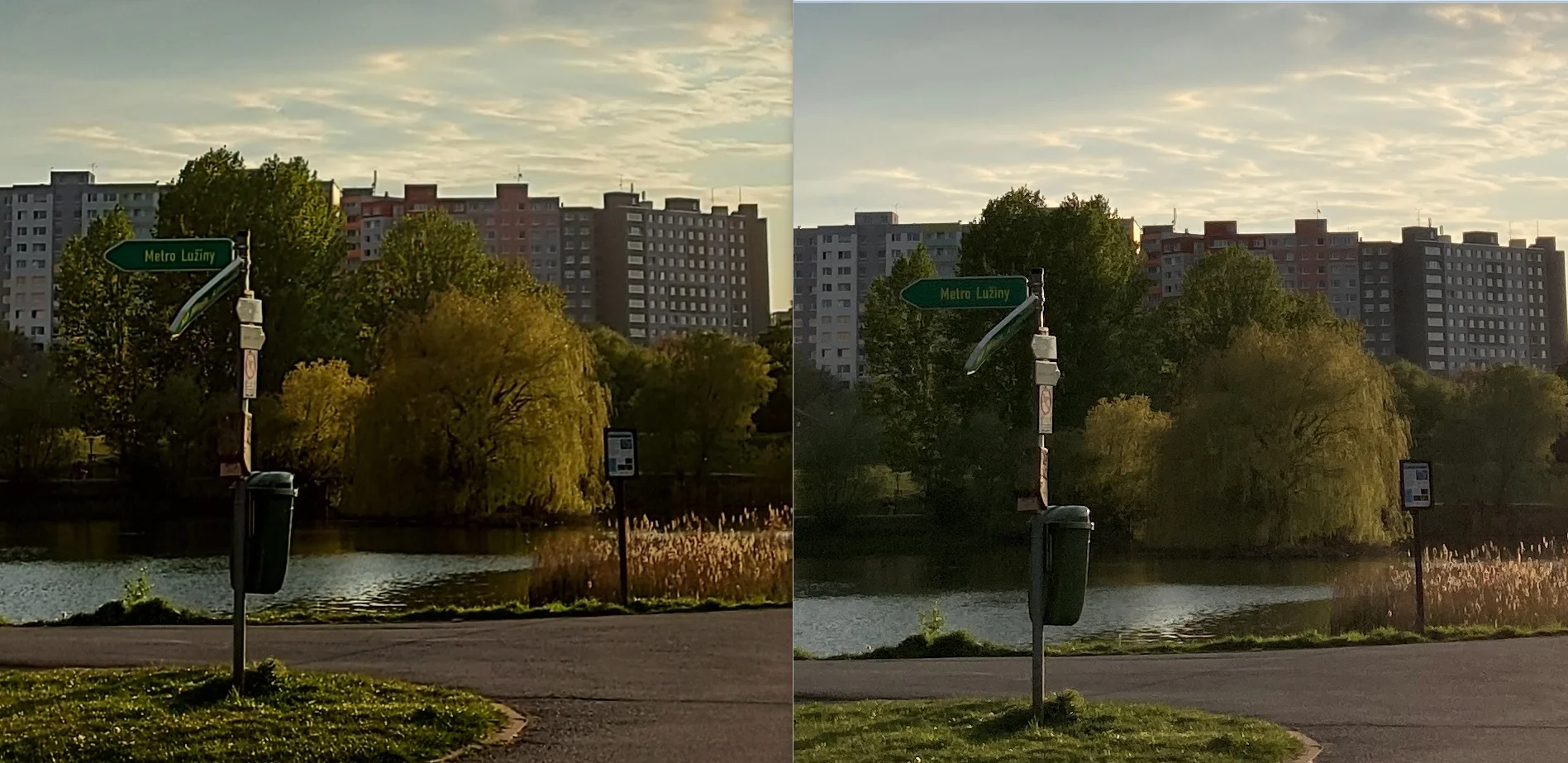
Galaxy A71 (left) vs. iPhone SE 2 (right)


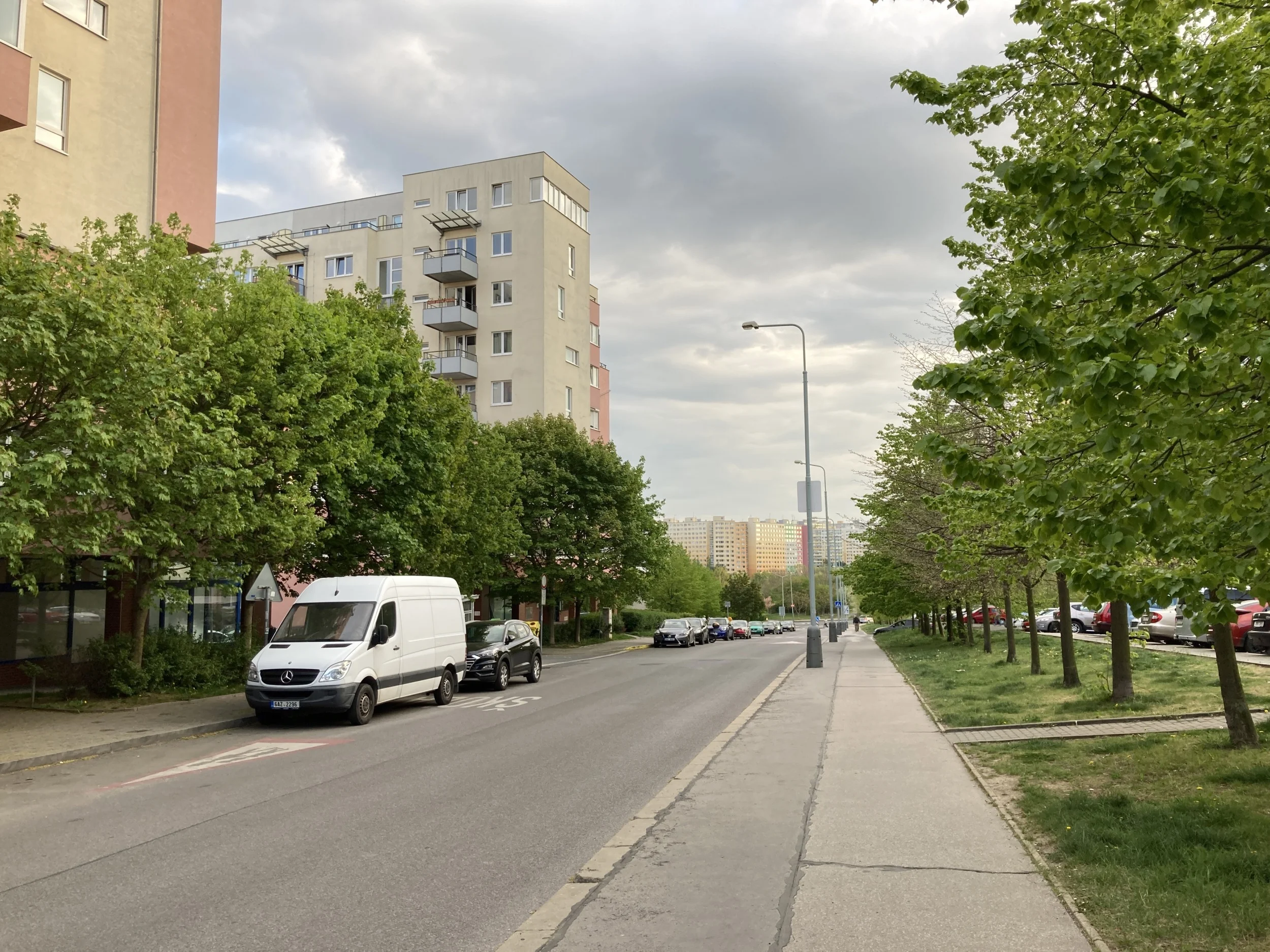






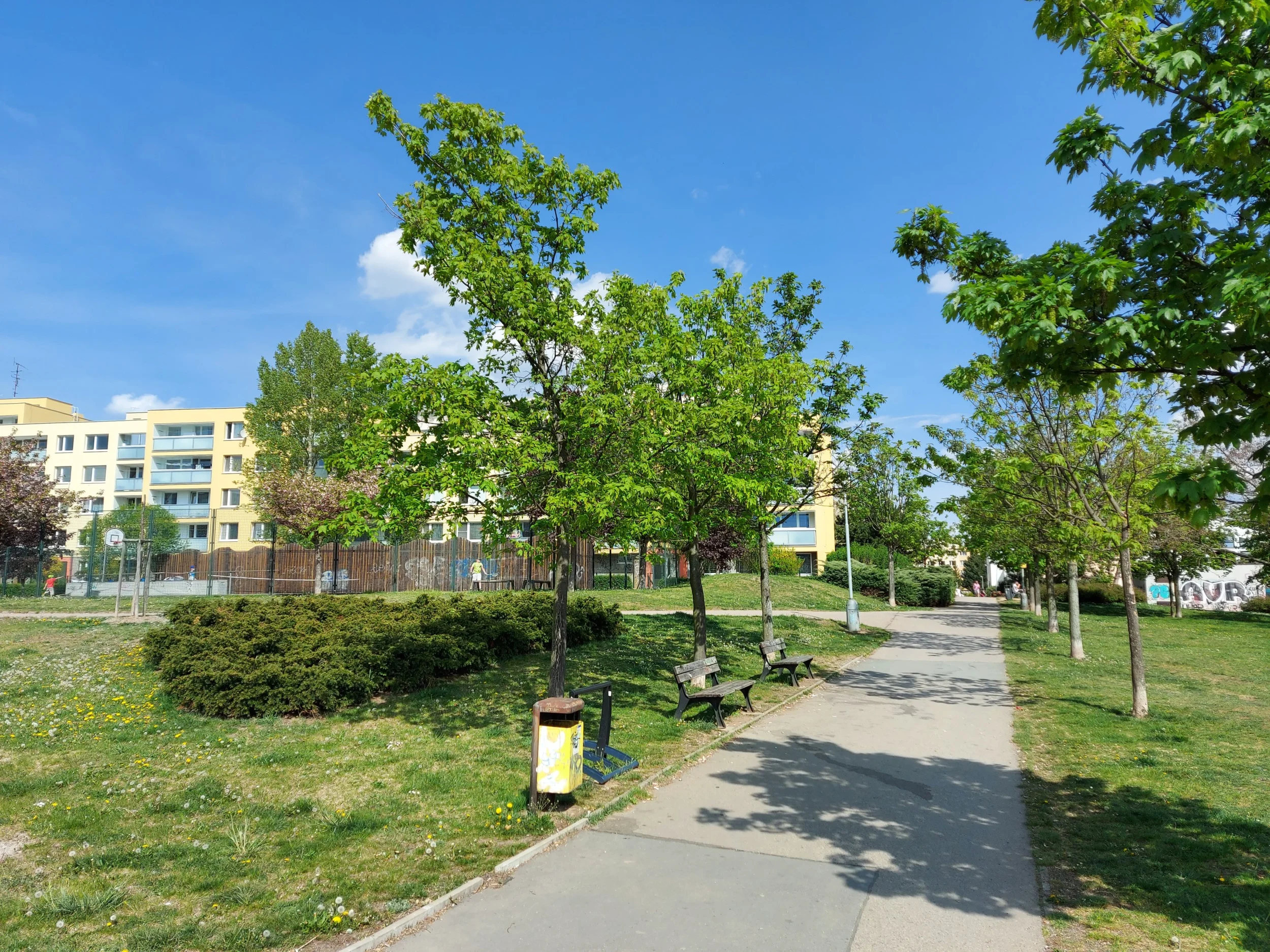
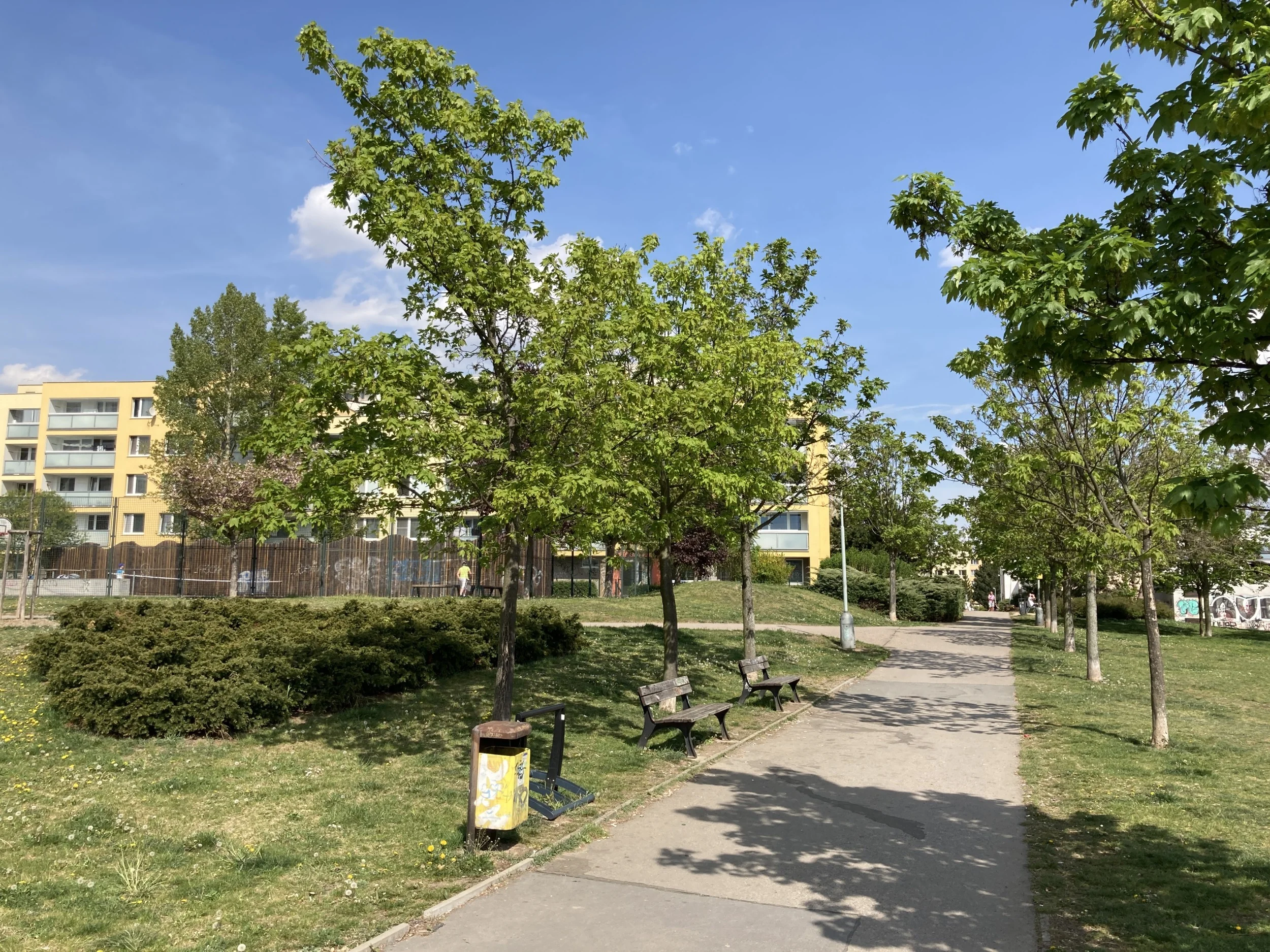






100% crop
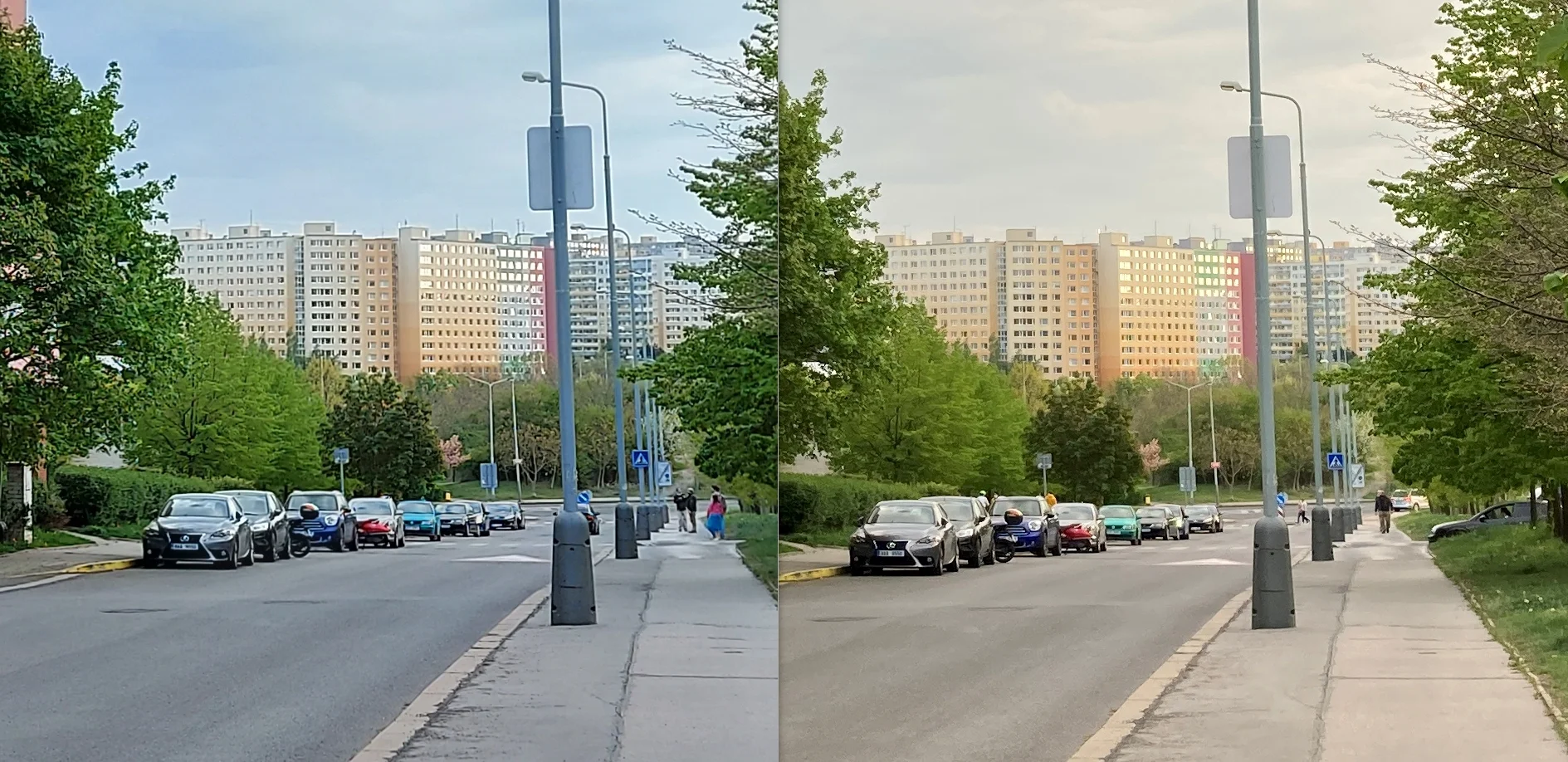
It becomes pretty clear when zooming in that Samsung sharpens its photos much more aggressively. In some cases, that looks a bit unnatural, which gives the iPhone’s image a slight edge. Both phones handled backlighting surprisingly well. In general, the iPhone leans toward warmer tones, while Samsung’s shots skew cooler.


Night
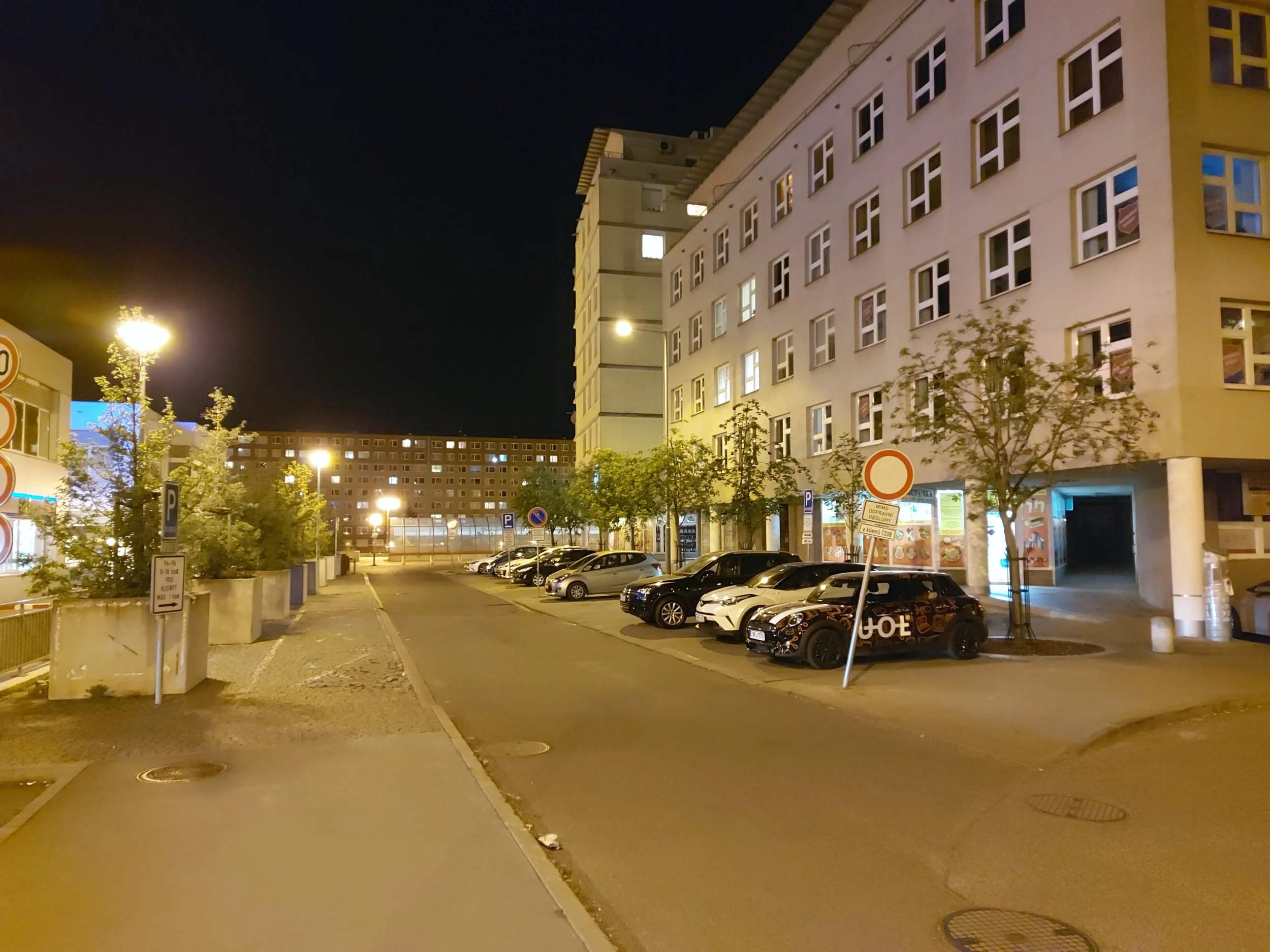
Without Night mode on the A71
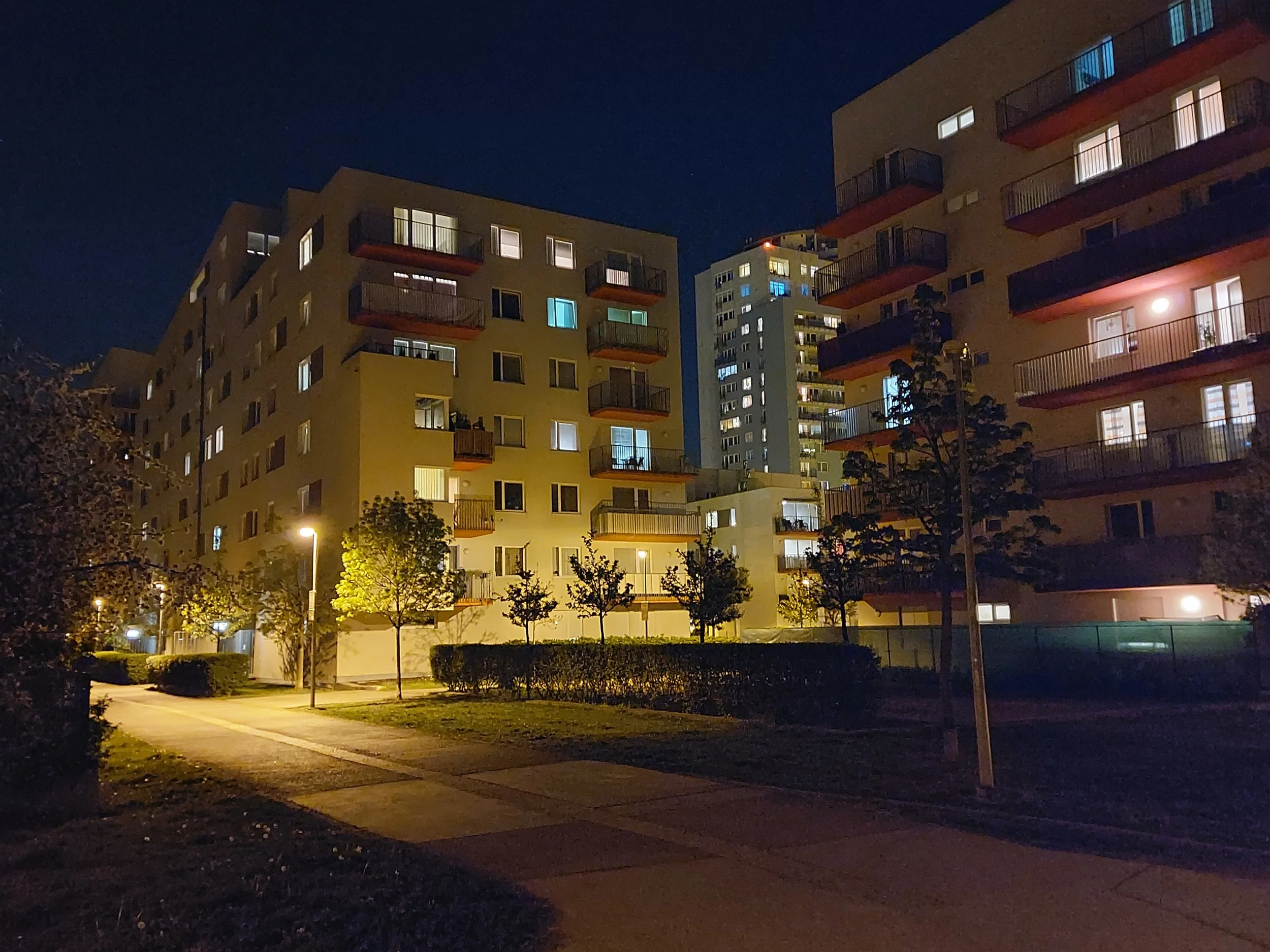
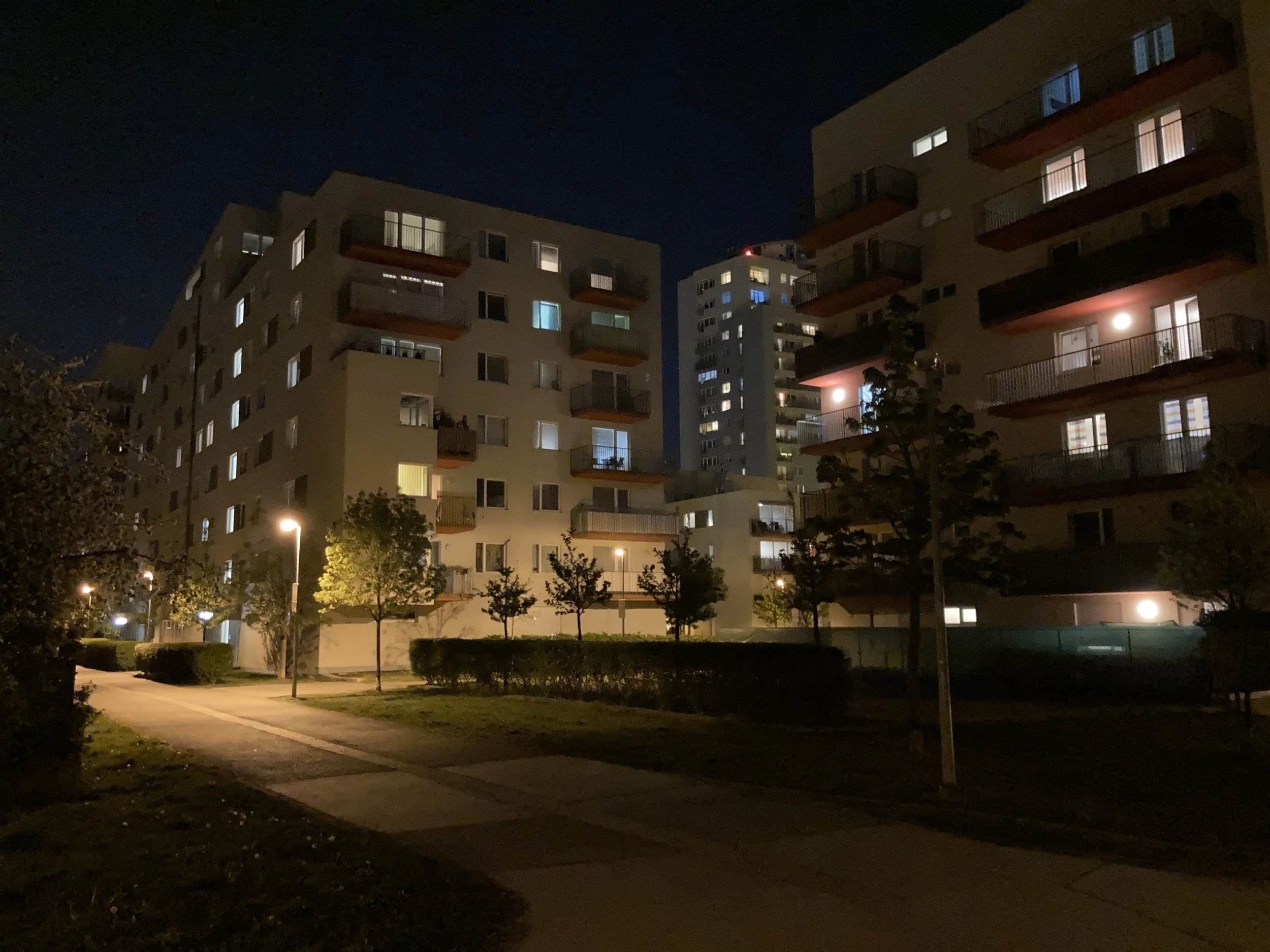
Galaxy A71 (left) vs. iPhone SE 2 (right)







With Night mode on the A71
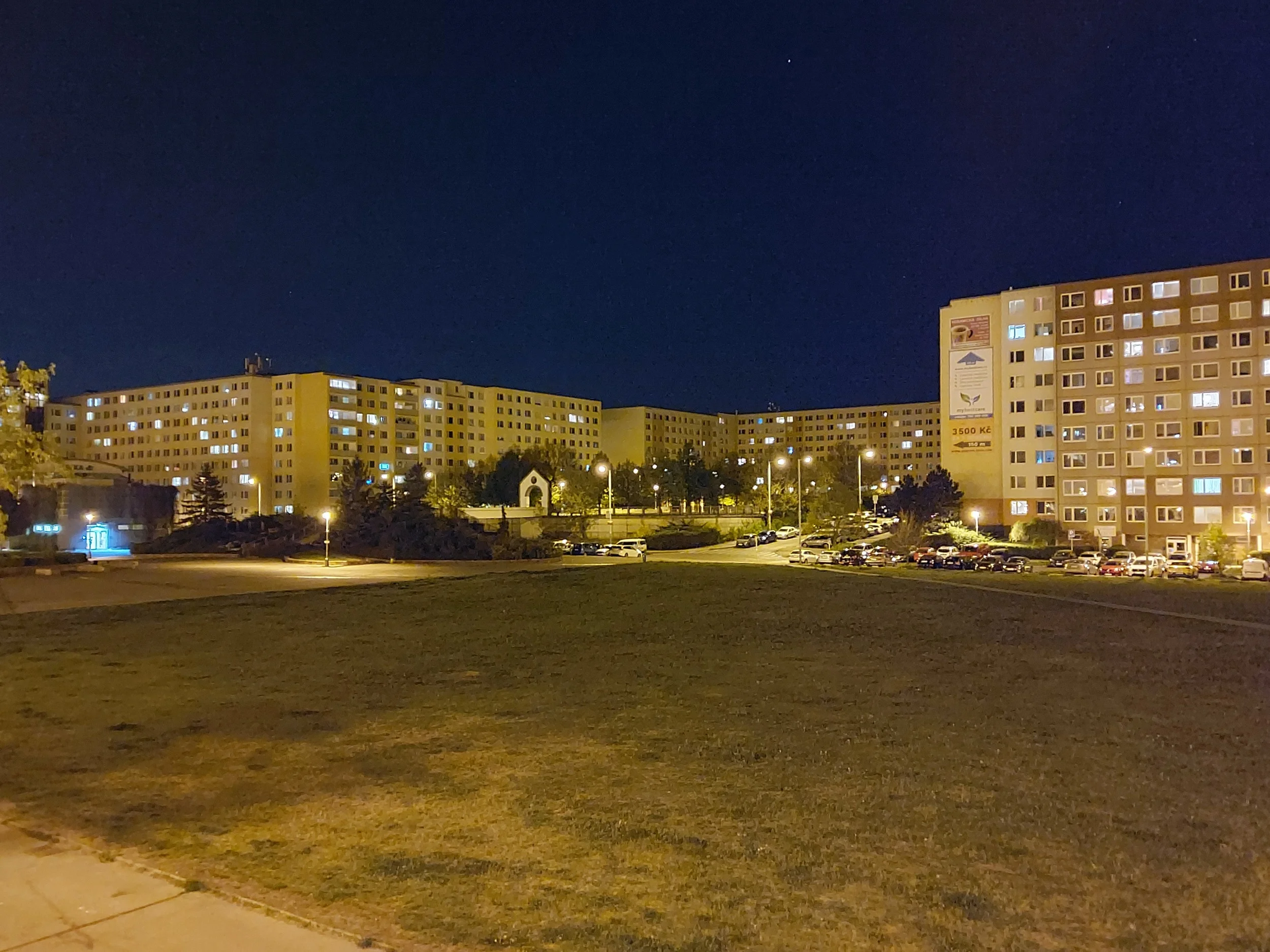
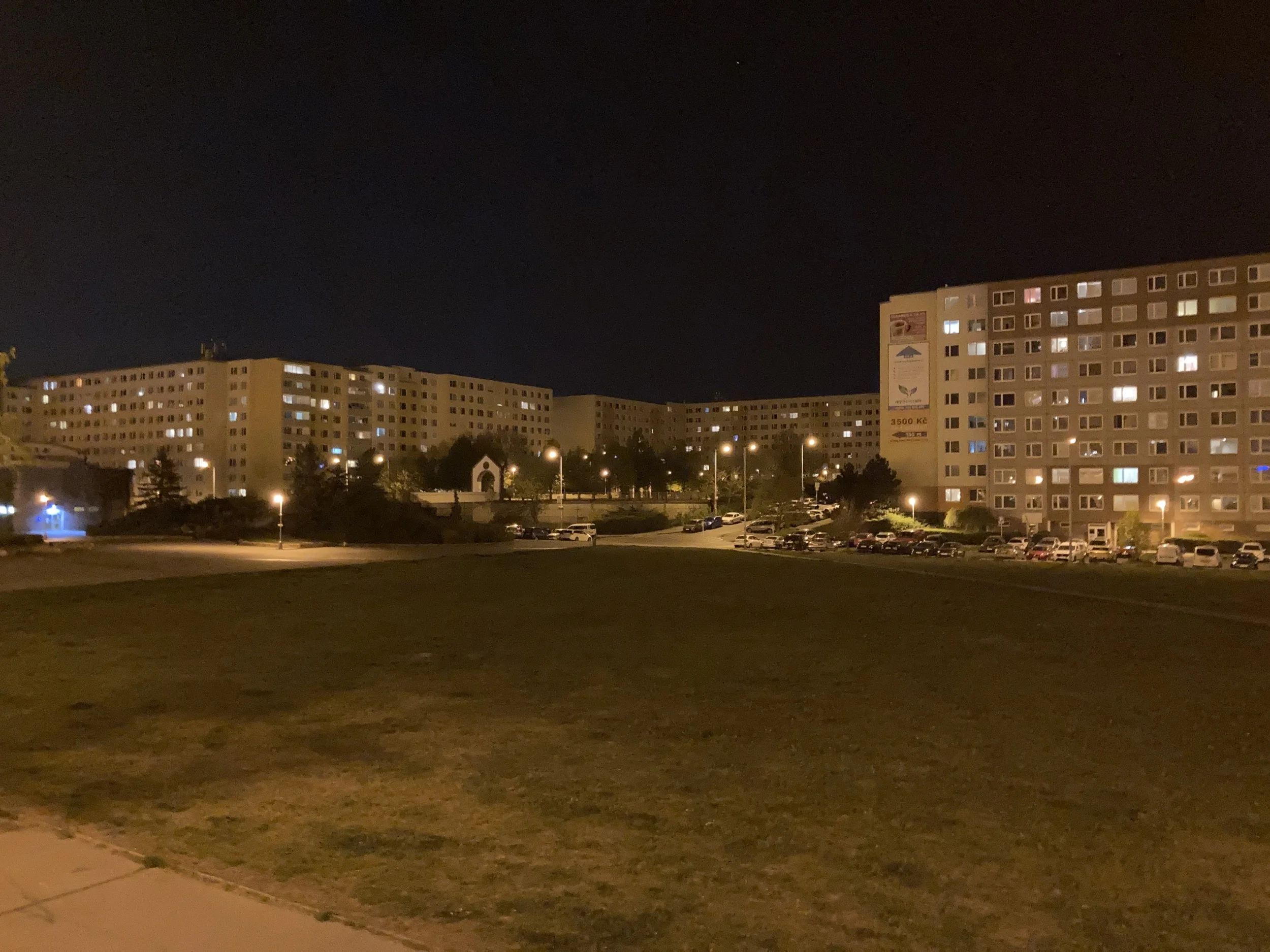
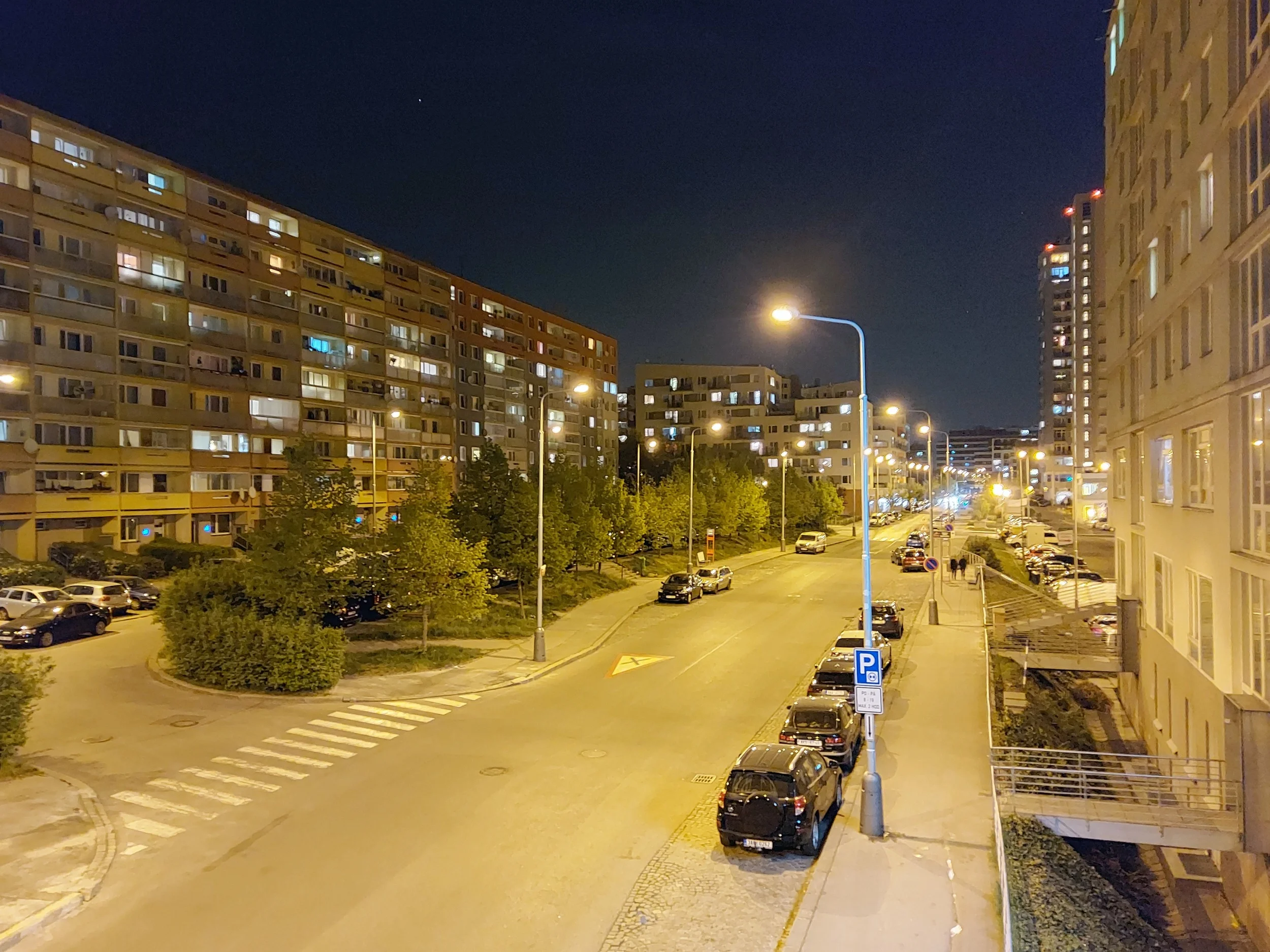
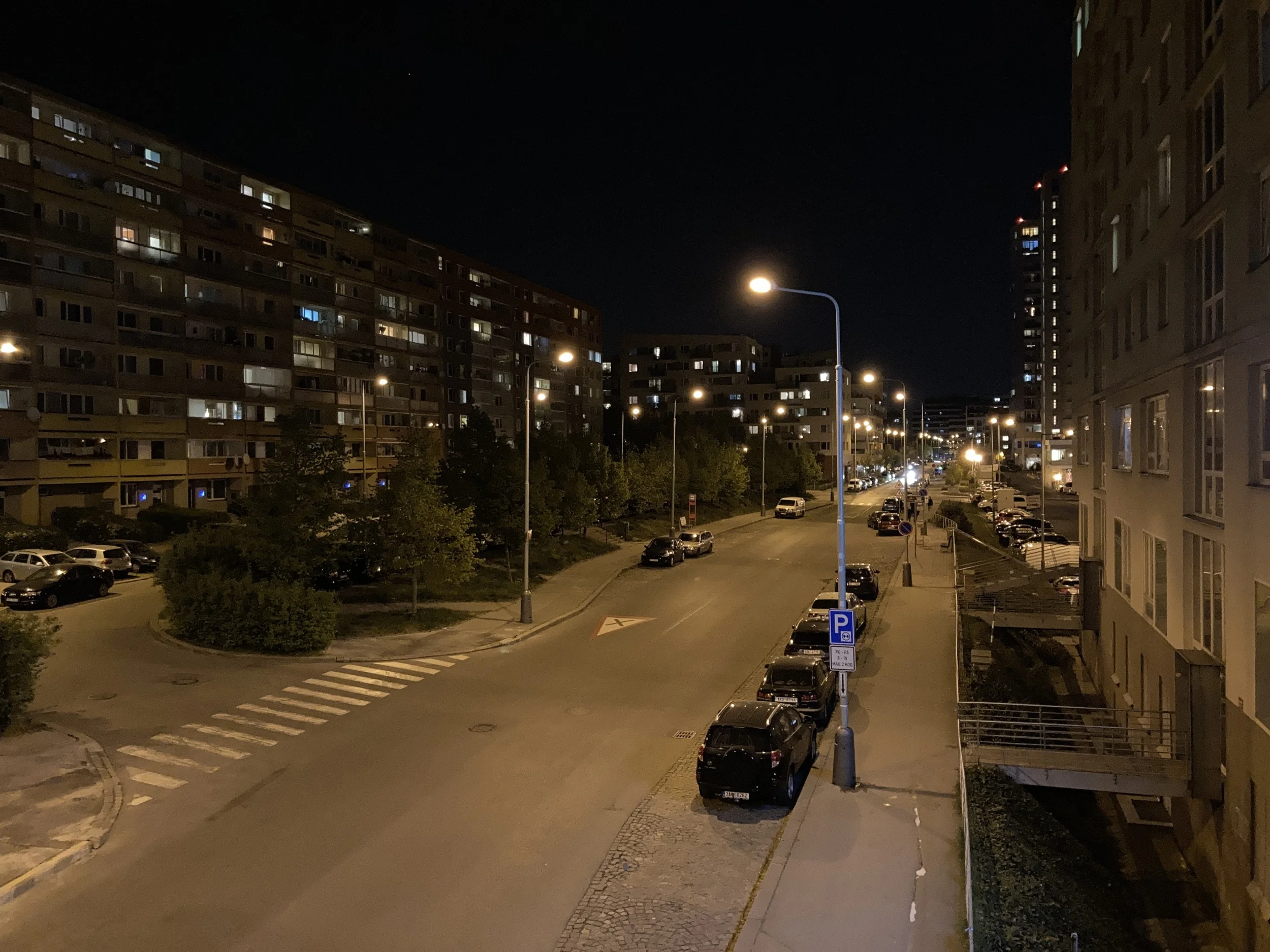
100% crop
Since the second-generation iPhone SE doesn’t have a Night mode at all, it’s at a clear disadvantage here. The Galaxy A71 does, and even without using it, Samsung’s photos capture more light. Without Night mode, though, both phones deliver a similar level of detail. Color rendering is also different. With Night mode enabled, the A71’s photos are once again more aggressively sharpened and show more detail. On the other hand, I occasionally had trouble with motion blur on the Samsung because it lacks OIS. Overall, I’d say Samsung turns night into day more often, while the iPhone keeps scenes darker and more natural-looking.
Galaxy A71 (left) vs. iPhone SE 2 (right)
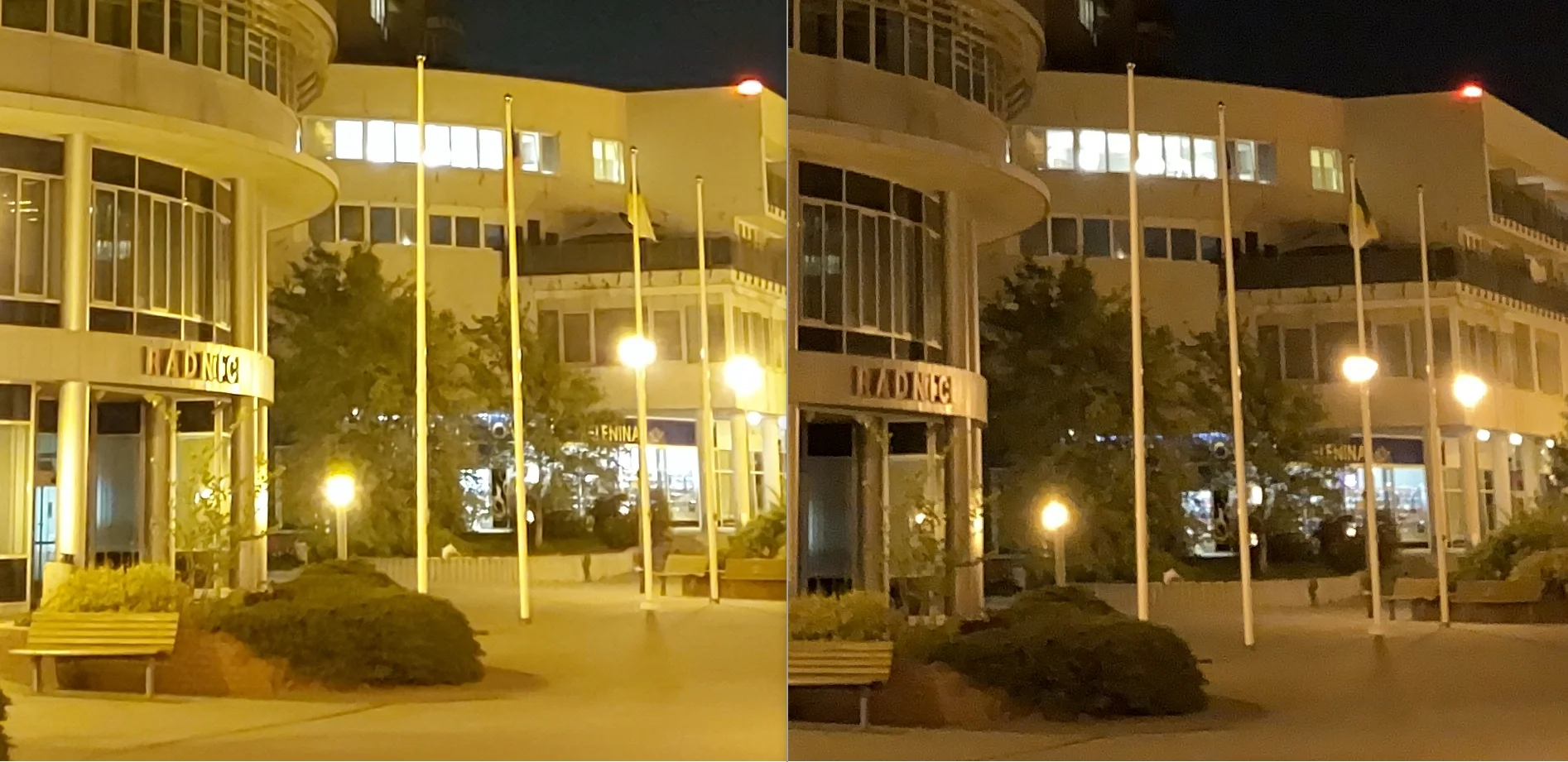
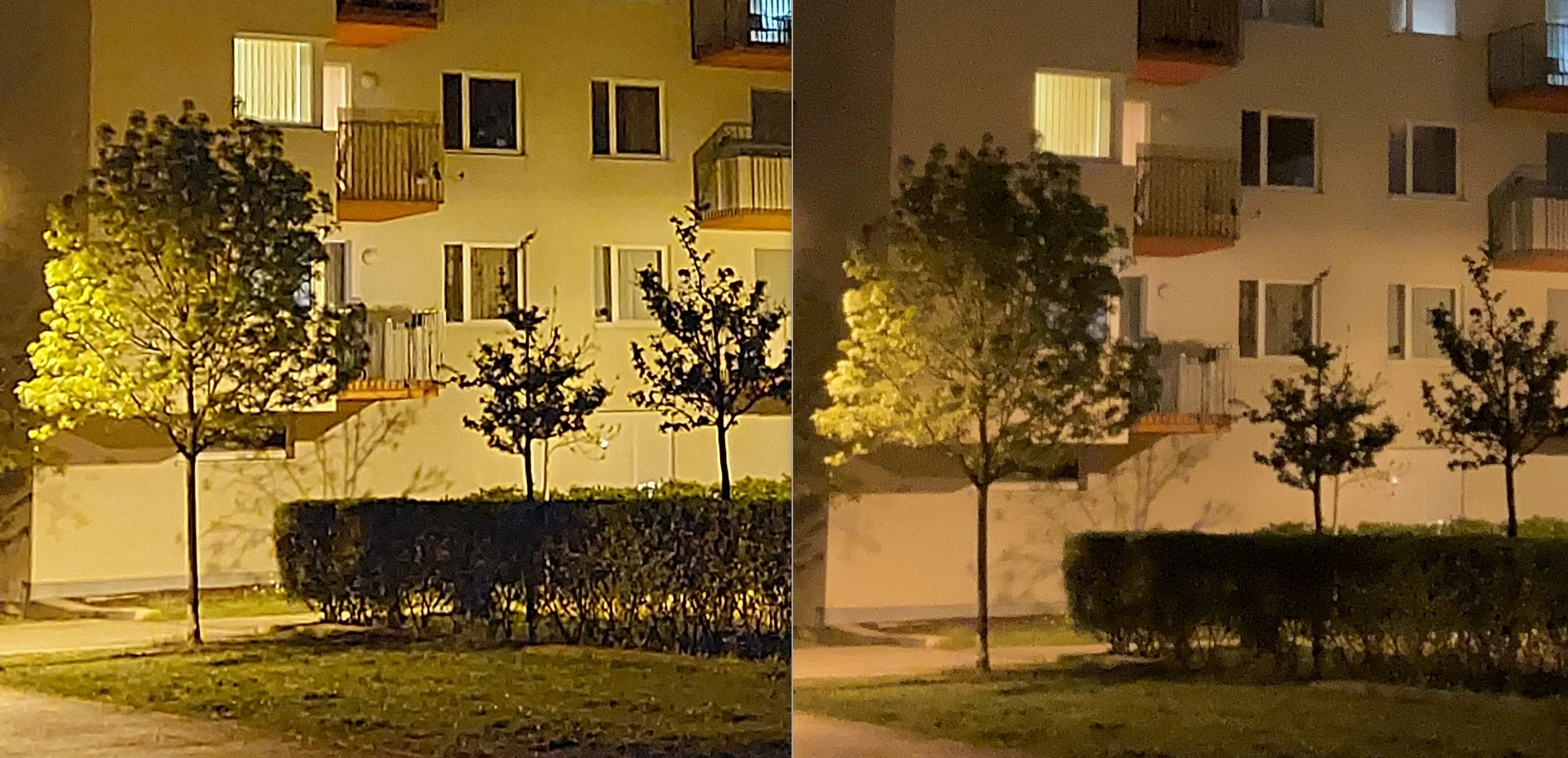
Which phone’s photos do you like better? Let us know in the comments.
Video
While photo quality largely comes down to personal preference — especially when it comes to color science and low-light rendering — the result is much clearer with 4K 30fps video. The new iPhone SE decisively beats the Galaxy A71 here. Samsung lacks optical image stabilization and offers a much narrower dynamic range. Both videos were recorded with the phones held together in the same hand, so any shake was effectively identical. In Full HD at 30fps, however, stabilization works better on the Samsung. The iPhone can also record in 4K at 60fps, which Samsung can’t do. Unfortunately, Samsung also doesn’t offer Full HD at 60fps.
Below you can see a frame grab from both videos at the same moment:
Galaxy A71 (left) vs. iPhone SE 2 (right)

Community Discussion 0 COMMENTS