
Back in early February, Sony introduced a new entry-level phone meant to follow the Xperia E1 and E3, the company’s cheapest E-series models. I reviewed (in Czech) the first of those last year and wasn’t impressed. So did Sony do any better with the Xperia E4? It’s also one of the first Sony phones in this market to ship with a MediaTek processor. Let’s take a closer look.
What’s in the box
The phone arrived in a fairly small box, and the size already hints at the sparse bundle inside. You get a microUSB cable, and it’s shockingly short. I’ve handled plenty of phones, but this is the first time I’ve seen a cable that’s barely four inches long. If you want to charge the phone comfortably from a wall outlet, you’ll probably want to use your own cable. Paired with the included wall adapter, it forms the charger. Headphones are missing, unfortunately. Beyond that, the box only includes the usual paperwork.
Design and build
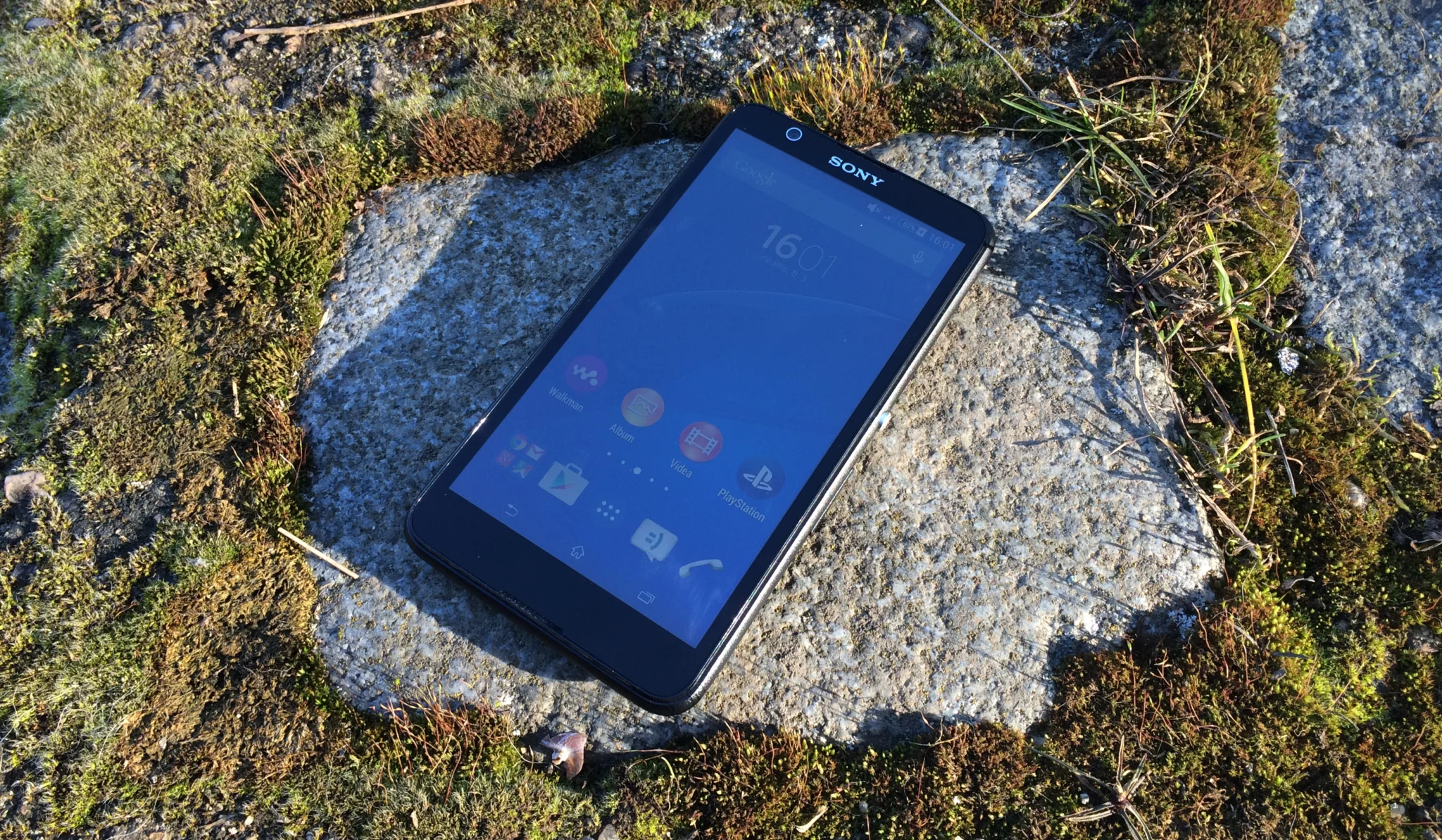
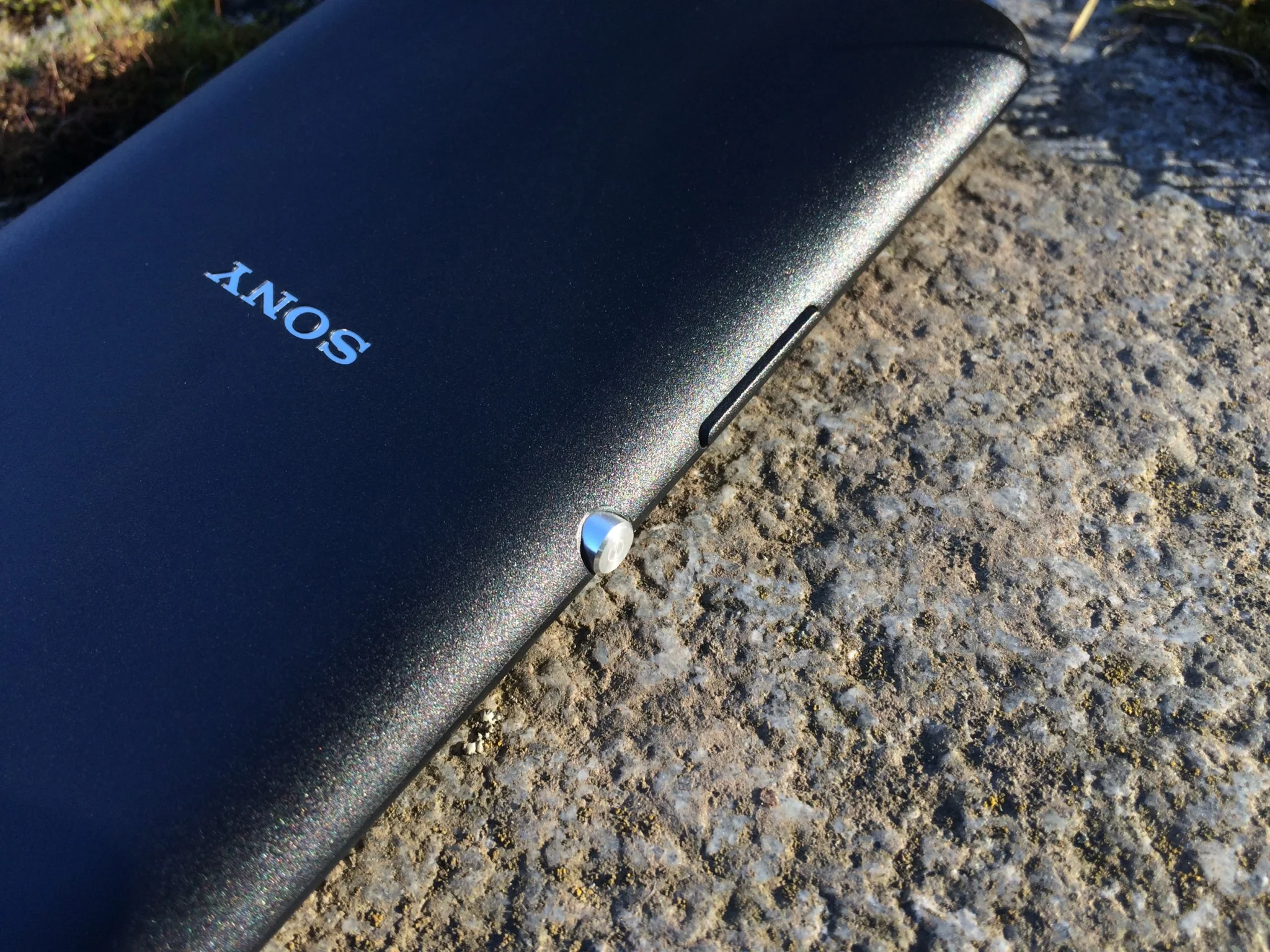
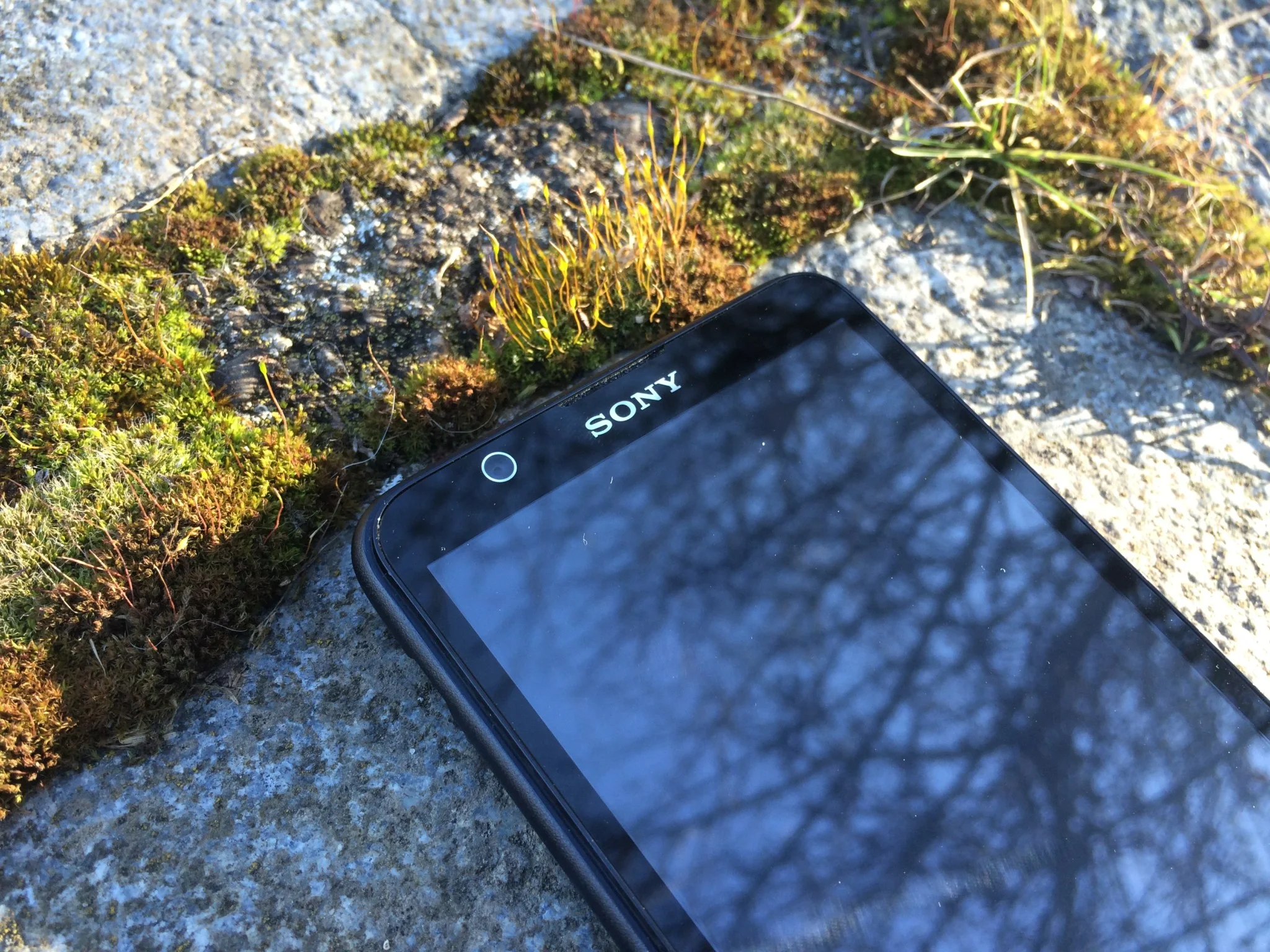
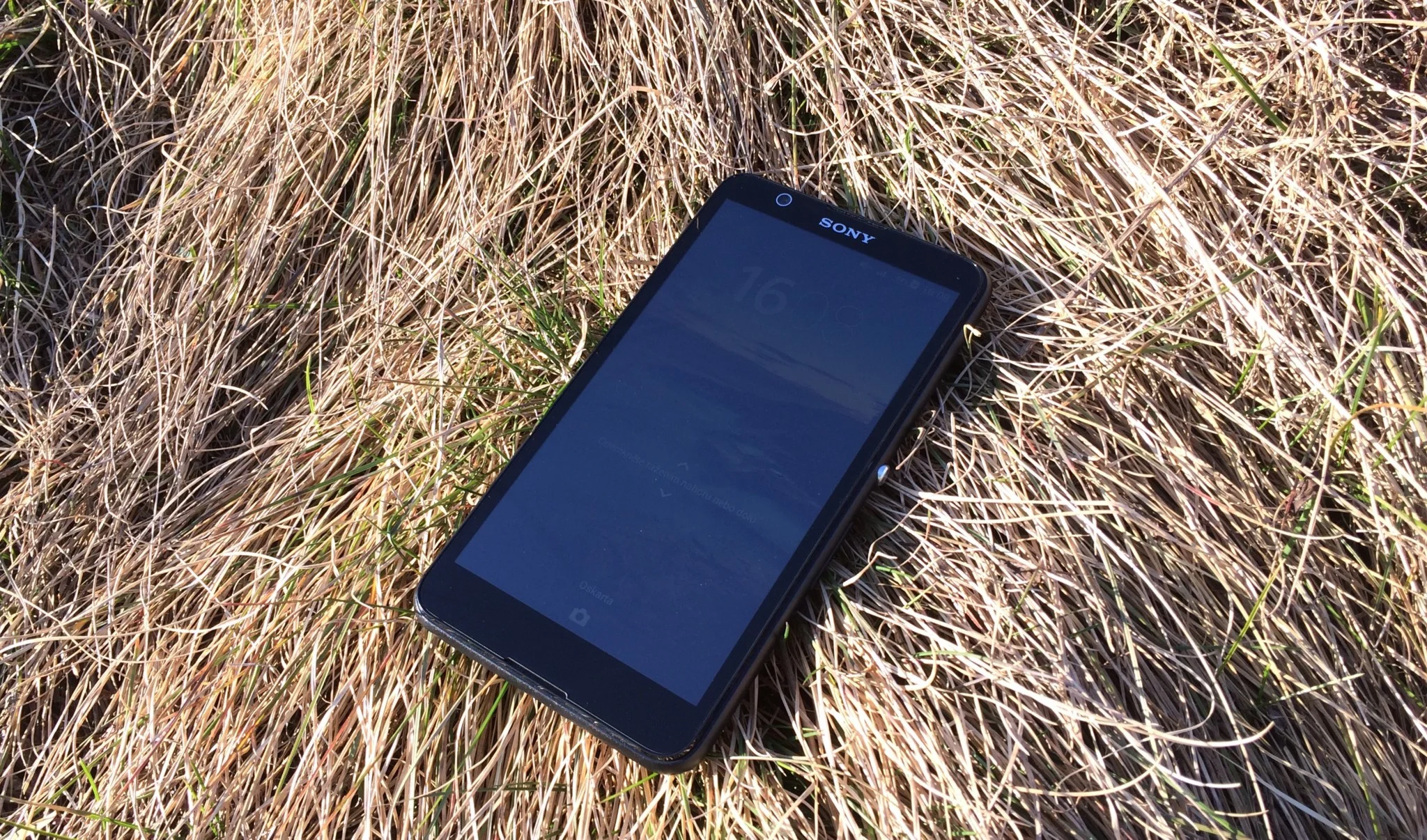
The Xperia E4 looks different from most recent Xperias. Sony’s phones had leaned heavily on sharper lines for years, but this one softens things up. Some signature Sony touches remain, including the prominent side-mounted power button. Still, the corners and edges are much rounder than what you’d find on the higher-end Z series and other models.
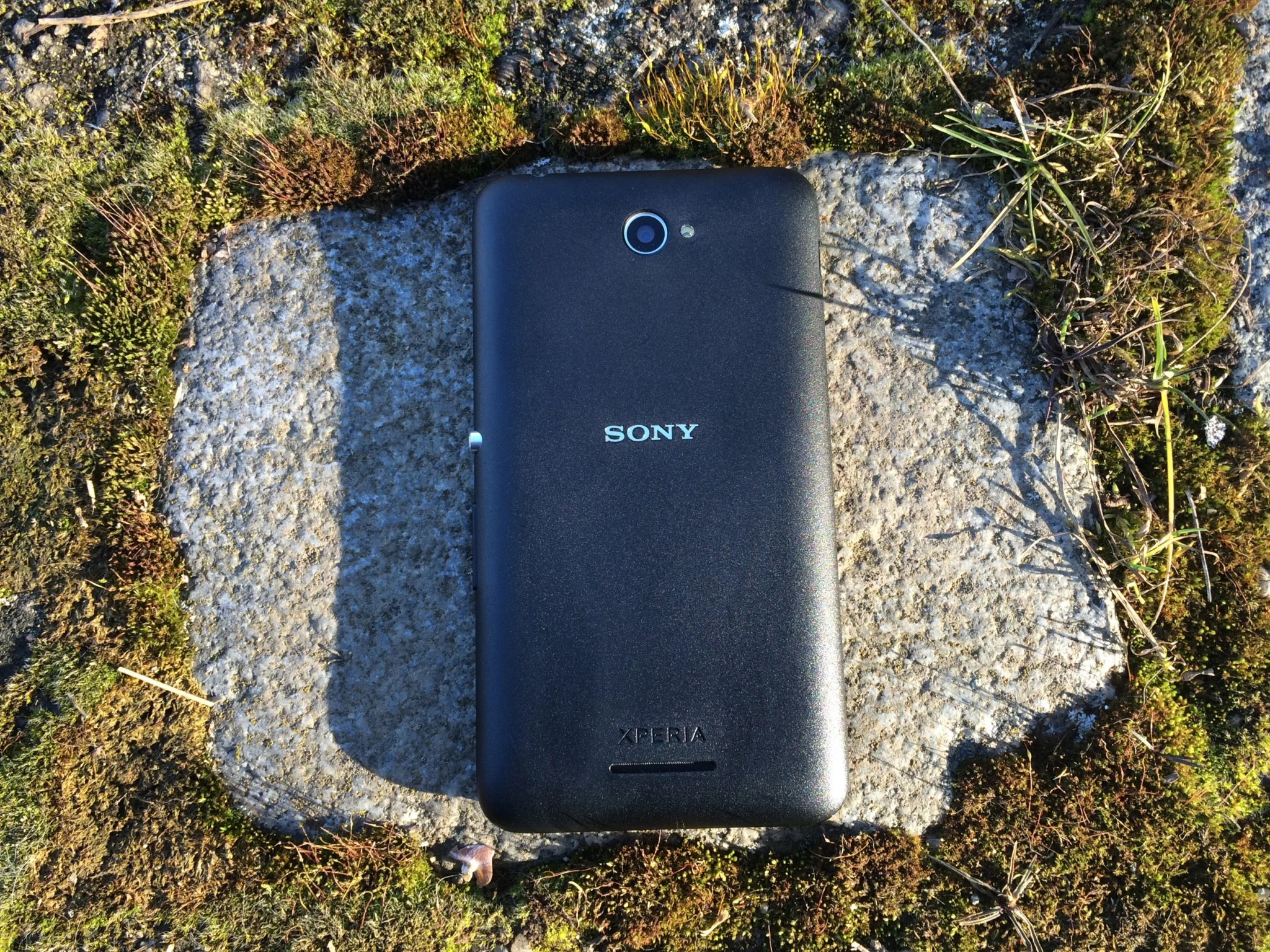
Build quality is very average for this class. You can tell Sony cut costs on materials. This is the cheapest, most basic plastic, much like last year’s Xperia E1. During the first weeks of testing, the phone held together reasonably well, but I’d be a little worried about how it would age after a year of use.
The back cover is removable. Under it, you’ll find the microSIM slot and the memory card slot. For some reason, though, the battery still isn’t user-replaceable. The phone measures 137 x 74.6 mm and is 10.5 mm thick. And for an all-plastic device, 144 grams feels fairly heavy.
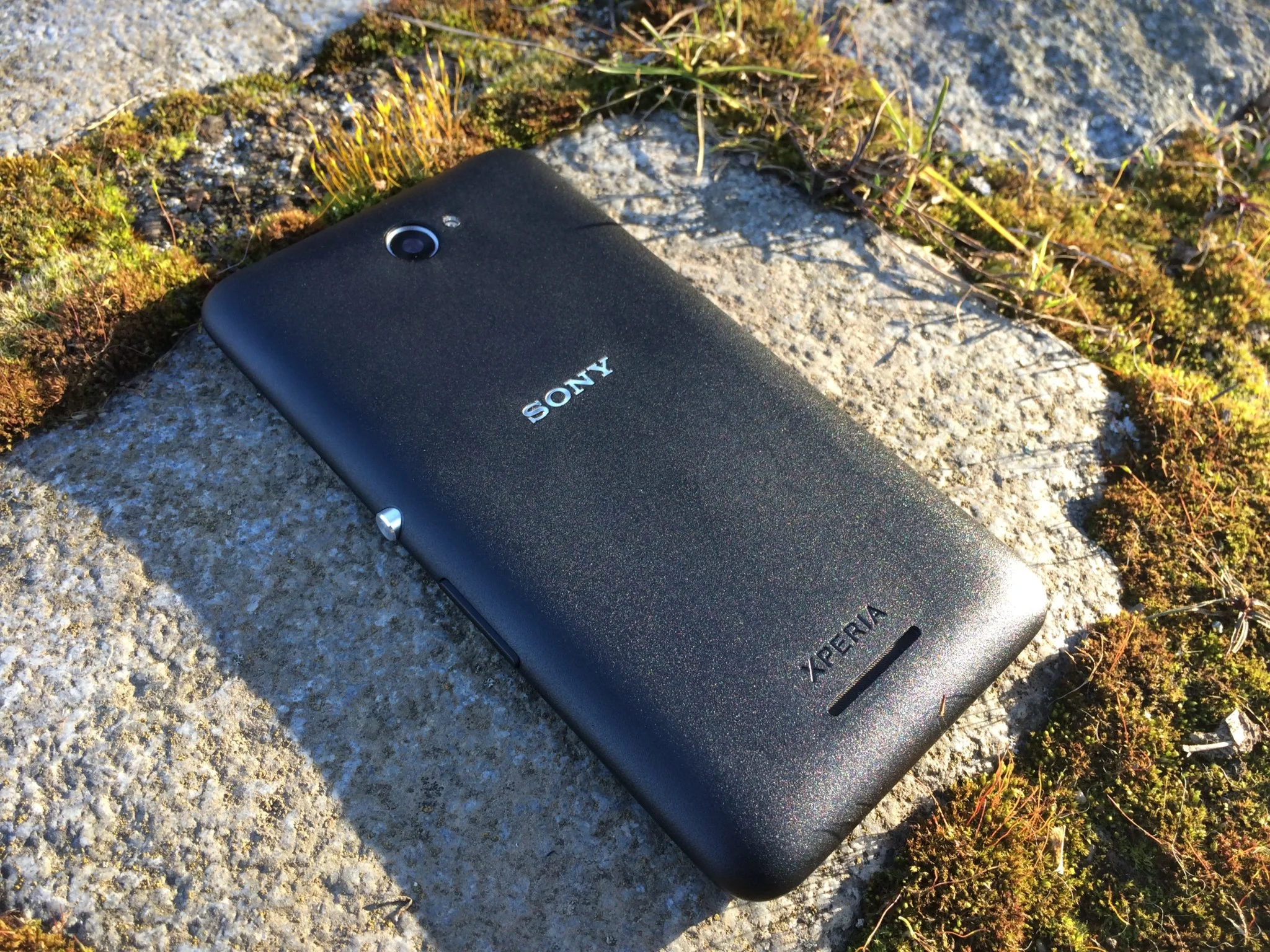
On the back, there’s the Sony logo, the camera with LED flash, and the speaker. Speaker output is slightly above average for a budget phone. The biggest surprise is the volume, which is louder than expected.
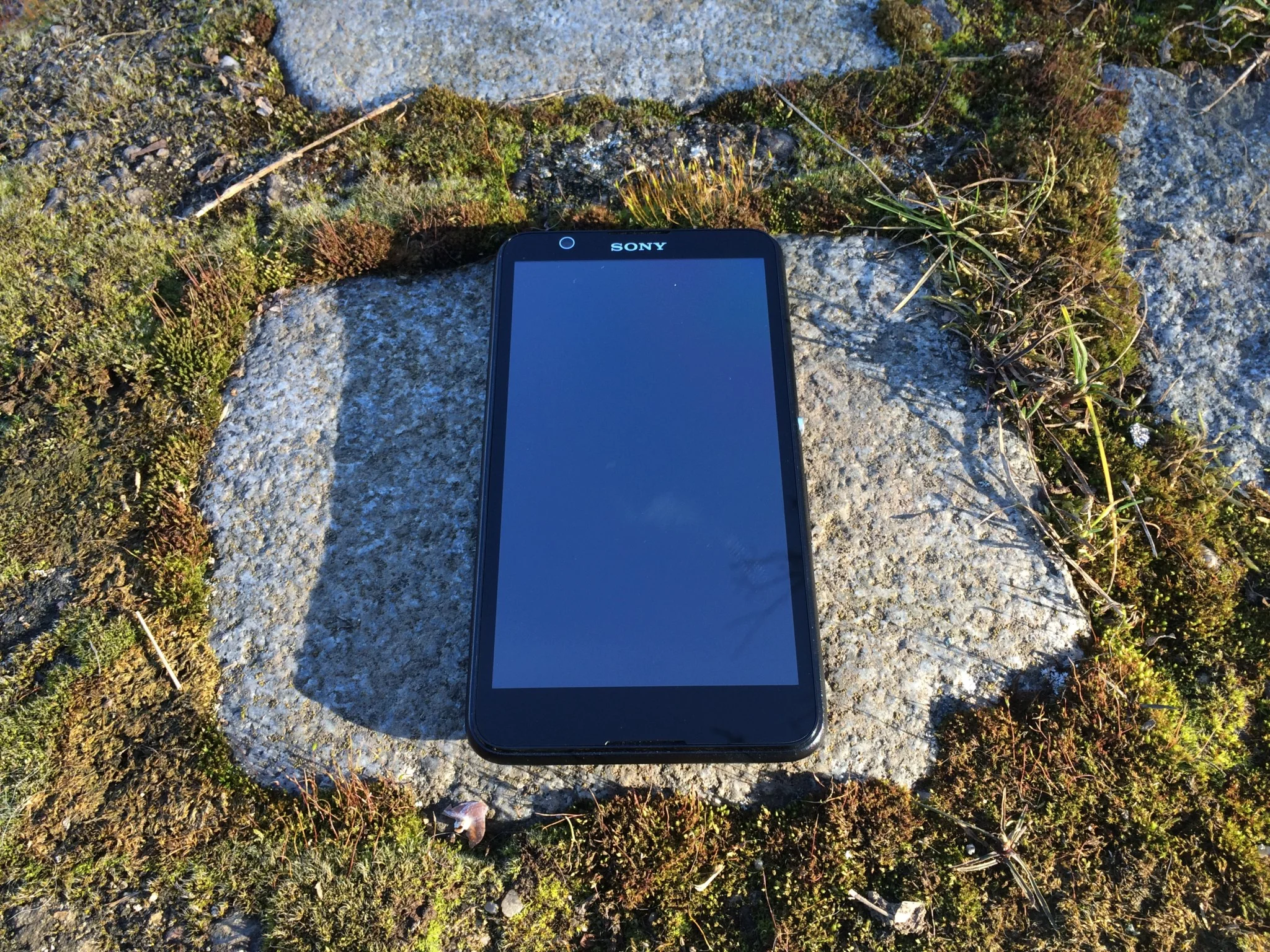
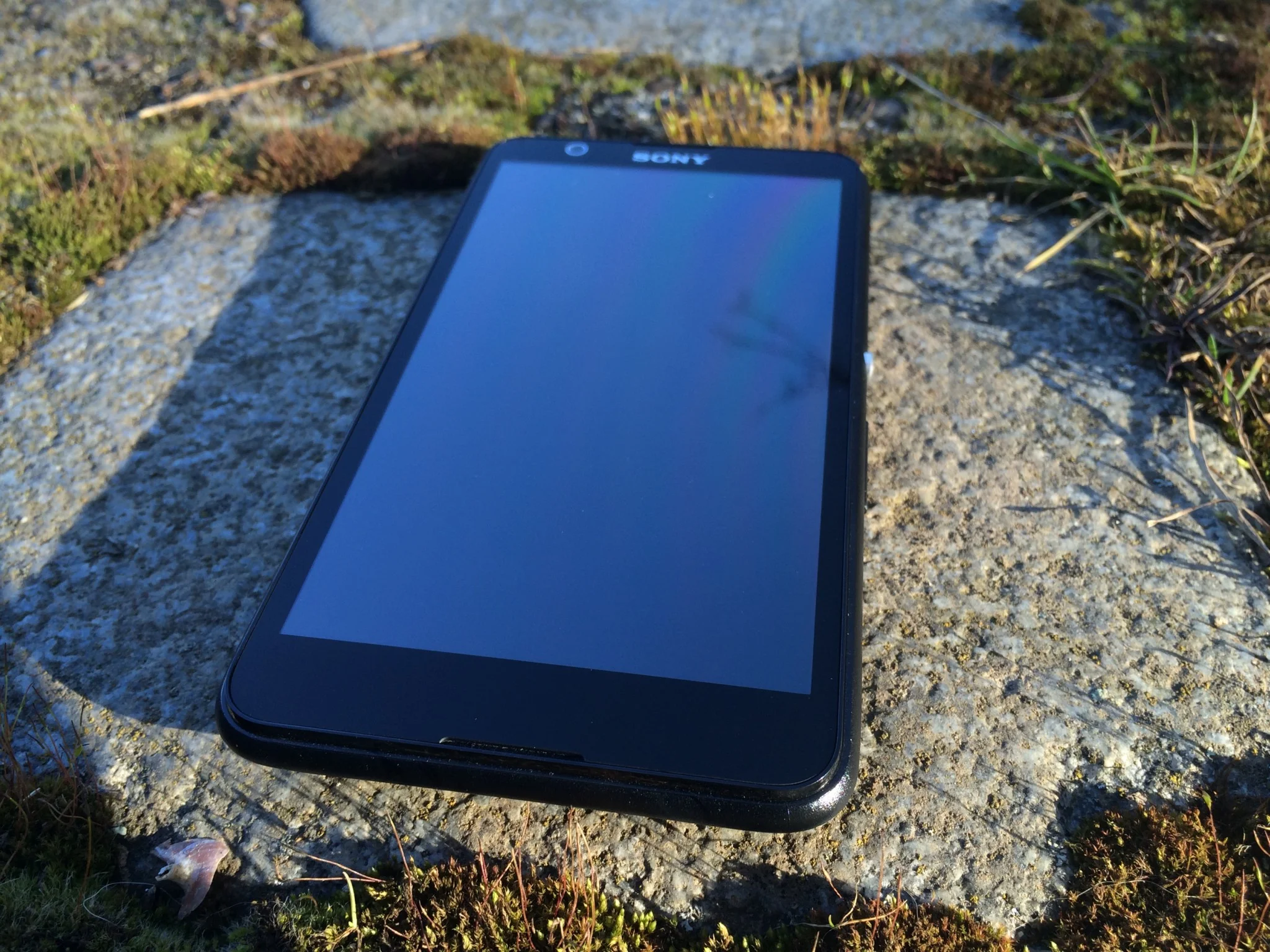
The front is dominated by the display, which also houses the on-screen controls. Above it sit the front-facing camera, earpiece, LED notification light, ambient light sensor, and proximity sensor. On the right side, there’s Sony’s distinctive power button, with a volume rocker below it.
Display
The display measures 5 inches and uses qHD resolution, or 960 x 540. That works out to a fairly low 220 ppi. Then again, this is a true entry-level phone, so expecting an HD panel would be a stretch. Sony says it’s an IPS display, and for the price, image quality and viewing angles are actually decent. The resolution is serviceable too, even if individual pixels are easy to spot up close. Outdoor visibility in direct sunlight isn’t good, but the screen remains at least somewhat usable. Based on my experience with the Xperia E1, I expected something much worse.
Hardware and performance
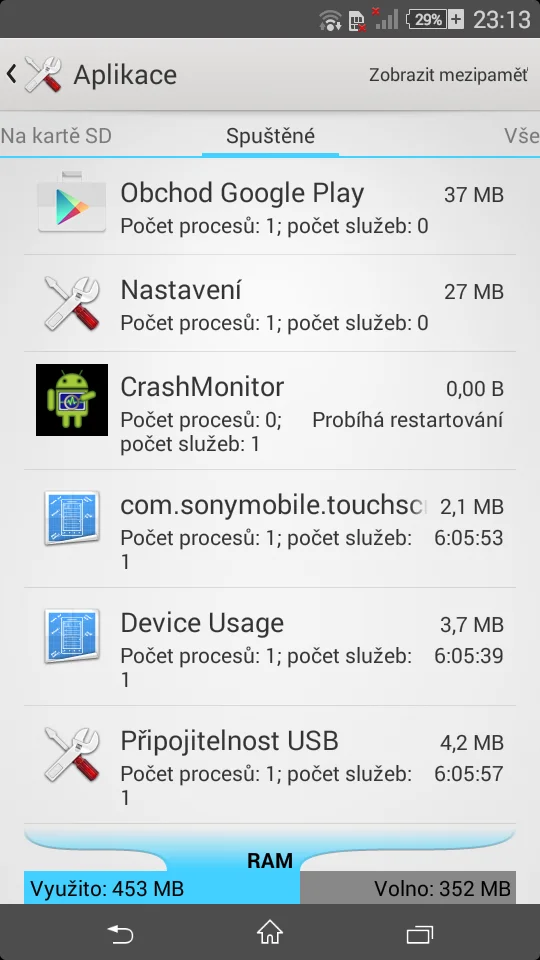
Inside is a very unusual processor choice for Sony. The phone runs on the MediaTek MT6582, a quad-core Cortex-A7 chip clocked at 1.3 GHz, paired with a Mali-400MP2 GPU. The 1 GB of RAM is welcome. In day-to-day use, this setup keeps the system reasonably smooth, though not flawless.
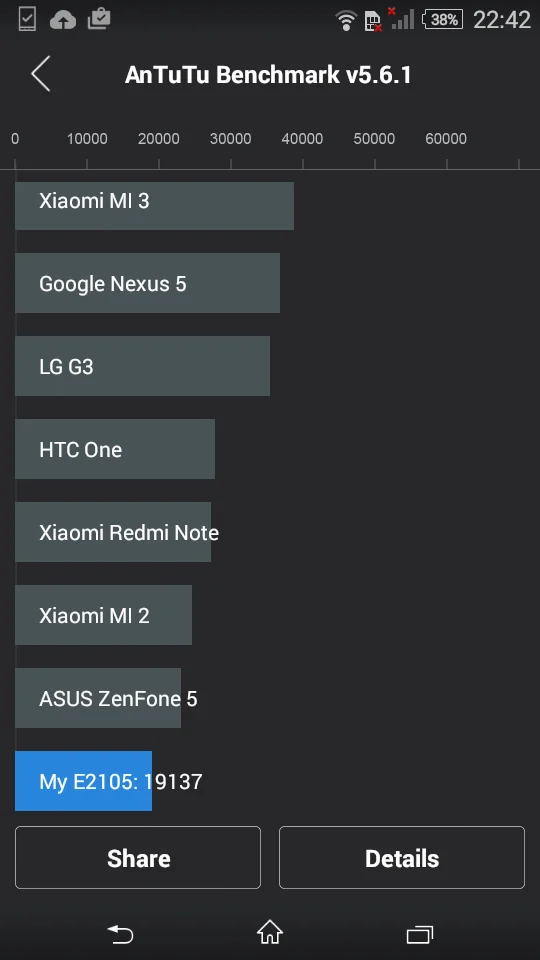
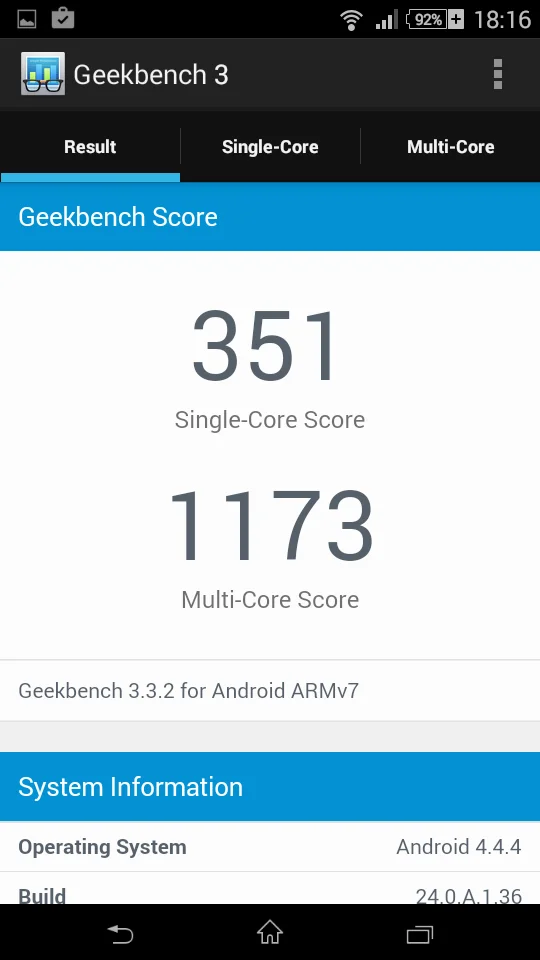
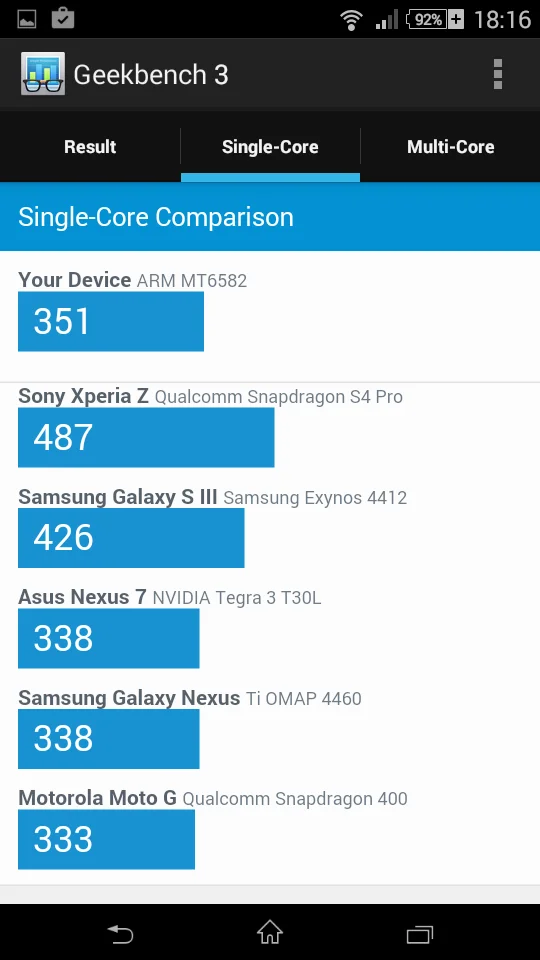
I also ran the usual benchmarks. In AnTuTu, the phone scored 19,137 points, putting it roughly in line with the Asus Zenfone 5. Geekbench 3 showed performance comparable to the Moto G with Snapdragon 400. Under normal use, around 400 MB of RAM is available for apps, with the rest reserved by the system.
Internal storage is 8 GB, with about 3 GB taken up by the system. That leaves roughly 5 GB for the user. Thankfully, there’s also a microSD slot supporting cards up to 32 GB, which helps a lot. For mobile data, the phone supports 3G HSDPA; LTE is reserved for the Xperia E4g, which Sony announced a few days after the E4. NFC is also limited to the Xperia E4g. The phone reviewed here also includes FM radio with RDS and DLNA. Sensor support is basic: proximity sensor, ambient light sensor, and accelerometer. There’s no gyroscope or compass.
Battery life
The battery is a non-removable 2300 mAh unit. Battery life, though, is good. Sony promises two days of normal use, and that’s realistic. If you push the phone harder with gaming and lots of web browsing, expect closer to one day. Sony’s familiar STAMINA mode is also here, cutting off mobile data and Wi-Fi when the screen is off.
Software
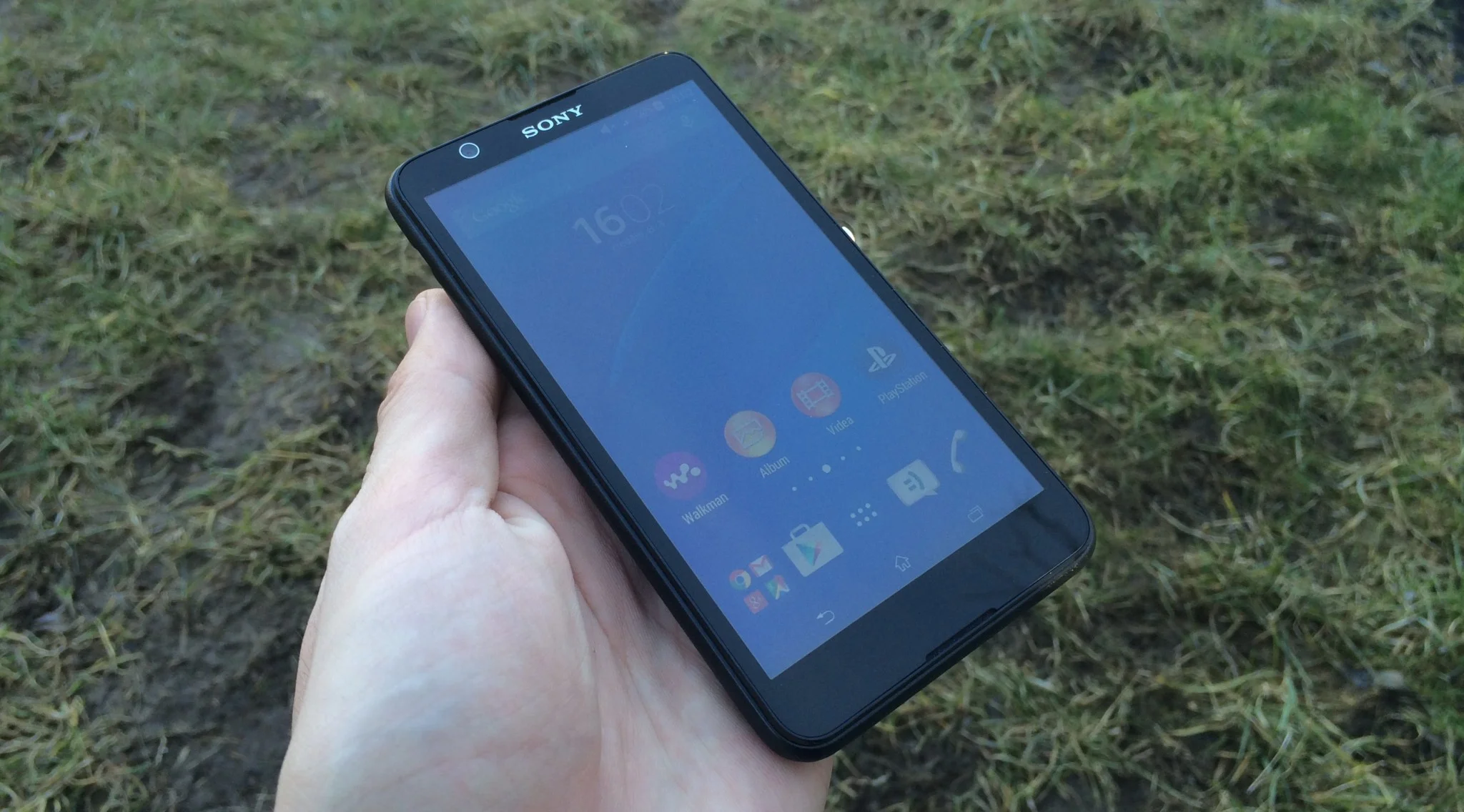
The phone runs Android 4.4.4 with Sony’s custom skin on top. According to Sony, an update to Android 5.0 Lollipop was never in the cards, which is disappointing but hardly surprising for the company’s entry-level model. Sony’s UI isn’t especially heavy, and optimization is generally solid. Most of the time, the phone feels reasonably quick, though you will run into the occasional hiccup. Stability is excellent, however; during testing, I didn’t see a single app crash. On the customization front, you can change the system color theme, including the background tint for the on-screen navigation keys.
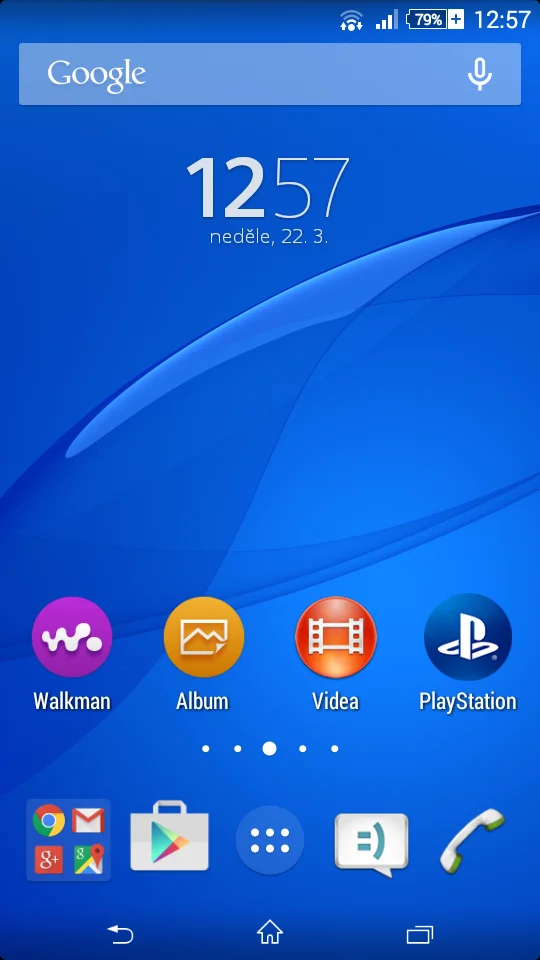
The notification shade is split into two sections. The first is for notifications themselves, while the second packs in a large set of toggles. You can rearrange them, add more, or remove the ones you don’t want. To jump straight to the toggle panel, just swipe down from the top of the display with two fingers instead of one. And if an app gets too noisy with unwanted alerts, you can block its notifications in settings.
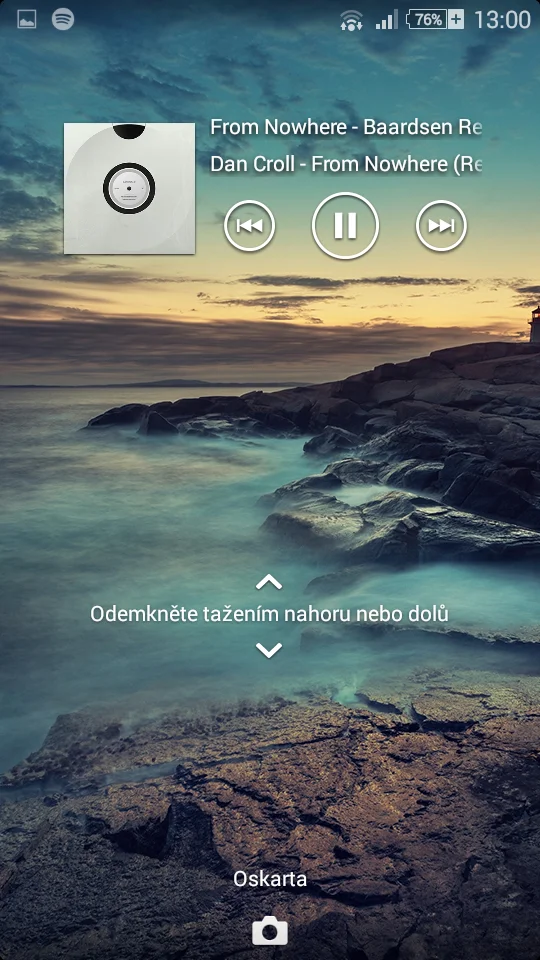
The lock screen still uses the old curtain-style animation, which Sony had originally dropped with KitKat. It remains here because it’s less demanding on performance than the newer effect used on most Xperia phones running this version of Android. The animated live wallpaper with the signature wave is gone too.

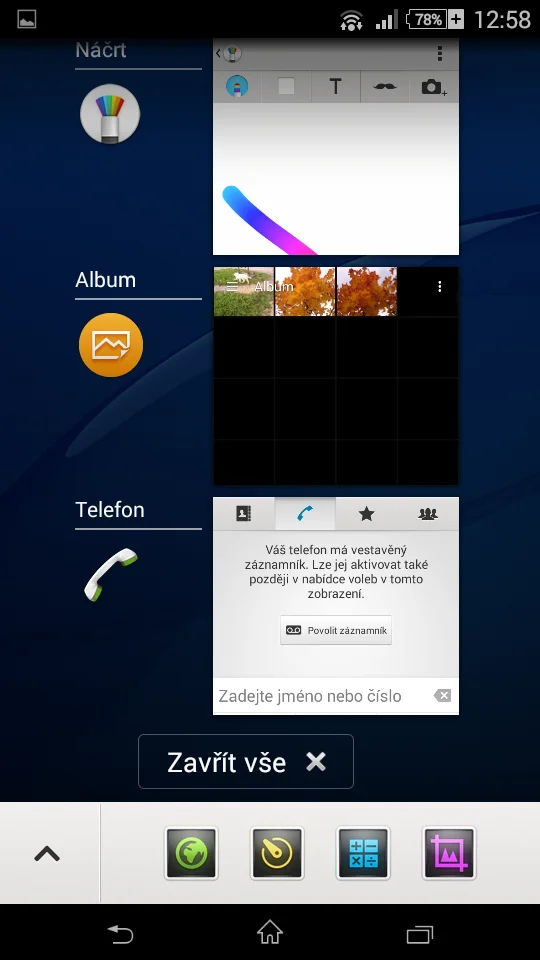
Multitasking still supports Sony’s so-called mini apps, small floating windows that sit on top of the interface. When switching between apps, you’ll see a list of them. Only a few come preloaded, but you can install more from Google Play. You can have up to five of these mini apps open at once.
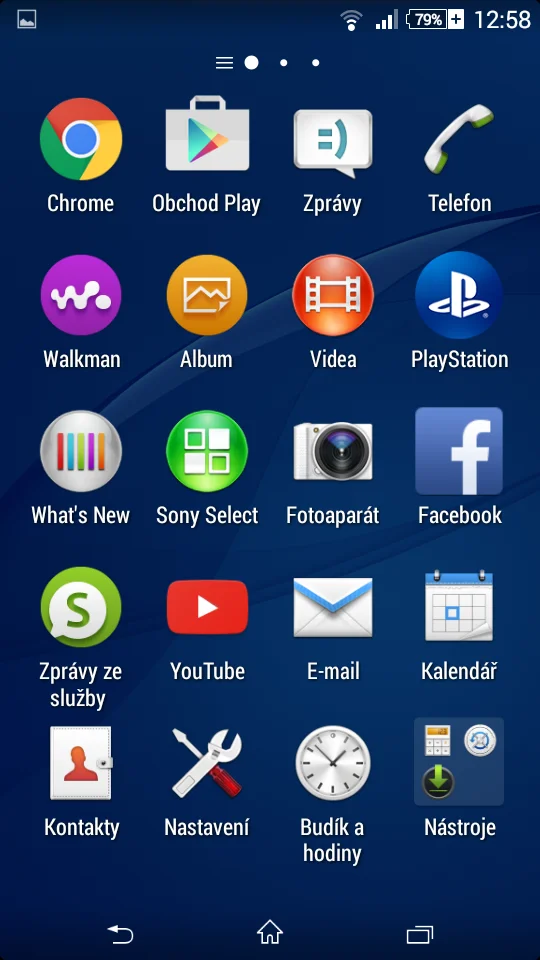
Built-in apps like Album, the Walkman music player, and TrackID received updates after initial setup, giving them a refreshed Material Design look. Apps can also be moved to the SD card.

Camera
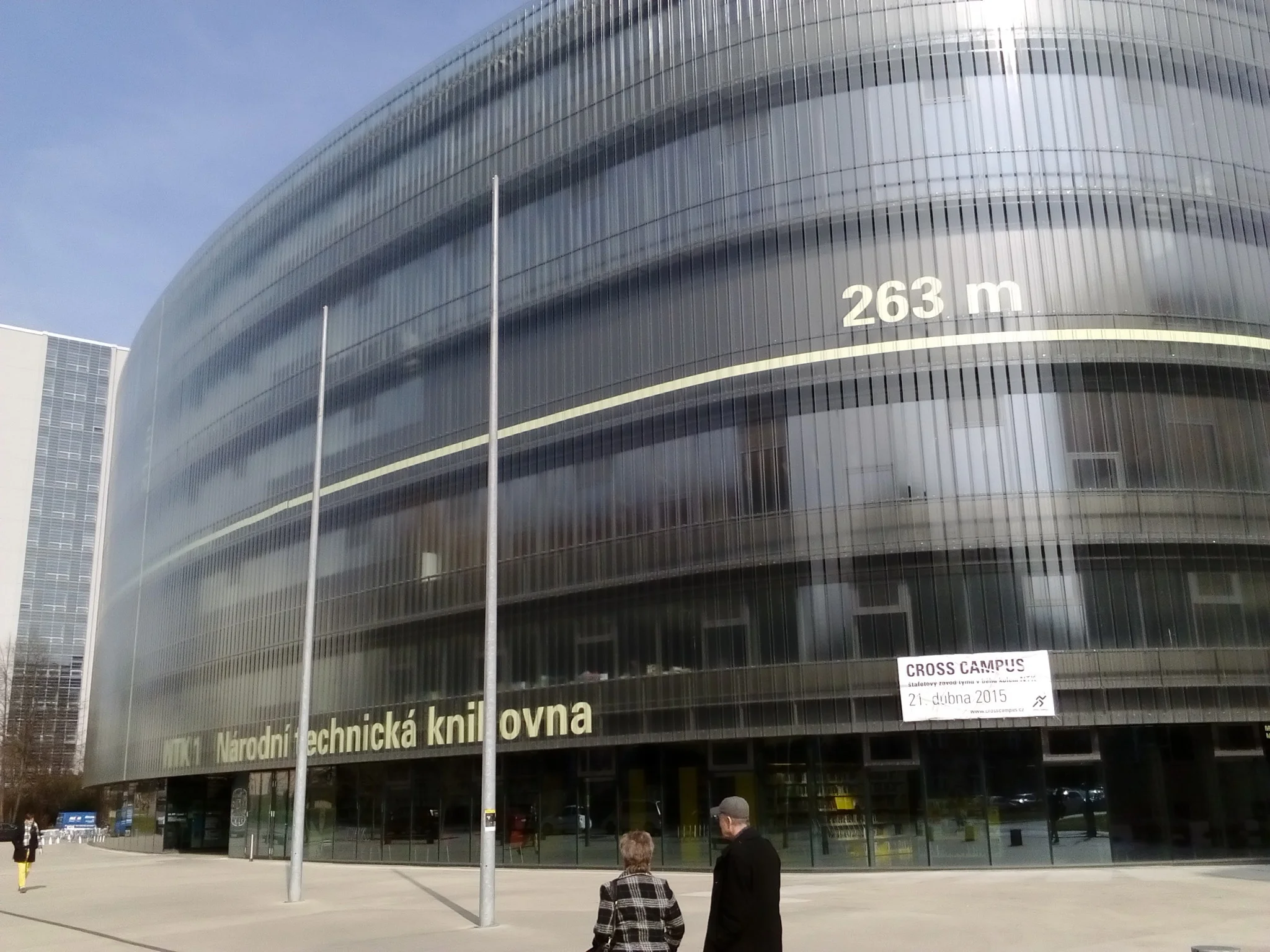
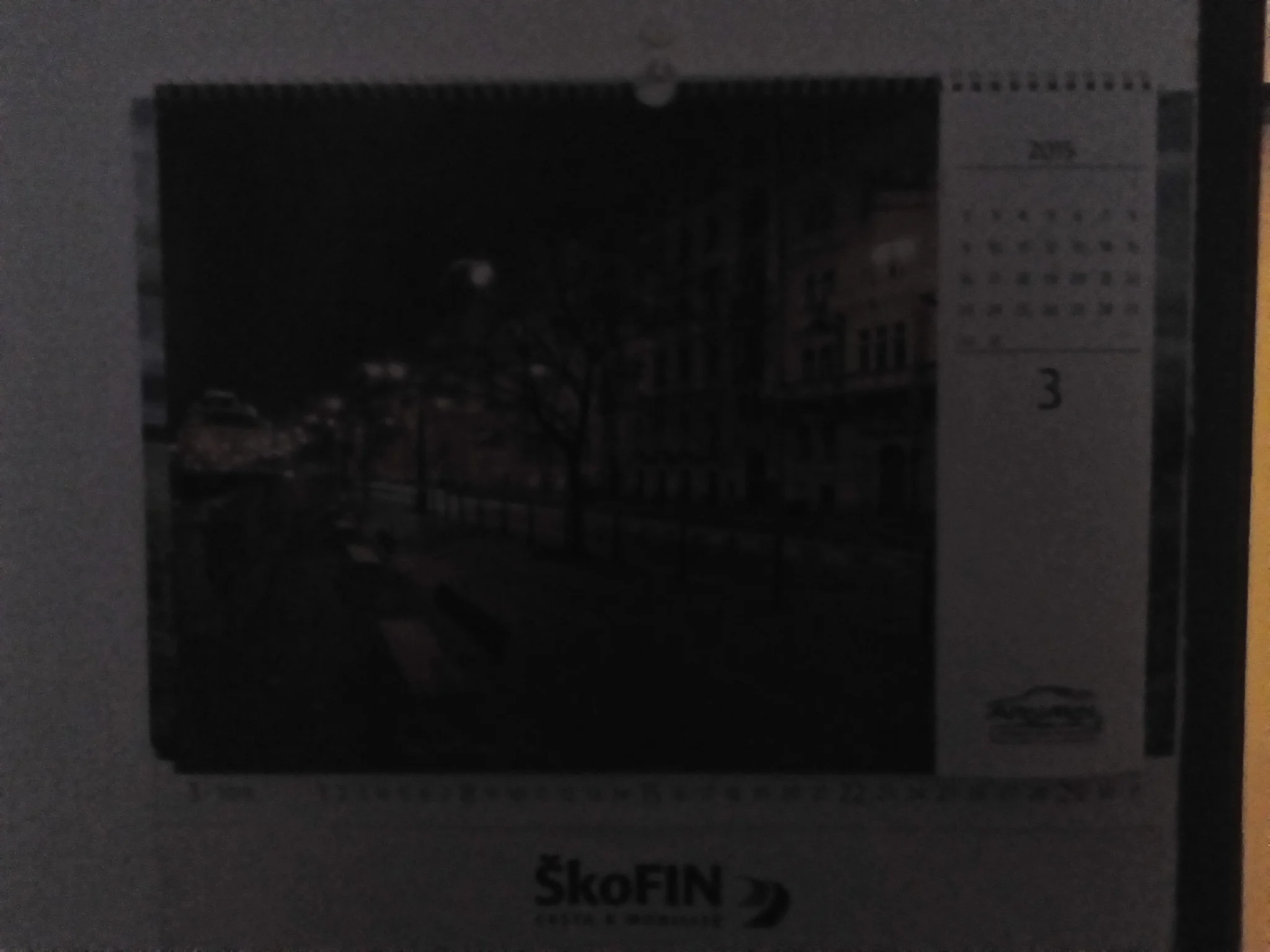
The camera offers a 5MP sensor with an LED flash and autofocus. That may sound basic today, but last year’s Xperia E1 didn’t even include autofocus. Even so, image quality is slightly below average. Colors tend to smear together, creating a soft, oil-painting effect that sometimes drifts into full-on impressionism. It gets worse in low light. In dim scenes, shots also lose much of their color and can look almost black and white. Every now and then, though, the camera does produce a decent shot, and macro results aren’t half bad. The camera app itself is almost overly generous, with modes ranging from full auto and panorama to various augmented reality effects.
Video recording tops out at 1080p at 30 frames per second. There’s also software stabilization, which tries to help but often makes the image wobble more than it should. Final video quality is average, maybe a bit better than the still photos.




Verdict
Sony hasn’t exactly been getting budget phones right lately, at least from my perspective. I ran into plenty of issues while testing the Xperia E1 (in Czech) and Xperia M2 (in Czech), and those problems weren’t minor. This model is no exception. That said, the shortcomings here aren’t quite as severe.
A chassis built from inexpensive materials is expected at this price, and the lower-end performance isn’t surprising either. The real letdown is the camera, which continues to be the biggest weak spot of Sony’s cheaper Xperia phones. Its results are underwhelming. On the plus side, the speaker gets impressively loud, battery life is solid, and system optimization is actually pretty decent. For an undemanding user, this phone may be enough, but don’t expect anything remarkable from it. Another drawback is the lack of LTE and NFC, though Sony addresses that with the Xperia E4g. That’s the version I’d recommend looking at if the Xperia E4 caught your eye, since it’s almost the same phone. The Xperia E4 sells for around 3,000 CZK (approx. $137 / €123), while the E4g costs roughly 600 CZK more (approx. $27 / €25).
Pros
- low price
- battery life
- speaker volume
Cons
- camera
- only a very short USB cable in the box
- display visibility in sunlight

We’d like to thank Alza.cz for providing the Sony Xperia E4 for this review. You can buy it here.
Community Discussion 0 COMMENTS