
It wasn’t that long ago that Honor arrived as a new smartphone brand. In reality, it’s an offshoot of Huawei. Late last year, Honor introduced the Honor 6 Plus in China, and the phone officially reached the market in mid-May.
The Honor 6 Plus is a larger, and arguably better-equipped, version of the original Honor 6 (review) (in Czech). The “Plus” branding suggests you’re getting more hardware, and to a point, that’s true.
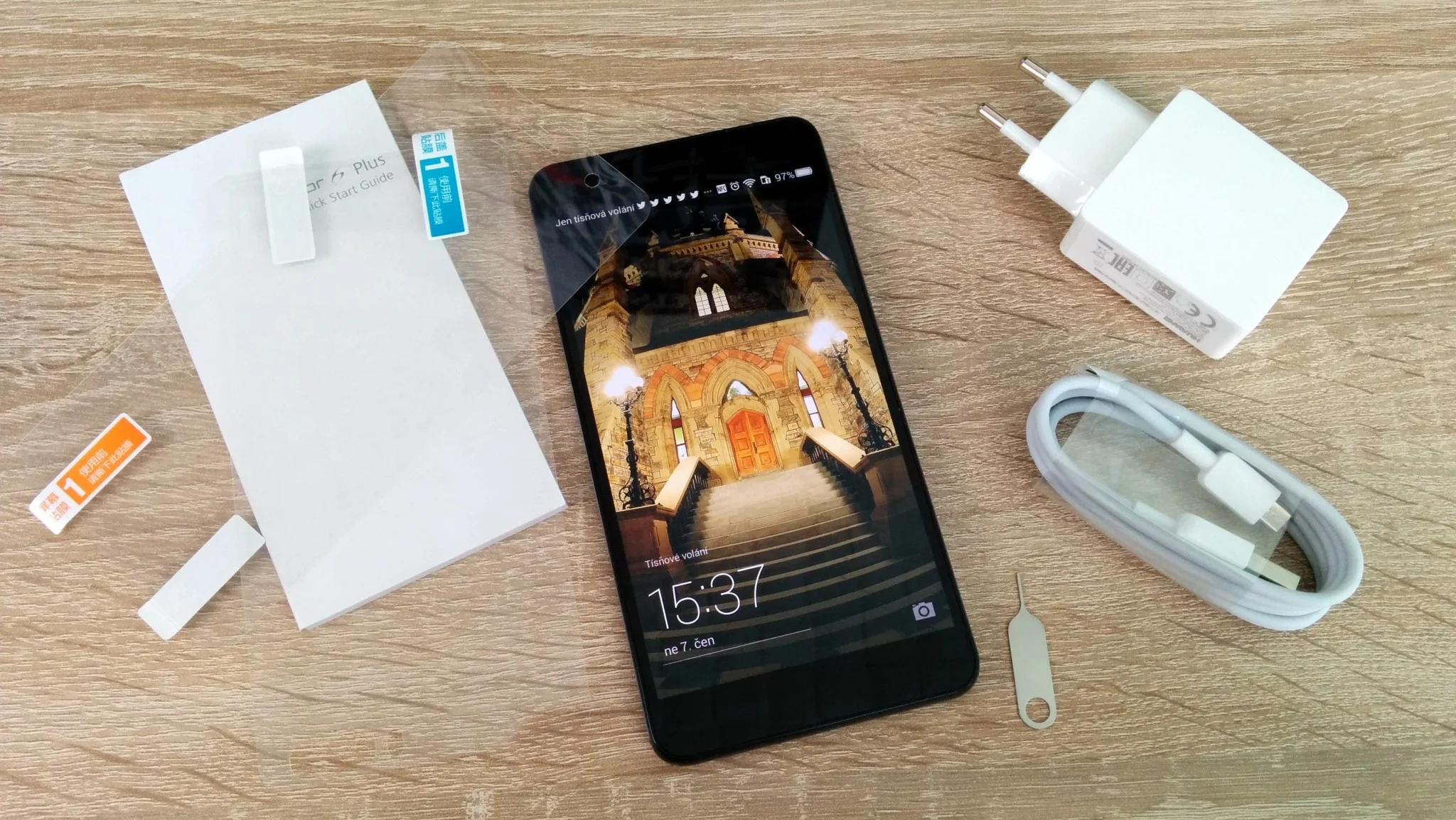
Inside the box, you get the basics, though Honor did make room for protective films for both the front and back. Beyond that, there’s a quick guide, charger, USB cable, and the tool for opening the SIM and microSD trays. No headphones here.
Design
The Honor 6 Plus sells for more than 11,000 CZK (approx. $504 / €452), which puts pressure on the build quality. The good news: it delivers. There’s glass on the back, and the frame is mostly metal. Only the bottom section is plastic, but that’s hardly a drawback. It’s smooth and rounded, so it won’t dig into your pinky if that’s how you support the phone during calls.
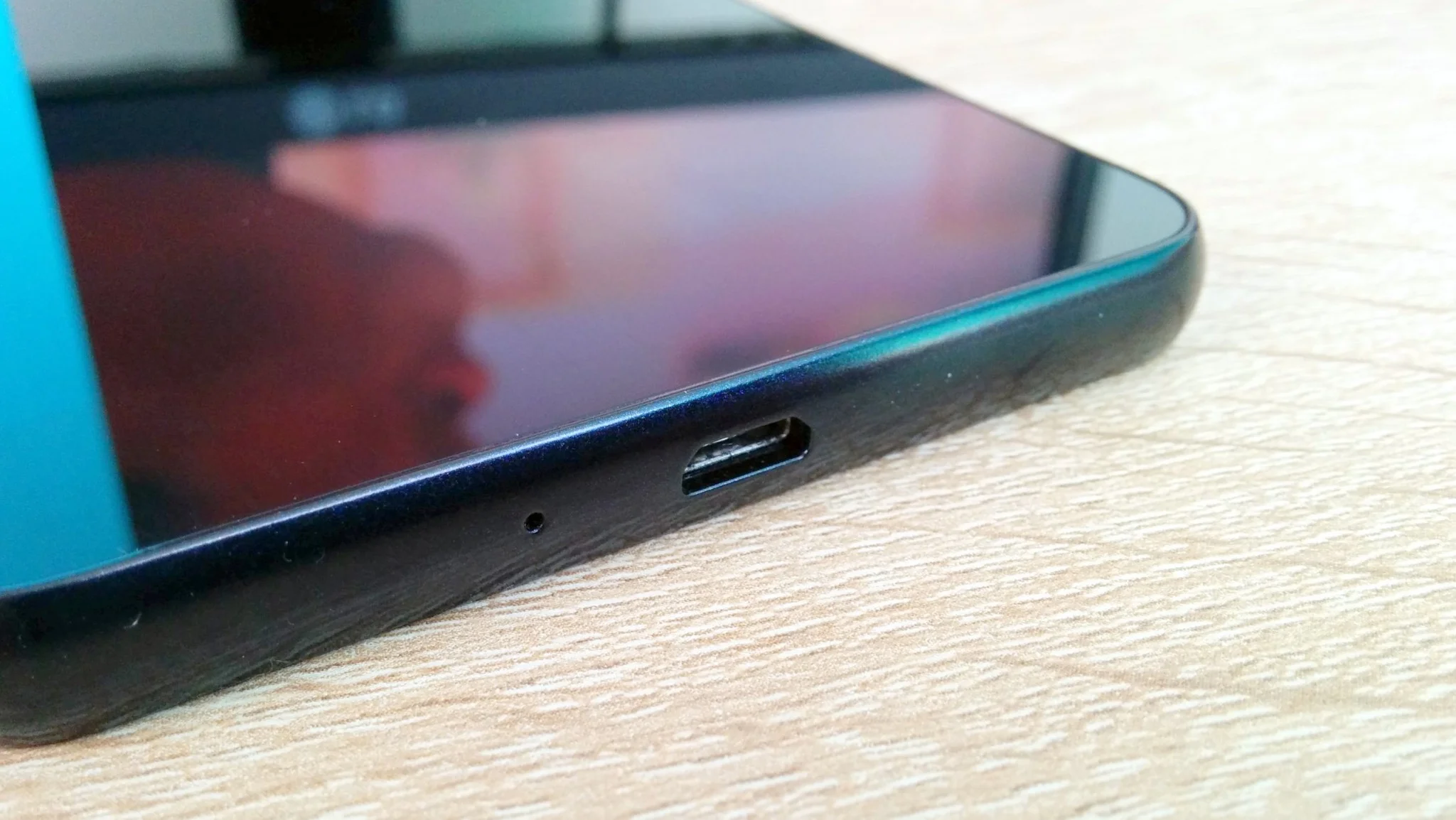
On the bottom edge, there’s a standard microUSB port for charging and data. The cable fits securely, though over time you can expect a bit of looseness. You’ll also find a small opening here for the main call microphone.
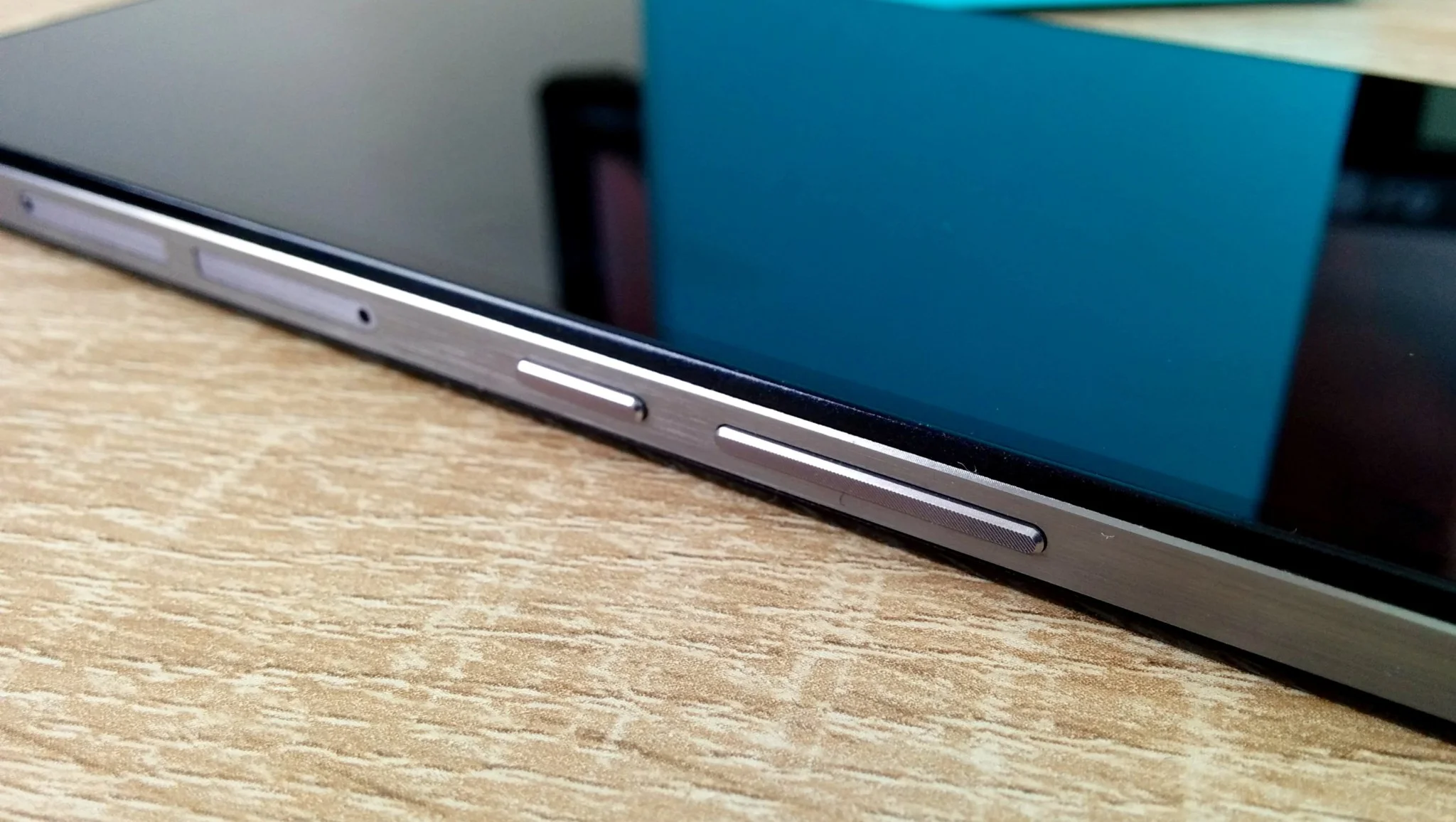
All of the buttons sit on the right side of the phone. First is the volume rocker. The volume-down key also doubles as a quick camera shortcut; press it twice in rapid succession and the phone can capture a shot in under a second. Sometimes it takes a bit longer, around 1.5 seconds, depending on how busy the Honor 6 Plus is at the time. Below the rocker is the power button for waking or turning off the display and phone.
Build quality is solid overall. The buttons have a firm click, and they’re easy to find by touch. That said, there is a bit of play in them, which could become annoying over time. During testing, though, it never caused a problem.
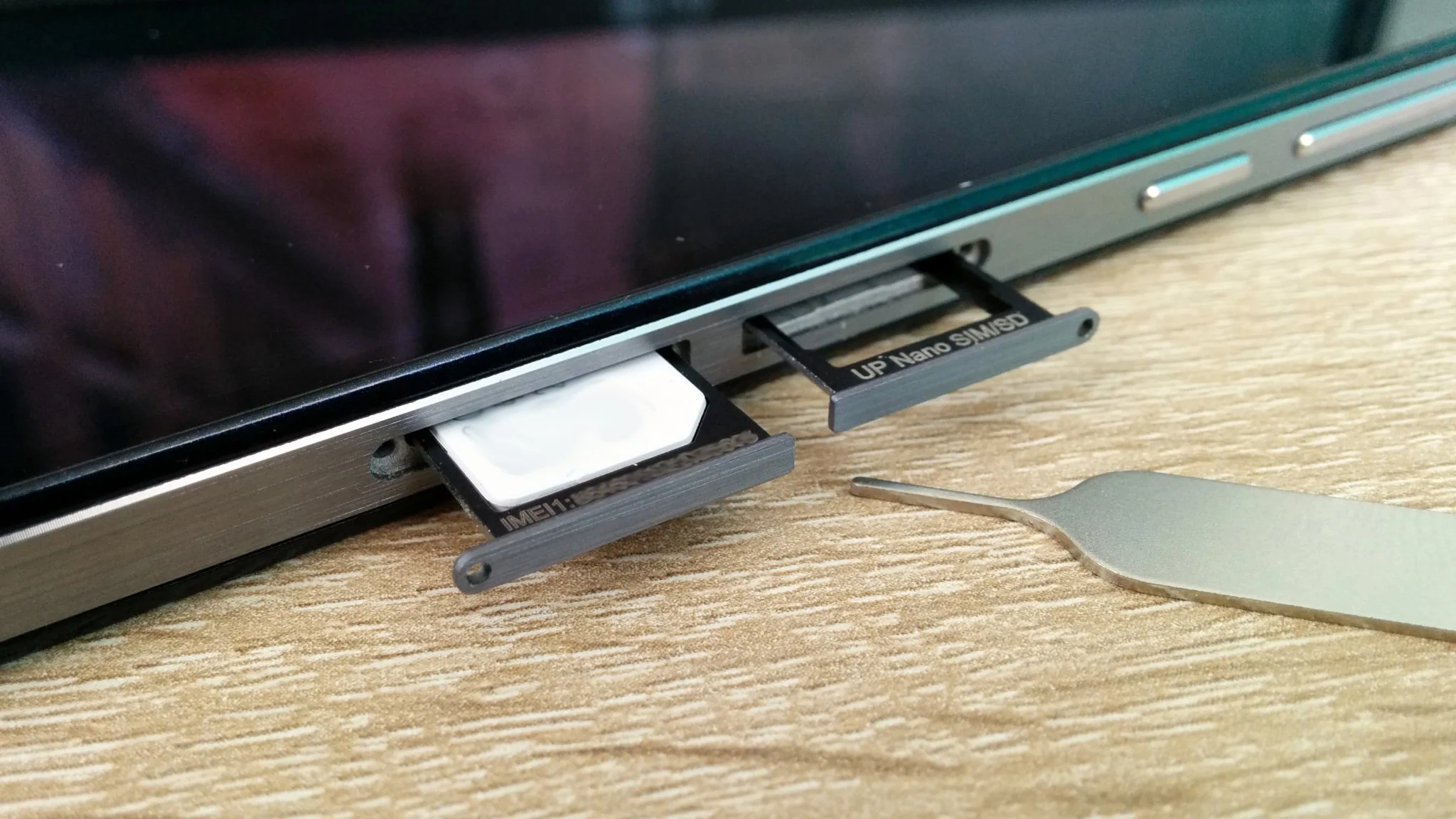
Below the three-button cluster are the card trays. The lower slot is for a microSIM card. Above it is a second tray that forces a choice: either use a microSD card to expand the built-in storage by up to 128GB, or insert a second SIM in nano size. You can’t use two SIM cards and a microSD card at the same time.
The trays sit flush enough with the body that they don’t get in the way during normal use. If you grip the phone tightly, though, you can feel them.
The top edge houses a second microphone for noise cancellation during calls. Next to it is an infrared sensor for controlling home electronics like TVs and Blu-ray players. There’s also the expected 3.5mm headphone jack.
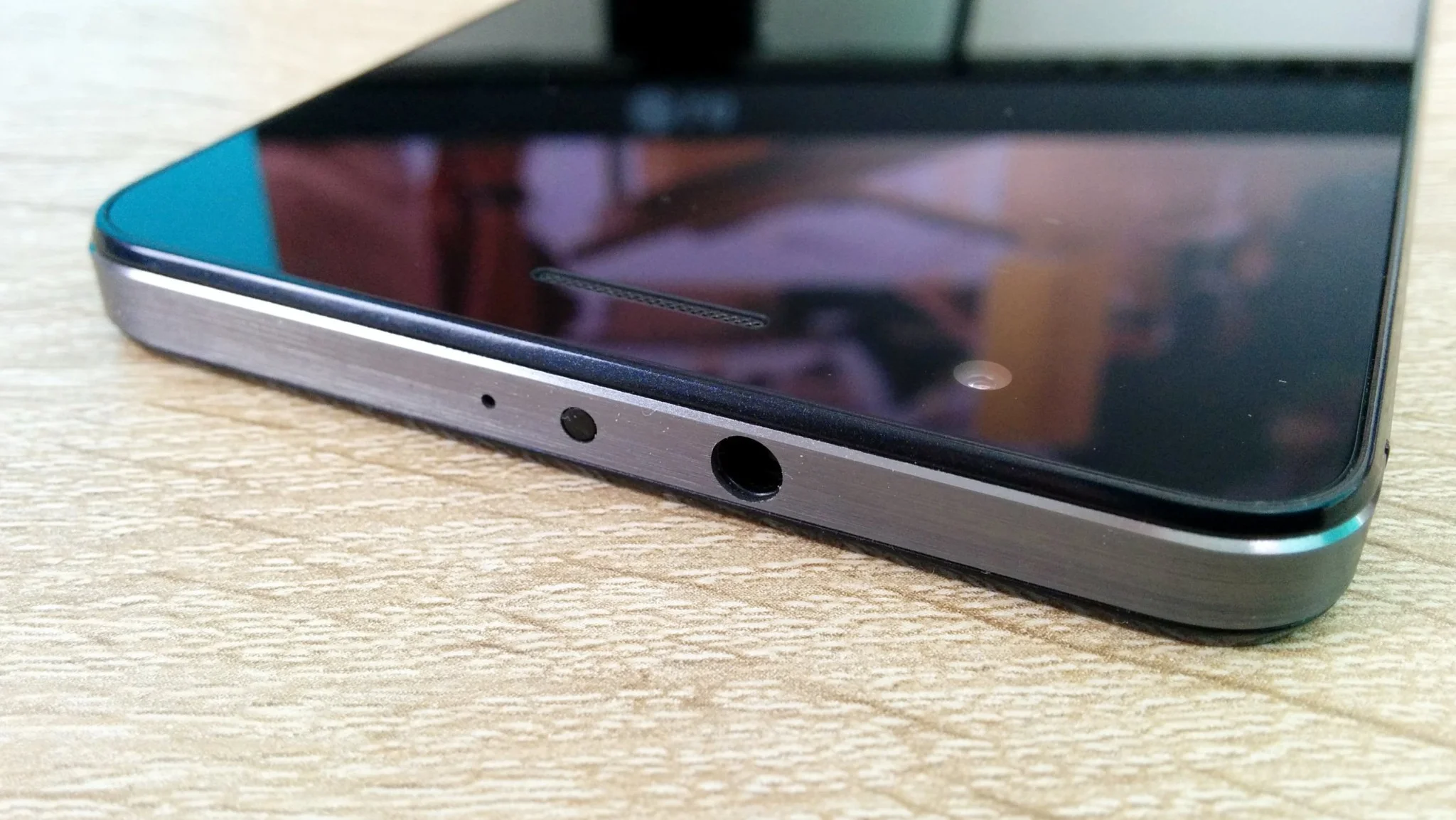
The left side is completely clean, with no controls at all. In my experience, it also stays the coolest under load. That likely means there’s nothing major tucked inside on that side, with most of the phone’s core hardware sitting opposite it.

The phone has just one speaker, and it’s placed on the back. It sits beneath a row of holes cut into the glass itself. It gets fairly loud, but this isn’t some breakout audio performer. Turn the volume up and the entire glass back starts to resonate. Overall, the sound is good enough for most users, as long as you’re not especially picky about audio.
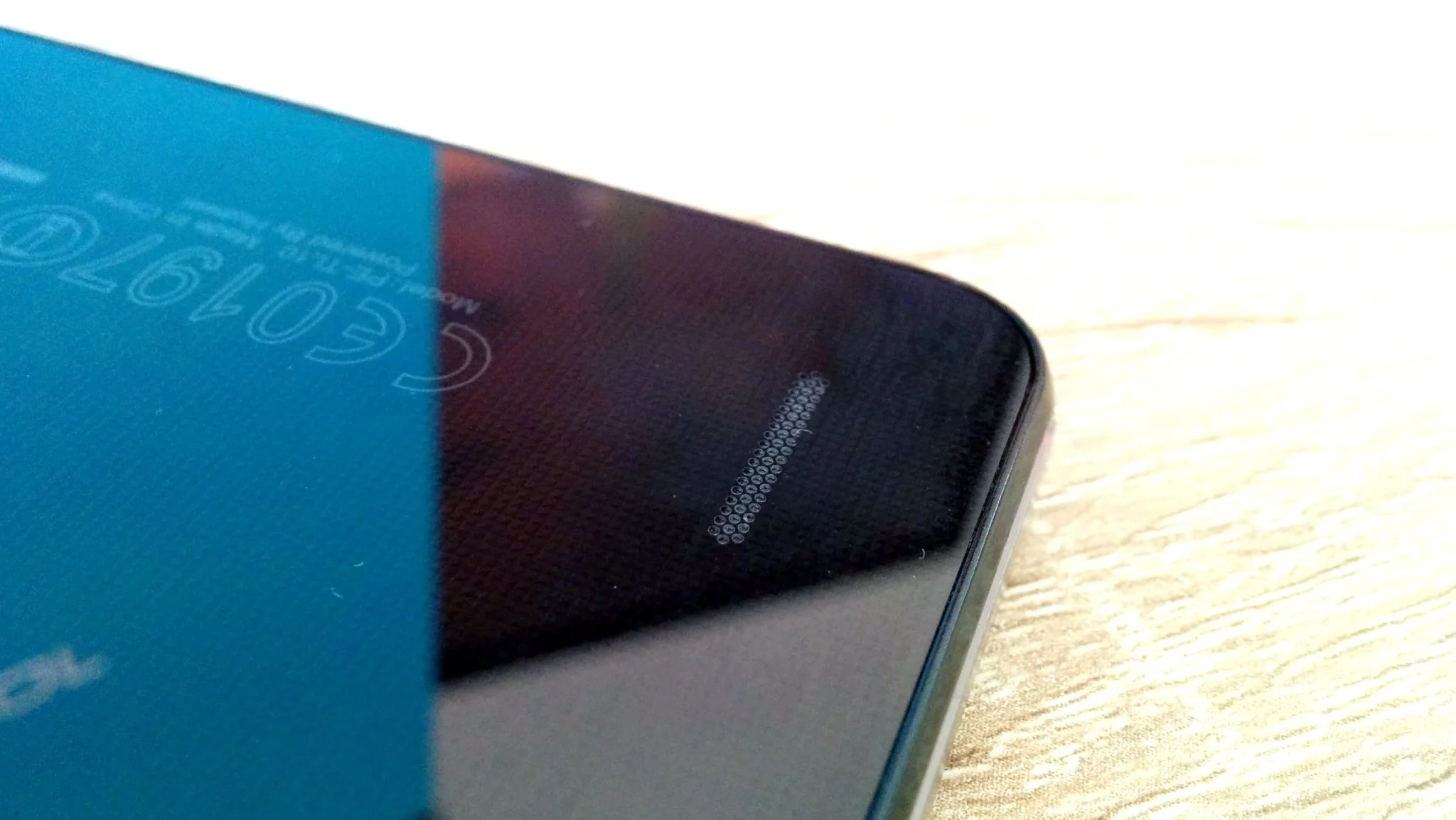
Honor deserves credit for the overall fit and finish. Nothing creaks, the buttons are reasonably sturdy despite a little play, nothing digs into your fingers, and everything feels firmly in place. The edges are a bit sharper than I’d prefer, both front and back, but they’re easy enough to get used to. For the money, this is a well-built device that doesn’t feel out of place in a higher tier.
Performance
As mentioned earlier, the Honor 6 Plus has deep Huawei roots. You can see that in the hardware, too, with a processor built by Huawei itself. Specifically, it uses the HiSilicon Kirin 925, an octa-core chip split into two clusters using big.LITTLE architecture. The higher-performance cores are Cortex-A15 units clocked at 1.8GHz, while the remaining Cortex-A7 cores run at 1.3GHz. Those handle lighter tasks and draw less power.
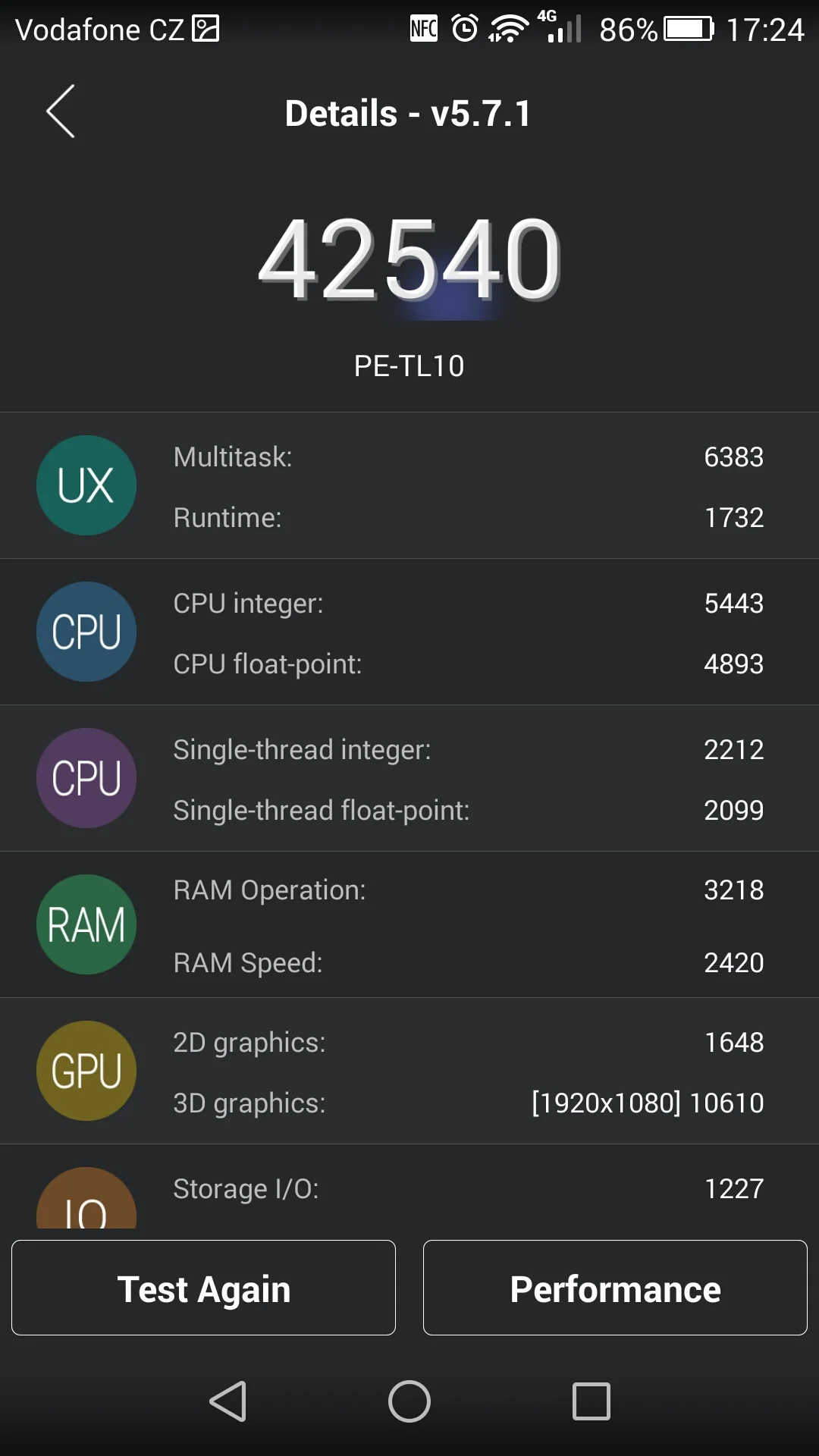
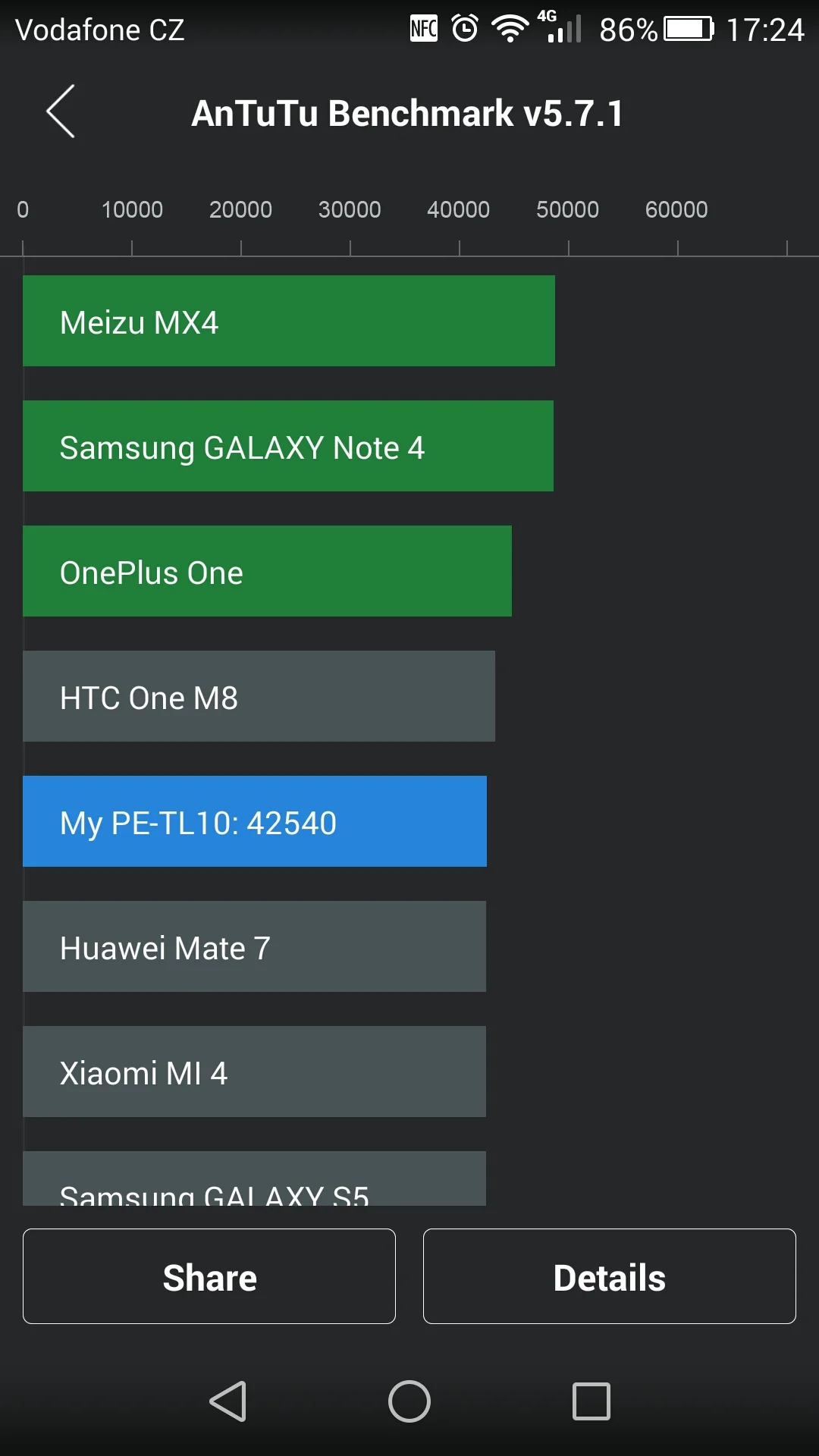
The phone comes with 3GB of RAM. That gives it plenty of breathing room, and it’s a real strength for this smartphone. Graphics are handled by the Mali-T628 MP4. Altogether, this setup delivers enough power even for demanding apps. Benchmark results are very solid, which translates into smooth day-to-day performance across the system.
The Honor 6 Plus is equipped with a 5.5-inch display with Full HD resolution, 1920 x 1080 pixels. That works out to a pixel density of 403ppi. It’s not the highest number on the market, but it’s still more than sharp enough. You’d need exceptionally good eyesight, or a magnifying glass, to pick out individual pixels. The IPS LCD panel doesn’t match AMOLED in every area, especially black levels, but it’s still a quality display. Visibility outdoors is good as long as you bump the brightness up. The default auto-brightness tuning isn’t great, though thankfully you can tweak settings yourself.
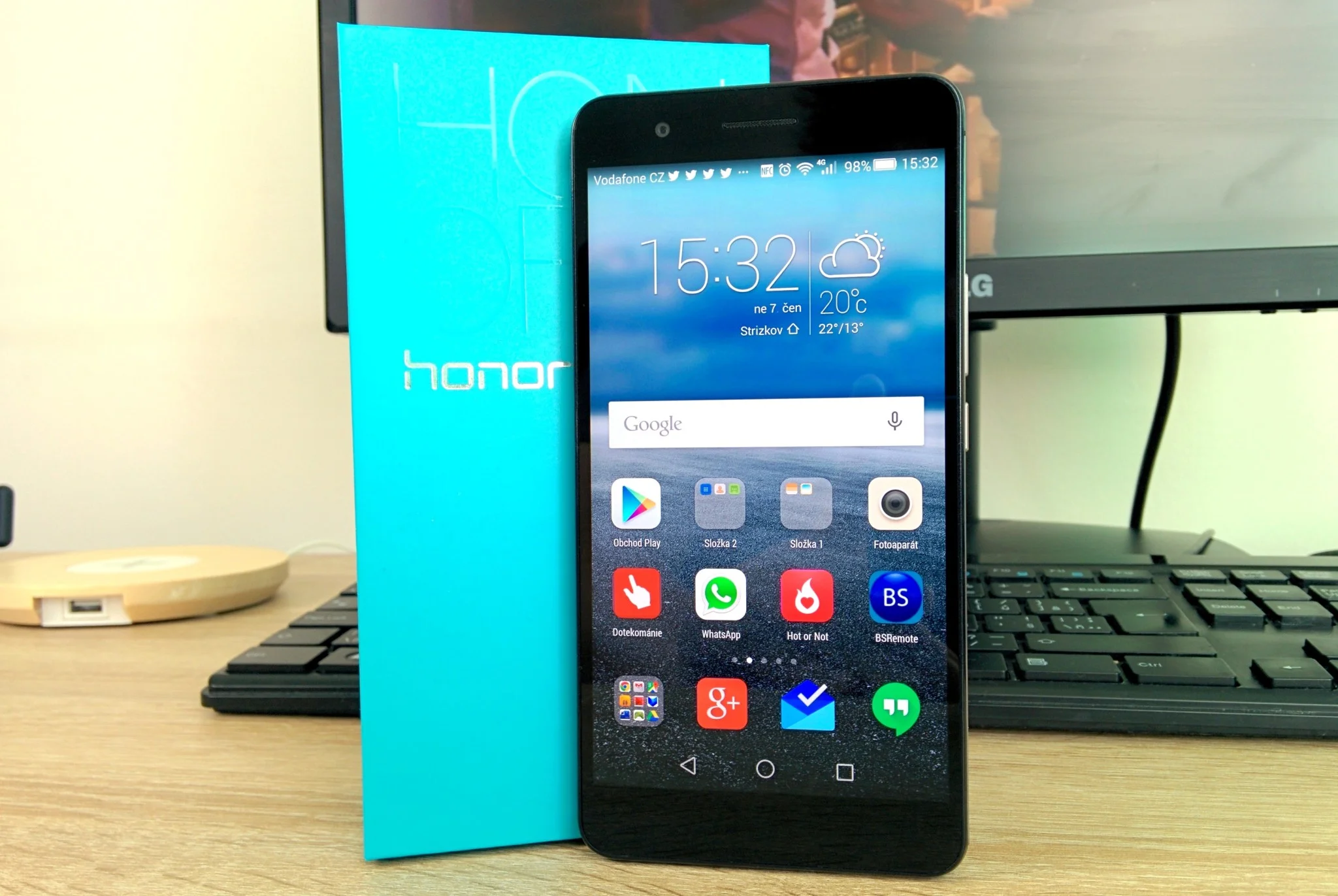
The front also includes a tri-color notification LED hidden next to the 8MP front-facing camera. Standard sensors sit above the earpiece. For connectivity, you get Wi‑Fi 802.11b/g/n, Bluetooth 4.0 + EDR, GPS, AGPS, NFC, and LTE. Unfortunately, LTE support itself is fairly limited. You’ll get 4G coverage in larger cities, but outside them, that won’t always be the case. The main reason is the lack of support for the 800MHz and 900MHz bands. In practice, that means relying on 3G or even 2G once you leave urban areas.
This phablet measures 150.5 x 75.7 x 7.5 mm. I actually wouldn’t have minded a thicker body if it meant room for an even bigger battery, although the built-in 3,600mAh cell is already respectable. The choice of materials also affects the weight, which comes in at 165 grams.
Internal storage is available in 16GB or 32GB versions. Around back, there are two 8MP cameras paired with a dual-LED flash.
Software
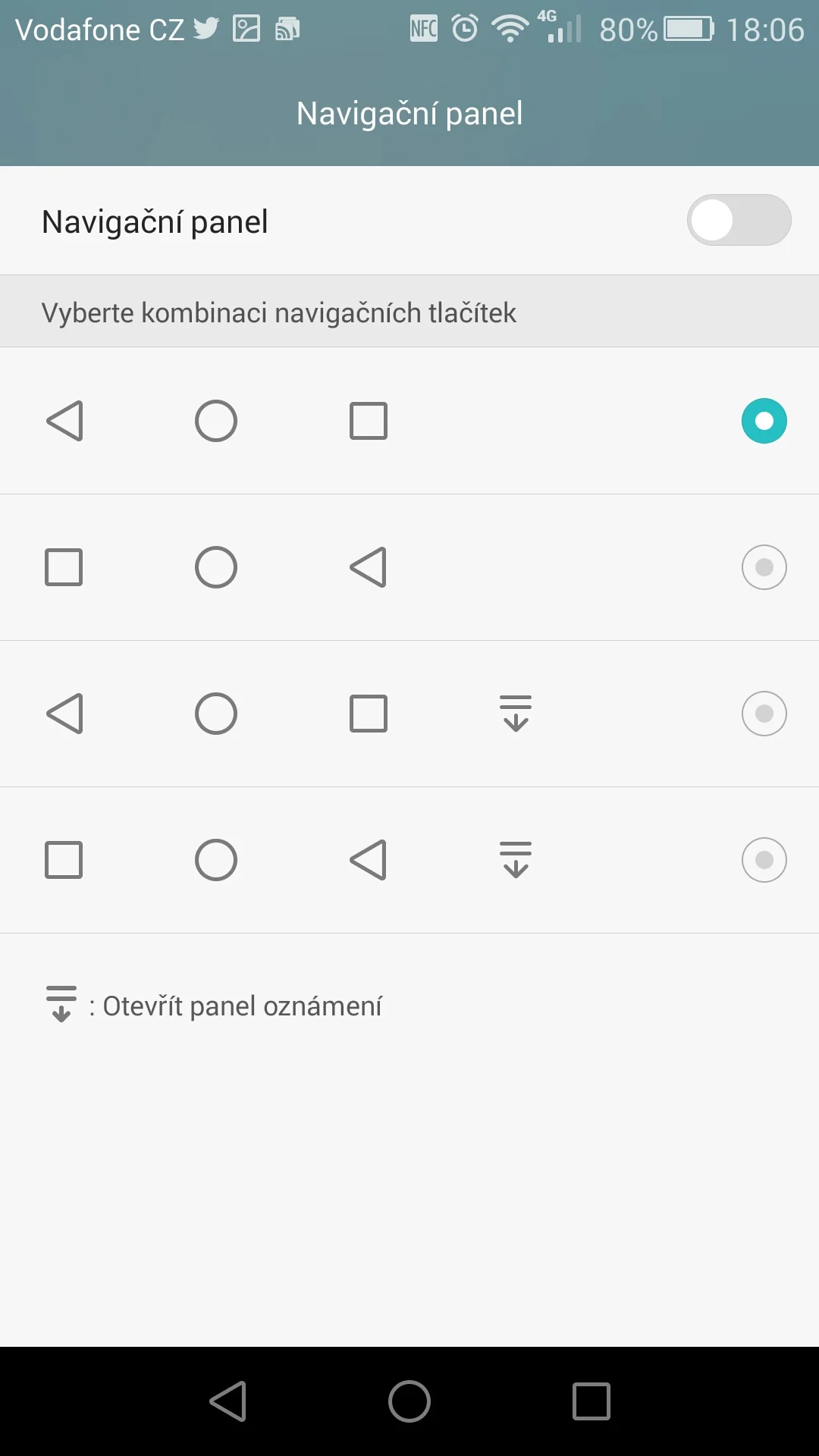
Software is a big part of any smartphone experience, and the Honor 6 Plus runs EMUI 3.0 based on Android 4.4.2 KitKat. At first glance, though, you might think you’re looking at something closer to Android 5.0 Lollipop, at least judging by the system navigation buttons. That’s just cosmetic.
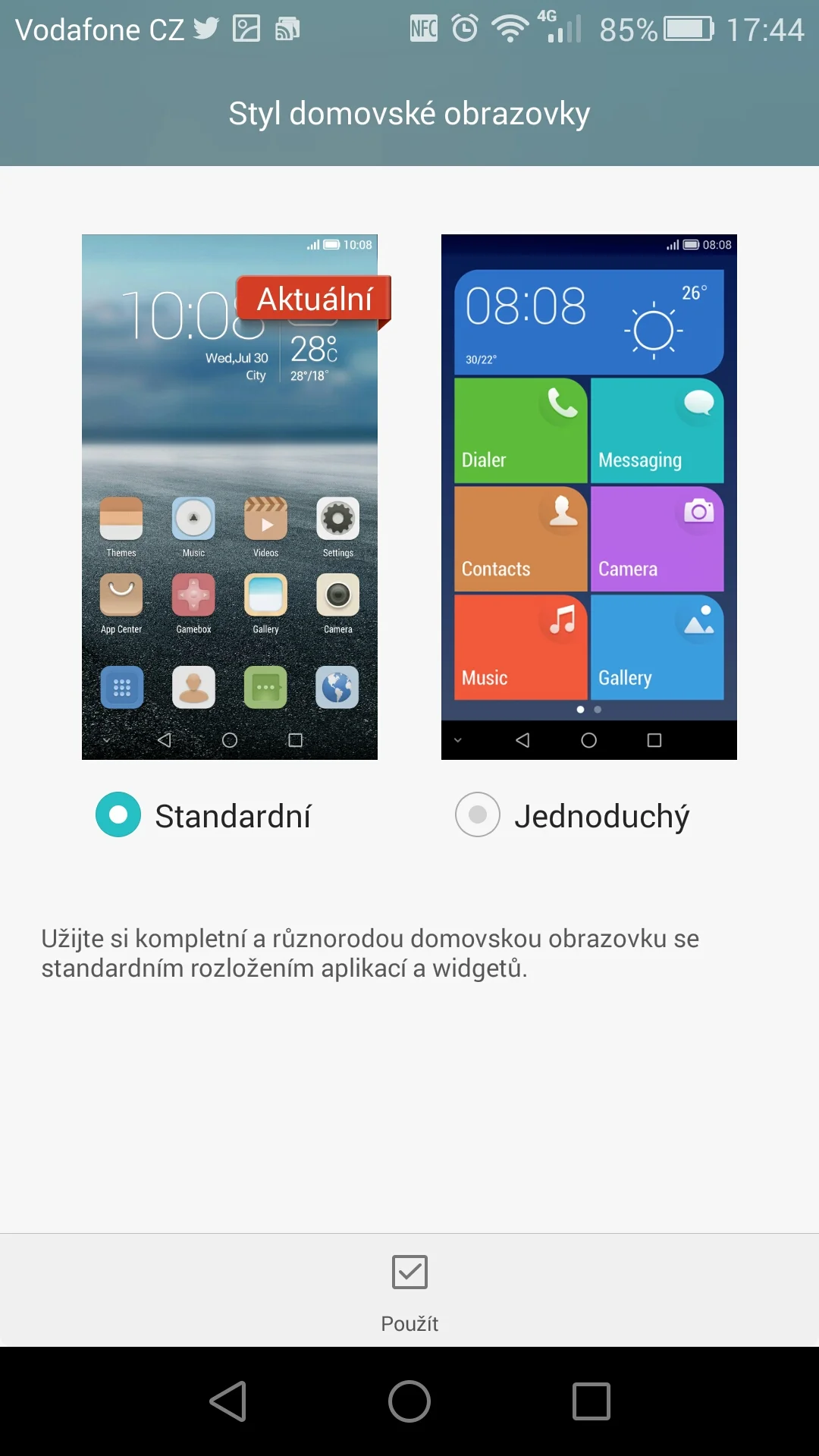
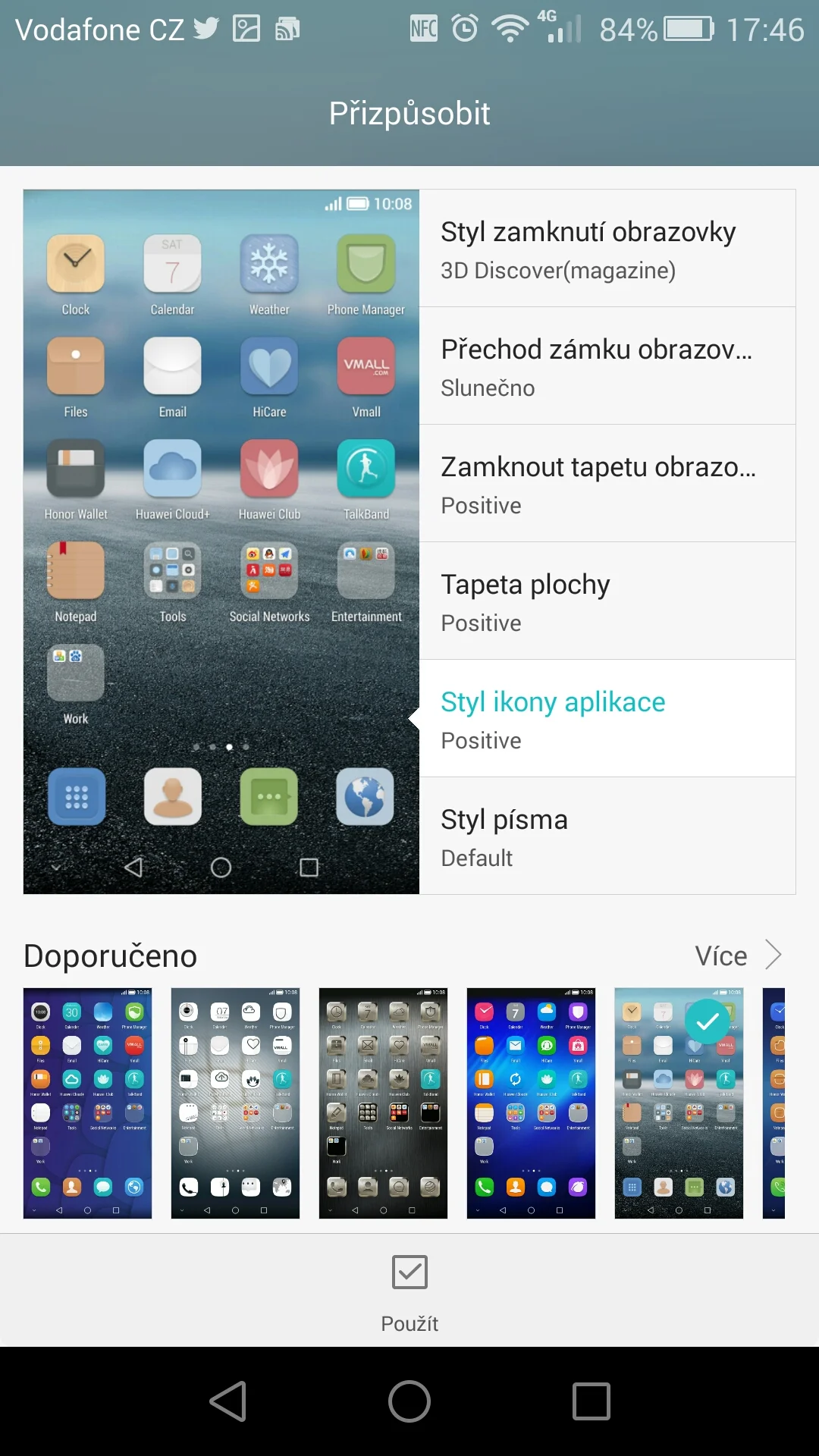
The launcher, which forms the core of the interface, clearly borrows ideas from iOS. There’s no separate app drawer here. Everything lives directly on the home screens. So if you want to tidy some icons away, you’ll need to create a folder and move them there. If you try to remove them outright, you’ll uninstall the app instead. The interface does offer enough room for basic customization, from widgets and wallpapers to animations.
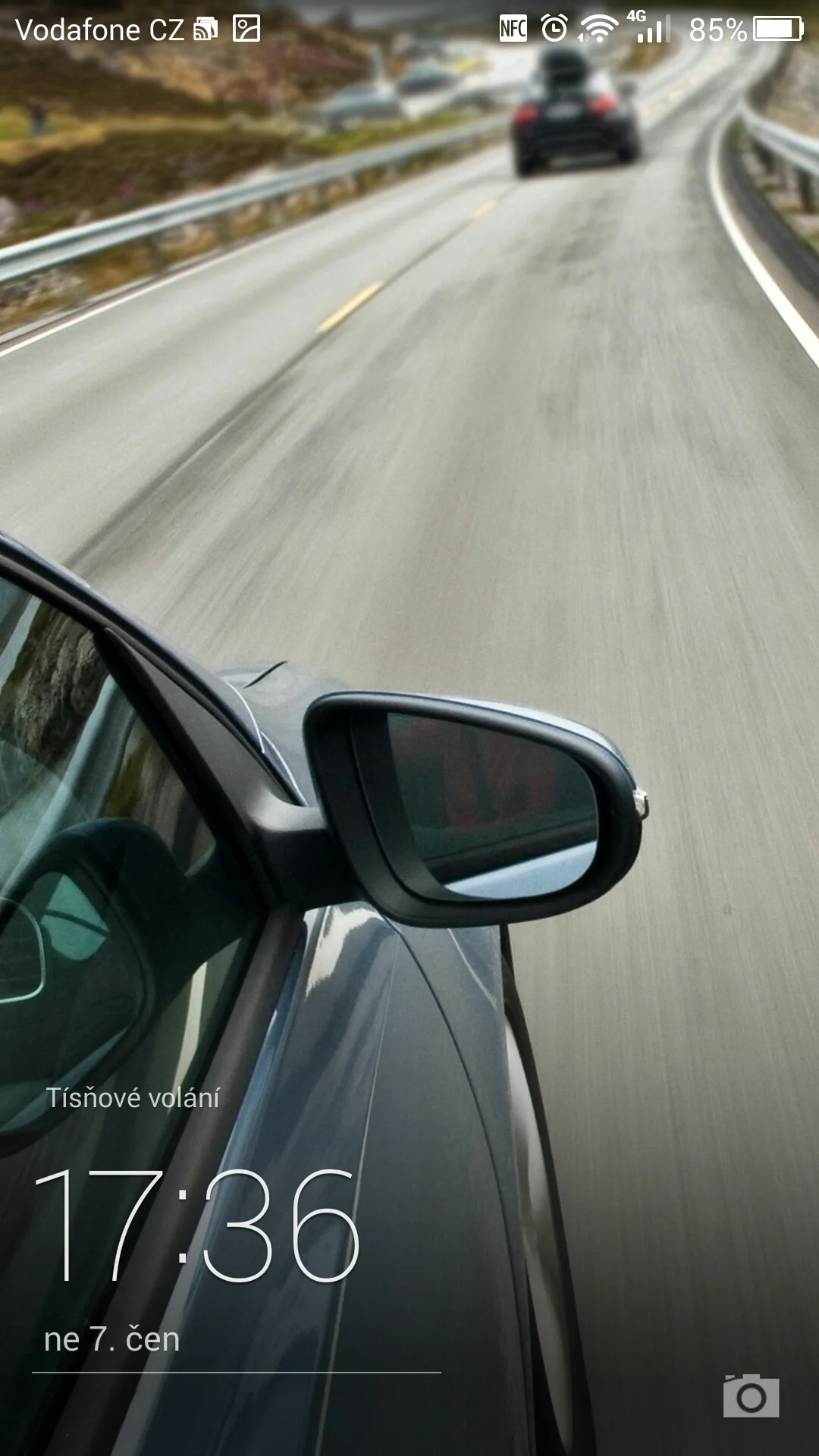
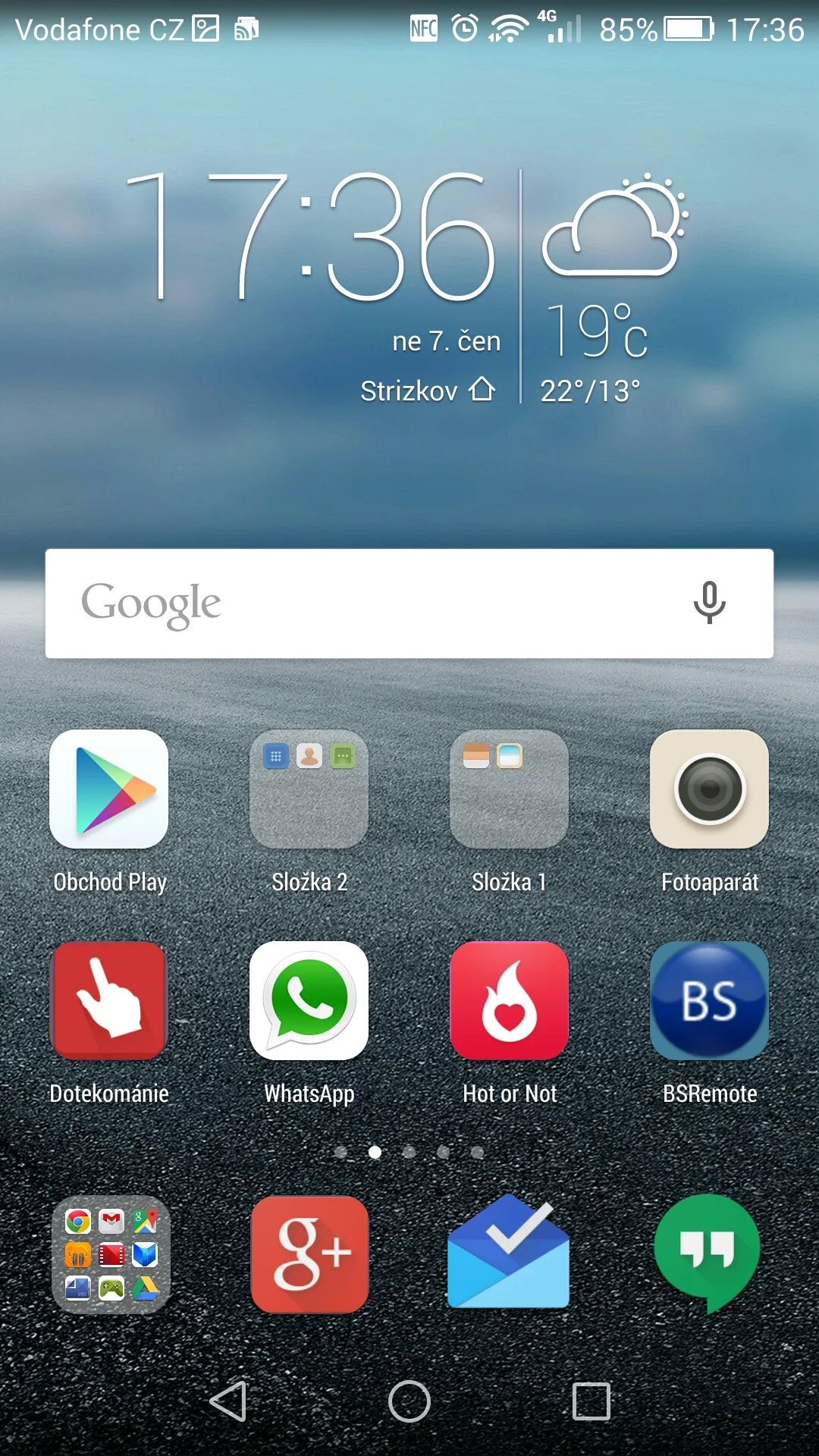

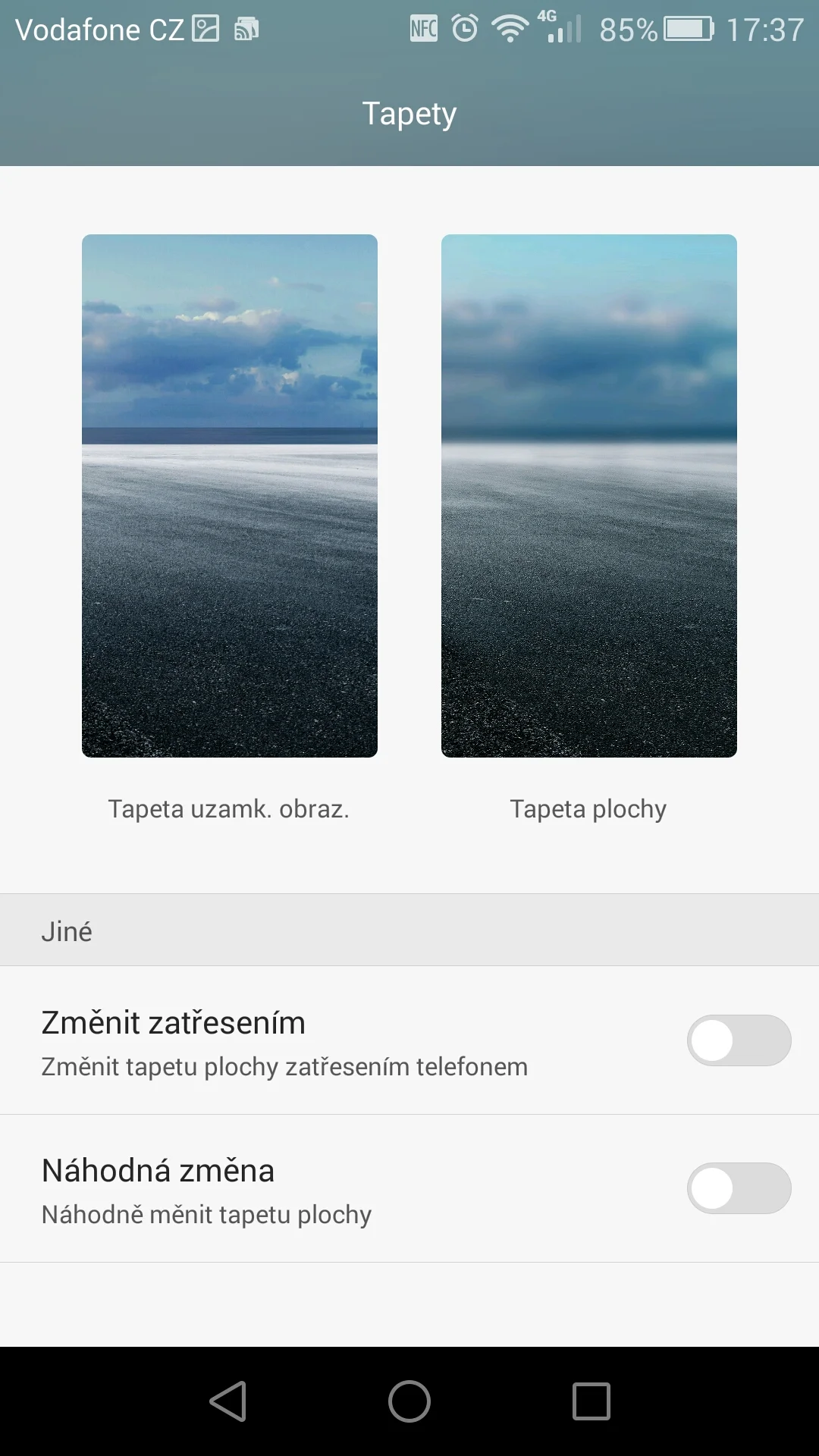
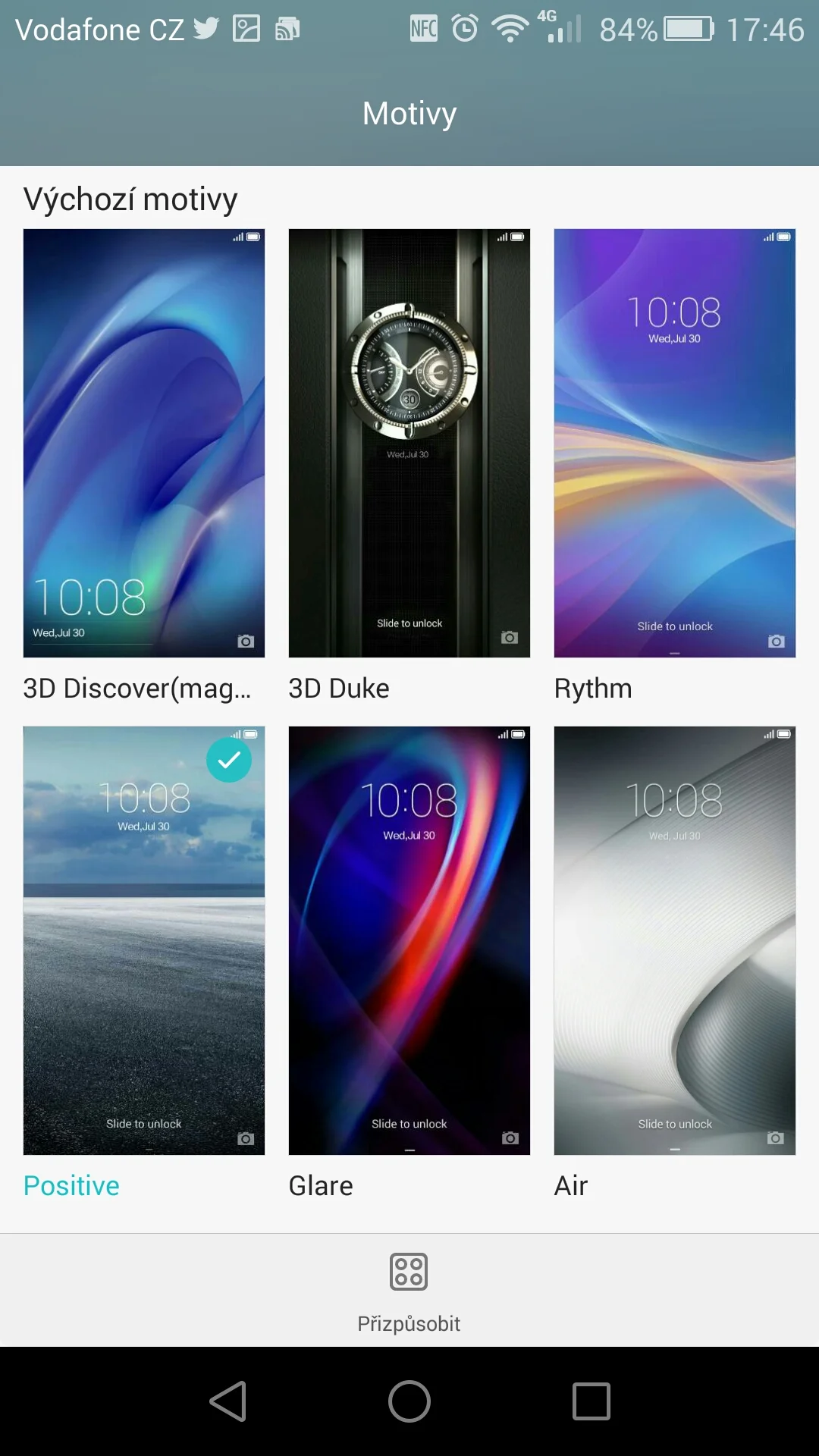
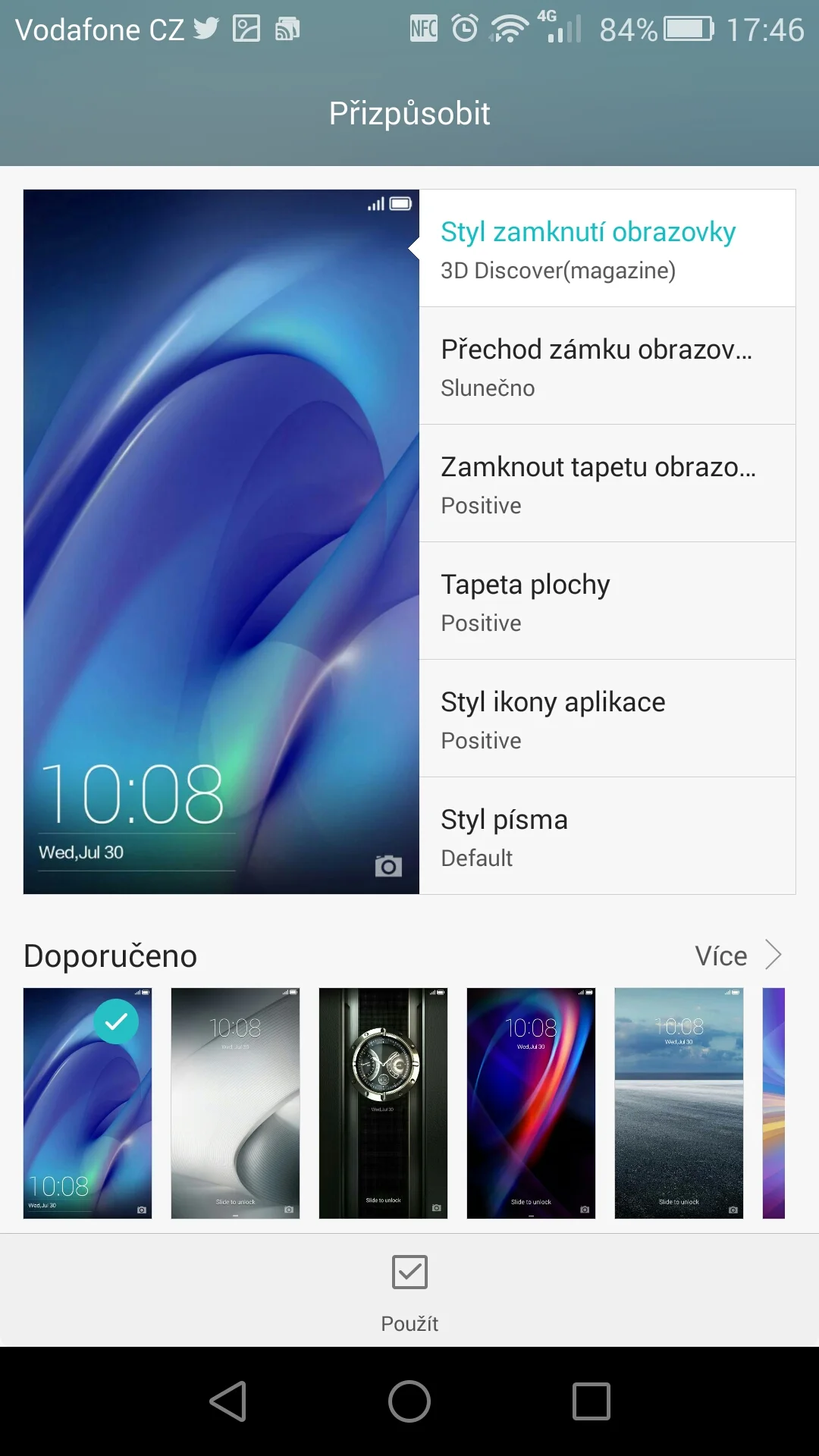
Honor, or more accurately Huawei, put a lot of effort into the visual design, and that extends to the icons themselves, which are rounded whether you like that style or not. Still, you’re not locked into a single look. The phone includes built-in theme support, and those themes can be customized to your liking. If that still isn’t enough, there’s always the option of installing alternatives from the Play Store.
The notification shade has also been heavily redesigned, showing events in a timeline-style layout. There’s also an easy way to clear everything at once. The downside is optimization: the default white background can sometimes make notifications hard to read when the app itself also uses white text.
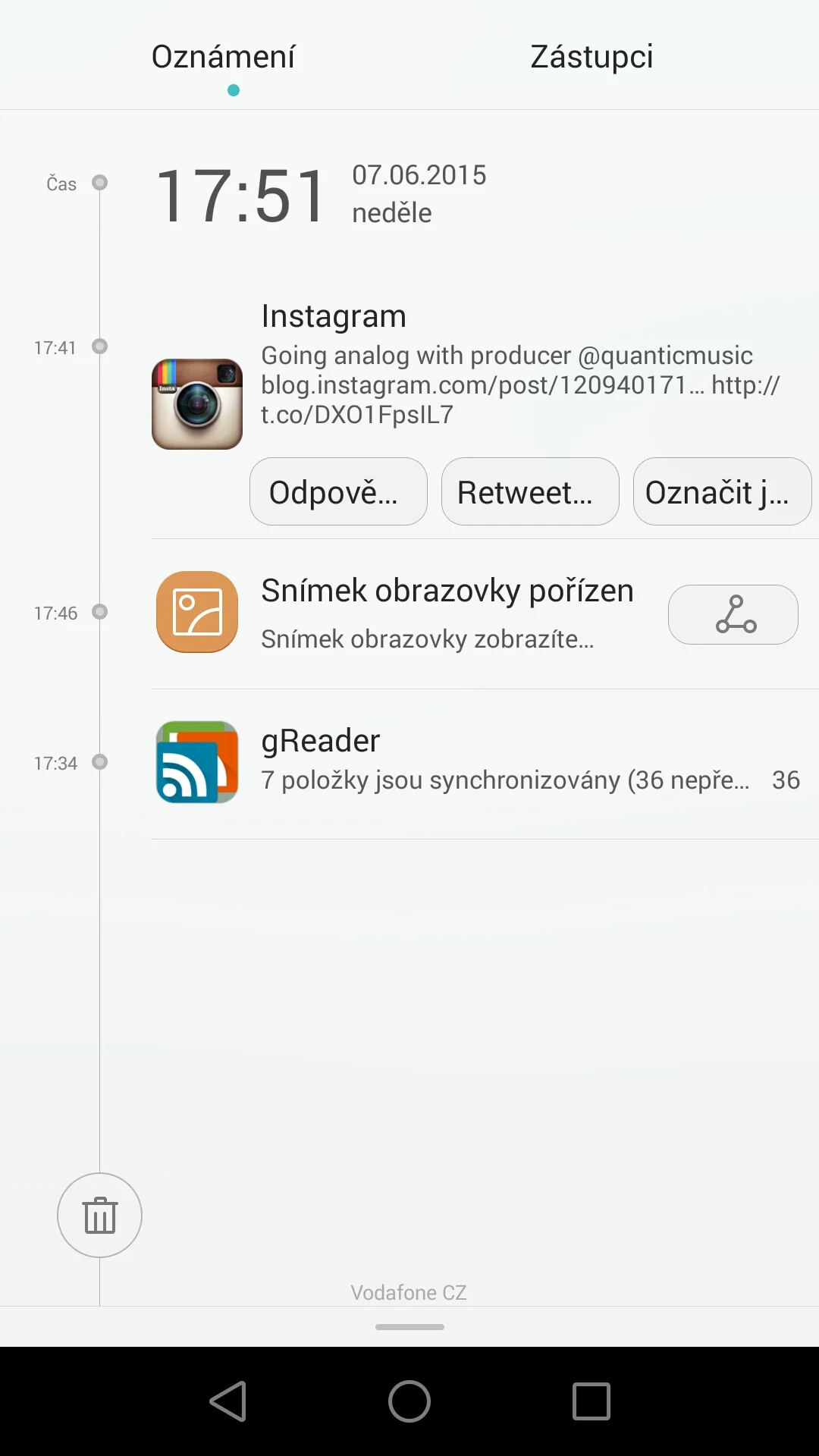
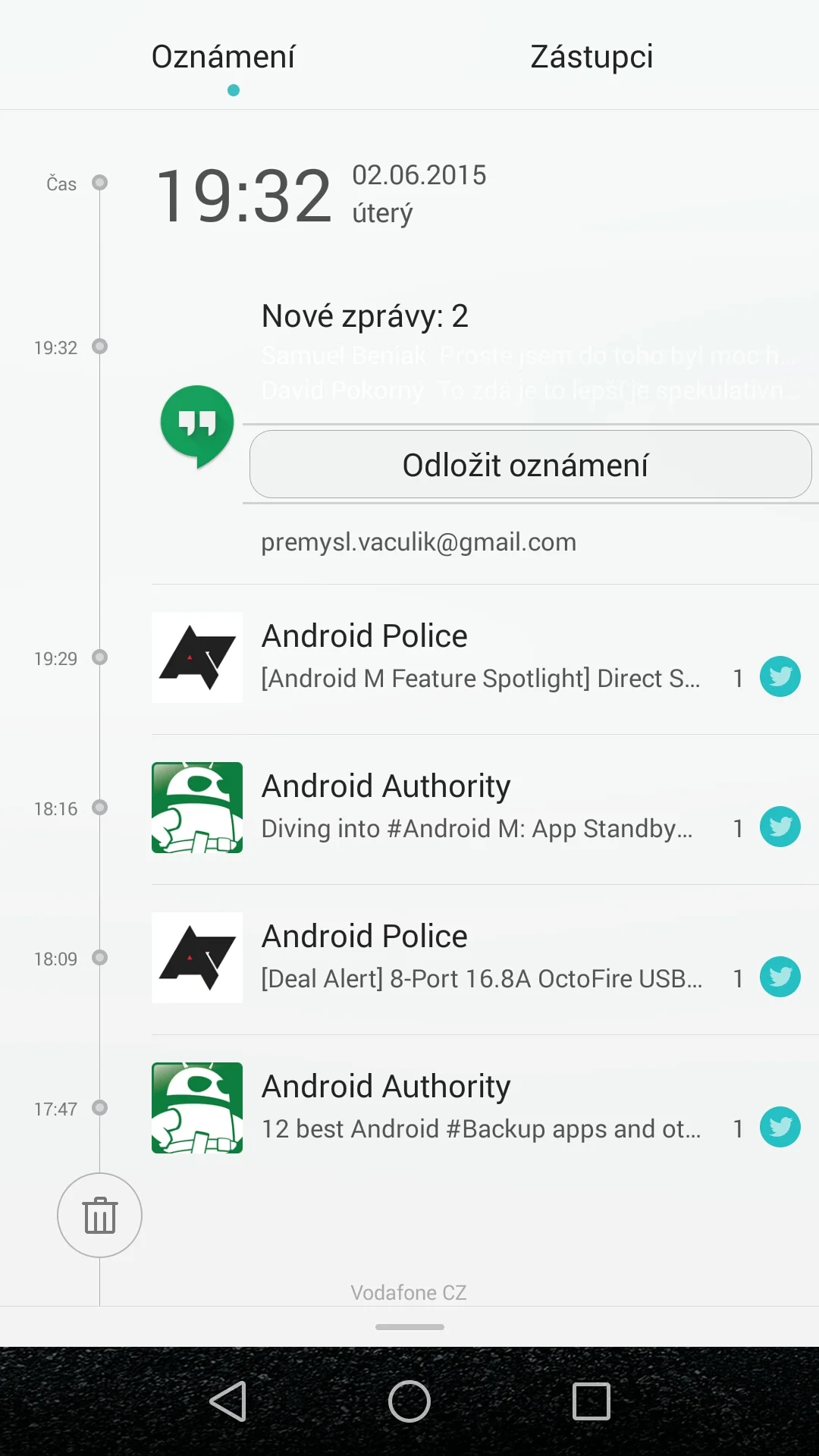
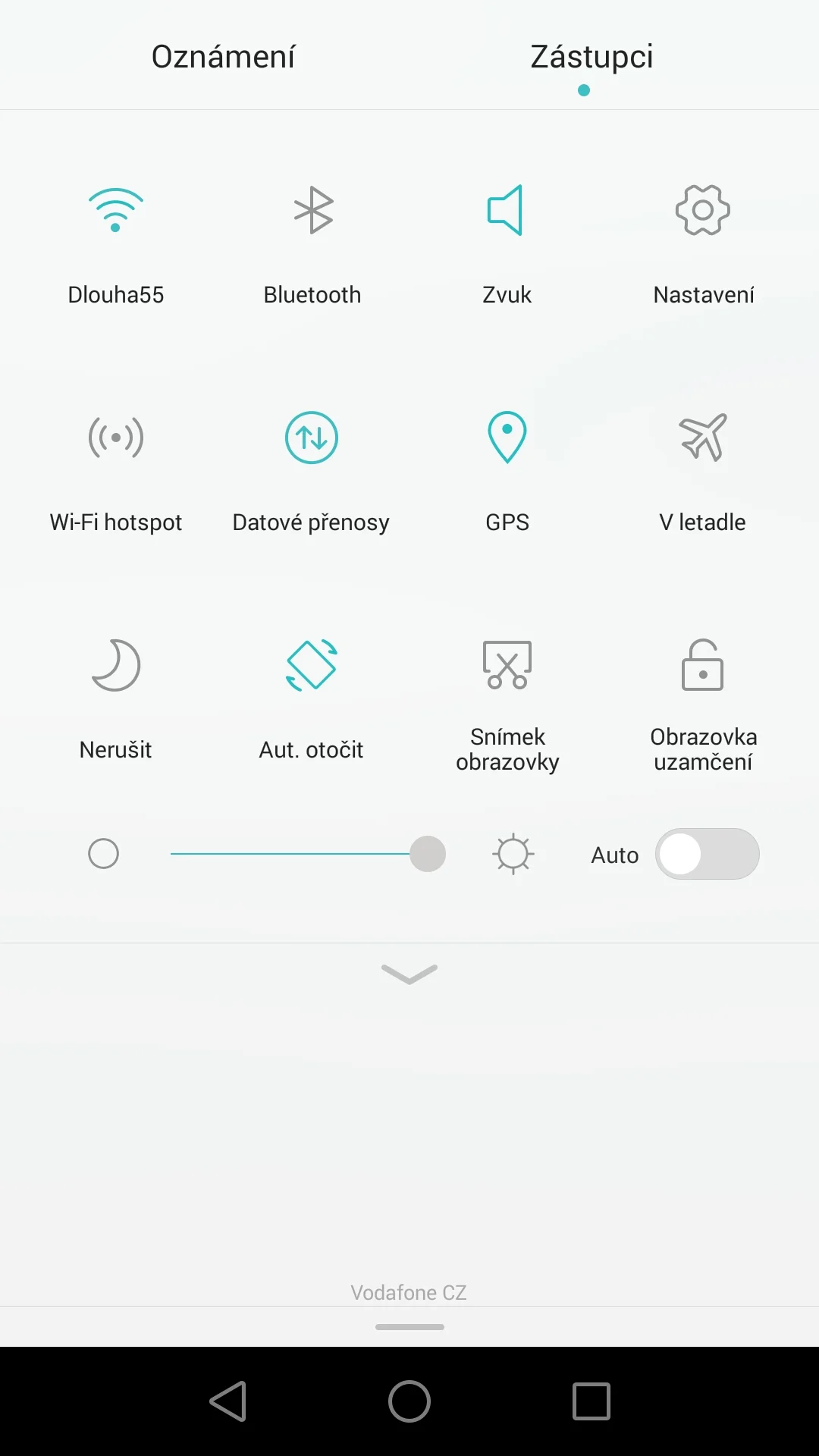
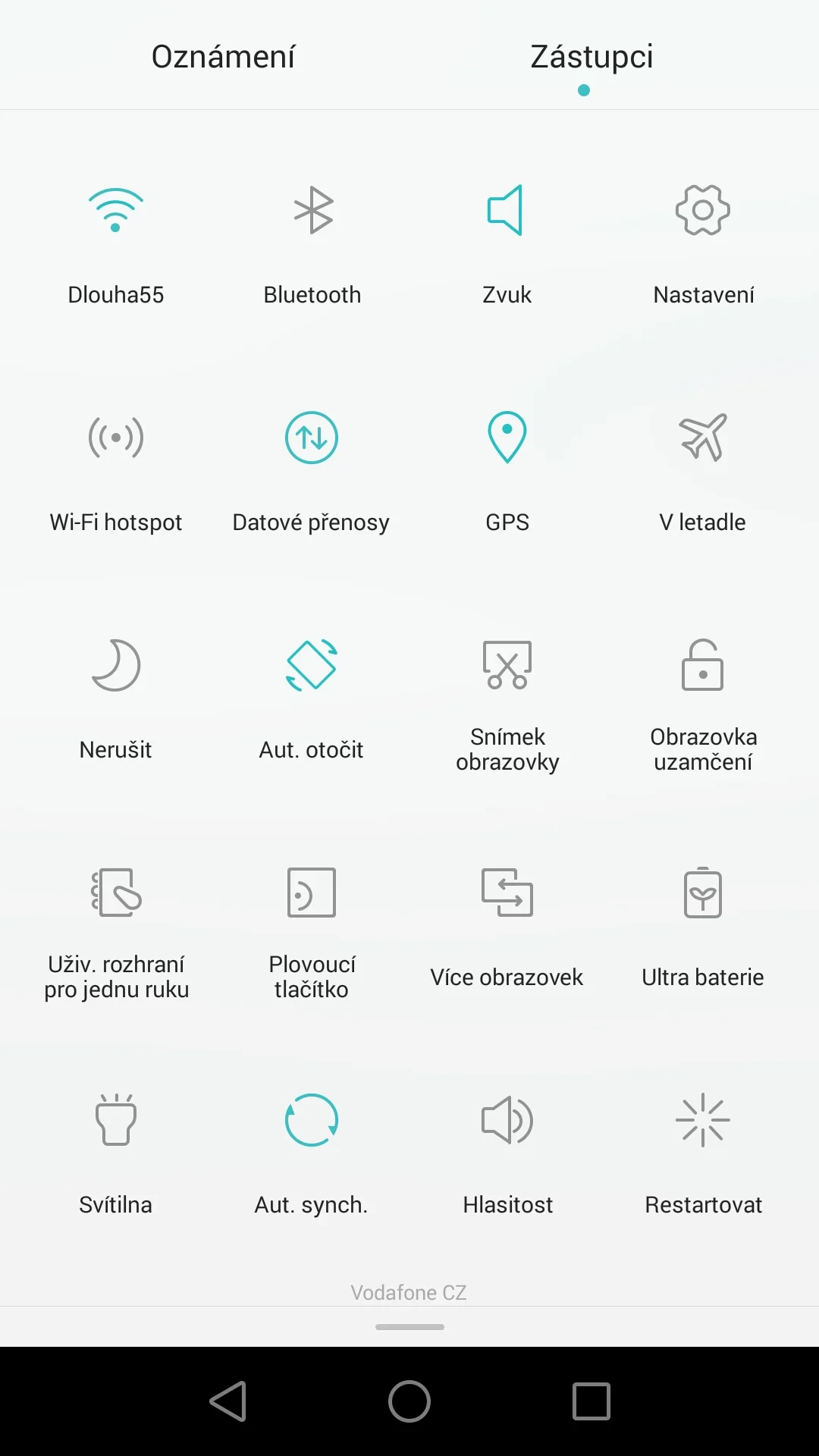
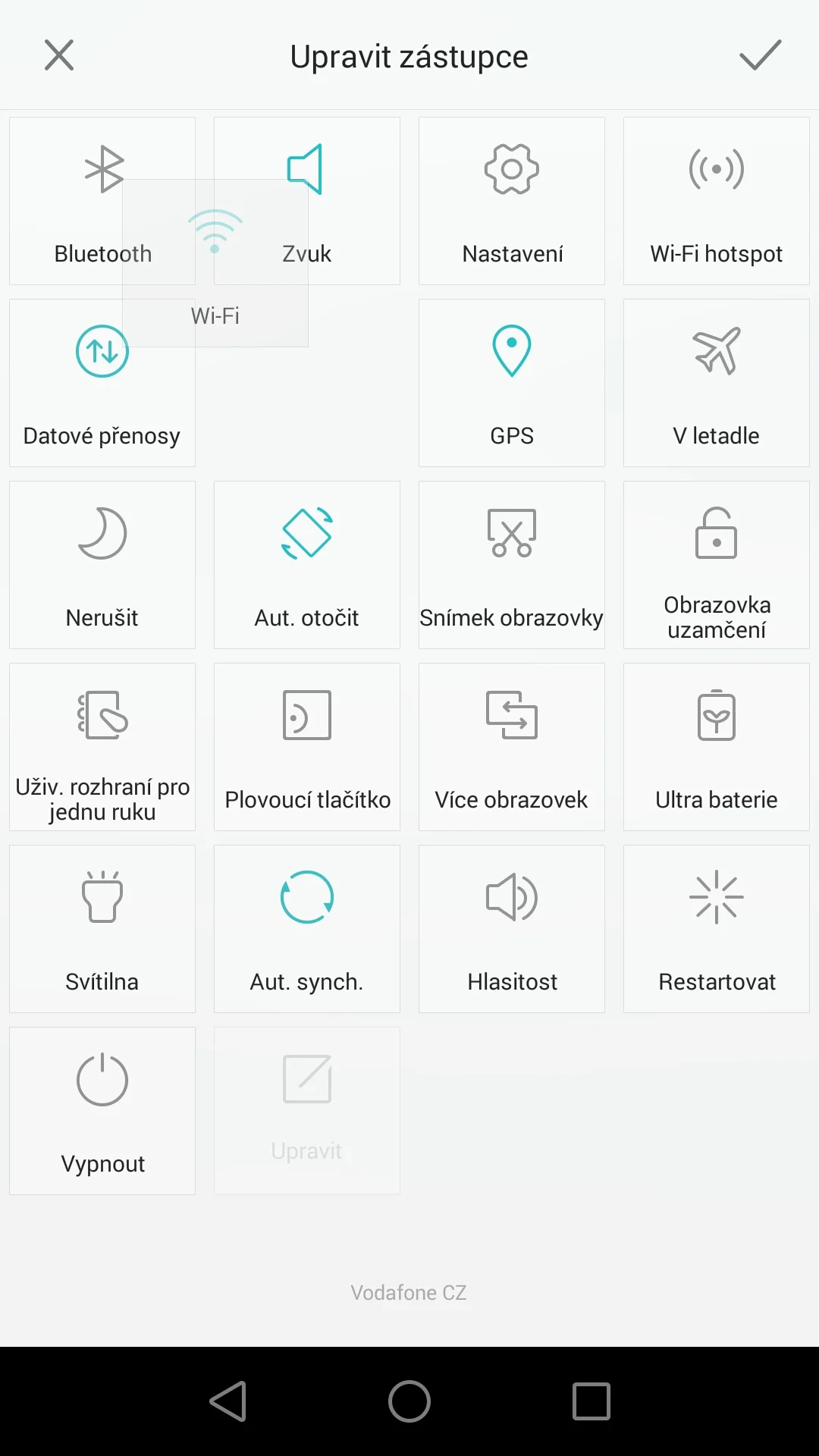
The second tab is where you’ll find the quick controls, and there are plenty of them. You can even expand the full list with the button at the bottom. Reordering them is supported too.
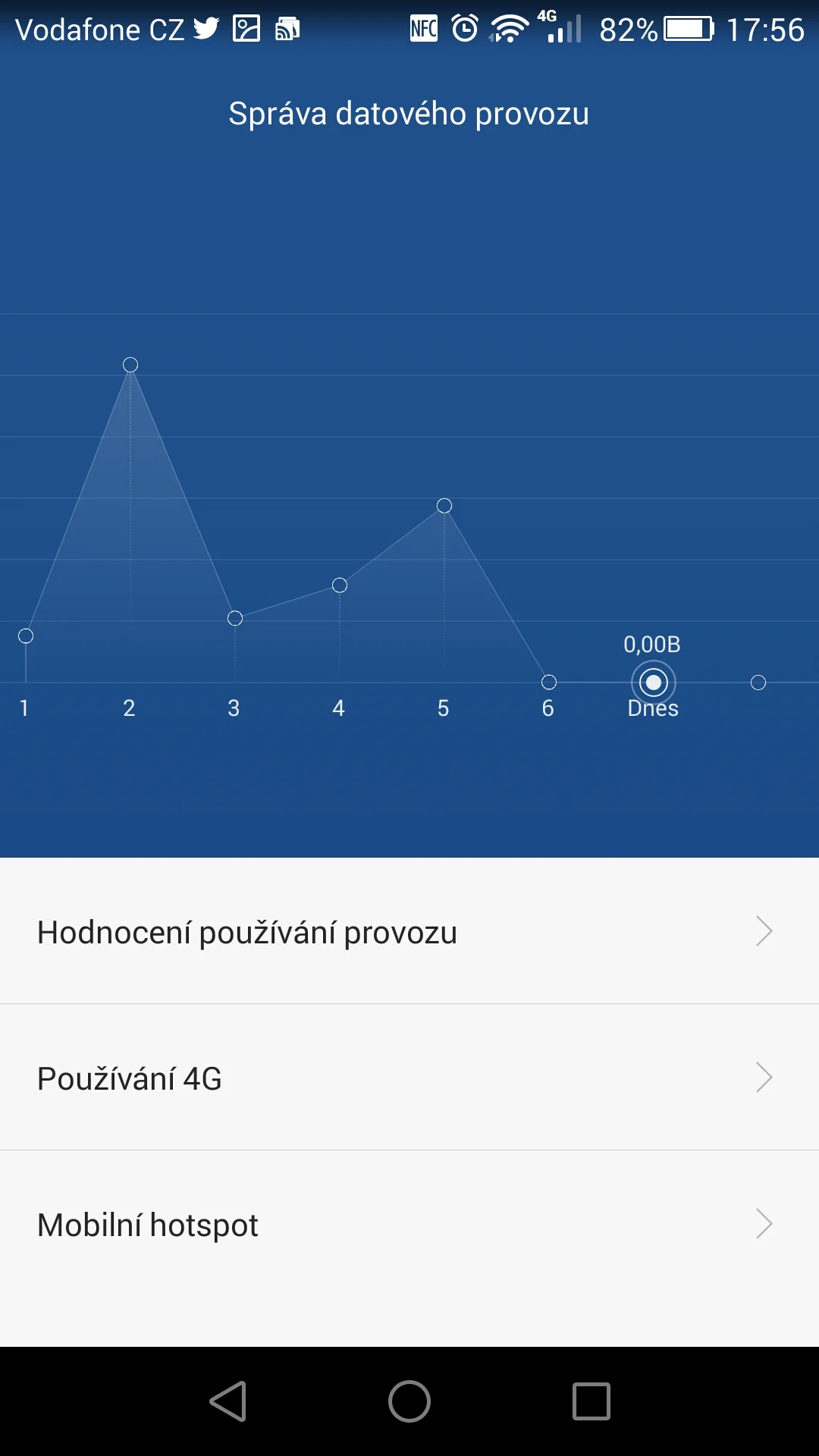
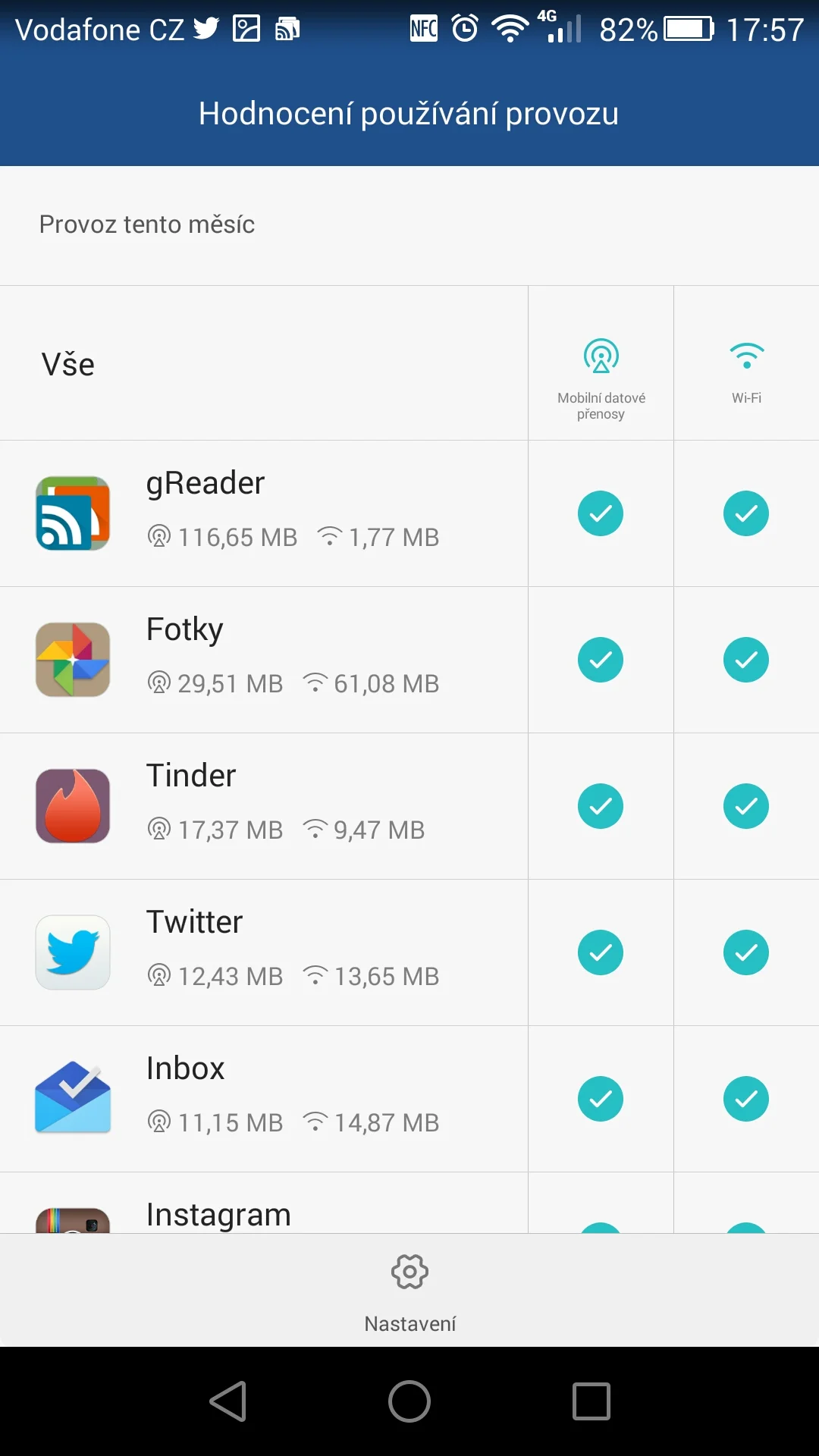
Once you start digging through the settings, you’ll find even more software options. Some are genuinely useful, others feel like features you’ll try once and forget. One highlight is the nicely done mobile data usage stats.
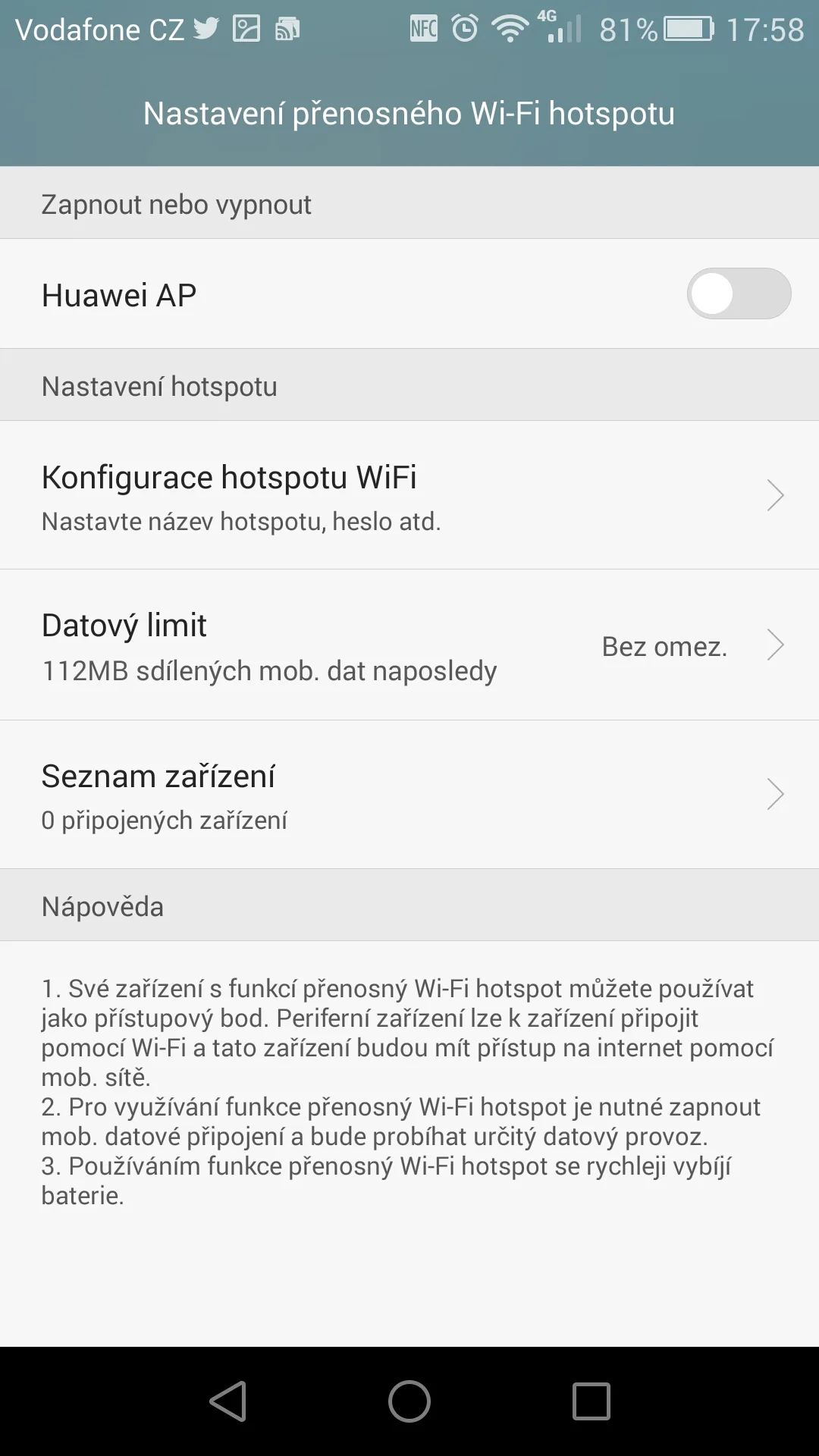
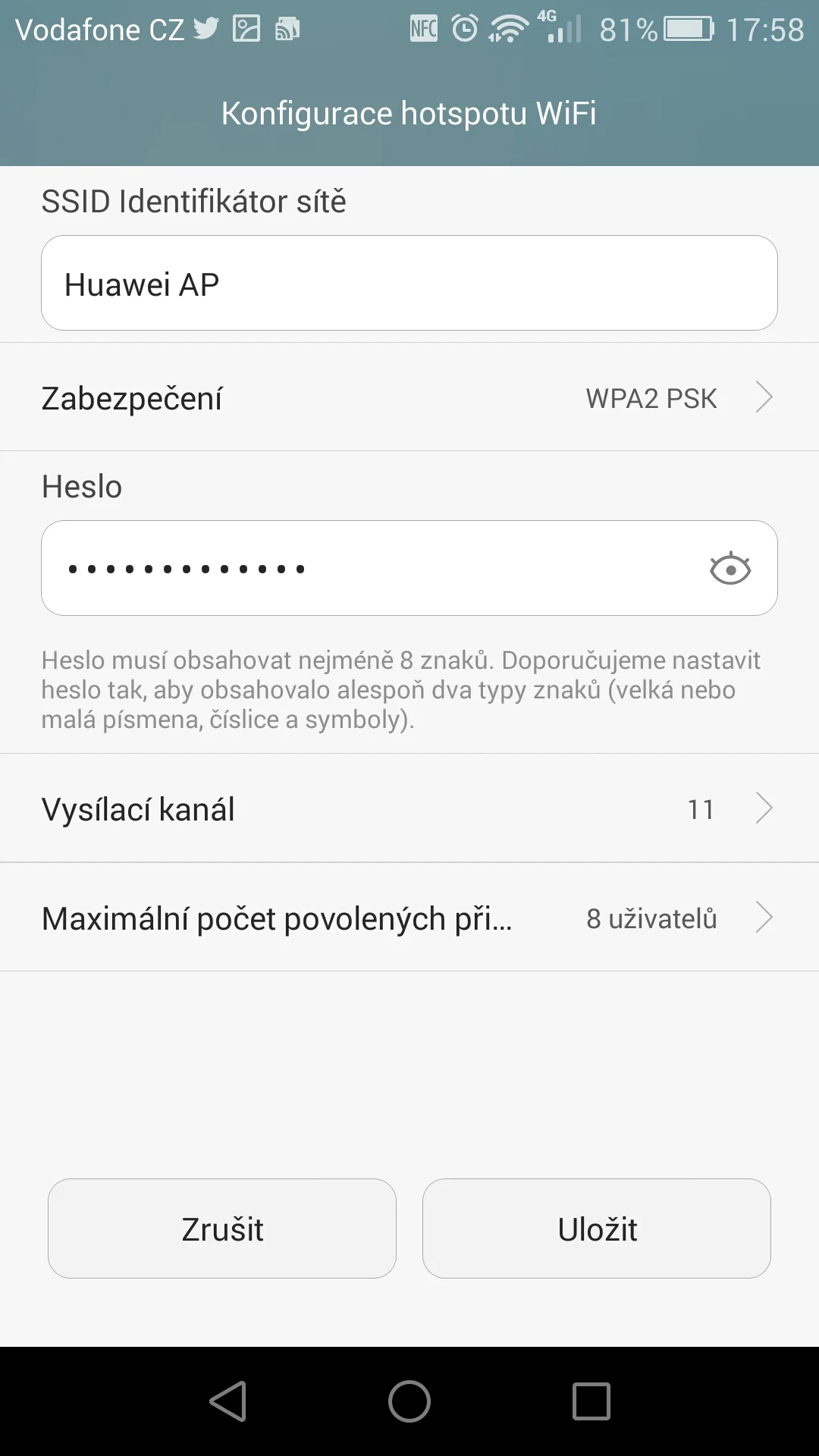
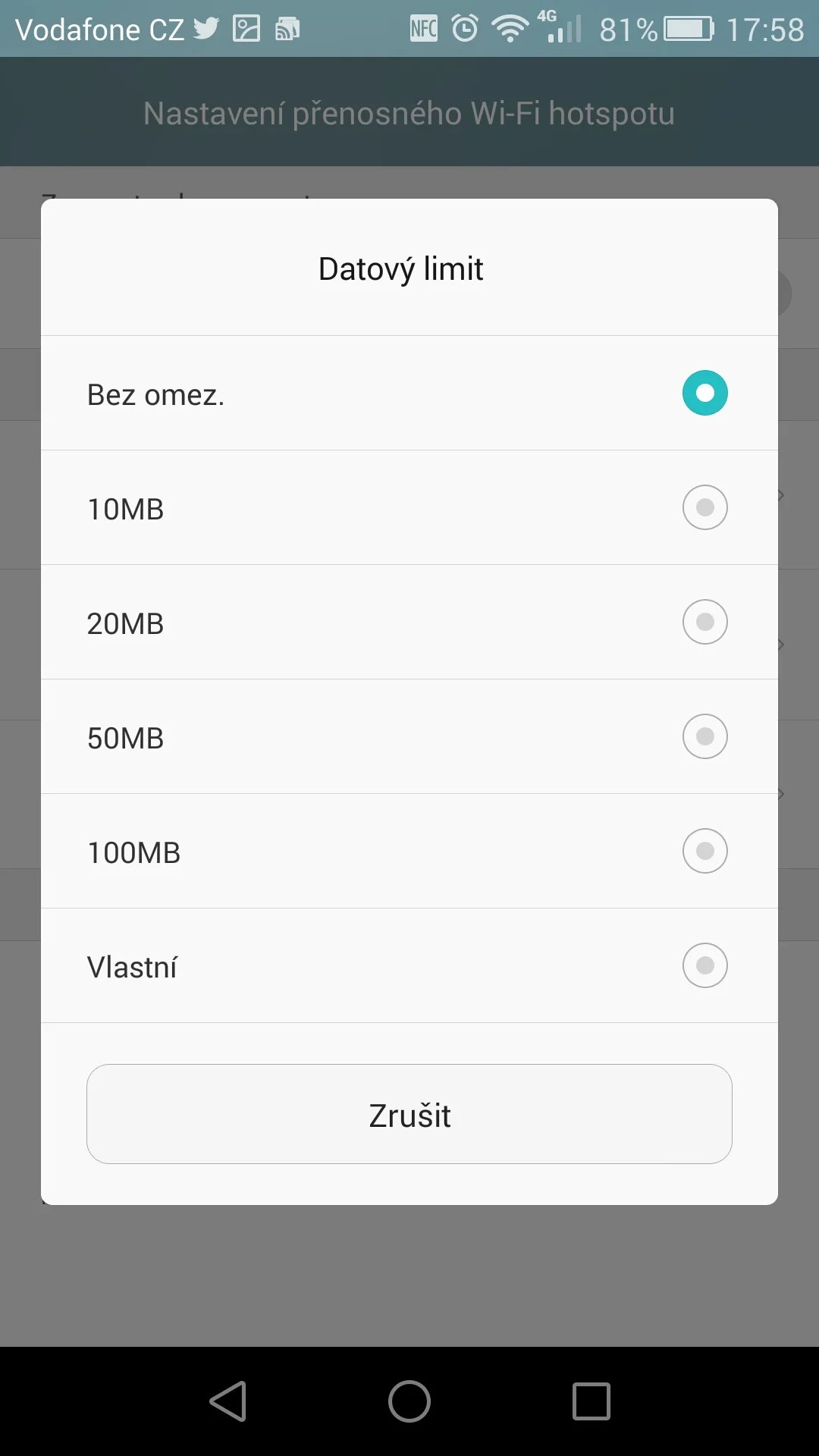
I also appreciated the more advanced hotspot settings, where you can set a data cap or limit the number of connected users. You can also disconnect individual devices manually.
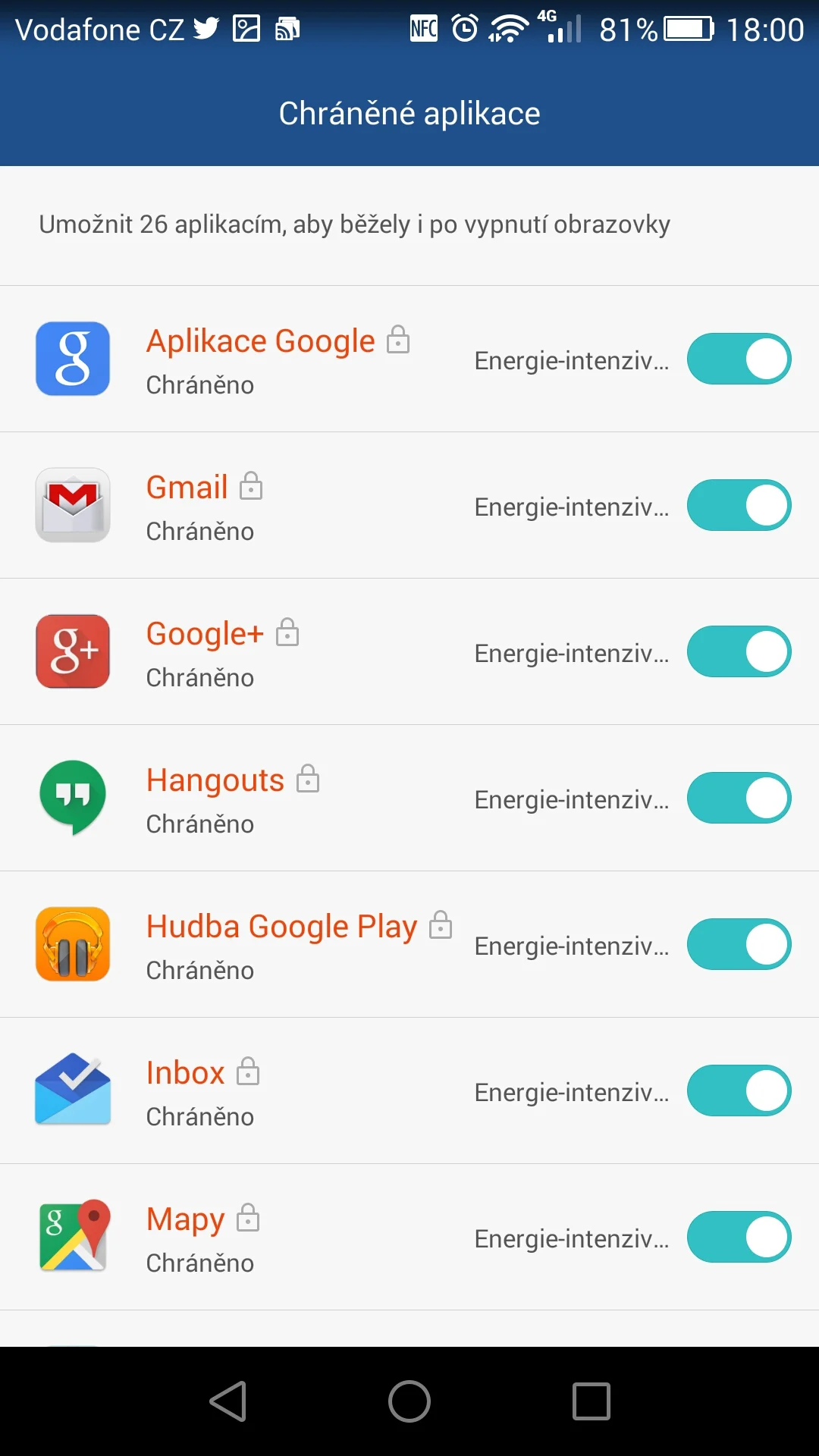
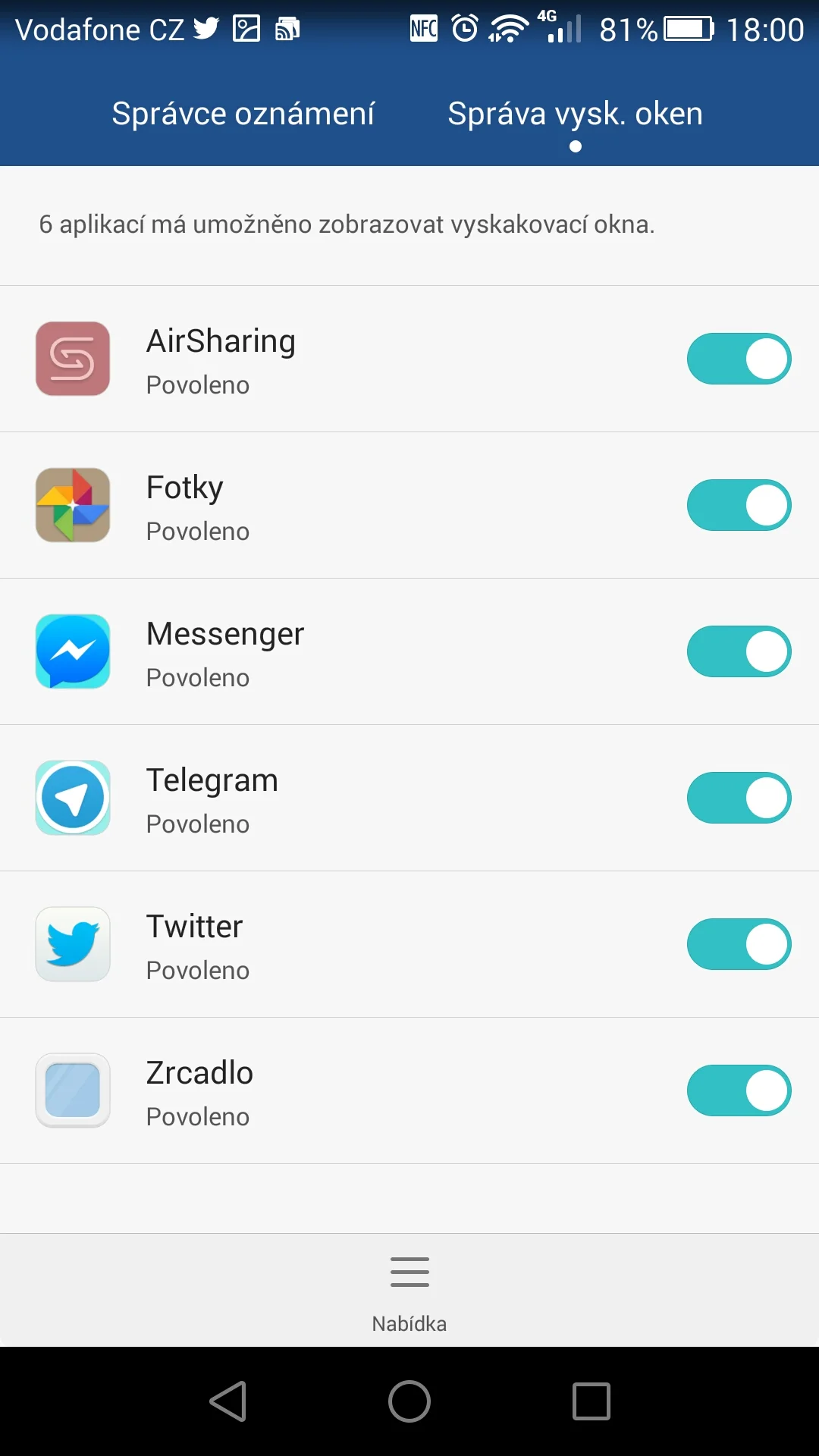
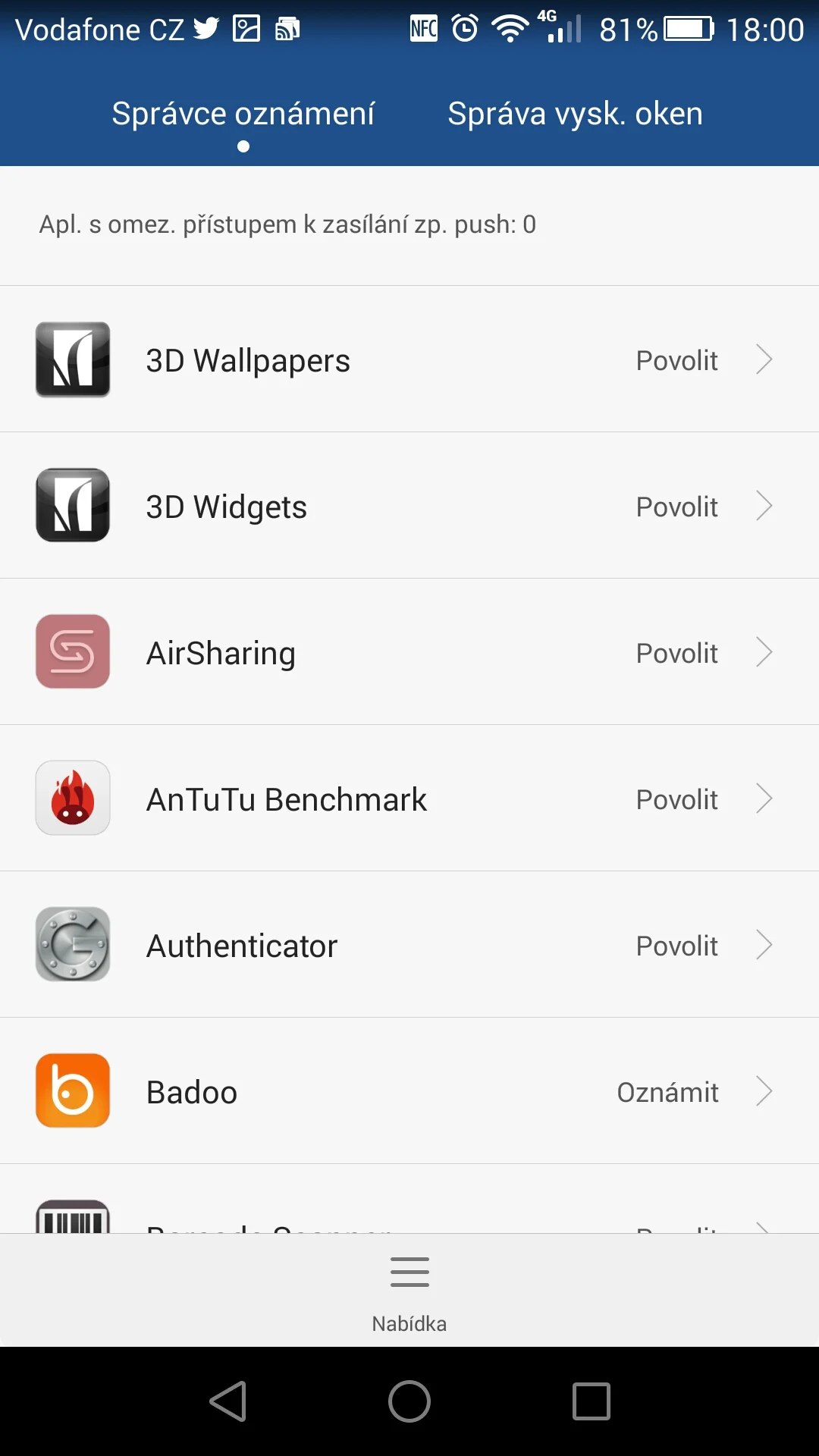
The app and notification management is also worth mentioning. It makes it easy to choose what gets to bother you and what can keep running in the background. I didn’t use this feature much myself, but some users will appreciate the extra control.
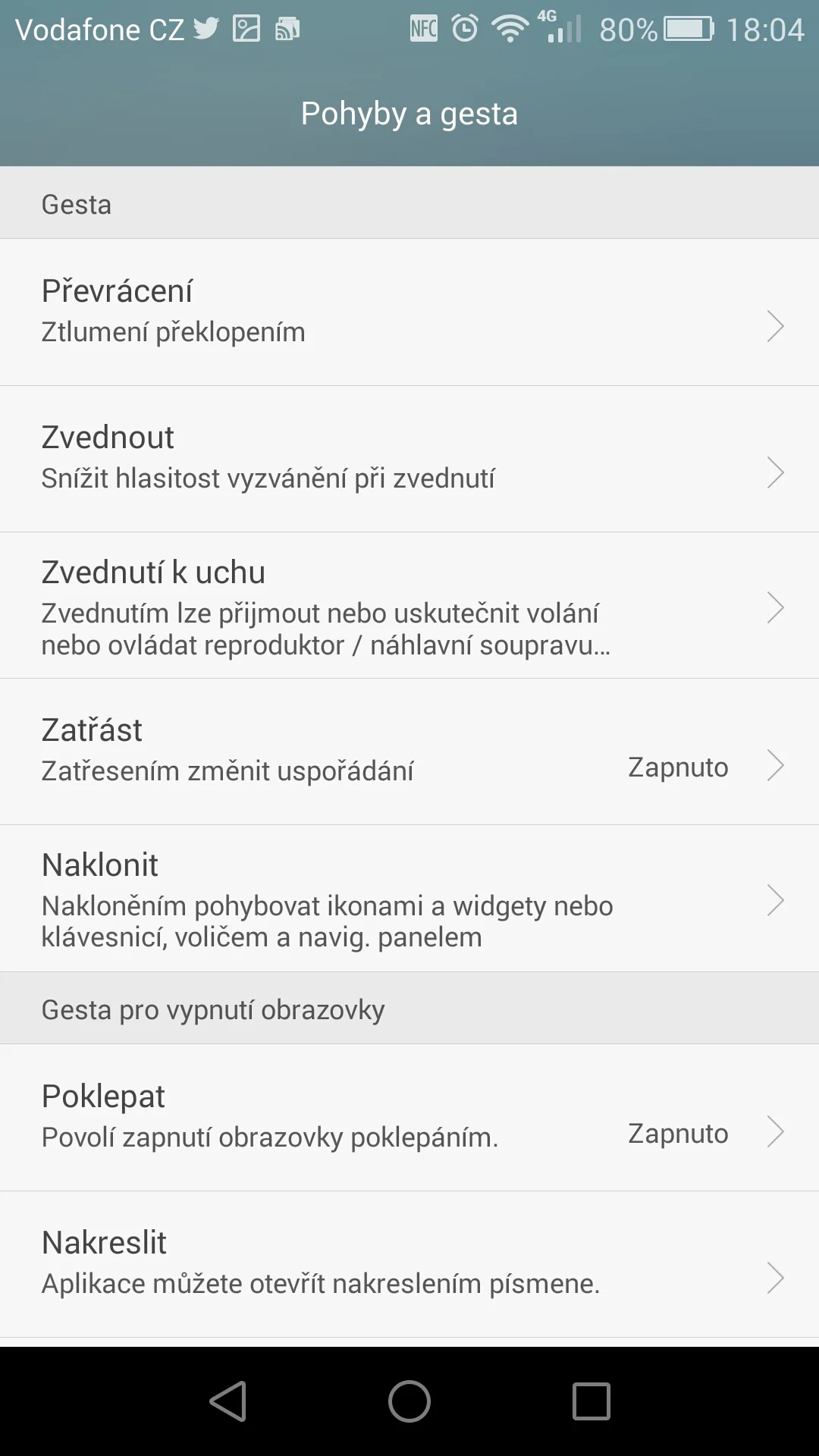
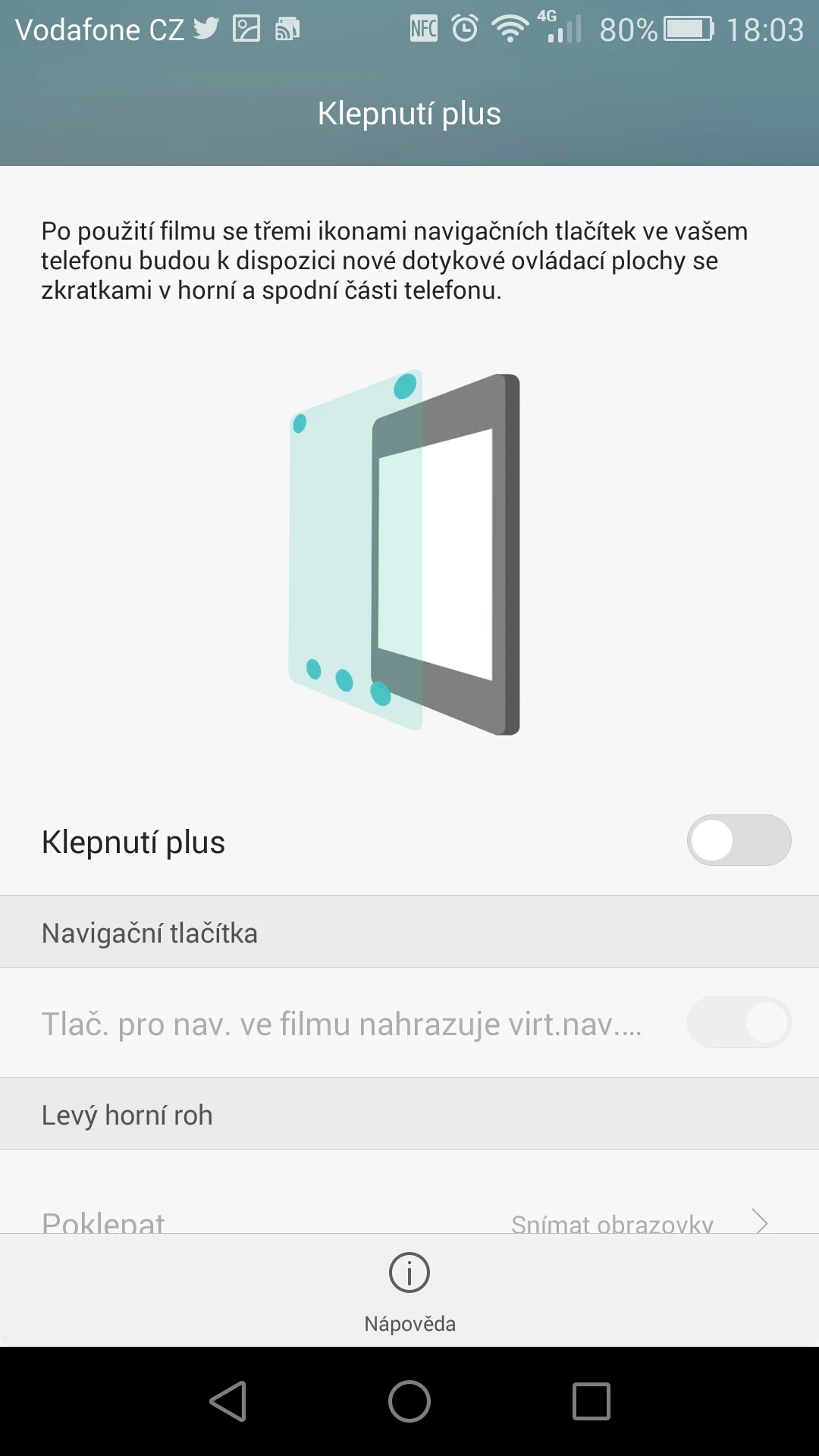
Among the bonus features is “Knuckle Touch,” though it requires using a thin film on the device. Then there are motion and gesture controls, including double-tap to wake the display or answering a call simply by lifting the phone to your ear.
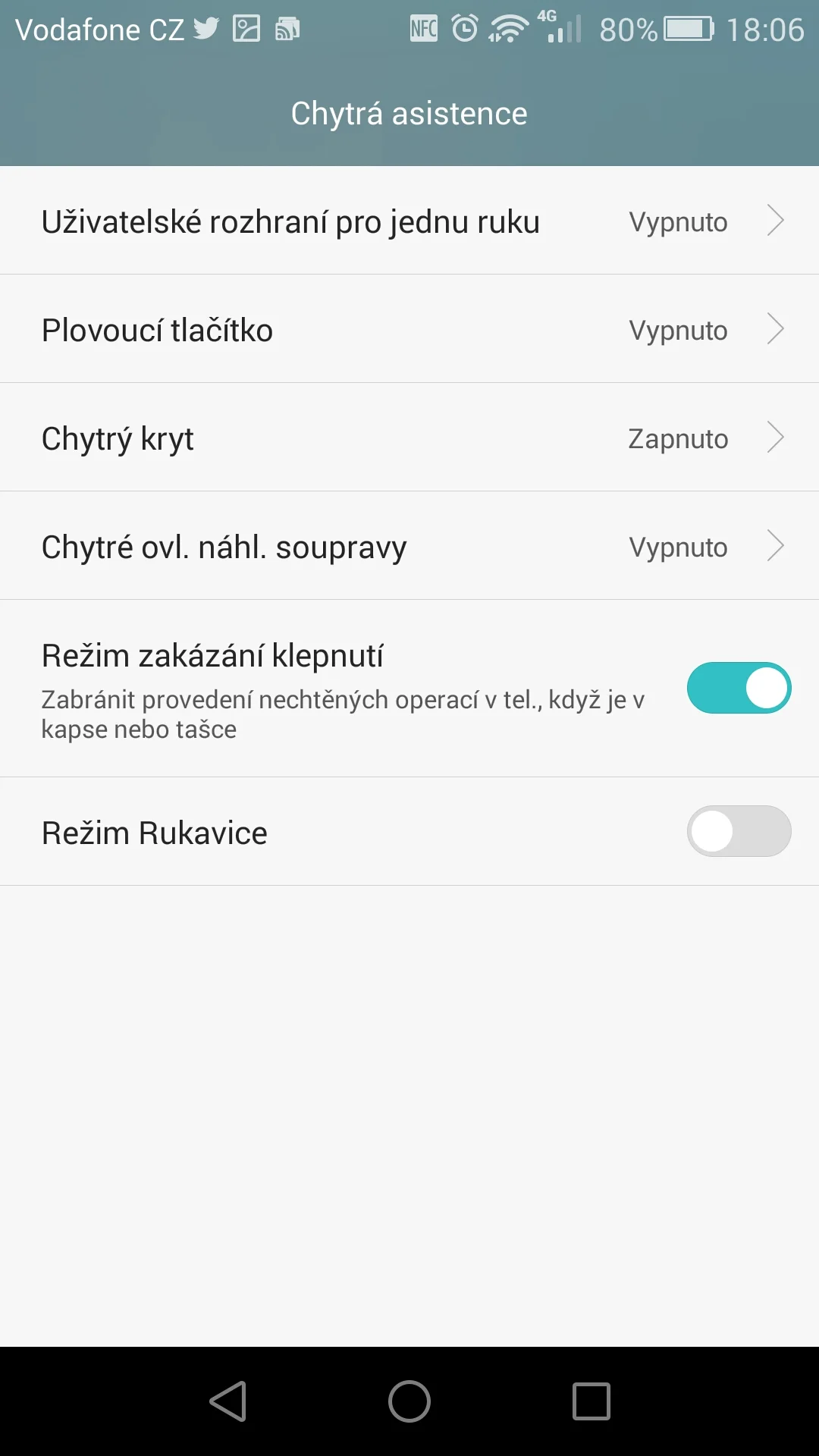
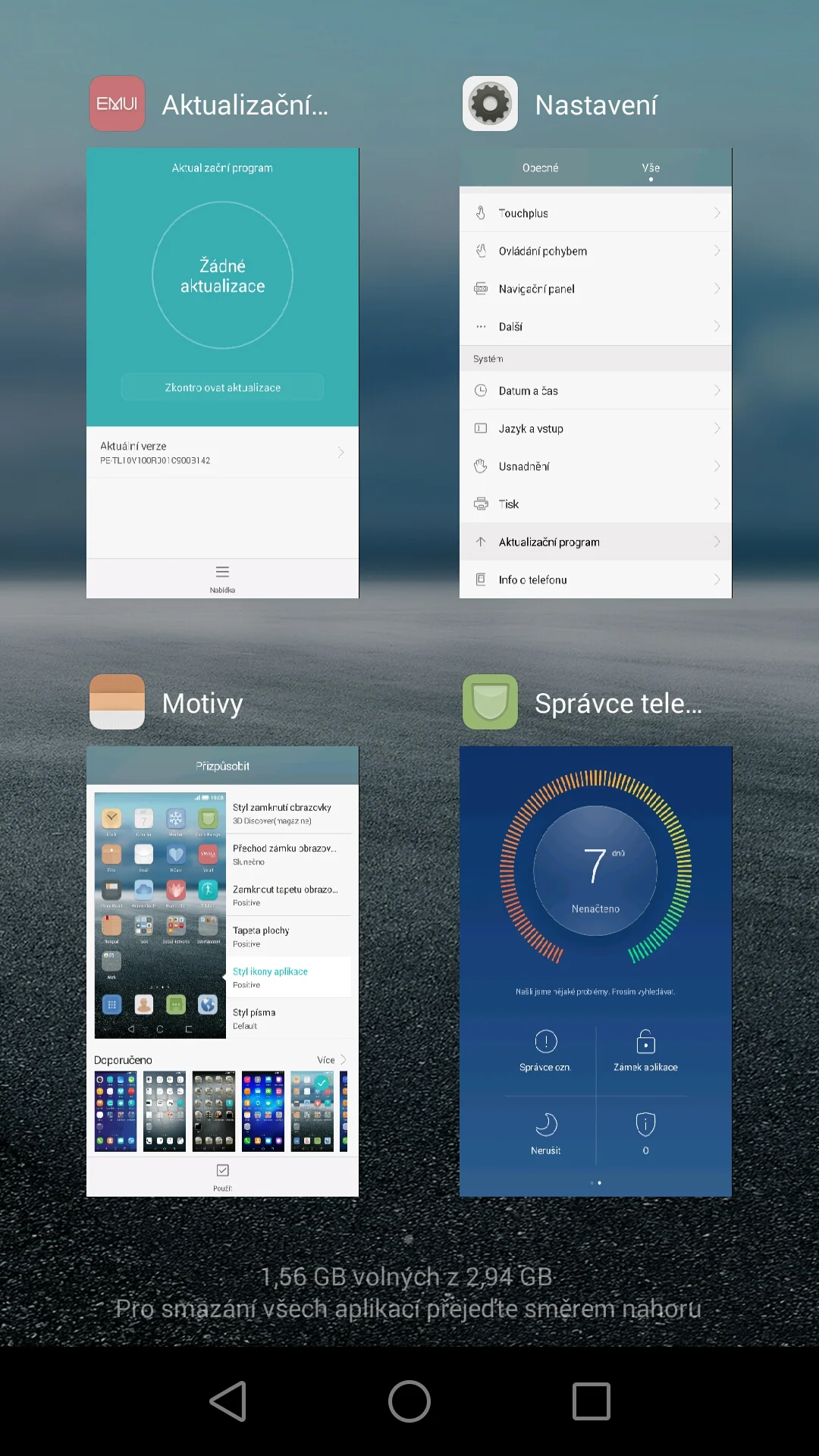
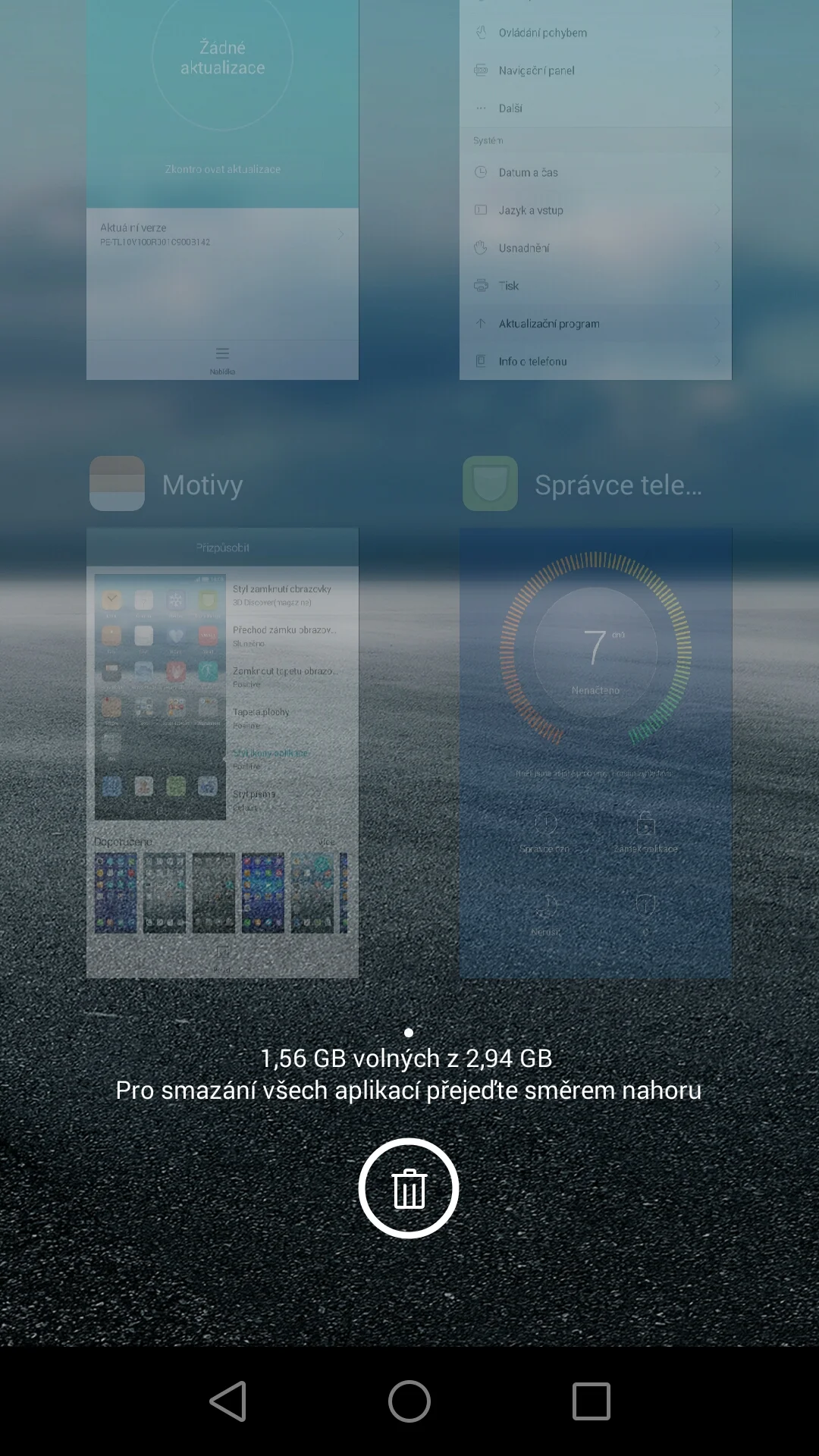
Overall, the manufacturer clearly put real effort into the software, but it still needs polish, especially on the design side. At times, the contrast between text and background just isn’t strong enough. As for stability, I don’t have major complaints, and performance is solid too, at least until you have a lot of apps open. That’s when you start to notice slower app switching.
Camera(s)
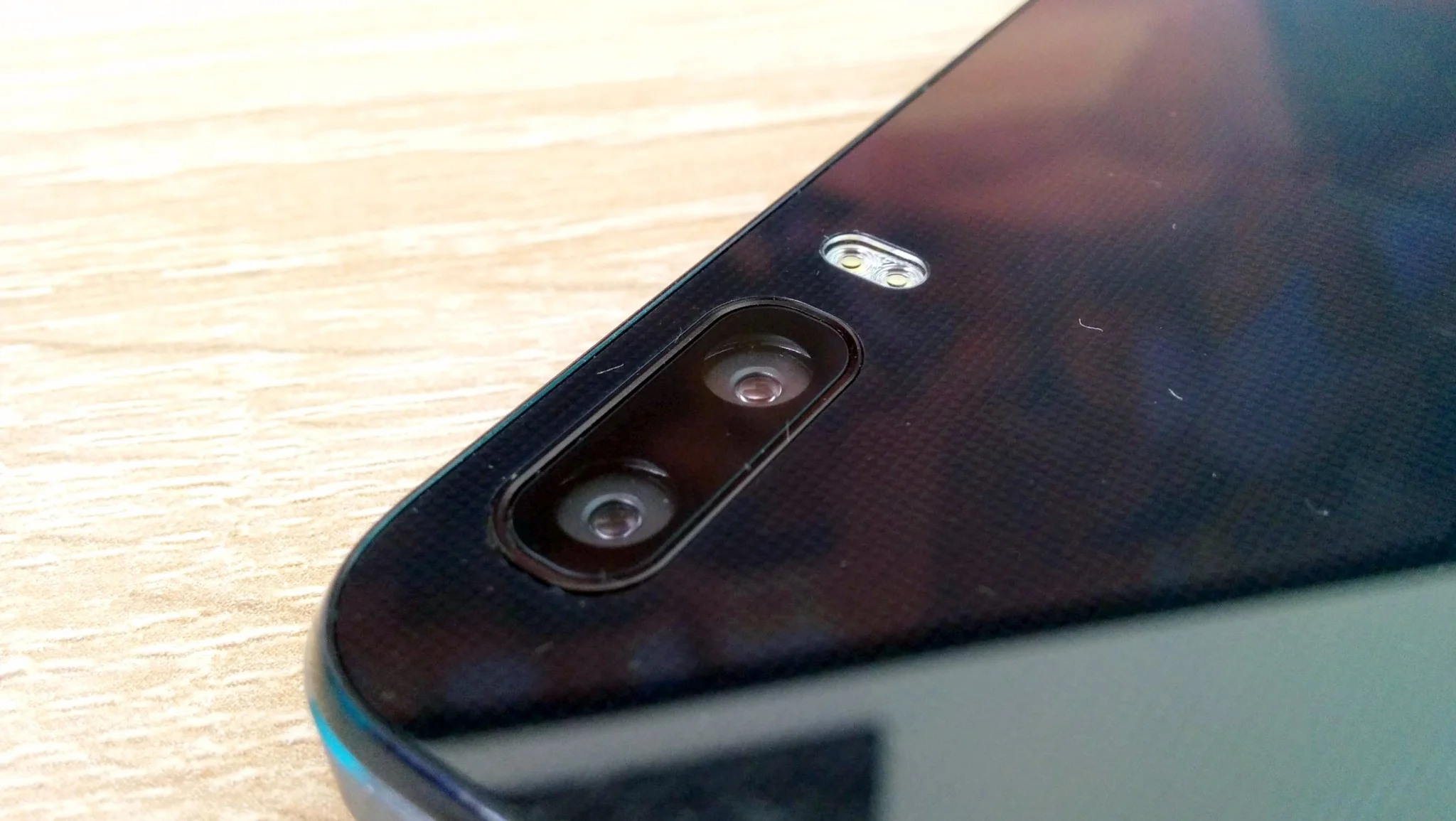
Honor 6 Plus breaks from the pack with two rear cameras. Don’t expect 3D photo tricks or other gimmicks from years past. The company is aiming instead for better image quality, at least according to its own claims.
Both use 8MP sensors, which together can produce photos up to 13MP. For basic shooting, the camera closer to the dual-LED flash handles the work. The second one kicks in mainly in lower light, with HDR, or when using the Wide Aperture mode.
That Wide Aperture feature is what lets you refocus on a different subject even after the shot has been taken. The phone adds depth information directly into the image. You can see an example of the feature in the pictures below. The amount of blur can be adjusted as you like, from f/16 all the way down to f/0.95.


While it’s a nice extra feature, I can’t say it ever became a favorite. It works well only with subjects within about two meters, and in some cases object detection makes fairly obvious mistakes. The post-shot refocusing also depends heavily on the point you select. I’d rather have seen a simple slider for adjusting focus instead.
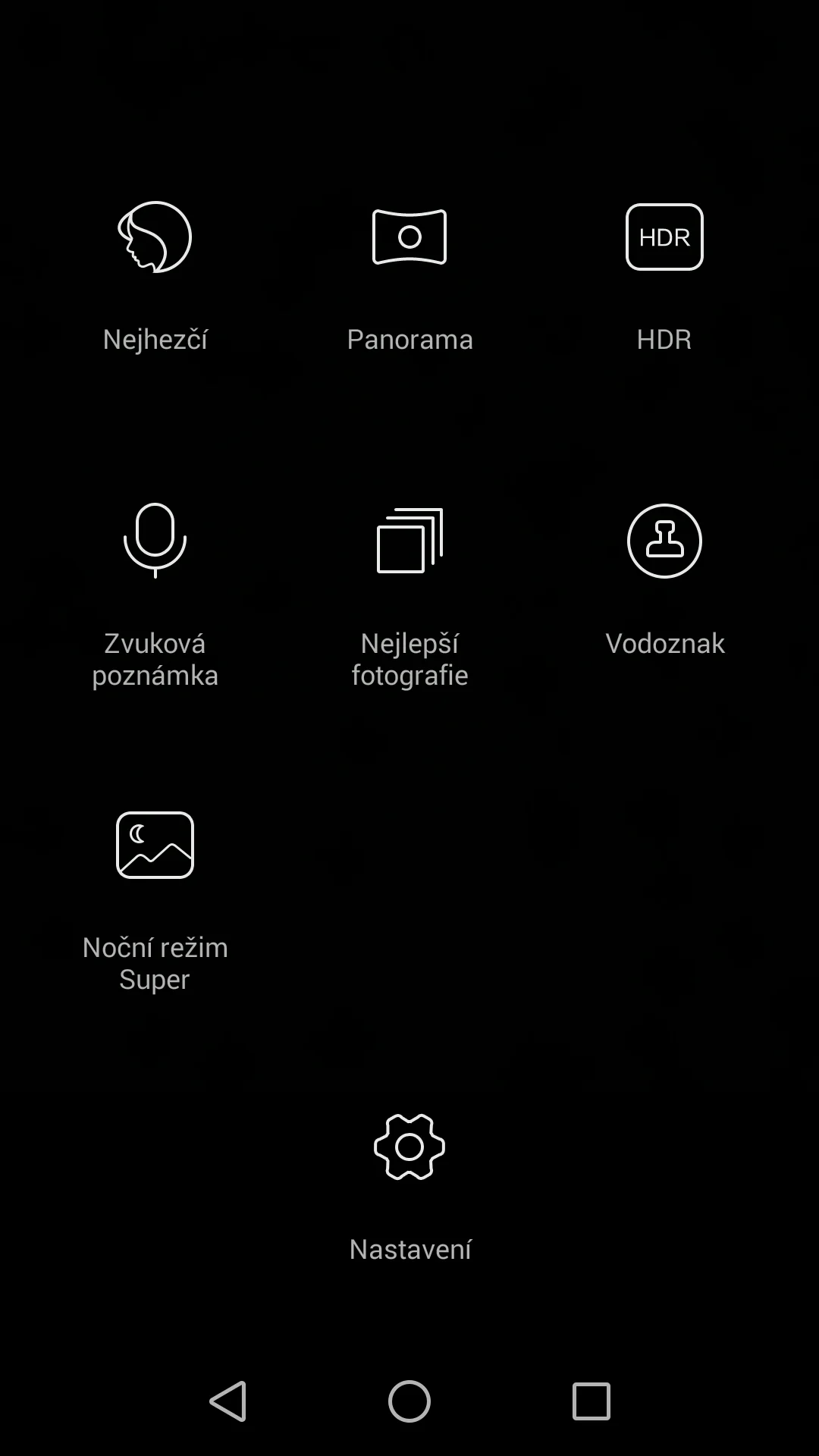
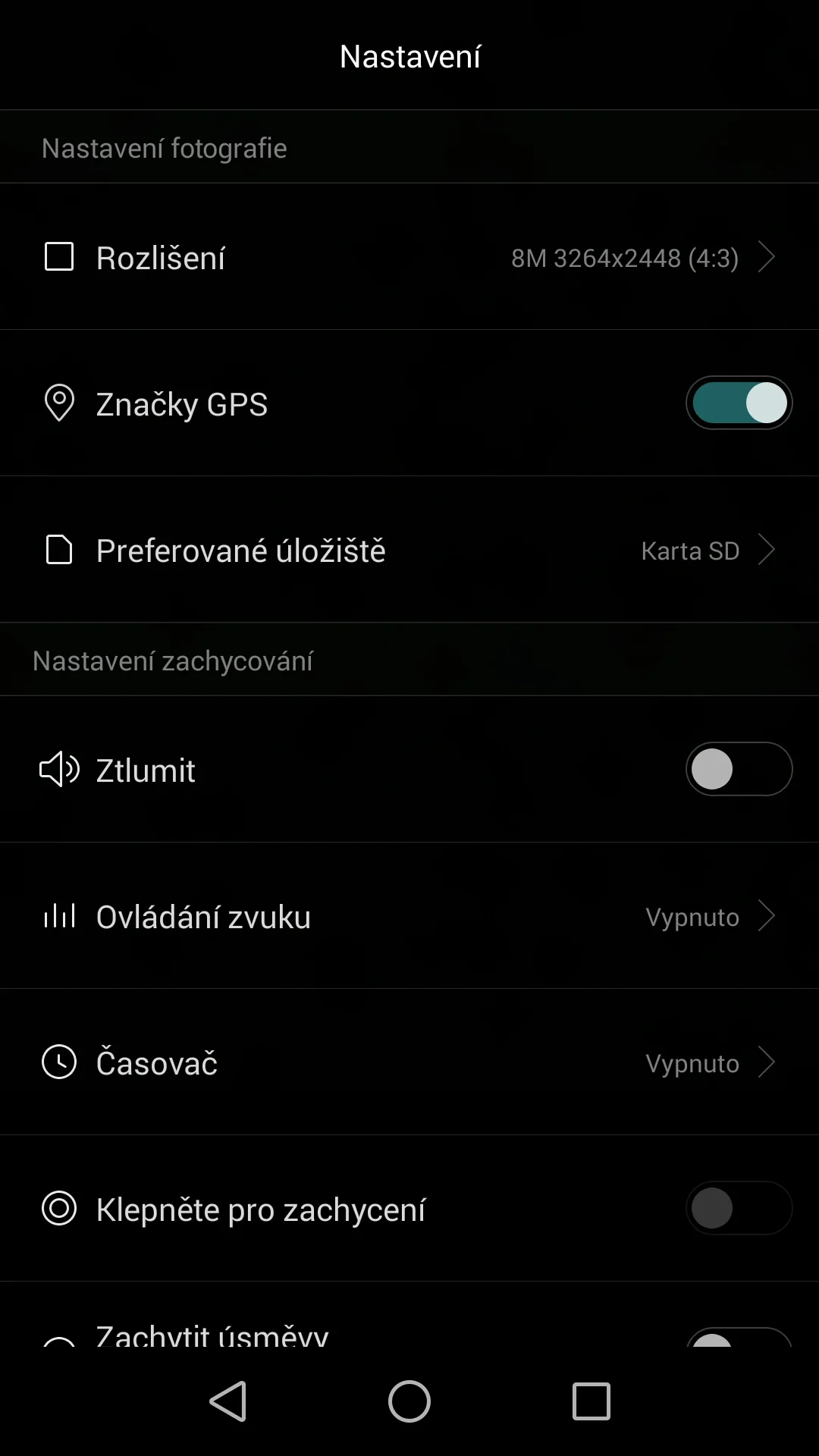
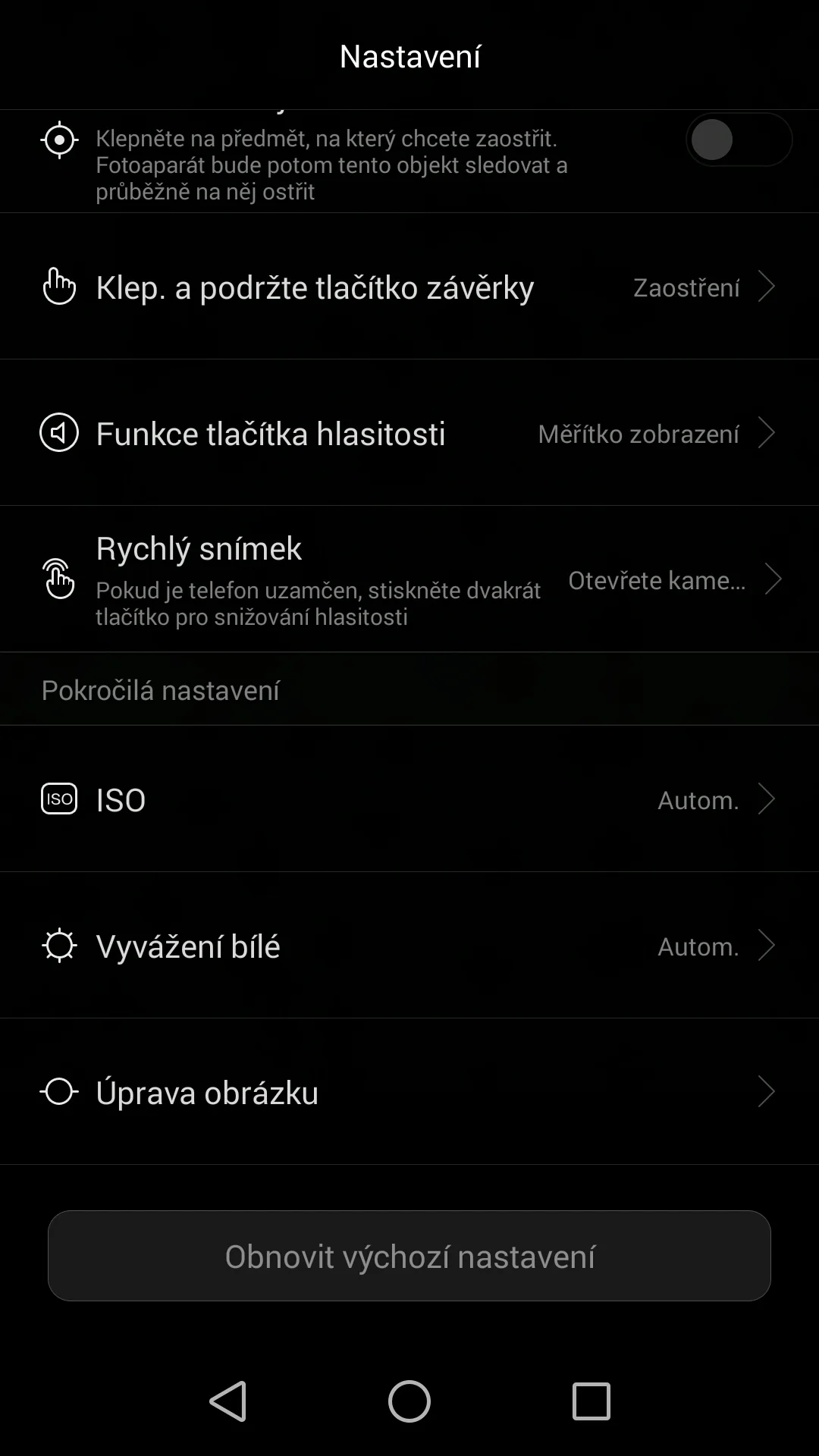
Out of the box, the camera software doesn’t offer many shooting modes, but that doesn’t apply to the settings menu. There’s a solid range of options here, enough for most users. That said, some of those settings could be easier to reach instead of being buried behind extra taps.







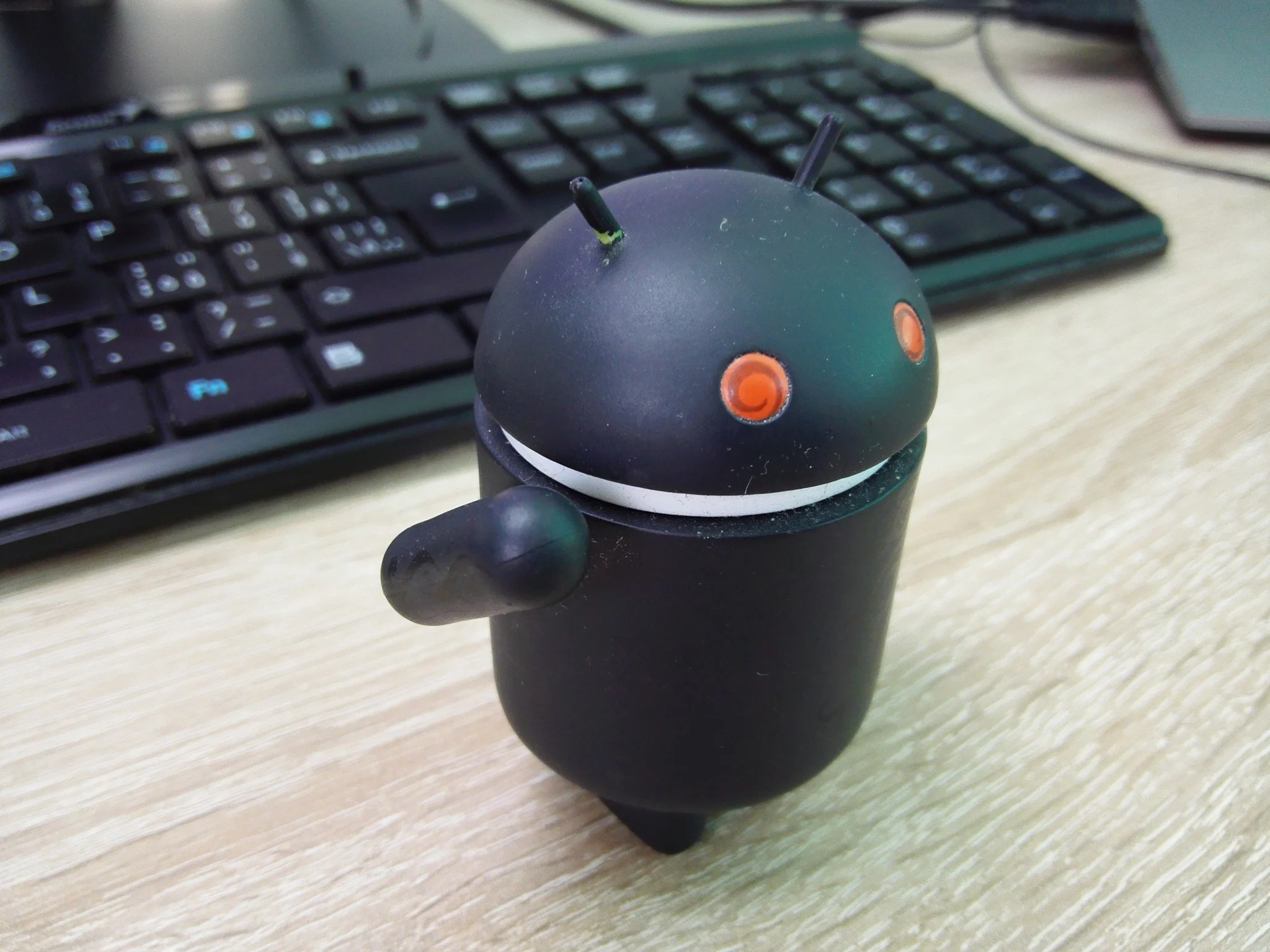
One interesting option is Super Night mode, which uses a longer exposure. You can leave it on automatic or manually set the shutter speed anywhere from 1/4 second up to 32 seconds. ISO can be adjusted as well. Below, you can compare an HDR shot with a photo taken using Super Night mode on automatic settings. You’ll need to keep the phone perfectly still for this mode, ideally with a tripod.


Overall, the final photos are average, though they look fairly good at first glance, at least until you zoom in. The main issues are noise and smeared detail. The Honor 6 Plus can’t keep up with other top-tier phones, but for its class, it shoots very well.

Battery
From a phablet like the Honor 6 Plus, I expect battery life to be one of its biggest strengths. The company says you can get two days with normal use. I’m not sure what kind of “day” that is supposed to mean, but I never once reached 48 hours. Using the Honor 6 Plus normally, without pushing it hard with games or long YouTube sessions, I averaged around 26 hours. Reaching 30 hours isn’t a problem, and you can see that in the screenshots below.
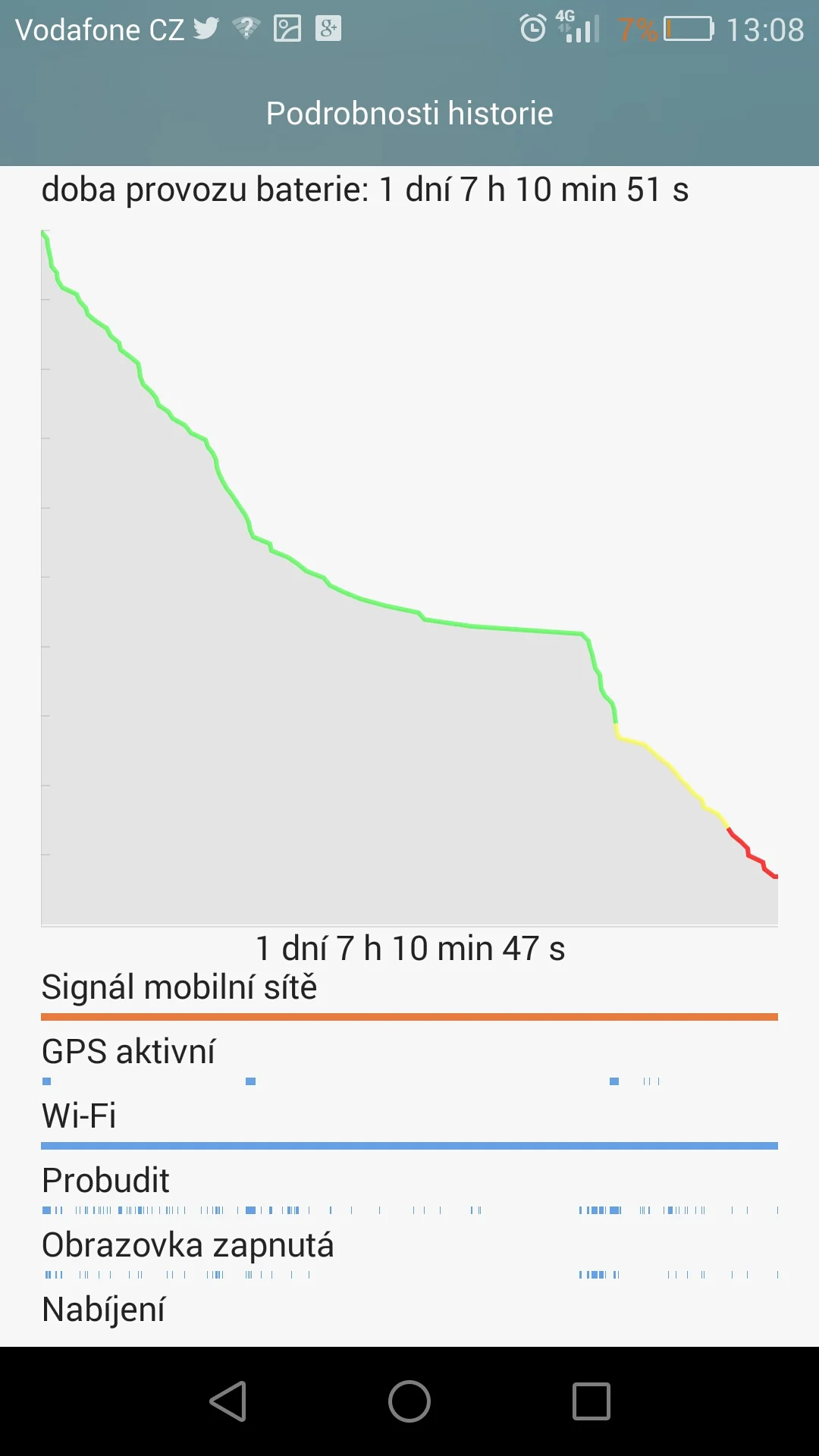
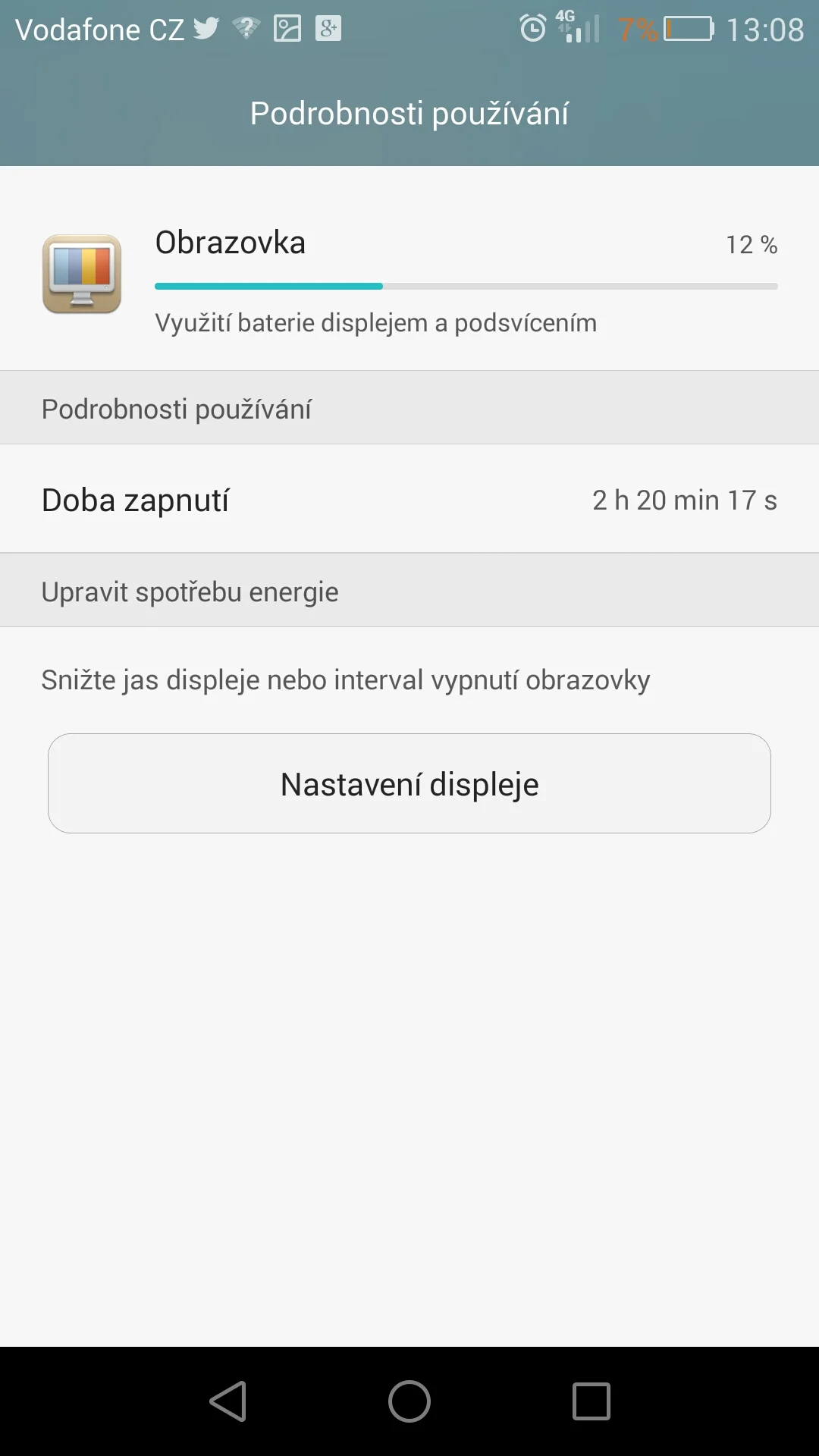
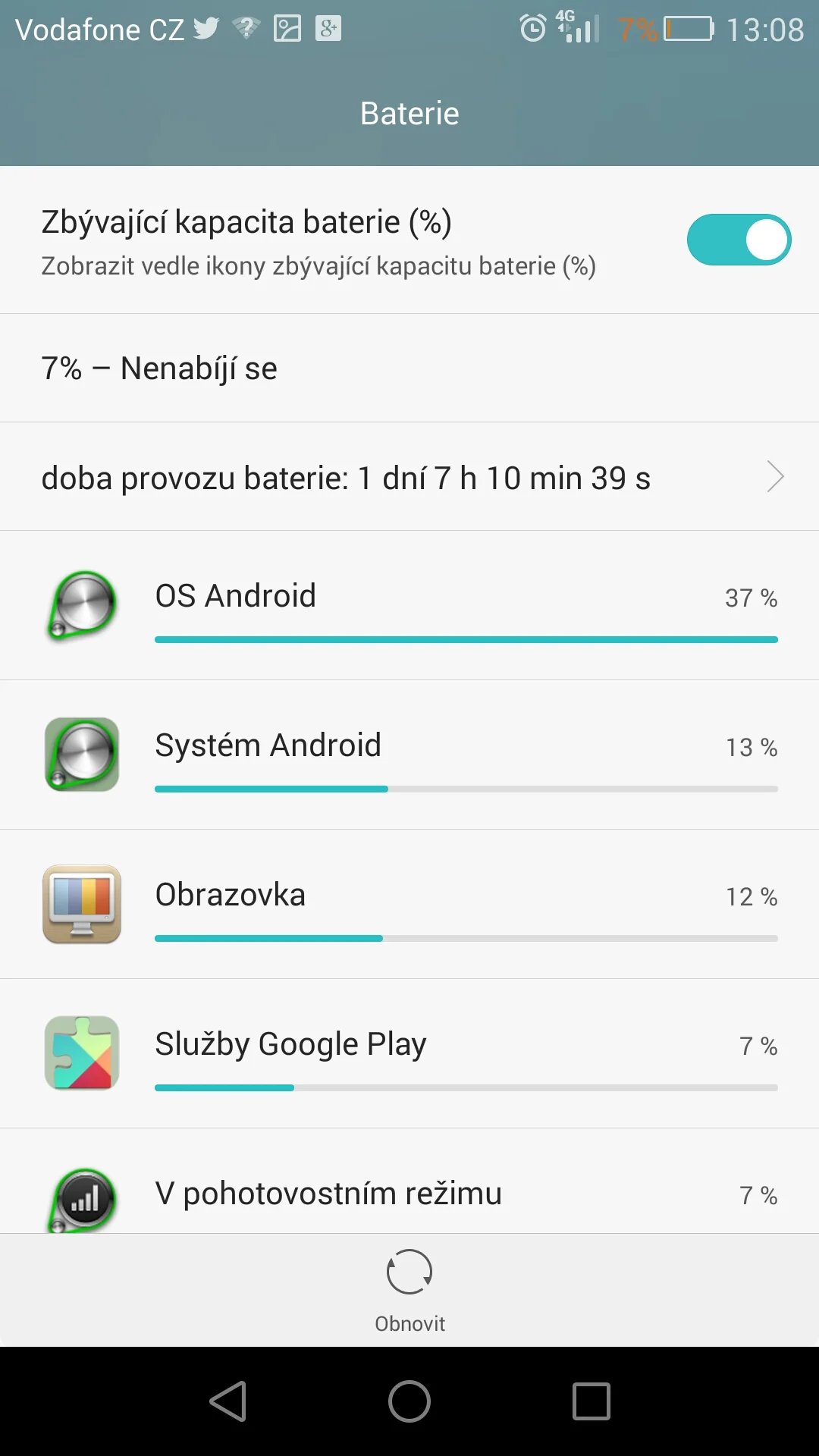
As for optimization and power monitoring, the Honor 6 Plus offers a decent set of tools. It can alert you when an app is draining too much power, and it also gives you several ways to manage overall device consumption. There are three modes available: normal, smart, and power saving. I didn’t use the last one, since it basically turns the device into a basic phone and strips away most of what makes it a smartphone. The difference between the first two isn’t dramatic, but switching to smart mode can buy you an extra hour or two. The remaining battery life estimate is best treated as a rough guide, not something especially accurate.
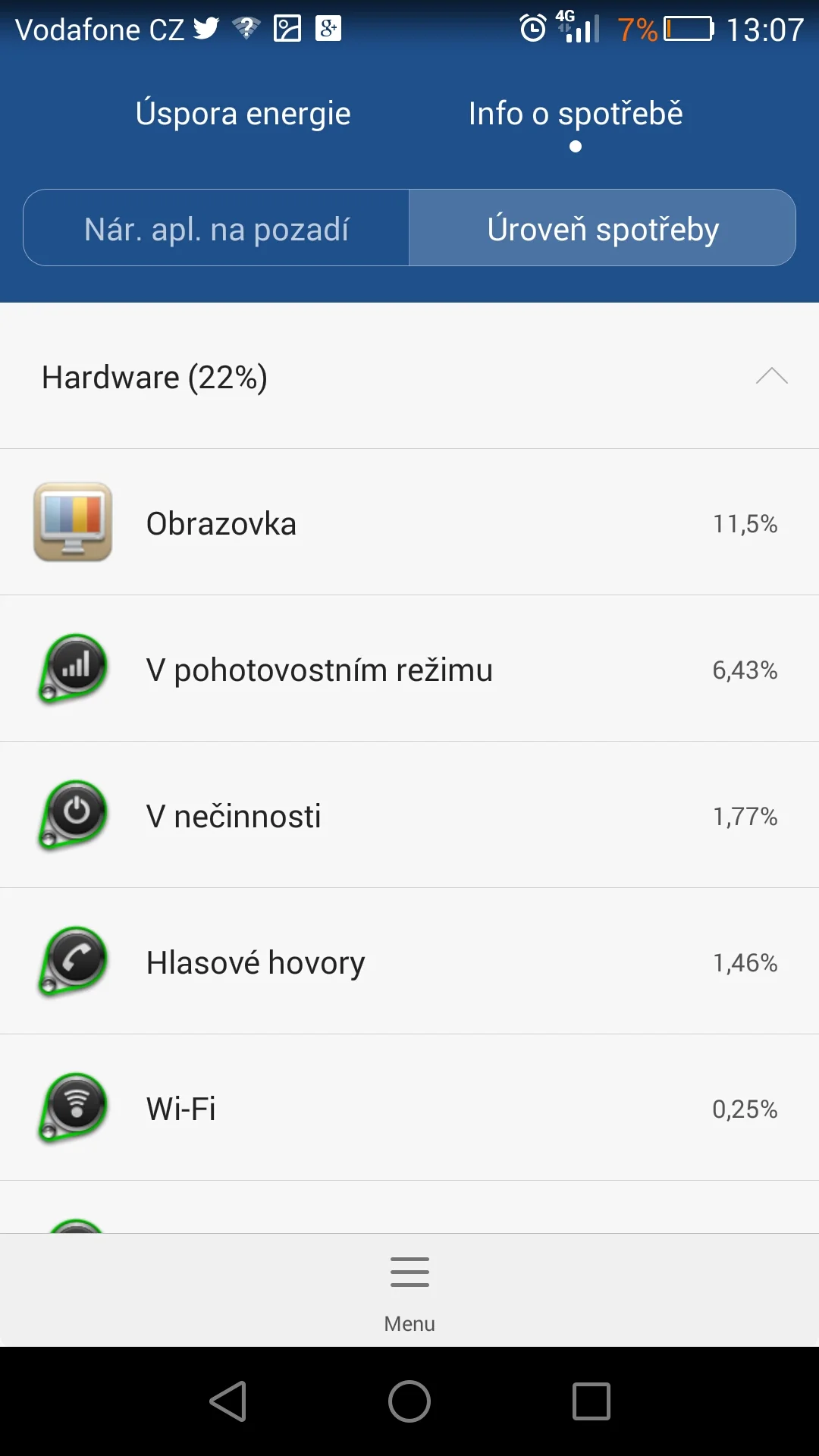
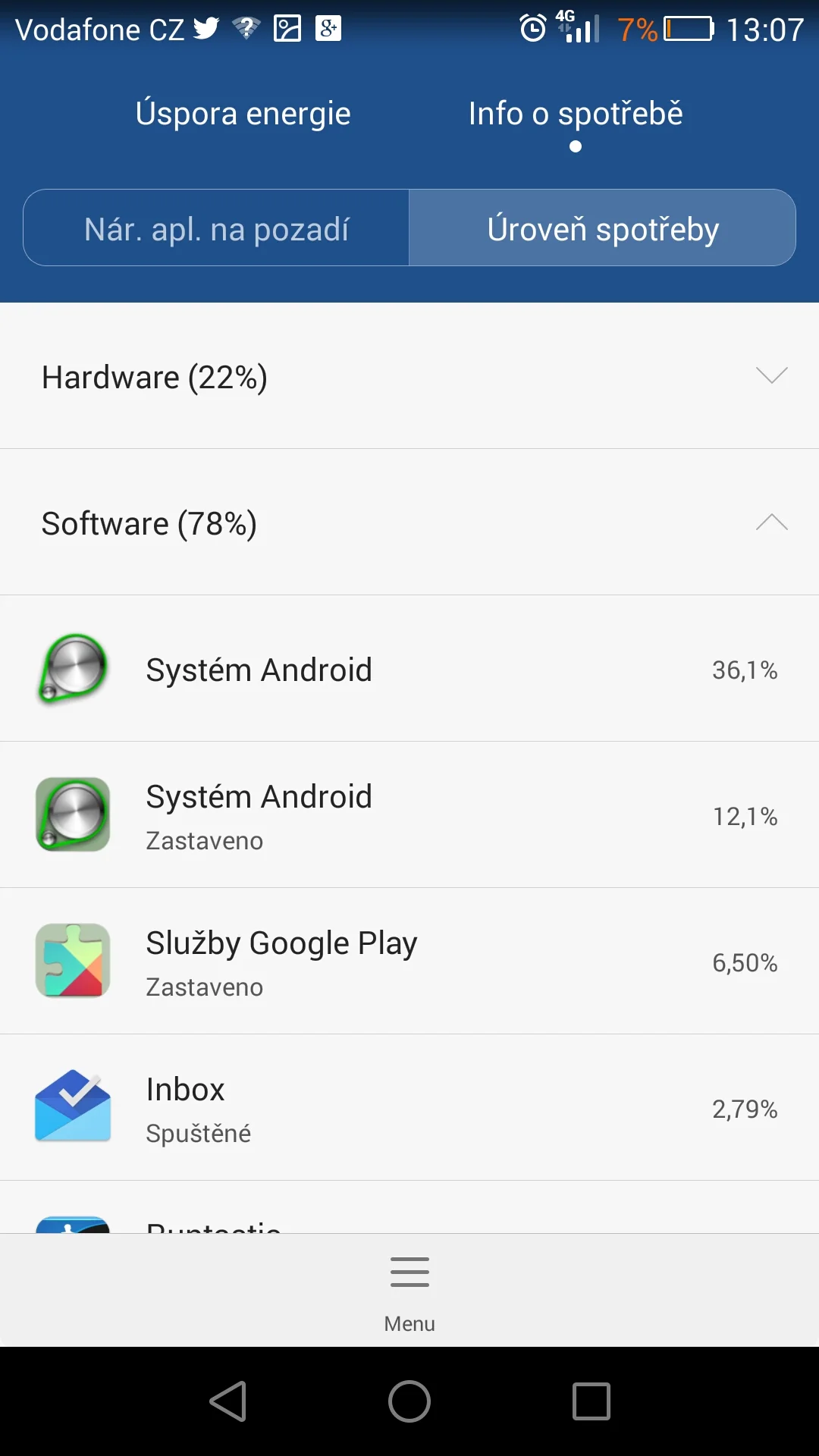
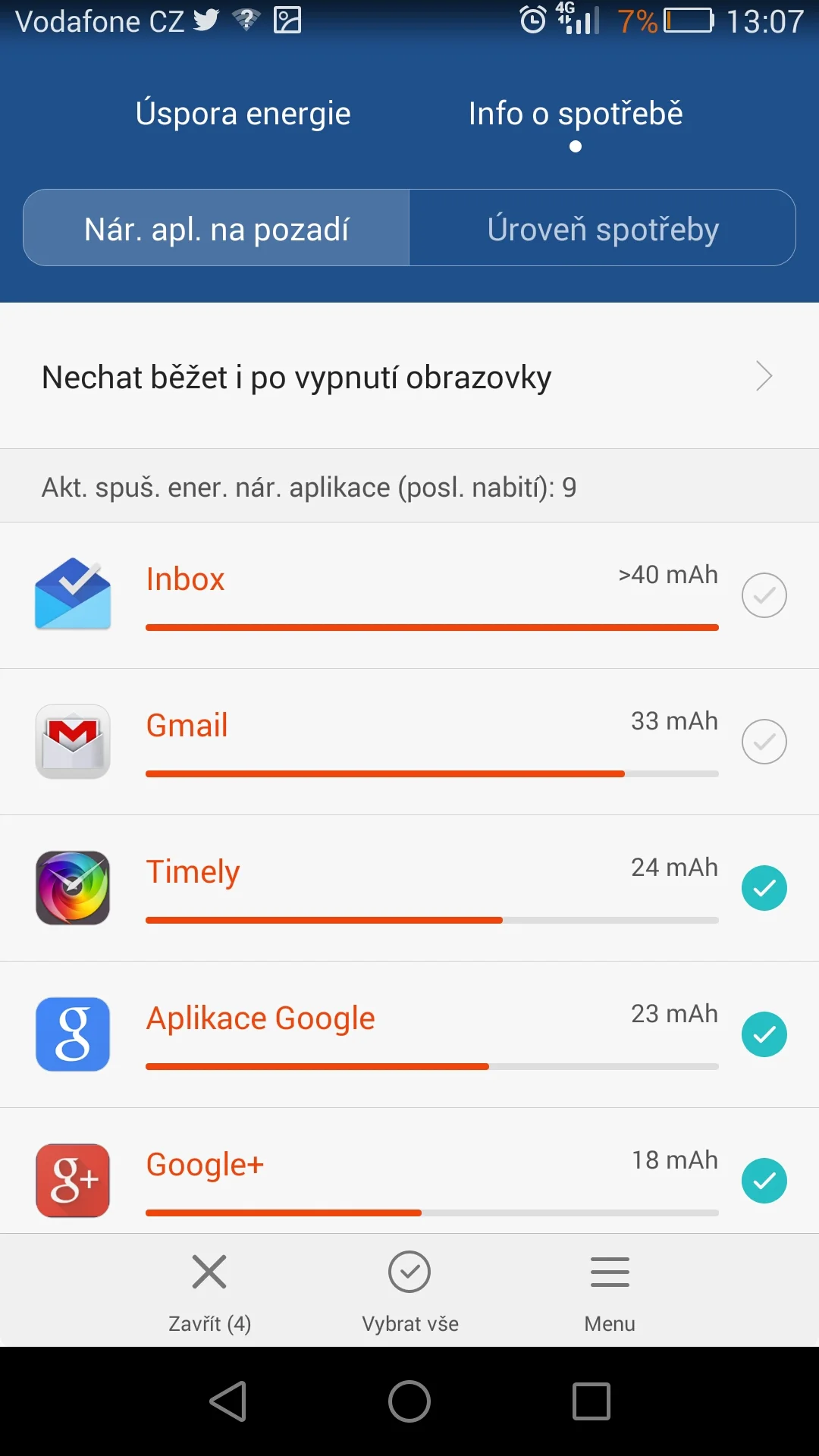
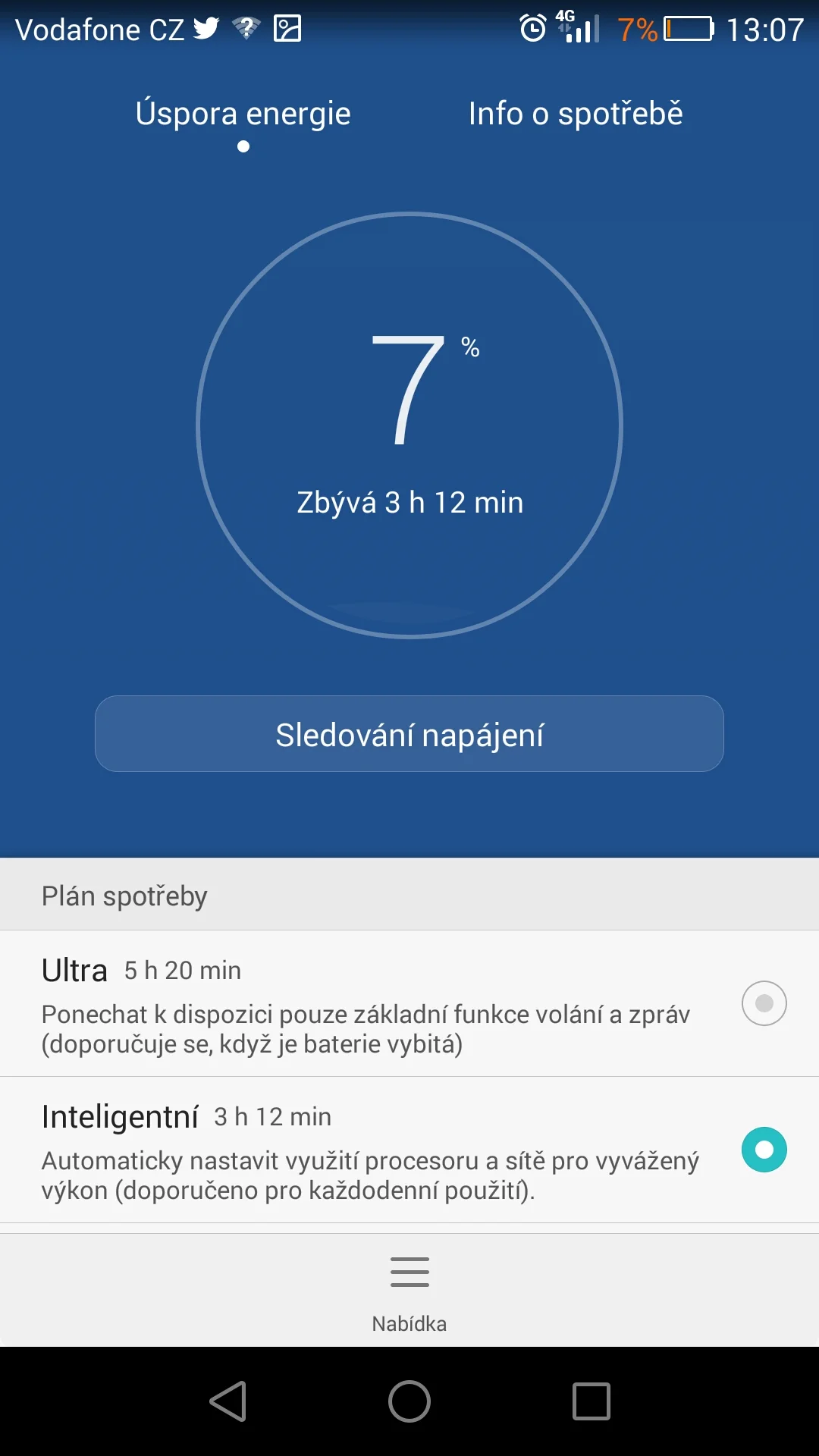
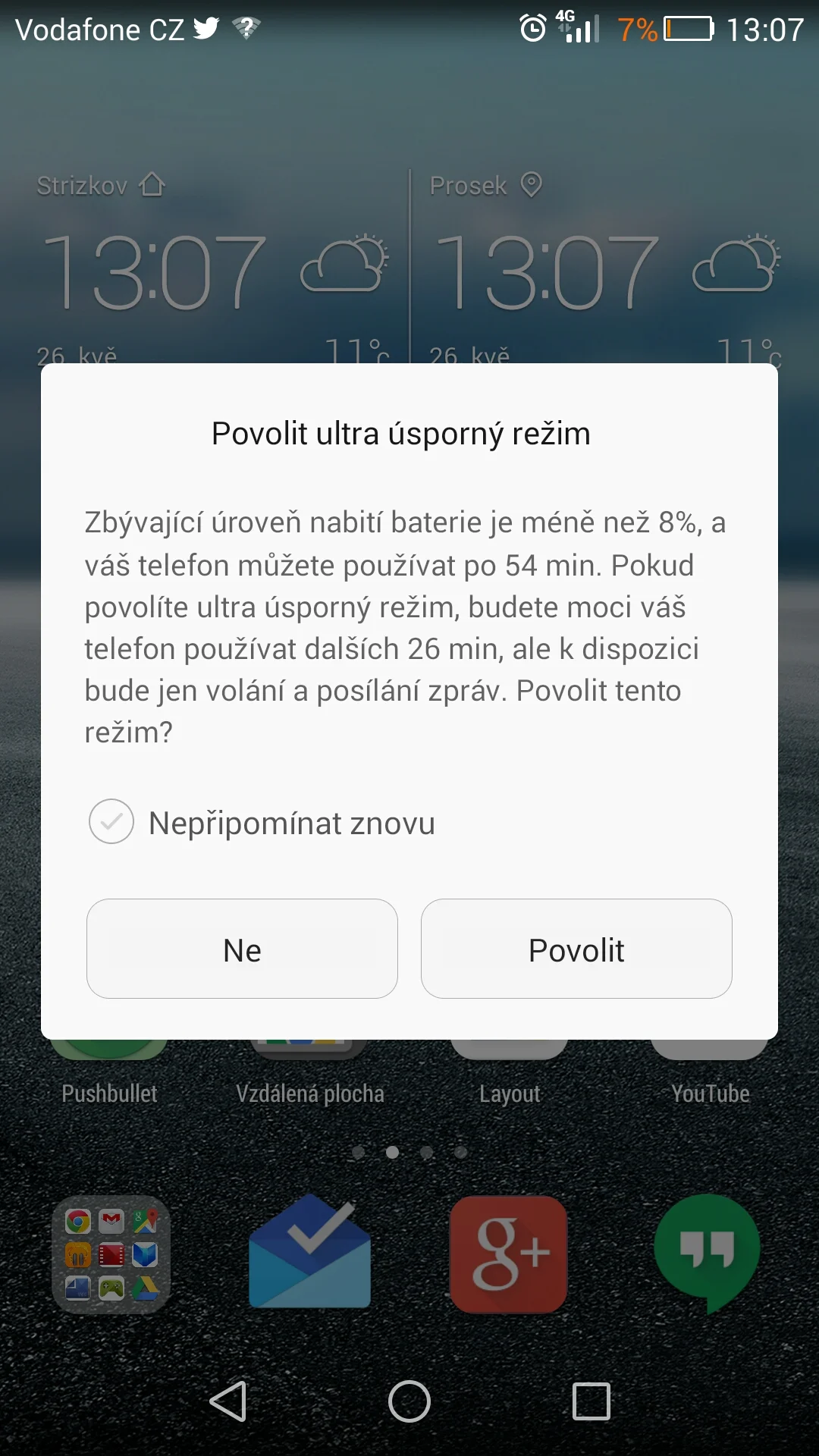
If you consider yourself a power user, you’ll probably come away disappointed. With heavier use, I was able to drain the device in a single day. During more demanding tests, including gaming, extended camera use, and similar tasks, battery drain ramped up fast. At that point, the battery indicator felt less like a gauge and more like a countdown timer.
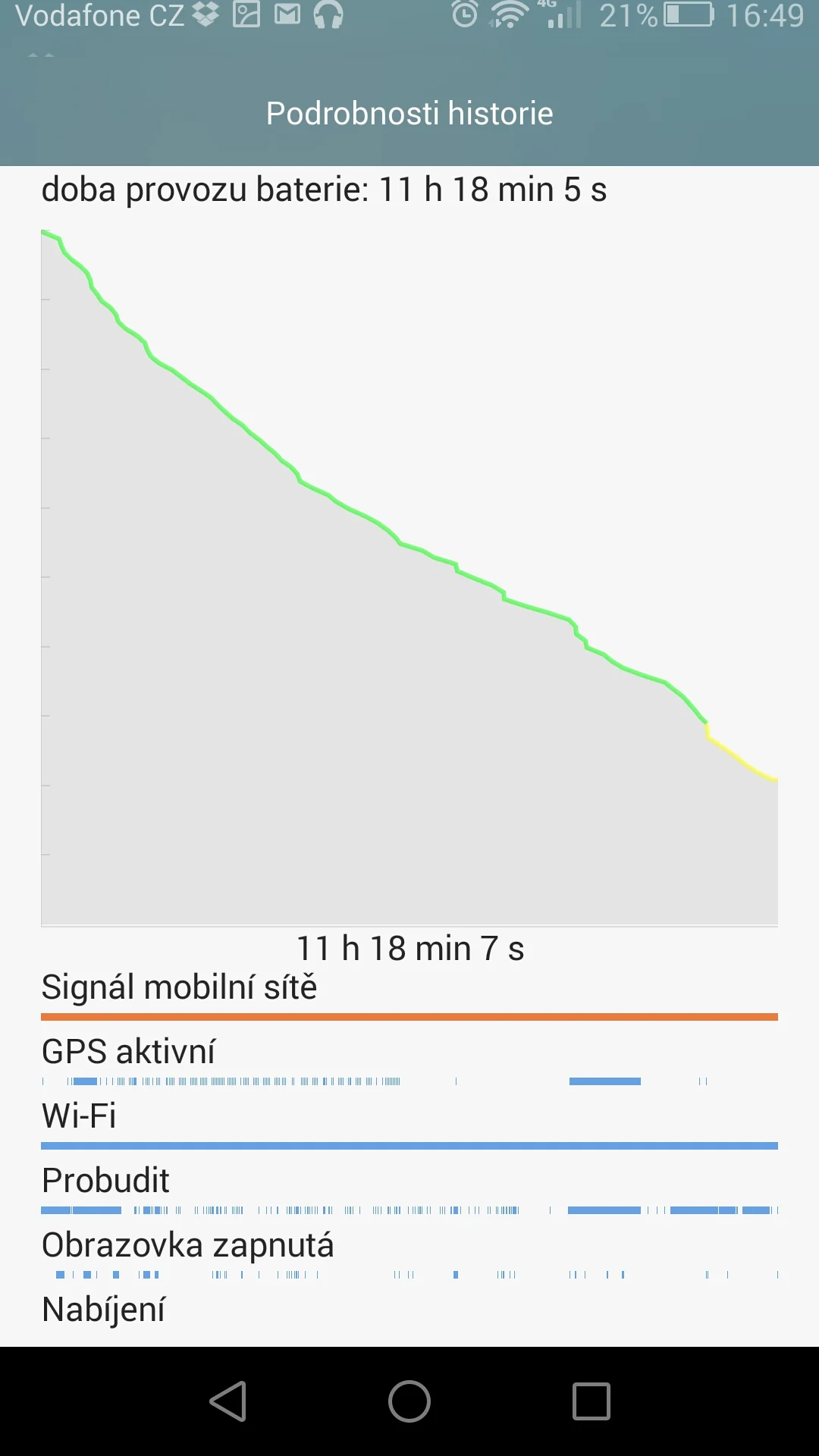
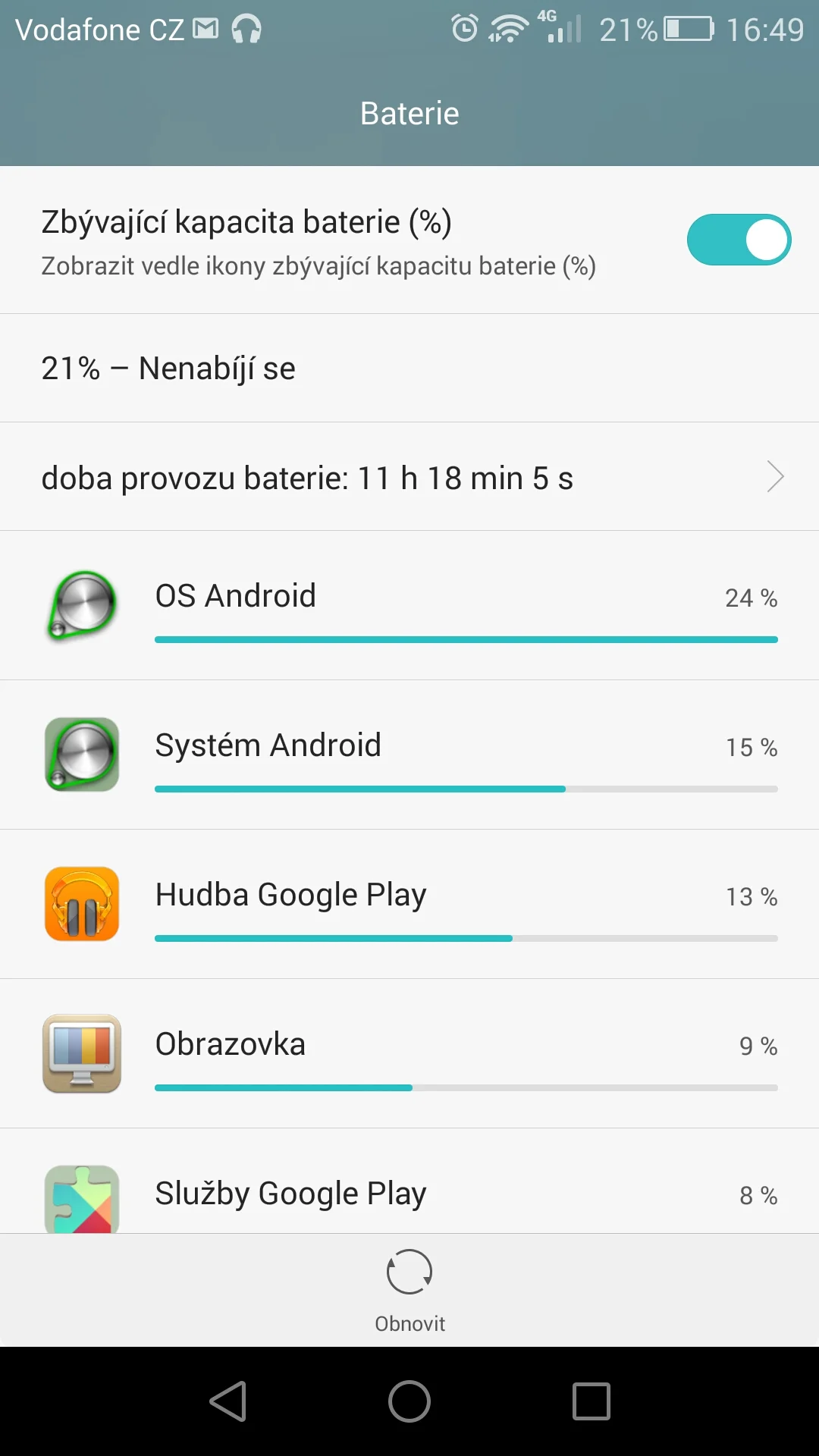
Even if I’m repeating myself, it’s worth saying again: I’d gladly take an extra millimeter of thickness in exchange for a larger battery. The 3,600 mAh spec sounds solid on paper, but for a device this large, packed with this many features, it feels average at best.
Final Verdict
Honor 6 Plus is an interesting device, and it stands out mostly because of the pair of rear cameras. It’s not an entirely original idea, of course, HTC tried something similar years ago with the Evo 3D, but very few phones on the market even now offer this kind of setup. In its price class, the Honor 6 Plus delivers interesting camera capabilities, though it doesn’t really excel, and it clearly can’t keep up with top-tier flagships from other manufacturers.
The build quality left a good impression, especially the use of metal and glass. Even the plastic sections don’t feel out of place; in this design, they make sense. In the hand, the phone feels like a premium smartphone. At times, it even seemed like Honor had taken some inspiration from Sony’s Xperia Z lineup.
Battery life is a smaller weak point. The smartphone will comfortably get through a normal workday, and with lighter use you can stretch it to two days, but this is no endurance champ. The large display demands a lot of power, and that shows here.
On the market, the Honor 6 Plus sells for a little over 11,000 CZK (approx. $504 / €452). Is that a fair price? I’m not entirely convinced. As far as build quality goes, I don’t have many complaints. But at this price, I’d expect full LTE support and better battery life.
That limited LTE support ends up overshadowing some of the phone’s other strengths. Still, if you’re looking for a device with a large display, solid build quality, and slightly above-average camera performance, it may be worth considering.
For a second-generation model, I’d want to see less experimentation with the camera setup and more focus on refinement and battery life.
Price chart for the HONOR 6 PLUS 32GB provided by Heureka.cz
Price chart for the HONOR 6 PLUS 16GB provided by Heureka.cz
Community Discussion 0 COMMENTS