
Oukitel has been on the radar for a while, even if the company kept a fairly low profile at first. That changed over time. I was curious to see what its hardware was actually like, and whether it could hold up against strong competition from Xiaomi, Huawei, and other smaller brands out of East Asia. So today, we’re taking a closer look at the Oukitel U10.
Inside the box, you get just the basics, so don’t expect bundled headphones. There is a screen protector pre-applied, though, which plenty of buyers will appreciate. You also get a power adapter, a USB cable, and the usual documentation.
Design and build
From a design standpoint, the new model doesn’t break far from its predecessors. It feels more like Oukitel refined a few rough edges and shipped a newer version. Even so, the U10 is a fairly attractive phone, and in some ways, it even looks a bit elegant.
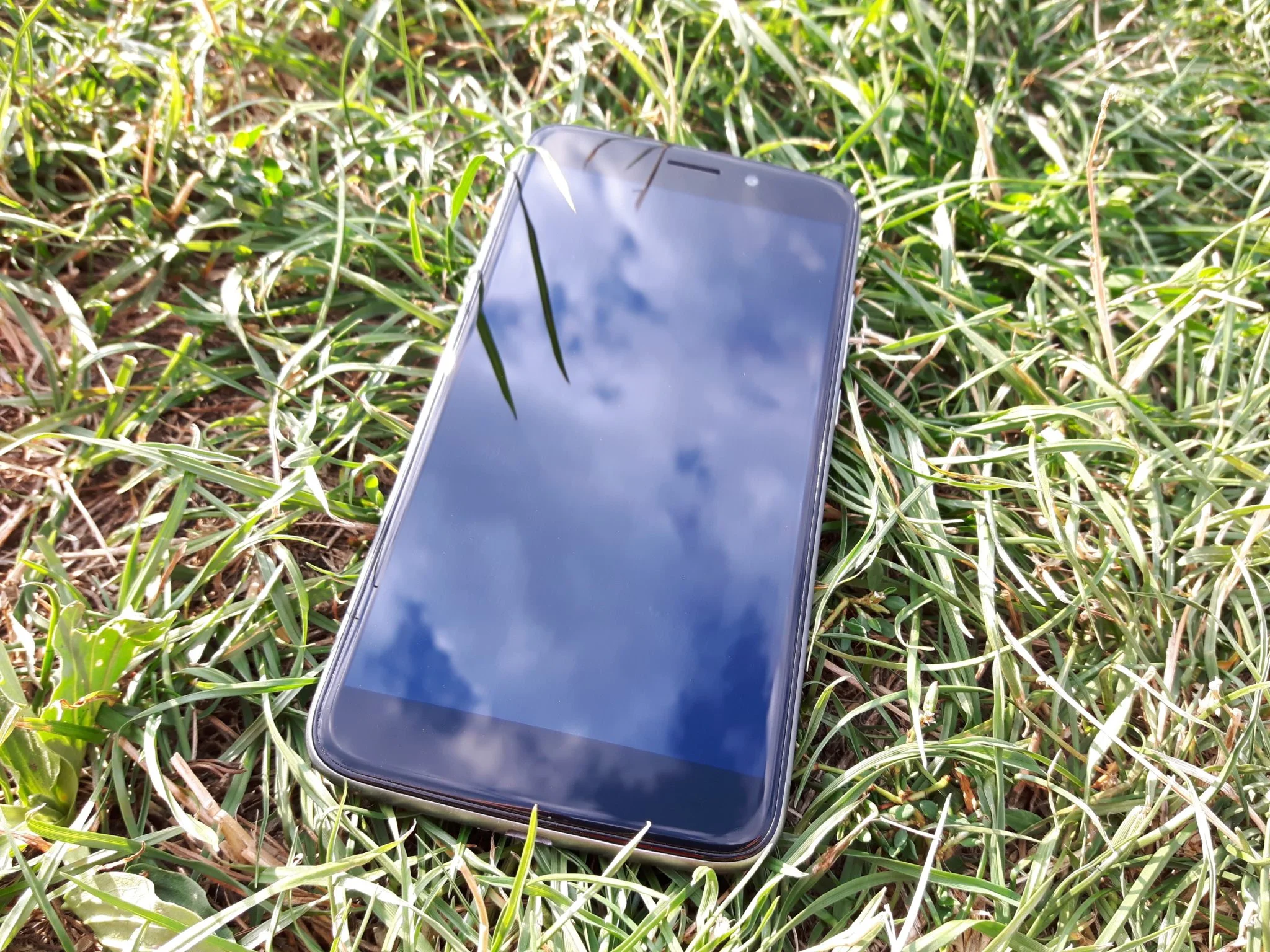
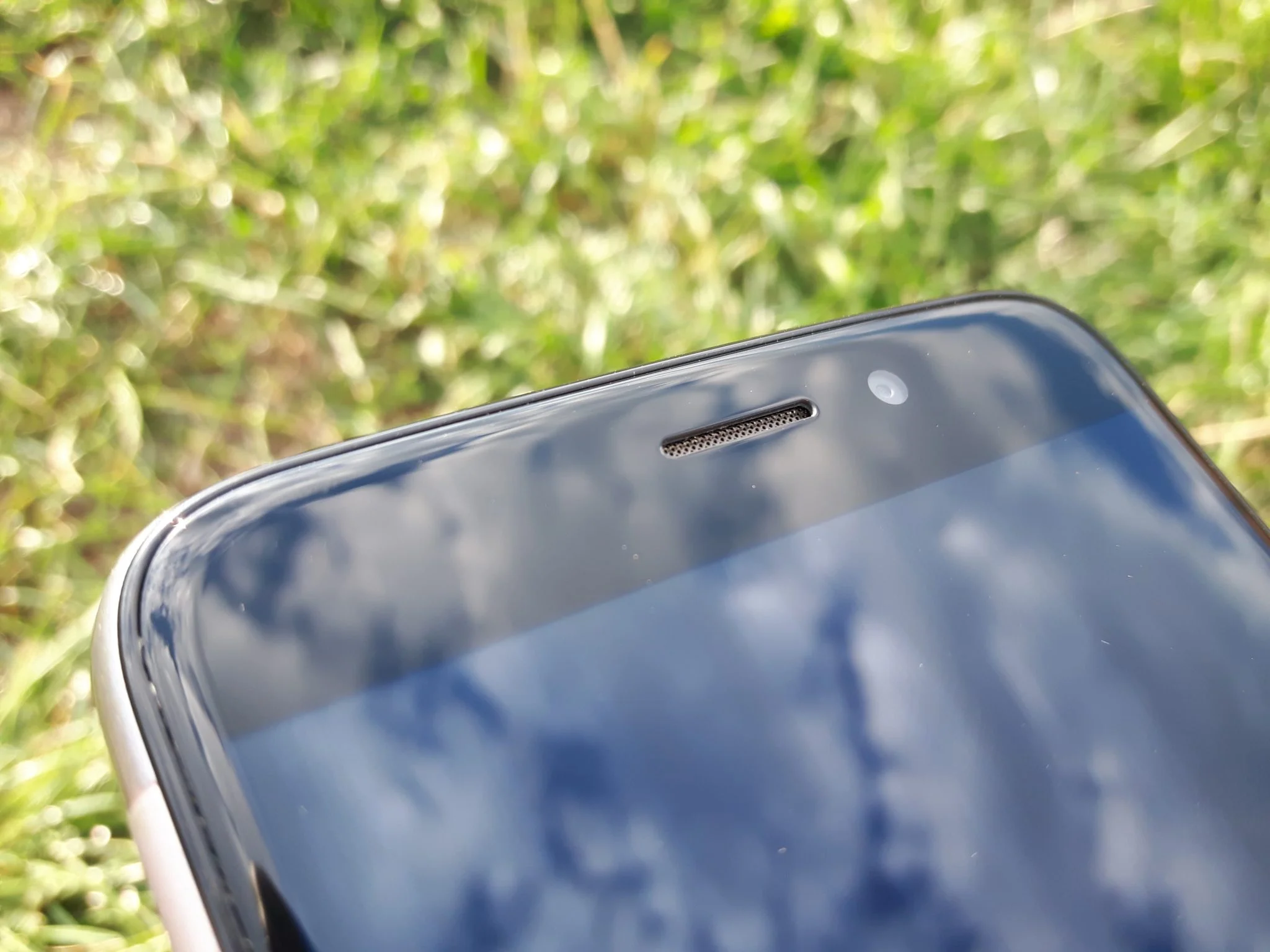
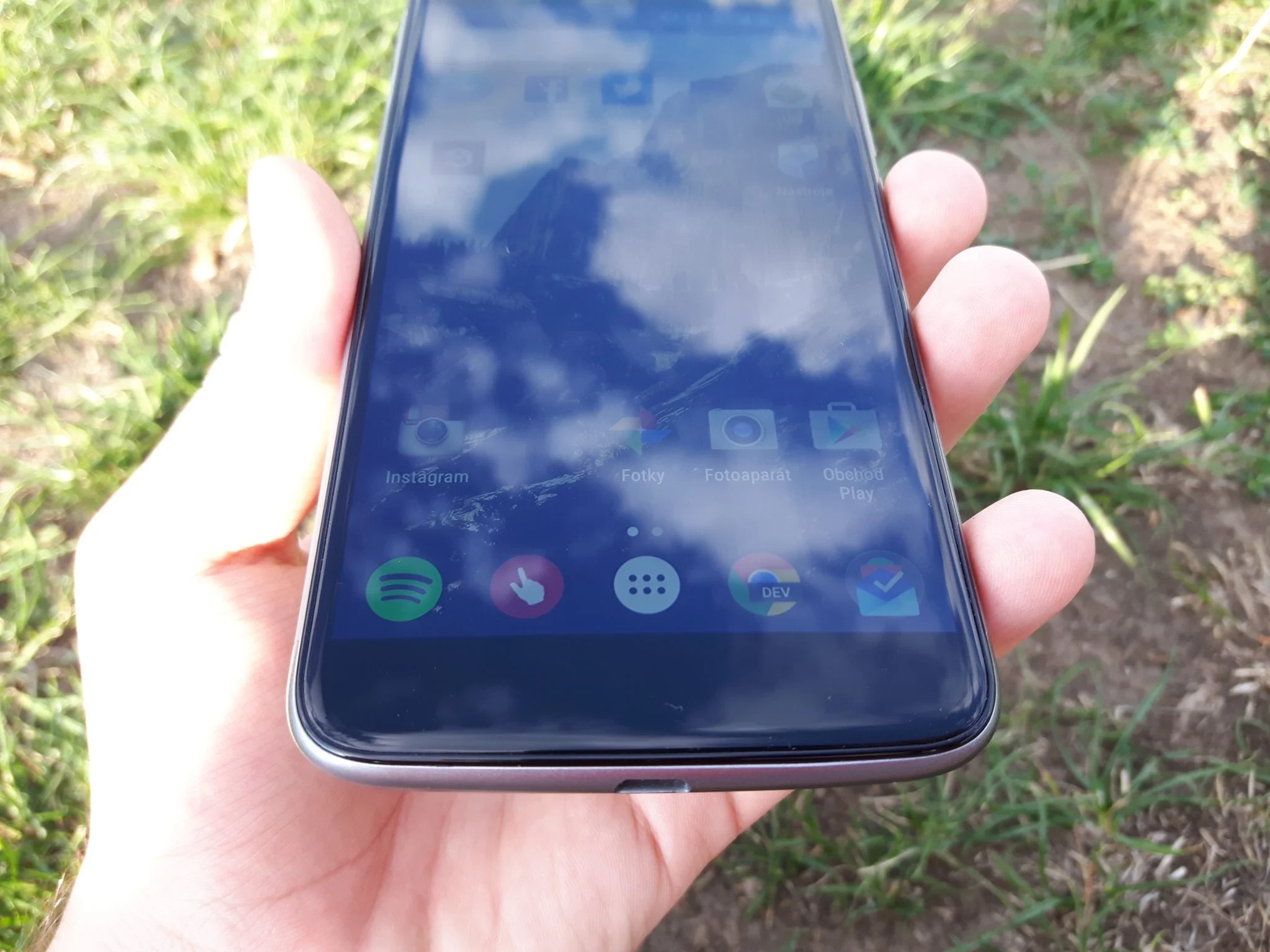
Up front, there’s a large 5.5-inch display with Full HD resolution (1080 x 1920 pixels), covered by third-generation Gorilla Glass with a 2.5D curved finish. The rounded edges give the front a cleaner, more polished look. Above the display, you’ll find a 5MP camera, the earpiece, ambient light and proximity sensors, and a notification LED.
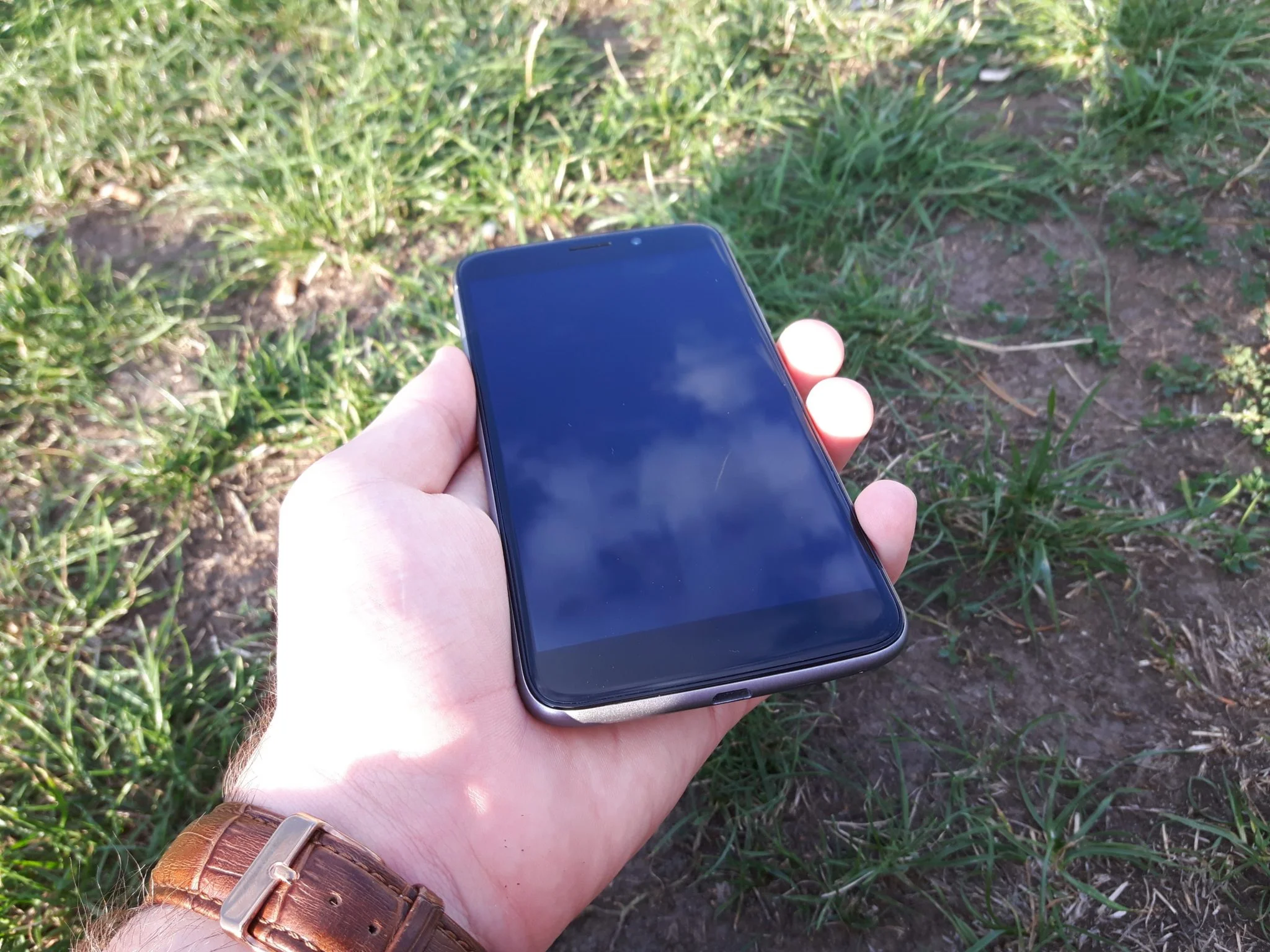
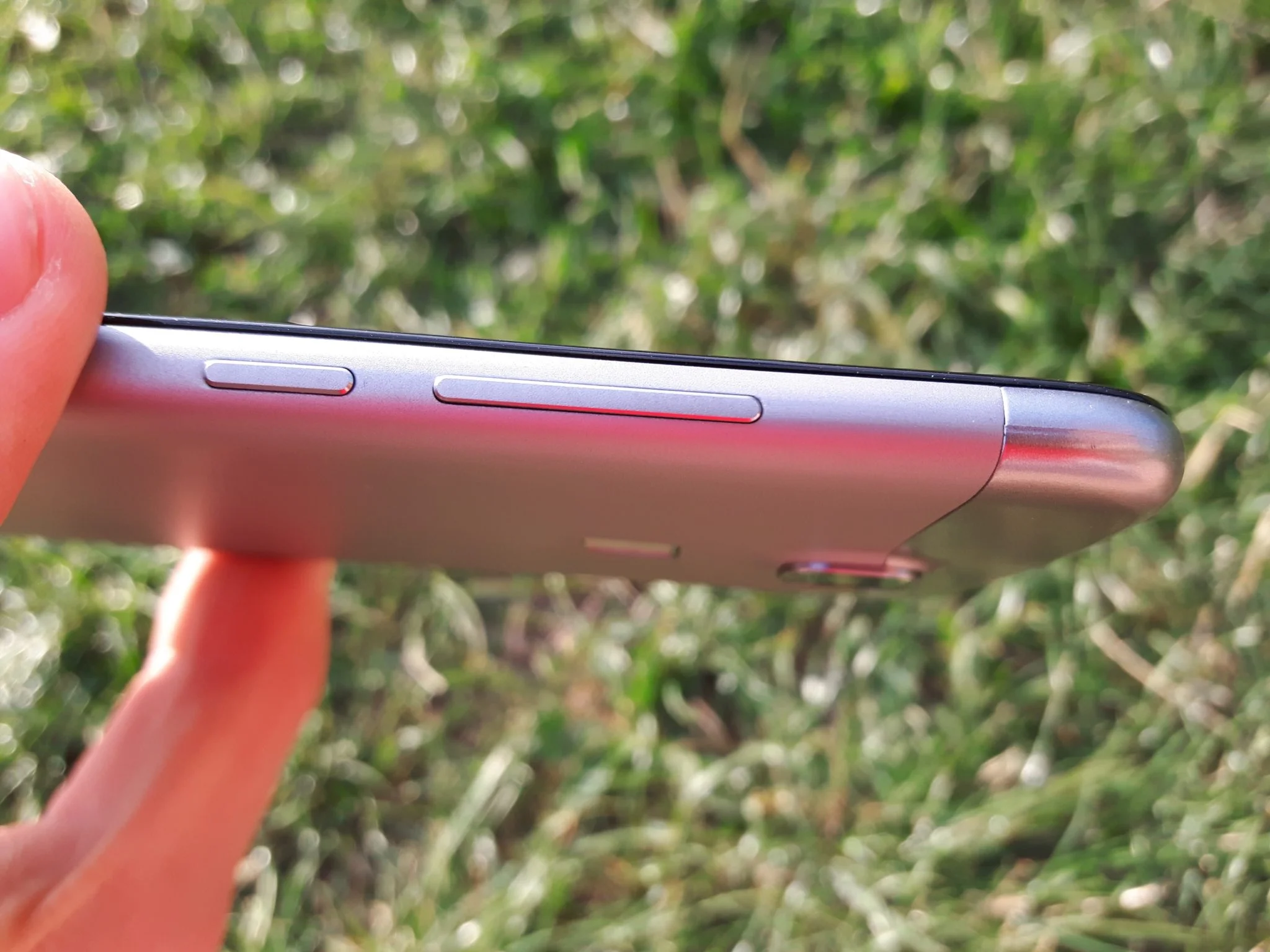
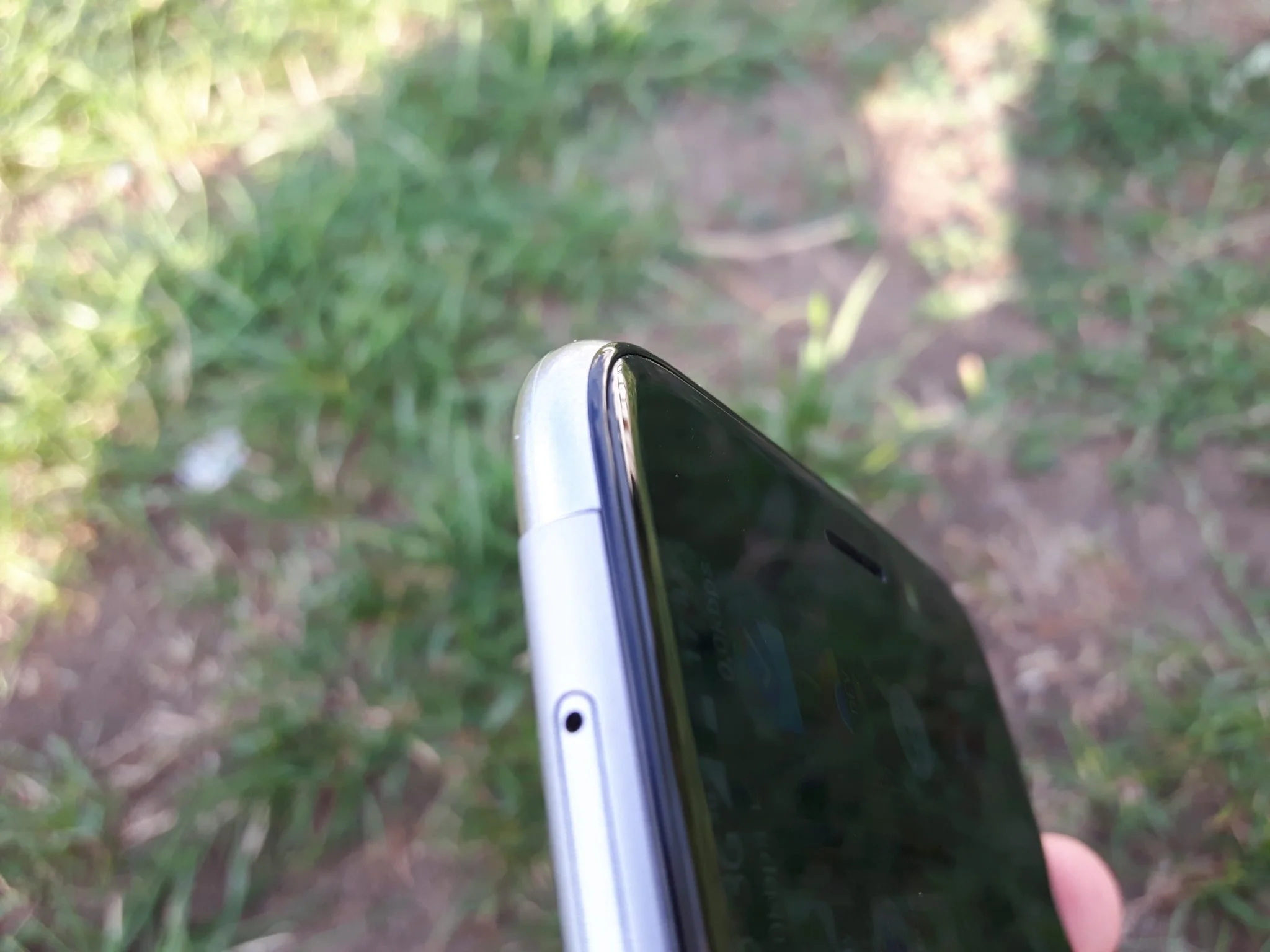
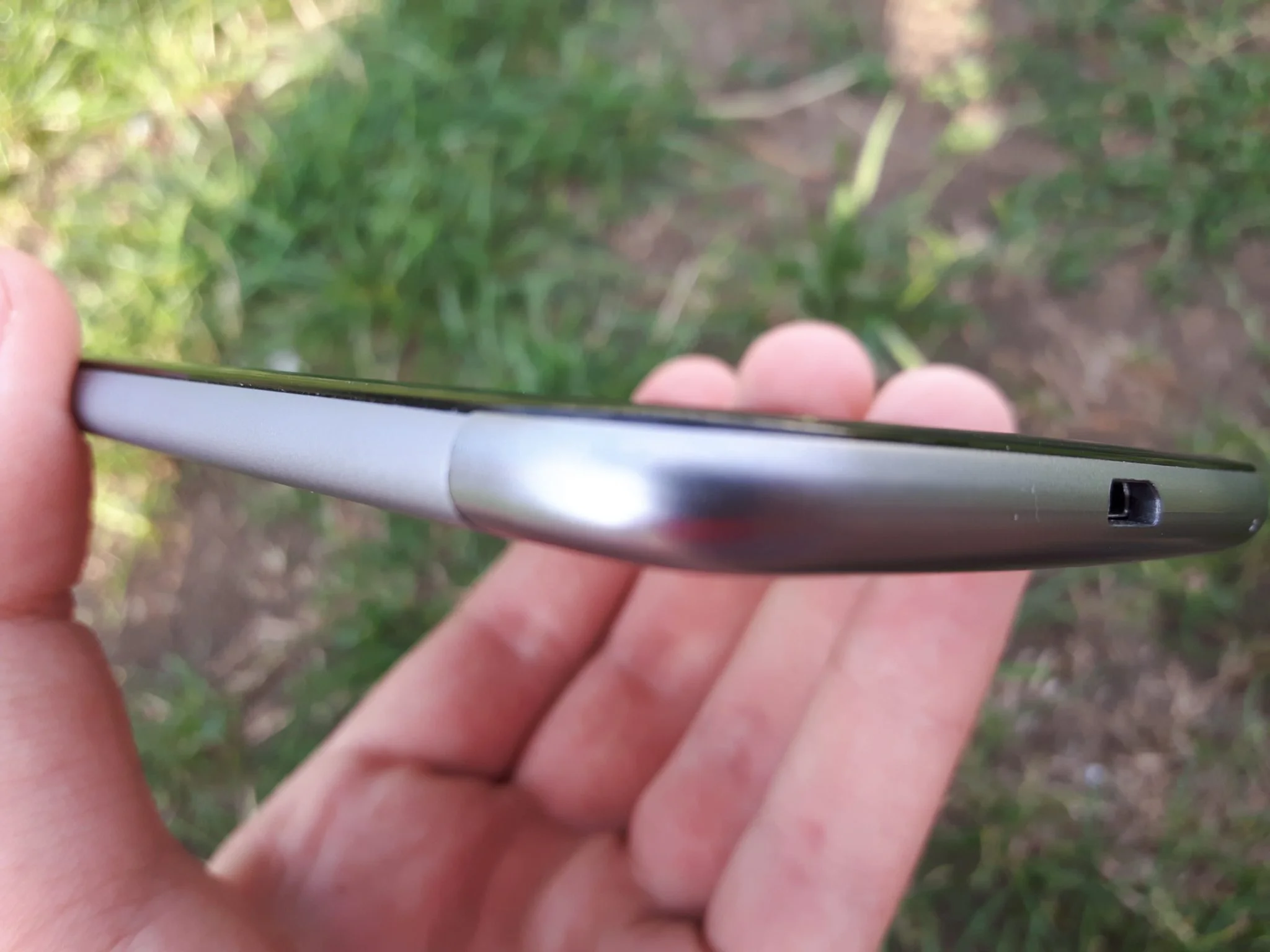
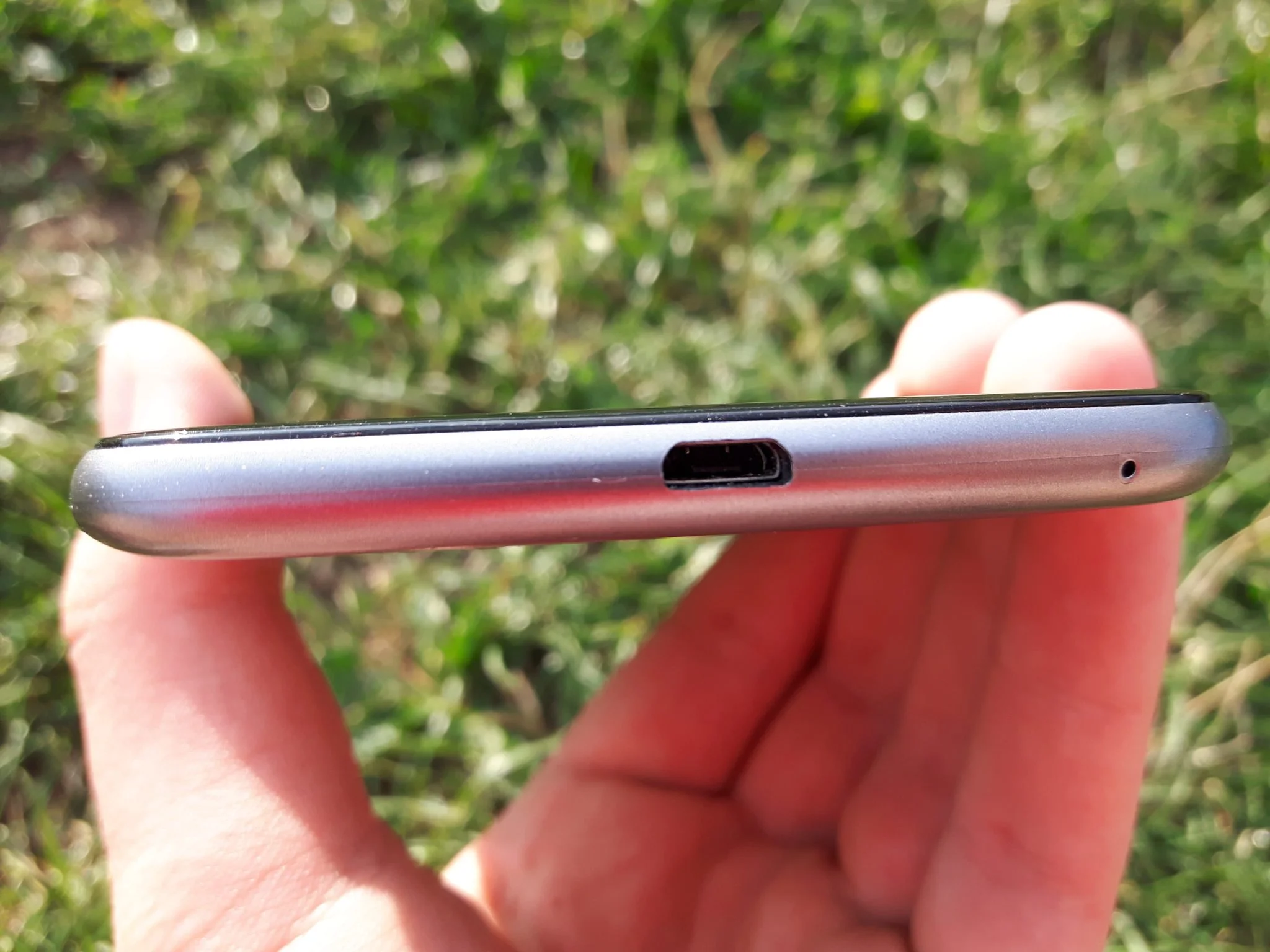
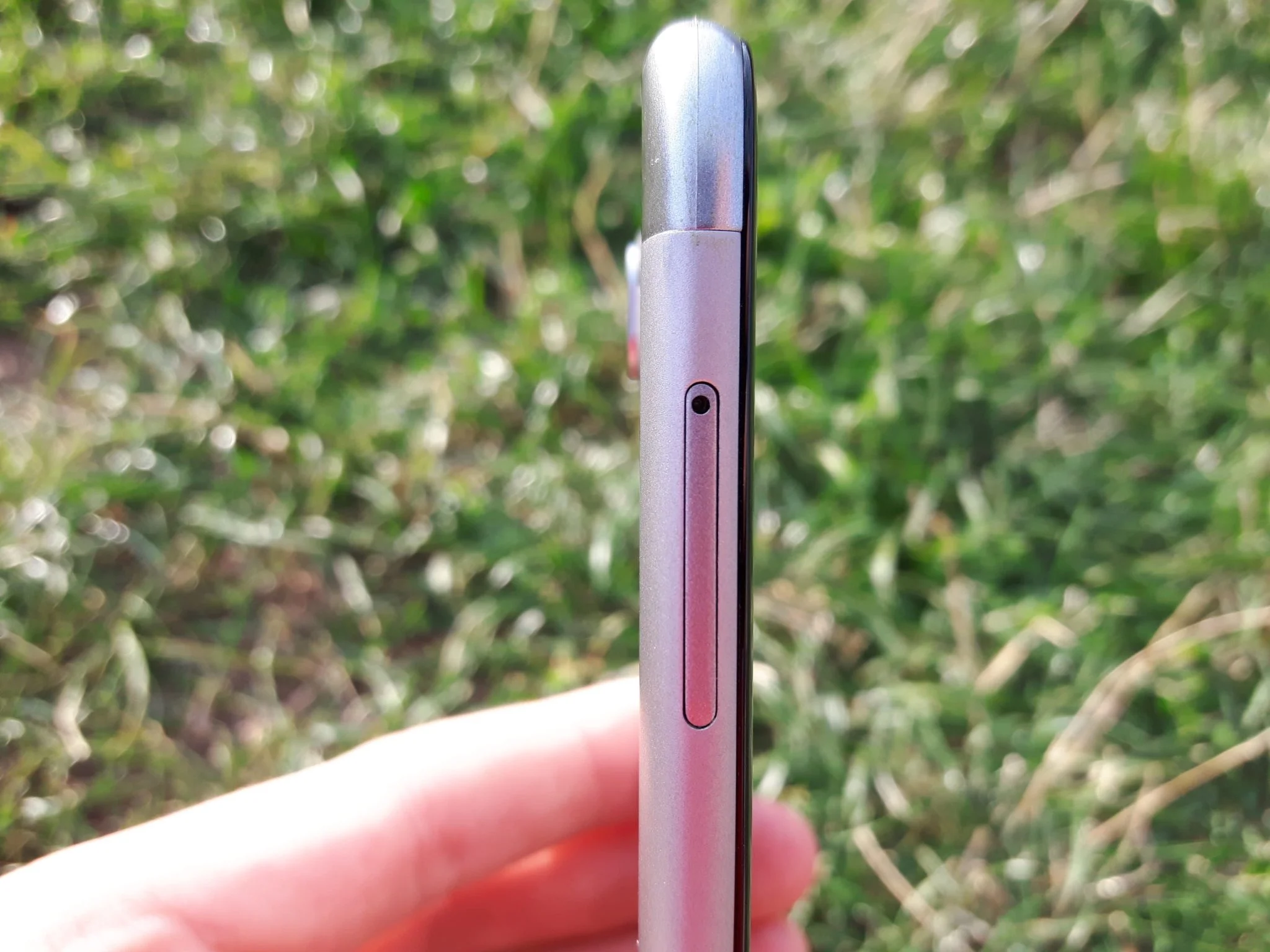
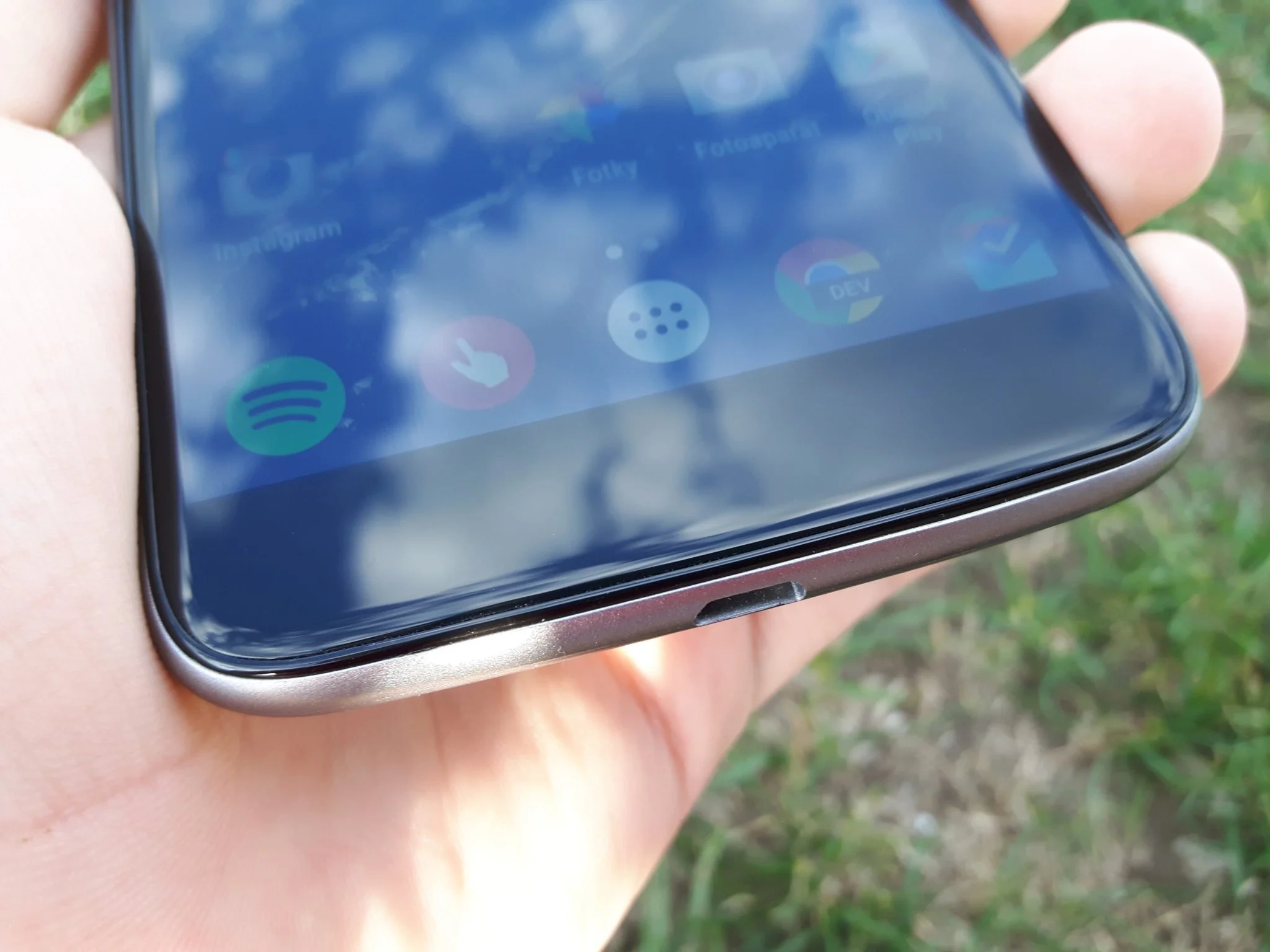
The sides are rounded, so there are no sharp edges anywhere on the device. On the left, there’s a tray for either two microSIM cards or one microSIM plus one microSD card. The right side holds the volume rocker, with the power button placed just below it. The buttons are fairly sensitive, so even a light press is enough to trigger them. At the bottom, there’s a microUSB port and microphone. Up top, you get a 3.5mm headphone jack.
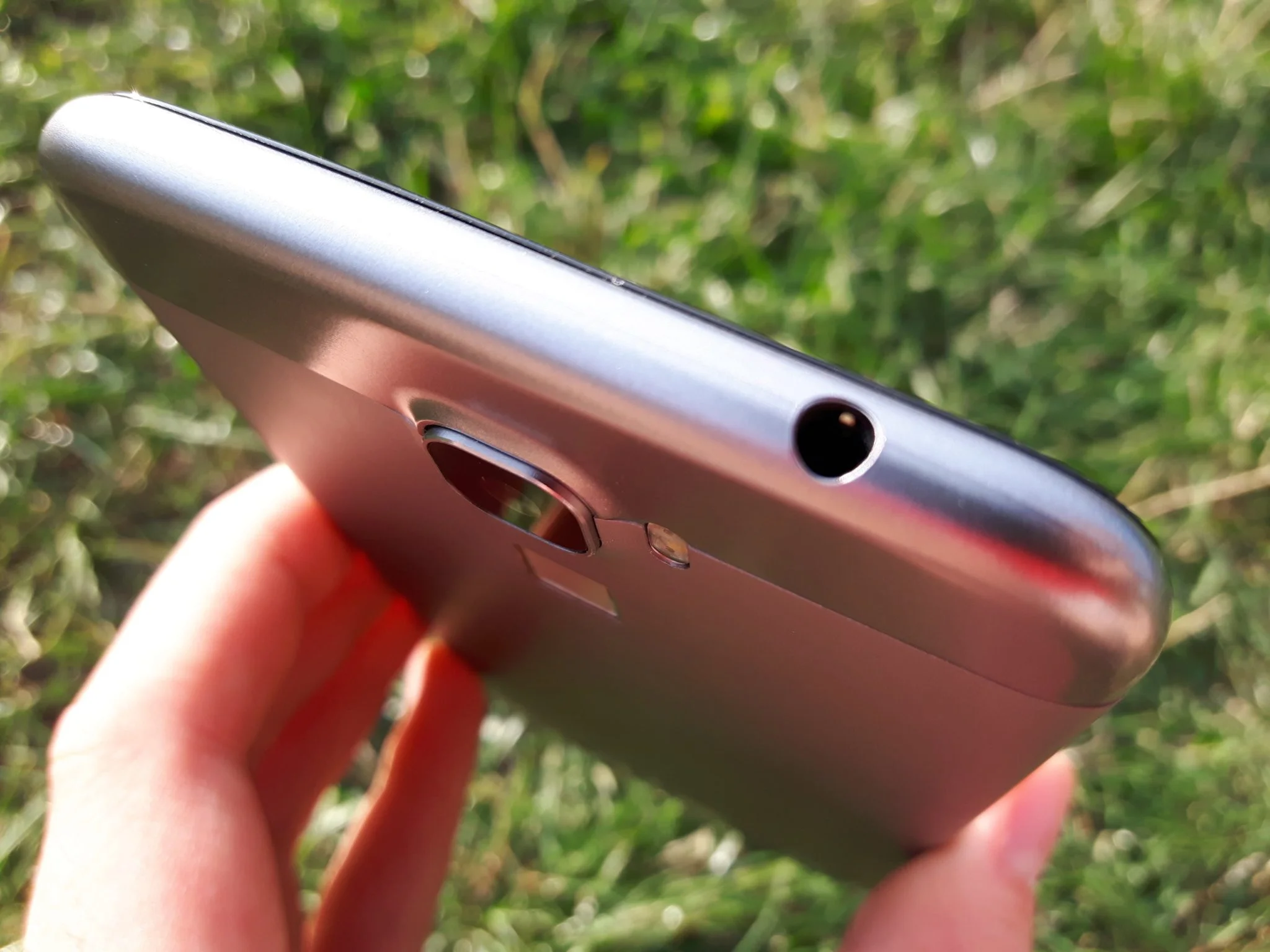
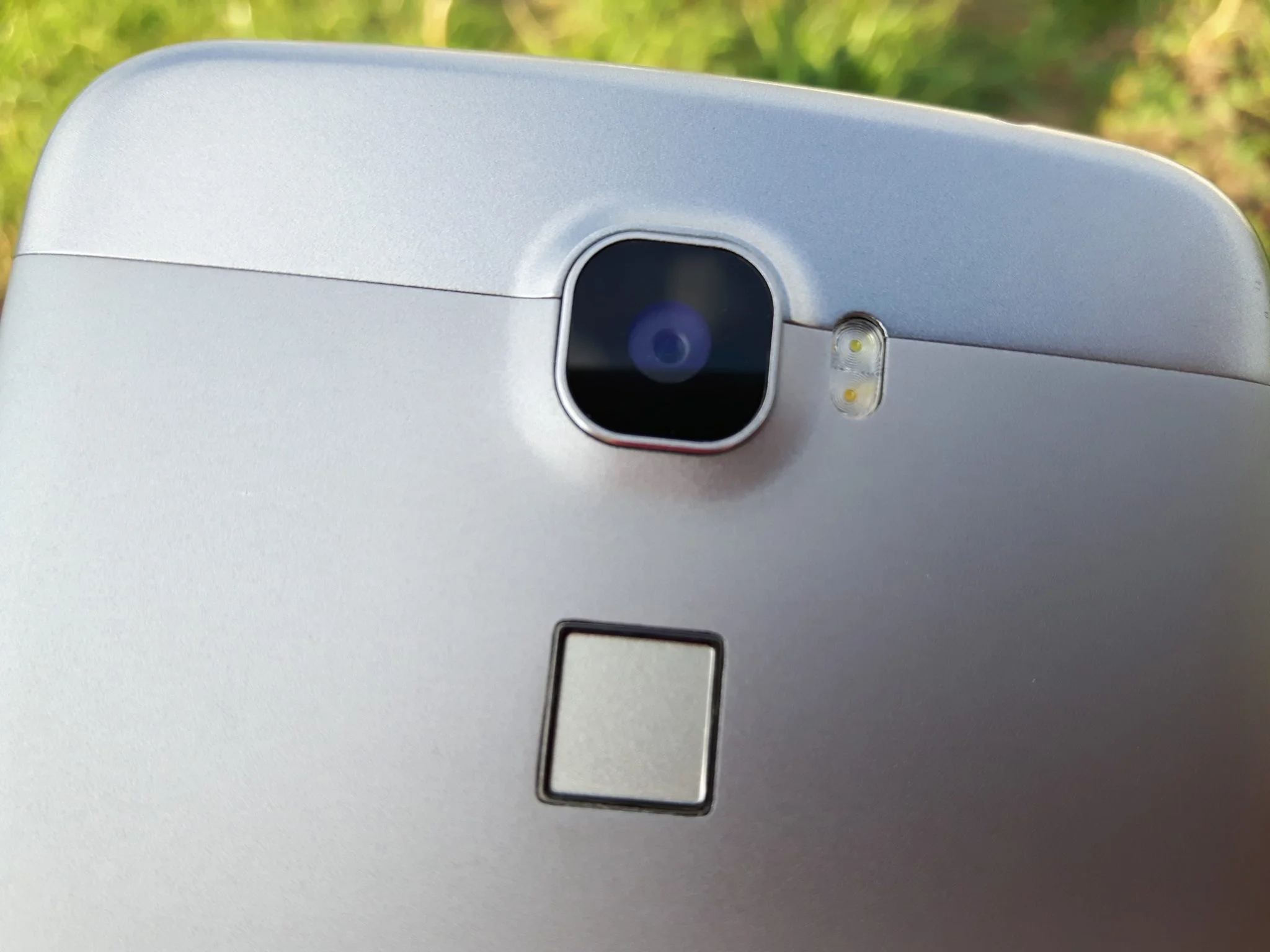
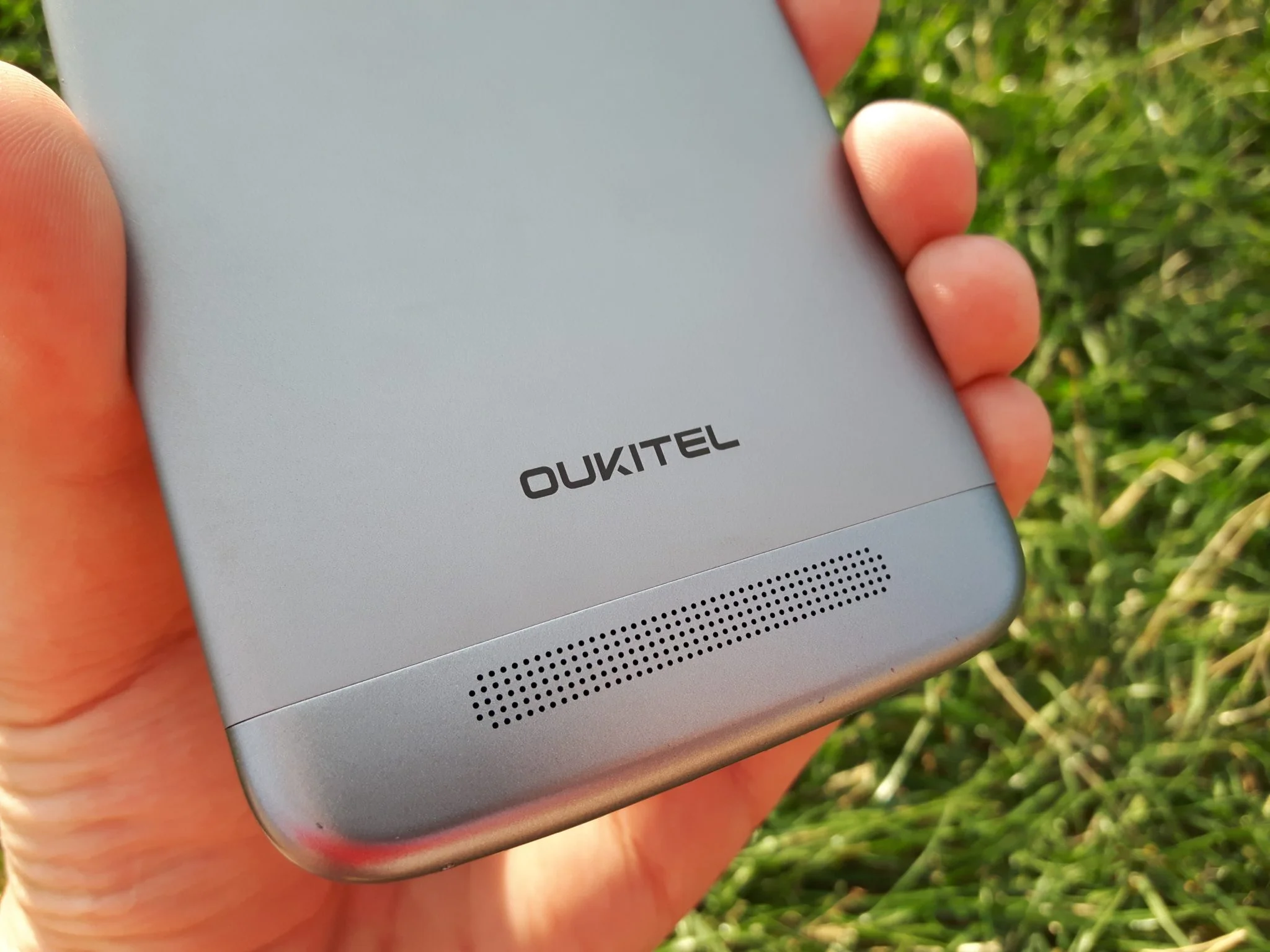
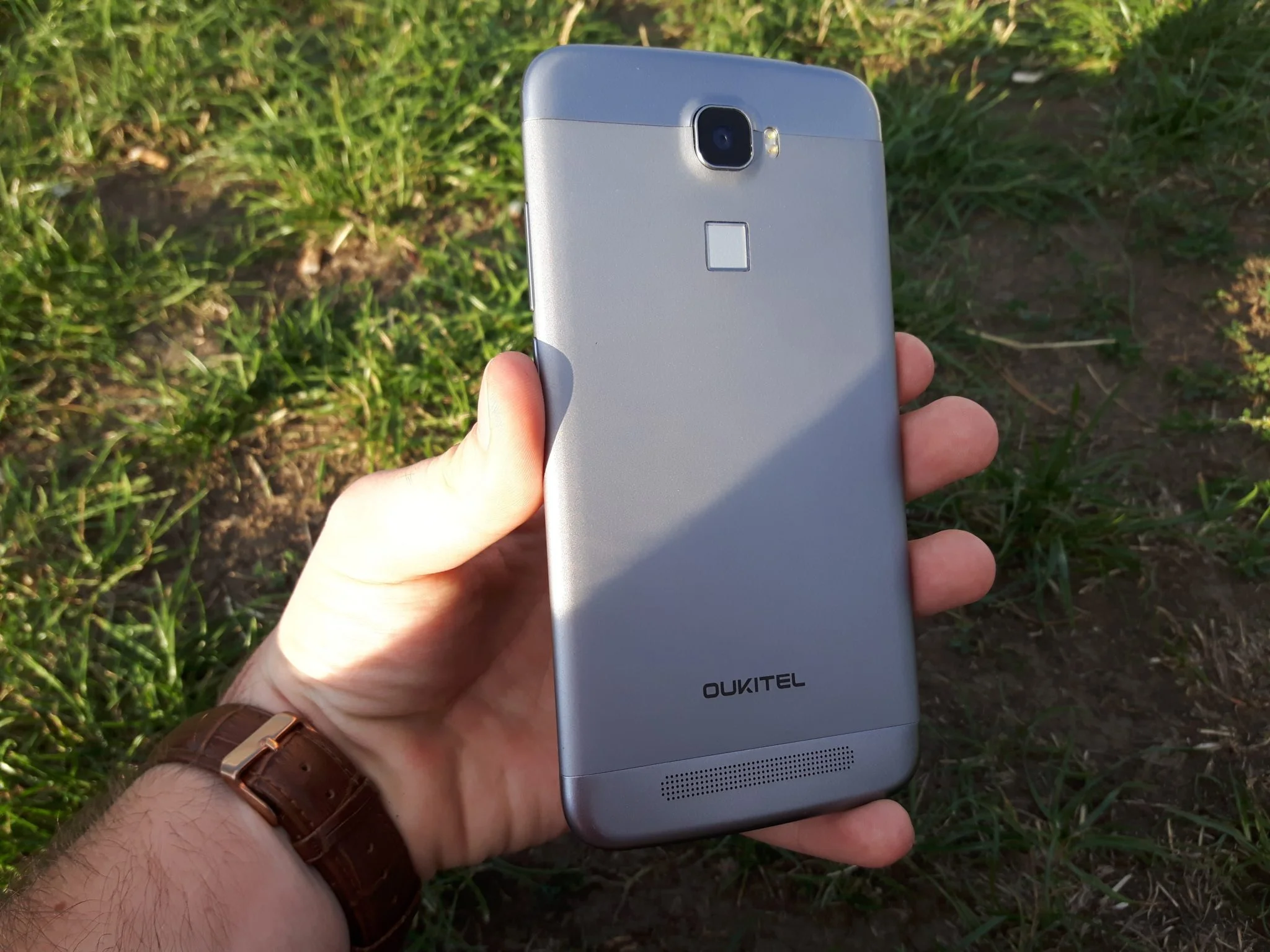
The back looks surprisingly polished, even though it’s plastic. The raised 13MP camera lens is the main visual focal point, with a dual-LED flash sitting beside it. One of the bigger surprises, despite being easy to overlook on paper, is the fingerprint reader, which you can use regularly to unlock the phone. Lower down, there’s only the company logo and a long speaker grille.
Hardware
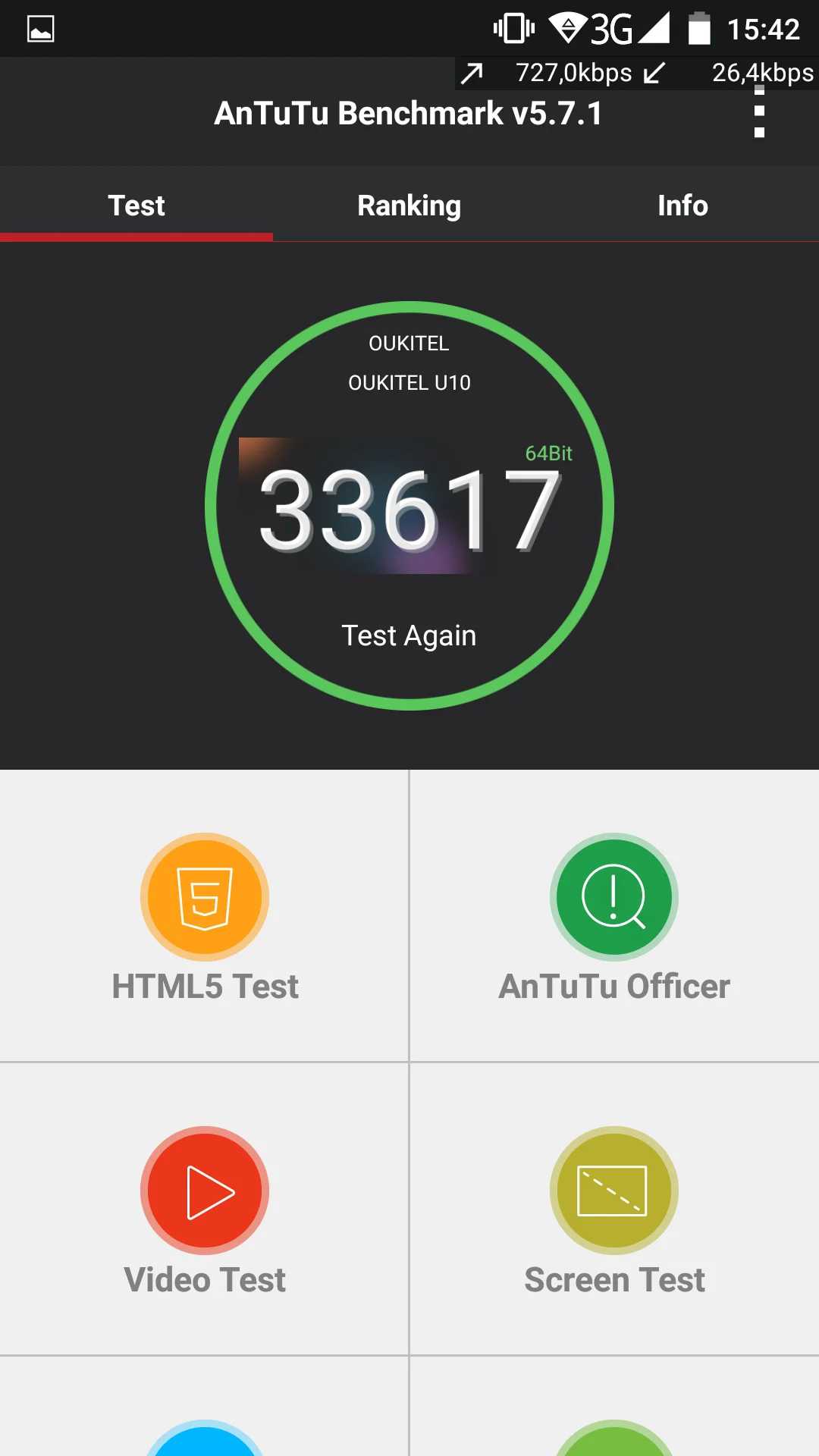
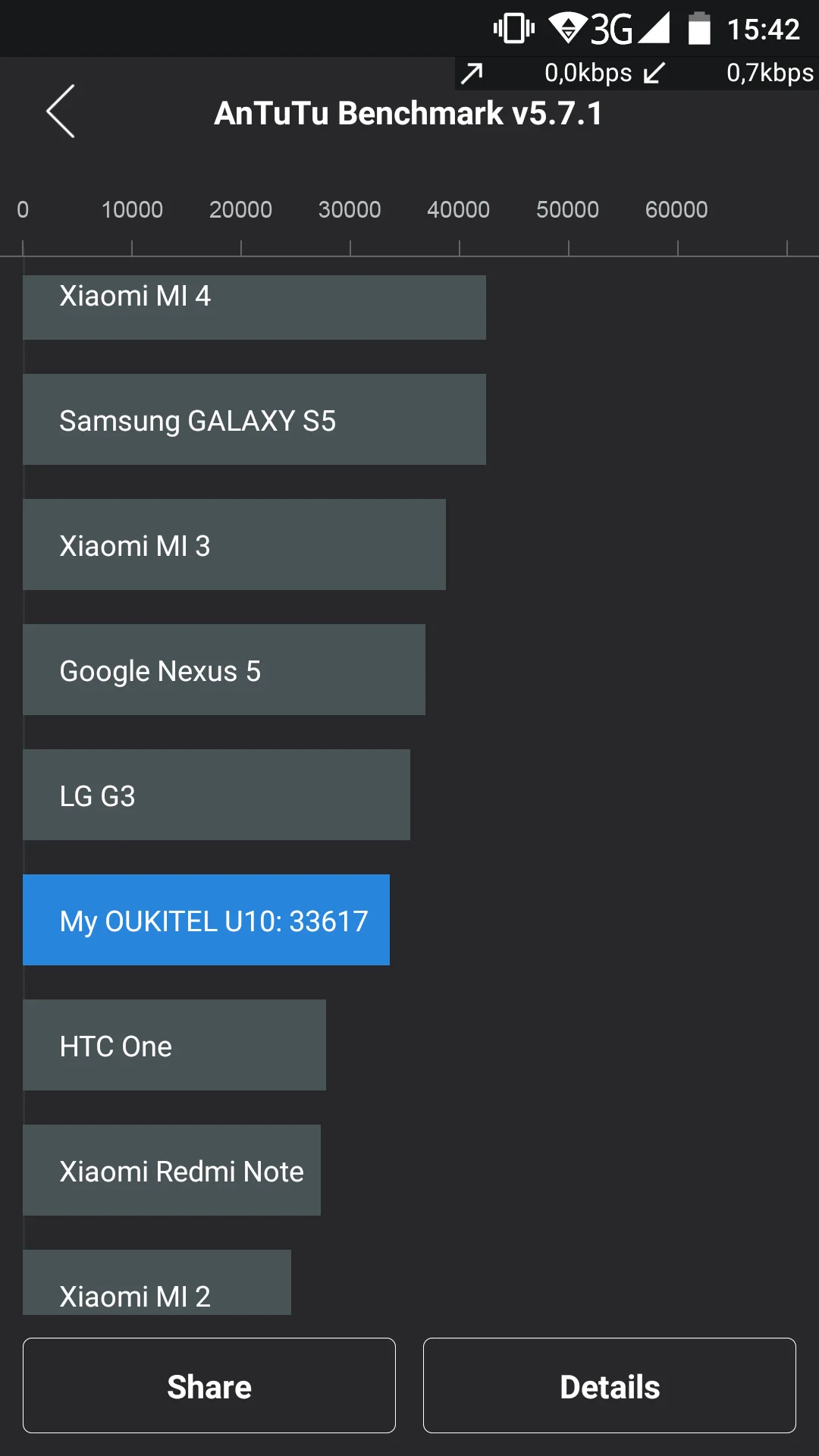
The phone is powered by MediaTek’s MTK6753, clocked at 1.3GHz across all eight cores, paired with a Mali-T720 GPU. That’s enough to keep Android 5.1 Lollipop running smoothly, but more demanding games are where the limits start to show. The chip is backed by 3GB of RAM and 16GB of internal storage, expandable by another 32GB. You can feel some heat when launching heavier apps, though it never becomes a major issue.
Connectivity is one of the stronger points here. The processor supports Bluetooth 4.0, GPS, Wi-Fi (802.11 b/g/n), and LTE (FDD-LTE 800/1800/2100/2600 MHz). Rounding things out is a 2,850mAh battery, which is a pretty solid number for this class.
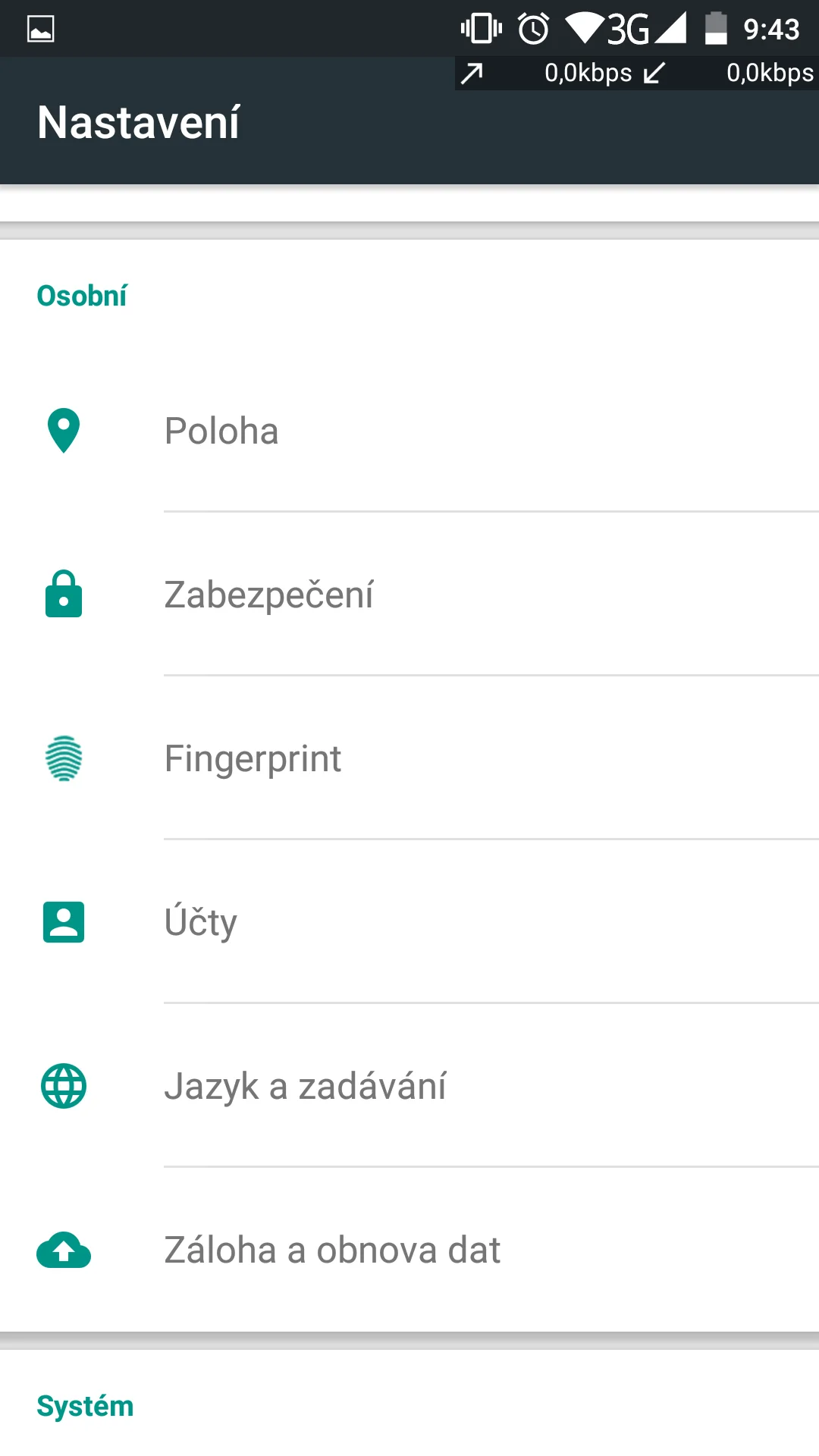
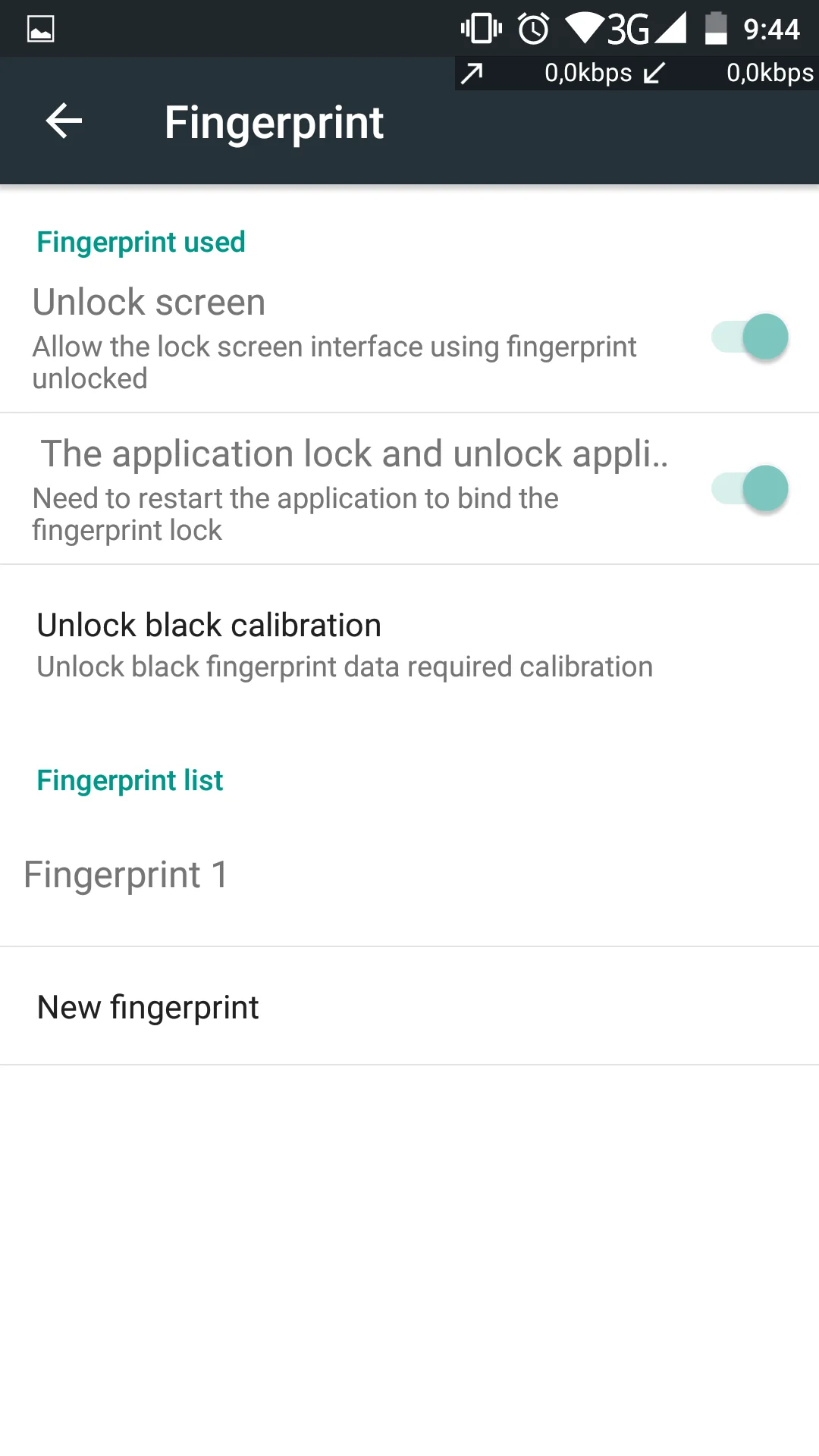
Fingerprint reader – I was genuinely surprised by how much better the fingerprint reader worked than the one on the OnePlus 2. It took some time to believe it, but after using both, that really was the case. Its placement is also comfortable, and it’s easy to reach with your index finger.
Specifications
- display – 5.5-inch IPS+OGS, Full HD resolution (1080 x 1920 px)
- operating system – Android 5.1 Lollipop (with Oukitel’s custom skin)
- dimensions – 15.4 x 76.9 x 7.9 mm
- weight – 170 grams
- SoC – octa-core 1.3GHz (MTK6753, GPU – Mali-T720)
- memory – 3GB RAM with 16GB internal storage
- camera – 13MP rear (HDR), 5MP front
- battery – 2,850mAh capacity
- other features – Bluetooth 4.0, Wi-Fi 802.11 b/g/n, GPS, 3G, LTE (FDD-LTE 800/1800/2100/2600 MHz), motion sensor, digital compass
Software
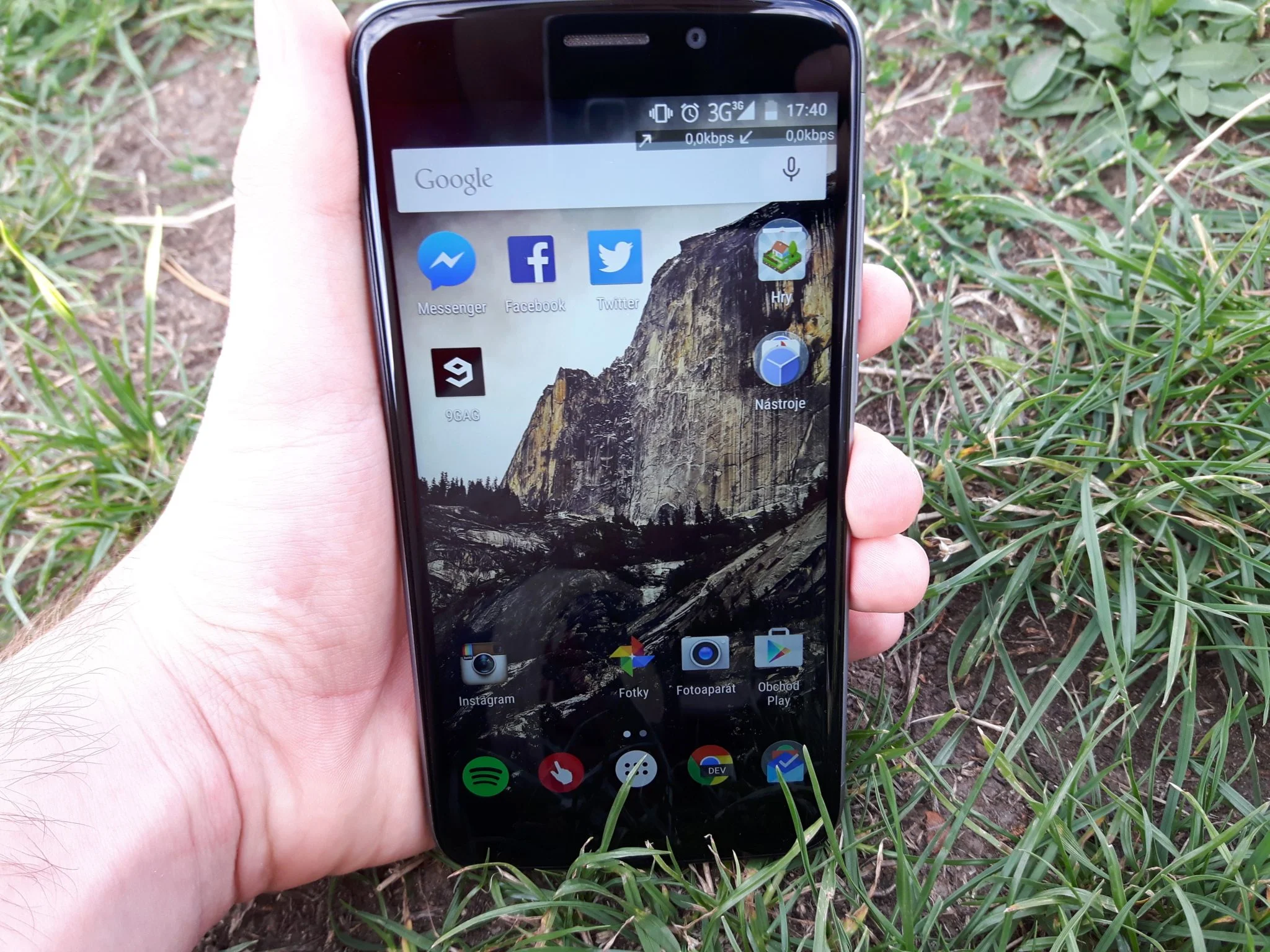
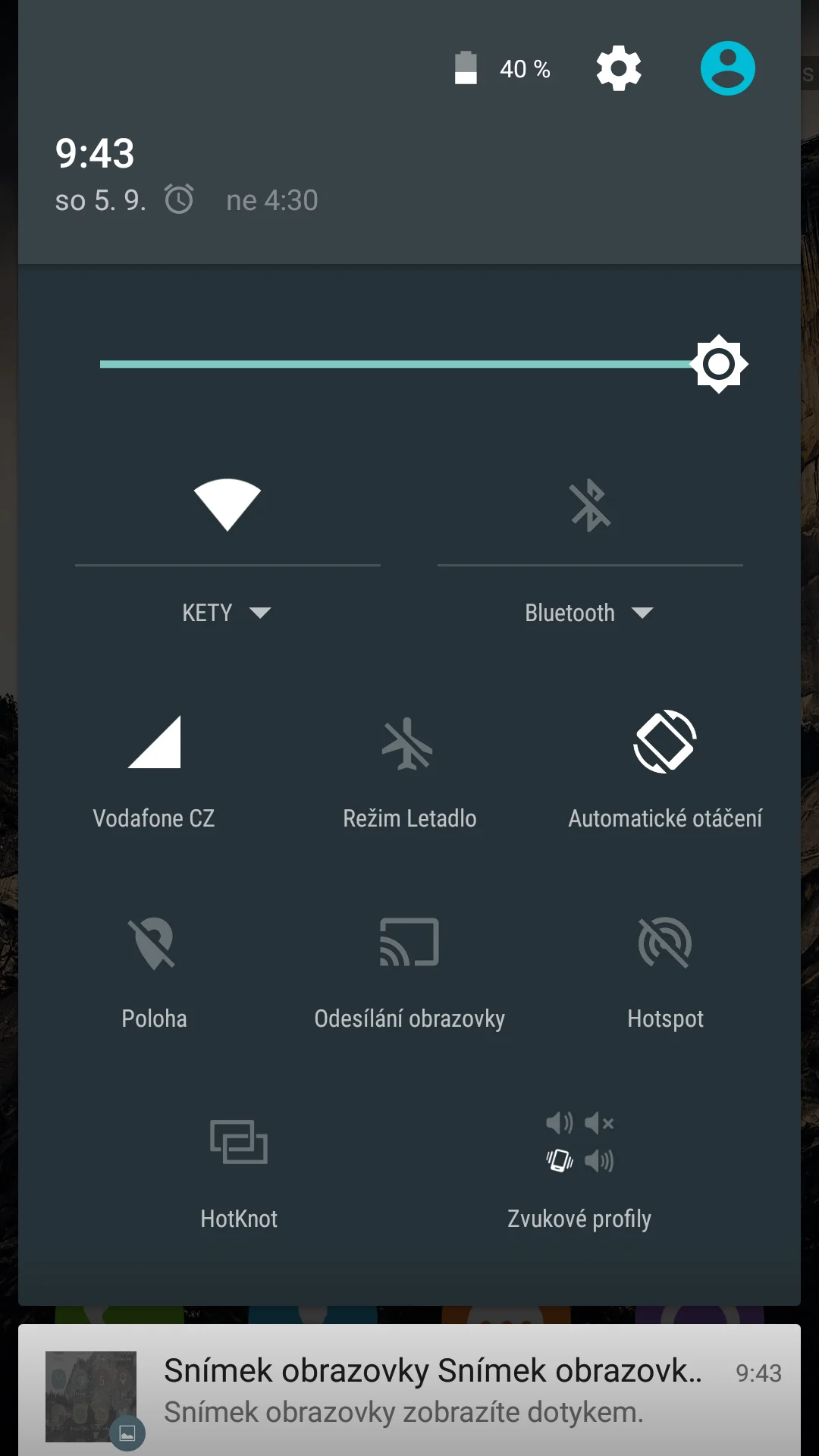
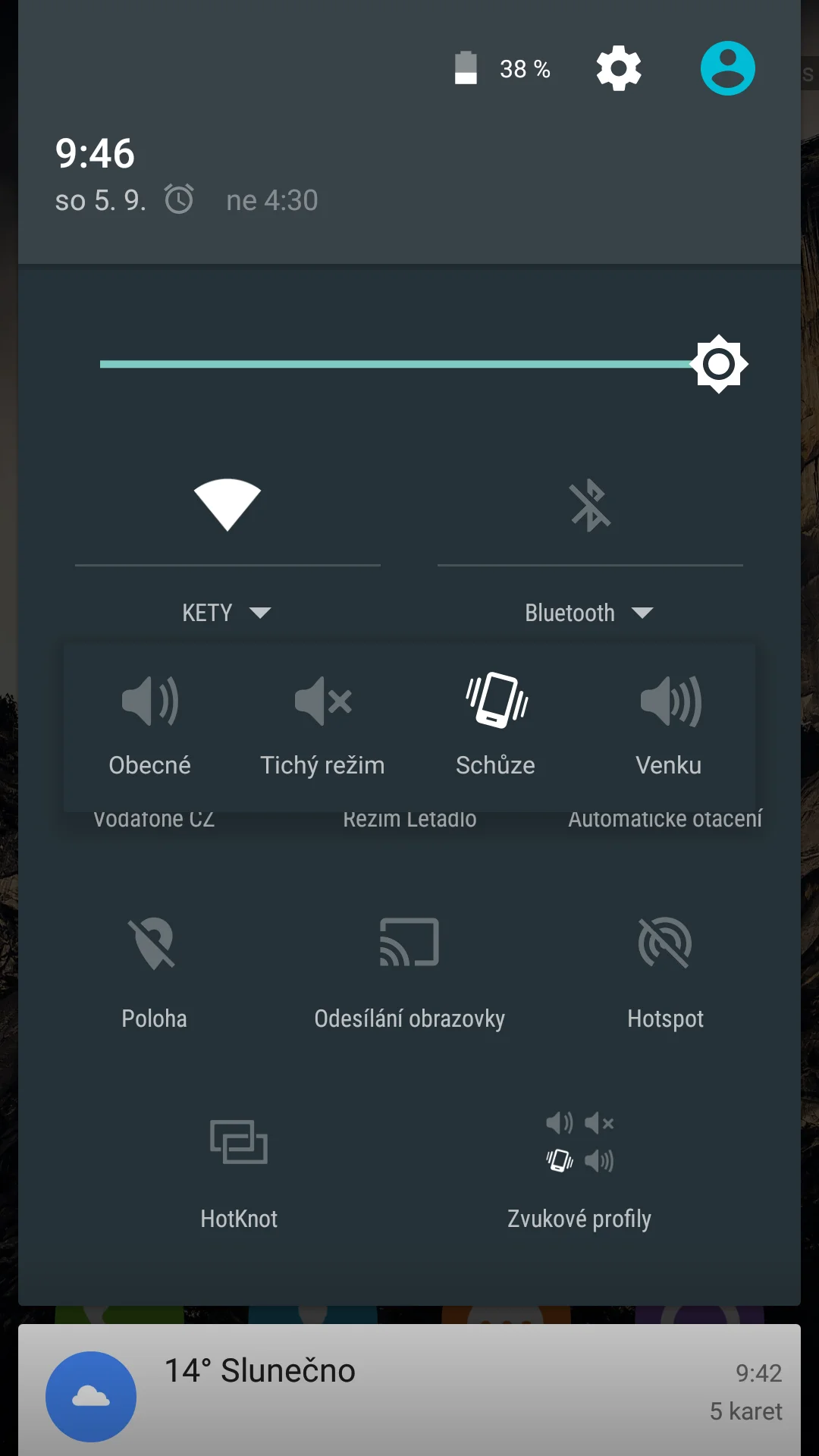
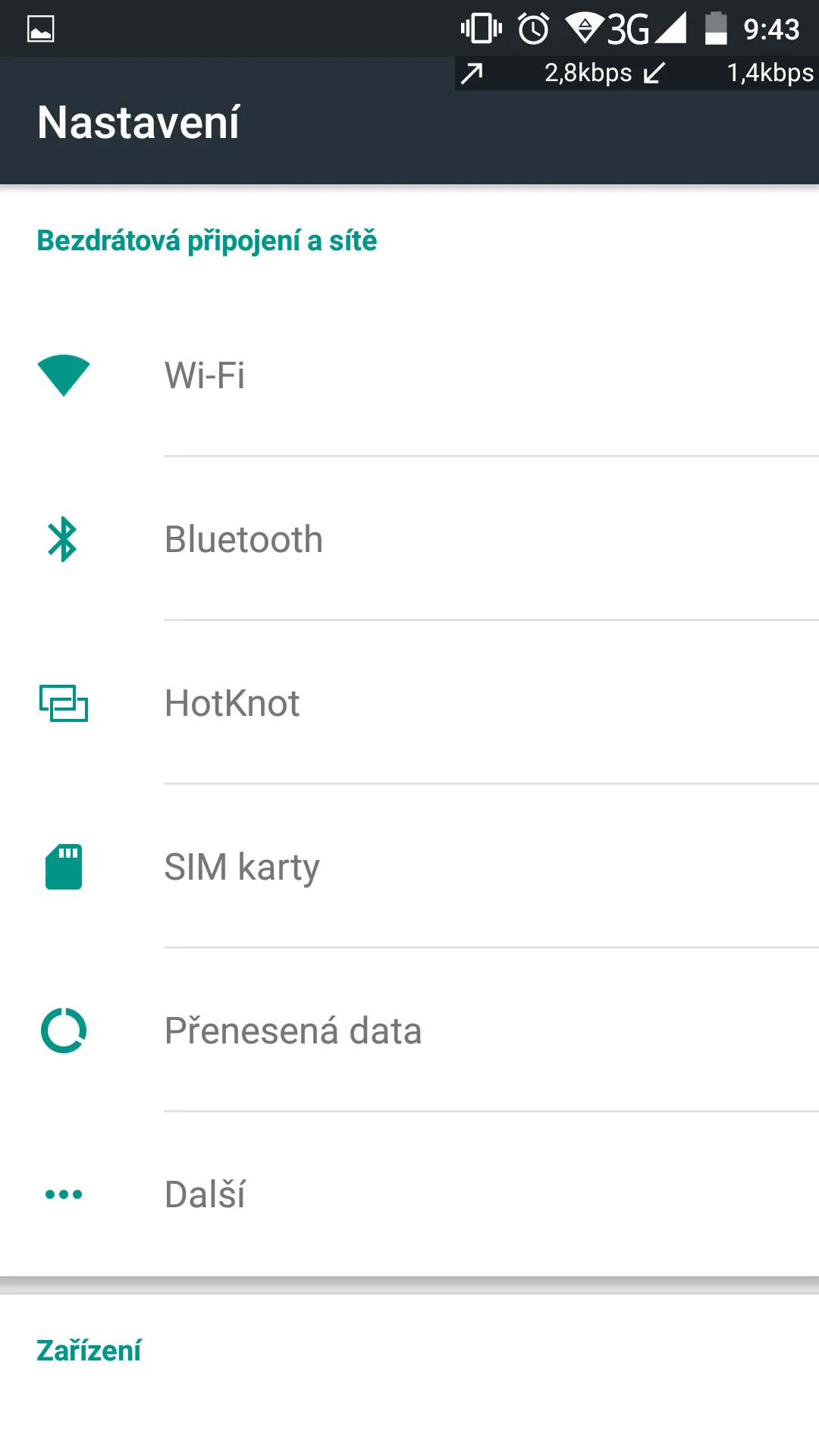
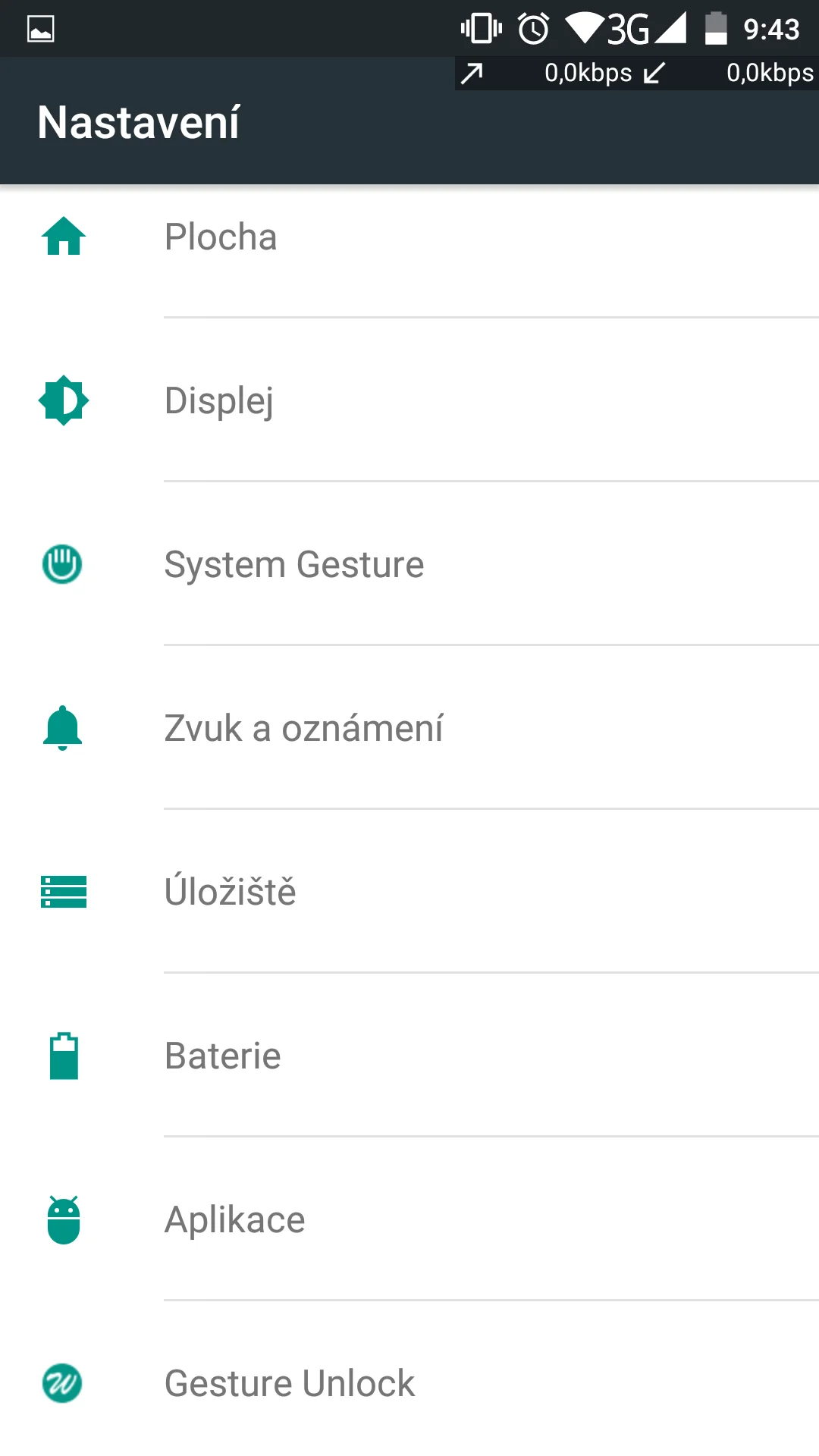
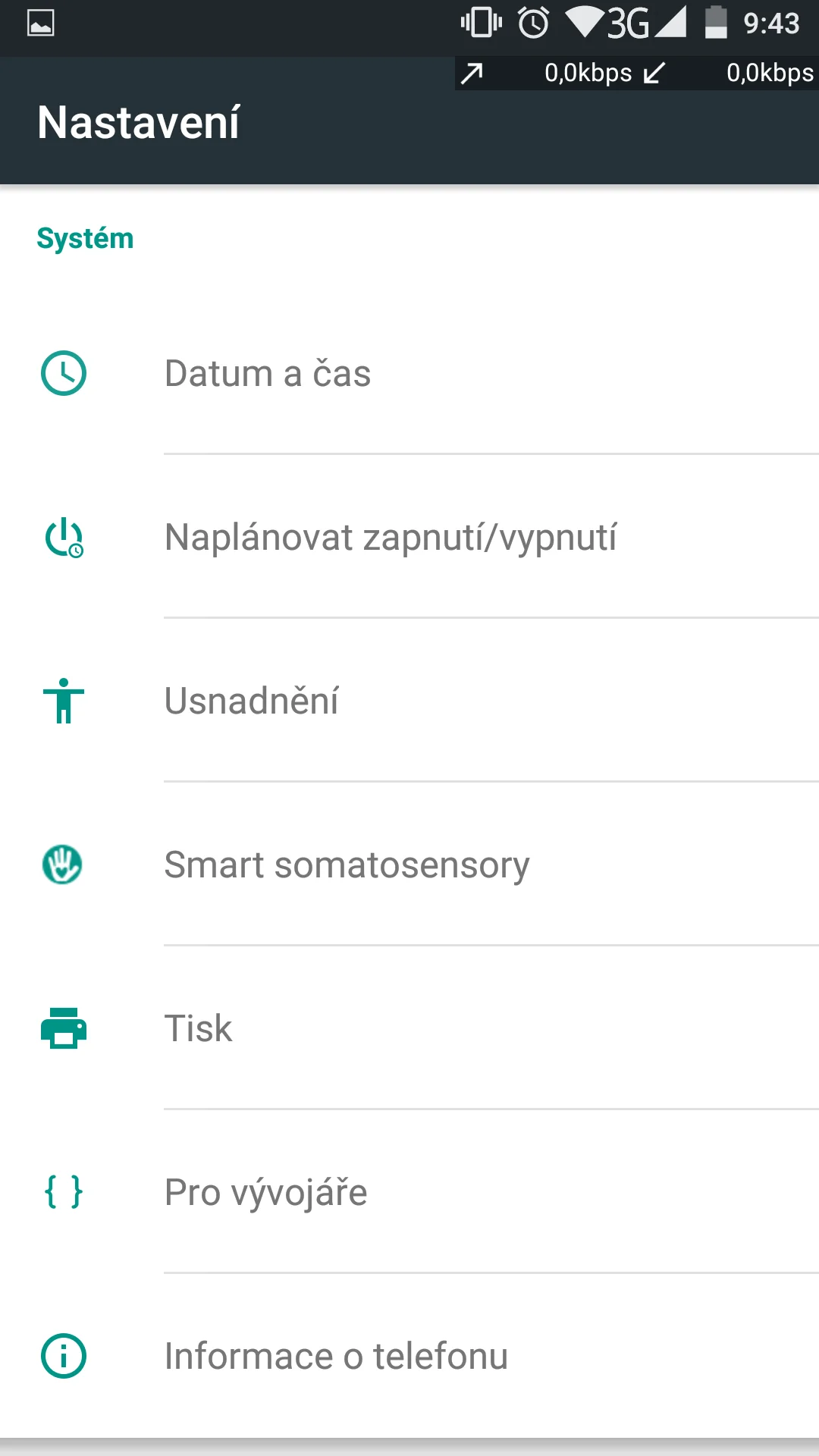
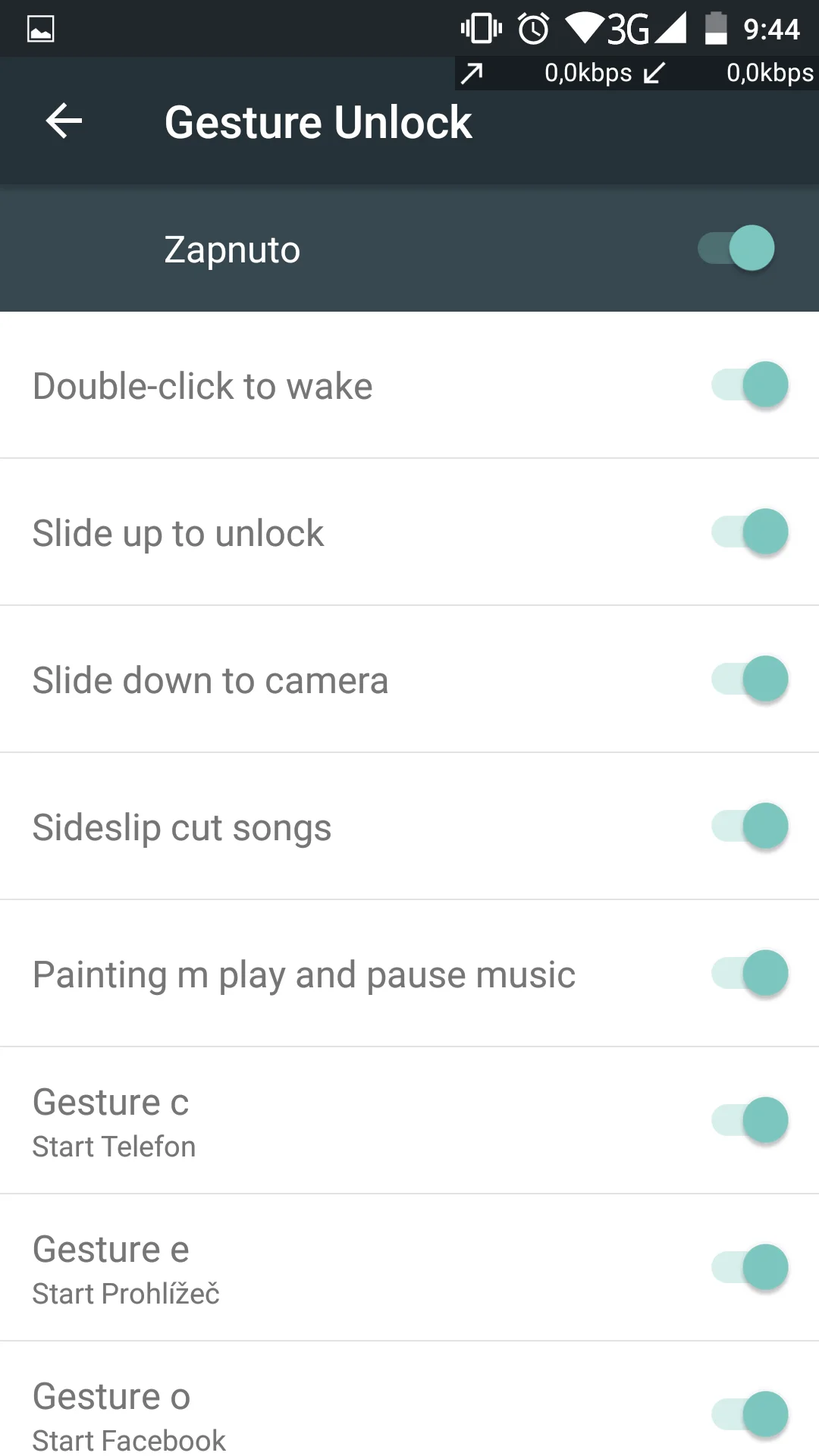
Oukitel’s customized take on Android 5.1 Lollipop didn’t do much for me, but the good news is that the changes are fairly minimal. Most of the core settings remain intact, which I appreciated. Performance is smooth, and the phone includes a solid set of built-in features, including gestures on the screen-off display and double-tap to wake or sleep.
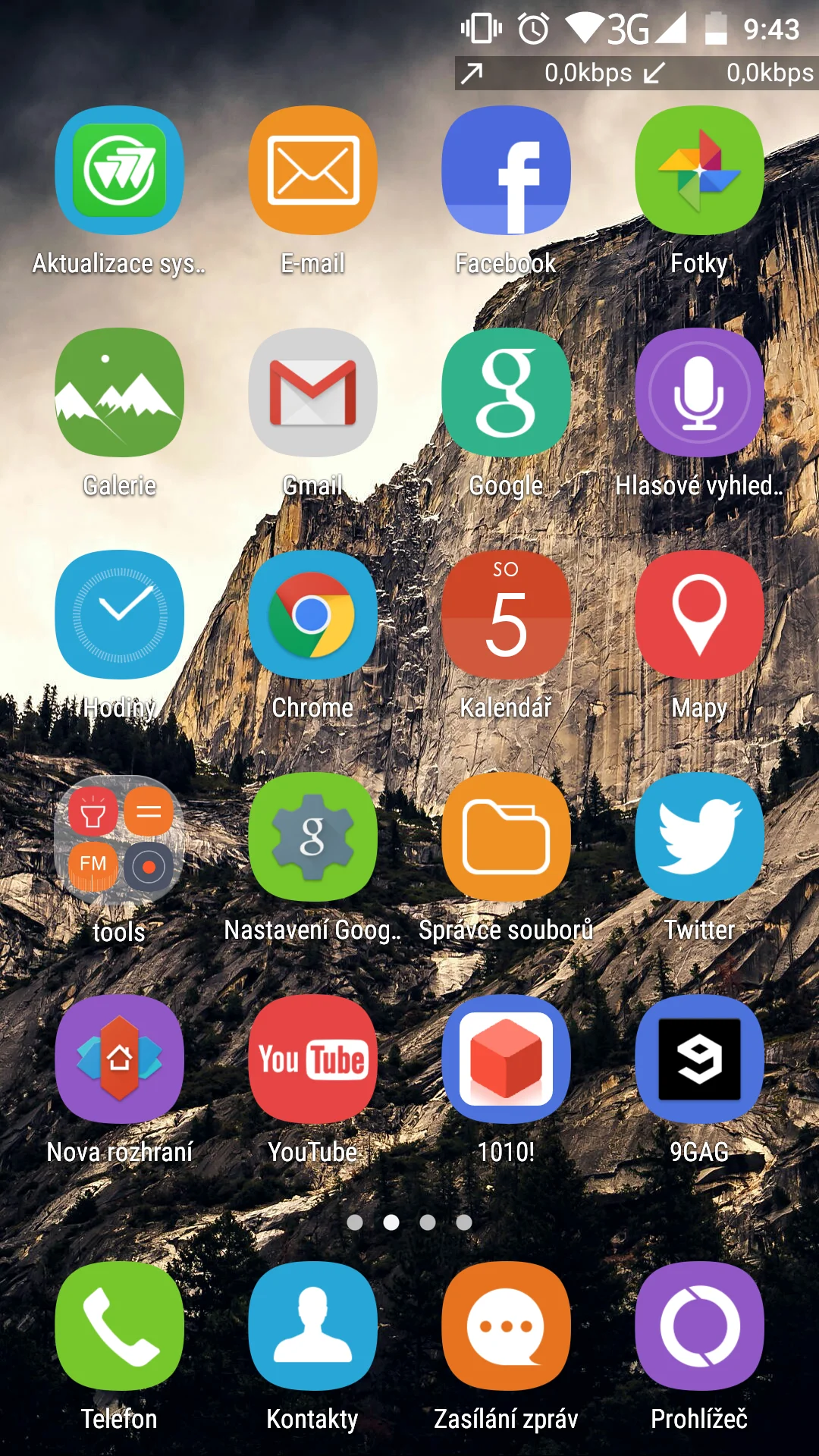
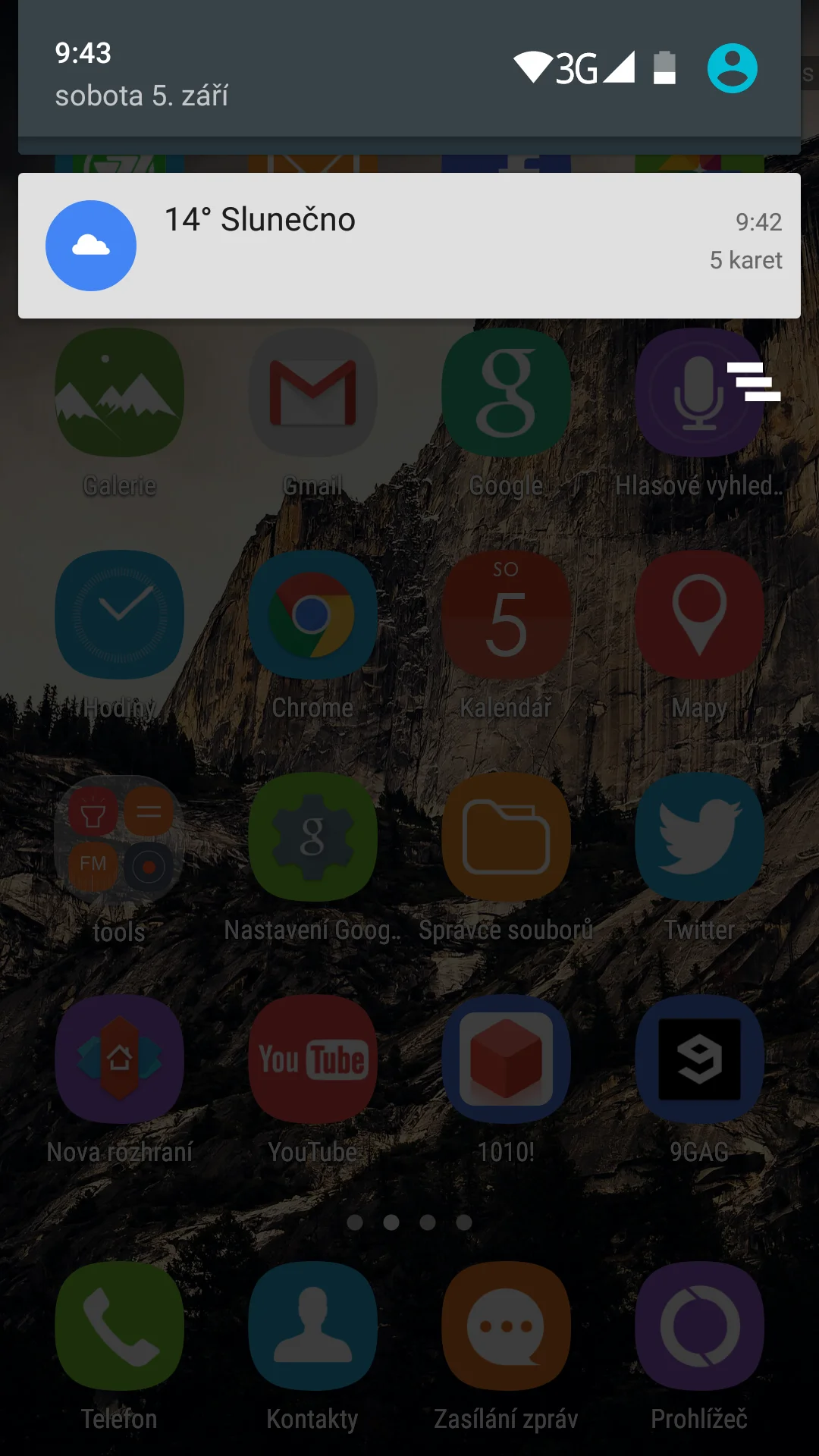
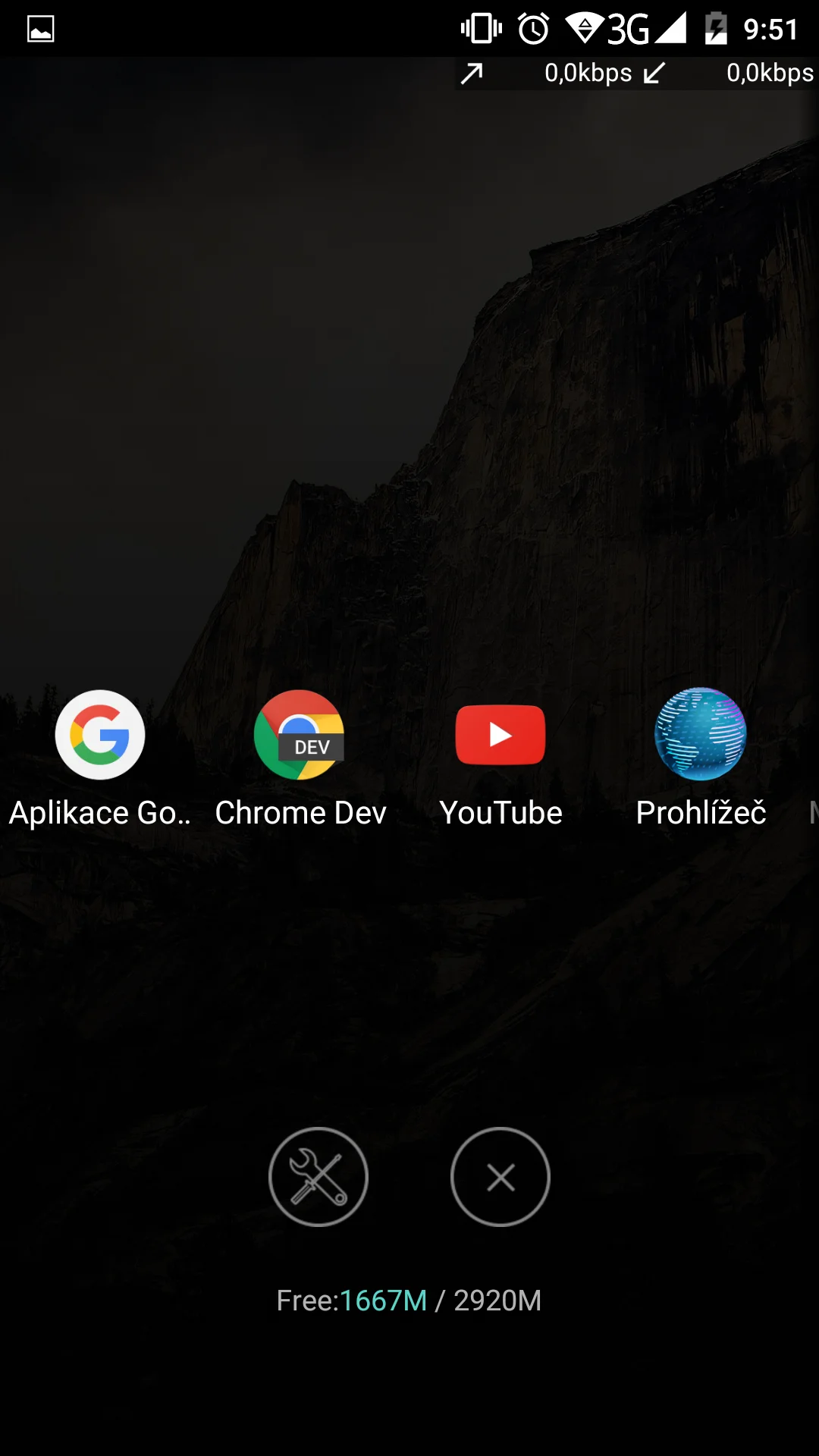
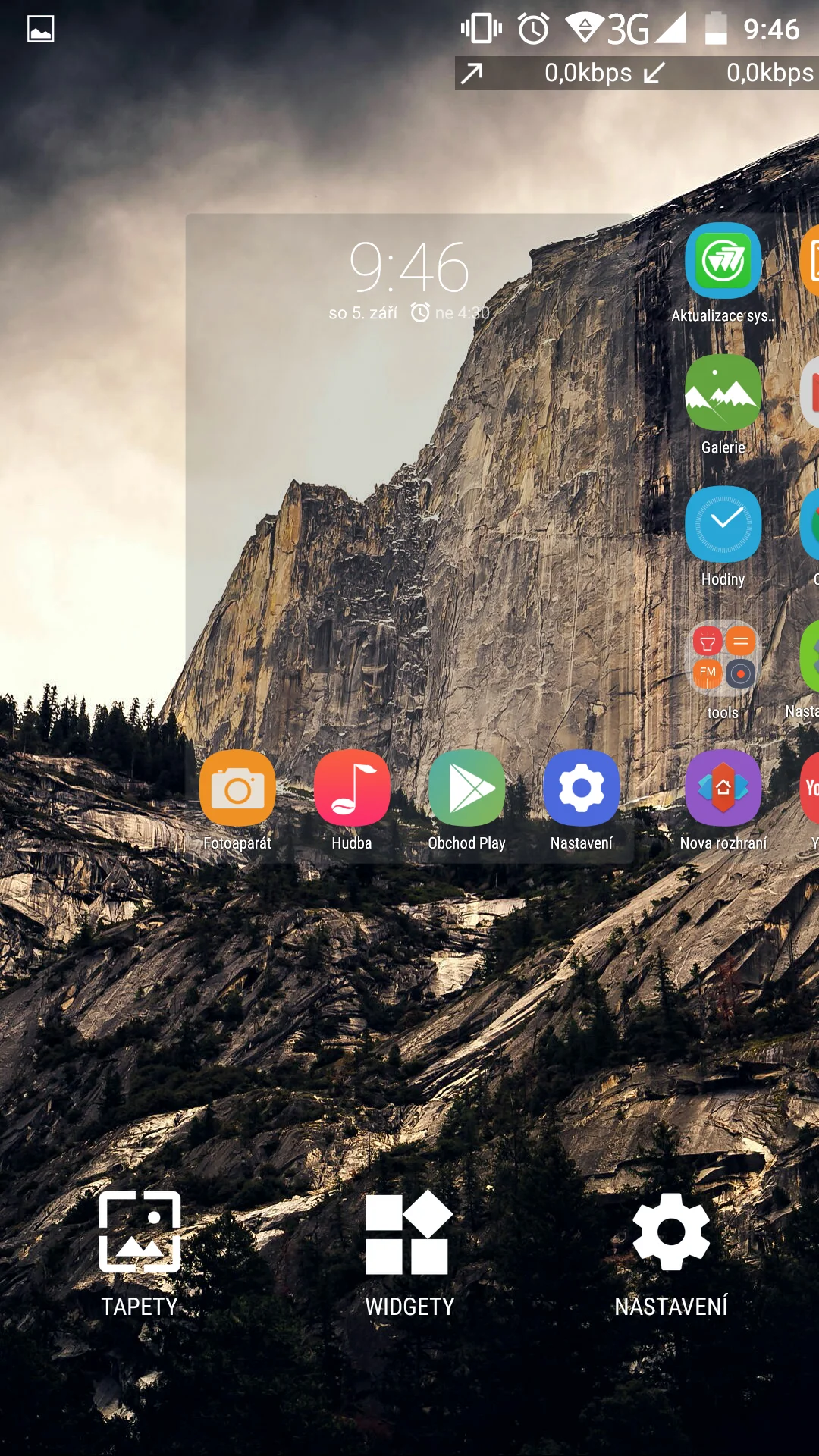
The icons are pretty odd-looking, and I wasn’t a fan. Worse, there’s very little you can do to change them. I ended up switching to Nova Launcher, which solved most of my complaints.
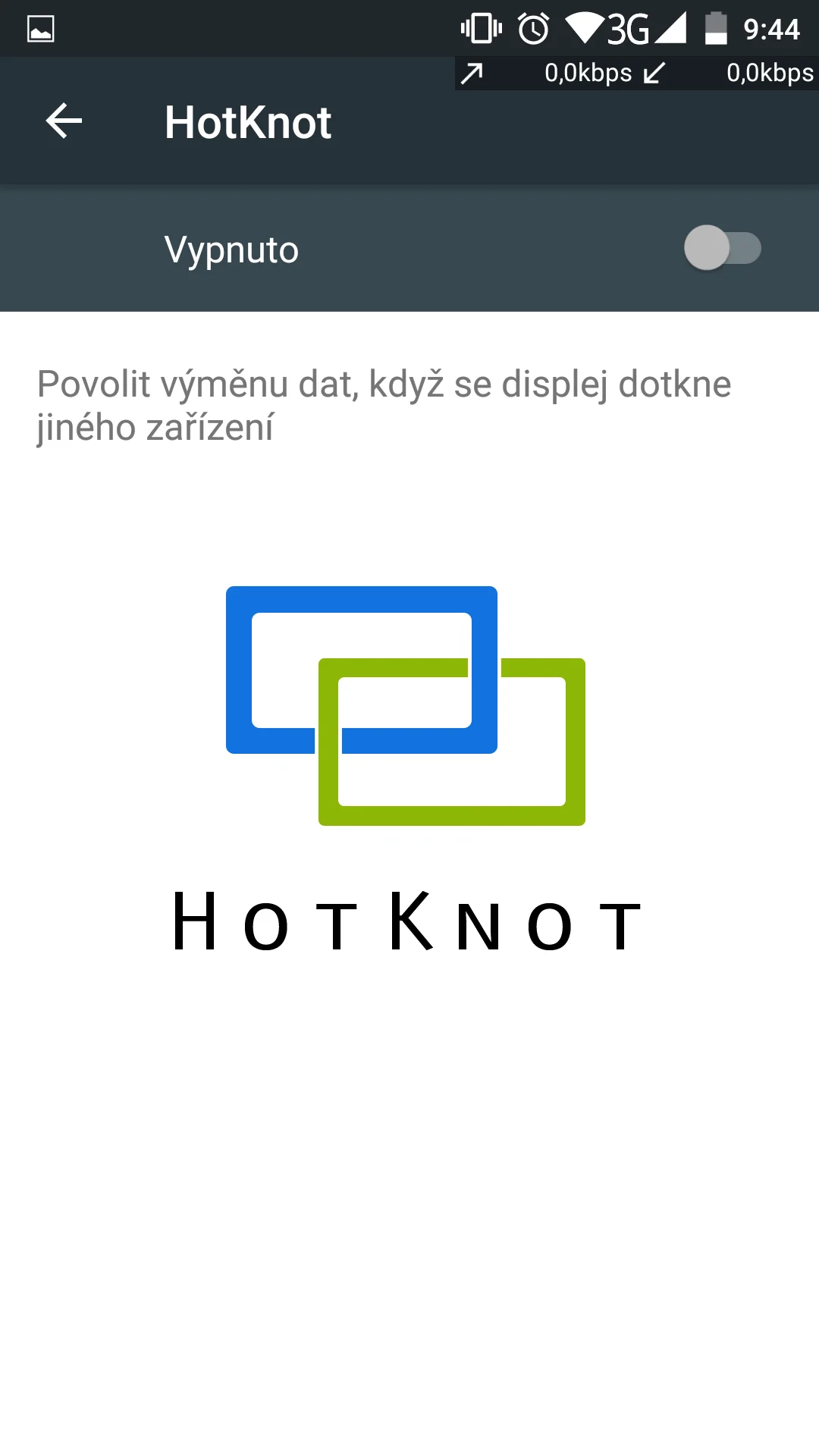
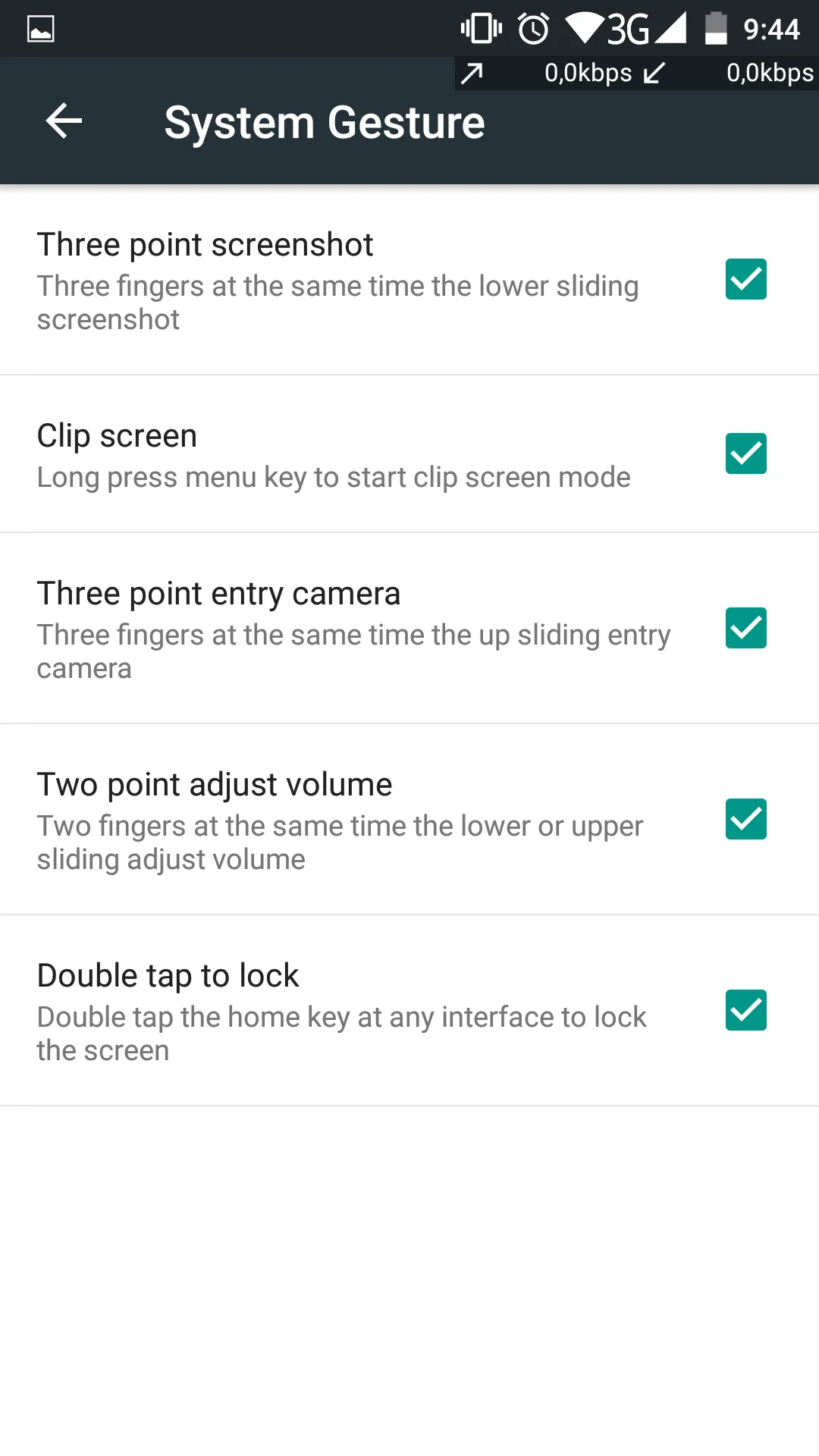
The gesture controls are worth calling out. Waking the phone is as simple as a quick double tap on the display, and you can turn the screen off again with another double tap, this time on the center capacitive button below the display. A light three-finger swipe downward captures a screenshot. And that’s only part of the list.

Display
Don’t expect miracles here. Color reproduction is fairly solid, but outdoor visibility takes a hit in direct sunlight. Even so, it still holds up better than some other phones in this price range. Viewing angles, on the other hand, are excellent.
Battery
Battery life is one of the phone’s biggest strengths. It can stretch to two full days, helped in large part by the modest processor and the fact that the hardware limits what you can really throw at it. If you’re using the U10 for the basics, though, which is probably how most people will use a phone like this, 2 to 3 days on a charge is realistic.
Start gaming and that number drops, as expected, to around 1.5 to 2 days. Charging time is pretty typical, landing somewhere between 1.5 and 2 hours depending on how much battery you have left.
Camera
You shouldn’t expect too much from a phone priced under 4,000 CZK (approx. $185 / €165), but even at this price, the U10 can produce surprisingly decent shots for its class. Detail is quite good, although trees, bushes, grass, and more distant subjects tend to blur together.
Colors are fine, if not especially impressive, so the camera lands a bit above average overall. Shooting is quick, even with HDR enabled. On paper, the sensor looks promising. In practice, it falls a little short of that promise, but at this price, real competition is hard to find.







Conclusion
The Oukitel U10 comes across as a well-executed budget phone from a Chinese brand focused on everyday users. And that’s exactly what it is. The value here is hard to ignore. The design works, the system feels smooth, and the combination of a midrange processor with a generous amount of RAM keeps things moving along nicely.
That said, the customized software doesn’t feel especially well suited to everyday use, even if some users may like its style. Camera quality is good enough for the price, and the same goes for audio from the rear-mounted speaker.
Personally, I’d call this a good, well-built device for buyers who want a capable phone without paying flagship money for features they’ll never use. If you like what the U10 offers, it’s worth considering. The catch is availability: it’s sold through online retailers rather than mainstream local channels. For example, you can buy it from Gear Best for $159.99, discounted by 29%, which works out to 3,877 CZK (approx. $179 / €160).

Community Discussion 0 COMMENTS