
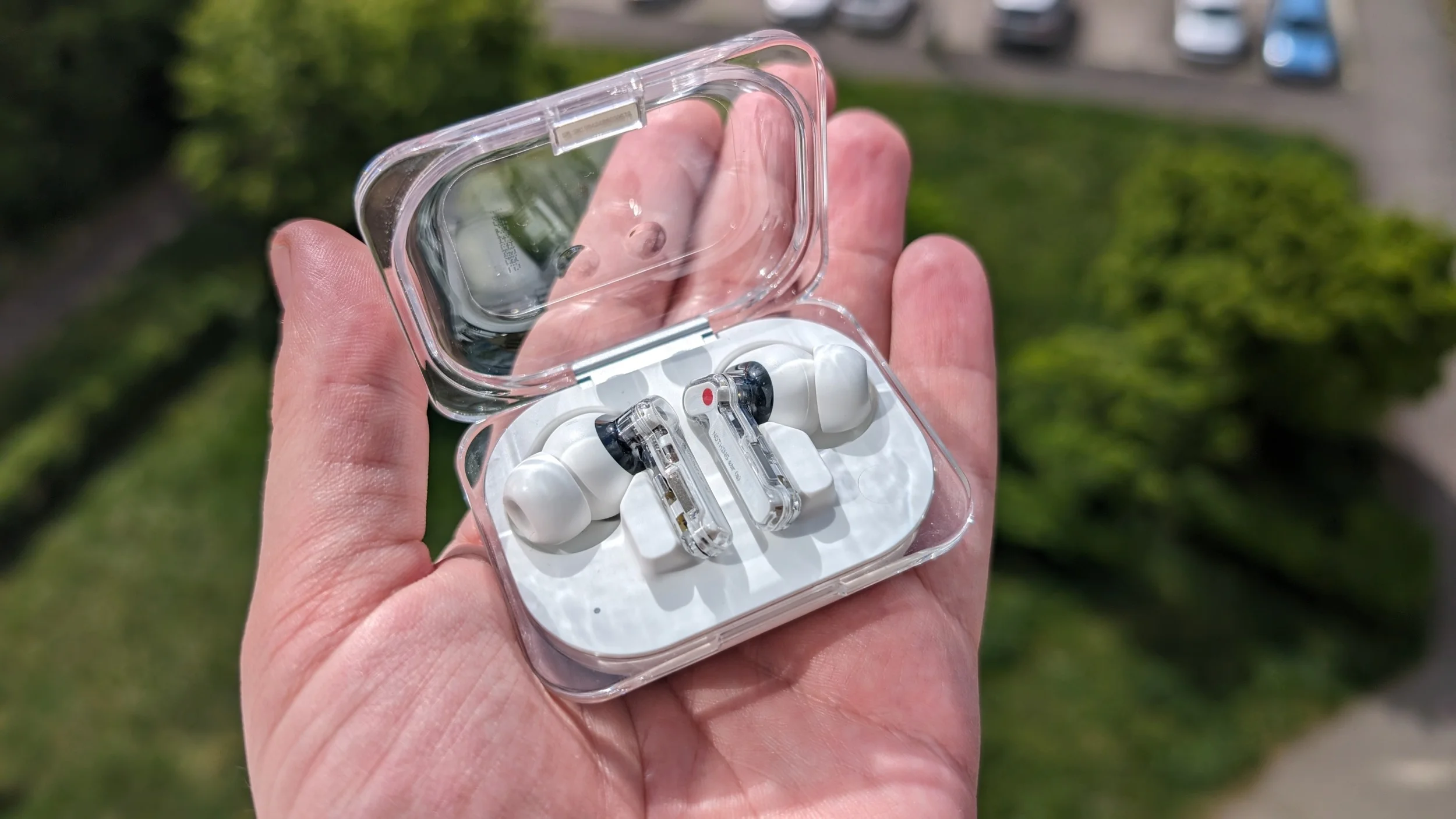
Nothing is back with another new product, this time the Nothing Ear (a). The company also dropped the numbering from its earbuds lineup, which may or may not age well once the next generation rolls around. Naming quirks aside, the real question is simple: are the Nothing Ear (a) worth 2,599 CZK (approx. $119 / €107)?
A good case, with one catch
The Nothing Ear (a) are the cheaper pair in the lineup, but that is not immediately obvious from the earbuds themselves. The charging case, though, feels like the place where some corners were cut, which makes sense at this price. It does at least carry an IPX2 rating, and that is a nice bonus.
The issue is the lid and hinge. They do not feel especially tight, and there is a bit of play here. Press on the case and it creaks, even from the side.
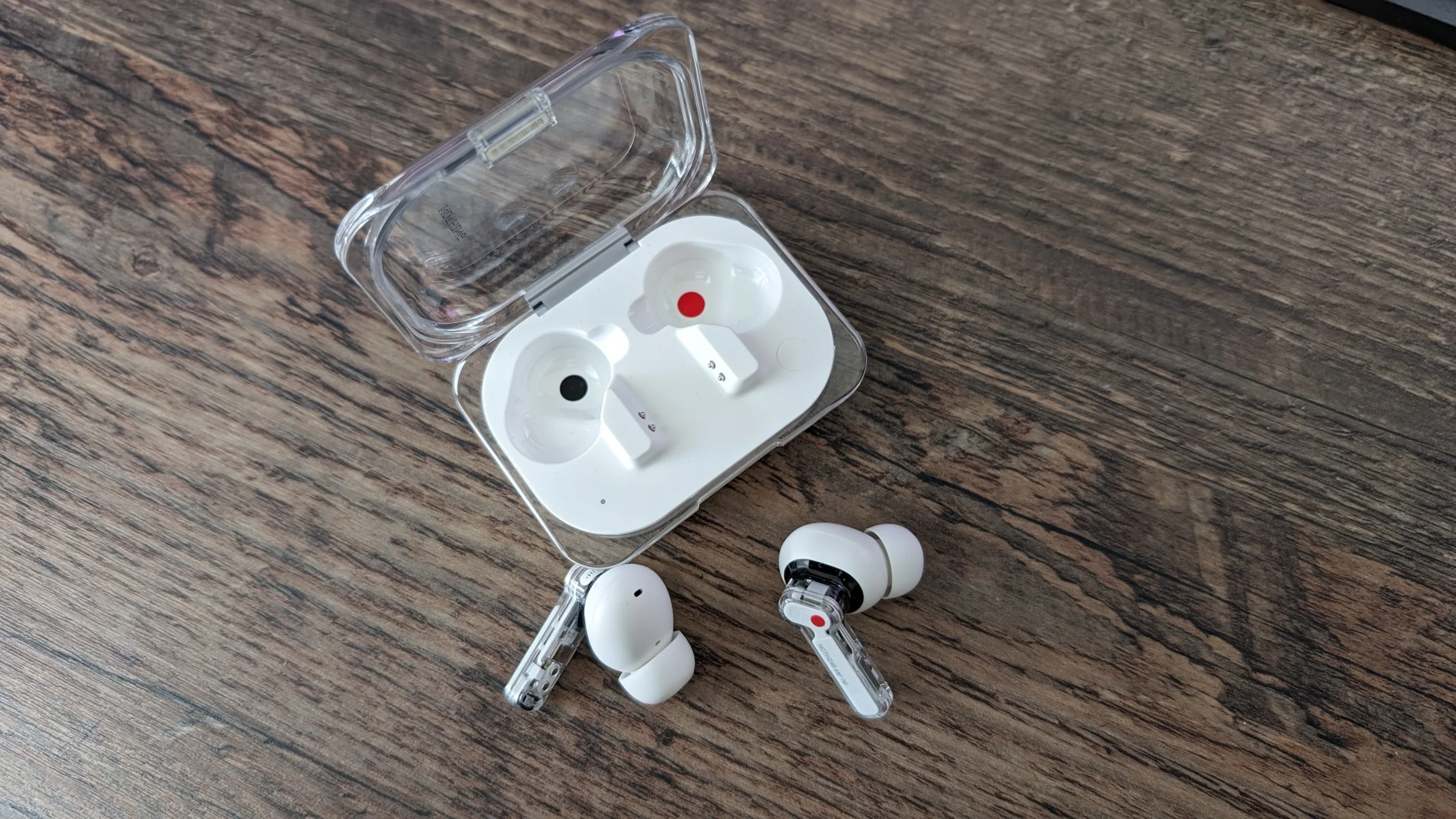
The earbuds themselves are a different story. They feel well made, compact, and sturdy. I never worried about tossing them into daily use. Fit was good too, even with the default ear tips, though that is always subjective.
Plenty of sound for the money
At 2,599 CZK (approx. $119 / €107), the Nothing Ear (a) land in the more affordable part of the market, and plenty of audiophiles will probably find fault with one sonic detail or another. I am not coming at them from that angle. For everyday listening, these sound very good. Treble is clear, and the bass response can get impressively punchy.

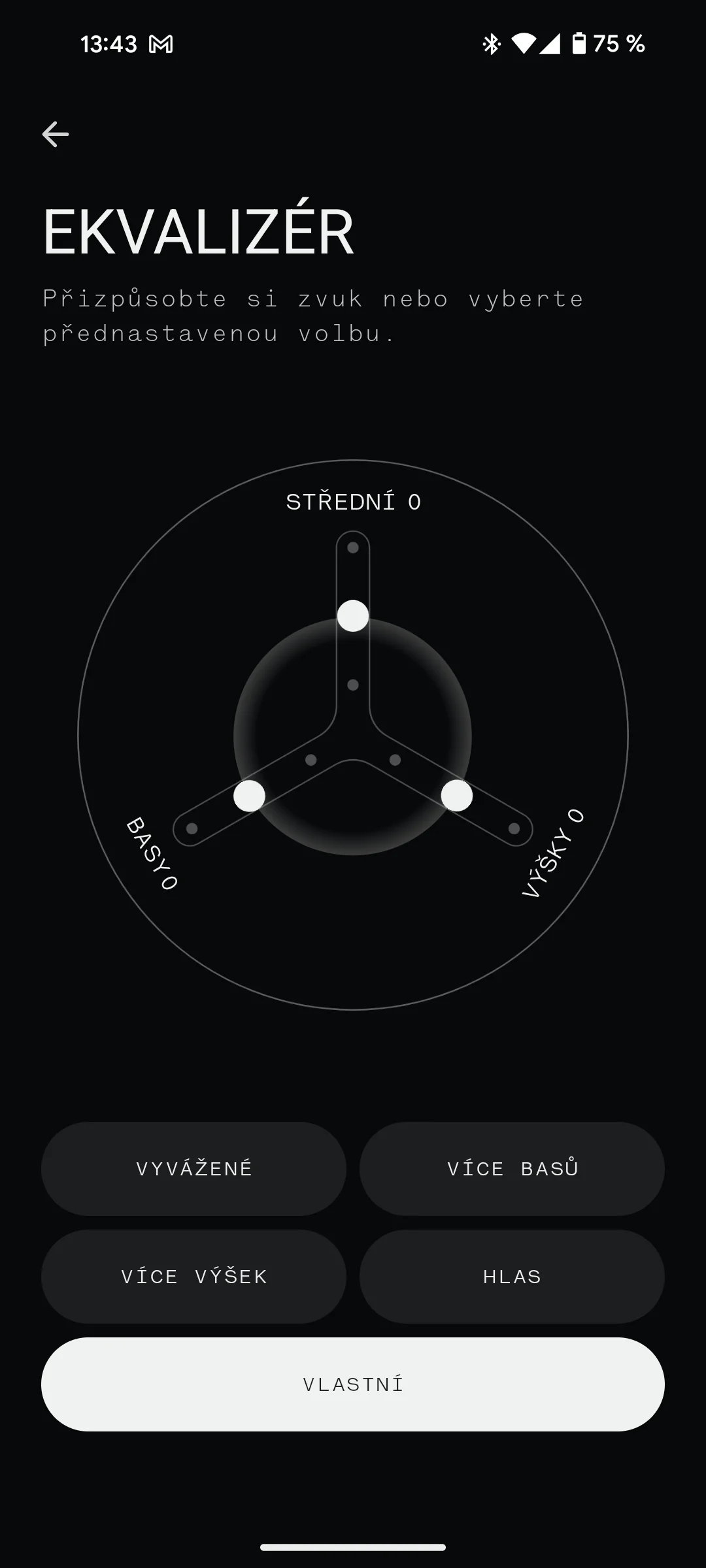
I also tried watching a movie on a streaming service, and the earbuds made a strong impression. The bass had real presence, and in some scenes I could genuinely feel it. The companion app lets you boost highs, mids, and bass, but the default tuning worked best for me.
I can also compare them with the more expensive Pixel Buds Pro, and sonically they are fairly close. The main difference is that the Nothing Ear (a) push bass a bit harder.

Everyday calls
Call quality was solid. No issues here. The earbuds use multiple microphones, and the person on the other end heard me clearly, while I had no trouble hearing them. As usual, the experience is even better when the call itself is in HD.
Noise reduction also works well during calls. Even in stronger wind, the other side did not really notice it. They mostly heard my voice, with just a little ambient sound coming through.
ANC
Nothing puts a lot of emphasis on active noise cancellation, and to its credit, it works very well. Do not expect total isolation from the outside world, but the reduction is substantial. Even when a bus passed nearby, I could still register it, but it was muted and far less distracting. That is the pattern here: the earbuds do a good job cutting down the noise that matters.
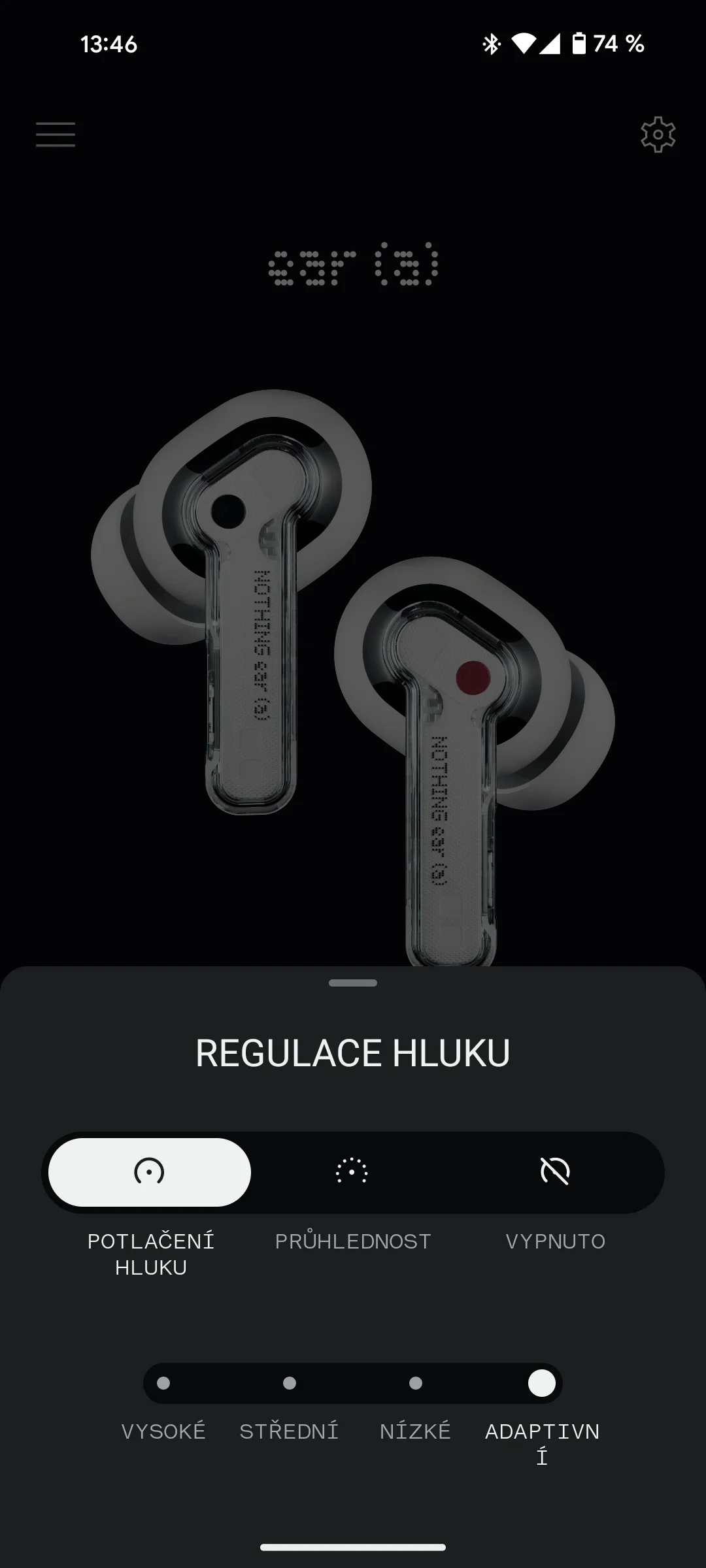
Transparency mode is here too, and it is very good. It is almost hard to tell the earbuds are processing anything at all. I would even say it works better than on the Pixel Buds Pro.
Battery life is excellent
Nothing says the Ear (a) can reach up to 42.5 hours of music playback with the case. That sounds believable, but features like transparency mode and ANC matter more in real-world use. With noise cancellation on, you are looking at around five hours of playback, and roughly 24 to 25 hours total with the case.
If you are more of a casual listener, or you use earbuds for about an hour a day, charging probably becomes a once-a-week or even once-every-two-weeks task.
The Nothing Ear (a) also support fast charging. More specifically, 10 minutes of charging can add enough power to the full set for 10 hours of music playback without ANC. Charging is handled through USB-C only; wireless charging is reserved for the pricier Nothing Ear model.
Still, I came away very happy with the battery life. It easily covered my routine: two hours of music a day, an hour of calls, and one recharge per week.

Controls
You might assume there’s only so much room for creativity with wireless earbud controls. Up to this point, I’d always used earbuds with touch controls, and one pair even had a physical button. What I didn’t expect was a pressure-based squeeze control built into the stem. There’s no visible button on the earbuds, and nothing here appears to move. You just squeeze the stem.
There are several input options, each based on how often you press: one squeeze, two quick squeezes, or three. There’s also squeeze-and-hold, plus double-squeeze-and-hold. That gives you five possible actions on each earbud. In the app, you can assign a different command to each one. So a press-and-hold on one earbud can control noise cancellation, while the other can trigger your voice assistant.
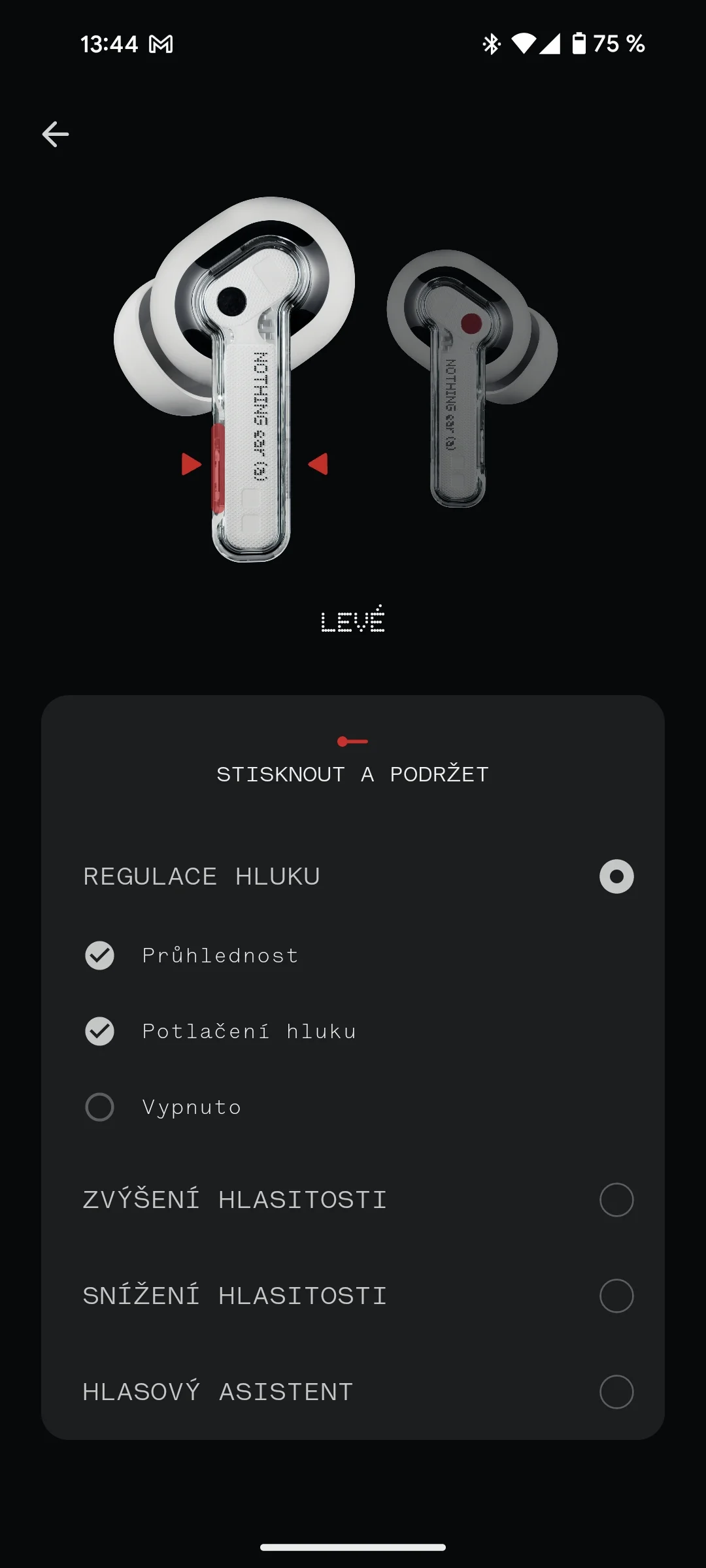
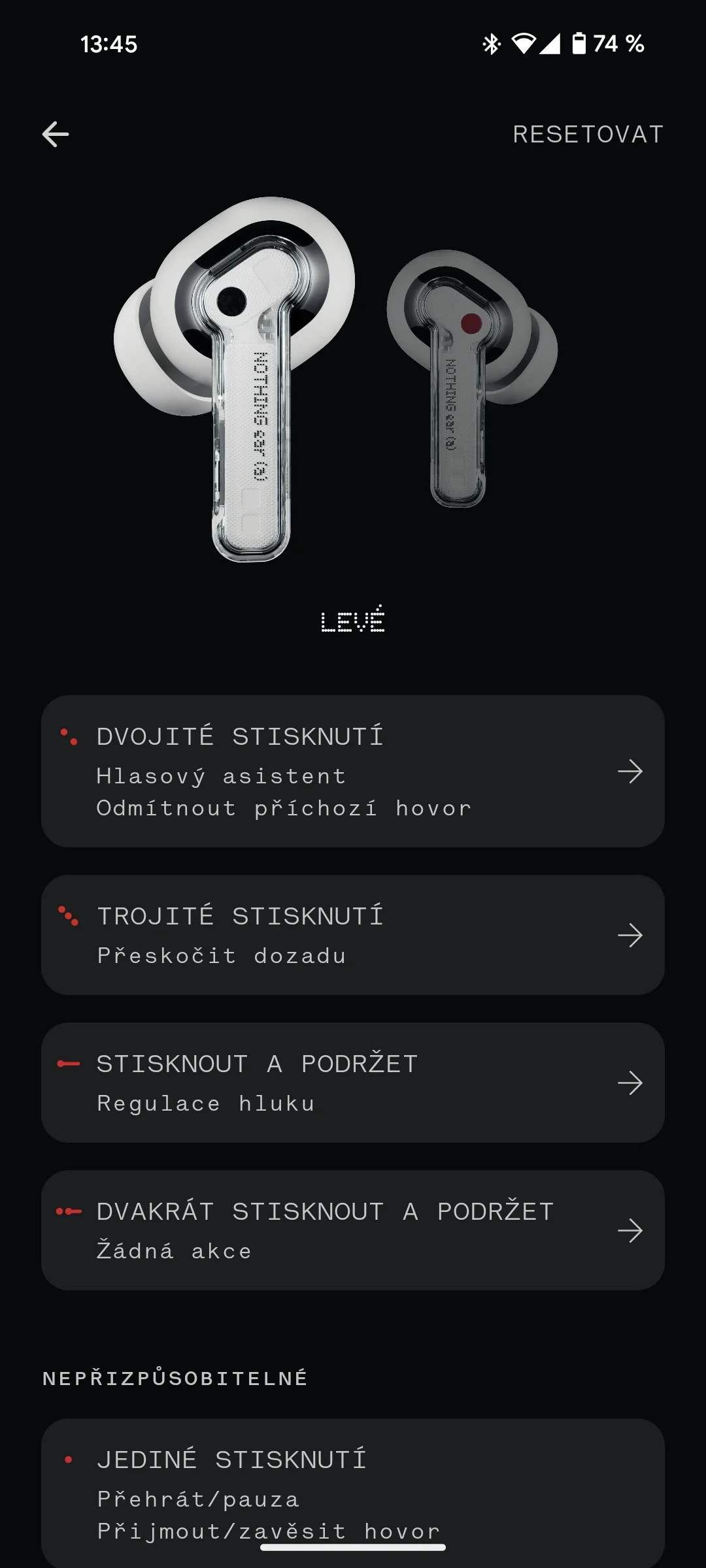
There’s a lot of flexibility here, and most people should be able to find a setup that works for them. I liked this control scheme for pausing music or answering and rejecting calls. But once you start using it for volume, standard touch controls begin to feel easier. Squeezing just isn’t as comfortable for that kind of adjustment.
This approach also works best when you’re relatively still or just walking normally. During more active movement, you’re more likely to pull an earbud out while trying to squeeze it. If you use a smartwatch, though, that may not matter much, since controlling music from your wrist is often more convenient anyway.
As for feedback, each squeeze triggers a sound in the earbuds, and the active area is large enough that it’s easy to find. I’m still getting used to this control method. It’s unusual, but it feels original and genuinely interesting.
Nothing Ear (a) features
- 11 mm dynamic drivers
- AAC, SBC, LDAC
- ANC (up to 45 dB)
- USB-C
- IP54/IPX2
- wear detection, Google Fast Pair, Microsoft Swift Pair, Dual Connection, Clear Voice Technology, Low Lag Mode
- Bluetooth 5.3 (RFCOMM, SPP, HFP, A2DP, AVDTP, AVCTP, AVRCP)
Conclusion
Earbuds are tough to judge with one universal verdict. Everyone wants something different from sound, features, fit, and size, and people hear things differently too. Price matters as well. But at 2,599 CZK (approx. $119 / €107), the Nothing Ear (a) make a very strong case. You’re getting good sound, especially in the bass, along with a design that still feels unusual in a market full of lookalikes.
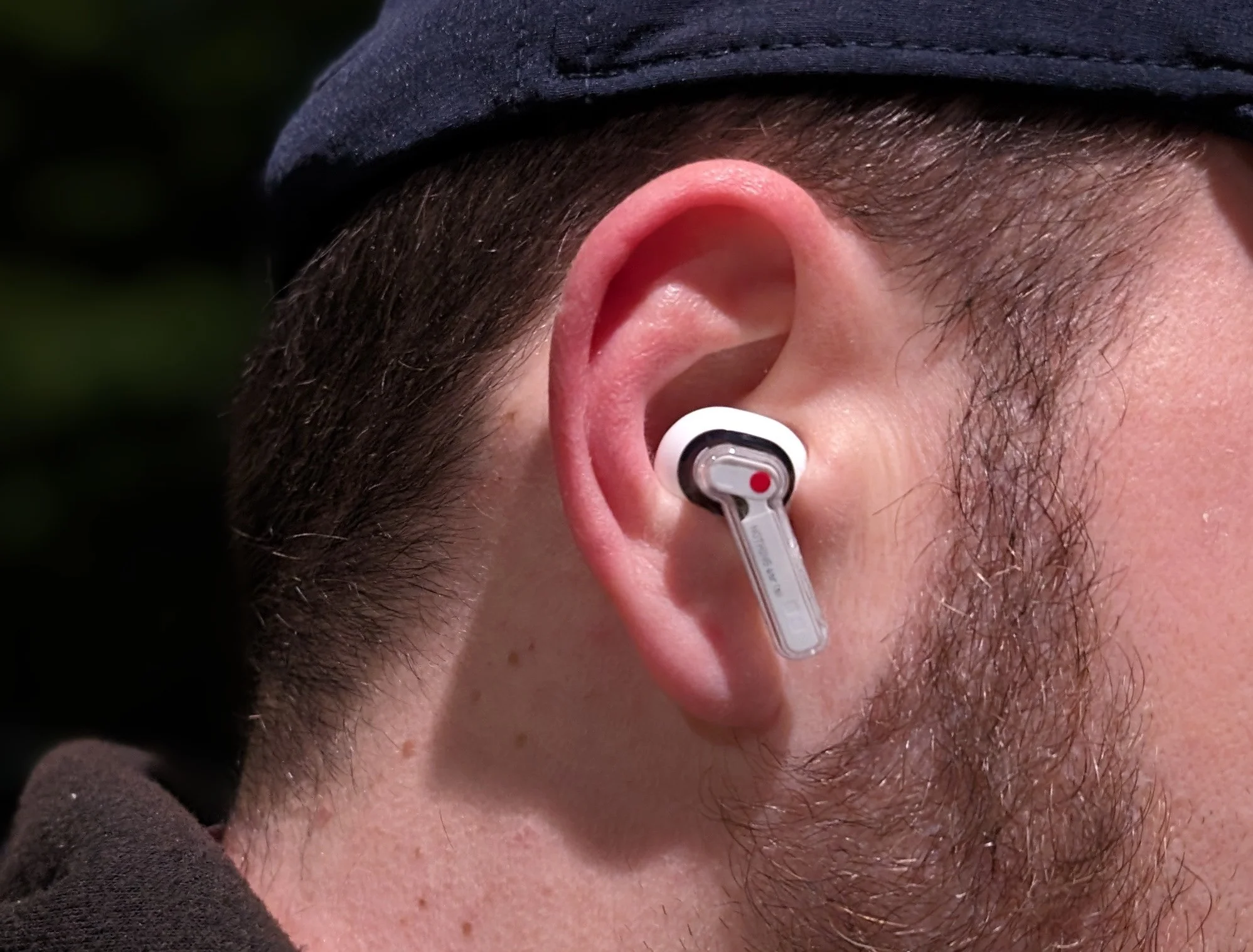
The transparent styling also helps them blend in better than you might expect. They don’t look overly flashy in the ear, and they avoid that generic chunk-of-plastic look. The Nothing Ear (a) also come with a well-made app and a healthy set of features, including an equalizer. Earbud finding tools are here too, along with the rest of the expected extras. If you’re not an audiophile and you can live without wireless charging, the Nothing Ear (a) are easy to recommend, both for their sound and their design.
Pros
- active noise cancellation
- longer battery life per charge
- good sound quality
- very good companion app
Cons
- no wireless charging
- the case creaks when squeezed
- the button system slightly limits controls
Community Discussion 0 COMMENTS