
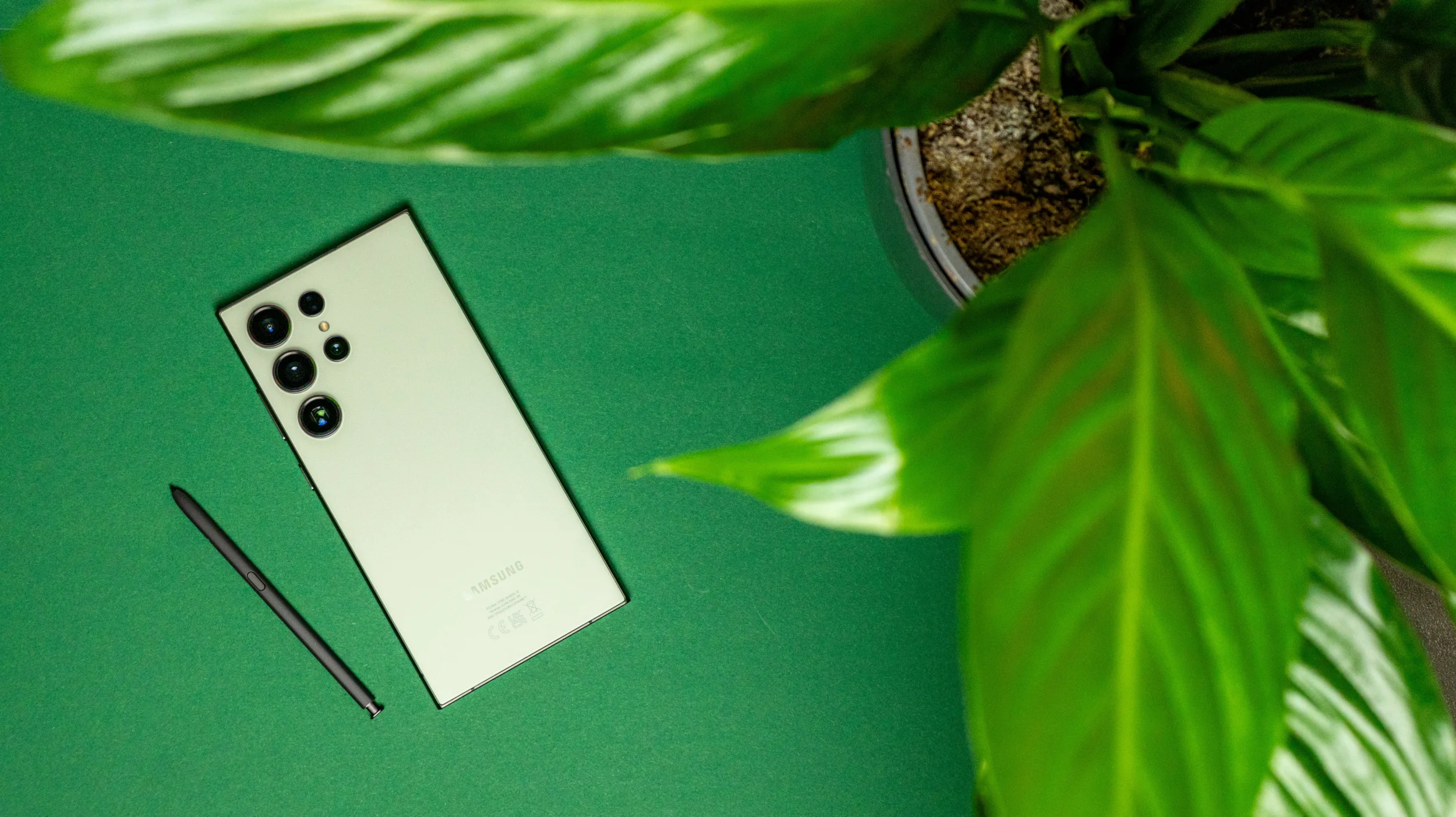
Samsung unveiled the Galaxy S24 lineup in January, including its new top-end model, the Galaxy S24 Ultra. This year’s Ultra brings a flat anti-reflective display with higher brightness, a titanium frame, a faster processor, Galaxy AI, and an updated telephoto camera. The question is simple: are those upgrades enough?
One note before we get started: this review won’t dive into the AI features in detail. We already tested them extensively in our review of the smaller Galaxy S24 here, and we also broke down what Galaxy AI can do here (in Czech).
Design
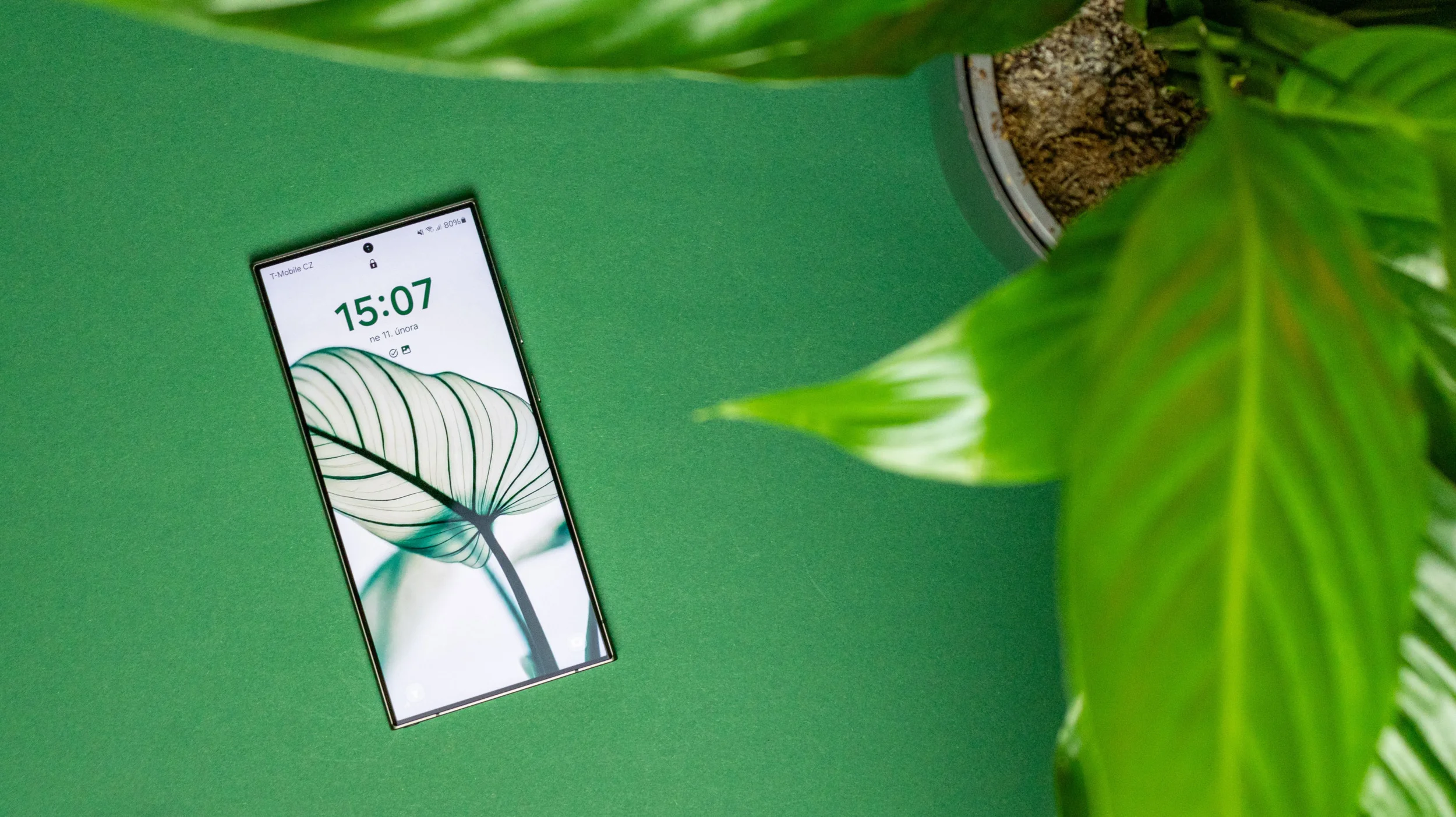
At first glance, Samsung’s new flagship looks almost identical to its predecessor, and frankly, a lot like the Galaxy S22 Ultra too. That’s become pretty common in recent years. Phone makers just aren’t changing their designs as often. Personally, I’d like to see Samsung take a bigger swing next year, even if I still like the Galaxy S24 Ultra’s current look.
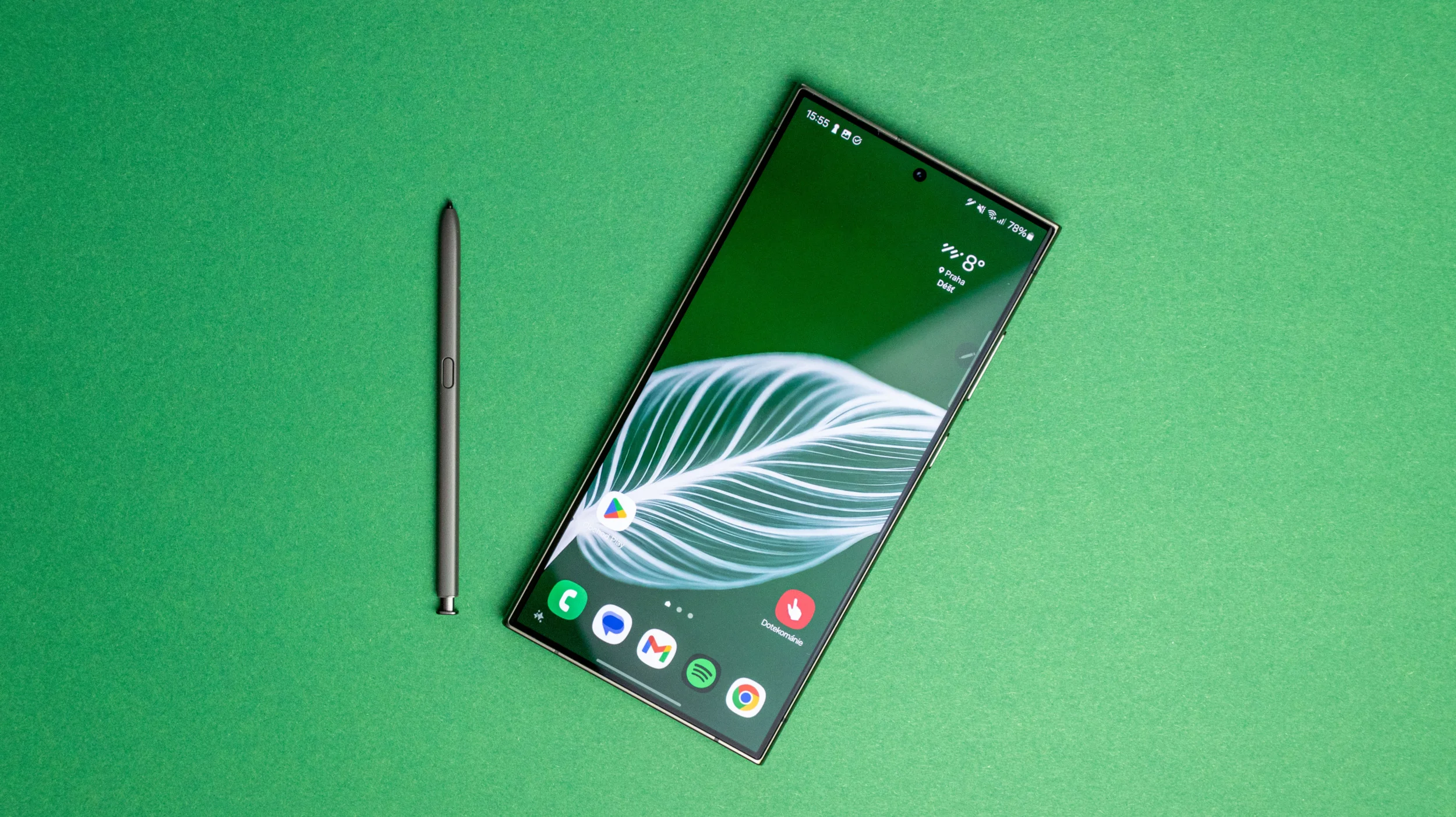
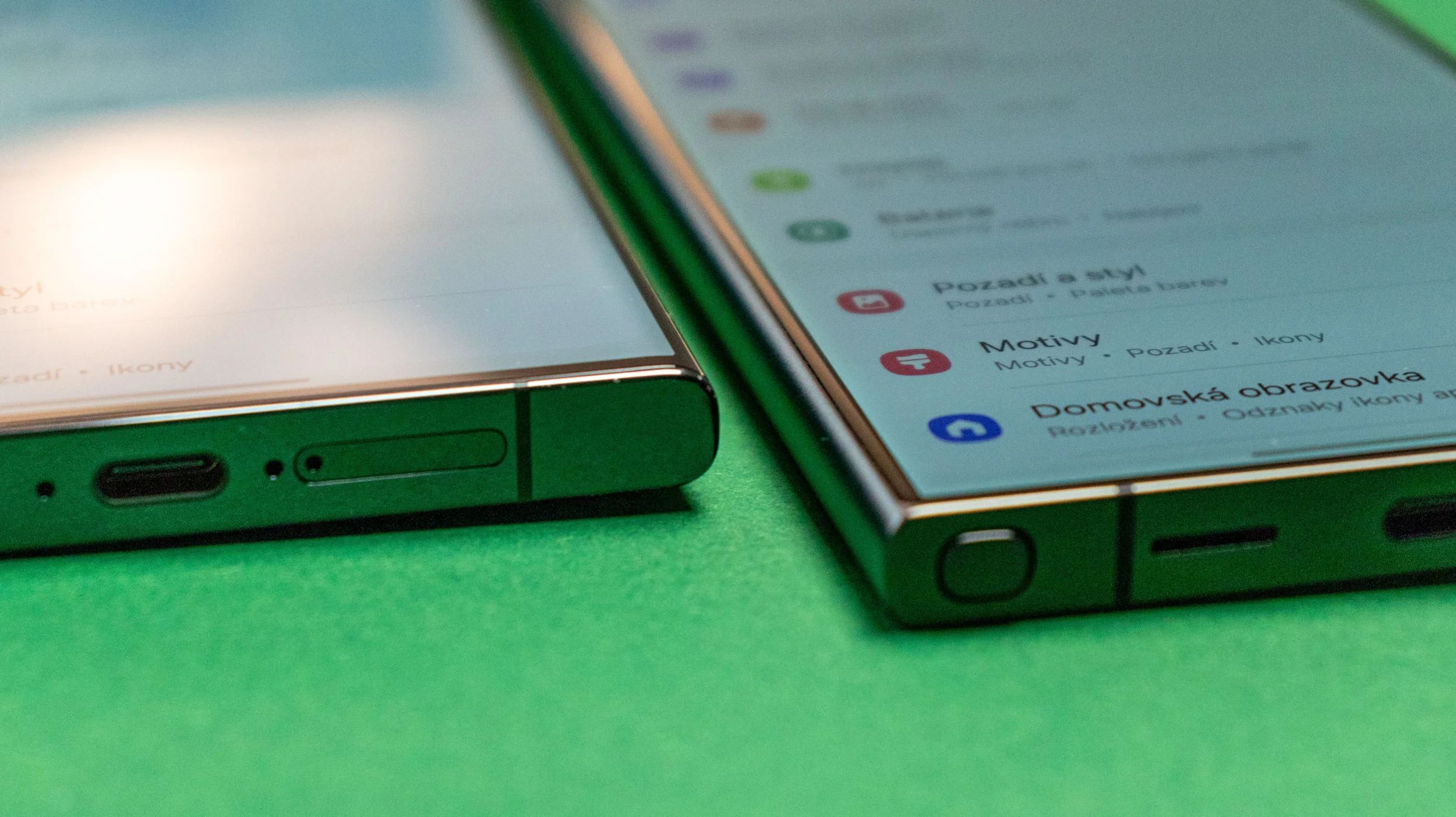
It remains one of the few truly boxy phones on the market, complete with sharp, unrounded corners. It feels like a brick, and this year that impression is even stronger because the display is now completely flat. I actually liked the curved front panel on earlier models, but plenty of users didn’t. Ironically, when you compare it directly with the S23 Ultra, the new model’s side frame feels slightly thicker because those curves are gone.
The frame is now made of titanium, though in day-to-day use you’ll barely notice. Apple’s switch to titanium made the iPhone meaningfully lighter. That didn’t really happen here. The Galaxy S24 Ultra is just 1 gram lighter than its predecessor. The upside is that the frame now has a matte finish, so it doesn’t pick up fingerprints as easily. It’s also worth pointing out that Samsung appears to be using a less premium grade of titanium than Apple, based on Zack Nelson’s recent test (video here).
Samsung also refreshed the color lineup. There’s a yellow amber finish, officially called Titanium Yellow, and it looks surprisingly elegant, almost gold in some lighting. You also get Titanium Gray, Titanium Violet, and Titanium Black. Samsung’s online store adds three more options: orange, blue, and green. Most of those pair with a black frame, except the orange version. That’s the unit we received for testing, and it’s easily one of the more interesting finishes.
The back panel is fully matte and does an excellent job resisting fingerprints. That’s good news, because this is still a very large phone, and the sharp corners don’t make it especially comfortable to hold. It’s also a little slippery. A few times while using it one-handed, which is already a challenge on a phone this size, it felt close to slipping out of my hand.
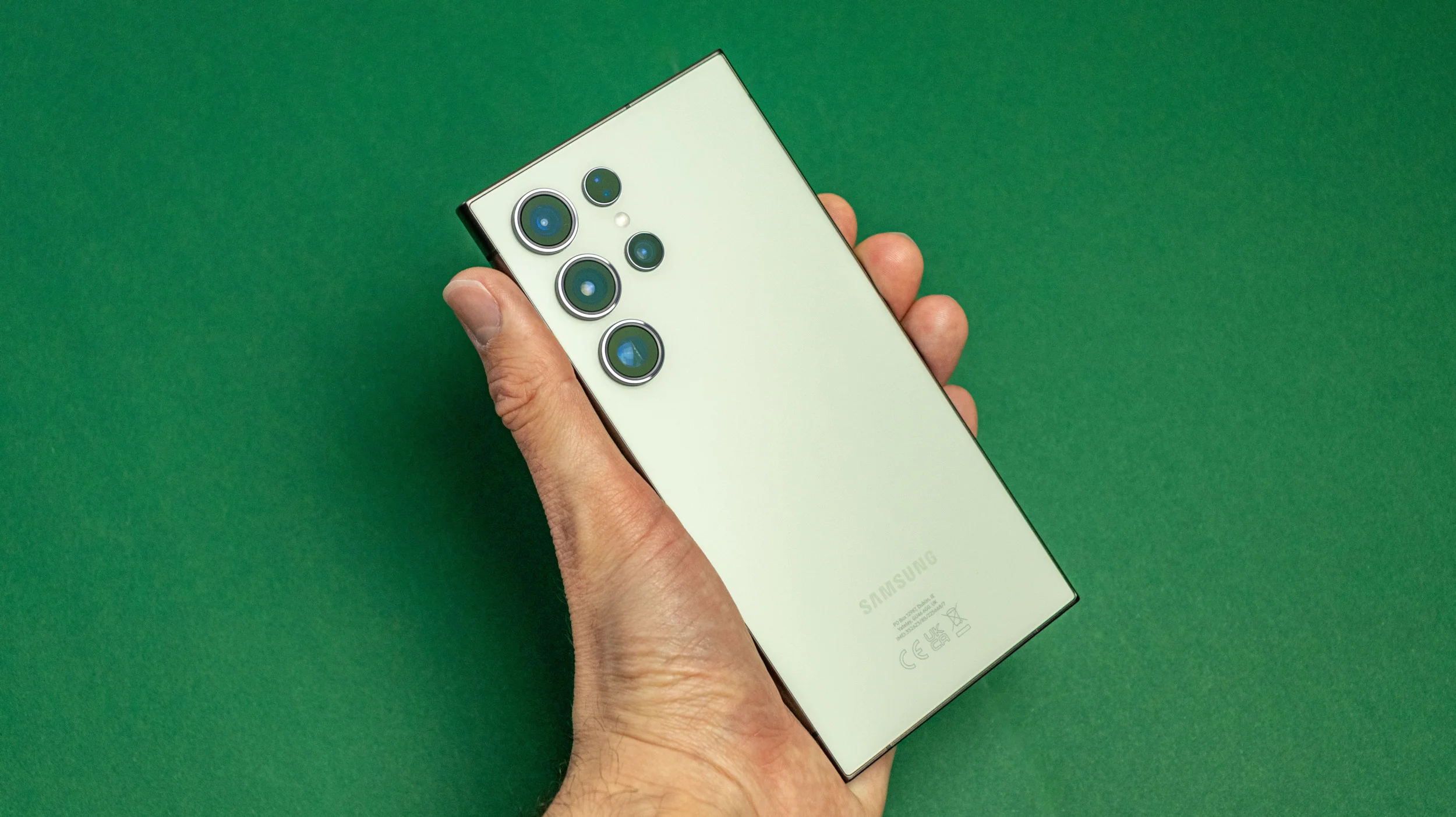
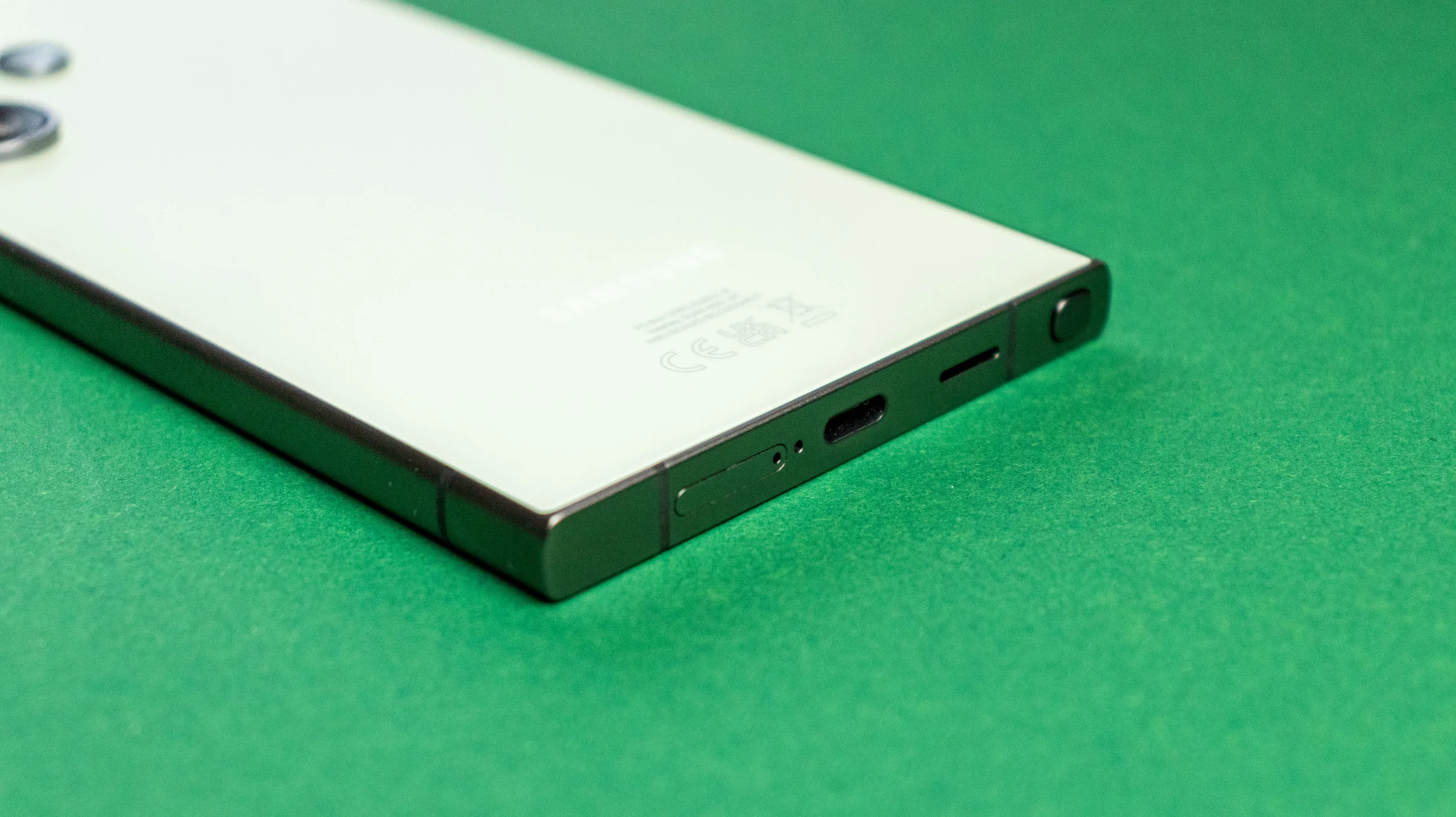
There are a few smaller hardware tweaks too. The side buttons are larger, which helps, and the speaker grille looks better integrated into the design. The actual speaker output, though, is basically unchanged from the previous model. Samsung still includes the built-in S Pen, and that remains one of the Ultra’s defining features. It didn’t get any major upgrades this year, but it didn’t really need them. Response time is still excellent.
The fingerprint reader is the same size as before. That’s a little disappointing. We’ve been hearing for years about larger ultrasonic sensors that can scan multiple fingers at once for added security, and only a handful of phones have actually shipped with them, like the vivo X80 Pro back in 2022. Still, in practical use, the S24 Ultra’s reader is so fast and reliable that there’s very little to complain about.
Anti-reflective display
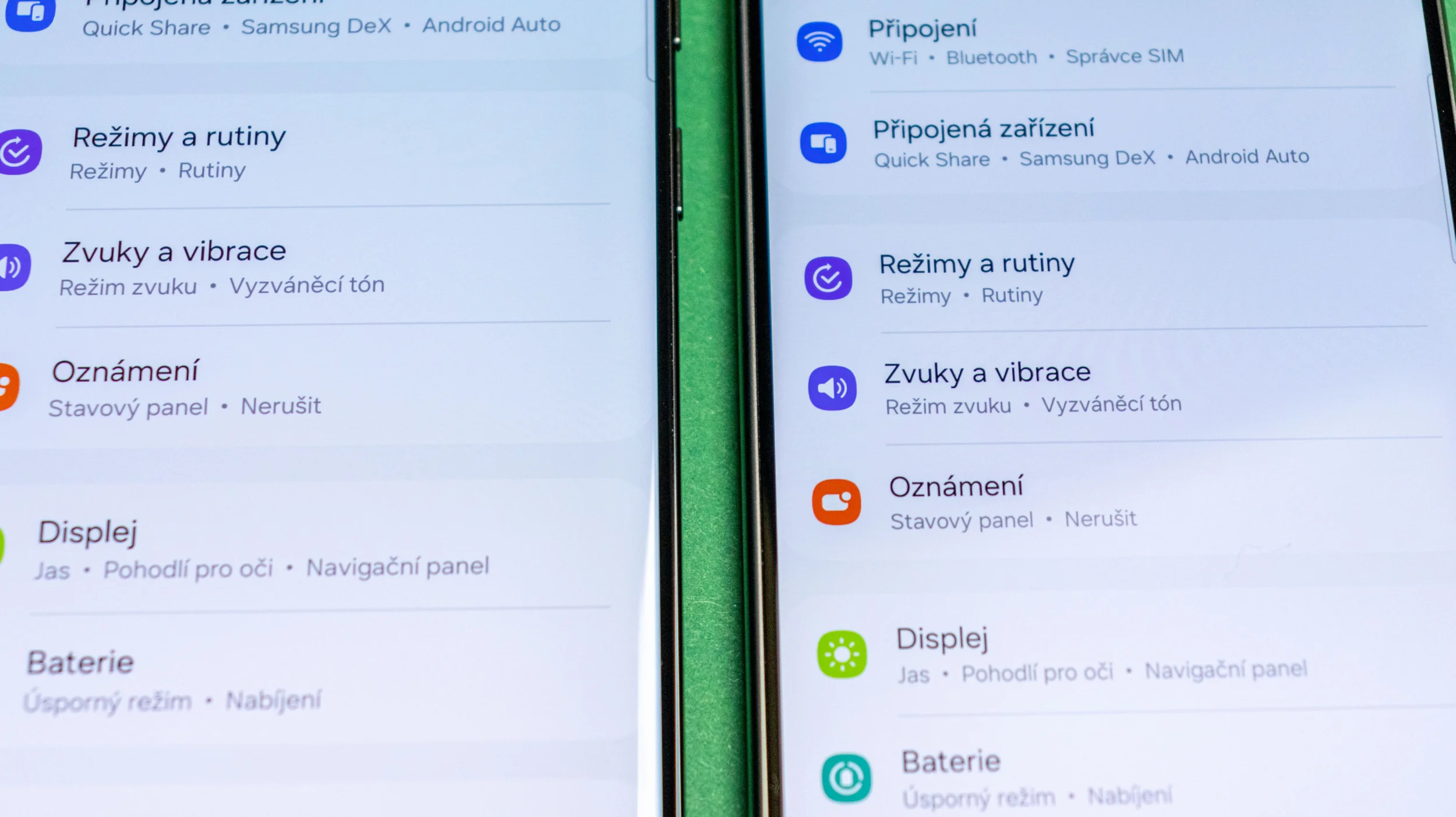
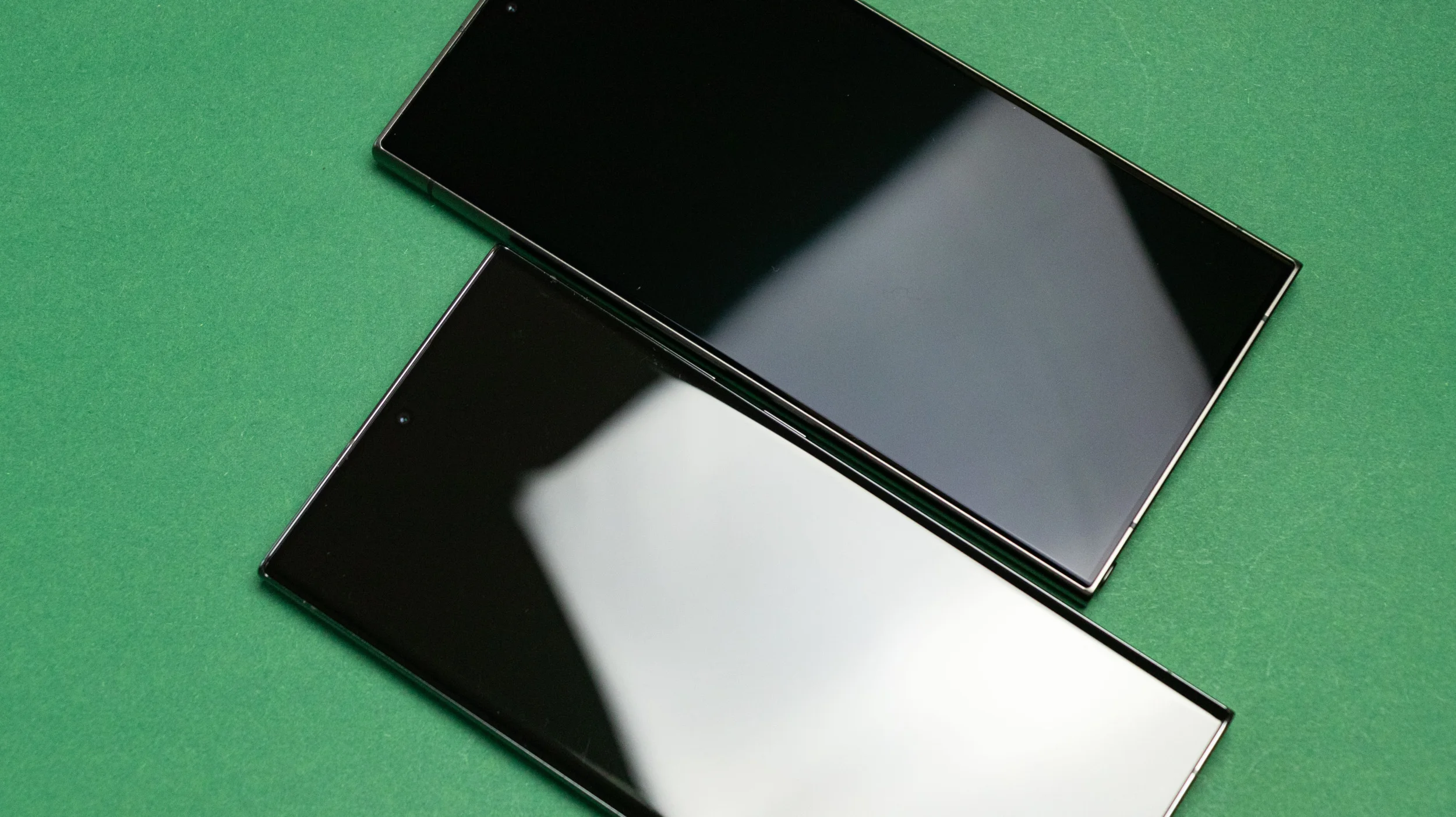
For me, one of the Galaxy S24 Ultra’s most interesting upgrades is the display. Higher brightness is nice, sure, but every manufacturer pushes that number higher each year. What matters more here is the reduced reflectivity, thanks to the new Gorilla Glass Armor. The cover glass looks darker and reflects much less light. That makes the screen easier to see in bright conditions, and side-by-side with other phones, the difference is obvious. I tried to capture that in the comparison shots with the Galaxy S23 Ultra below.
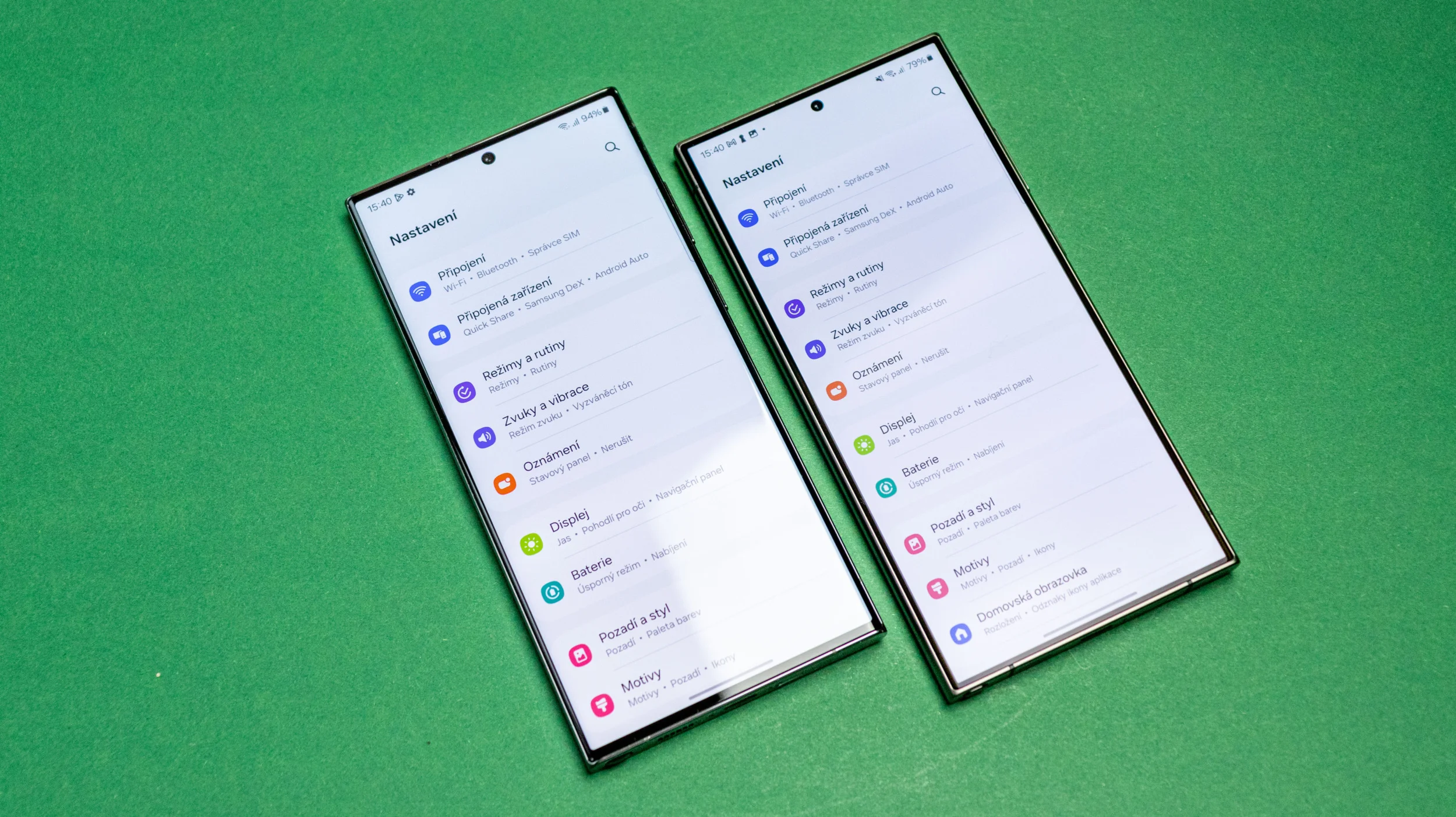
The slimmer bezels deserve praise too, especially the chin. It’s finally the same size as the top bezel, and the phone looks cleaner for it.
The display also isn’t quite as oversaturated as previous Galaxy panels, which I see as a good thing. Some users disagreed, and Samsung has already prepared an update that lets you dial the colors back up if you prefer a more vivid look. Another addition is support for capturing and displaying HDR content, including photos.
The default screen resolution is set to FHD+ (2340 x 1080). If you want the sharpest possible text, it’s worth switching to the native QHD+ setting (3120 x 1440).
Like the smaller Galaxy S24, this model also lets you use an always-on display mode with the wallpaper constantly visible. It works well, much like it does on the iPhone 15 Pro. The tradeoff is predictable: it uses more battery. If your phone spends a lot of time sitting on a desk during the day, this feature can eat up roughly 7 to 10 percent of battery capacity. After a week, I switched the always-on display to the wallpaper-free mode. Paired with the excellent anti-reflective screen, it still looks great.
Hardware
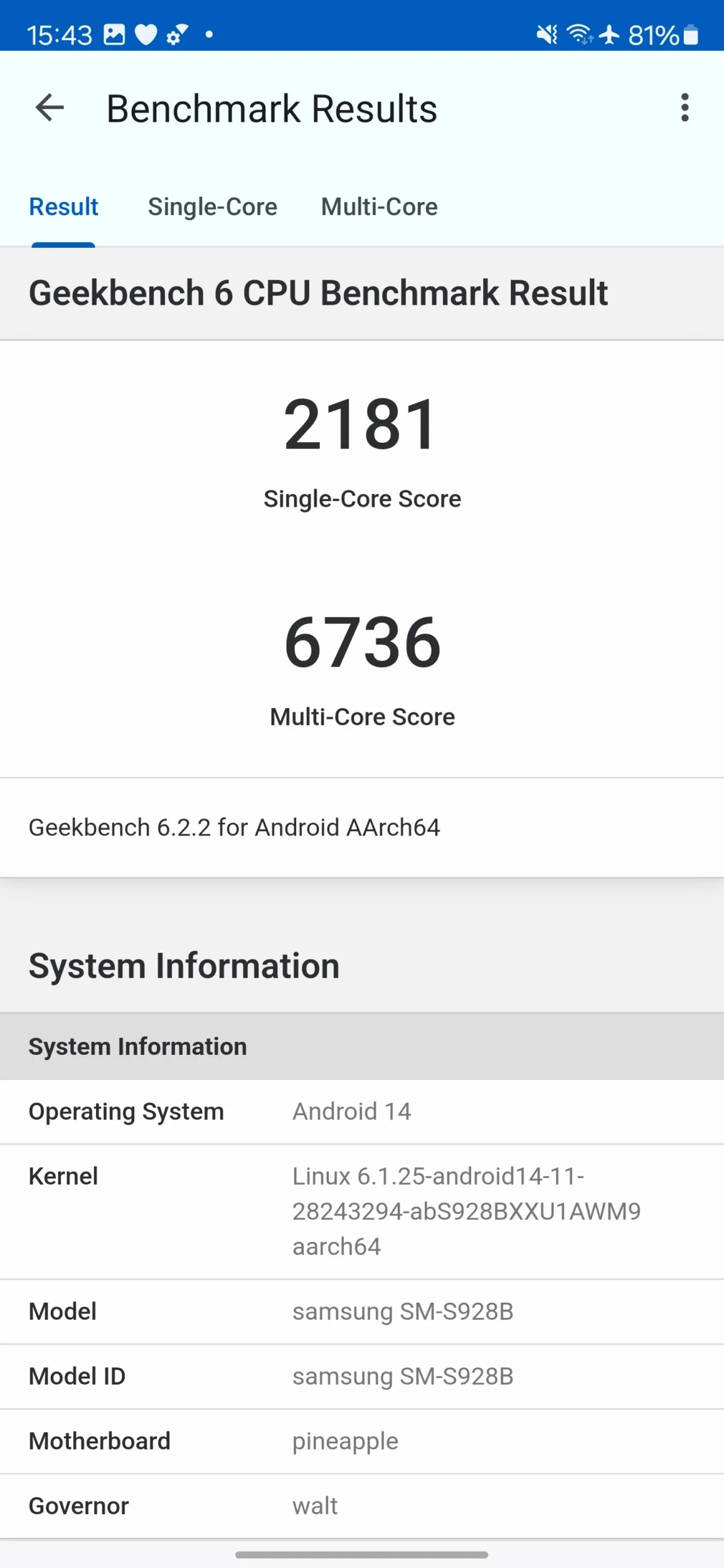
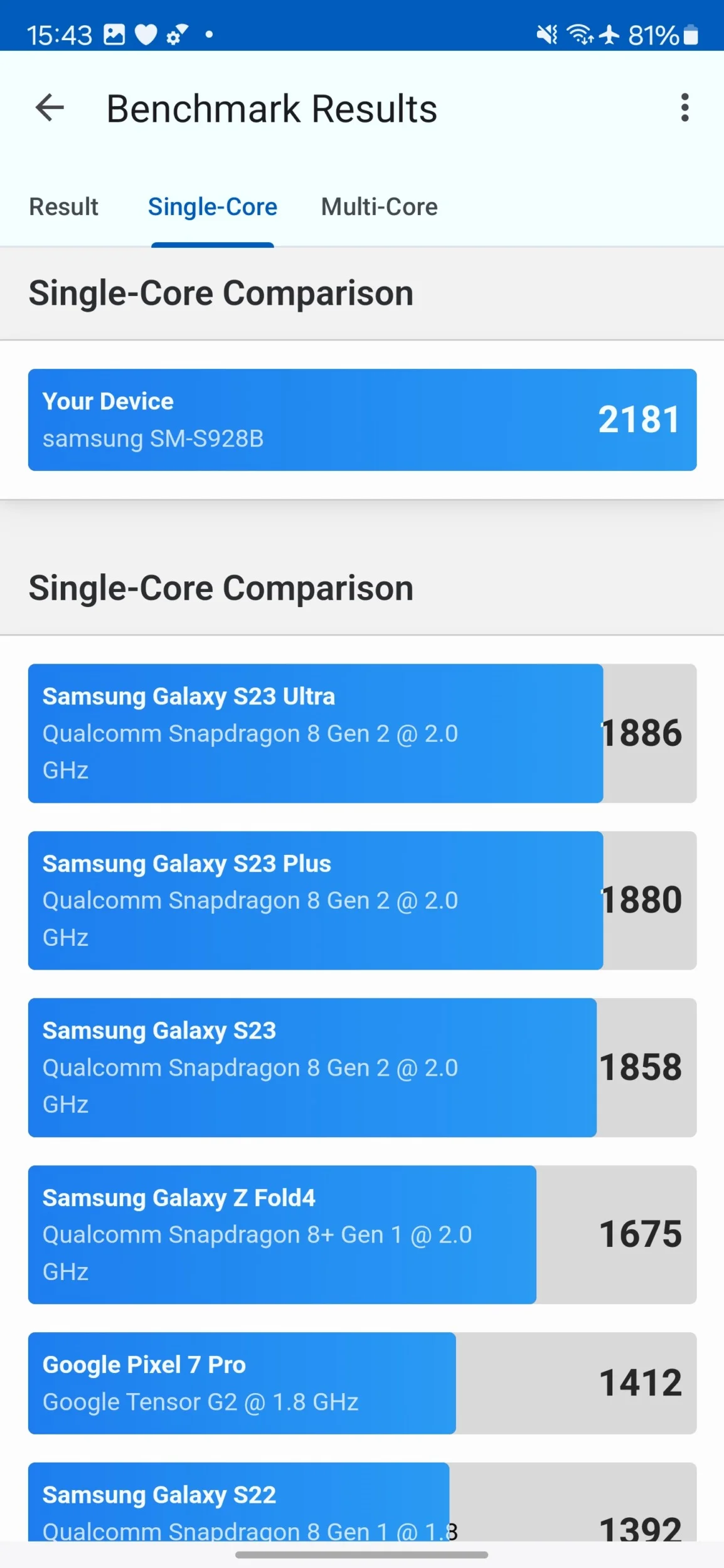
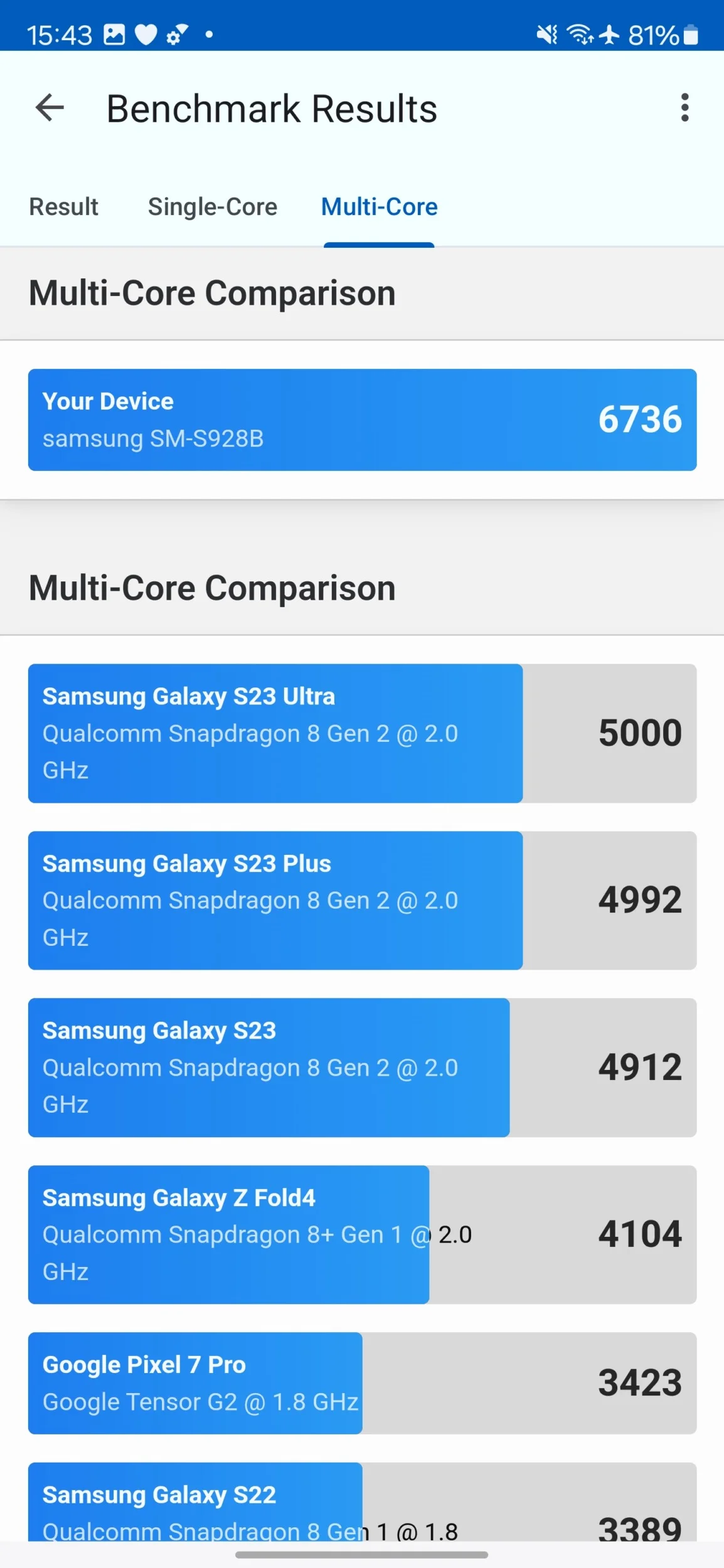
Inside, Samsung is using the latest Snapdragon 8 Gen 3, and that’s very good news. I’m glad the company kept Qualcomm’s chip in the full top-end model here as well. As benchmark testing continues to show, Snapdragon still has the edge over the Exynos 2400.
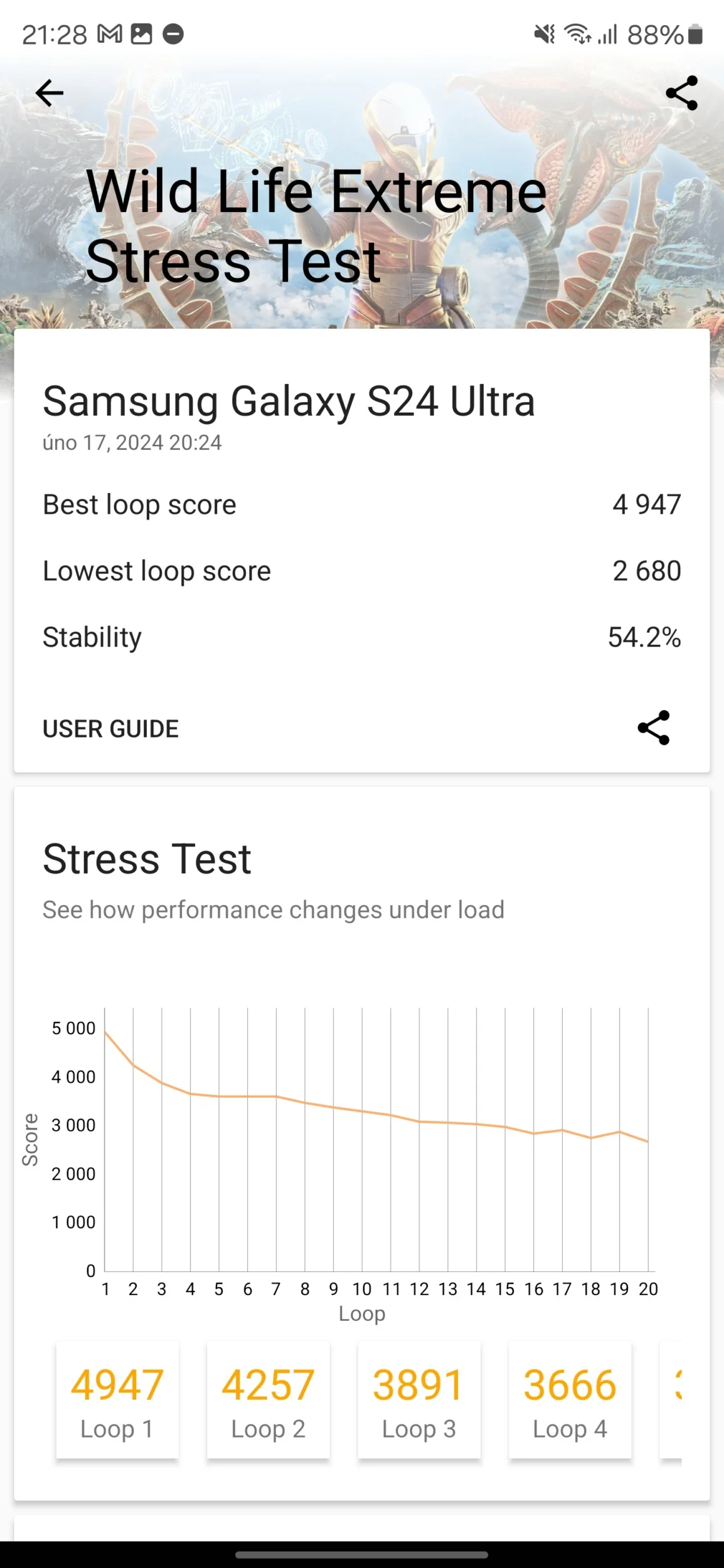
Benchmark results are in the screenshots below. Somewhat surprisingly, the score drops quite a bit in the Wild Life Extreme Stress Test, where the benchmark runs 20 times in a row, which takes about 20 minutes. During that test, the phone heated up from 30 to 44 degrees Celsius.
The Galaxy S24 Ultra is also one of the first phones, if not the first, with support for the new WiFi 7 standard. Given Samsung’s long software support window, that could age well. We haven’t tested it yet, though, because we didn’t have a WiFi 7 router on hand. It’s still very new.
Galaxy S24 Ultra specs
- display: 6.8 inches, QHD+, Dynamic AMOLED 2X, 1-120 Hz
- processor: Snapdragon 8 Gen 3
- RAM: 12 GB
- storage: 256/512 GB or 1 TB
- Android 14 + OneUI 6.1
- cameras:
- rear: 200 MPx
- 12 MPx, 120°
- 50 MPx, 5x zoom
- 10 MPx, 3x zoom
- front: 12 MPx
- rear: 200 MPx
- in-display fingerprint reader
- stereo speakers
- IP68
- 5G, WiFi 7, Bluetooth 5.3
- dimensions: 162.3 x 79 x 8.6 mm; 232 grams
- battery: 5000 mAh + 45W USB C, wireless charging
Battery life
The battery is still 5000 mAh, which is plenty on paper. In real-world use, though, the phone didn’t quite make it through two full workdays for me with the always-on display active and showing a wallpaper. By around 8 p.m. on day two, it was already dead. As always, your mileage will vary, and lighter use can absolutely stretch this to two days, especially if you turn off the always-on display.
Charging speed is unchanged, or maybe it’s more accurate to say it still feels slow. While Chinese phone makers keep one-upping each other, and Xiaomi can sell you a phone for 12,000 CZK (approx. $550 / €493) with 120W charging and the adapter included in the box, Samsung tops out at 45W.
It’s also a little disappointing that there’s no support for the new Qi2 wireless charging standard. That said, almost no phones have it yet.
Camera
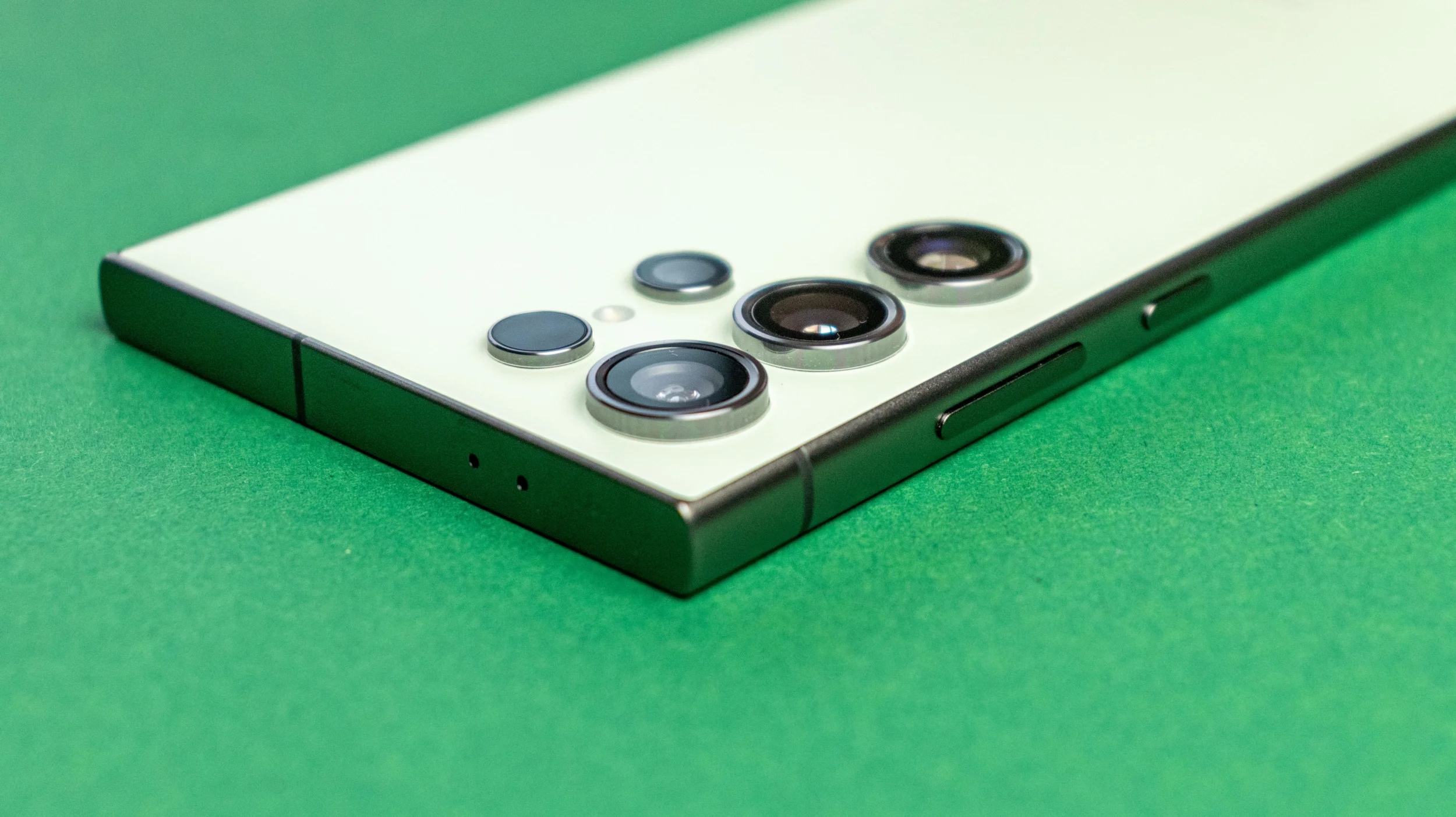
On the camera side, there’s really just one hardware change, and it affects a single sensor. The 10x optical telephoto has been replaced by a 5x optical zoom camera with five times the resolution and a larger sensor. The rest of the camera hardware is unchanged, which is a bit of a letdown.
Unfortunately, by the time this review was tested and filed, Samsung still hadn’t released its promised camera update, even though we intentionally held this review until mid-February. So these photo results should be taken with a bit of caution, although based on a decade of testing phones, I don’t expect the update to dramatically change the output. Samsung is still expected to release it later this month, and once it does, we’re planning at least a dedicated camera retest.
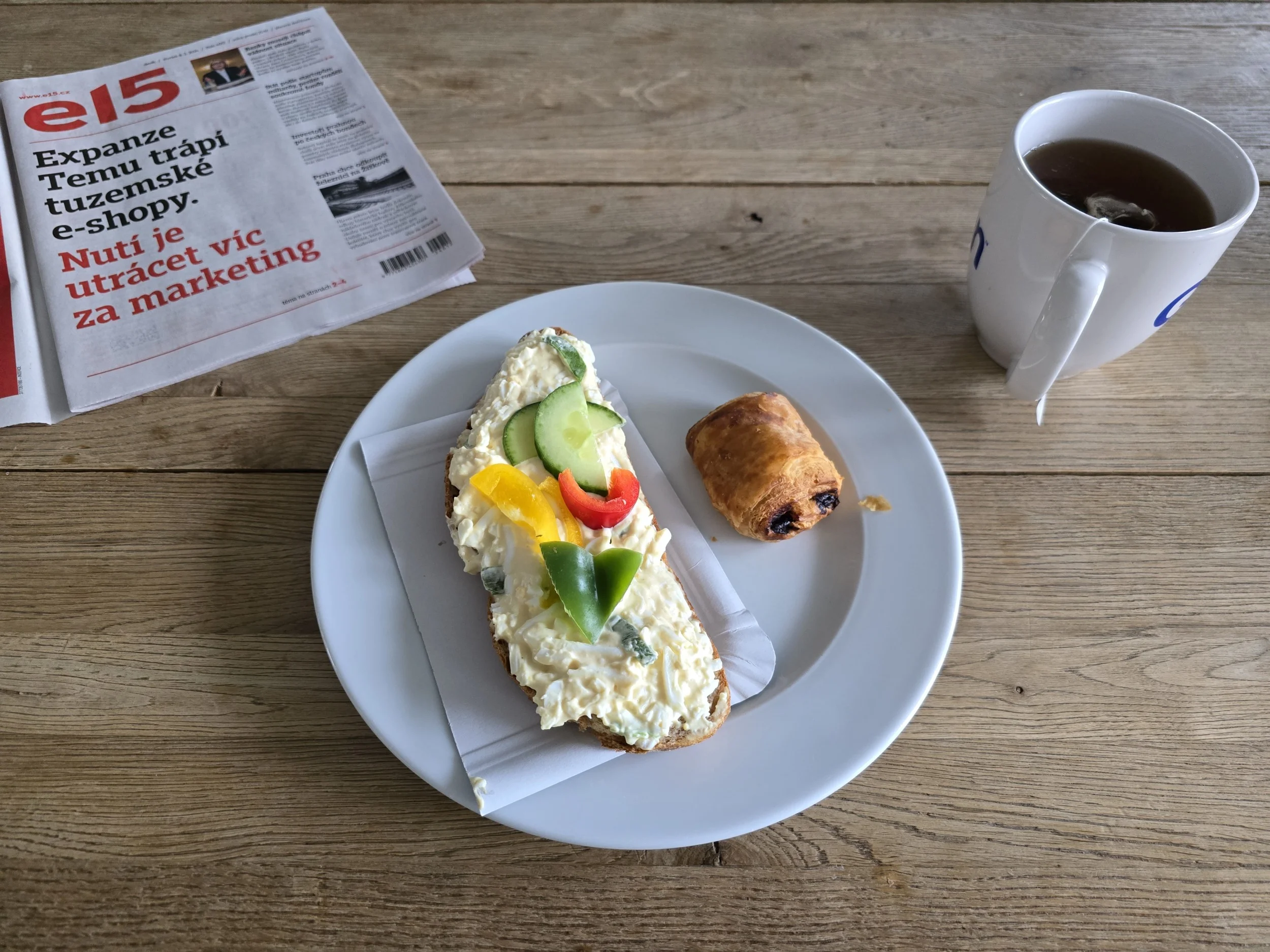
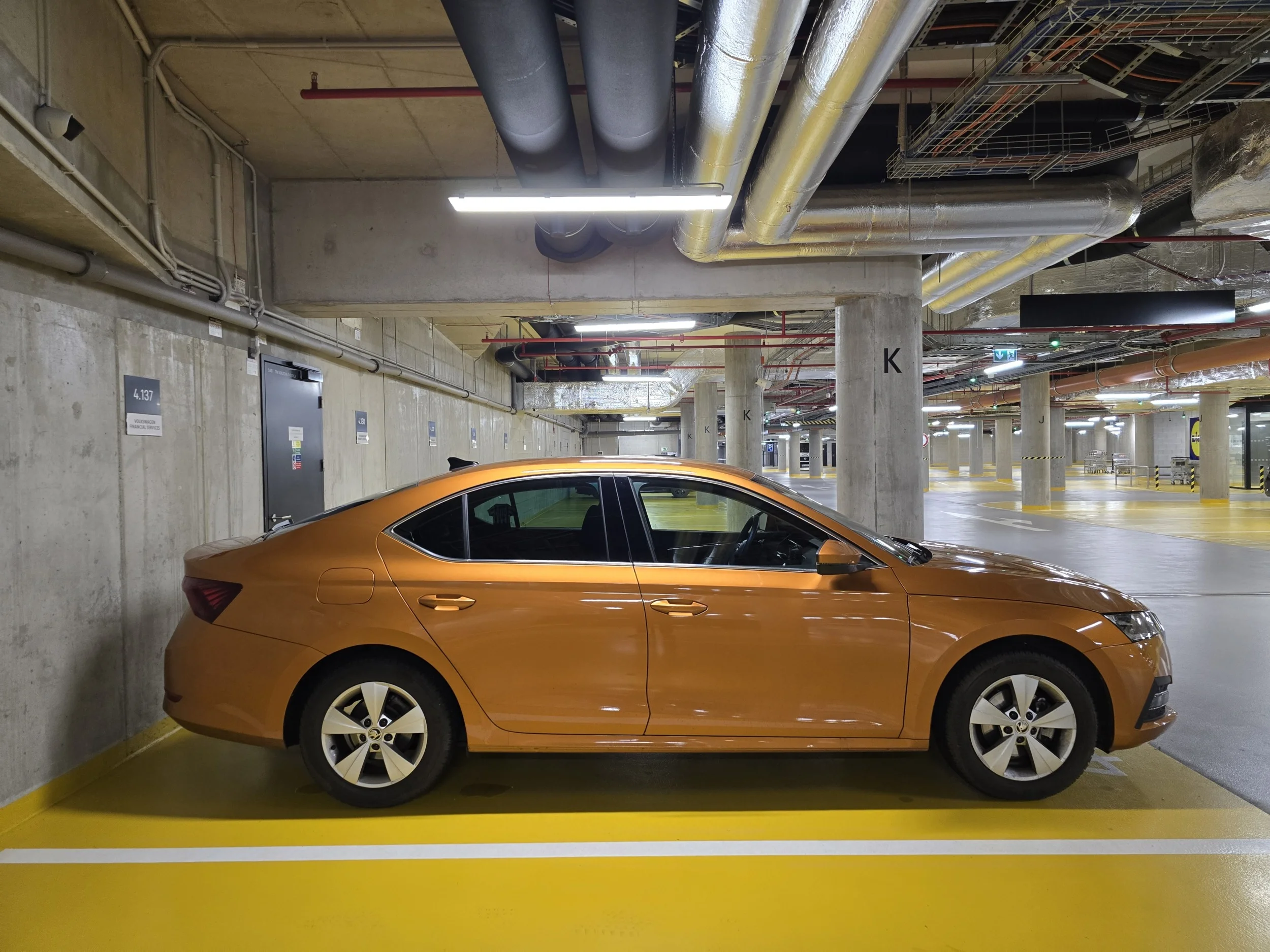
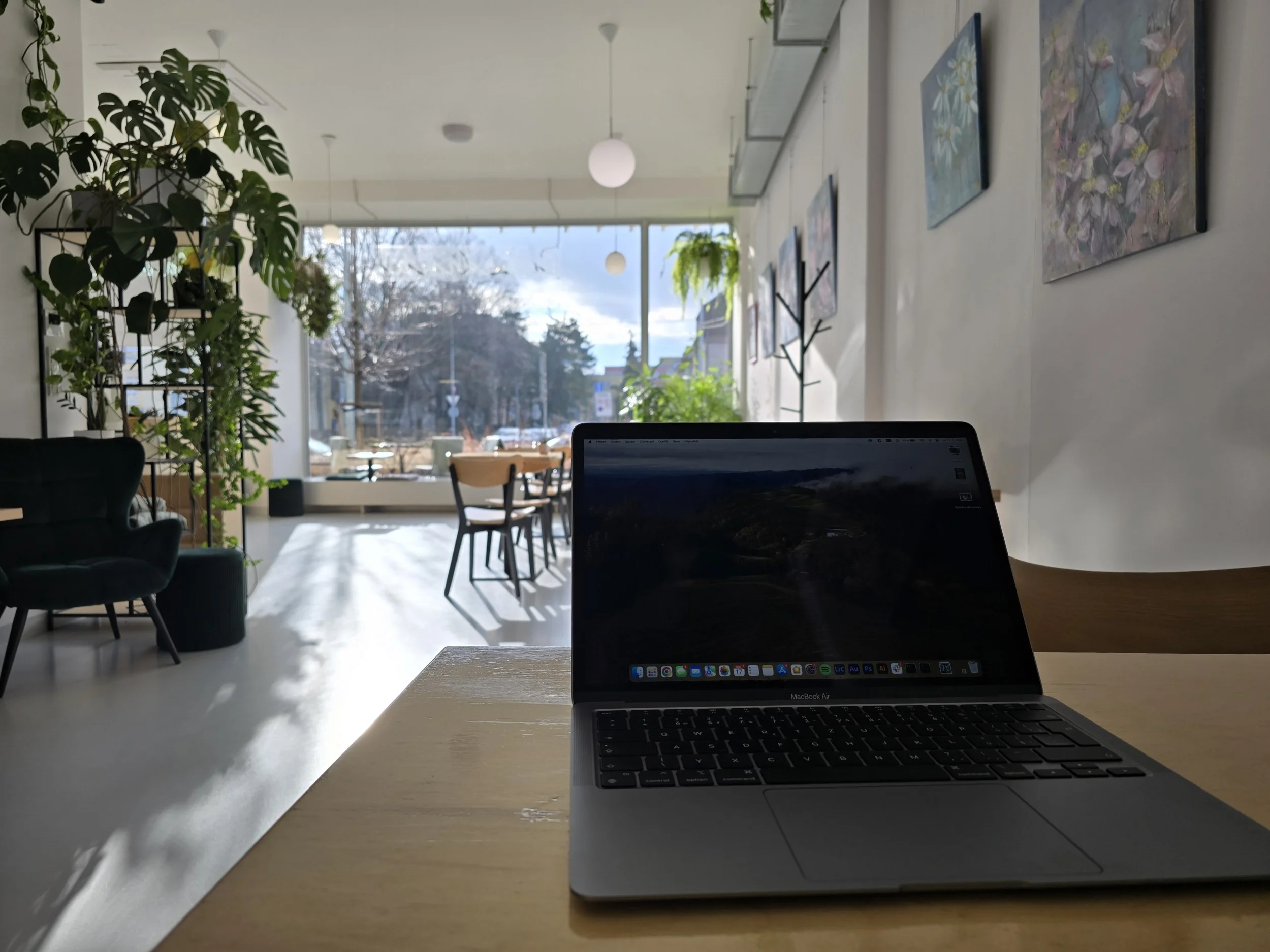
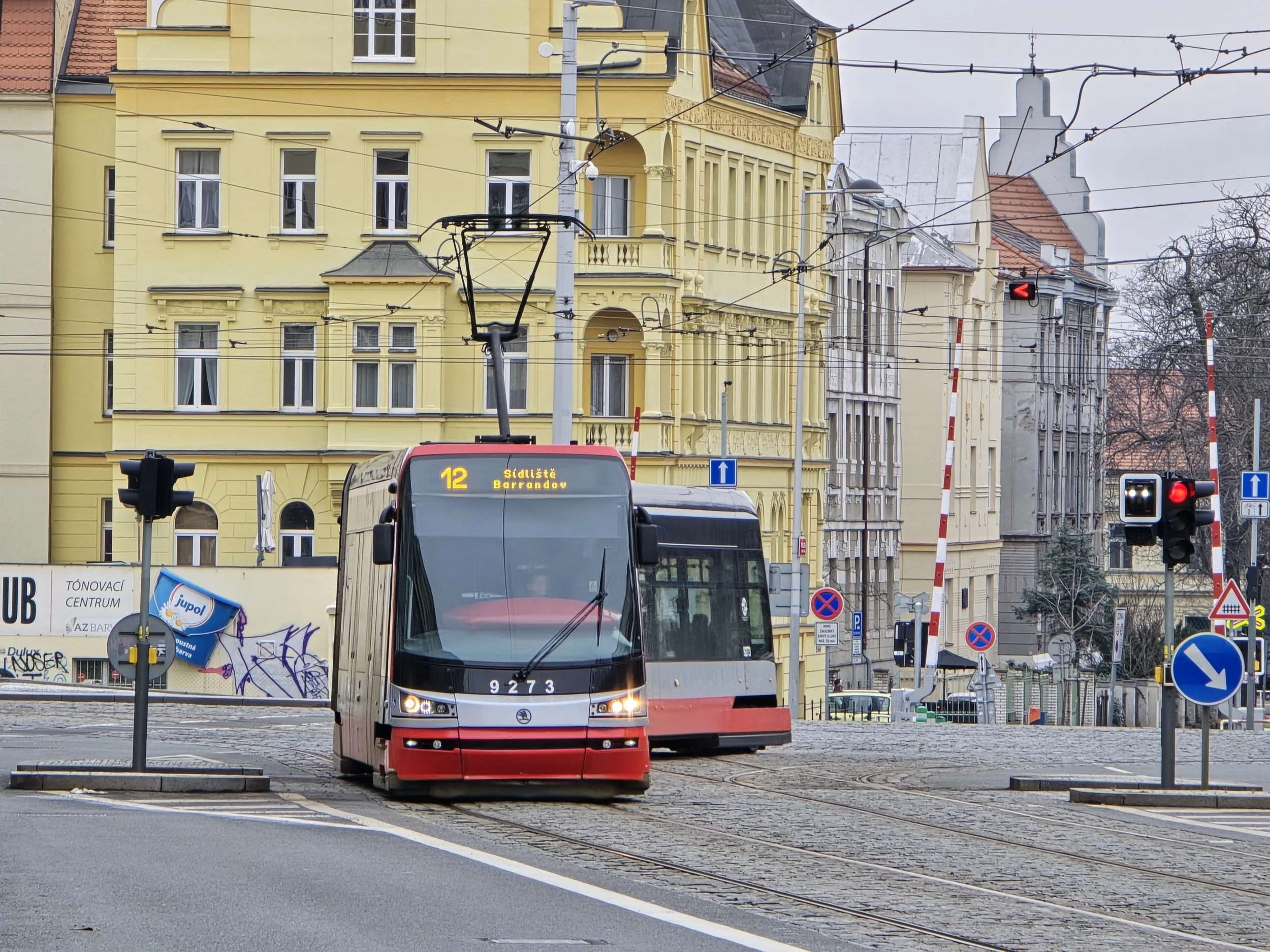
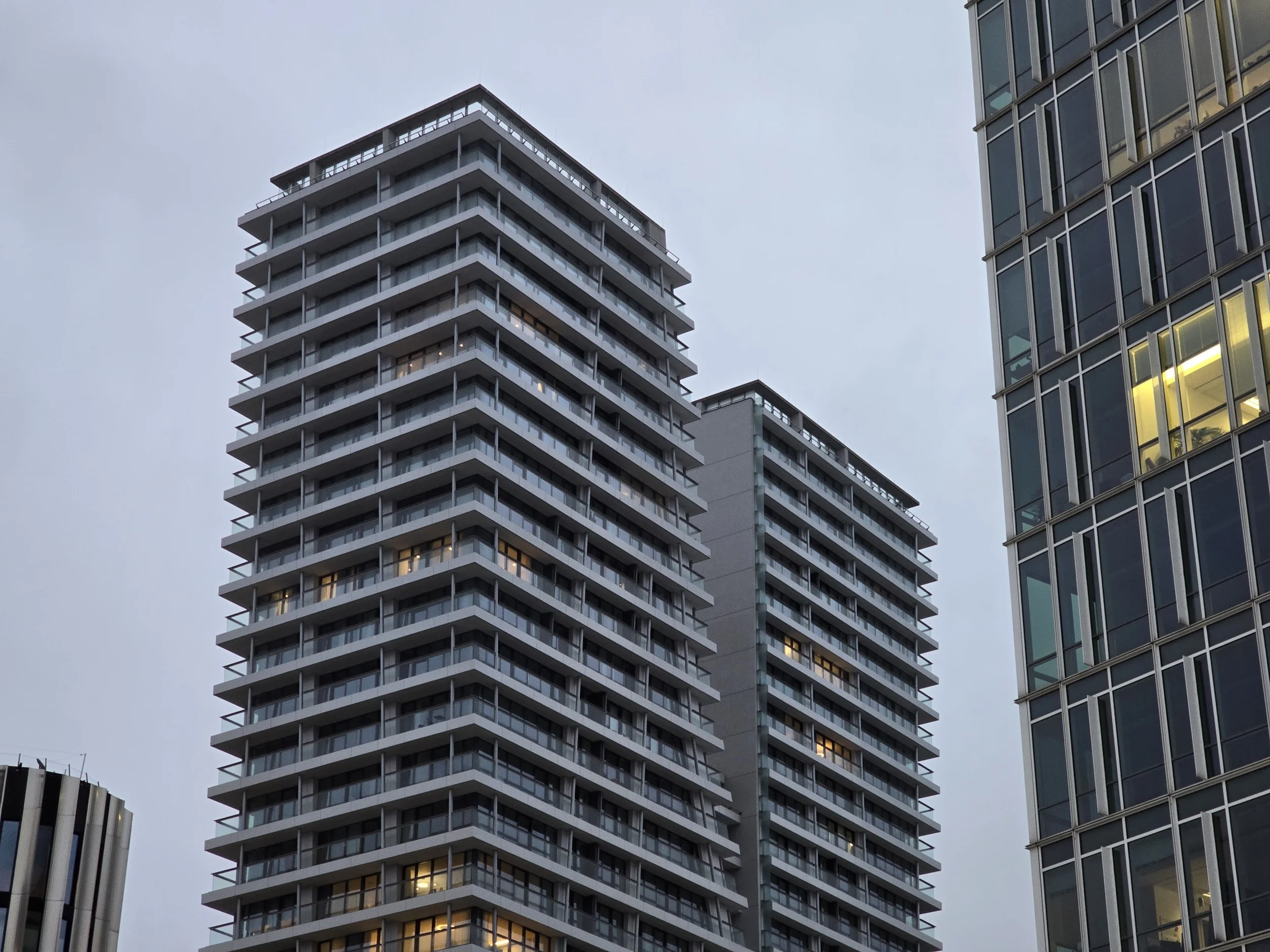
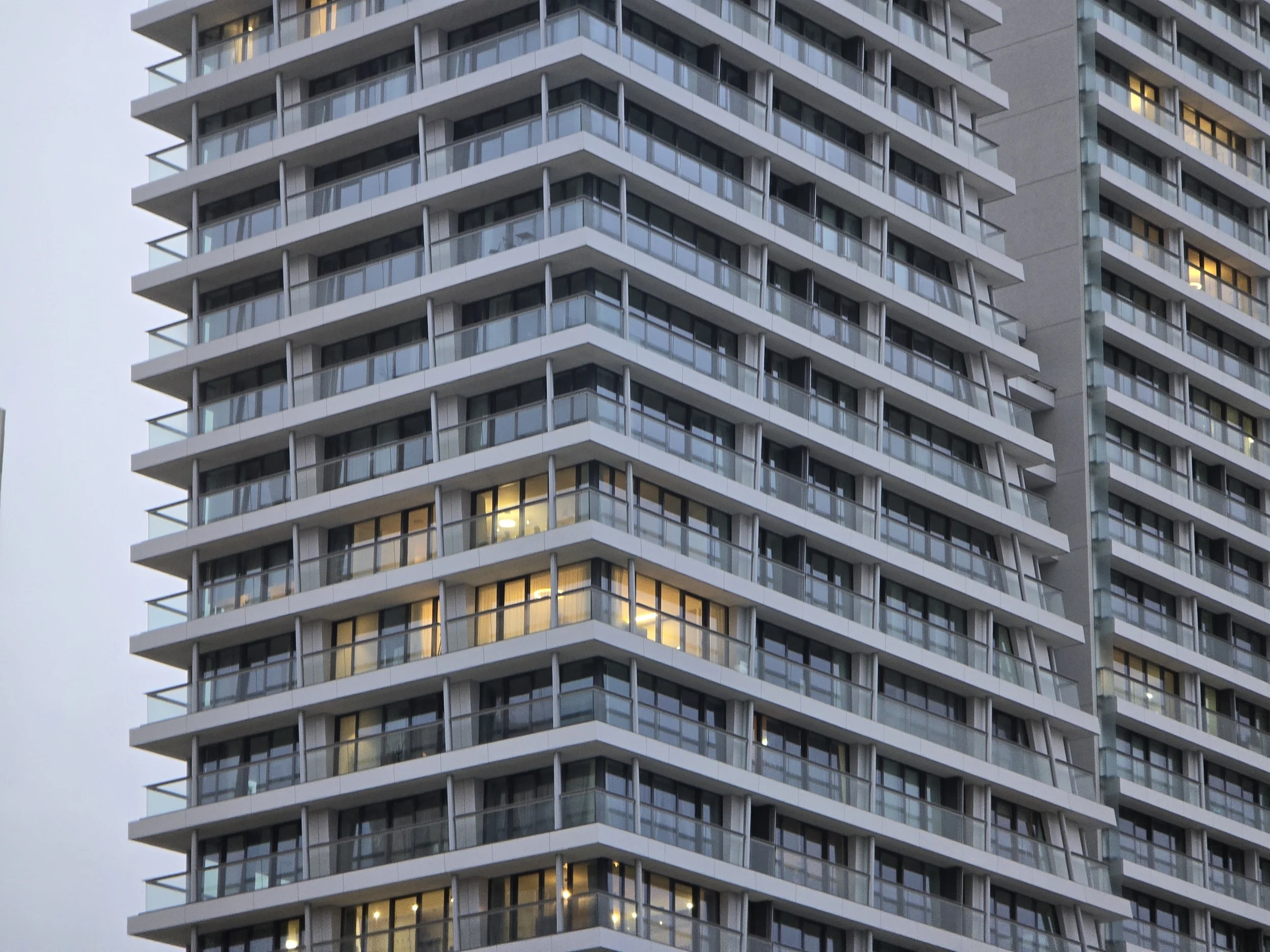
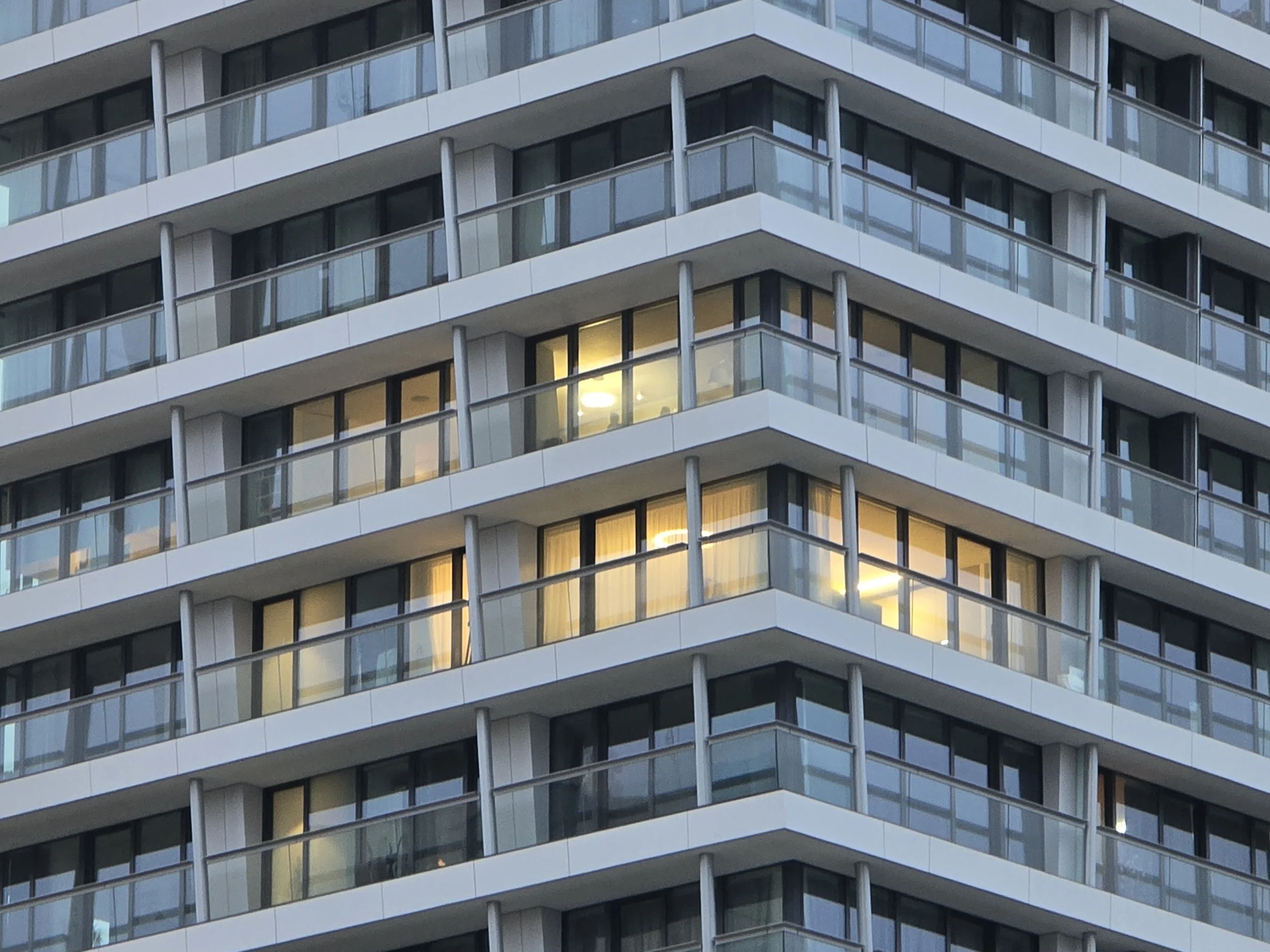
Right from the start, though, I have to say the resulting photos don’t really look like they came from a Samsung phone. They’re closer to reality, and I personally like that a lot. At times, I did feel some shots looked a little too gray, and a bit more color would have helped, for example in the four photos below. I also like the very accurate white balance. At night, however, the photos still have that familiar Samsung look.


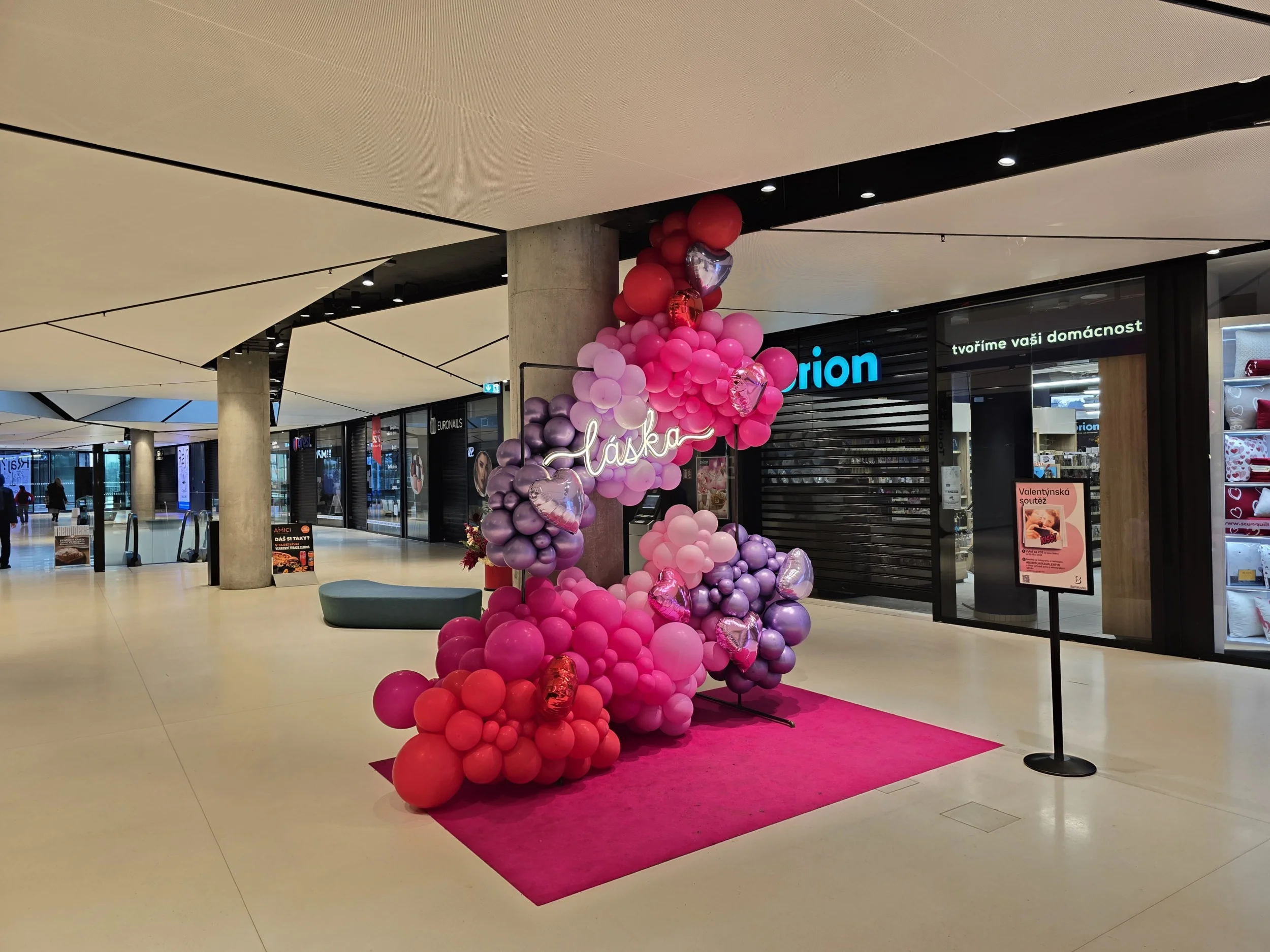


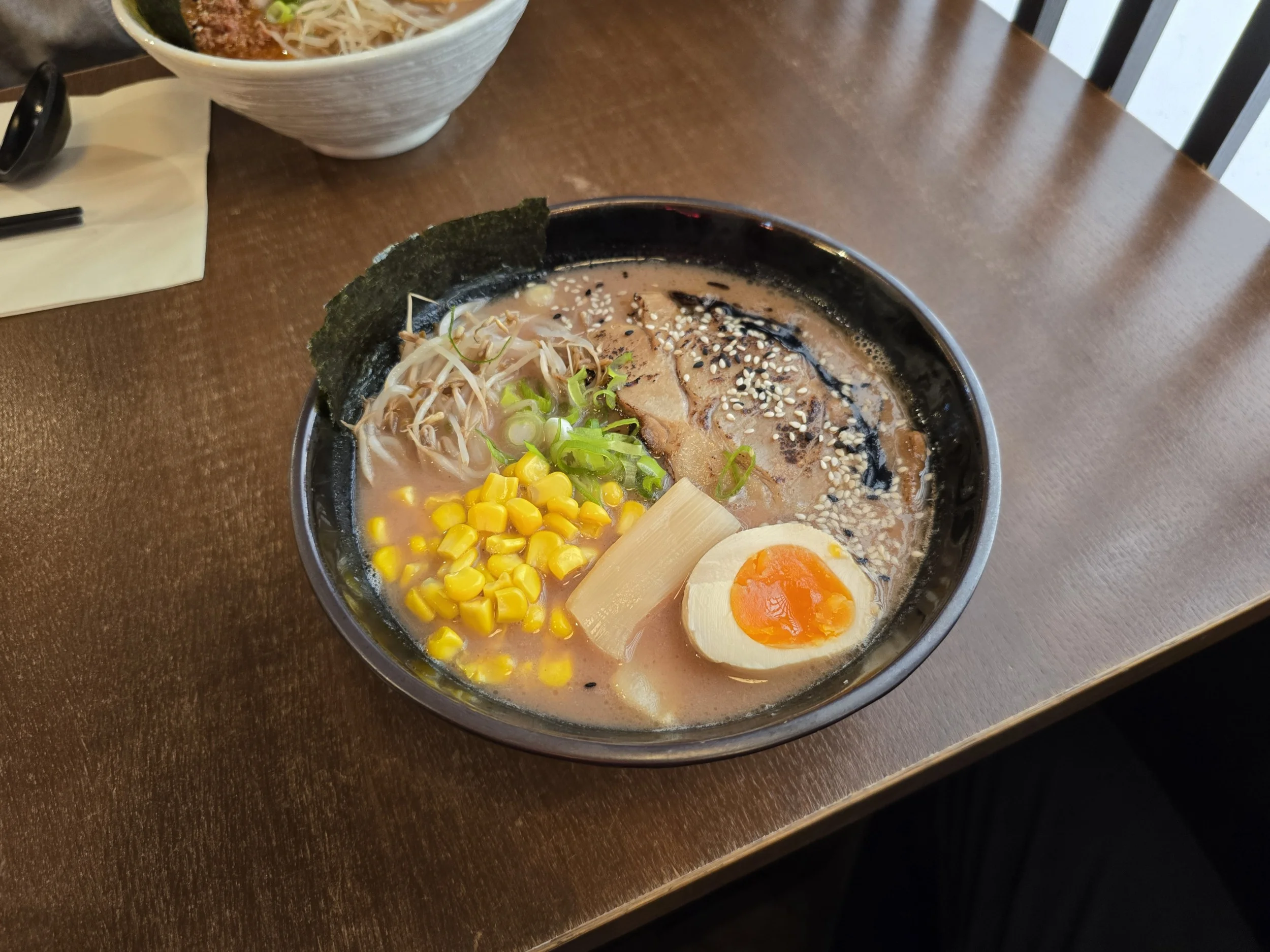
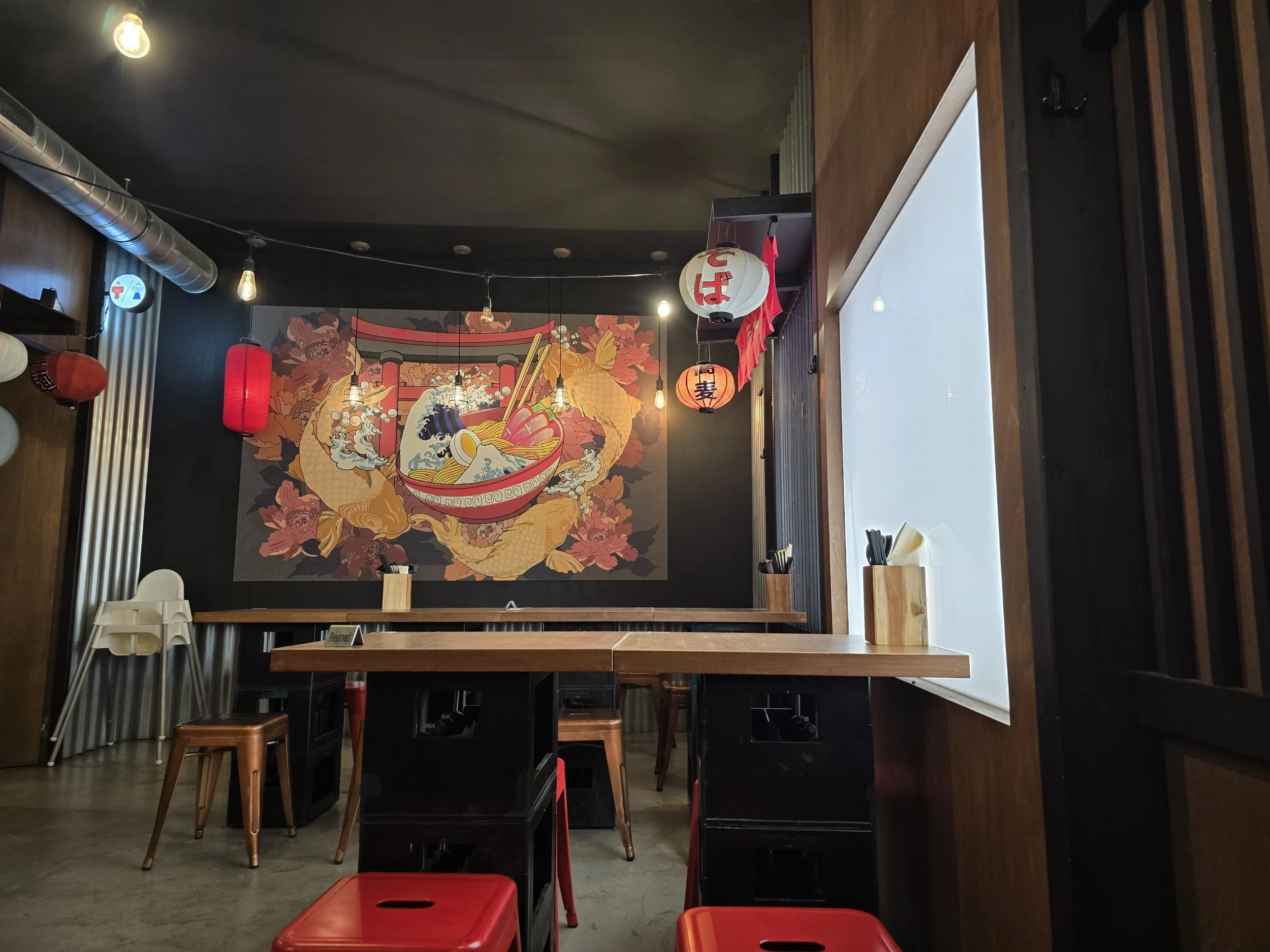
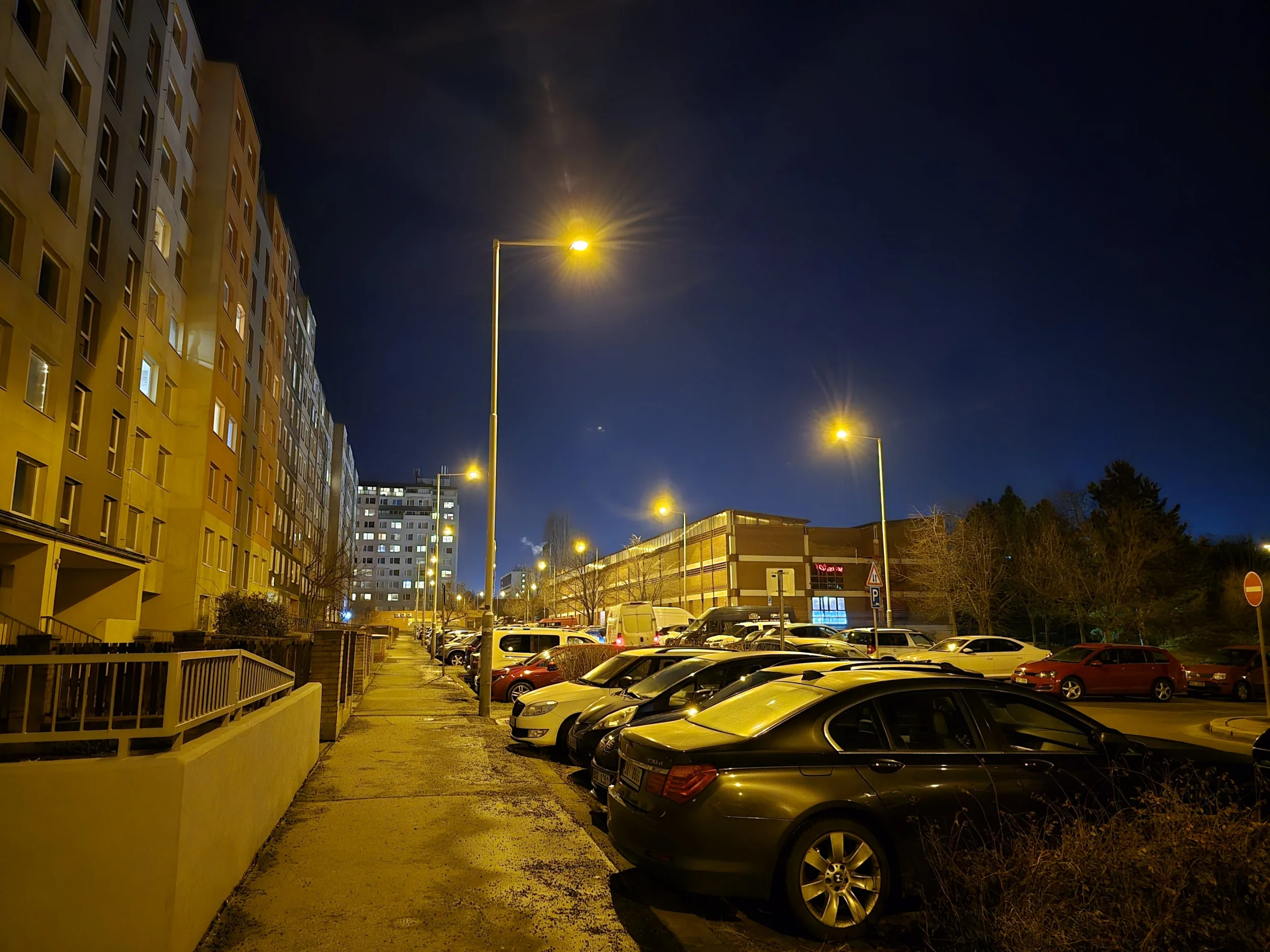



Going with a telephoto camera capped at 5x zoom feels like a smart move to me. Compared to the previous generation, you now get a proper 5x zoom, whereas before that range was effectively handled by the second telephoto camera with 3x zoom and 10 MP.












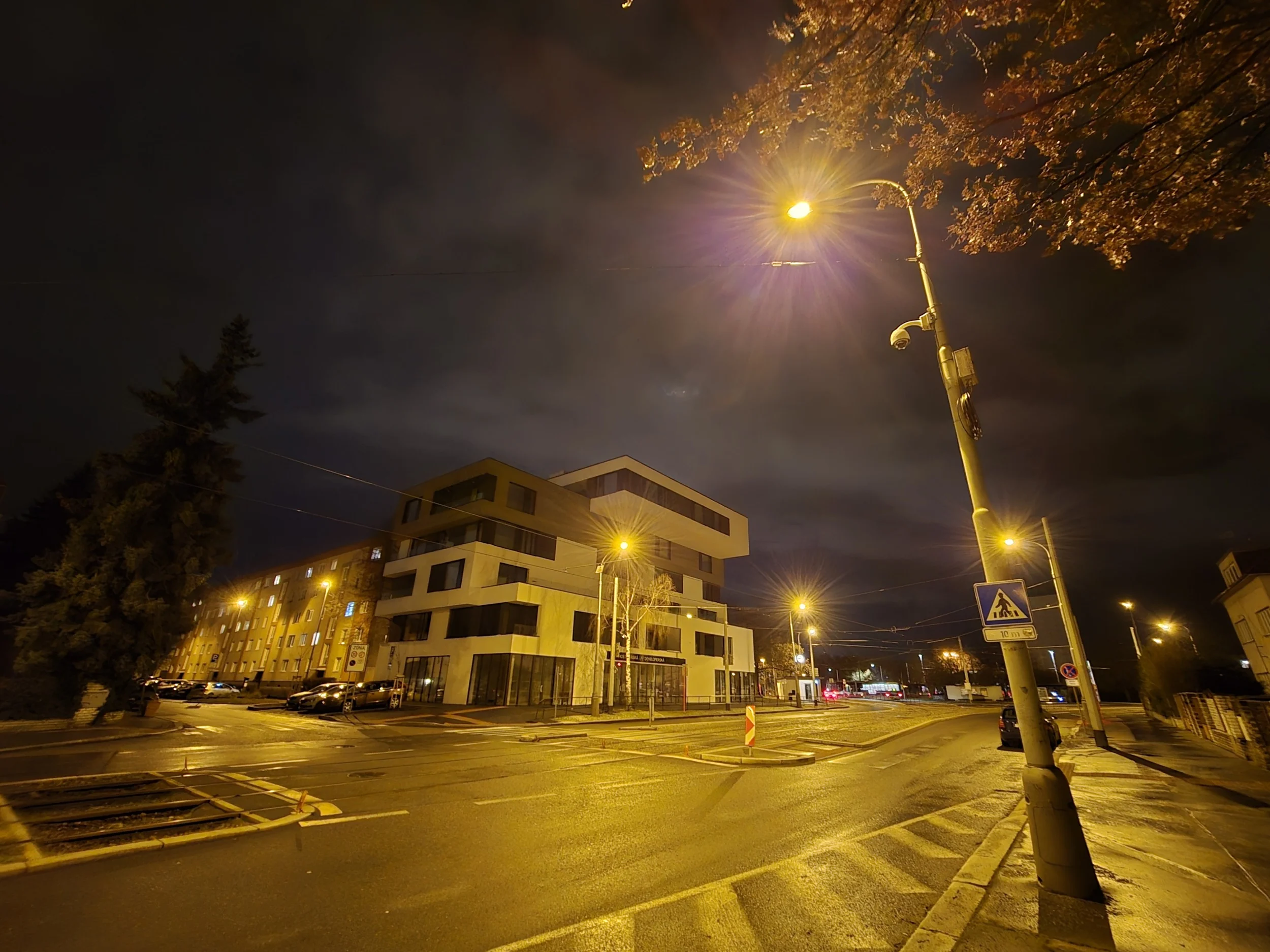
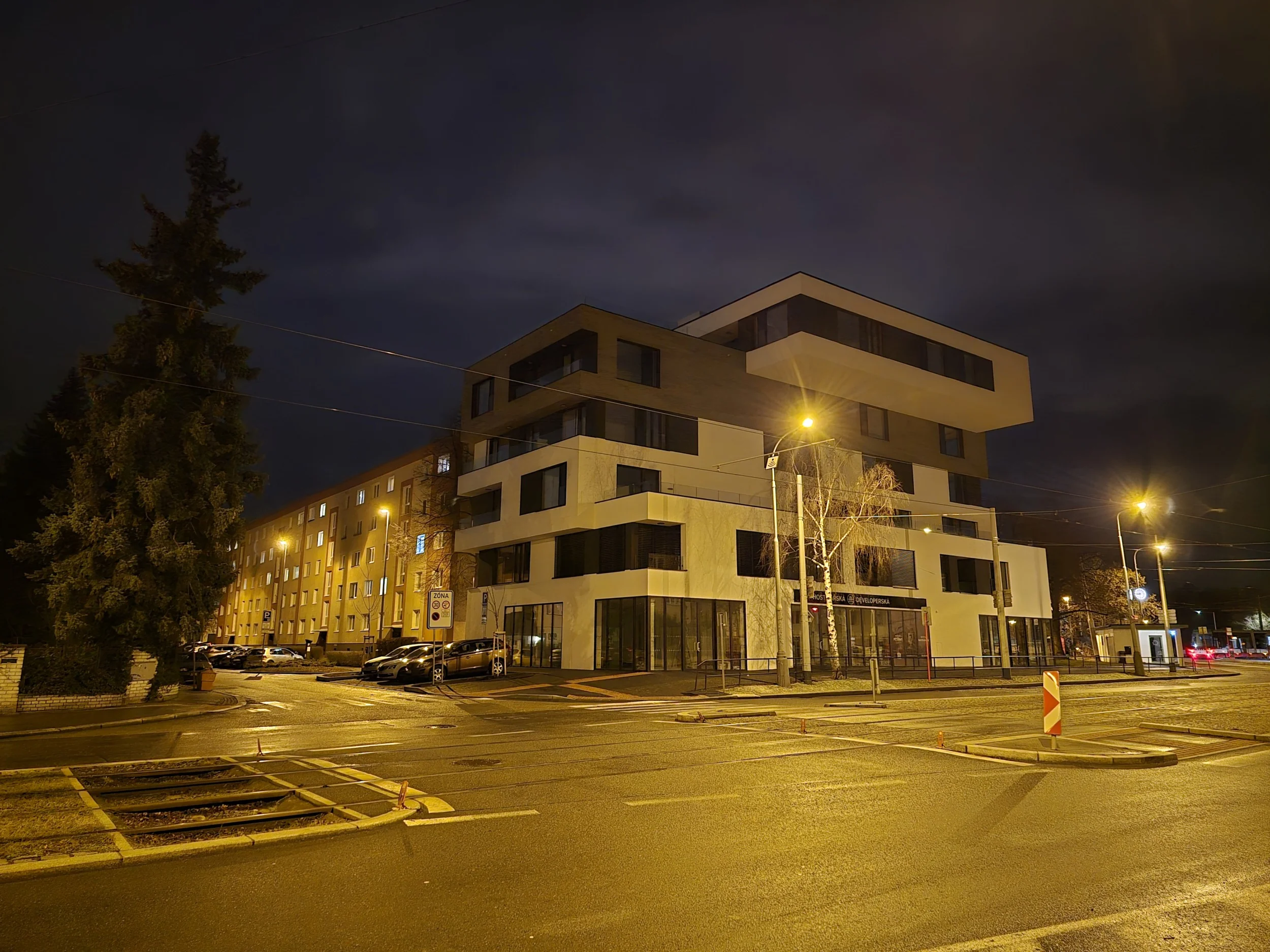

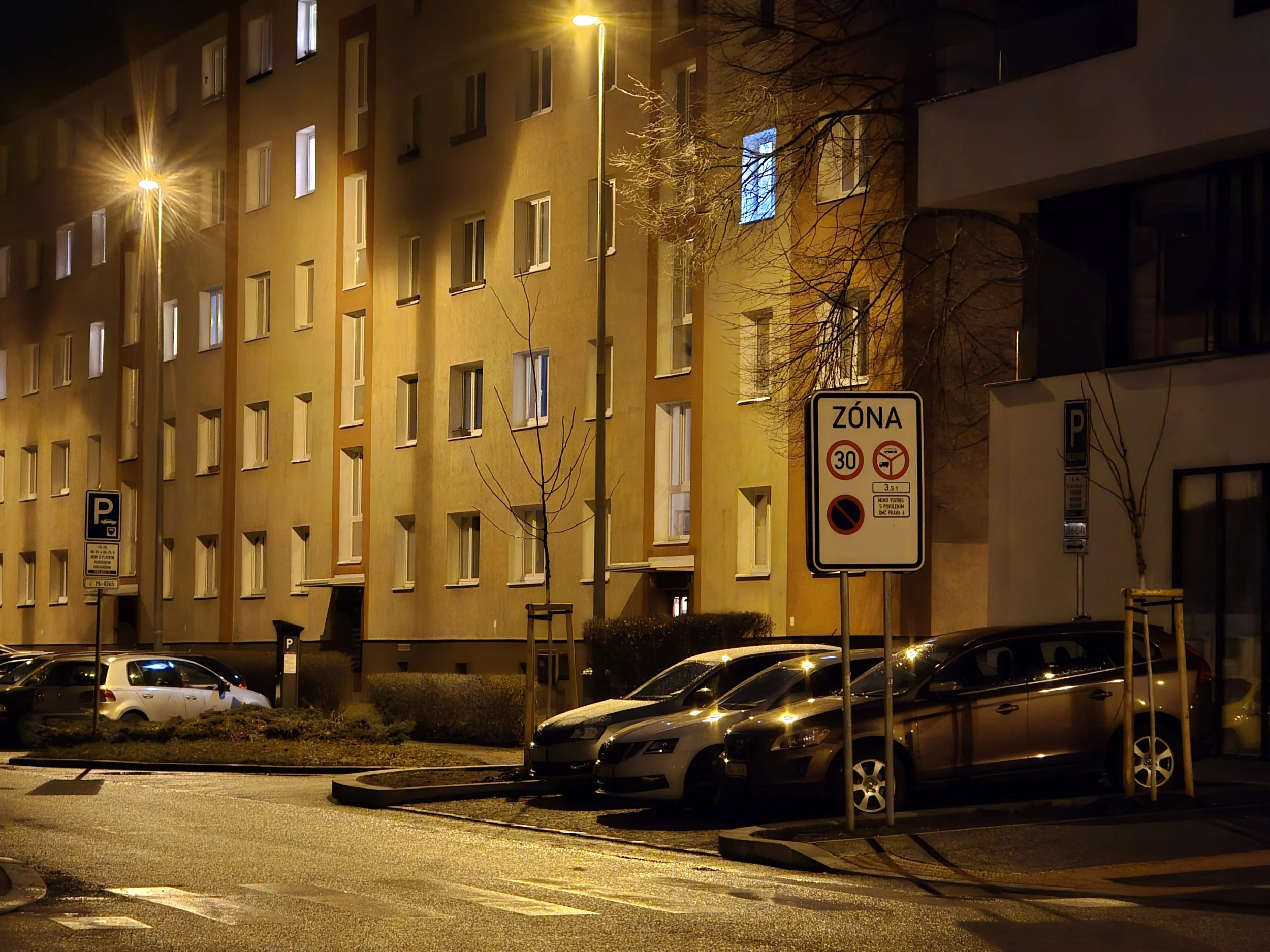
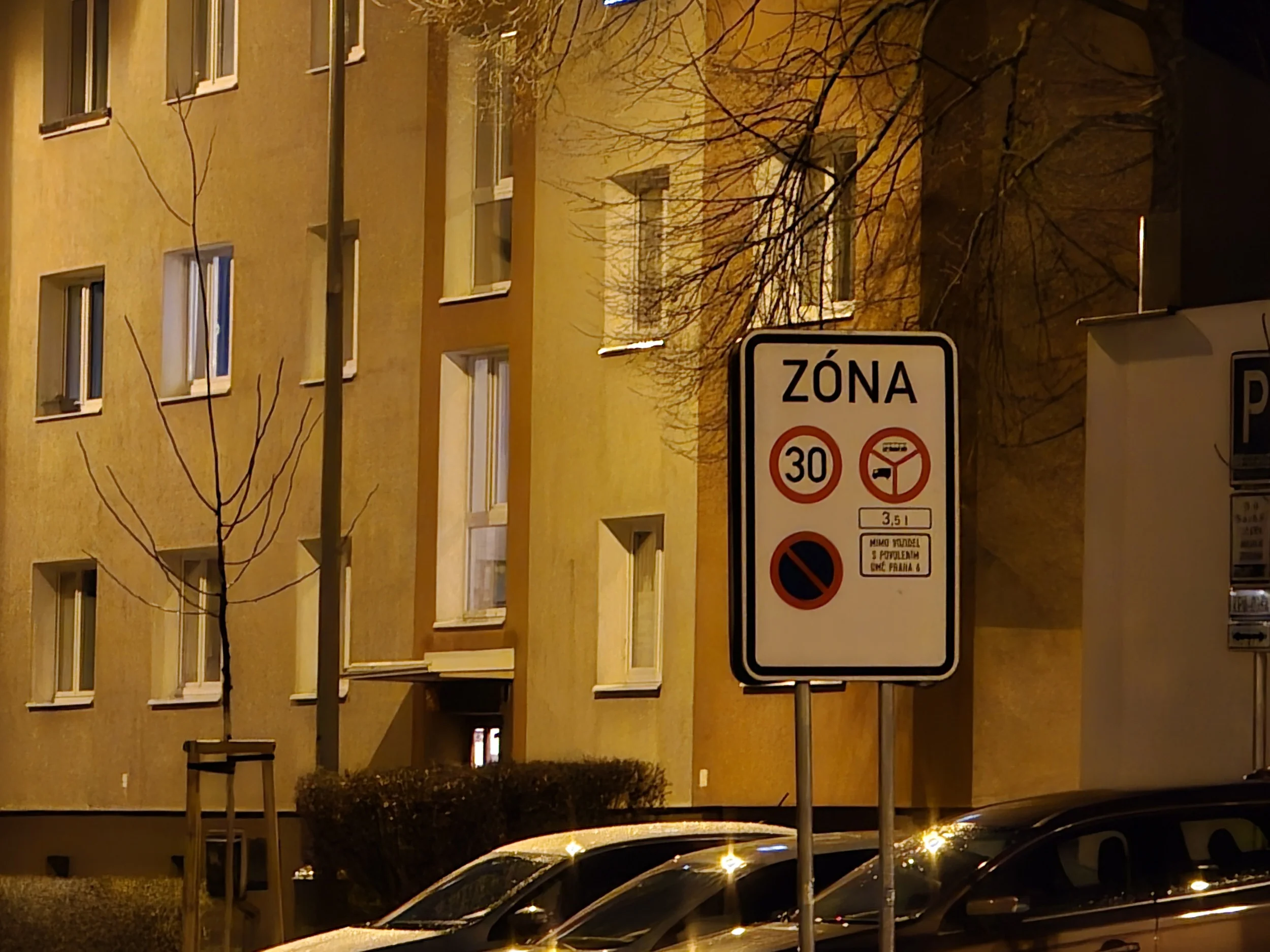
On the video side, the Galaxy S24 Ultra can now shoot up to 4K at 120fps in Pro mode. Stabilization still doesn’t work especially well there, though, and the footage can look pretty wobbly. You also still get 8K at 30fps, if that’s something you actually care about.
Software
Galaxy S24 Ultra runs Android 14 with Samsung’s One UI 6.1 on top. The big news here is Samsung’s extended software commitment: 7 years. That means the Galaxy S24 Ultra is slated to get seven major Android OS upgrades, along with seven years of security updates. So far, though, Samsung hasn’t moved especially fast. As of mid-February, no update had landed to improve camera performance, although one is expected before the end of the month. At the time of publishing, the phone was still on the January 2024 security patch.

Verdict
Samsung feels more grown-up this year. The oversaturated photos are gone. The extra-punchy display tuning has been dialed back. In their place is a stronger push toward a more natural, realistic look. That shift won’t be for everyone, but it feels like the right move. And while this year’s flagship doesn’t bring a huge list of changes, the upgrades that are here are useful ones.
The bigger question is whether you actually need everything the Galaxy S24 Ultra offers. I didn’t end up using the AI features all that much unless I made a point of testing them, unlike my experience with the smaller S24. The titanium frame is easy to forget because the weight difference isn’t dramatic in daily use. I like the S Pen, but I can also live without it just fine. And the anti-reflective display feels like the kind of feature that will spread across the market sooner rather than later. Put simply, the Galaxy S24 Ultra is a fully loaded phone with a few extra tricks on top.
The camera system deserves praise, especially the reworked telephoto camera, and the move to a 5x zoom lens was the right call. I just wish the rest of the sensors had seen more meaningful changes this year. The promise of 7 years of software updates is a major advantage. If I had to pick a real complaint, it would be a personal one: the size and shape. For my taste, the phone is simply too big and too boxy. I’d also have liked to see a more aggressive design refresh.
Samsung’s suggested retail price for the Galaxy S24 Ultra starts at 35,490 CZK (approx. $1,628 / €1,458) for the 256GB version. That puts it roughly in line with something like the iPhone 15 Pro Max. If you want the best Samsung phone available right now, this is the one to buy. If you’d rather save some money, last year’s Galaxy S23 Ultra is still a smart pick, though it’s starting to disappear from retail channels.
Pros
- 7 years of software support
- Excellent display
- Great redesigned telephoto camera
- Nice extras like Wi-Fi 7 and 4K 120fps video recording
- Still powered by Snapdragon
Cons
- Overall, too little hardware innovation; the fingerprint reader could have been larger, and the camera system could have seen more upgrades
- Higher price
Community Discussion 0 COMMENTS