
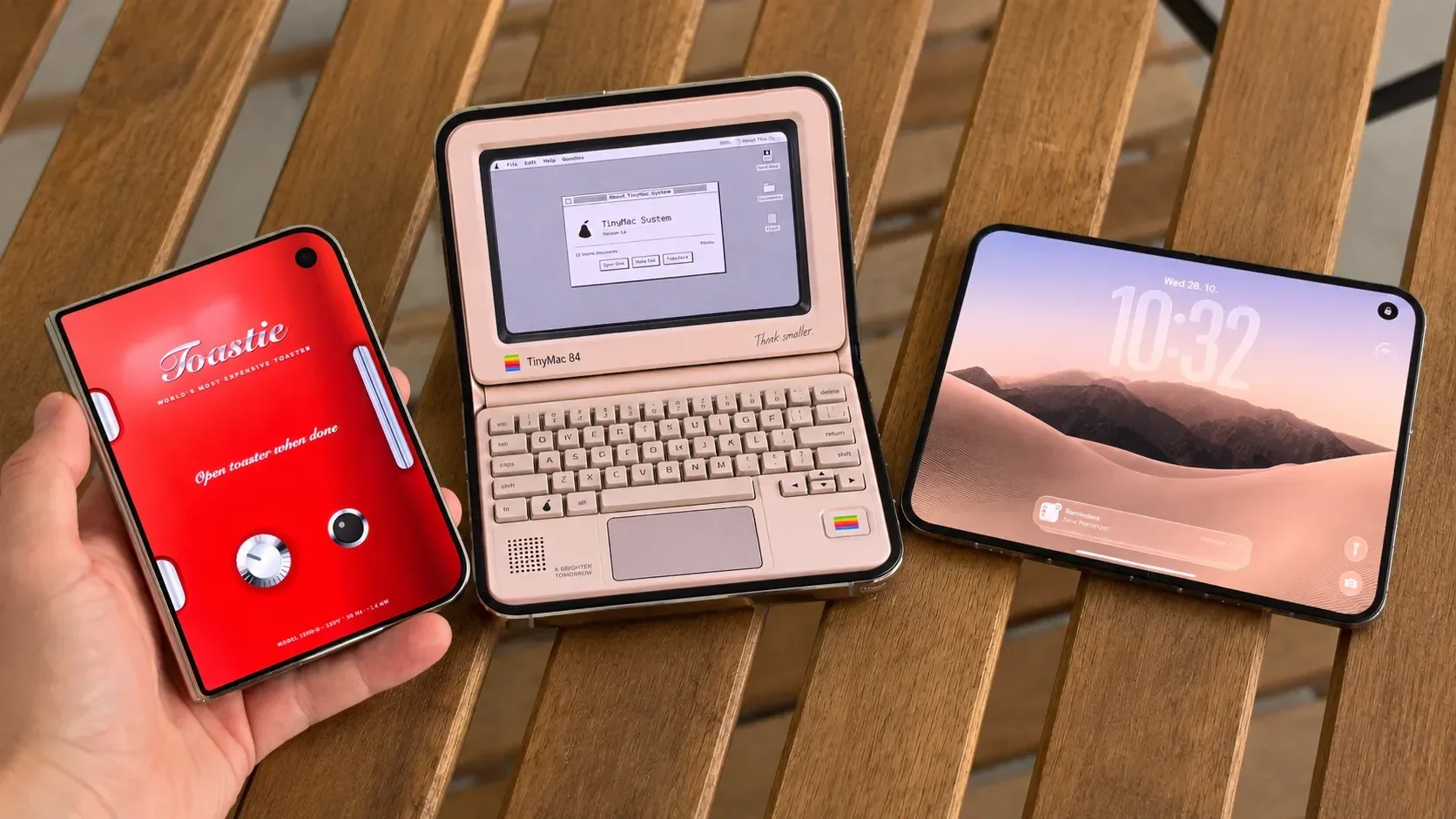
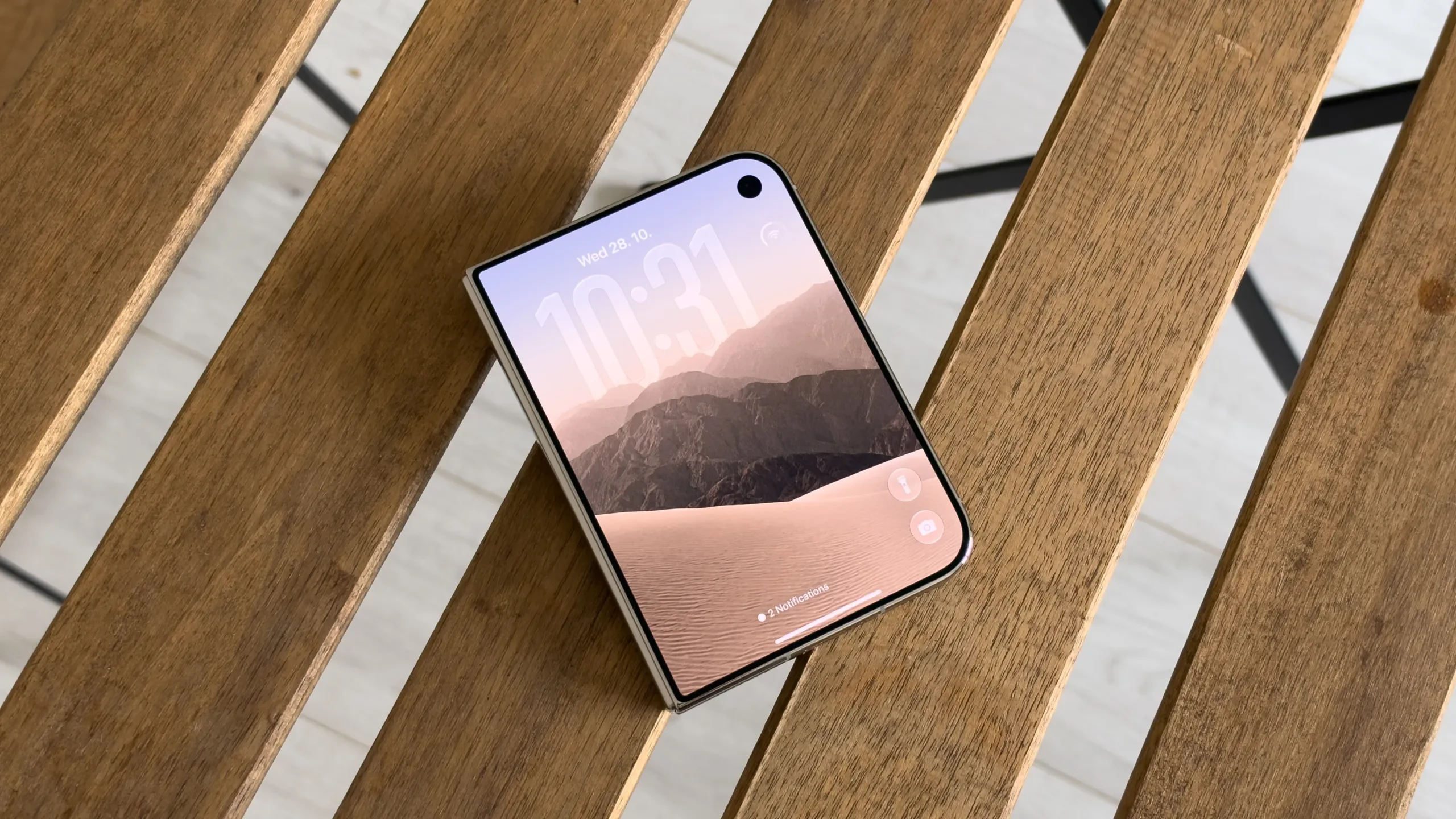
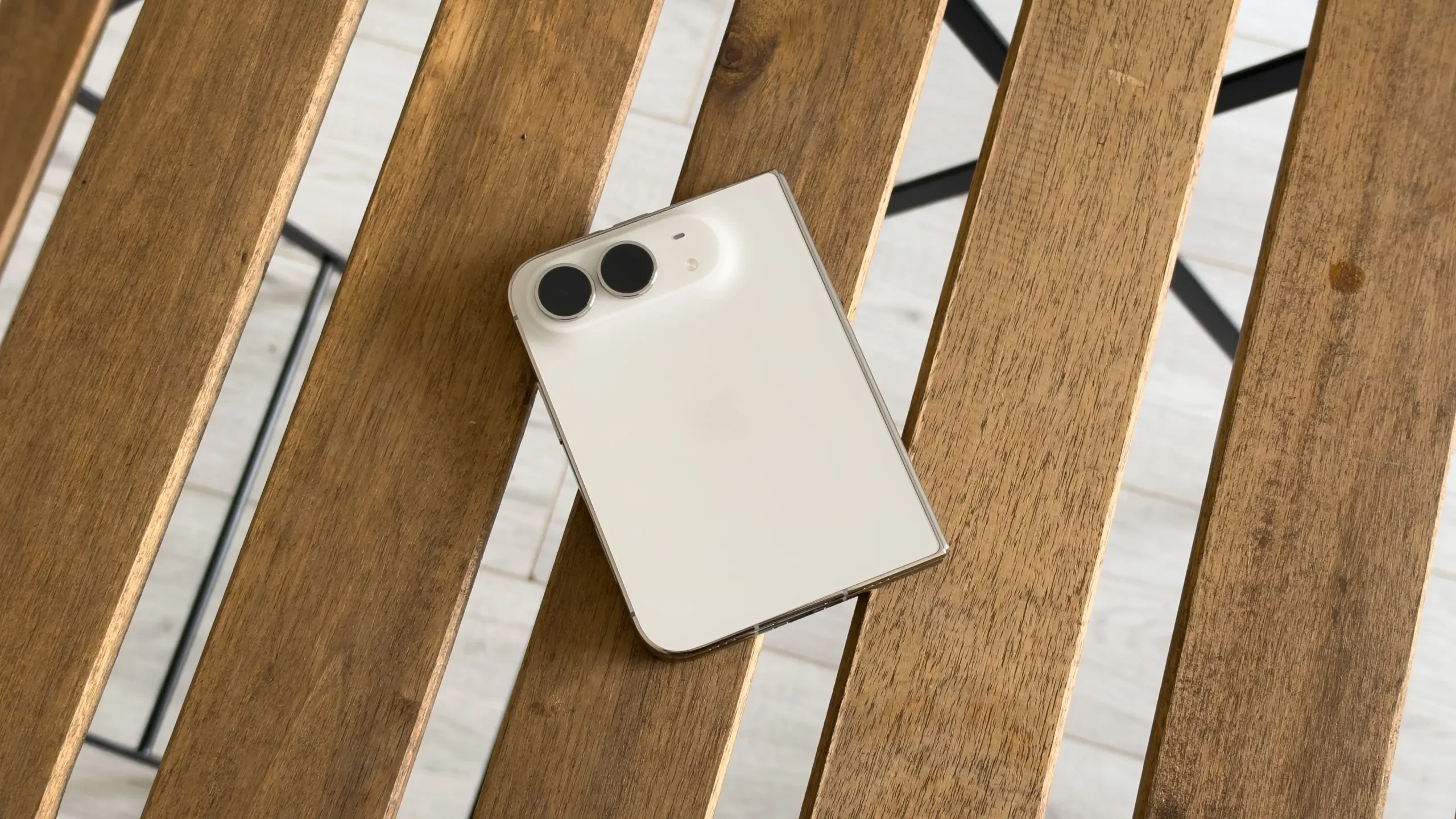
Apple launched the iPhone Duo (in Czech) last Friday, and we’re just starting to put it through its paces in the newsroom. Instead of doing a standard first-impressions piece, I wanted to try something a little different this time. So here are three things I genuinely like about it. In the next article, I’ll get into the parts that impressed me a lot less.
The wow factor, and apps built for it
It’s been a while since a phone grabbed this much attention from regular people. I test dozens of phones every year, and it’s rare for a new device to spark this kind of curiosity the way the new iPhone Duo (in Czech) has. Almost everyone I know immediately asks what it’s like and wants to see it. And that goes beyond tech people. Even non-enthusiasts are interested. The last time Apple really pulled this off at scale was probably with the iPhone X, though last year’s iPhone Air did generate some buzz too.
That public interest ties into something else I really like: apps and games that are actually optimized for the new form factor. On Android, I’d argue foldables never became popular enough to get this level of developer attention. Did we ever get a wave of new games built specifically around foldable screens? I honestly can’t think of many, but feel free to prove me wrong.
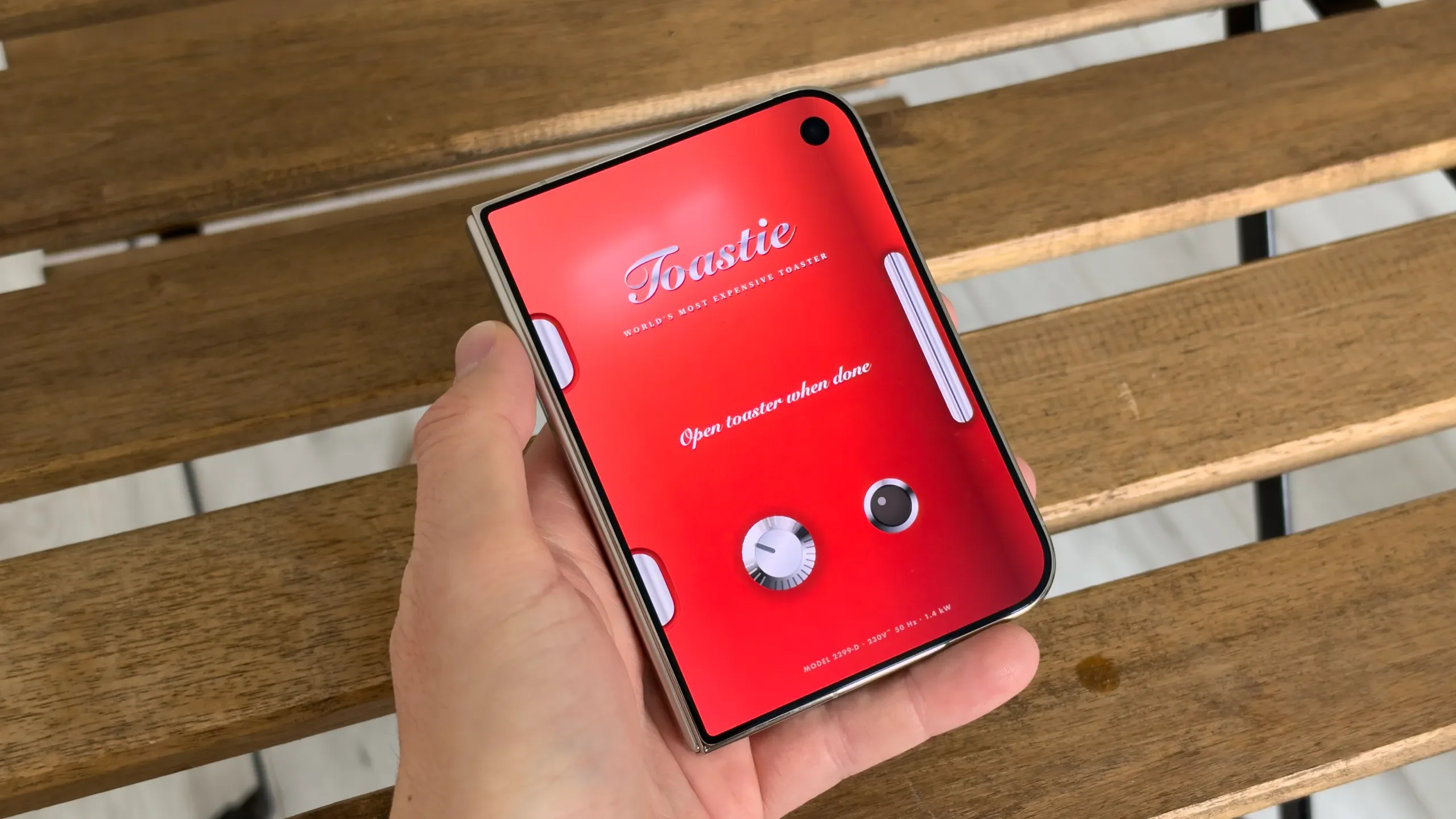
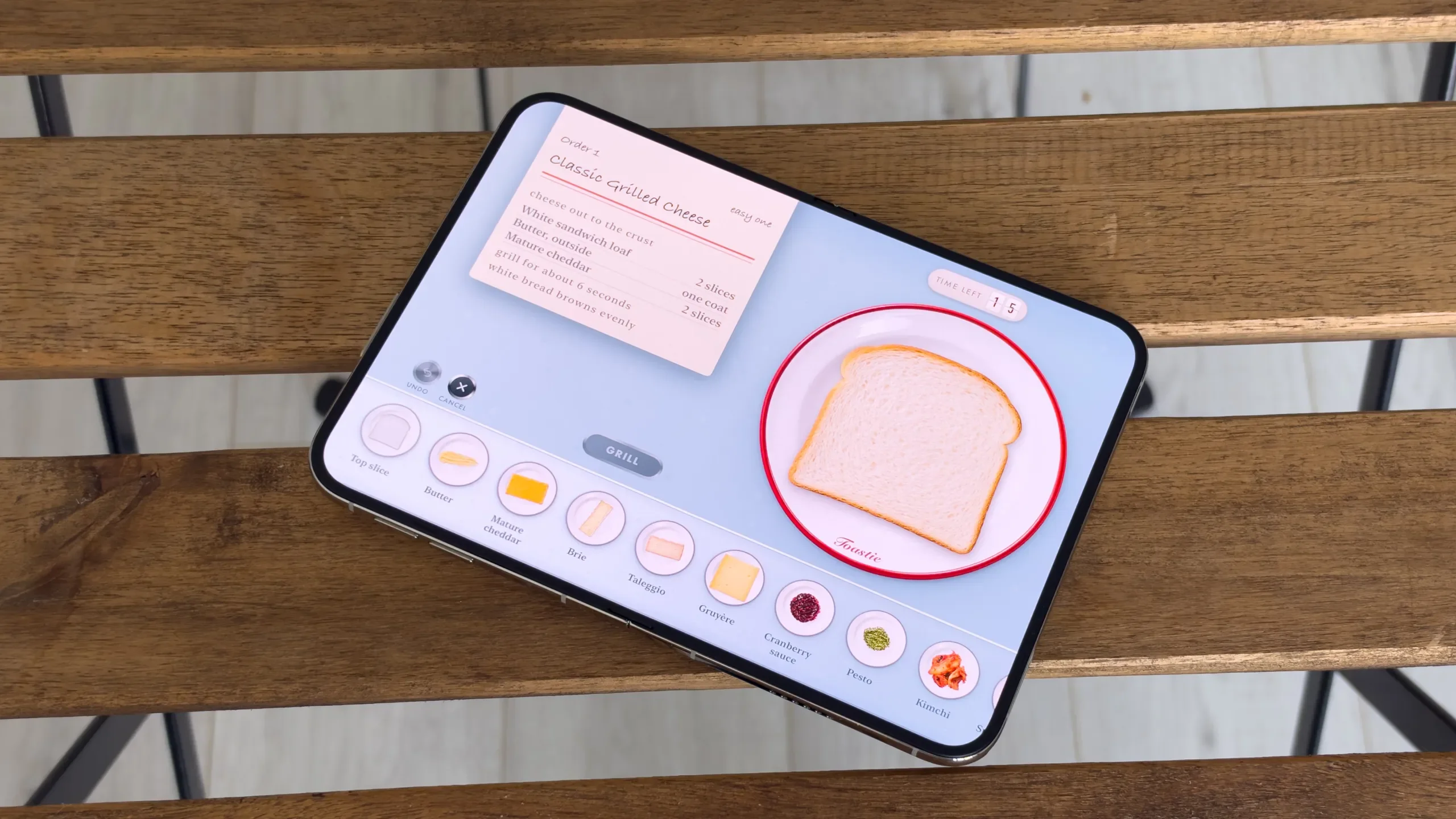
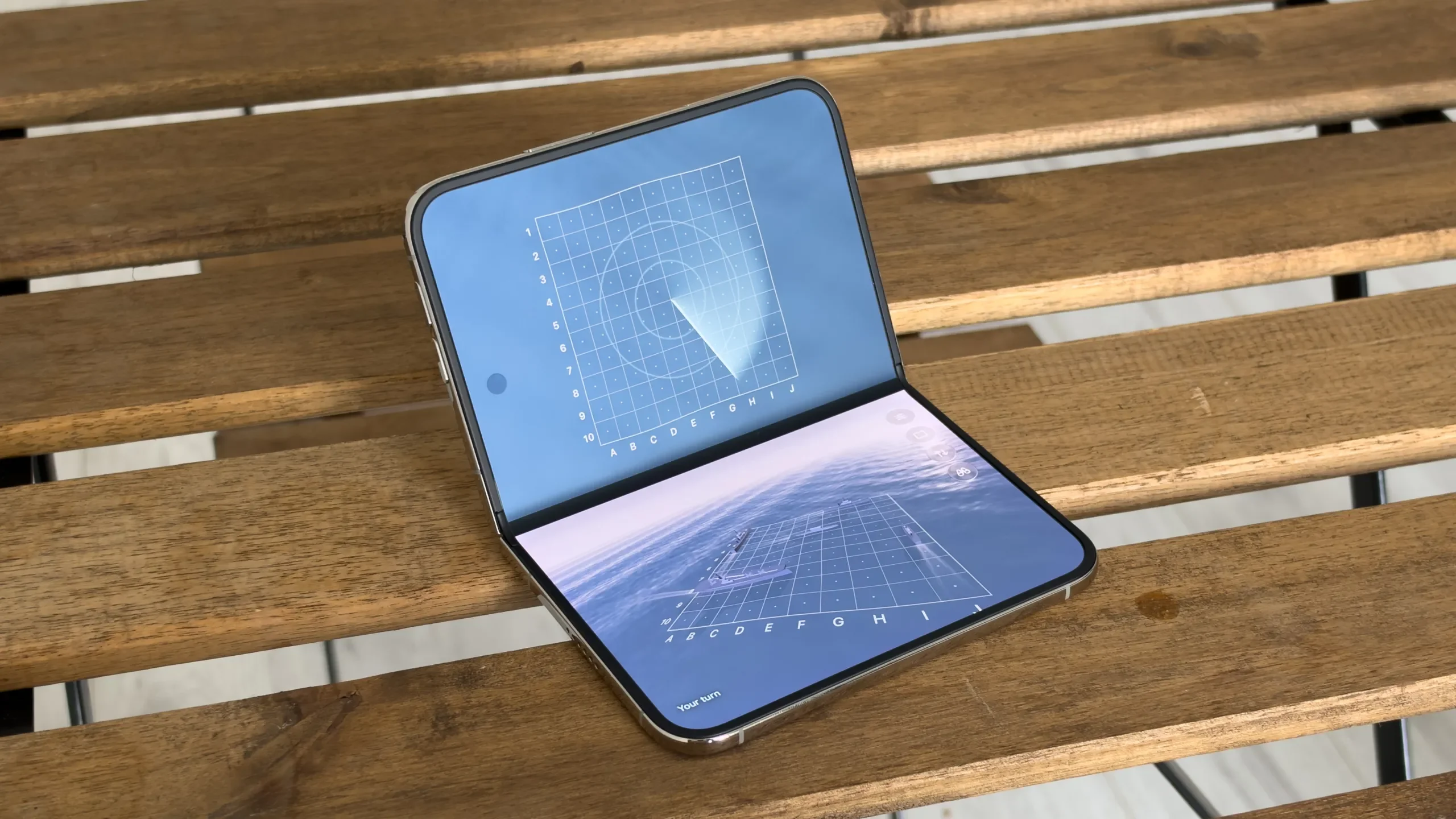
On the iPhone Duo, though, a bunch of new apps and games have already shown up in just the past few days, and some of them use the folding display in clever ways. One example is Toastie. You make toast, and once you put it on the grill, you have to close the iPhone and wait for it to finish. Leave it shut for too long, and you burn it. Battlefleet Duo is basically a take on Battleship, again built around the new hardware format in a smart way.
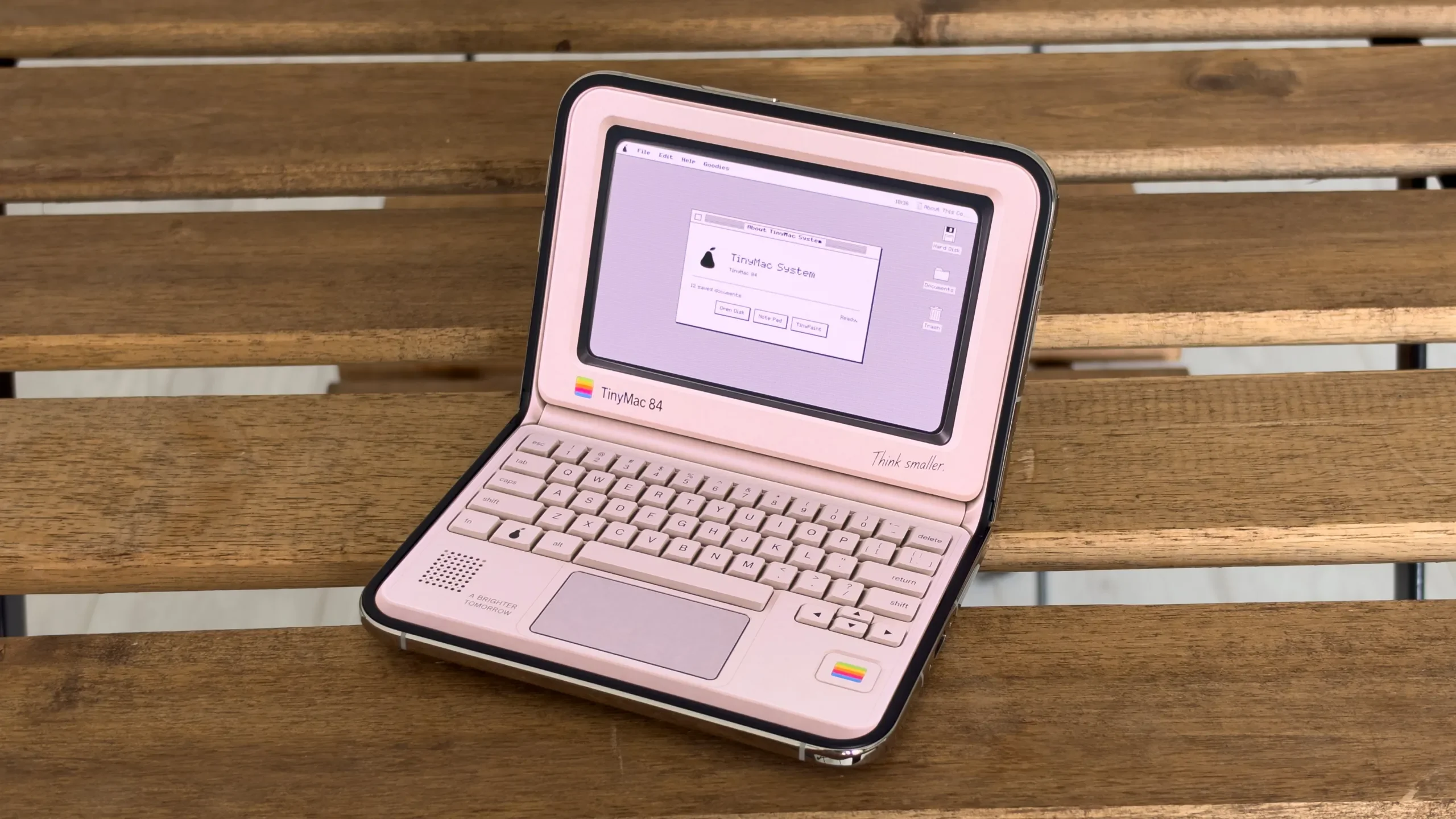
Another example is Deck-Man, which turns the Duo into a kind of cassette Walkman simulator, with music pulled from Apple Music. Tiny Computers, meanwhile, transforms the Duo into a miniature laptop. You can pick from 10 designs, ranging from Macintosh and ThinkPad models to the PowerBook G4. It’s not an official OS port, just a fan-made recreation of what those systems looked like. There’s also a Teleprompter app that turns the Duo into a reading device, something we actually saw firsthand at Apple’s headquarters.
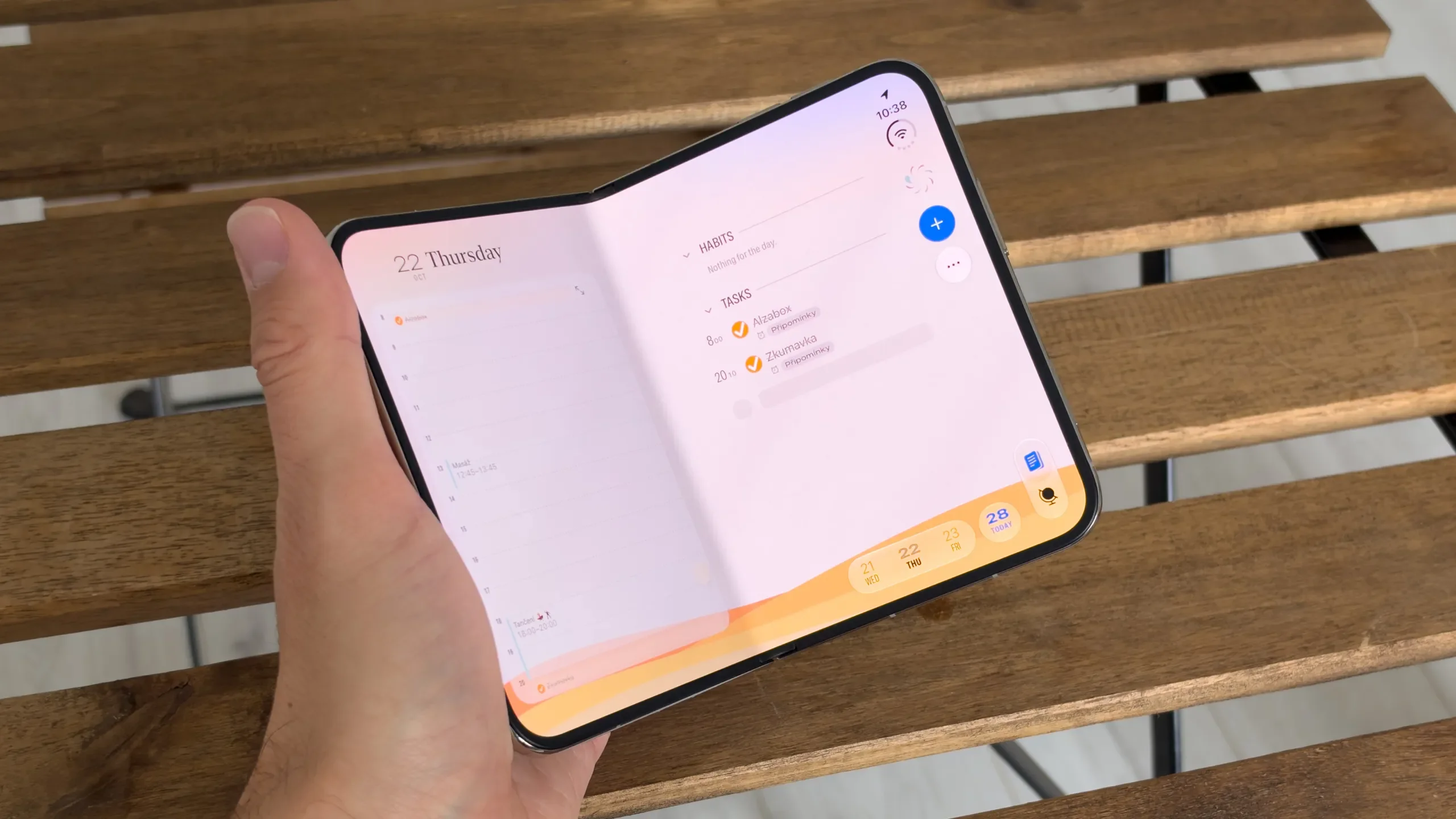 Finalist;
It doesn’t have to be a brand-new app or game, either. It’s also encouraging to see existing apps getting real attention, including Netflix, the editing app Edits, and Finalist for planning and reminder management. I was also glad to see AI apps like Claude, Perplexity, Gemini, and ChatGPT (in Czech) already updated for the Duo. Of course, it’s not all perfect. Plenty of apps still haven’t been properly adapted, but I’ll save that for next time.
Nano-texture and stylus support
The inner display gets a nano-texture finish, and it’s not some extra-cost option like on the iPad. That caught a lot of people off guard. I remember that before the launch, at IFA, an unnamed glass maker showed us a protective layer for the inner display. Most likely because of the nano-texture surface, it still hasn’t made it to market.
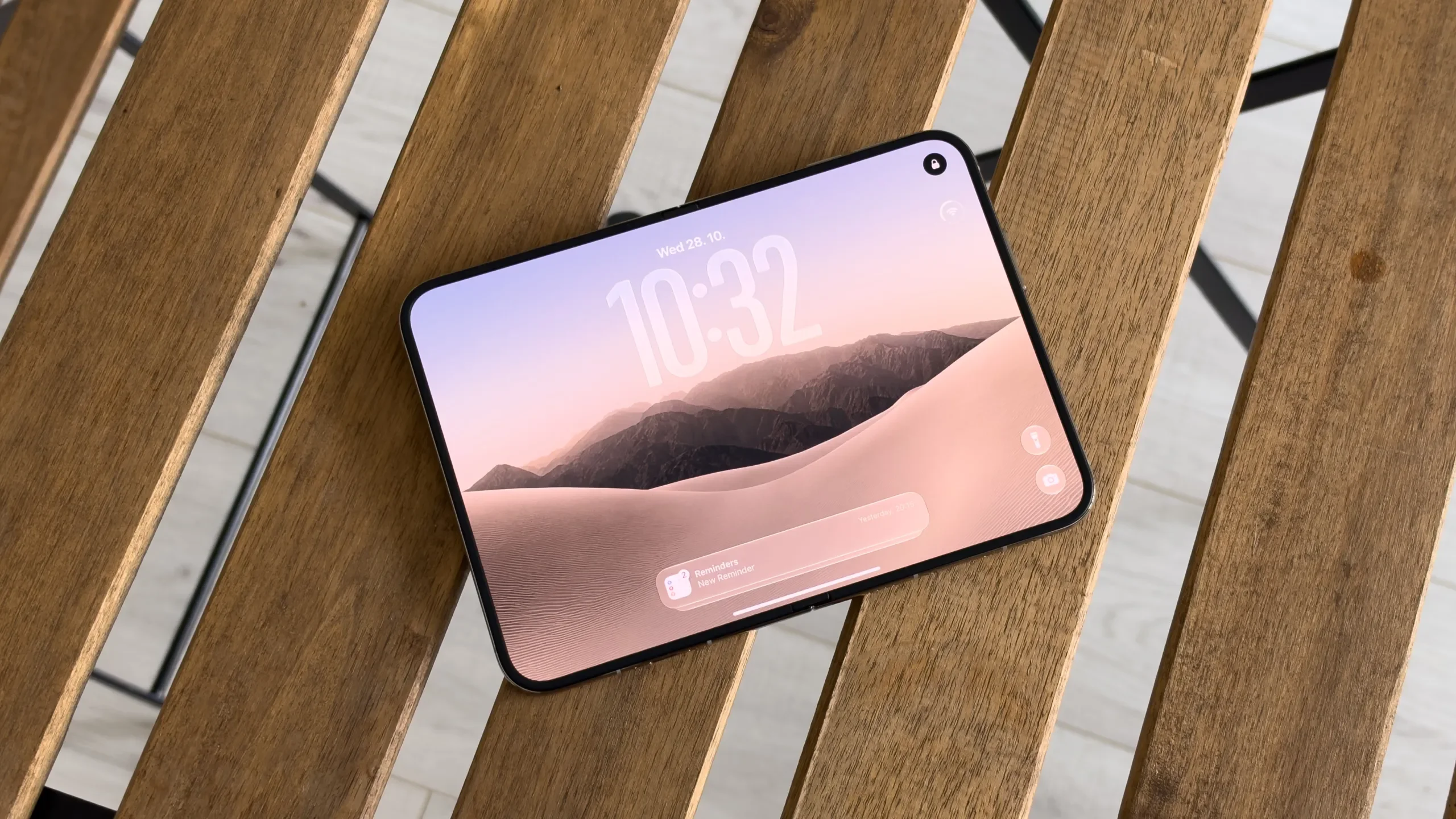 iPhone Duo;
Either way, it’s a very welcome change from glossy panels. It helps disguise the crease at the fold, and your finger glides across the display smoothly. The material feels good to the touch. Browsing the web or reading books on the inner panel is especially pleasant. Compared with rivals that use glossy screens, you get fewer reflections, though this “matte film” effect does come with slightly lower perceived contrast.
I was also struck by Apple’s willingness to hide the camera under the inner display, and there’s Apple Pencil support too. That makes this the first iPhone with stylus support. It immediately brought to mind Steve Jobs’ famous line from the original iPhone launch in 2007: “Who wants a stylus? You have to get ’em, put ’em away, and you lose ’em. Yuck! Nobody wants a stylus!” Times change. Nearly 20 years later, it actually makes sense here.
How iOS has been optimized for iPhone Duo
The build quality is excellent, but that didn’t surprise me much. I expected Apple to nail the hardware. What impressed me more was how thoroughly iOS has been adapted. When I tested the Galaxy Z Fold8, a phone with a very similar aspect ratio, I criticized the outer-screen keyboard for taking up most of the display and leaving too little room to see the conversation. Apple handled that problem more thoughtfully here, and I like the approach.
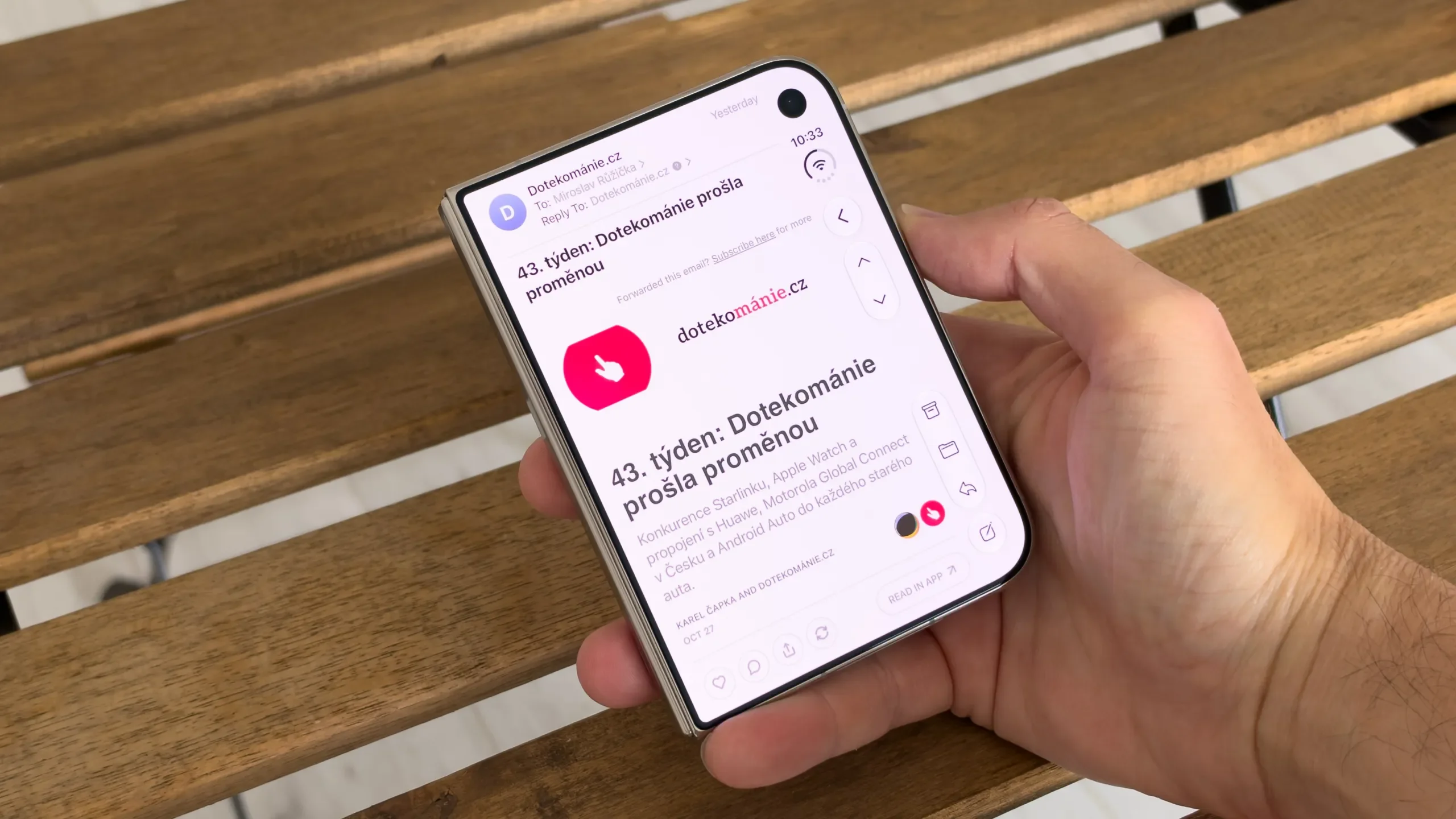
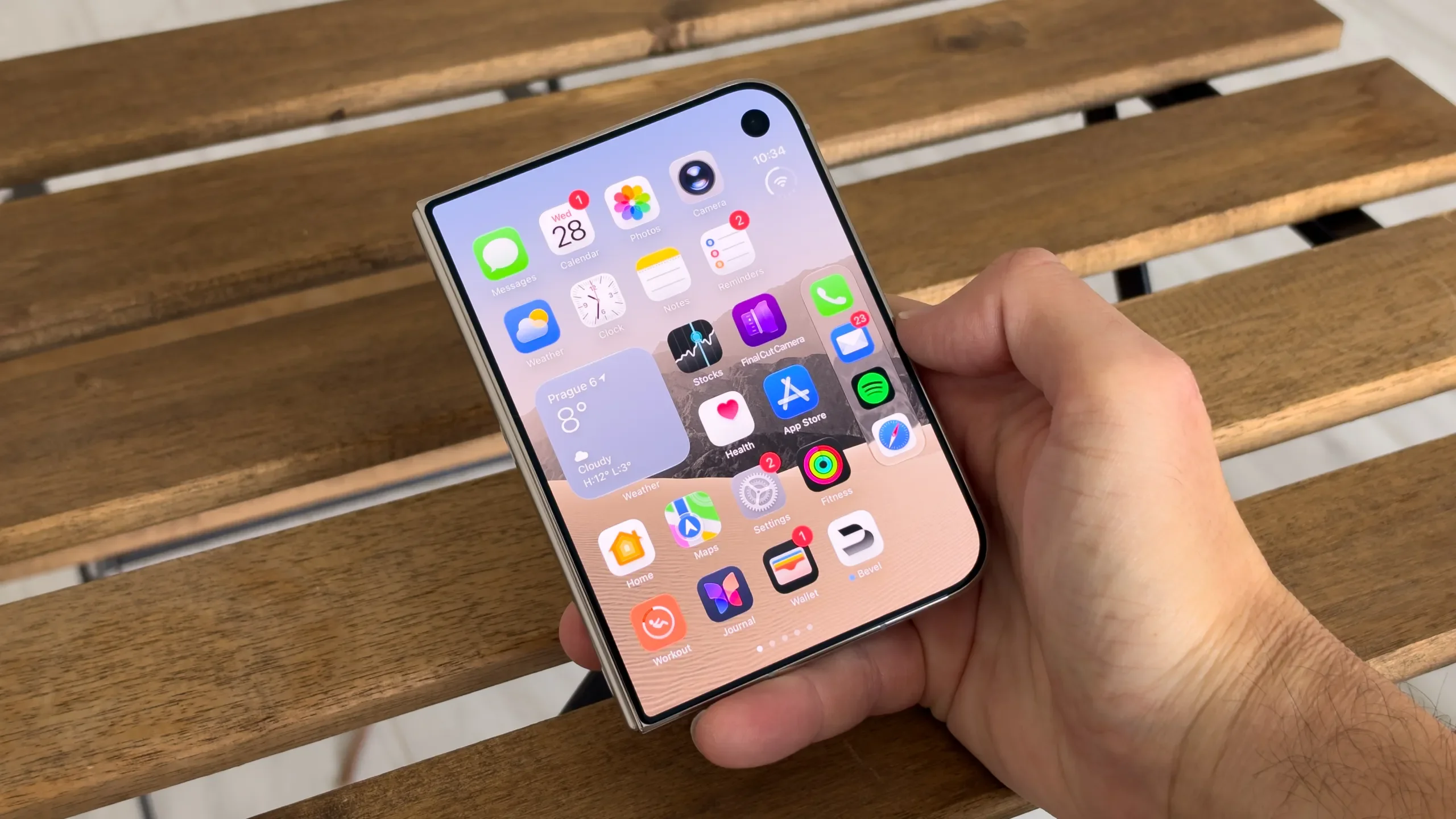
On most Android phones, the status bar and action buttons eat up space at the top and bottom. On the iPhone Duo, they’ve been moved to the sides instead. Battery status, signal strength, and other indicators no longer take up vertical space, and the extra width is put to smart use. The Duo is wider than, say, the iPhone 18 Pro Max. Dynamic Island is still here too, and Apple itself continues to highlight it. It’s simply been reworked for a vertical layout.
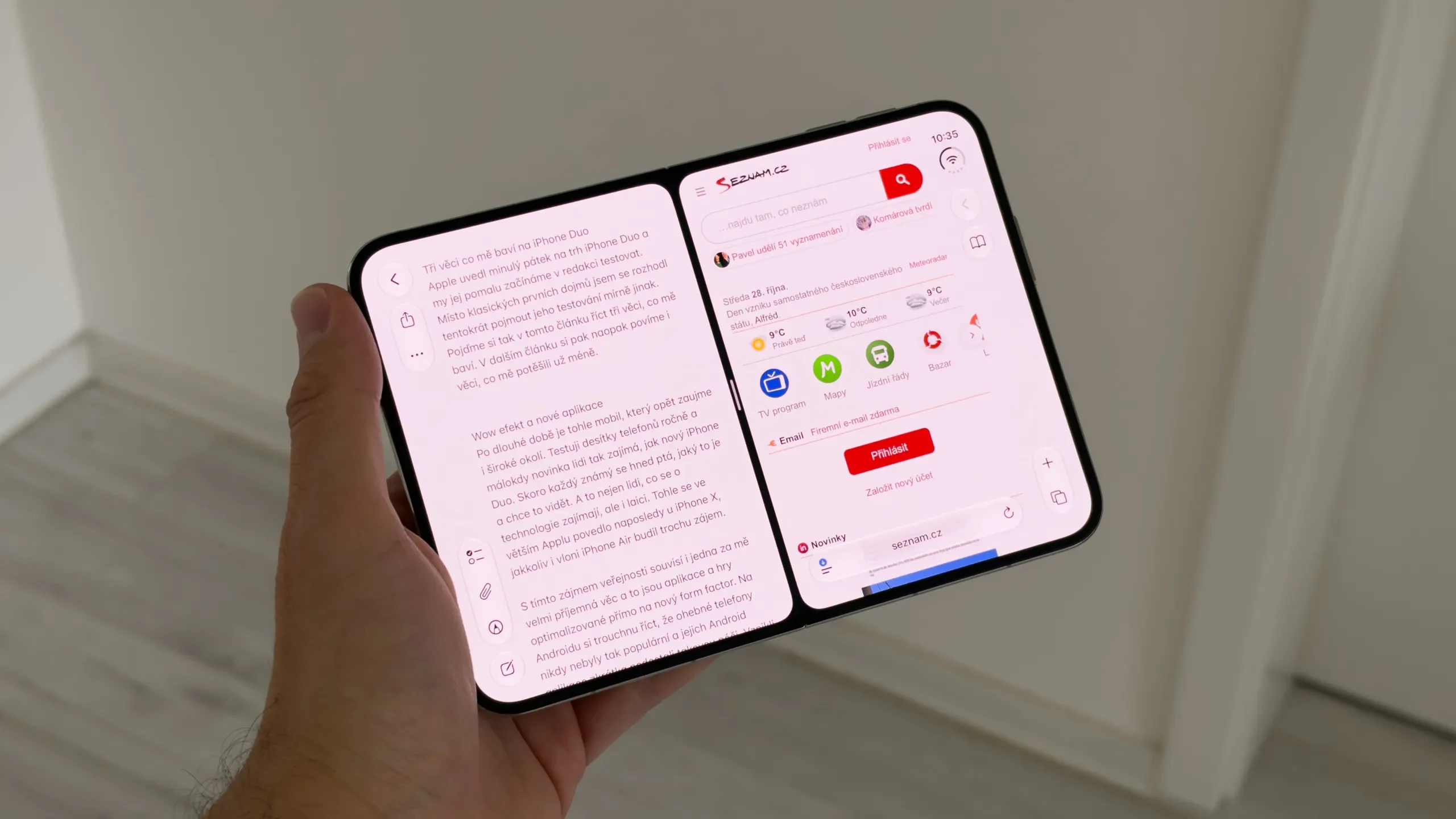
And it doesn’t stop with the outer display. Multitasking and running two apps side by side on the iPhone Duo feels more natural here than it does on the iPad. More importantly, the option is finally here, and it’s something I’ve missed on the iPhone Pro Max.
What do you think of the new iPhone Duo? We’ll be covering the phone in the next episode of our Pod Zlatou Lampou podcast, and a full review is on the way as well.
Community Discussion 0 COMMENTS