
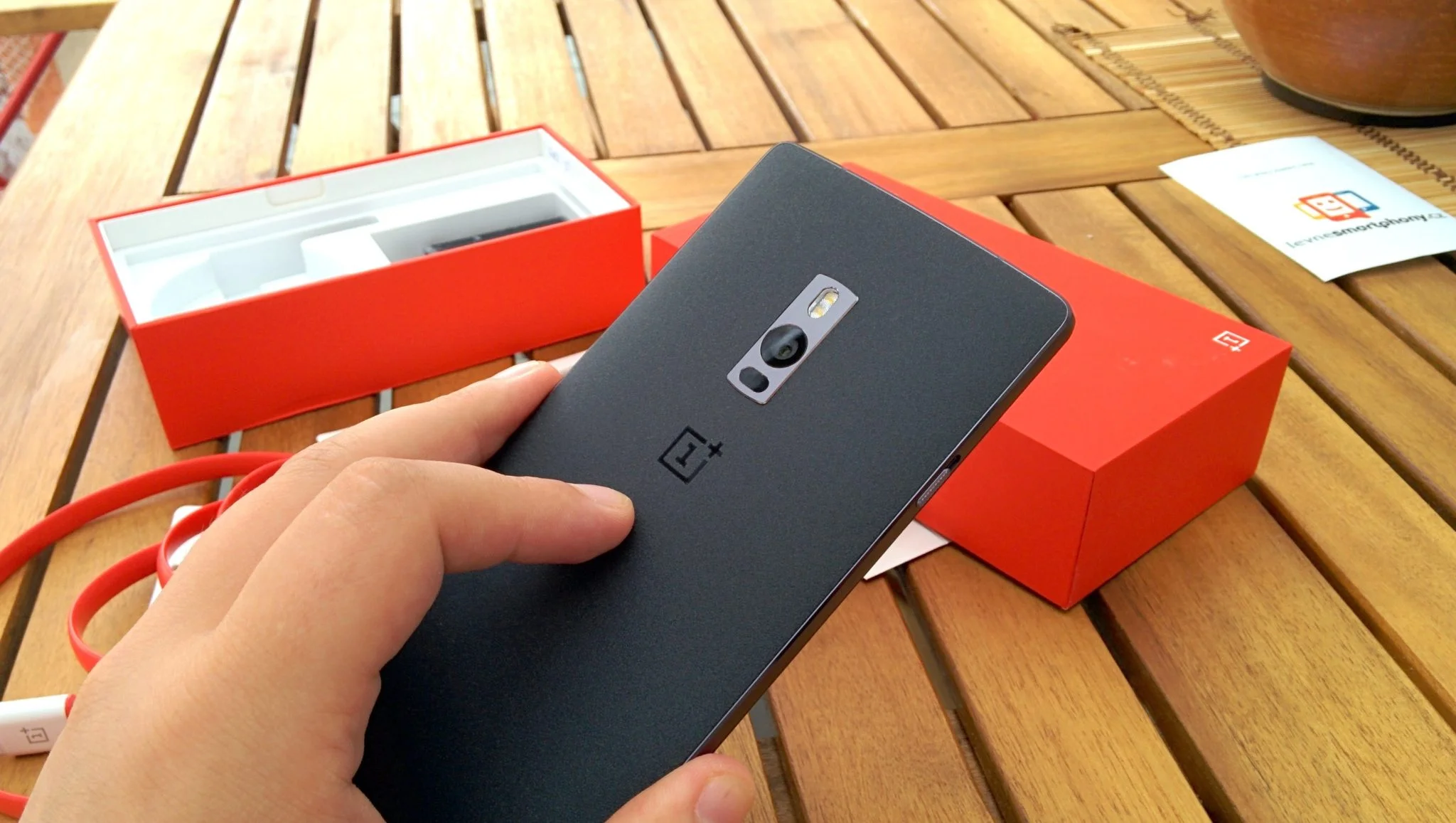
I’ve always had a soft spot for smaller or newer phone makers. They usually have something to prove, and they often push harder than the established giants. That’s why OnePlus immediately caught my attention when it unveiled the original One. It was very close to a complete smartphone at a price that genuinely shook up the market. Looking back, that phone really did earn the “flagship killer” label.
A year later, the second generation arrived with the expectation that OnePlus would move beyond compromise. To a point, it did. But in a few places, it made trade-offs it didn’t need to make.
In the box
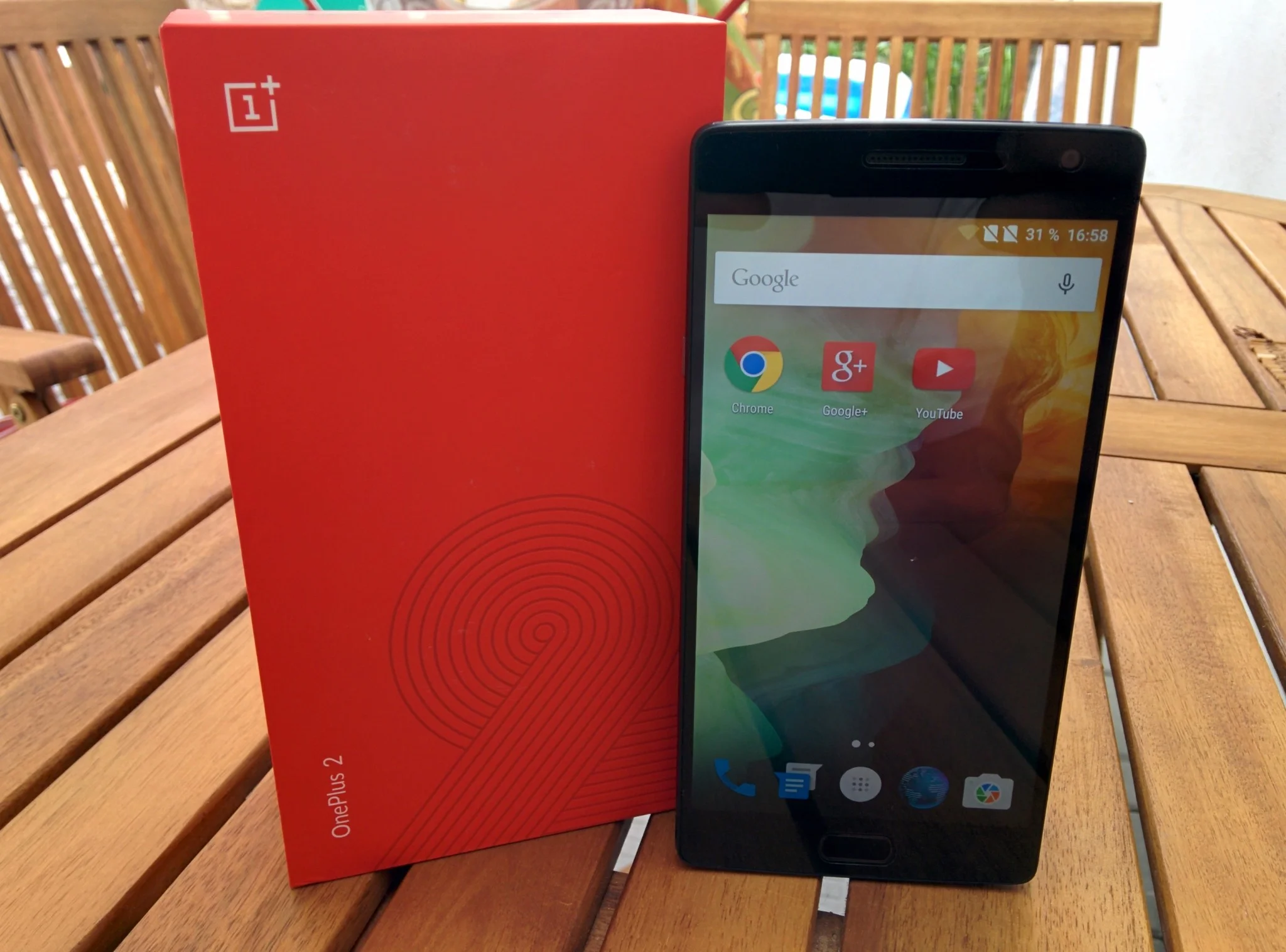
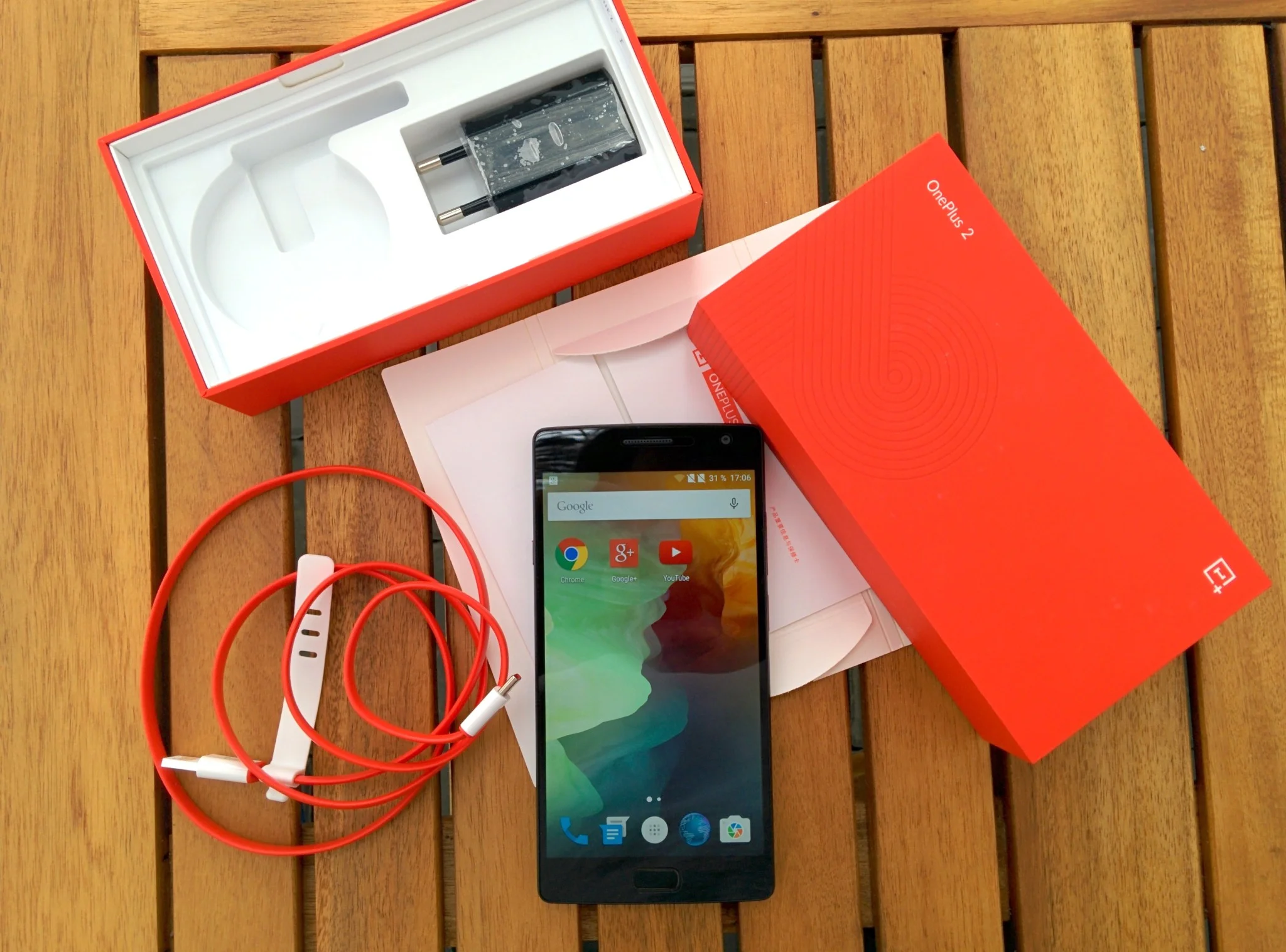
What should you expect from the box of a phone like this? Not much, which is probably the safest way to avoid disappointment. Inside, you get the usual stack of paperwork, a charger, and a USB-C cable for charging and data transfer.
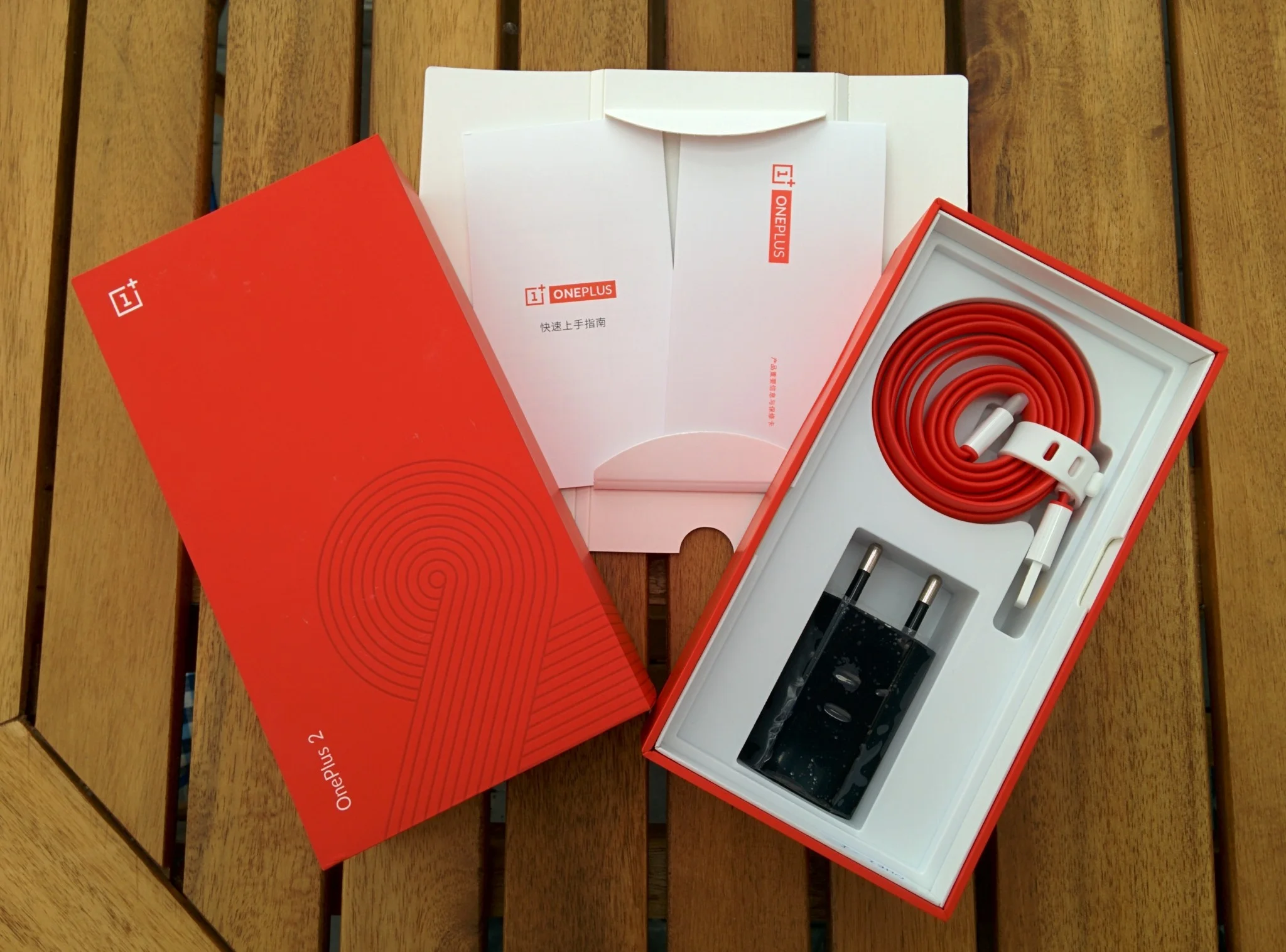
OnePlus clearly put some care into the accessories, and the overall quality comes through right away. I never got the feeling the cable would wear out quickly. Its biggest advantage, of course, is USB-C. You can’t use an older USB cable here, so if you lose the included one, you’ll need to hunt down a replacement online.
Design and build
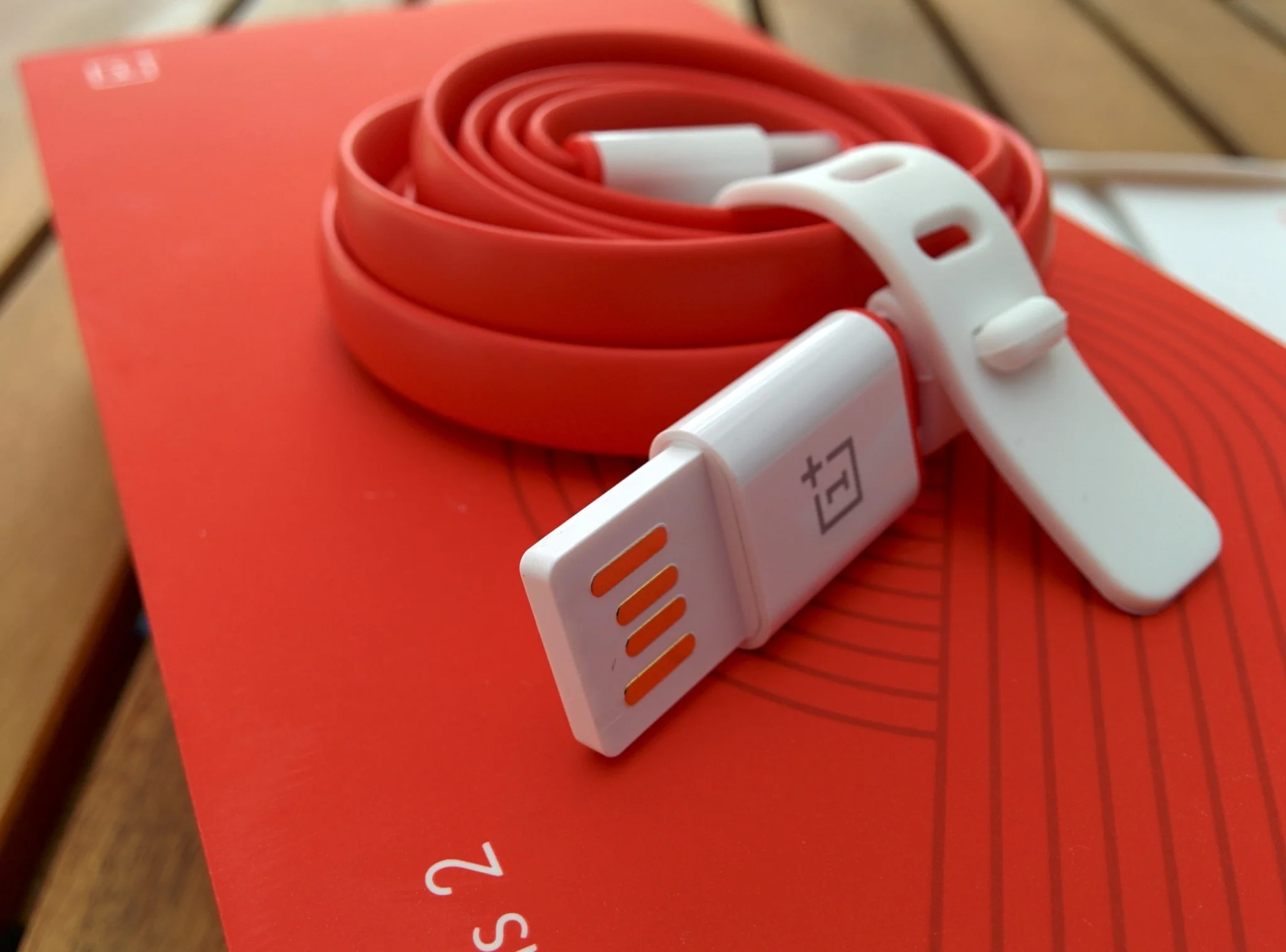
When I first heard about the OnePlus 2’s construction, I was pleasantly surprised and genuinely excited. I’m not a fan of glass or metal backs, so the removable plastic rear cover sounded like a smart choice. If it gets scratched, damaged, or just worn down, you swap it out. Simple. At first, I liked that decision quite a bit.
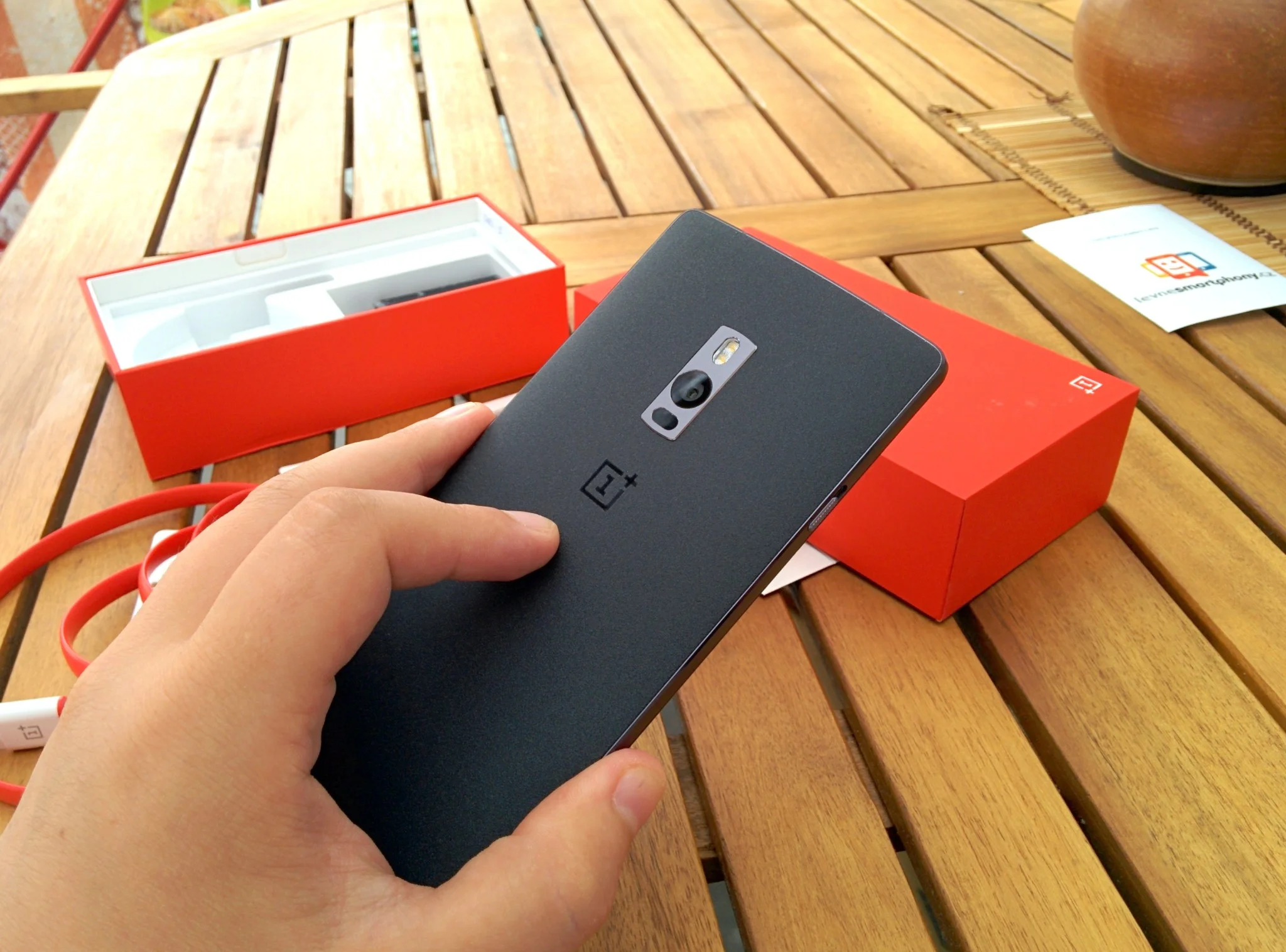
Then I picked it up.
That first impression changed my mind fast, and it made me want to buy an alternate back cover with a better finish. The stock cover is too rough and honestly unpleasant to hold. That wasn’t just my reaction either; other people around me felt the same way. Replacing it isn’t difficult, but it will cost you a few hundred Czech crowns.
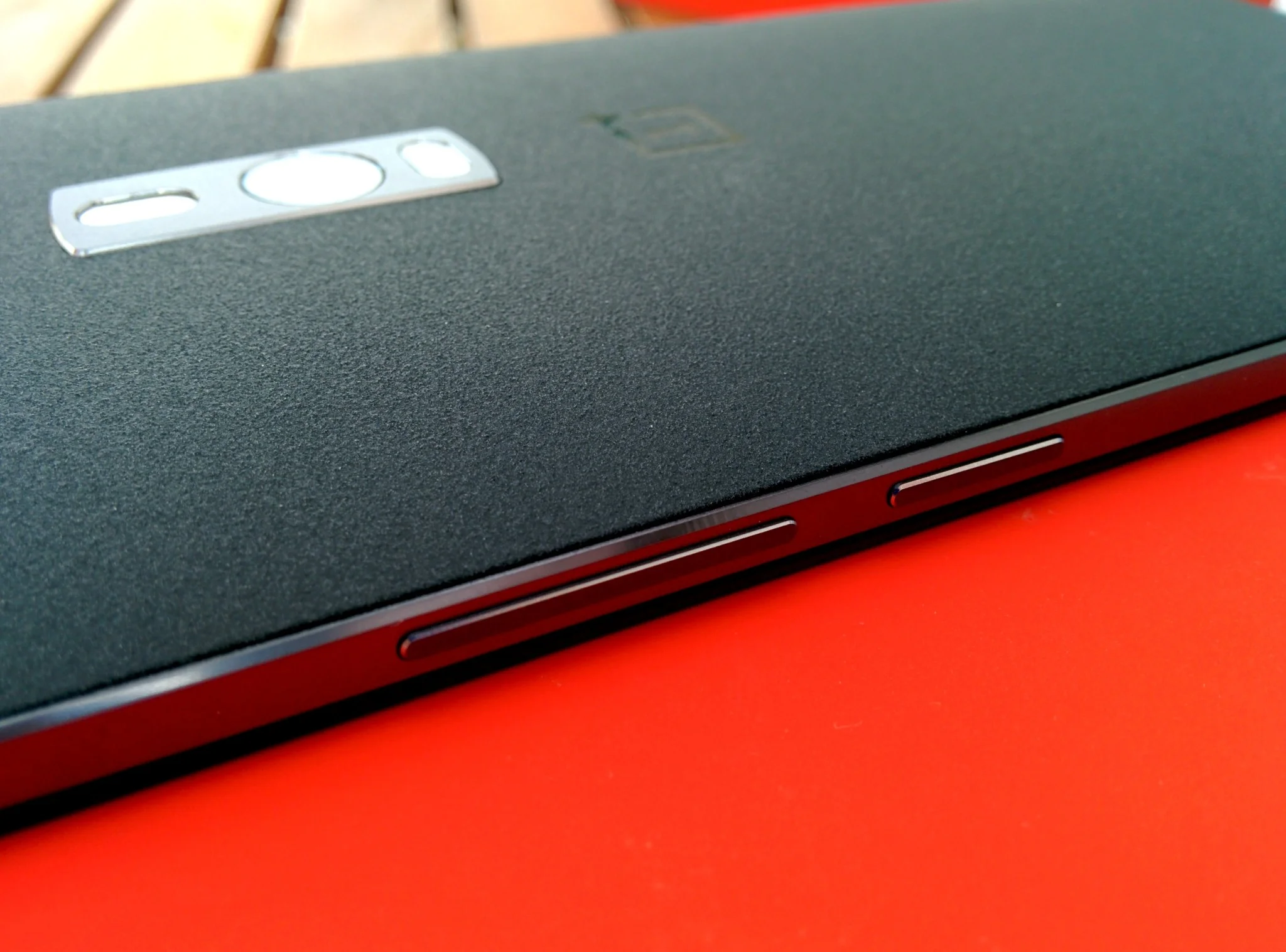
The frame, and really the rest of the construction, is metal. I have very little to criticize there, including the buttons. They feel solid, they’re metal too, and they’re well made. On the right side, you get the volume rocker and power button. On the left, there’s a notification switch that lets you choose how disruptive the phone should be, including a fully silent mode.
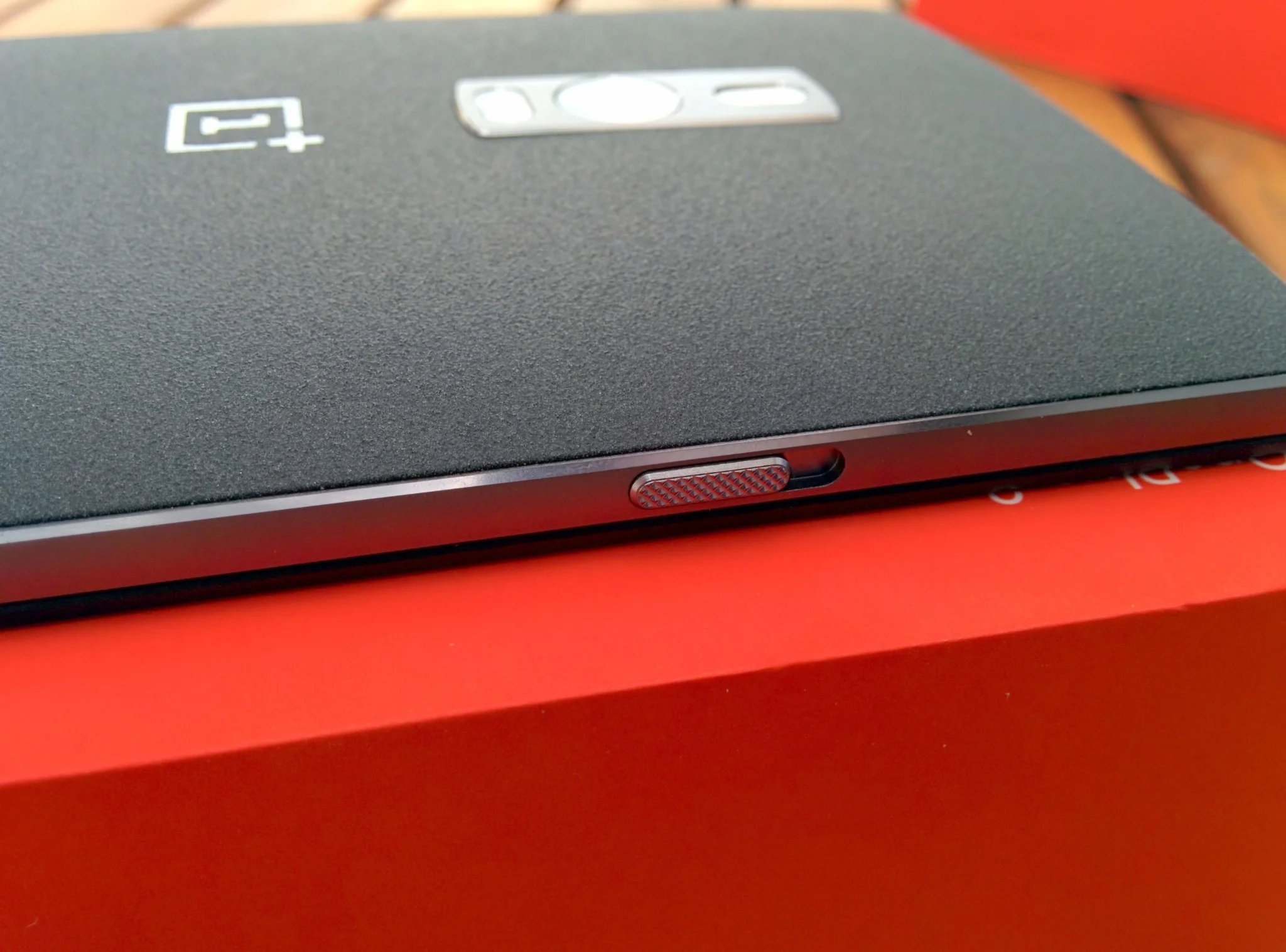
Yes, the inspiration is obvious. No, I didn’t mind. In practice, though, I barely used the switch. After years of Android phones, I’m used to controlling sound through the volume buttons. You can adapt to it, but the real question is how often you want a dedicated hardware switch for that job.
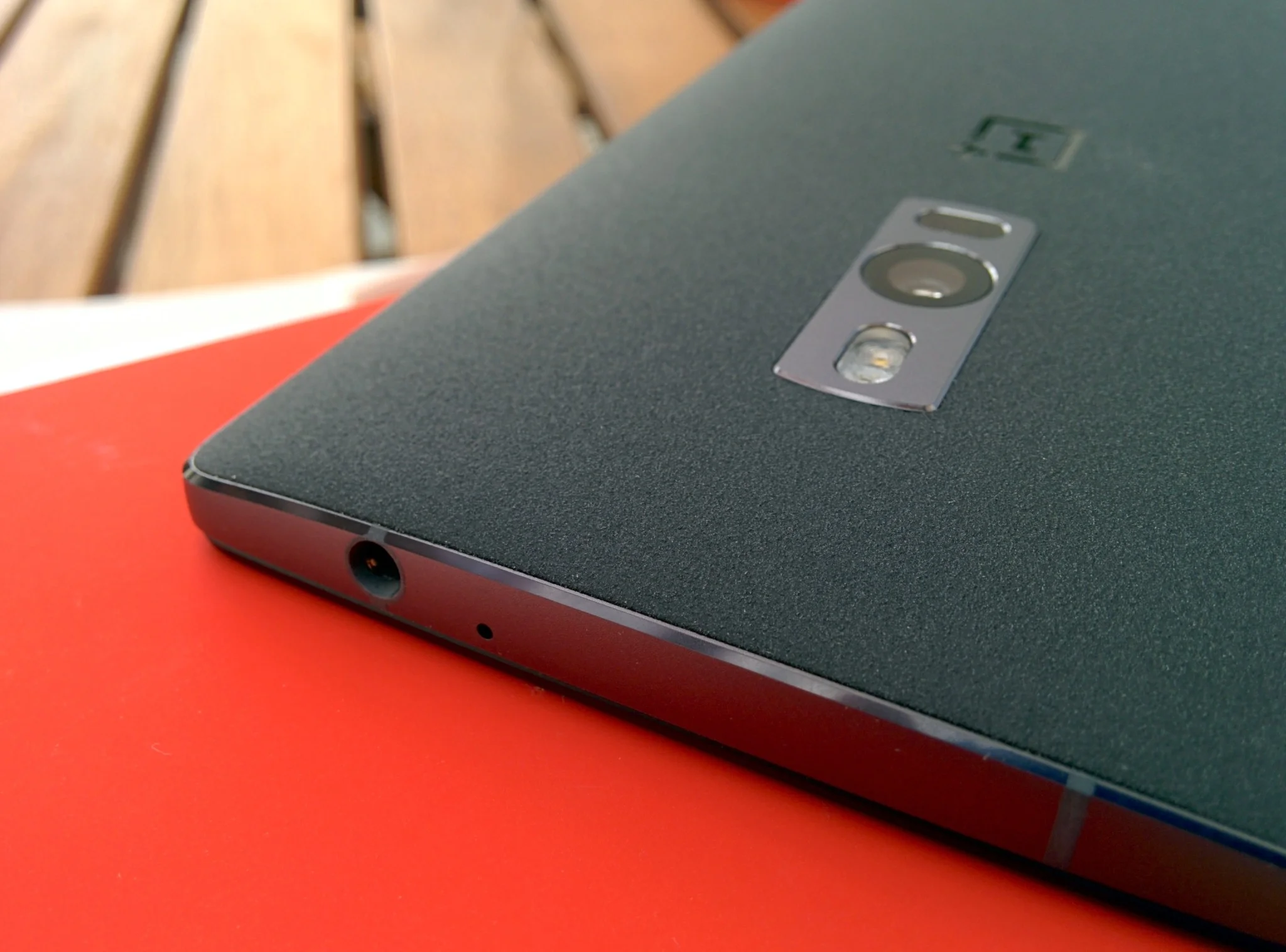
Up top, there’s only a headphone jack. The audio output through headphones is very good, but the same can’t be said for the speaker on the bottom. It lacks presence, it lacks bass, and it’s not particularly good for loud music playback or movies that rely on strong sound design.
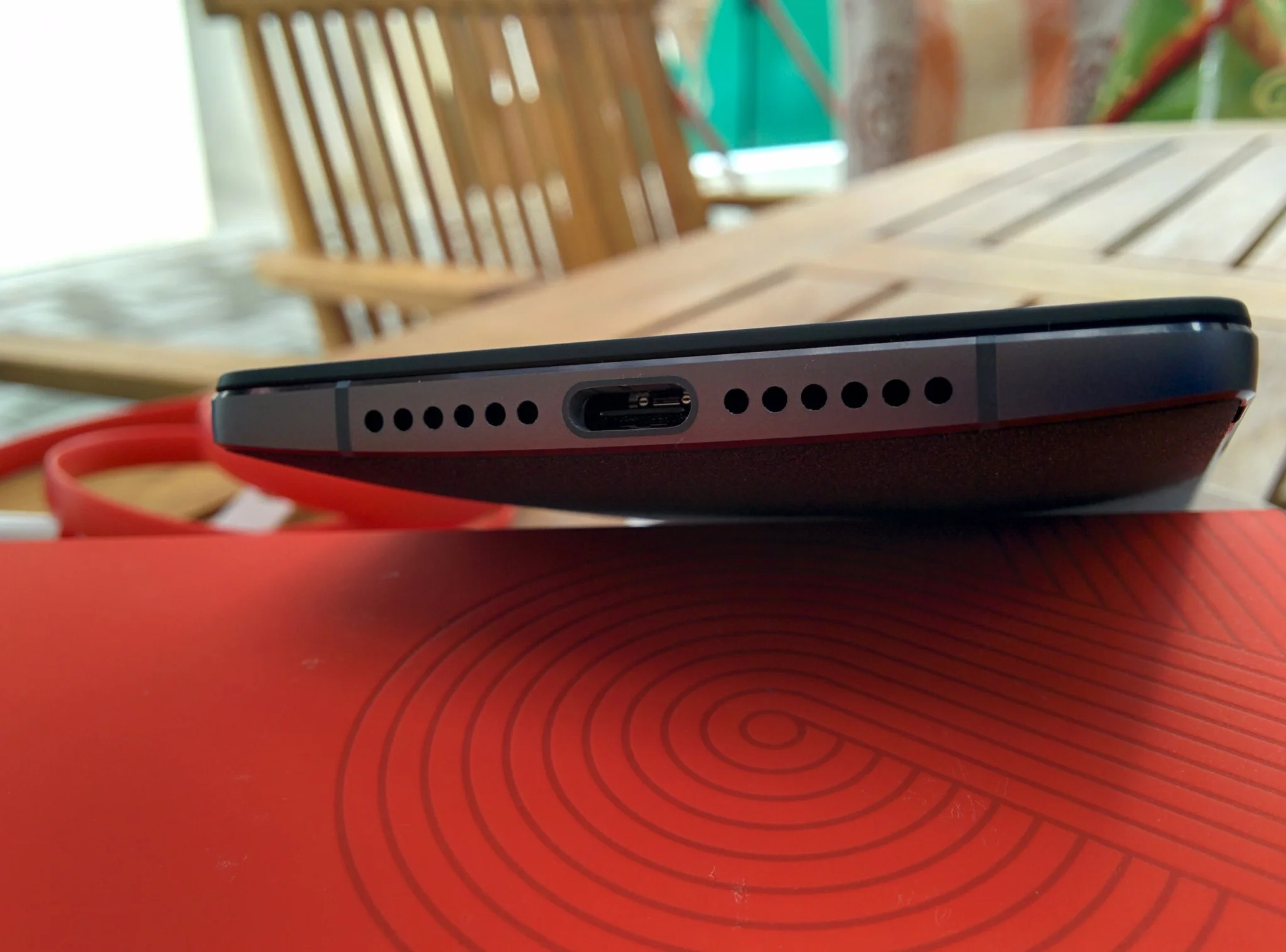
And that brings us to the hardware-style button below the display. Maybe I’m overly influenced by older smartphones, but the OnePlus 2 strongly reminded me of a smaller, older Samsung Galaxy S2 (in Czech).
The center button on the OnePlus 2 is touch-sensitive and also doubles as a fingerprint reader. Recognition works well overall, although it sometimes seemed to struggle if I placed my finger at a different angle than during setup. Whether you use it at all comes down to personal preference. Like the capacitive side keys, it can be disabled and replaced with on-screen controls.
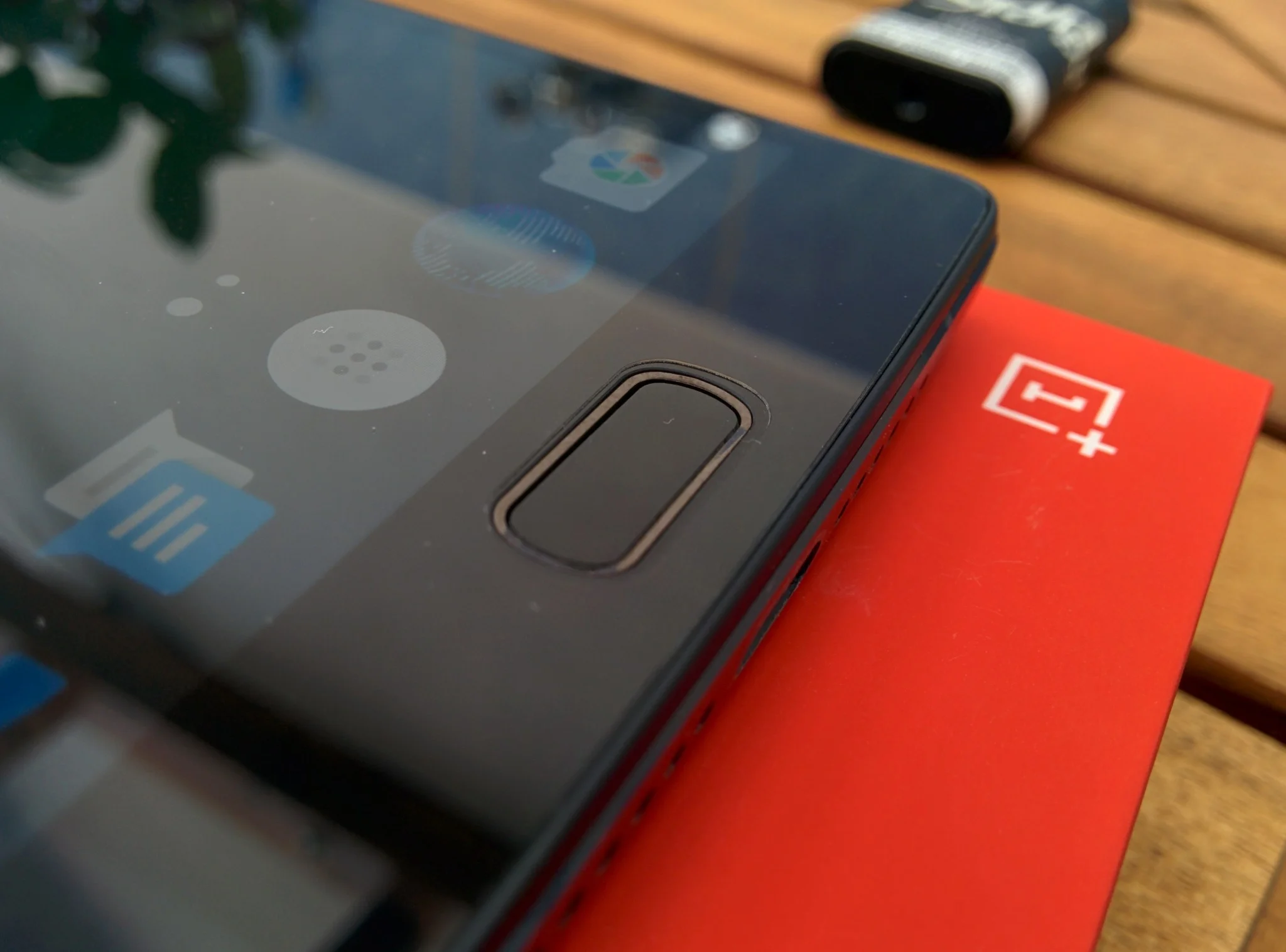
As for the fingerprint reader’s placement, I can’t say I loved it. That’s probably because my hands aren’t really large enough for a 5.5-inch phone. Over time, I learned a specific grip adjustment that let me unlock it with my thumb without bringing in my other hand. Personally, on a phone this large, I’d rather have the fingerprint reader on the back, but that comes down to preference.
Overall, I’d say the OnePlus 2 is very well built, but it feels like it’s missing a sense of elegance and comfort. The rear cover is too rough, the transition between the glass and metal frame is too stark, and the fingerprint reader placement made unlocking the phone more awkward than it should have been.
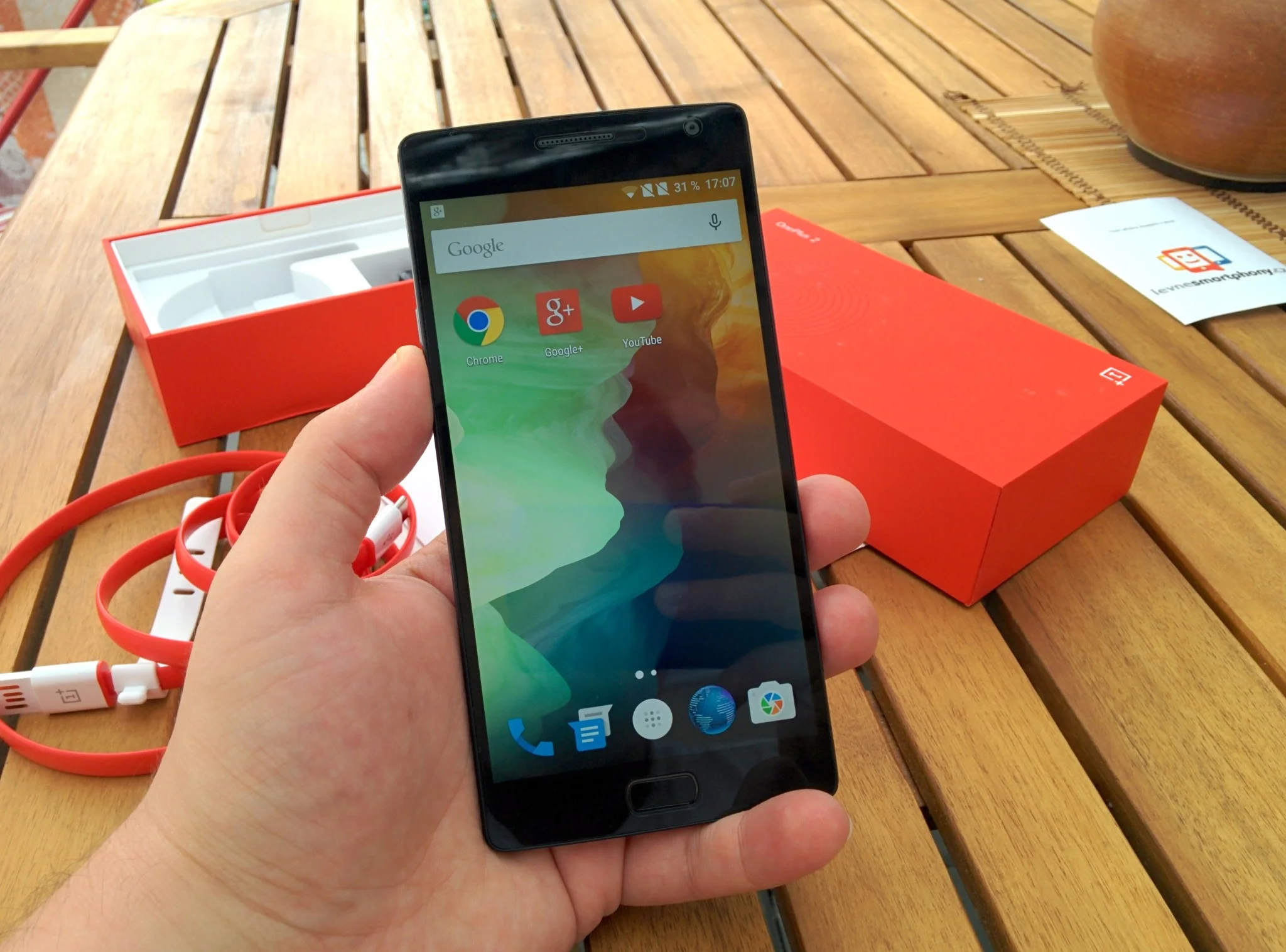
I was especially curious about the display. Full HD is perfectly adequate here, even if other flagship phones offered higher resolutions on smaller panels at the time. Outdoors, the screen stays readable, but I wouldn’t call it exceptional. For example, the Nexus 5 still strikes me as the better performer in direct sunlight, despite being much older. Color reproduction on the OnePlus 2 is excellent, and viewing angles are strong as well. I don’t have any real complaints, though I would have liked a bit more brightness.
The OnePlus 2 feels like a compressed sandwich of plastic, metal, and glass. What’s missing, for me, is something like 2.5D curved glass over the display, which could have added a little elegance and made the phone nicer to hold. Look at it another way, though, and the OnePlus 2 feels like a tool. Rugged, blunt, and unapologetic.
Hardware
A quick glance at the spec sheet makes it clear this isn’t some stripped-down device, even in the lower-end version with “just” 3GB of RAM. I personally tested the 4GB model. I honestly can’t recall a single moment when the phone warned me that it was running low on memory. On that front, it’s very well equipped, even if the processor itself is a bit controversial.
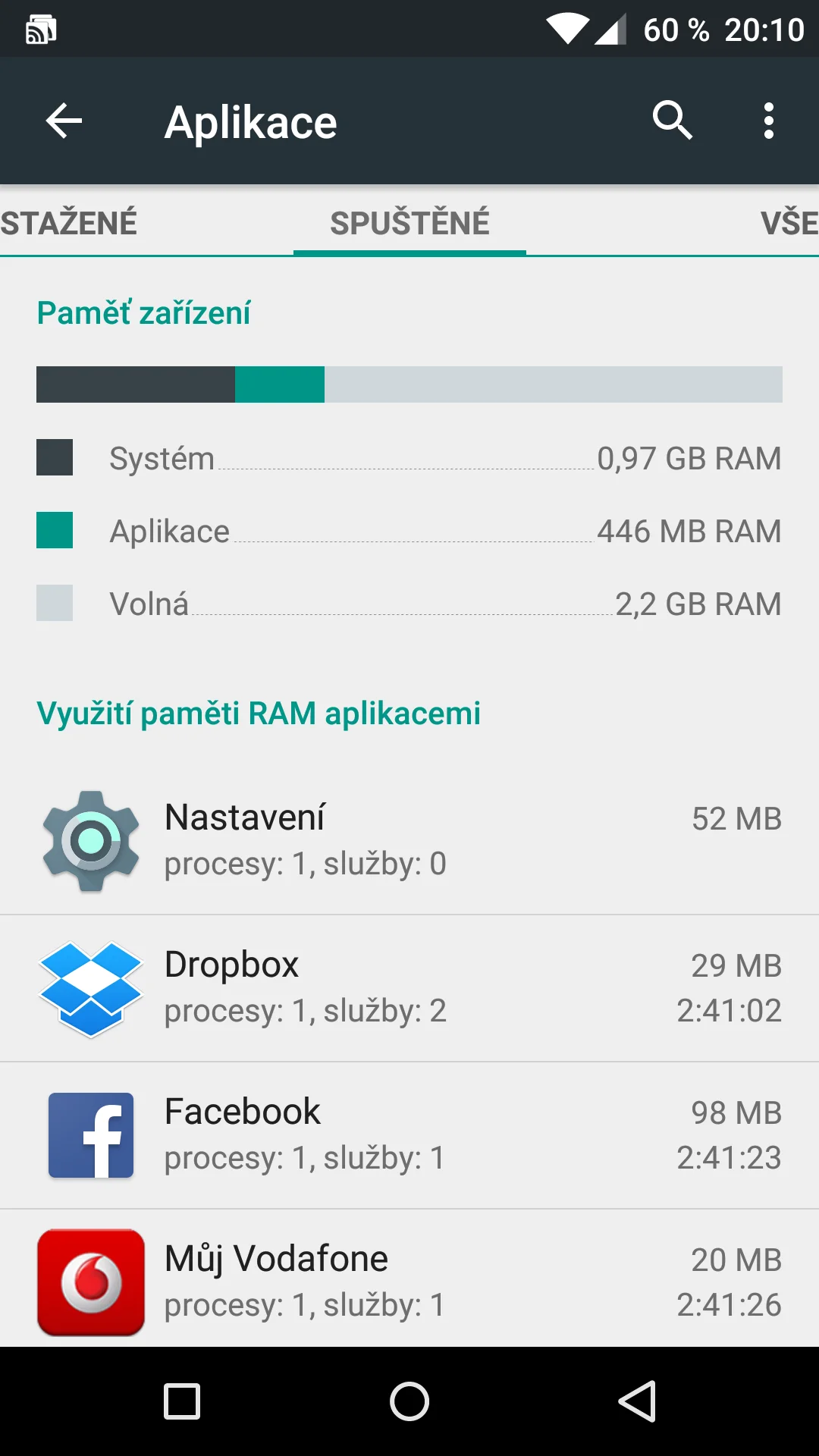
RAM usage during normal use
- Display: 5.5 inches, 1080 x 1920 pixels, Corning Gorilla Glass 4, LTPS LCD
- Processor: Qualcomm MSM8994 Snapdragon 810 (in Czech), Quad-core Cortex-A53 & Quad-core 1.8 GHz Cortex-A57
- RAM: 3 GB or 4 GB (tested model)
- Internal storage: 16 GB or 64 GB (tested model)
- Rear camera: 13 MPx, OIS, laser autofocus
- Front camera: 5 MPx
- Connectivity: LTE, Wi‑Fi 802.11 a/b/g/n/ac, Bluetooth 4.1, A-GPS, GLONASS, USB Type-C
- Dimensions: 151.8 x 74.9 x 9.9 mm, 175 grams
- Battery: 3300 mAh
- Oxygen OS 2.0 based on Android 5.1.1 Lollipop (in Czech)
Does the octa-core Snapdragon 810 deliver enough performance? Yes, it does. The bigger question is at what cost. In everyday use, you’ll barely notice it working. Everything stays cool, fast, and smooth. It’s a different story once you start doing things like updating apps. At that point, the phone heats up significantly, and the same goes for heavier work in Chrome. That’s when the Snapdragon 810 shows both its power and its talent for warming up its owner.
Thanks to the metal frame, heat is pushed fairly quickly into the sides of the device. Under sustained load, I’d call it unpleasantly warm, but still tolerable.
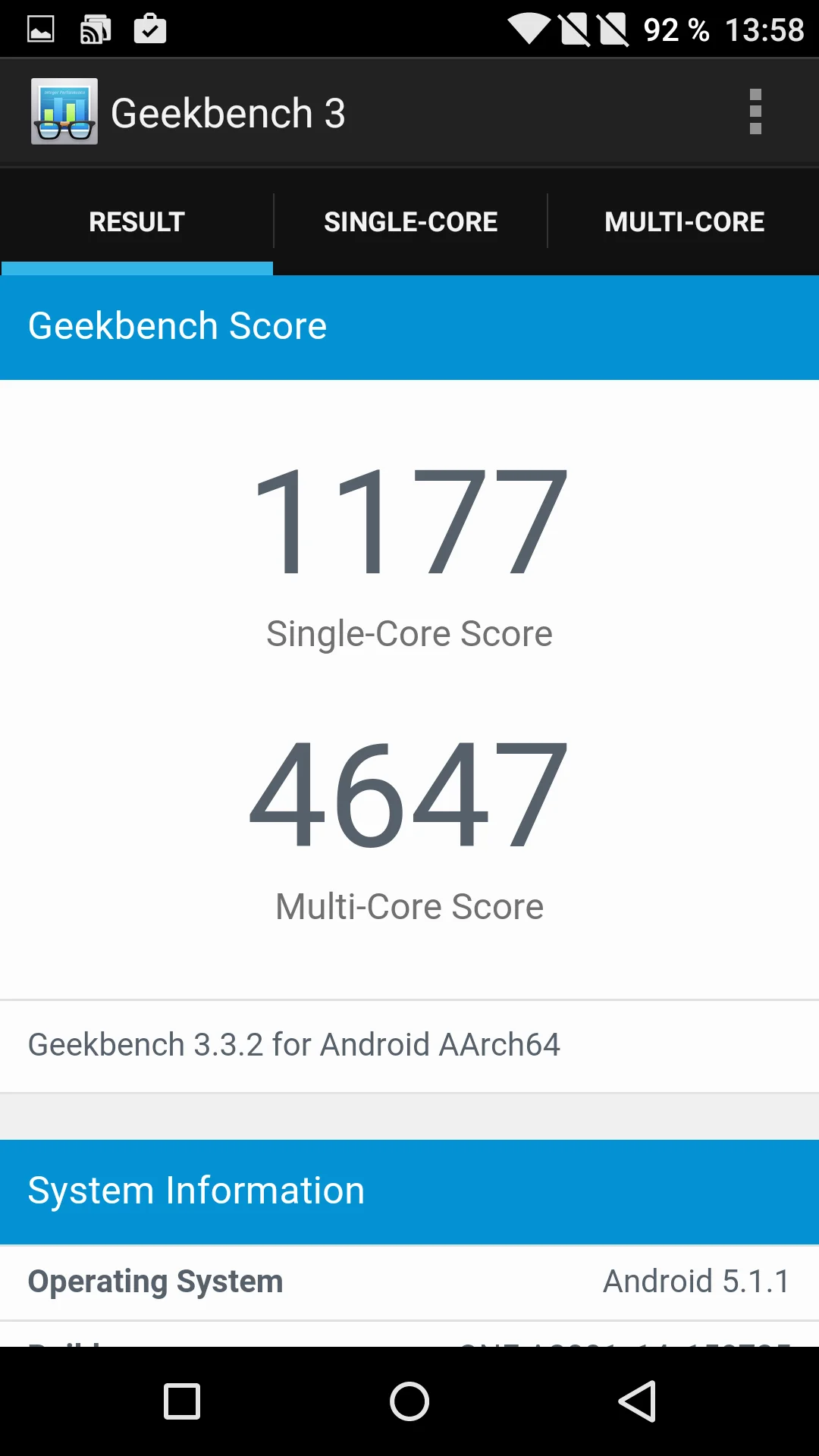
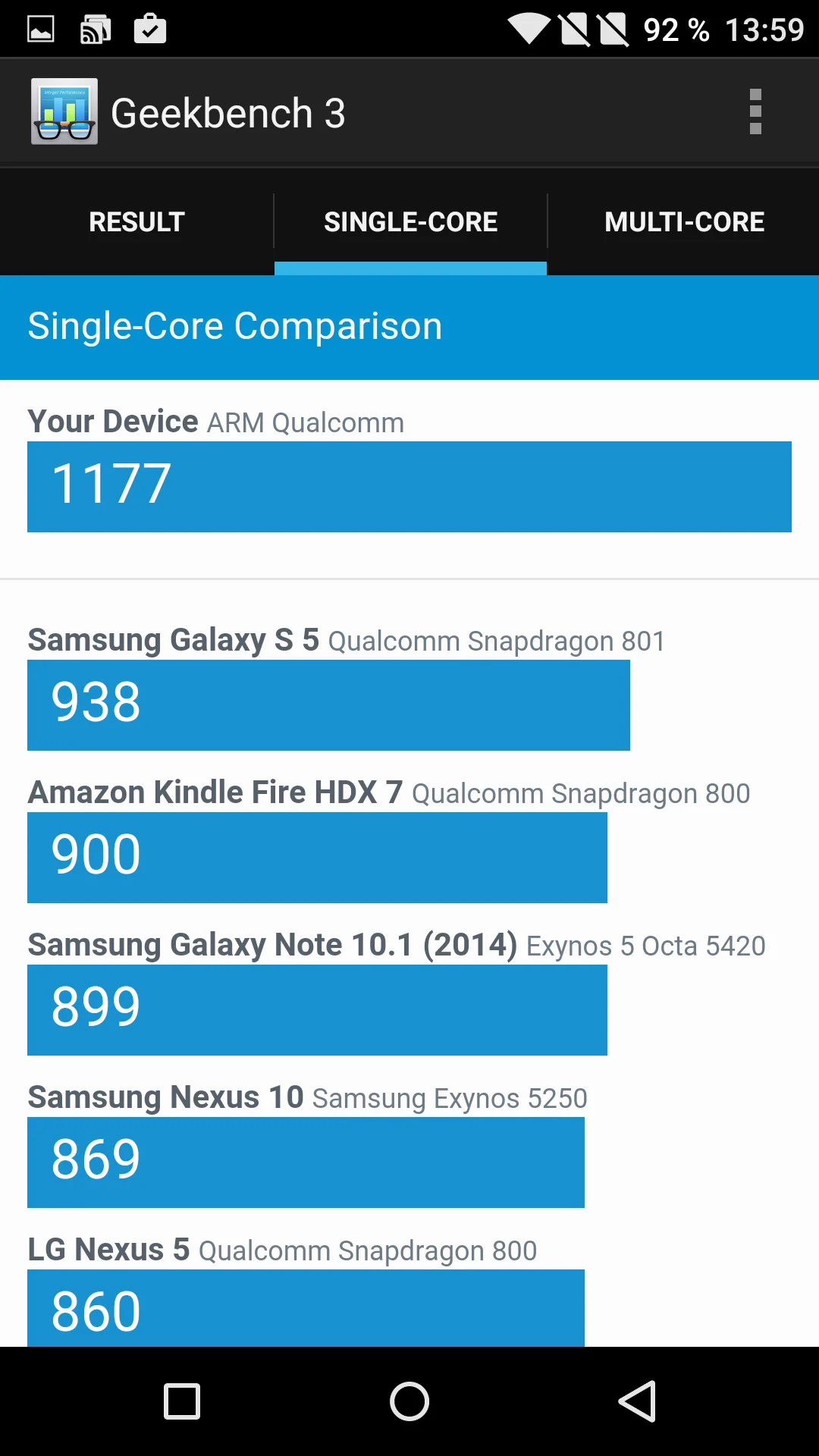
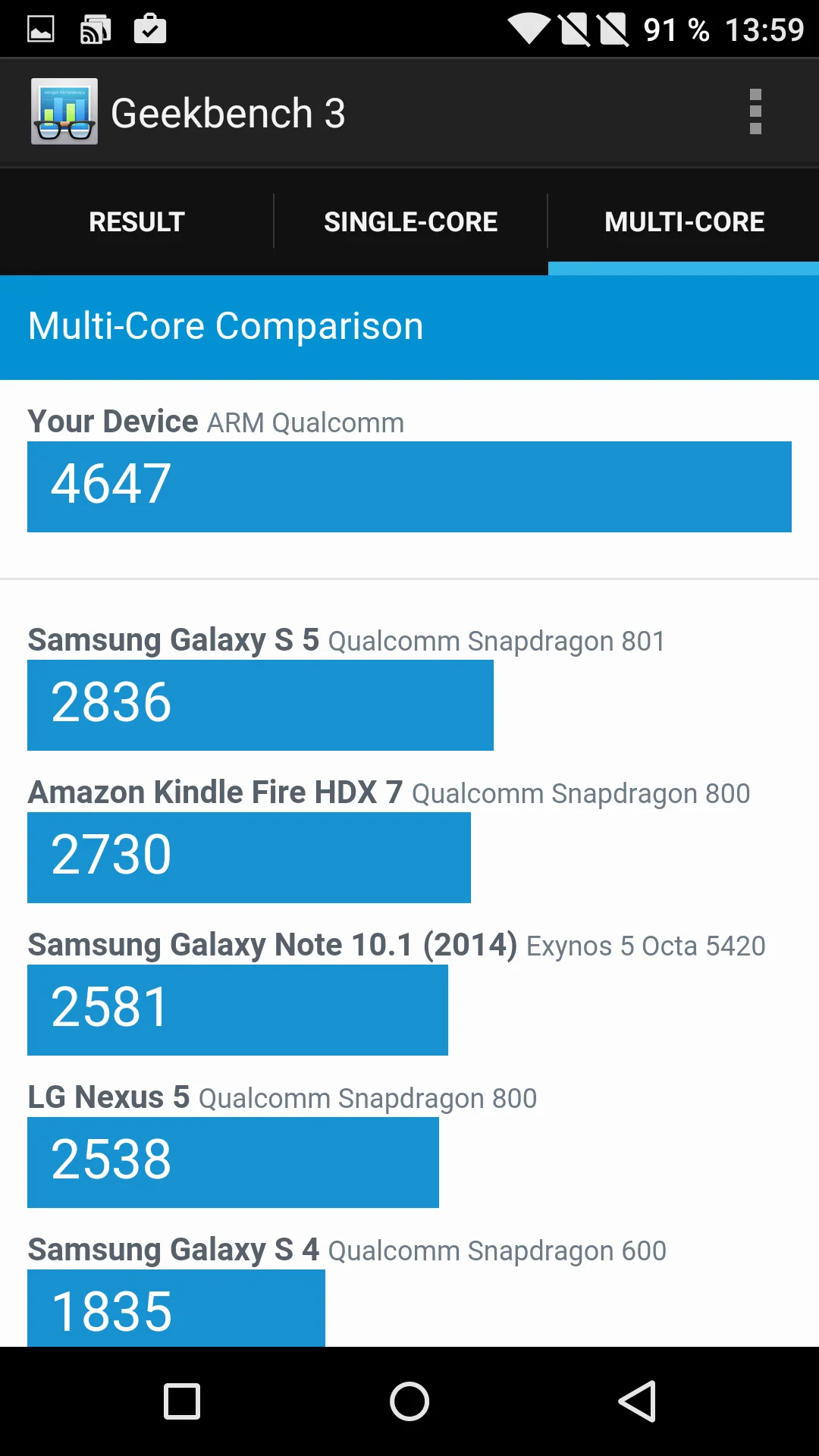
Of course, I also ran benchmarks, but I can’t really call the OnePlus 2 a beast among flagship phones based on those numbers alone.
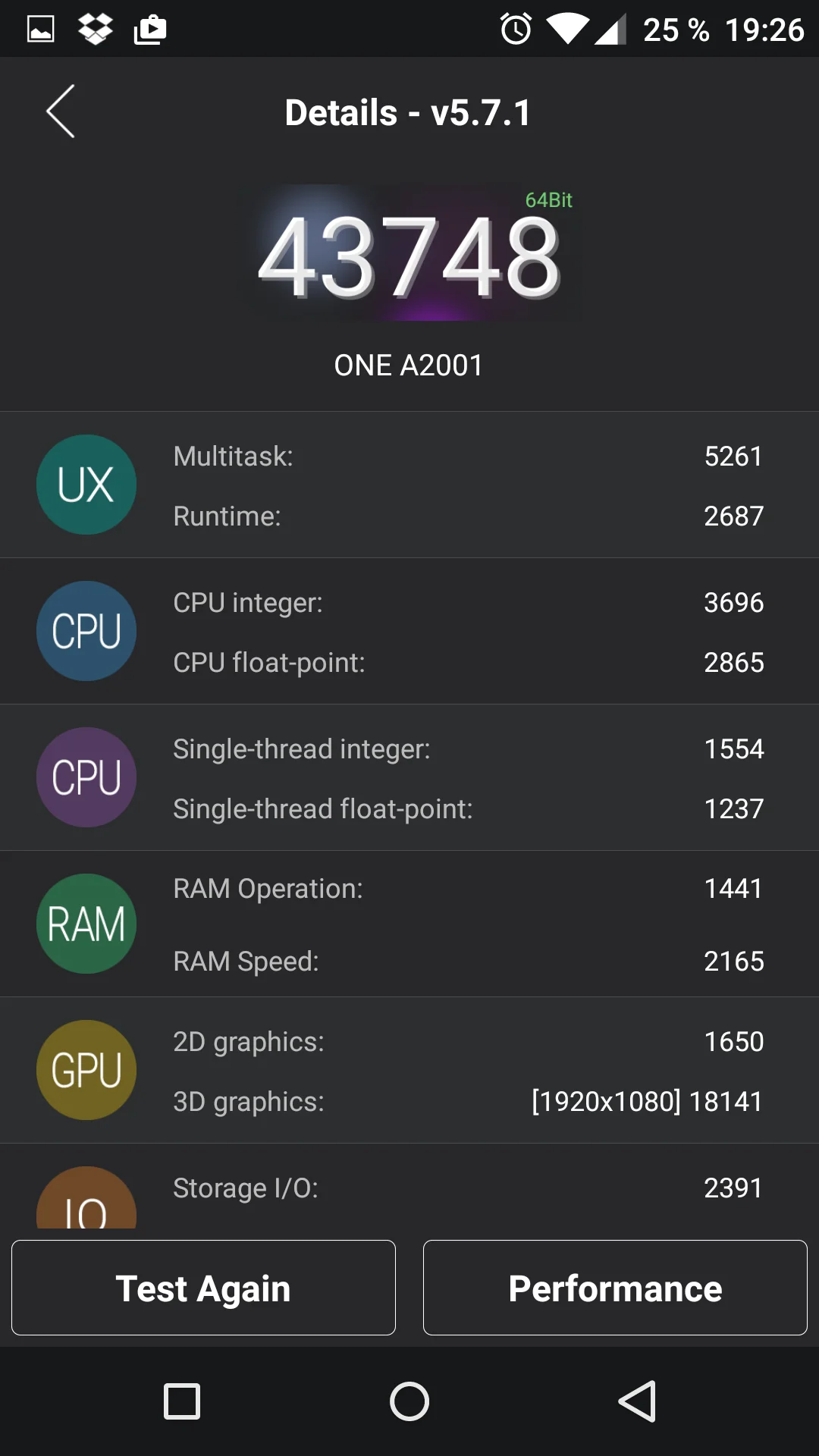
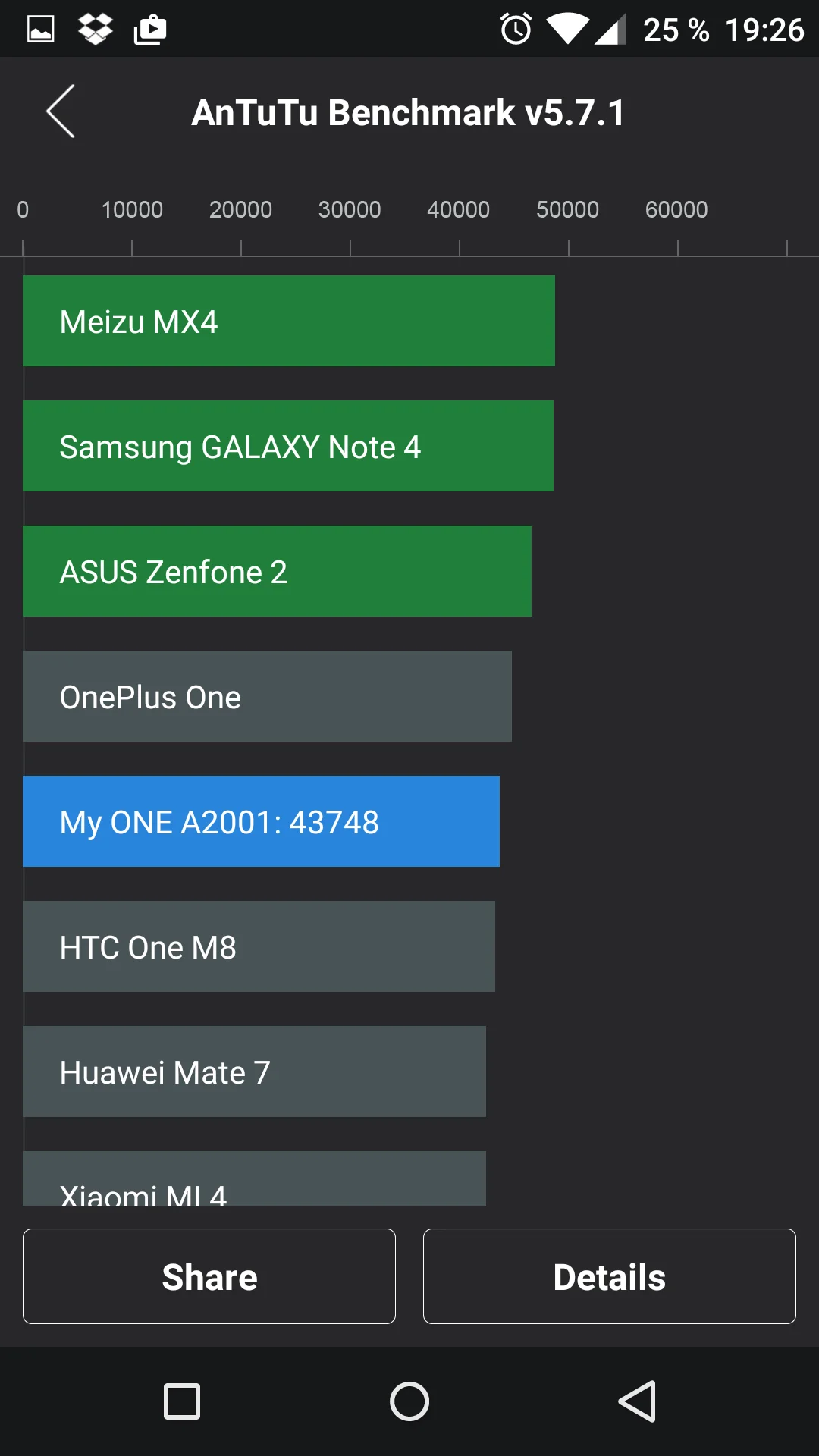
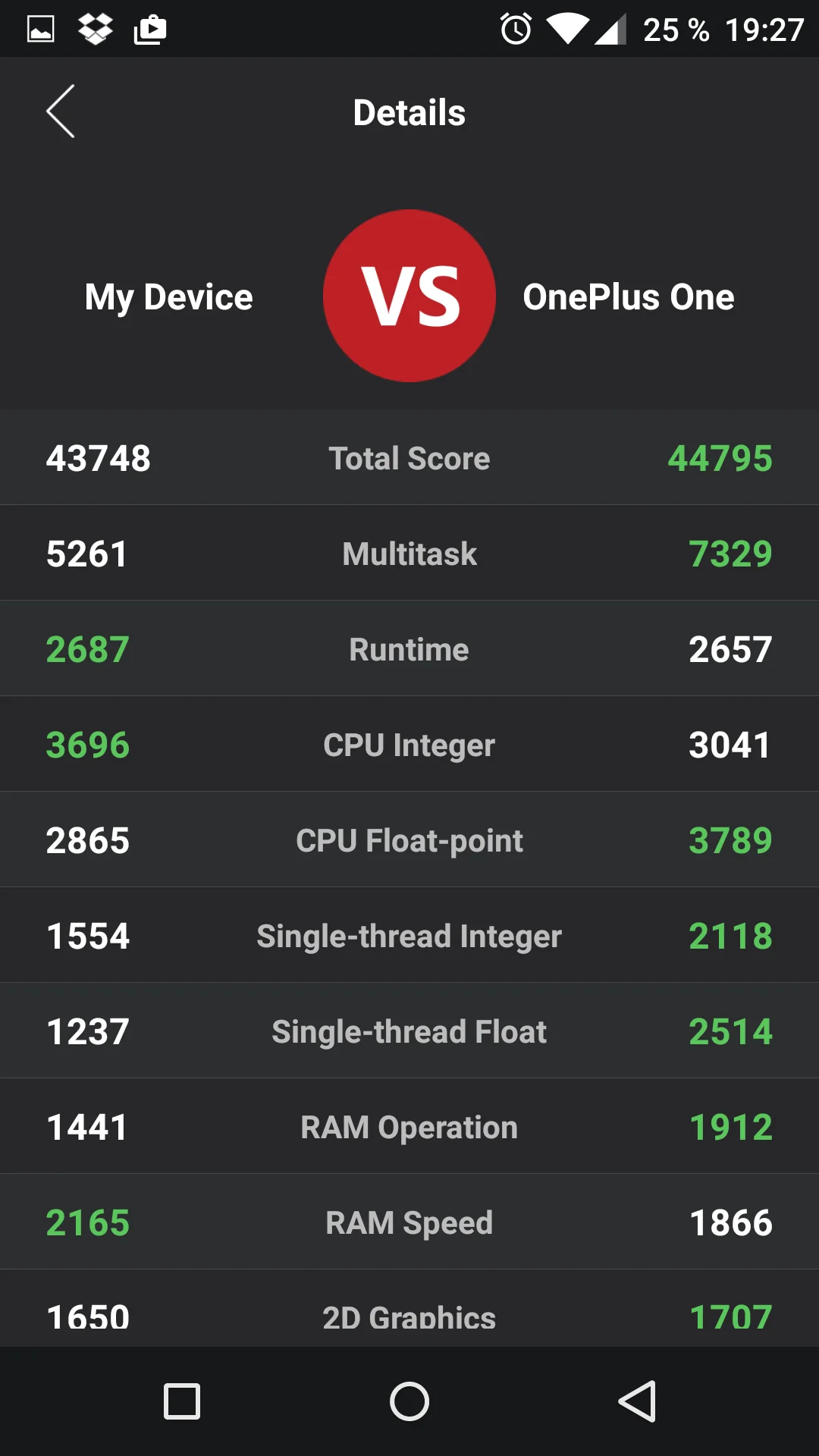
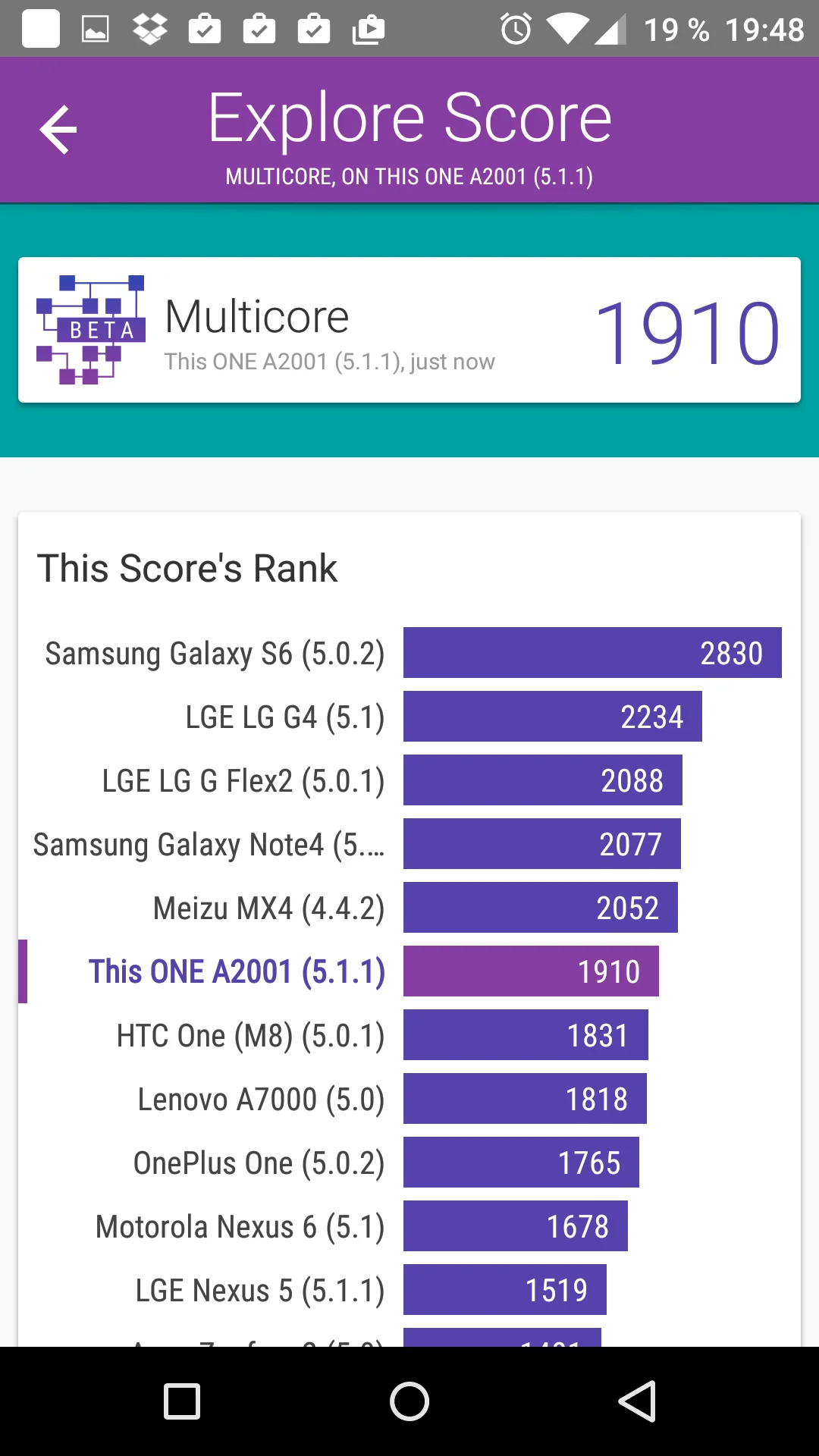
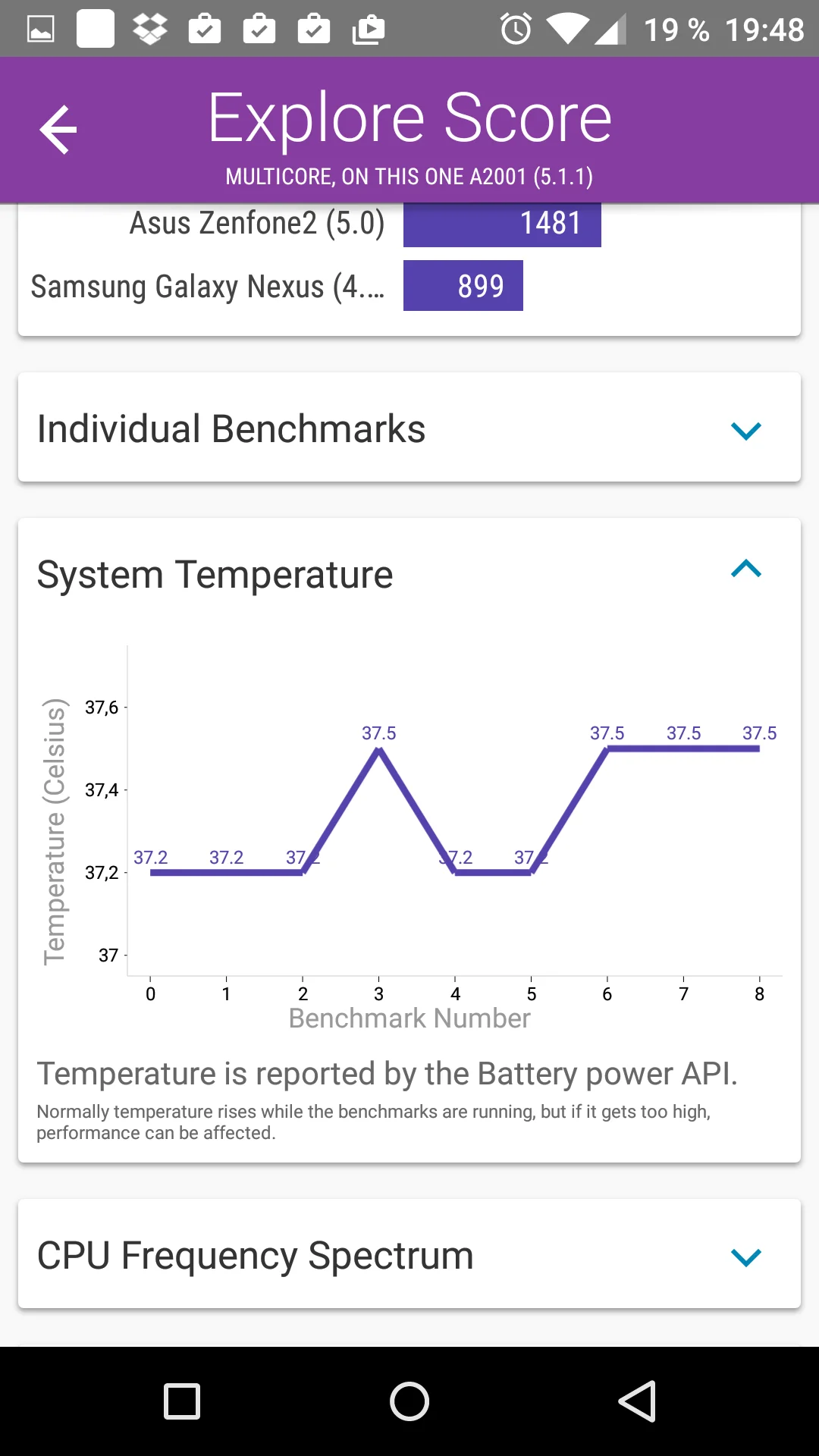
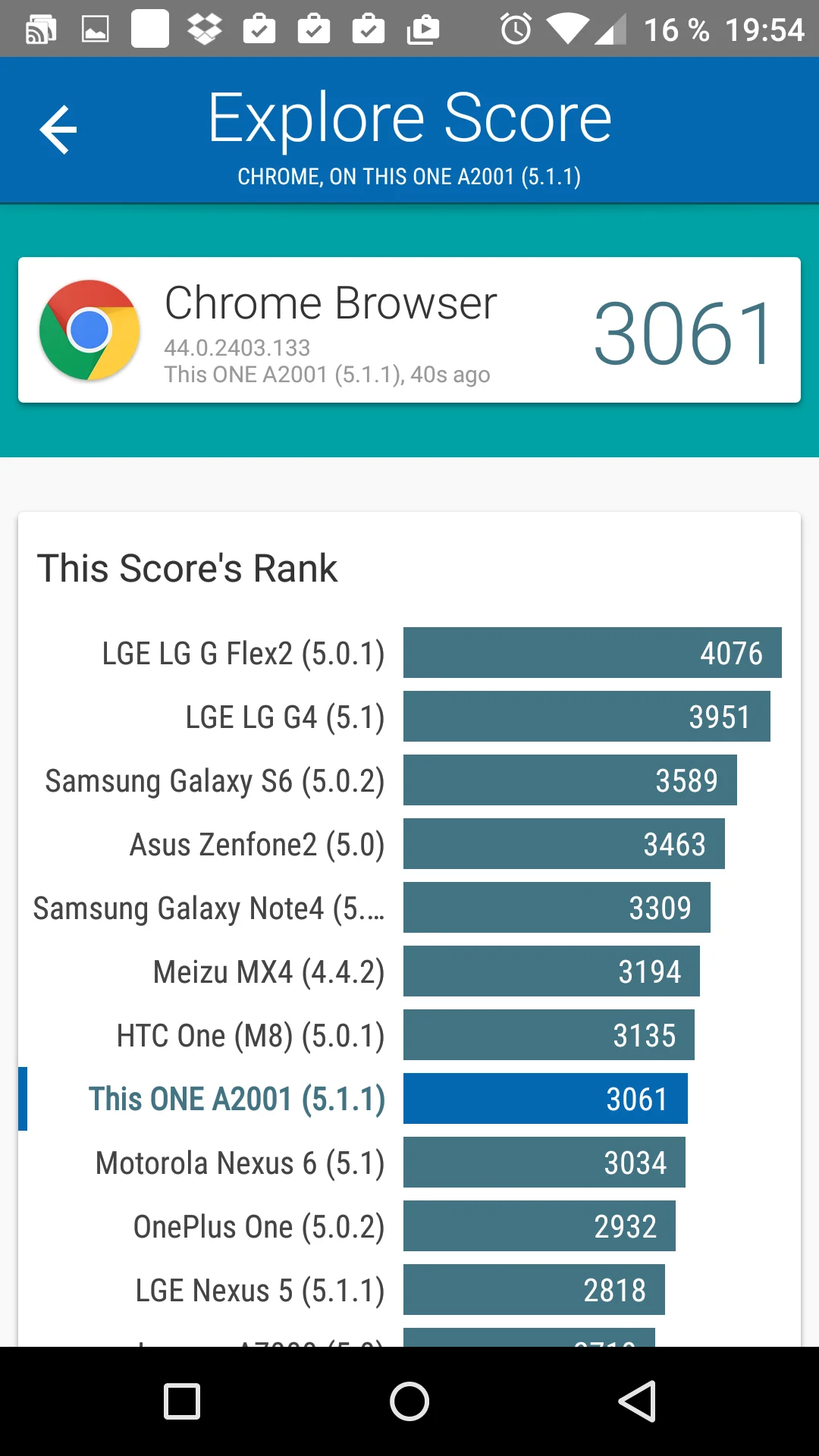
OnePlus had to make a few compromises because of the Snapdragon 810’s well-known overheating issues, and that shows up in the benchmark results. But if I judge the phone by actual day-to-day use, I really don’t have much to complain about. There’s plenty of performance here, and it should stay sufficient for a long time before it starts feeling limited in anything truly demanding.
Software
I received the A2001 model for testing, and anyone familiar with OnePlus devices will immediately point out that this isn’t the European version. And yes, that’s true. The Chinese model also comes cluttered with unnecessary software and modifications that reach deep into the smartphone’s settings. Thankfully, OnePlus is one of the more permissive manufacturers when it comes to software tinkering, and it doesn’t place major restrictions on flashing. Because of that, I was able to install the European build of Oxygen OS 2.0, which is based on Android 5.1.1 Lollipop. It really only took a few clicks.
Even though this version of the system was still relatively young at the time, it’s clear OnePlus put real care into it. In some areas, it even includes features borrowed from the upcoming Android 6.0 Marshmallow (in Czech).
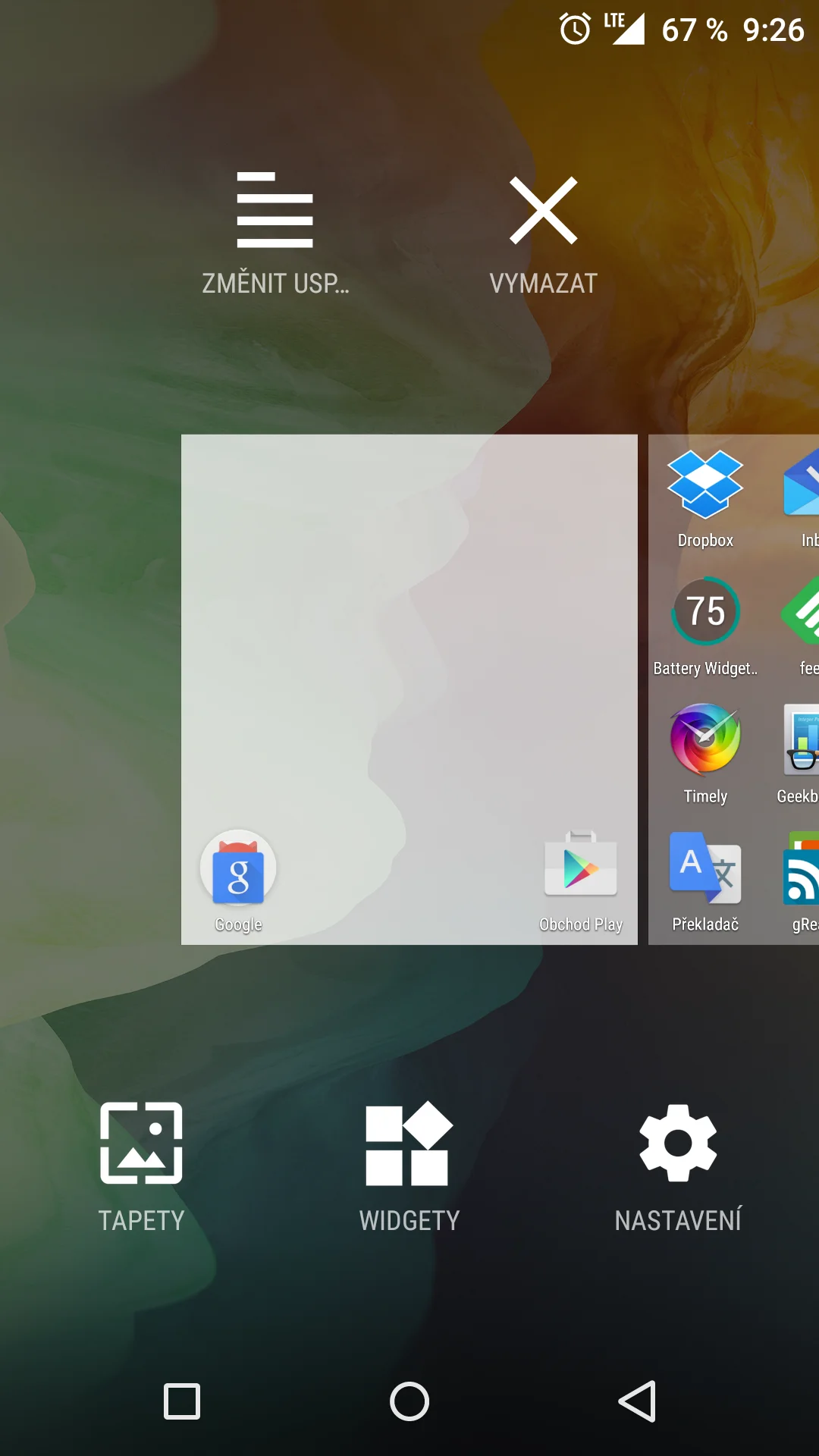
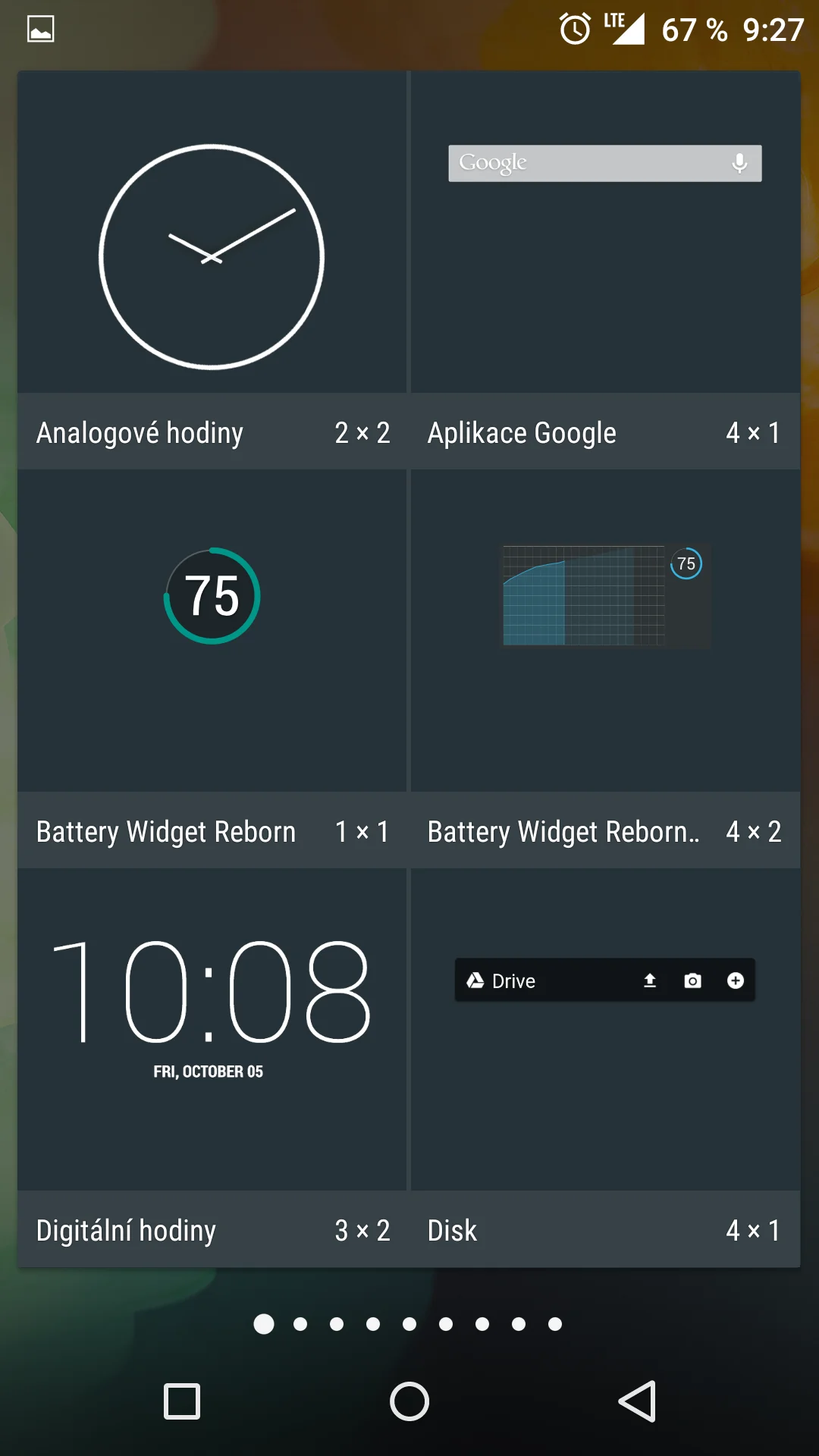

If you’ve spent any time with Android before, especially stock Android, nothing here will throw you off. The developers didn’t try to outsmart Google or reinvent the interface. They mostly left it alone and added a few extras where it made sense. One example is system-wide dark mode support, something Google itself was only starting to experiment with at the time.
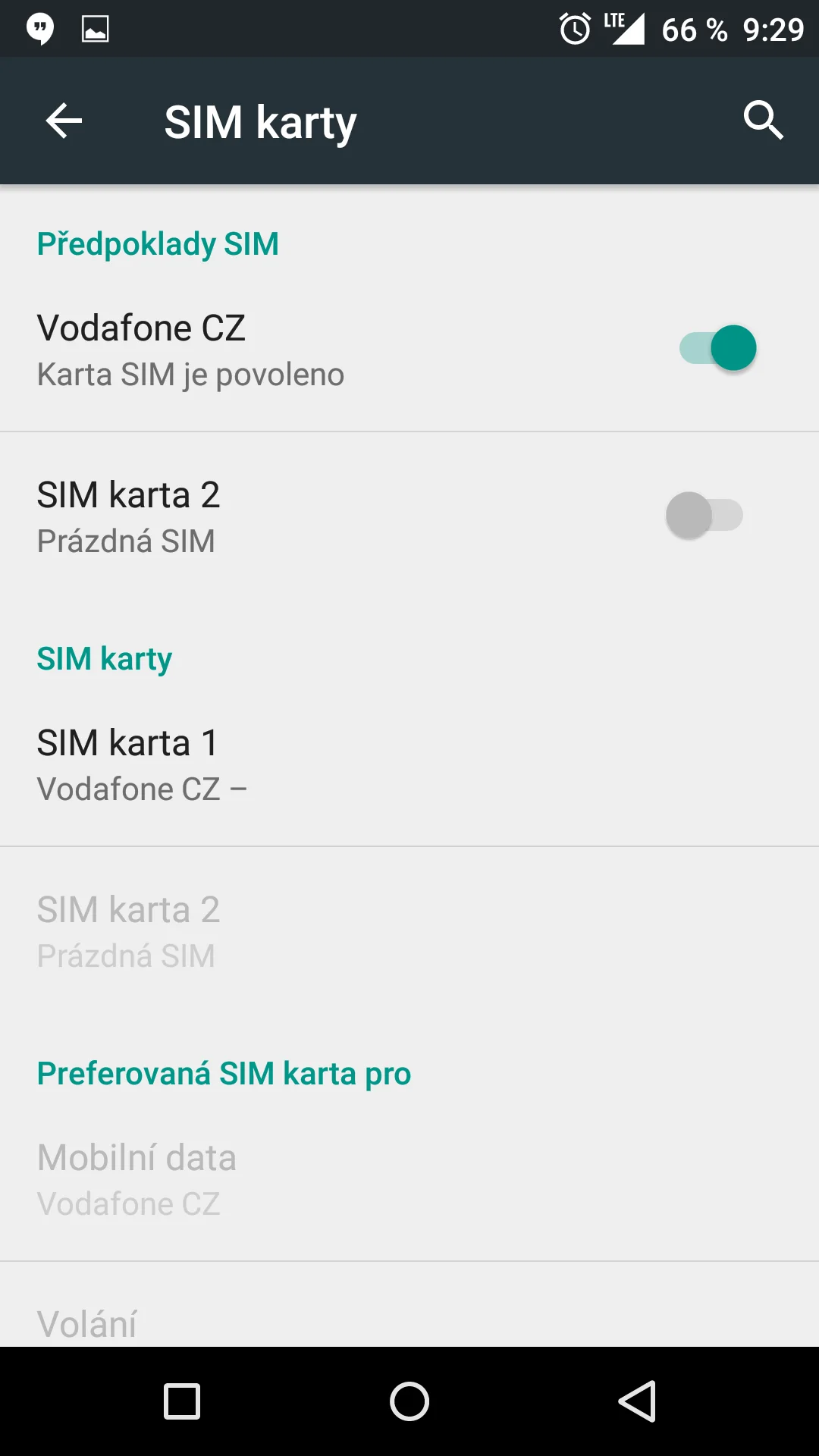
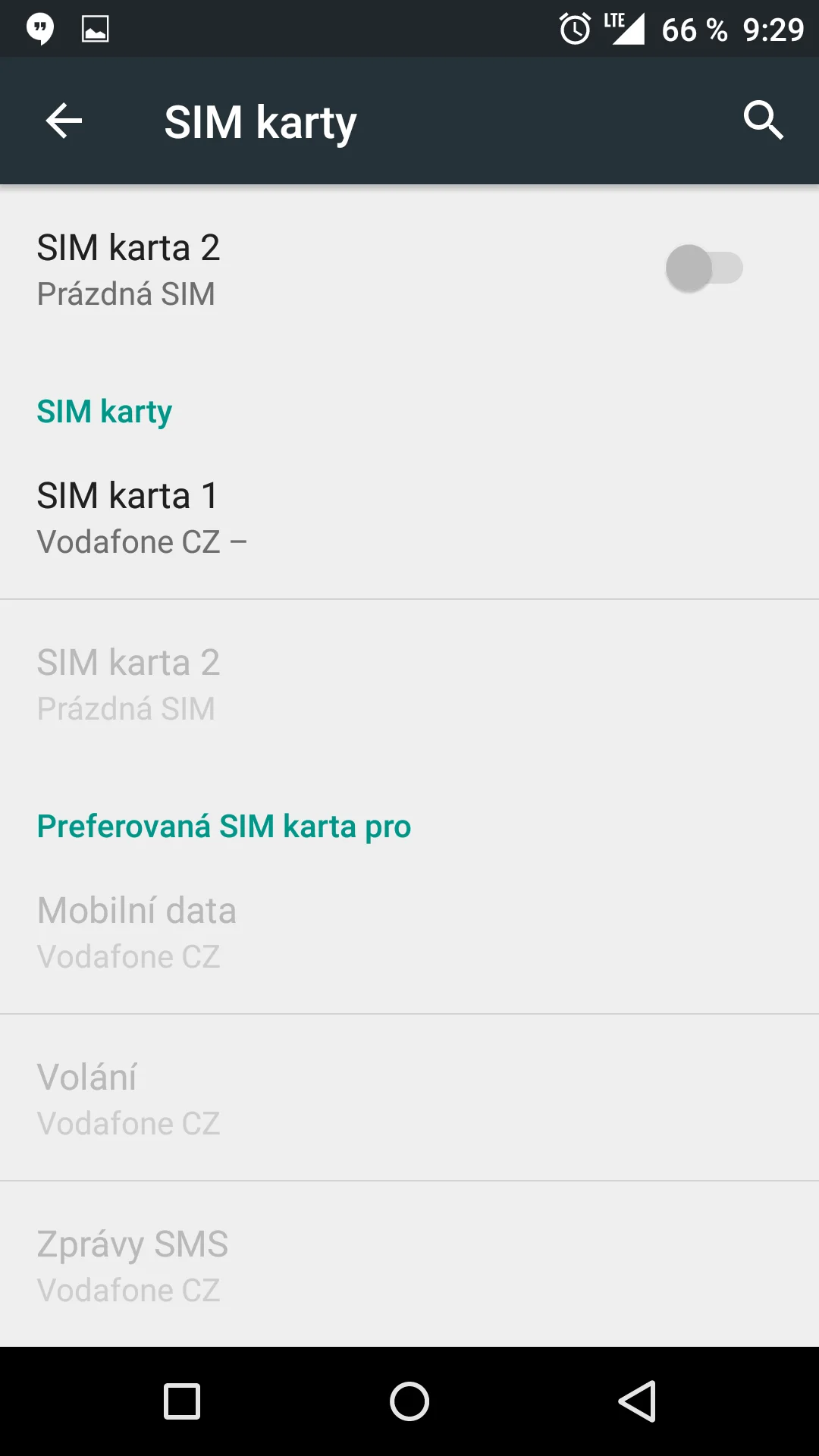
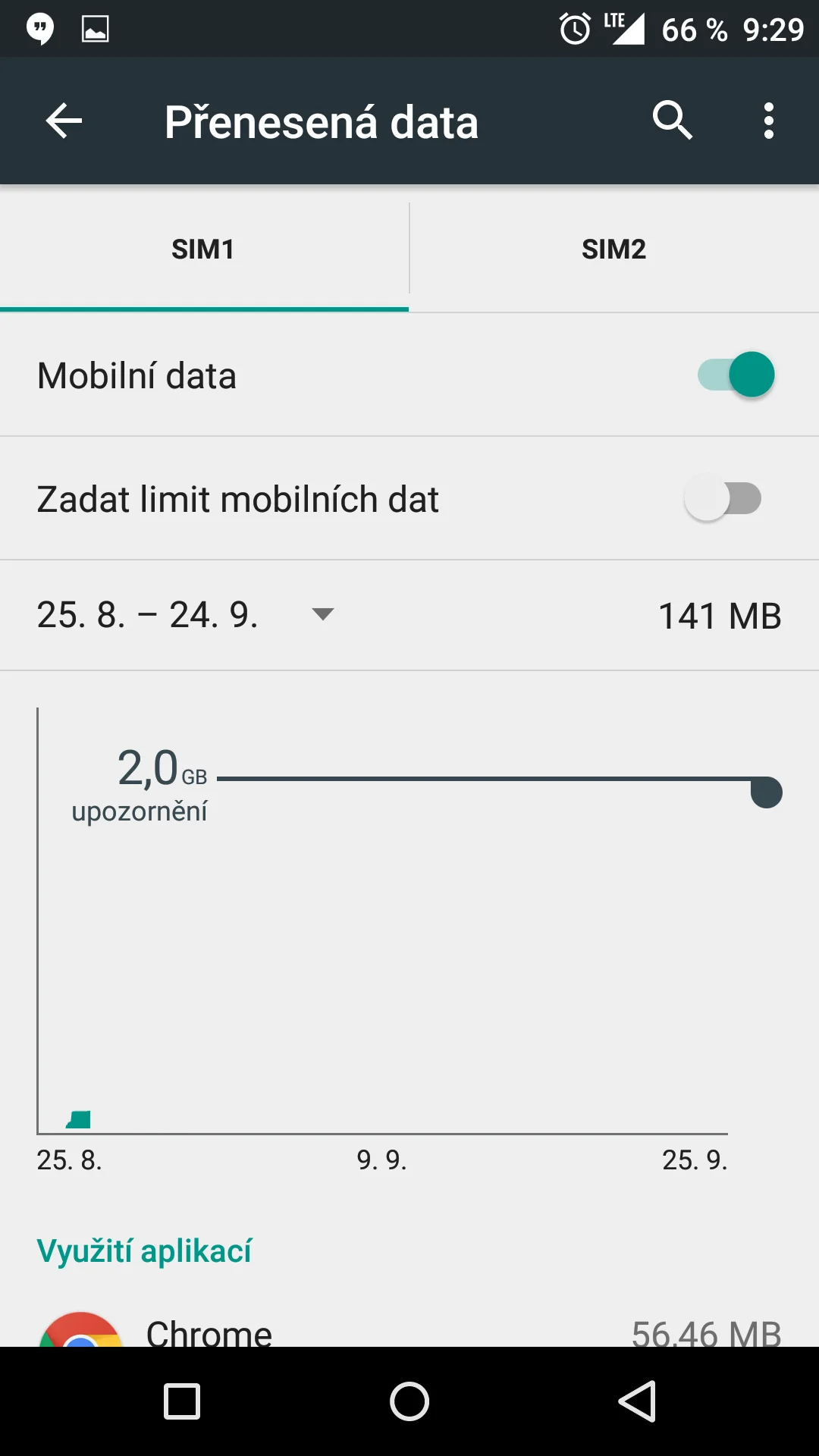
Dual-SIM management is handled in a clean, straightforward way. You can assign preferred SIMs for different actions, and there’s separate data usage tracking too.
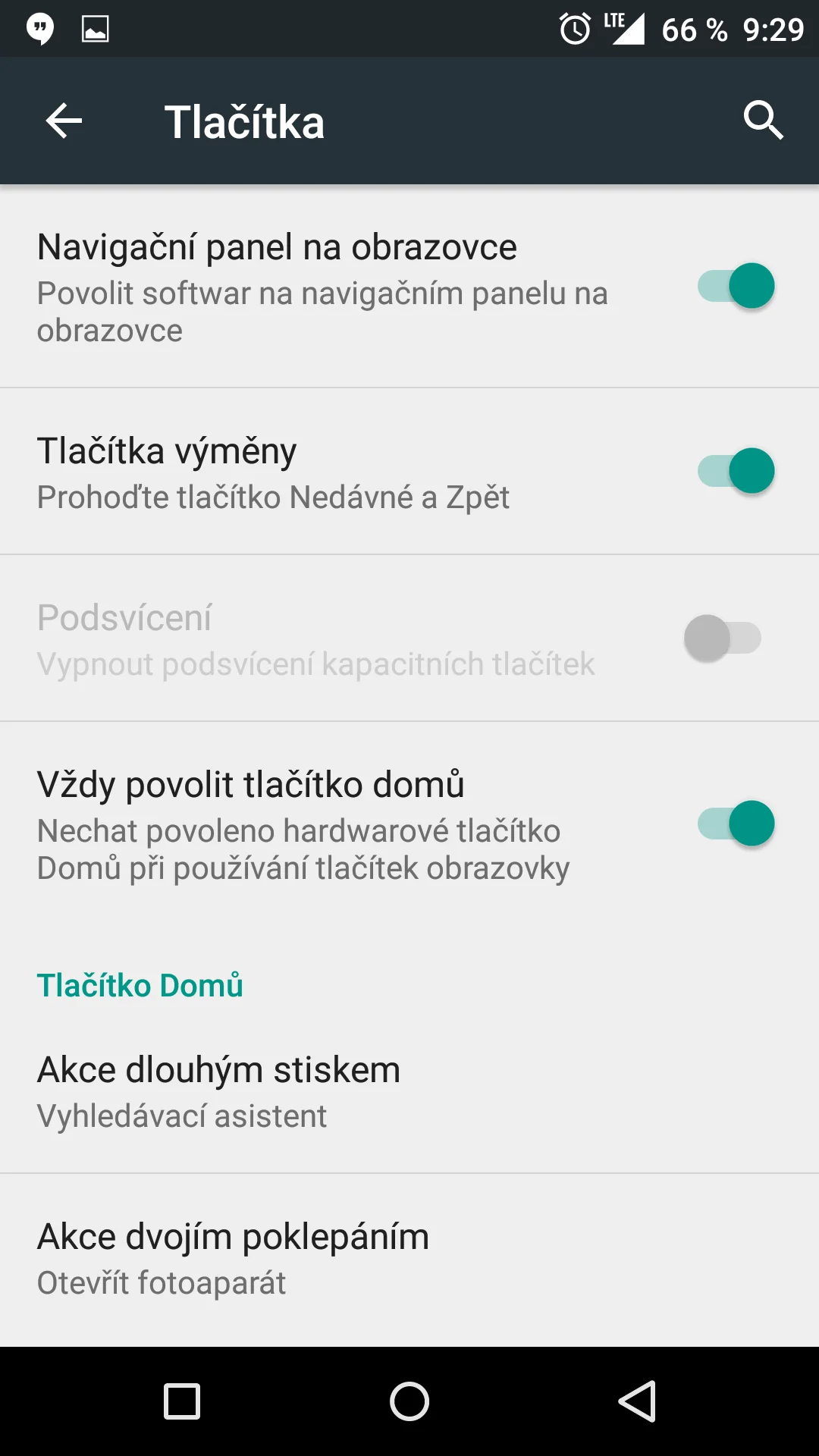

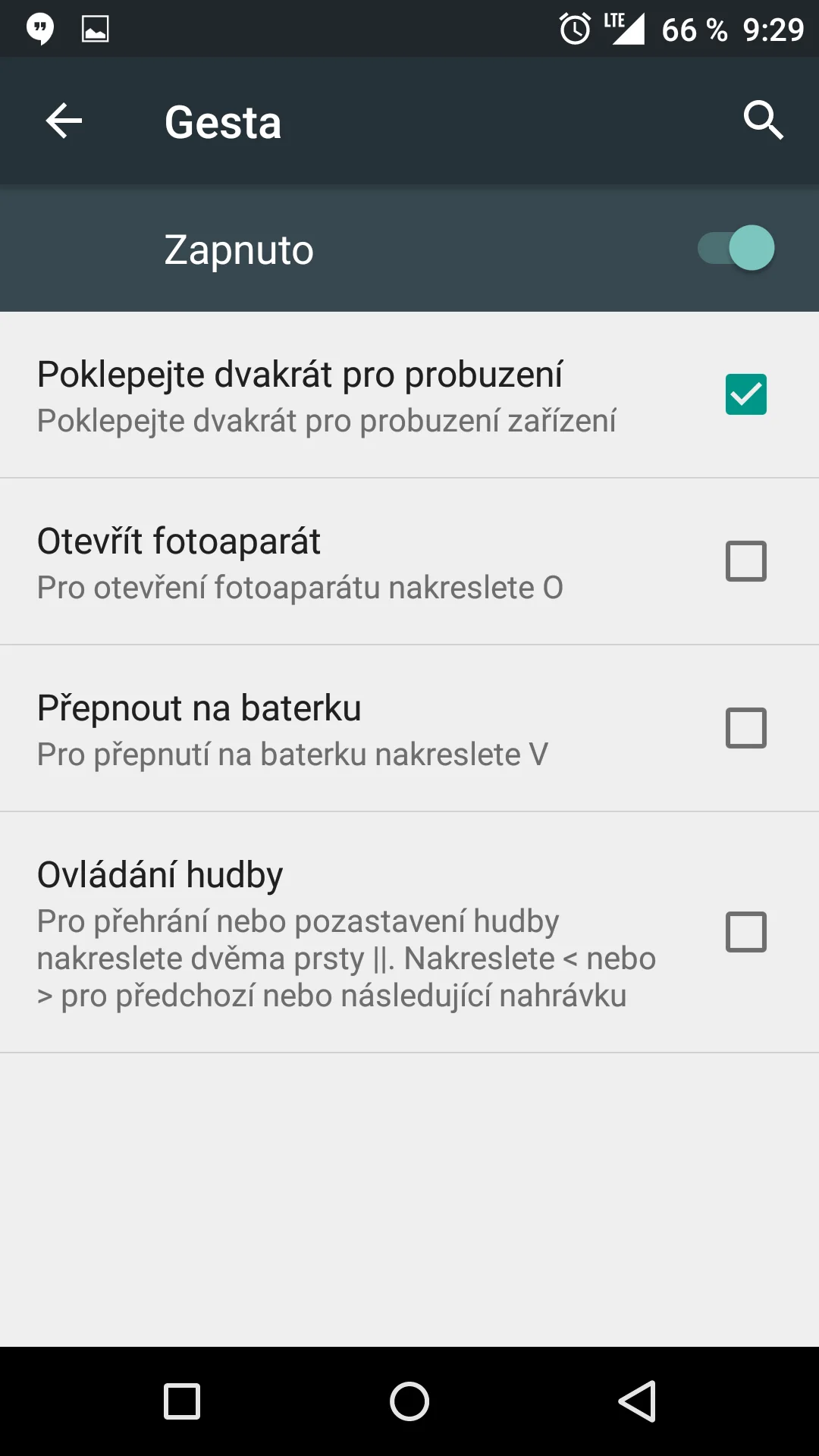
Even though the phone has capacitive buttons, you’re not locked into using them. You can swap them out for on-screen keys or tweak how they behave. You can even leave only the center button active. And that’s not all on the controls front, because the phone also supports display gestures. A quick double tap wakes the screen, and you can control music playback as well. These extras are easy to like.
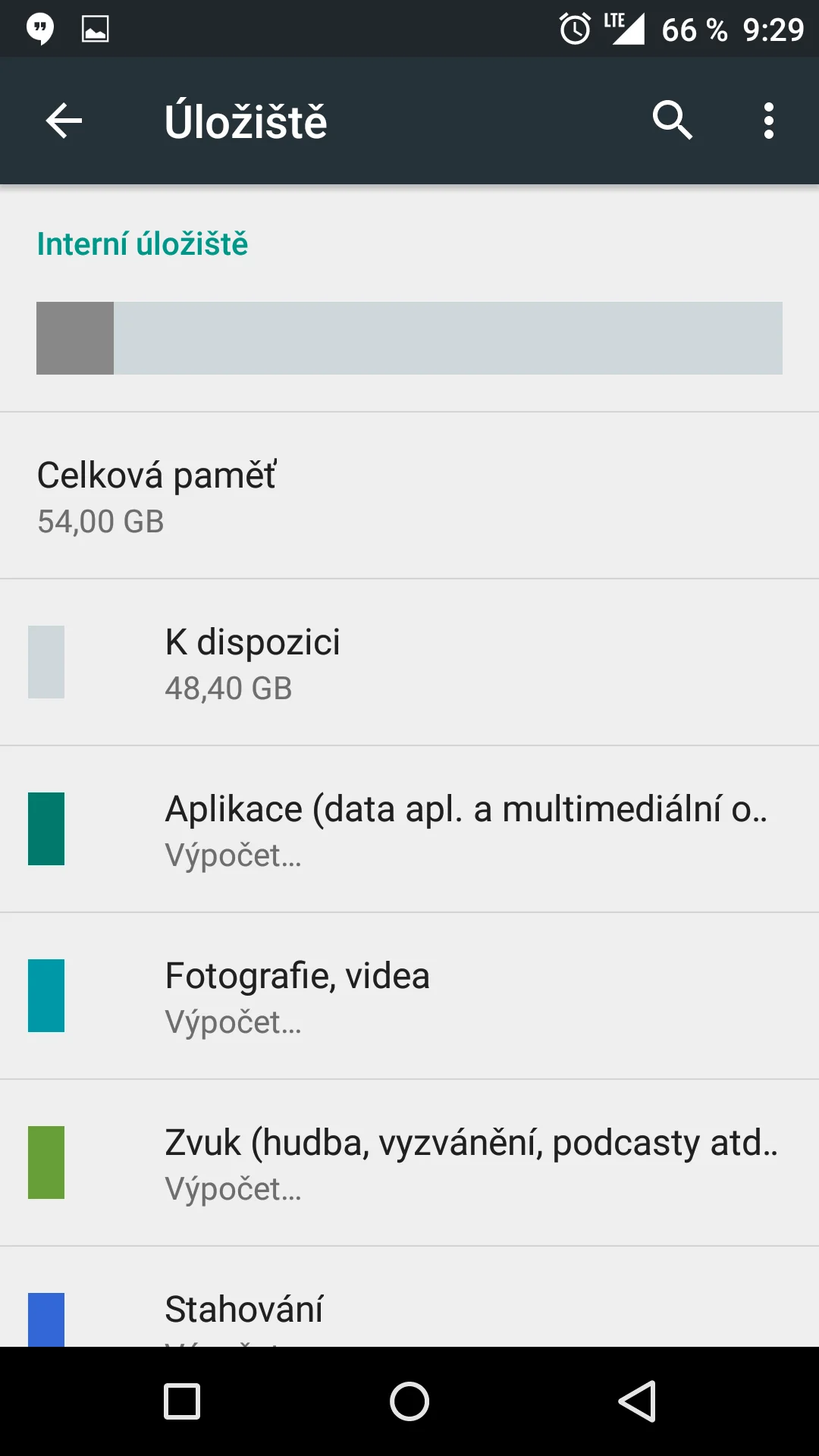
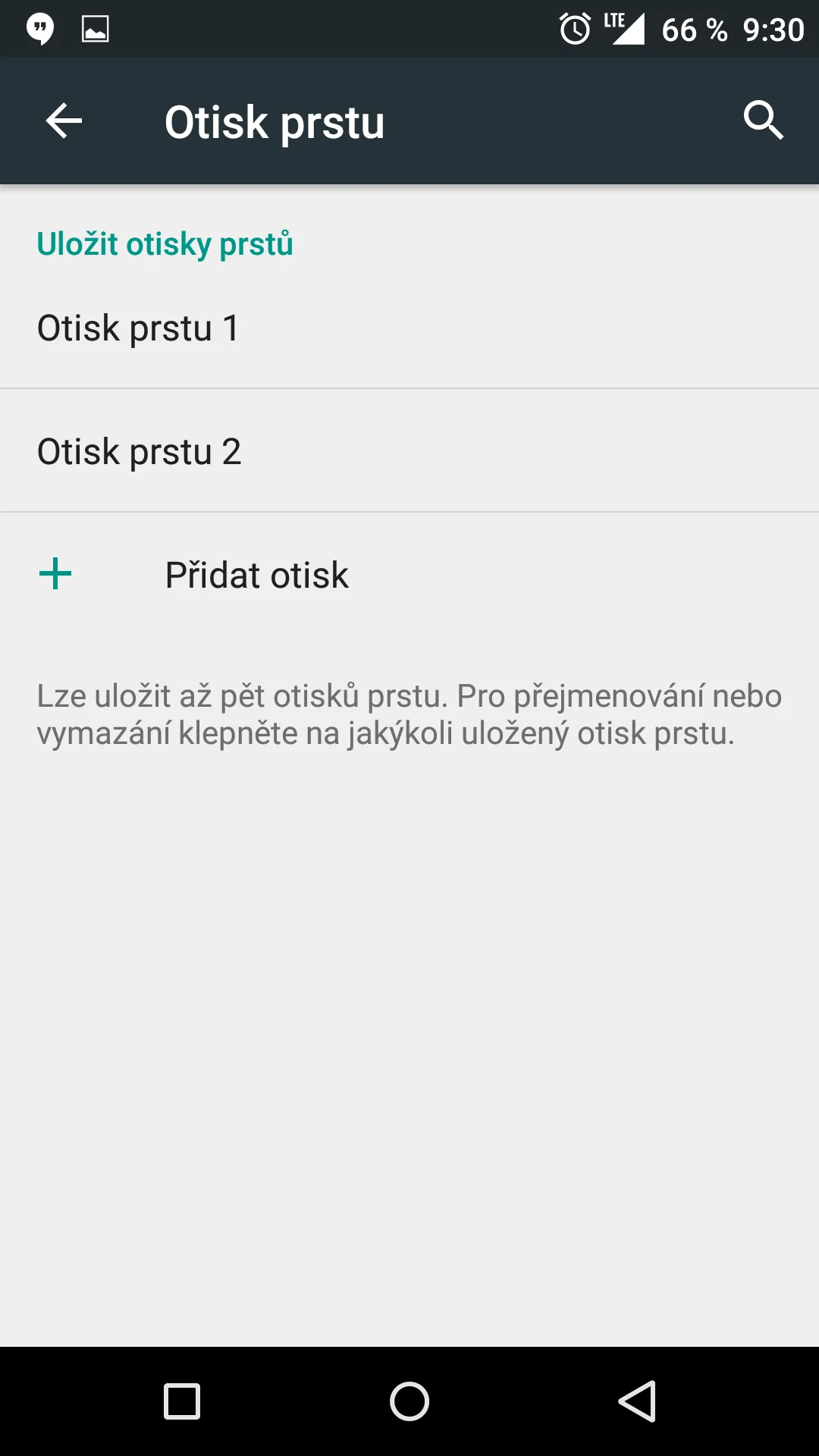
At least for now, a fingerprint reader isn’t a native part of Android Lollipop; that wouldn’t arrive until Marshmallow. Even so, the way it’s integrated into settings feels intuitive.
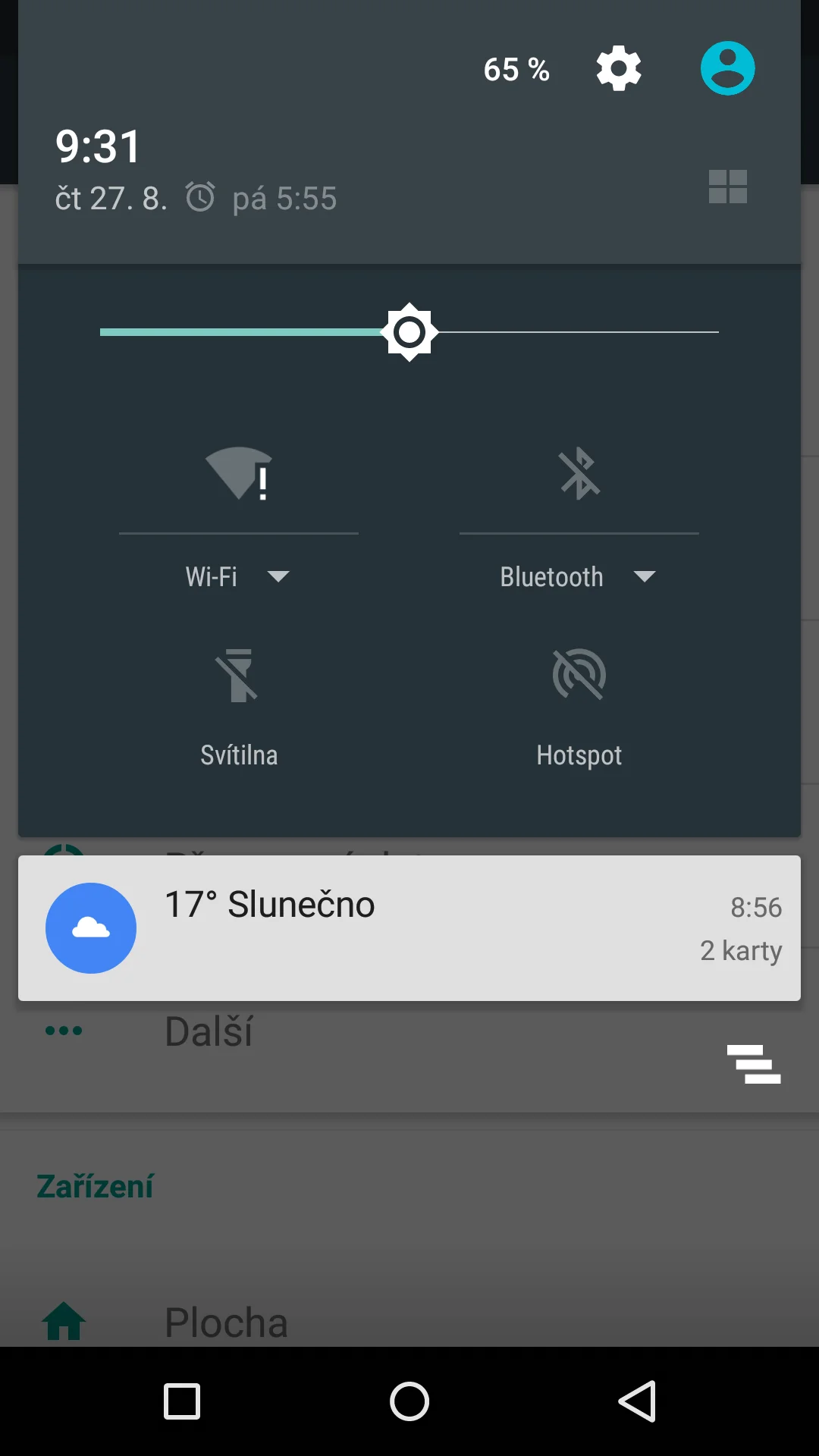
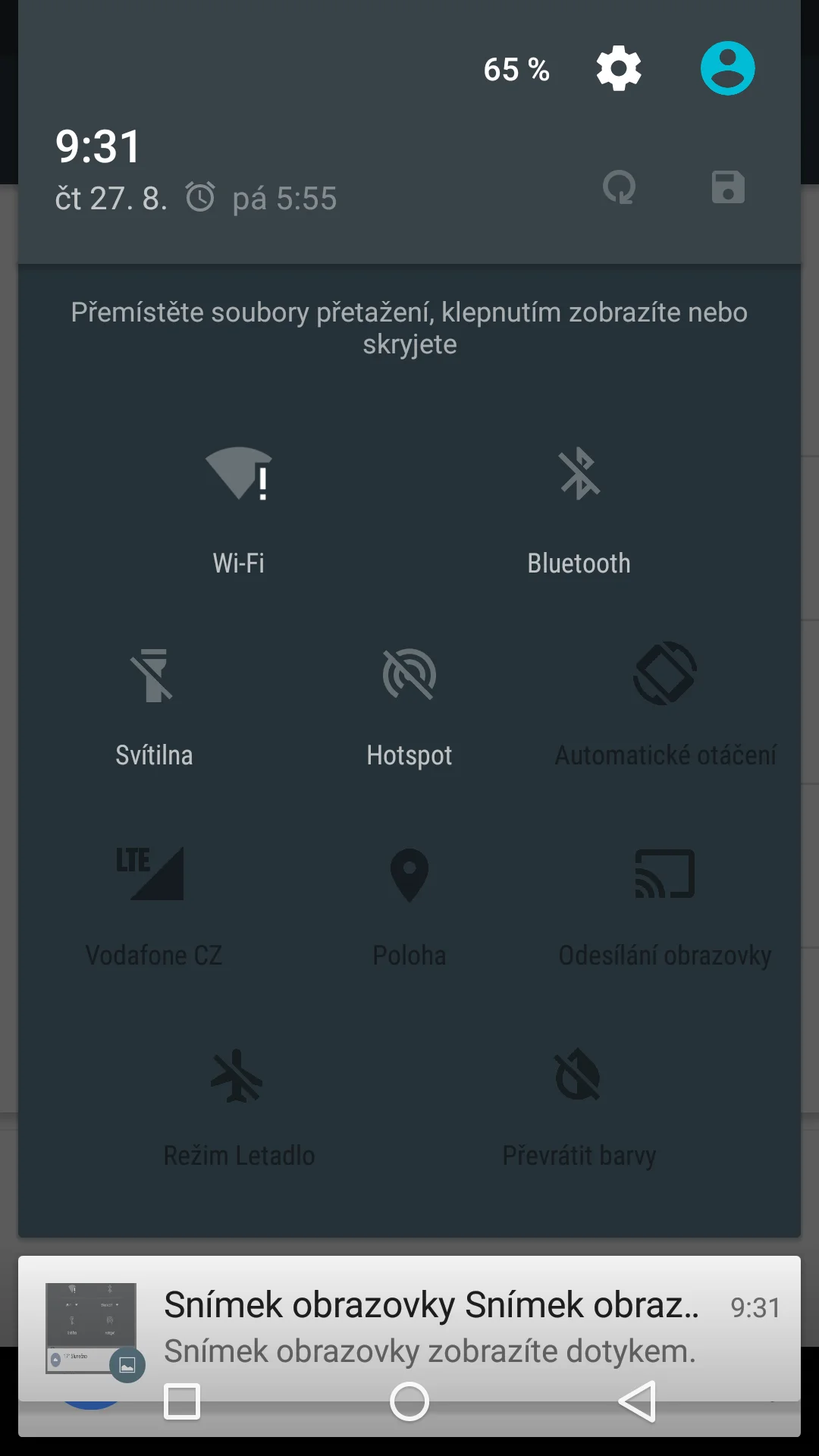
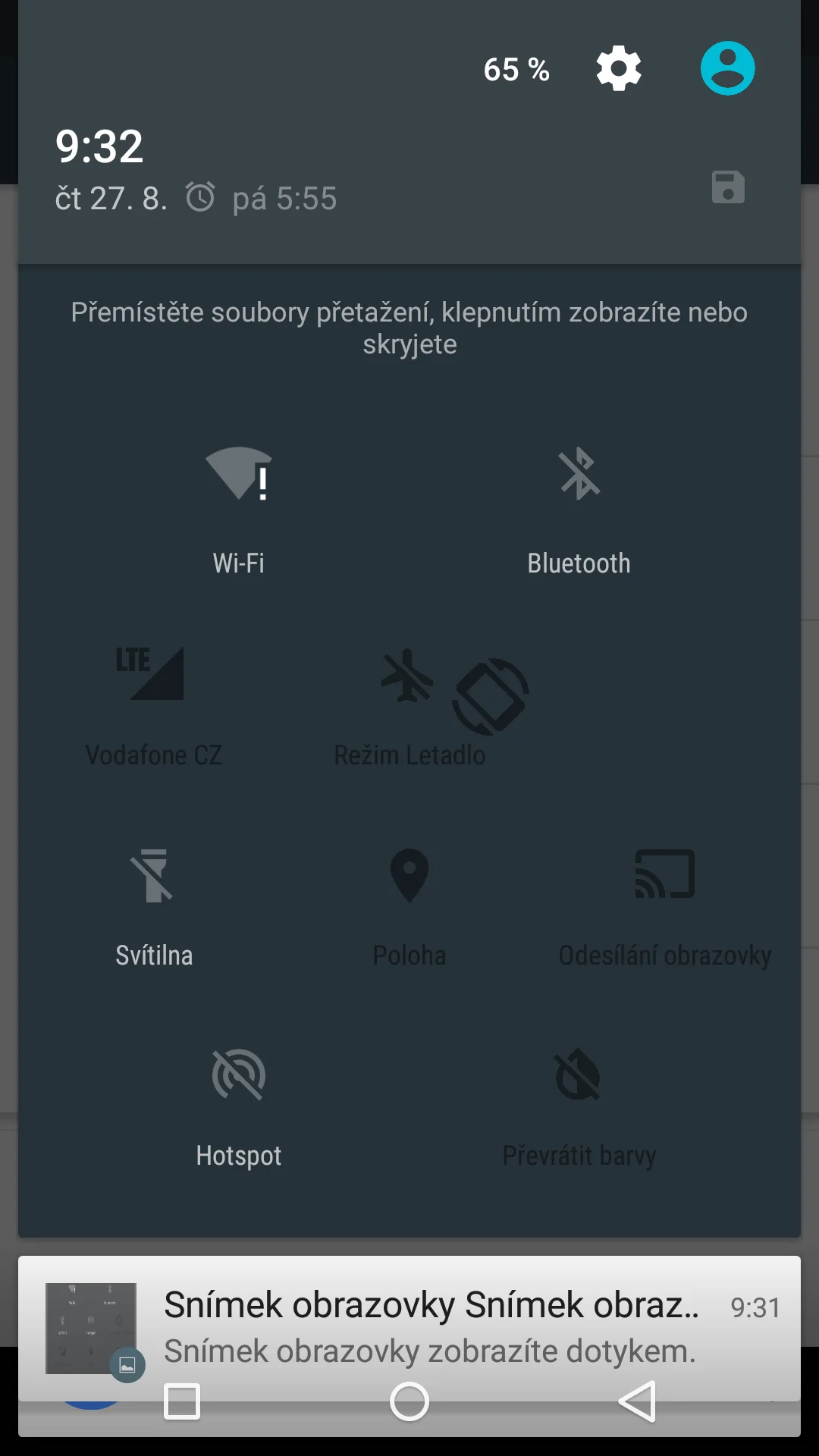
Another useful tweak is the quick settings area in the notification shade. You can disable individual toggles or rearrange them as you like.
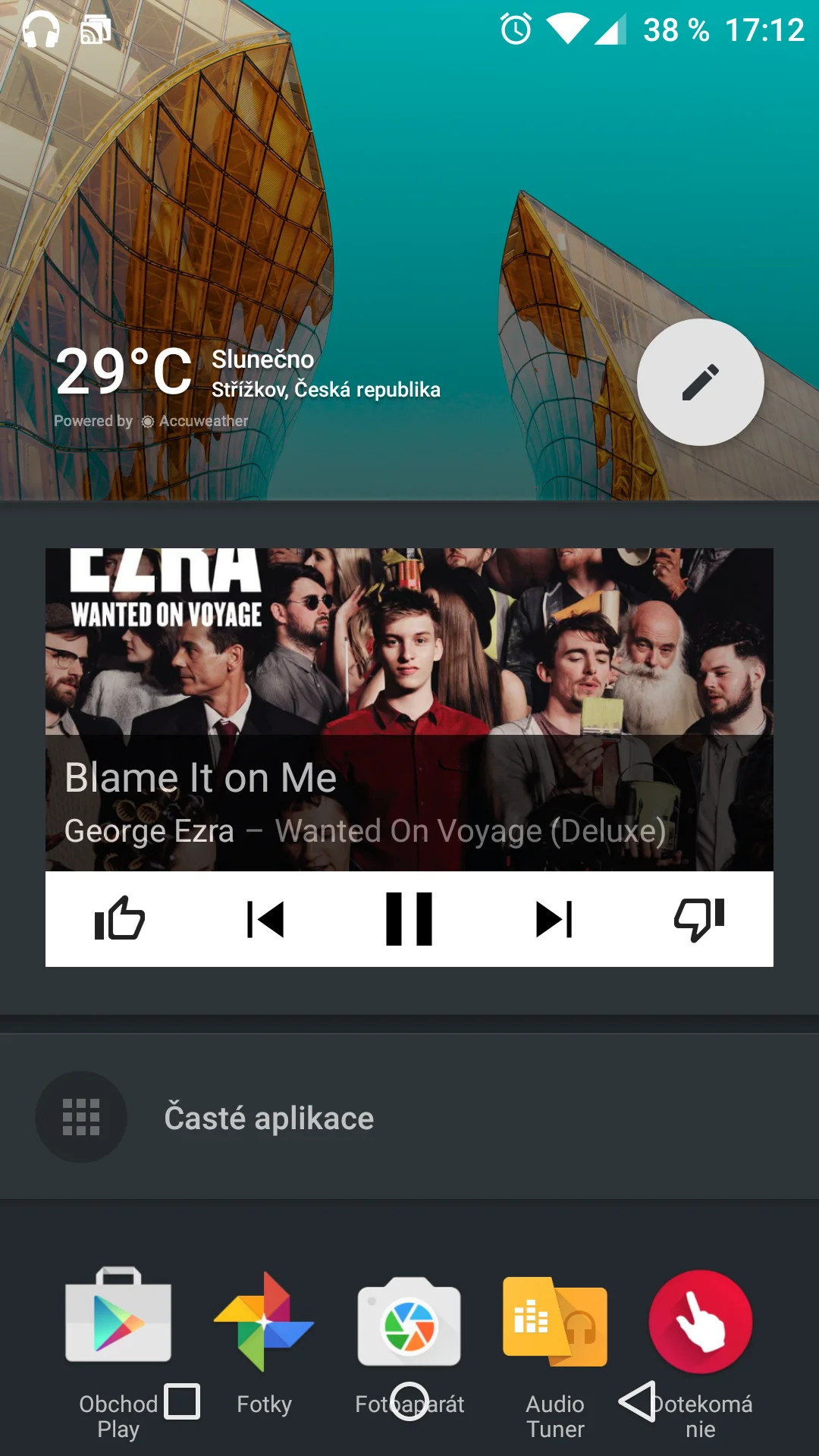
The launcher was a pleasant surprise too, mostly because it reminded me of Google’s own. You won’t find Google Now-style smart cards on the left panel, but you do get things like a music player, favorite contacts, favorite apps, and weather. Even so, I still ended up replacing it with Google’s launcher.
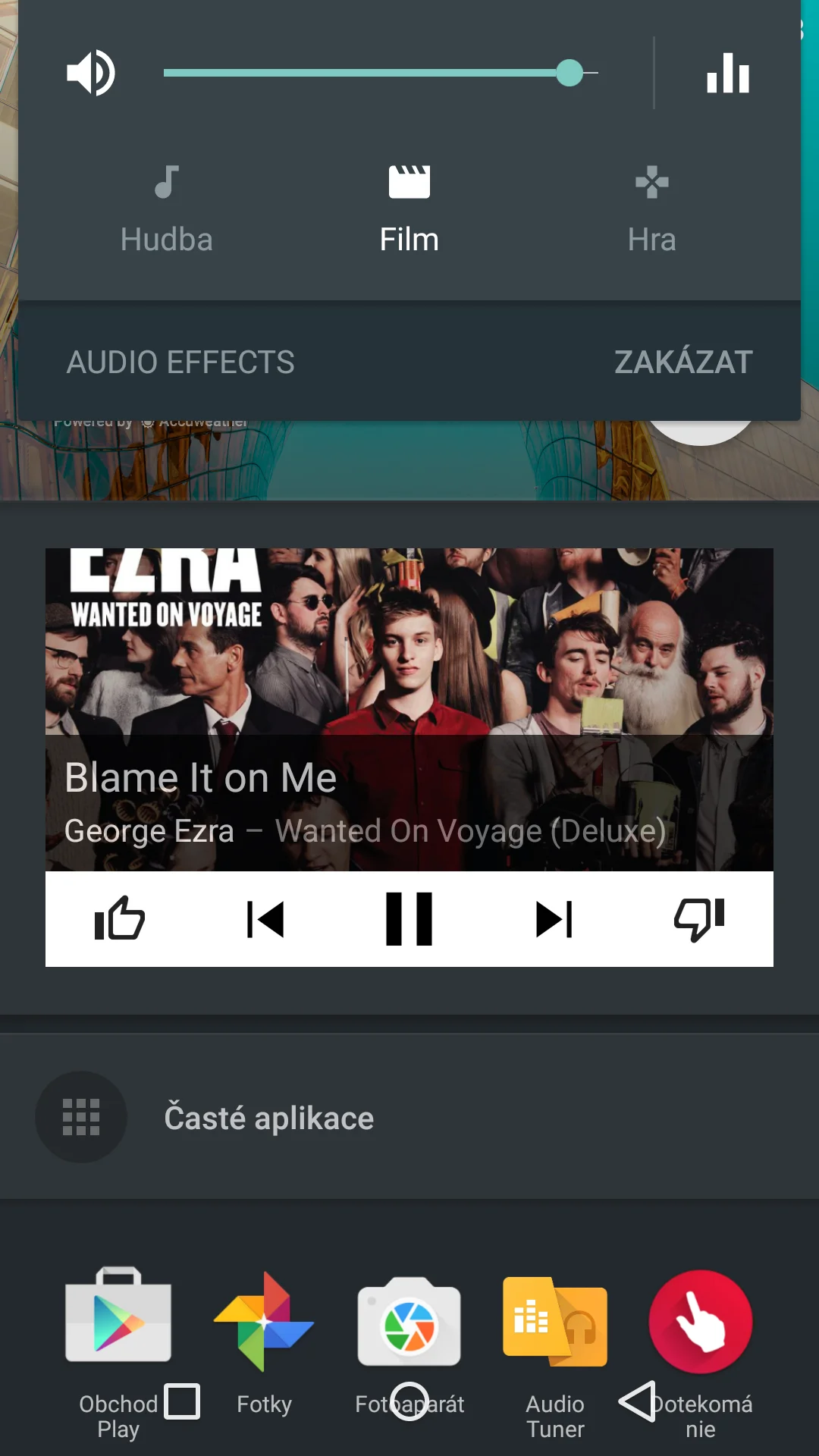
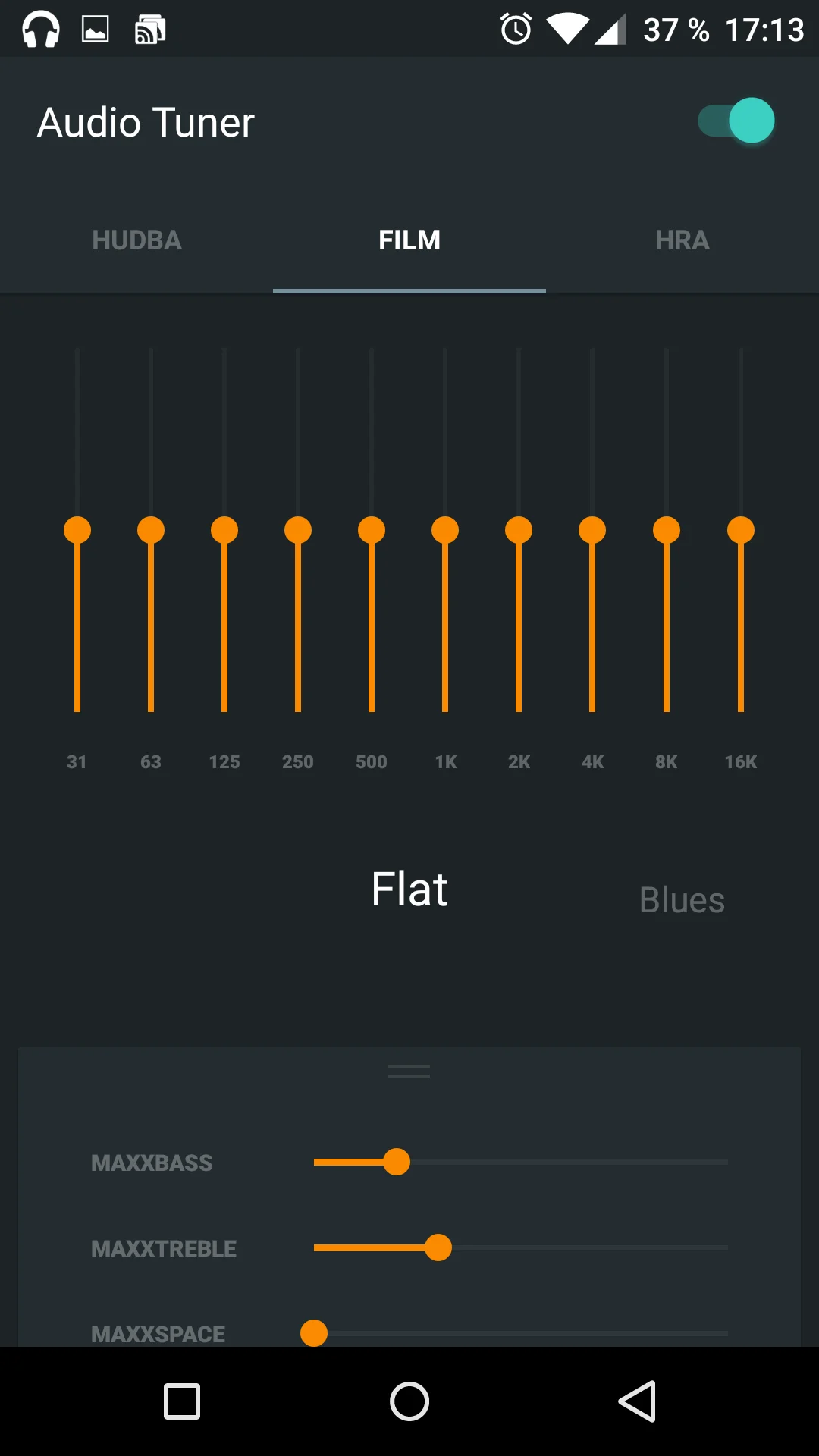
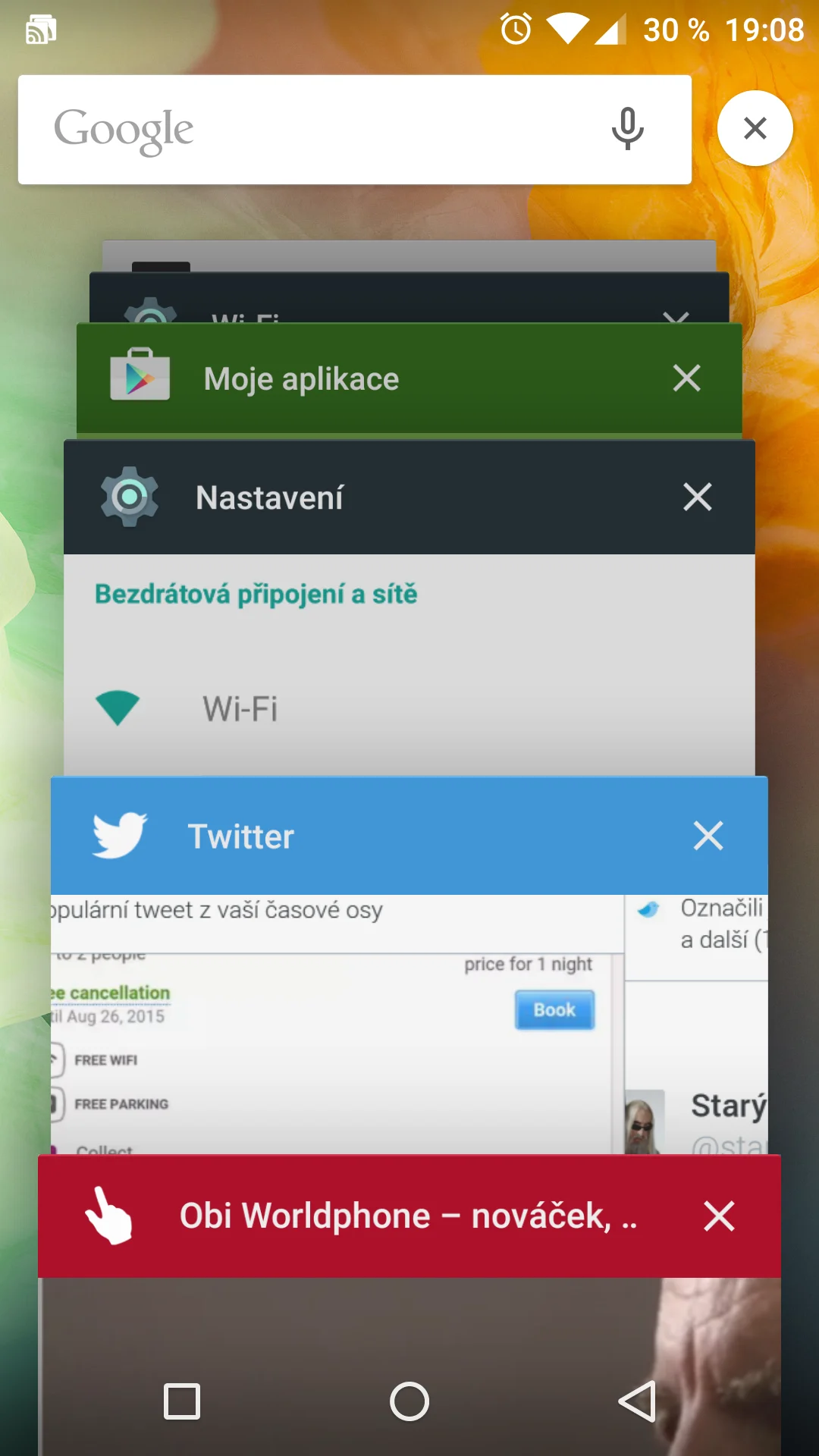
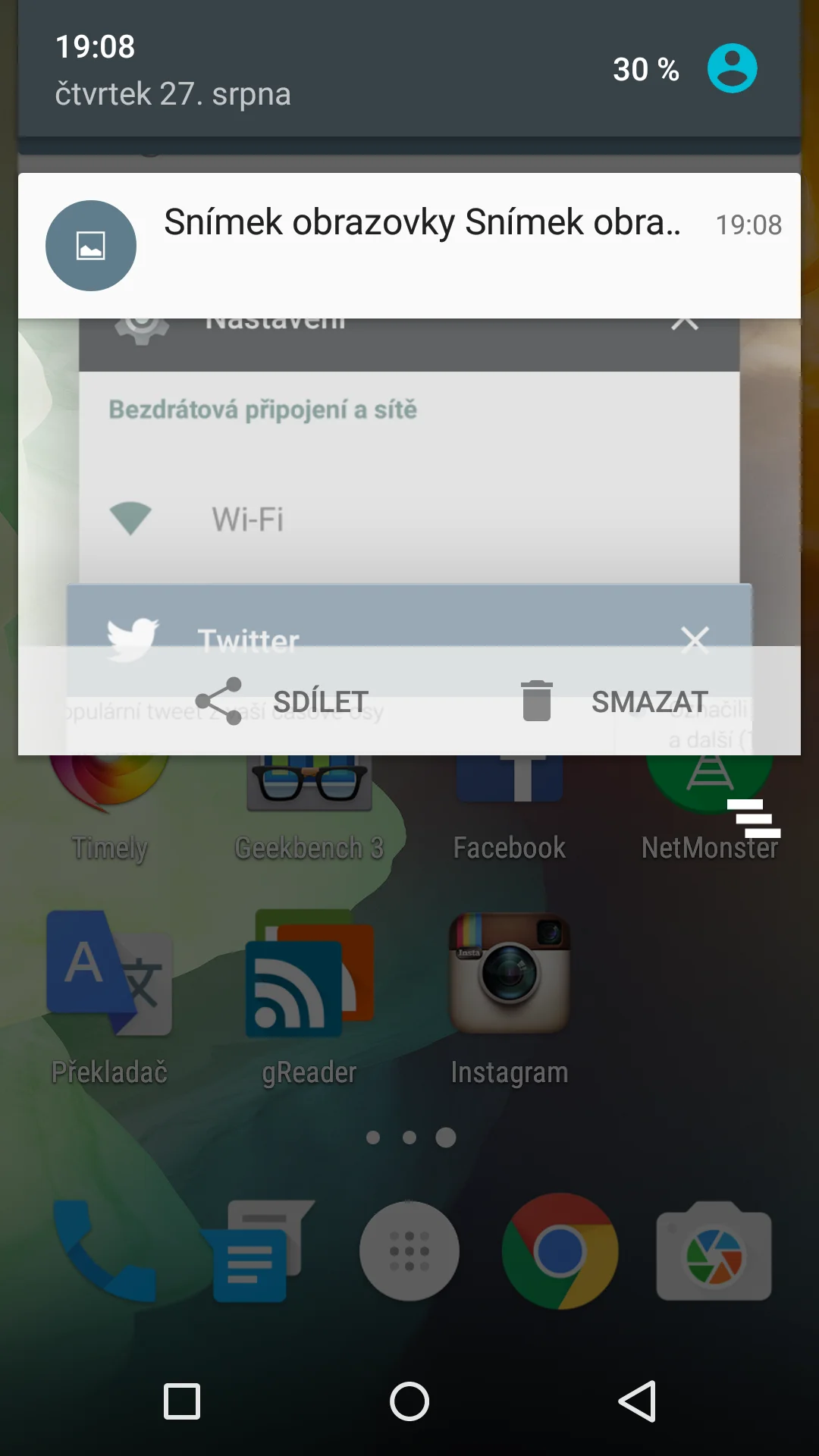
There are plenty of other thoughtful touches throughout the system, including an equalizer, a shortcut for clearing recently opened apps, and even the option to immediately delete a screenshot after taking it.
Overall, I’d rate Oxygen OS as a very strong take on Android, one that stays closer to stock than CyanogenMod did at the time.
Camera
From the spec sheet alone, you get features like optical image stabilization and laser autofocus. Paired with a solid 13MP sensor, the phone can produce very good photos, and it holds up reasonably well even when the light gets worse. You can shoot 4K video, or jump straight into slow-motion and time-lapse recording.
In the case of slow-motion video, the company claims HD output, but it’s pretty clear there’s software processing involved. The result isn’t as sharp as I’d expect, even by the standards of its time. See for yourself.
In practice, you can count on the OnePlus 2 to deliver good camera performance, though getting the best results still takes a bit of effort from the user.














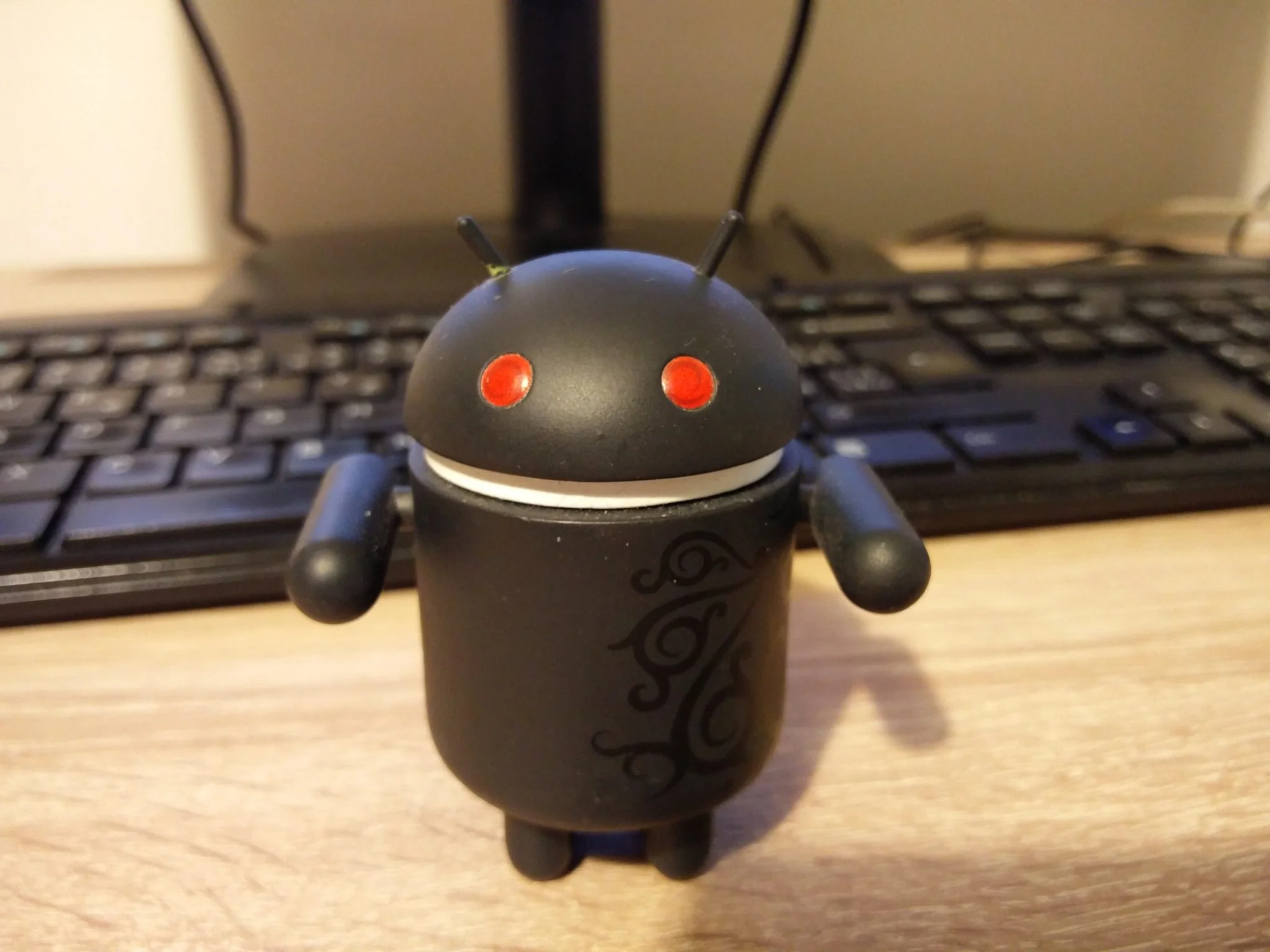
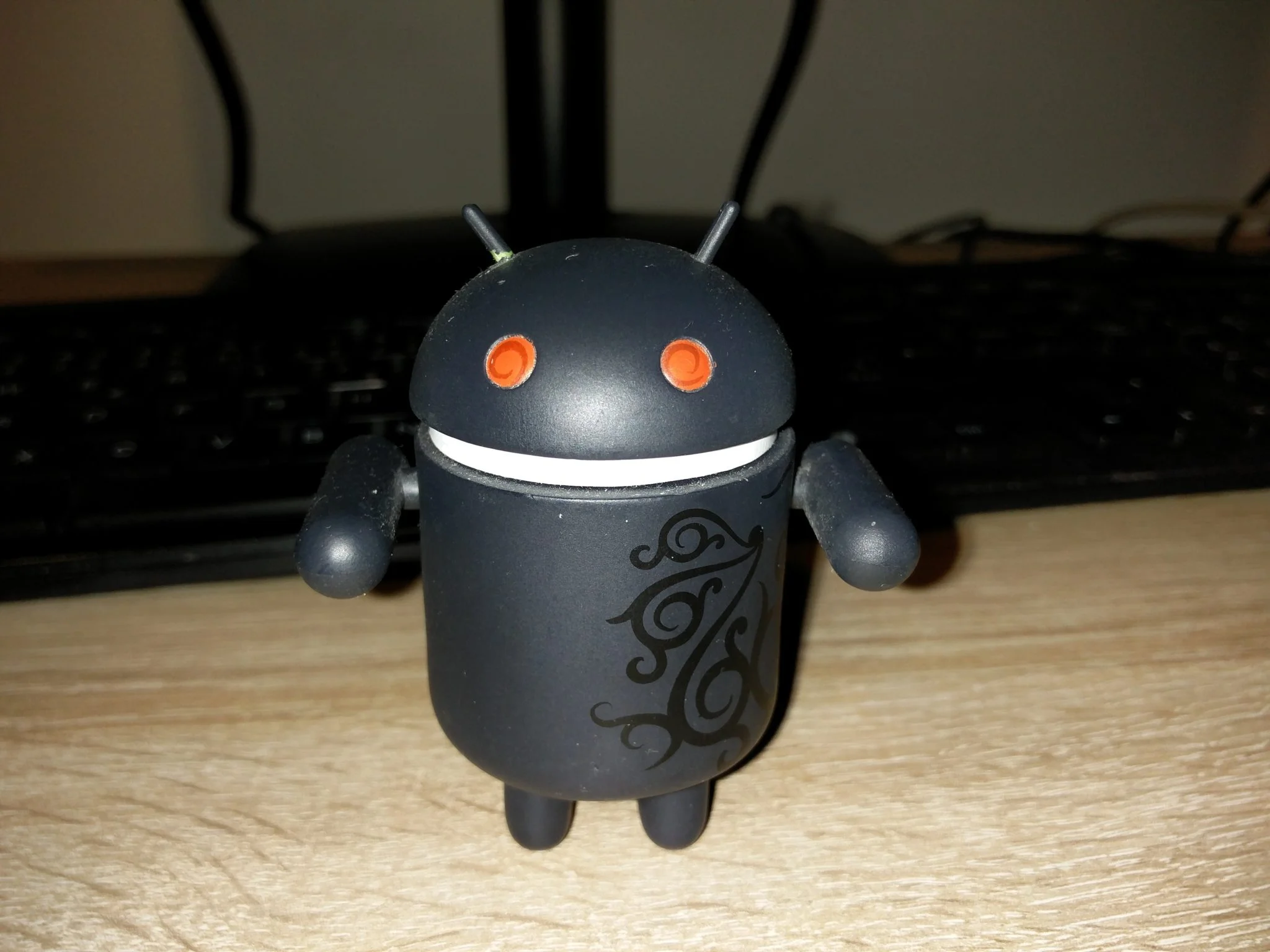









Zoom sample
Overall, I’d rate the camera as very good, and the same goes for the app, even if it could use deeper manual controls. Still, what’s here is genuinely useful. Beyond the basics, a long press on the on-screen shutter captures a burst of shots in quick succession. You can also lock autofocus for macro photography, which helps with subjects that are difficult to focus on. Once focus is locked, you can simply move closer to the object.


Standard shot vs. HDR
Battery
OnePlus 2 packs a 3300 mAh battery, which sounds adequate on paper, but a lot depends on what you expect from your phone. If you’re not a heavy user and you’re not handling every work task on it, I’d say the OnePlus 2 can stretch to two days before you need to find an outlet and plug in that USB-C cable.
In my case, I didn’t take it easy on the phone. I was connected to LTE most of the time, taking calls, checking notifications, and messaging across social networks and other apps. That kind of use got me through one full day. And by one day, I mean a real 24 hours, including overnight standby.
One common complaint from reviewers is the long charging time. I can’t say it felt especially painful in practice. Even with heavier use, I still had enough battery left before bed, so plugging it in overnight was enough to have it ready for the next workday.
I can confirm roughly three hours, plus another 10 to 15 minutes, for a full charge when using a standard 5V/1A charger. If you use something stronger, like the Xiaomi 10,400 mAh power bank with a 2A output, charging drops to about two hours, which lines up with the manufacturer’s claim.
I also ran the GeekBench battery benchmark, and the result probably won’t thrill current OnePlus One owners who were thinking about upgrading.
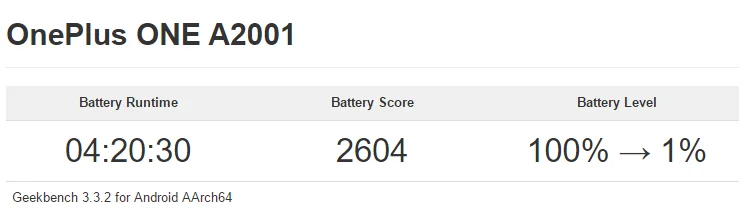
In this area, I wouldn’t call the OnePlus 2 a stamina champ. Software updates may improve things over time. The lack of fast charging is manageable, and a two-hour charge with a stronger adapter isn’t terrible. Still, the competition offers more. Personally, I would have liked to see wireless charging at the very least.
Conclusion
Some readers may find this review overly critical, but OnePlus invited that scrutiny by once again calling its phone a “flagship killer.” That description may have fit the previous model. This second-generation device doesn’t clearly outclass other Chinese smartphones in the same segment. If you want a stylish larger phone with a few extra perks, options like the Honor 6 Plus, Huawei P8, LG G3 (in Czech), and others come to mind right away.
One of the biggest complaints is the lack of NFC. Yes, OnePlus 2 would be better off with it, especially with contactless payments gaining traction. But I see the battery situation as the bigger weakness. I don’t necessarily need fast charging, but wireless charging would have been a welcome addition, especially as both the feature and compatible chargers are becoming more common.
 When it comes to design, things get a little tricky. Personally, I don’t think it’s especially well resolved, and that also applies to ergonomics, particularly the fingerprint reader. On the other hand, the build is solid and sturdy. The swappable back cover is a feature I really appreciate.
OnePlus 2 is a strong alternative that delivers very good specs, capable cameras, and solid build quality. Battery life won’t wow you, but it’s not a disaster either. The missing NFC may not be a dealbreaker for everyone, at least for now. If you want a well-rounded smartphone without some of the headline features that define top-tier flagships from the biggest brands, the OnePlus 2 still makes sense.

Community Discussion 0 COMMENTS