
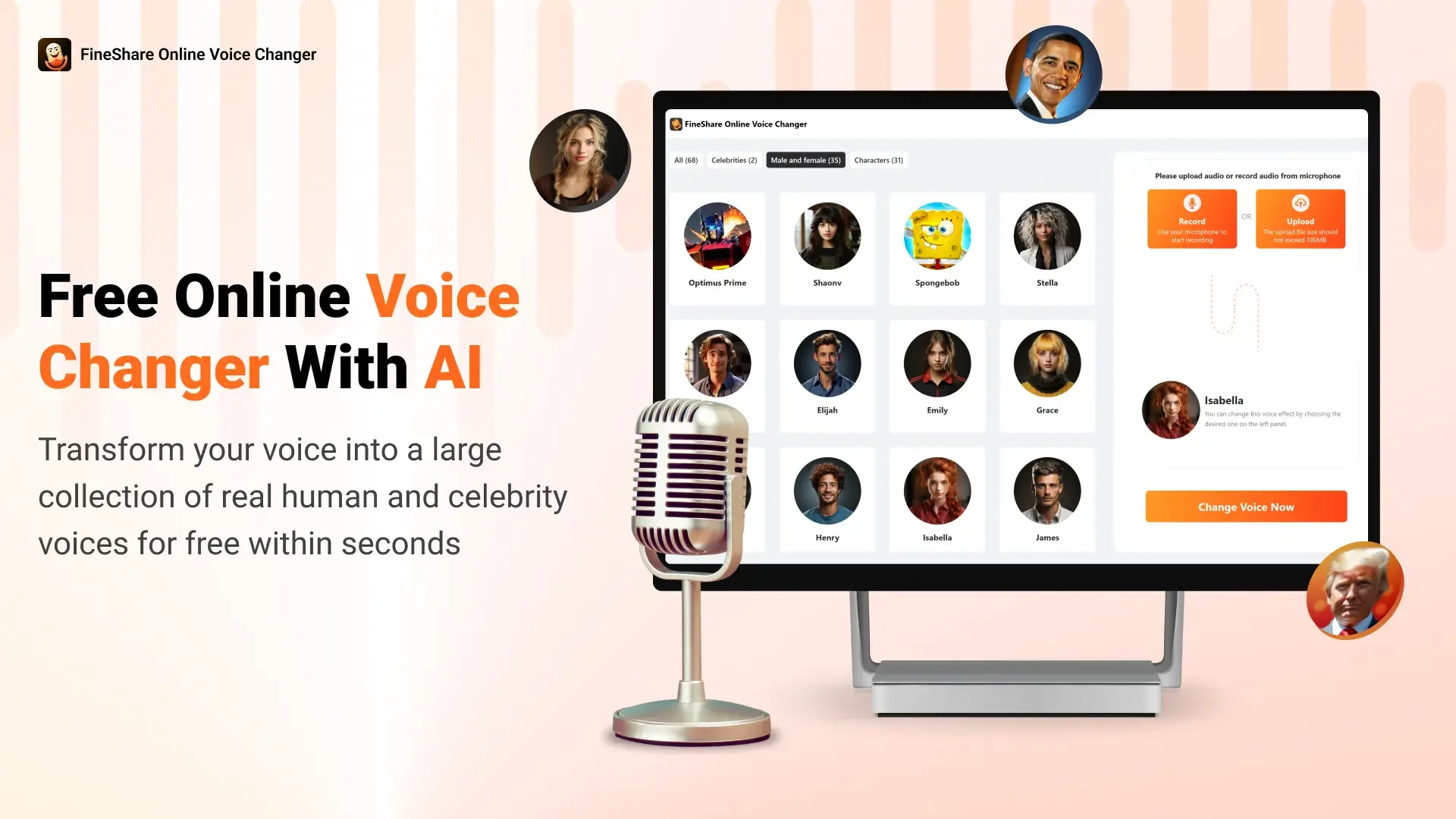
FineVoice is an online text-to-speech service that can generate more than 1,000 realistic voices for videos, podcasts, presentations, and other projects. You just enter text, pick a language and voice, and FineVoice creates a finished voice track.
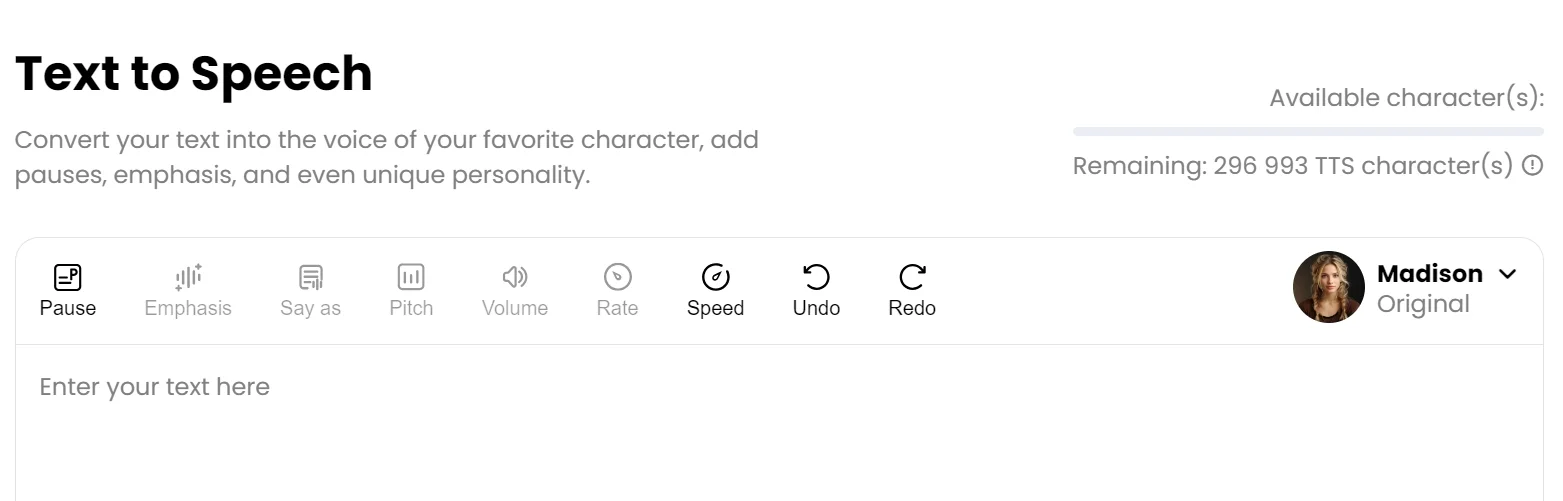
Users can choose from a wide range of voice styles, from celebrities to fictional characters, and tweak speed, pitch, and word pronunciation. FineVoice also supports more than 40 languages, which makes it useful for reaching a global audience. English works well. Some regional language support, however, is still very limited, with only a small selection of voices that sound noticeably robotic.
Pros
- Wide selection of languages and voice types
- Good voice categorization, including age groups
- Strong output quality when using English
- Community voices modeled after recognizable characters
- Real potential as an audio creation tool for both commercial work and fun side projects

Cons
- Conversion times are inconsistent; the same amount of text may take seconds or several minutes
- Playback of converted audio occasionally freezes
- No option to rename recordings or transcripts
- The service sometimes logs you out in both the browser and app
- The app differs from the web interface, includes bugs, and crashed multiple times during testing
- No direct sharing from the platform; you have to download files and share them manually
- No proper phone support yet
- The mobile web experience is hampered by poor responsive design
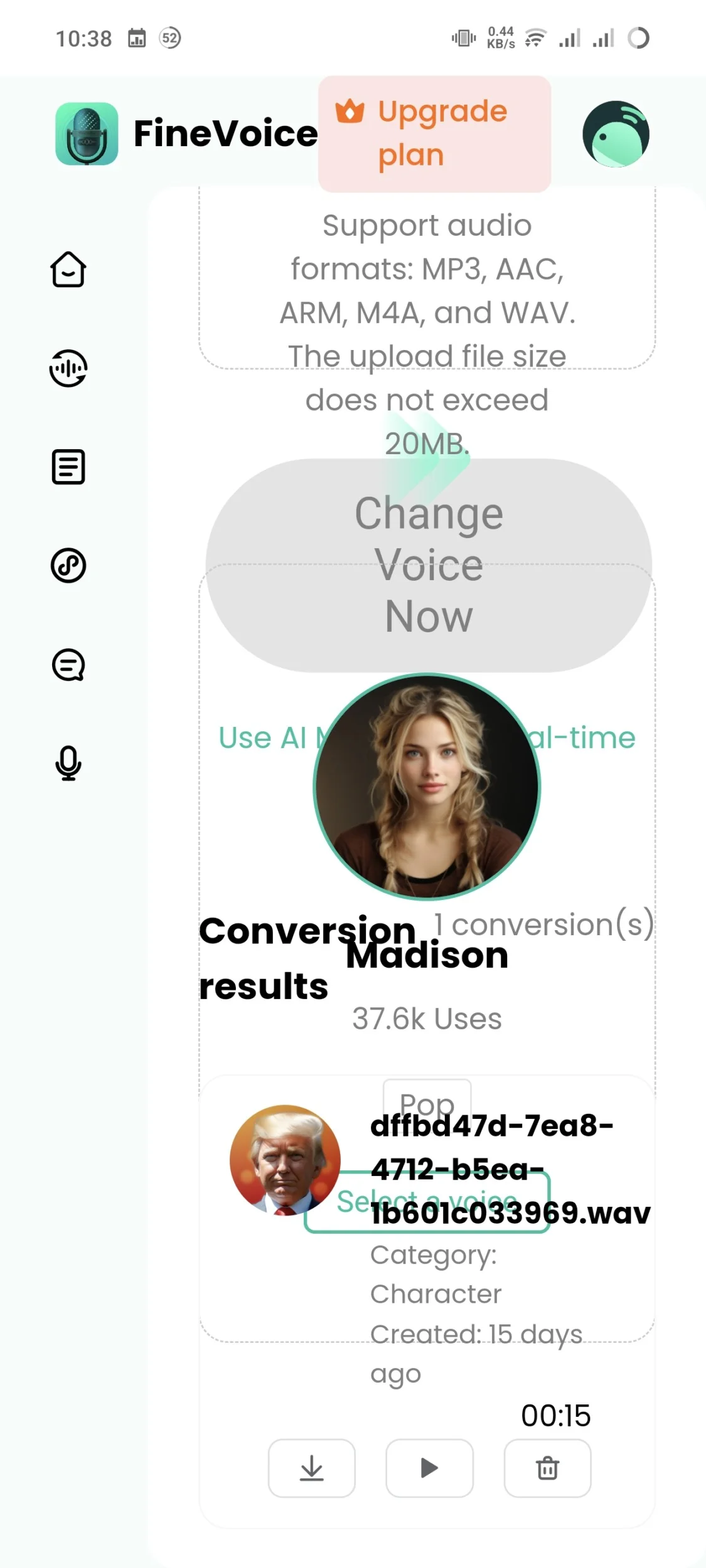
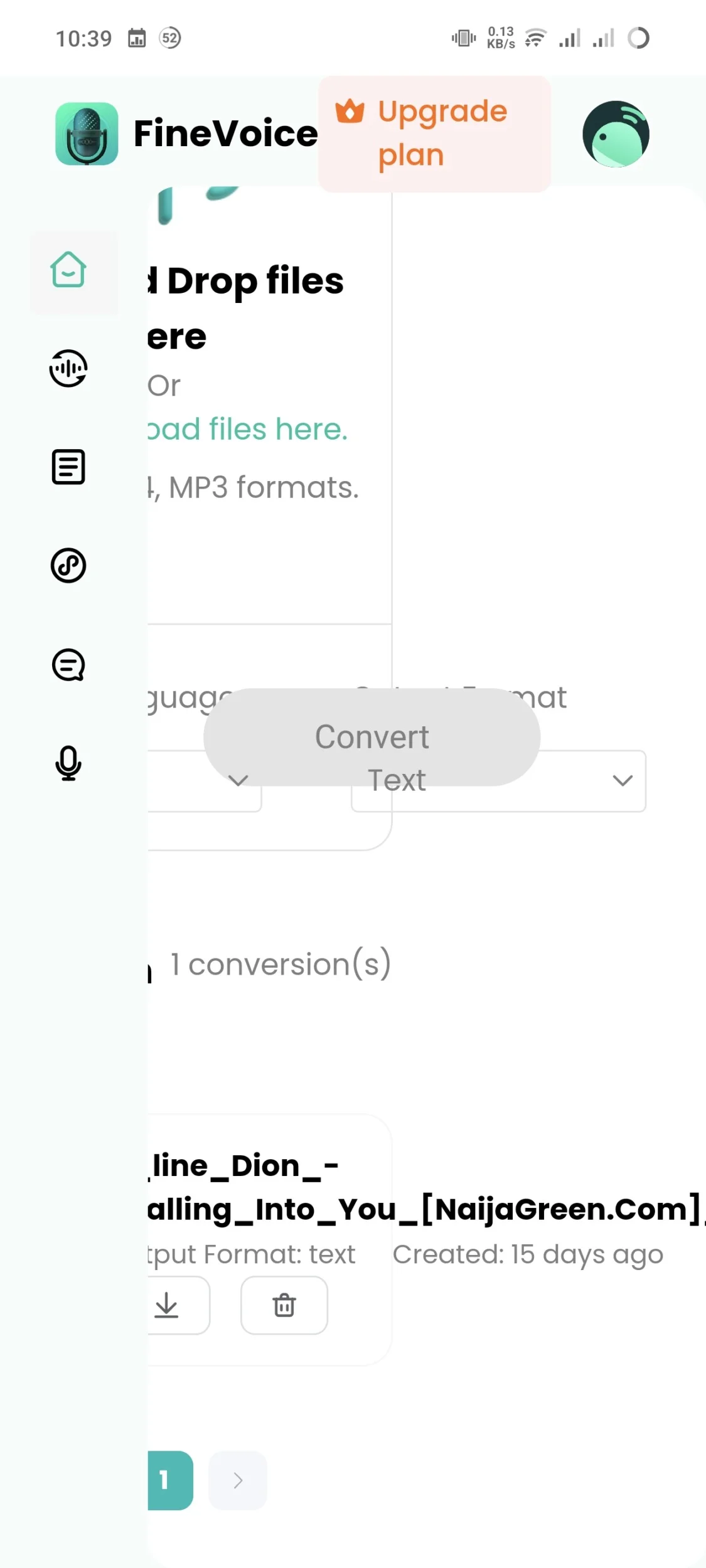
An example of the broken responsive design on a phone.
Best suited to creators working in major languages
With English, it’s clear the generated voices sound much more natural and human. FineVoice makes sense for people who want polished voice content without recording it themselves or hiring voice talent. You can try FineVoice for free and judge the quality and feature set for yourself.
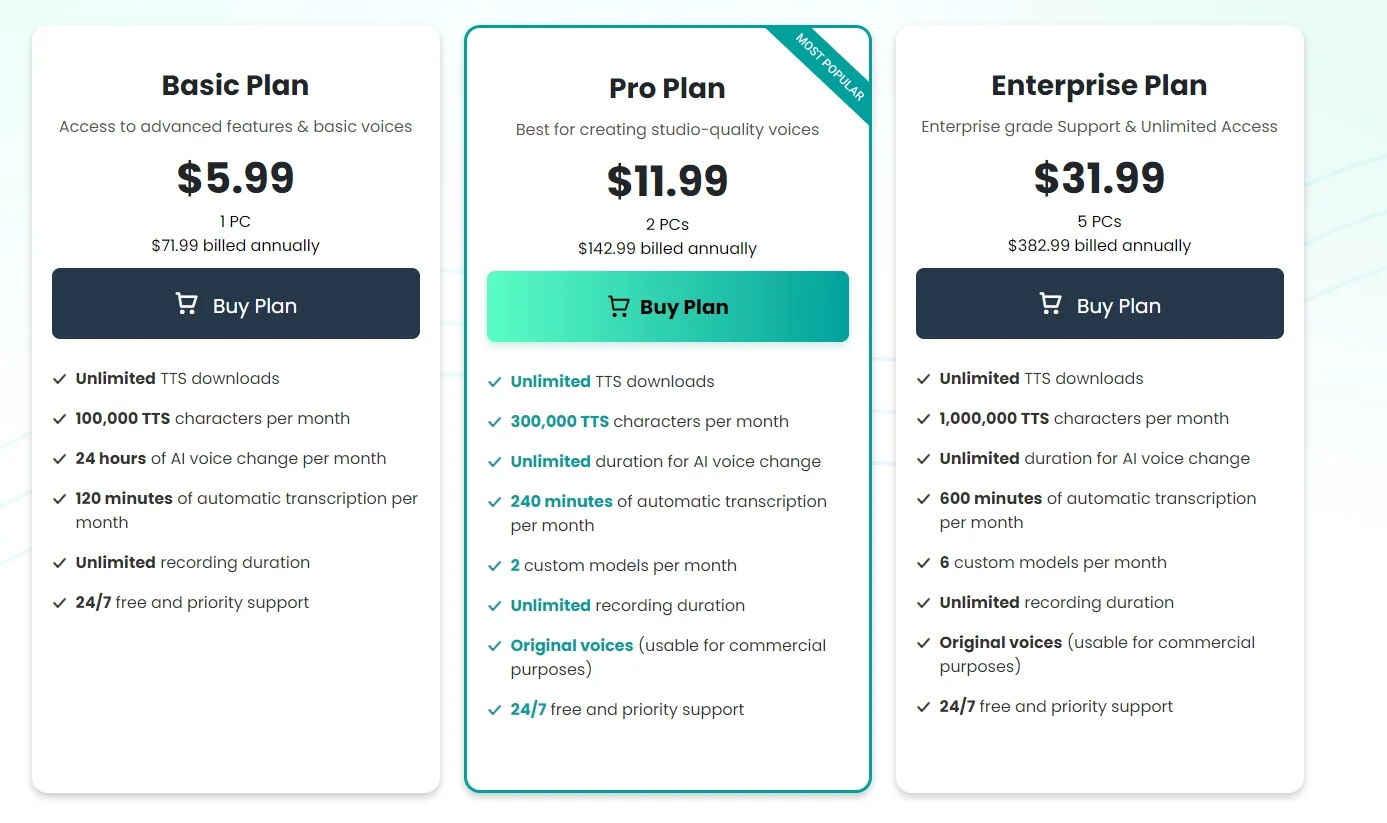
If you want the full version, pricing starts at 72 USD (approx. 1,570 CZK / €65) per year. A two-device license costs 142 USD (approx. 3,100 CZK / €130) and includes more characters and more conversion minutes. There’s also a five-device plan for 383 USD (approx. 8,350 CZK / €350), though even that tier doesn’t remove every usage cap.
Text to audio
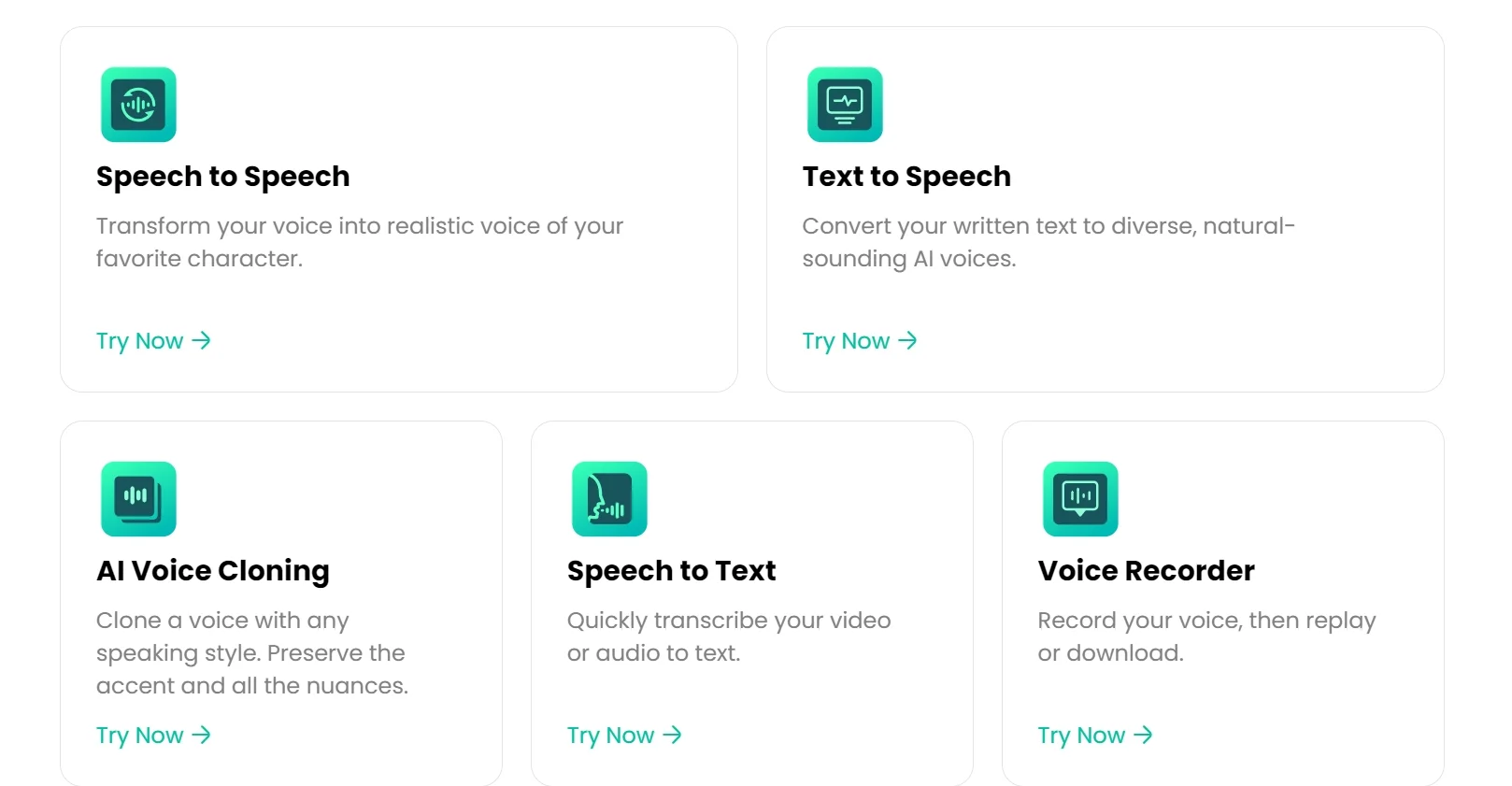
Text-to-audio is useful if you want to turn written material into something people can actually listen to. Children’s stories are an easy example. Paste in the text and, in about a minute, the conversion is done. The biggest weakness is limited support for some languages; otherwise, the feature works well.
Audio to text
This feature is usable in other languages, but support for some regional languages is missing. I tried speaking slowly and clearly, and the transcription was almost entirely accurate aside from a few sentence endings. One drawback: you can’t record audio directly in the browser here, even though that’s possible with the AI voice-changing tool. That means you need to upload an existing recording instead.
You can convert up to 240 minutes of audio to text each month. The comparison result isn’t perfect, but it comes close. Most of the issues were tied to punctuation and a foreign word. The source recording used here was generated by FineVoice’s text-to-speech tool.
AI voice changing
With AI voice changing, users aren’t heavily restricted. You can alter as many recordings as you want. There’s a large voice library to choose from, including famous personalities and fictional characters. I do miss built-in audio editing, trimming, and the ability to fine-tune individual passages, but even without that, the output is better than expected. I tried a Morgan Freeman-style voice, and the result was usable.

Community Discussion 0 COMMENTS